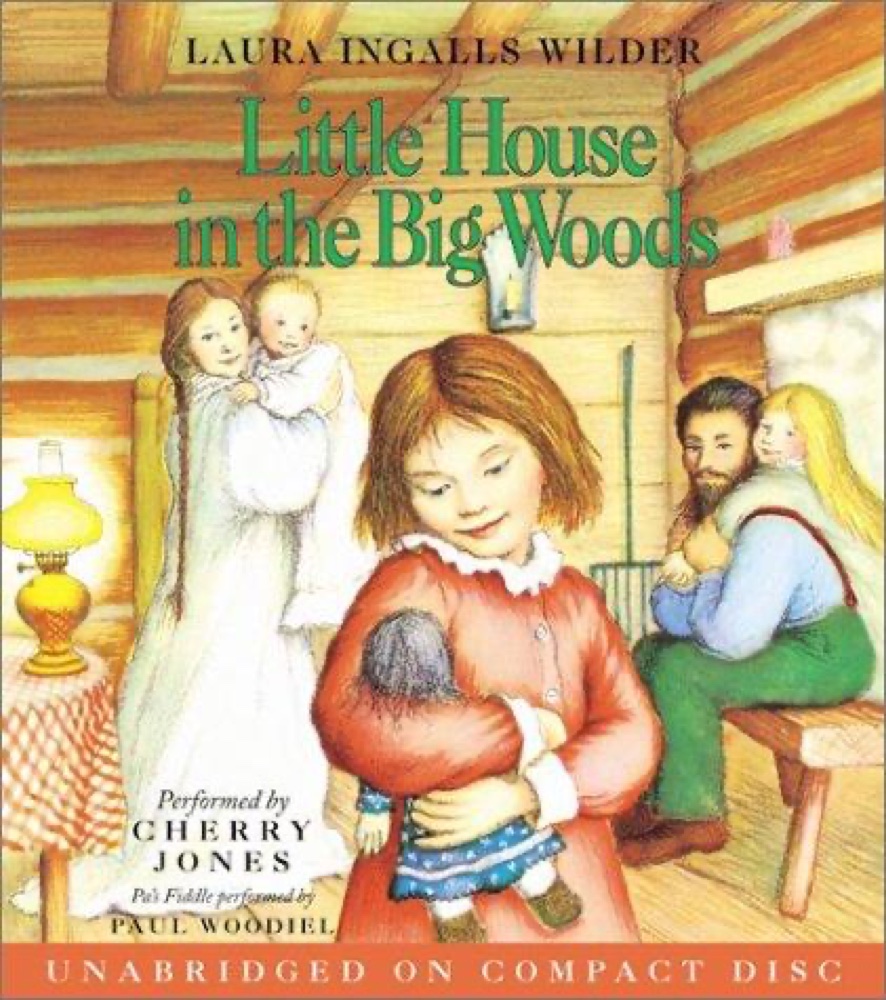
 Little House in the Big Woods
Quotes from the Book
Ma sighed gently and said, "A whole year gone, Charles." But Pa answered, cheerfully: "What's a year amount to? We have all the time there is.
Everything from the little house was in the wagon except the beds and tables and chairs. They did not need to take these, because Pa could always make new ones.
The stars and stripes were fluttering bright against the rain, clear blue overhead, and their minds were saying the words before their ears heard them.
We start learning the minute we're born, Laura. And if we're wise, we don't stop until the Lord calls us home.
One day in the woods he met an Indian. They stood in the wet, cold woods and looked at each other, and they could not talk because they did not know each other's words
These little creatures looked soft as velvet. They had bright round eyes and crinkling noses and wee paws. They popped out of holes in the ground, and stood up to look at Mary and Laura. Their hind legs folded under their haunches, their little paws folded tight to their chests, and they looked exactly like bits of dead wood sticking out of the ground. Only their bright eyes glittered. Mary
So they all went away from the little log house. The shutters were over the windows, so the little house could not see them go. It stayed there inside the log fence, behind the two big oak trees that in the summertime had made green roofs for Mary and Laura to play under. And that was the last of the little house
One day in the woods he met an Indian. They stood in the wet, cold woods and looked at each other, and they could not talk because they did not know each other's words.
In the West the land was level, and there were no trees. The grass grew thick and high. There the wild animals wandered and fed as though they were in a pasture that stretched much farther than a man could see, and there were no settlers. Only Indians lived there.
Mary and Laura clung tight to their rag dolls and did not say anything. The cousins stood around and looked at them. Grandma and all the aunts hugged and kissed them and hugged and kissed them again, saying good-by.
Pa promised that when they came to the West, Laura should see a papoose.
must be seen and not heard.
This is Indian country, isn’t it?” Laura said. “What did we come to their country for, if you don’t like them?
They didn’t say anything. Perhaps Mary felt sweet and good inside, but Laura didn’t. When she looked at Mary she wanted to slap her. So she dared not look at Mary again.
Did you know?
- The novel was first published by Harper & Brothers in 1935.
- The first edition was illustrated by Helen Sewell; a 1953 uniform edition was newly illustrated by Garth Williams.
- It is the third book published in Wilder's Little House series.
- The story is set in Montgomery County, Kansas, during 1869-1870.
- The plot draws on the real Ingalls family, who settled on Osage reservation land without legal authorization.
- In the story the family falls ill with malaria, contemporaneously ascribed to breathing the night air or eating watermelon.
About Laura Ingalls Wilder
Laura Ingalls Wilder (1867-1957) was an American writer best known for the semi-autobiographical Little House series, based on her childhood in a pioneer and settler family in the American Midwest.
More about the author →More by Laura Ingalls Wilder
All books by Laura Ingalls Wilder →
About the book
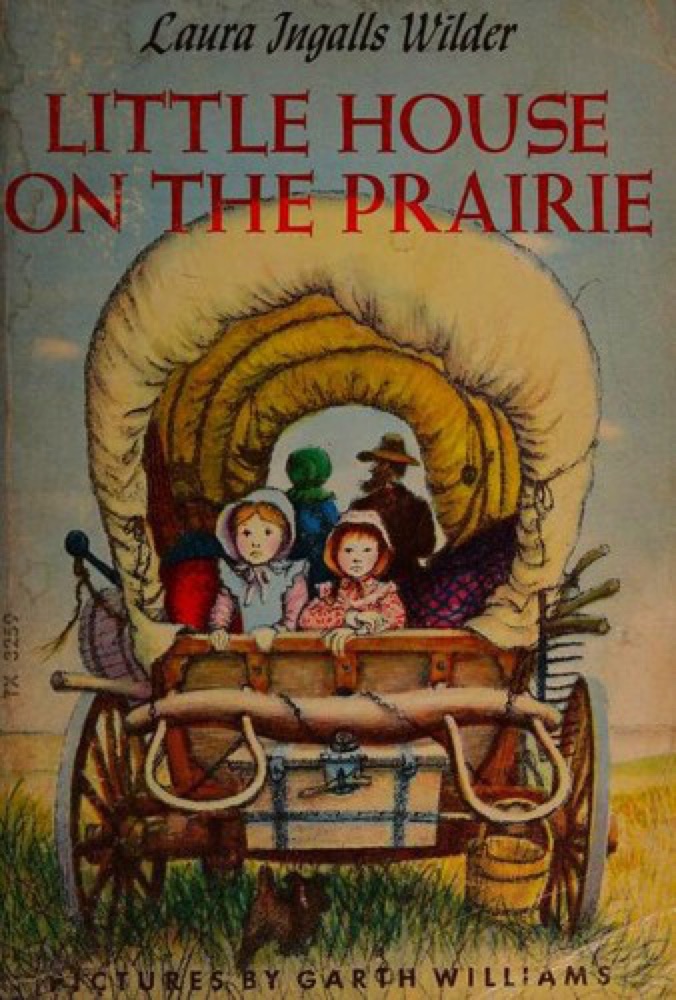
Little House on the Prairie is an autobiographical children's novel by Laura Ingalls Wilder, published by Harper & Brothers in 1935. It follows the pioneer Ingalls family as they leave their little house in the Big Woods of Wisconsin and travel by covered wagon to Indian Territory, settling on the Kansas prairie in Montgomery County. There Pa builds a one-room log house, and the family works to make a home in an open, often dangerous landscape.
Drawn from Wilder's own childhood, the book depicts the daily labor and hazards of frontier life during 1869-1870: building and provisioning a homestead, illness (the family falls sick with what is described as malaria), prairie fires, wolves, and the family's uneasy proximity to the local Osage people whose land they have settled. Told through young Laura's eyes, the story balances wonder and hardship, ending when U.S. soldiers are sent to remove white settlers from Indian Territory and Pa decides to move the family on.
The third title published in Wilder's Little House series, the novel became one of the most enduring works of American children's literature and lent its name to the long-running franchise. Read for generations as a portrait of pioneer resilience and family, it has also become a focus of modern discussion for its depiction of Native Americans and westward settlement, making it both a classic and a subject of ongoing reappraisal.
Key characters
- Laura IngallsYoung narrator and protagonist
- Charles Ingalls (Pa)Laura's father, who builds the homestead and leads the family west
- Caroline Ingalls (Ma)Laura's mother, keeping house on the prairie
- Mary IngallsLaura's older sister
- Carrie IngallsLaura's baby sister
- Mr. EdwardsNeighbor and family friend on the prairie
Book details
- First published
- 1935
- Length
- 200 pages
- Reading time
- 4 hours
- Author
- Laura Ingalls Wilder
- Genre
- Classics
- Goodreads rating
- 4.21 (305k ratings) →
Series & reading order
- 1 Little House in the Big Woods
- 2 Farmer Boy
- 3 Little House on the Prairie
- 4 On the Banks of Plum Creek
- 5 By the Shores of Silver Lake
- 6 The Long Winter
- 7 Little Town on the Prairie
- 8 These Happy Golden Years
- 9 The First Four Years
Keep reading
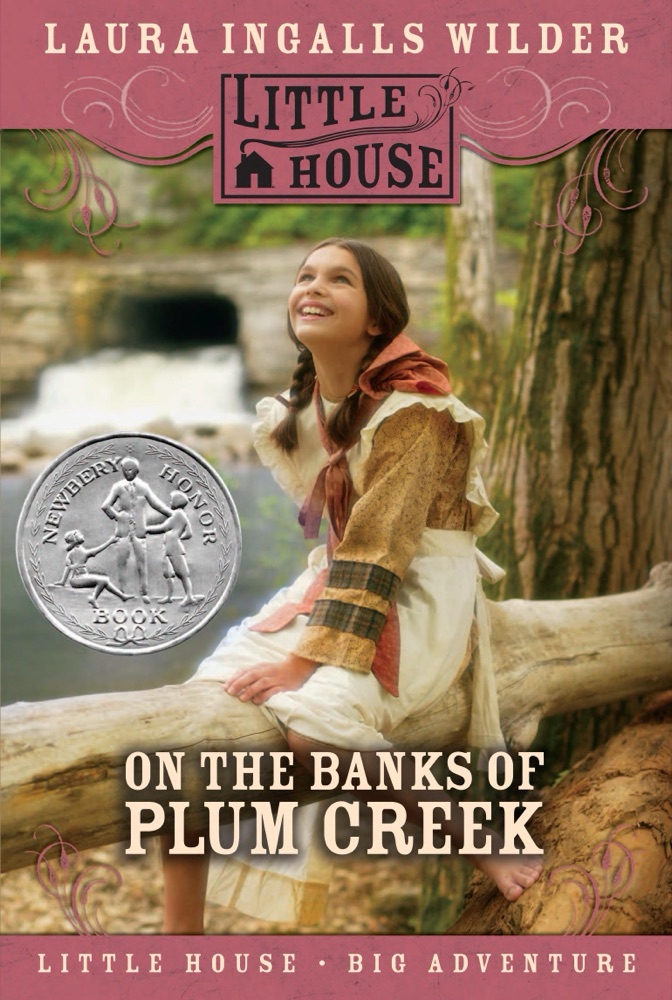 On the Banks of Plum Creek
Little House in the Big Woods
On the Banks of Plum Creek
Little House in the Big Woods
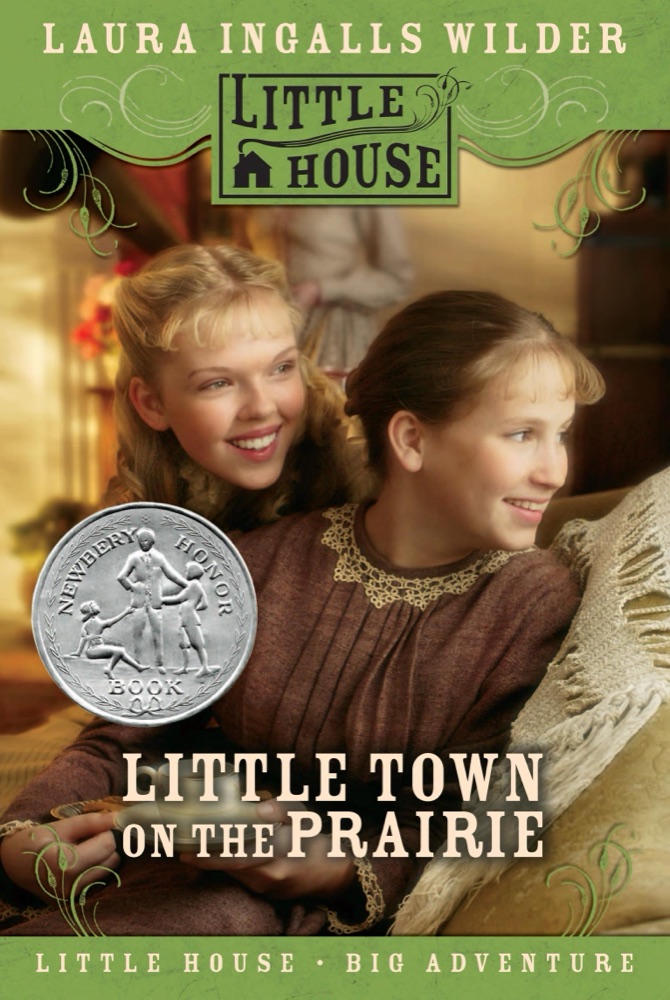 Little Town on the Prairie
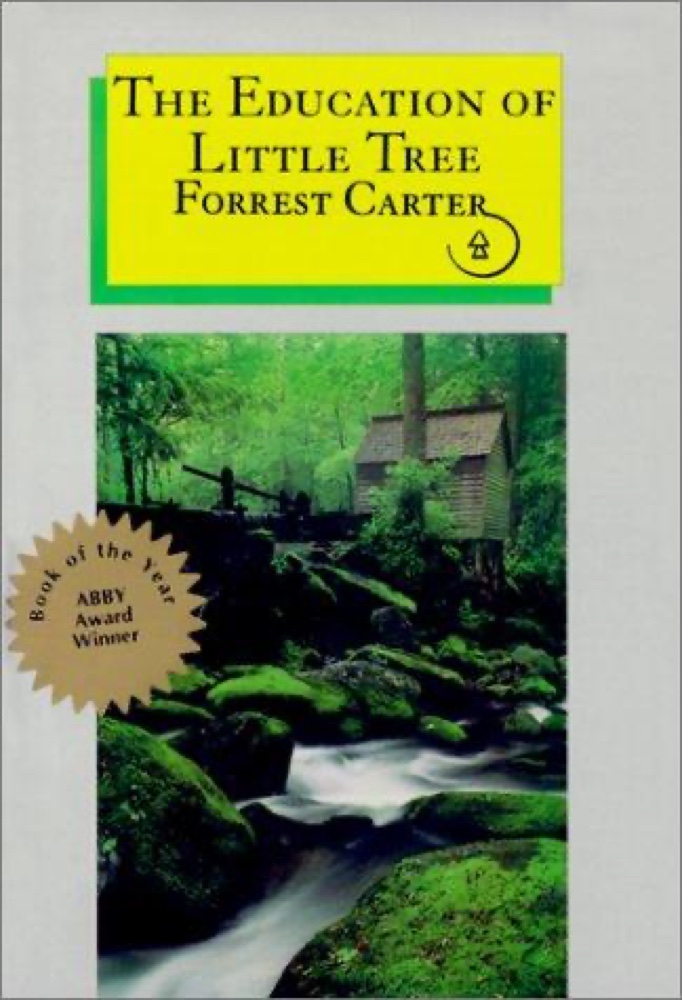 The Education of Little Tree
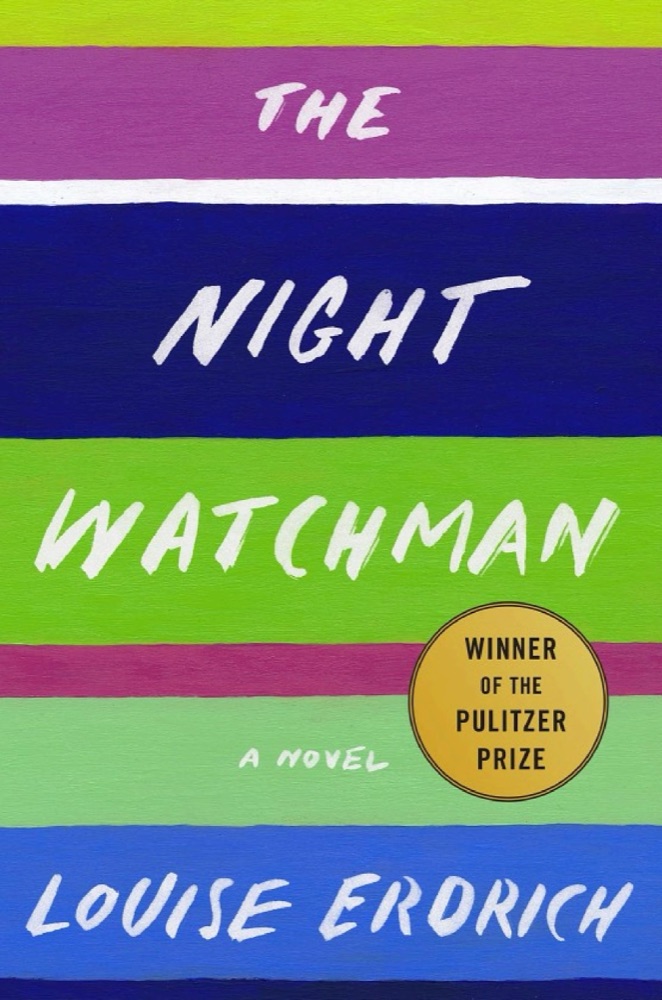 The Night Watchman
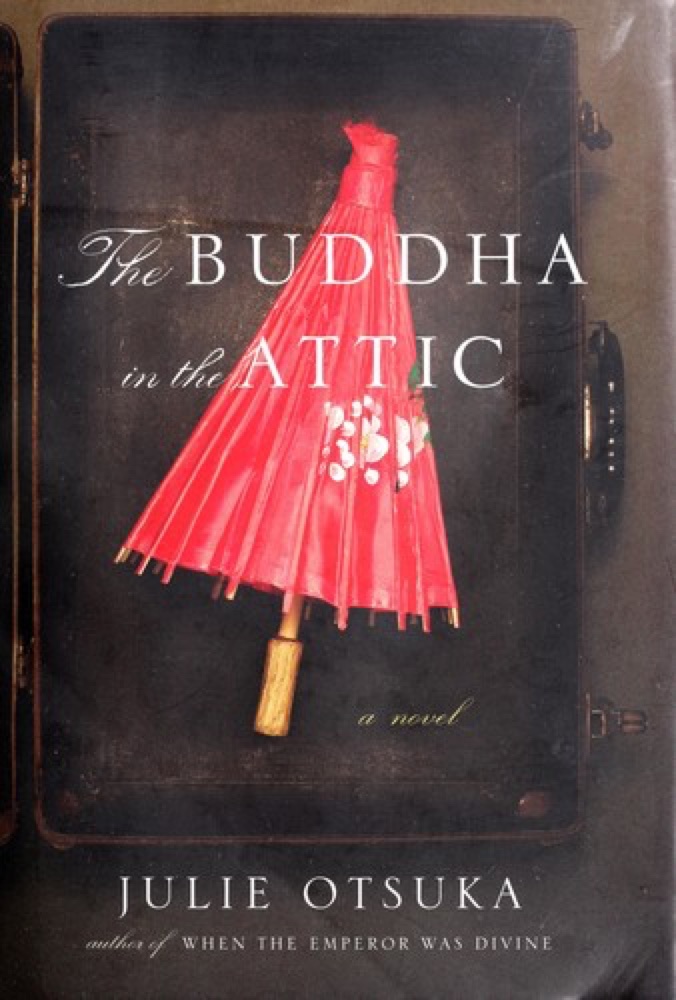 The Buddha in the Attic
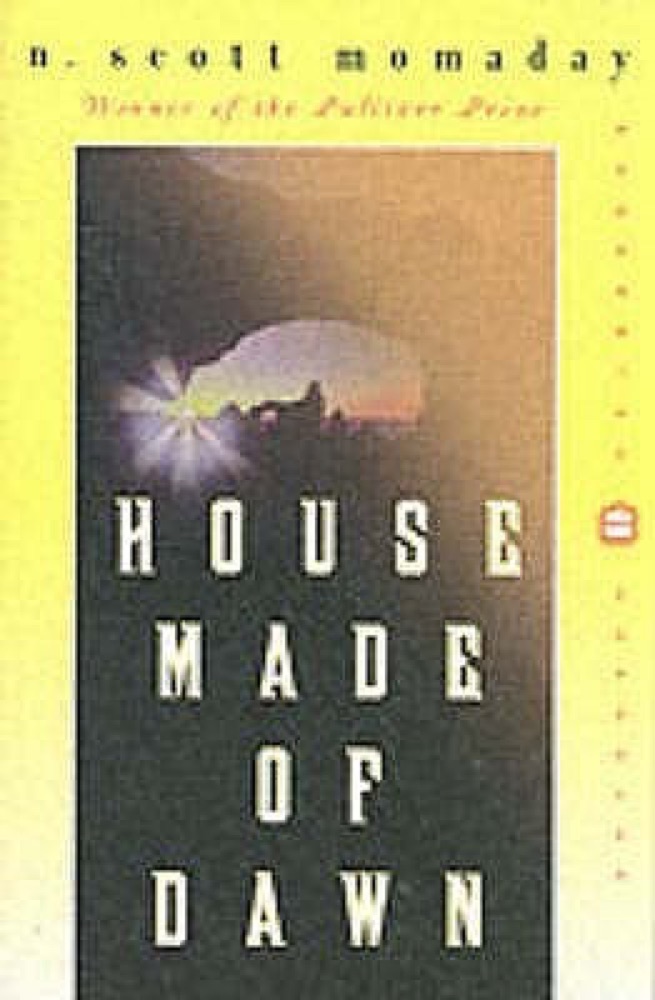 House Made of Dawn
 Every Bone a Prayer
 The Lone Ranger and Tonto Fistfight in Heaven
 The Known World
 Montana 1948
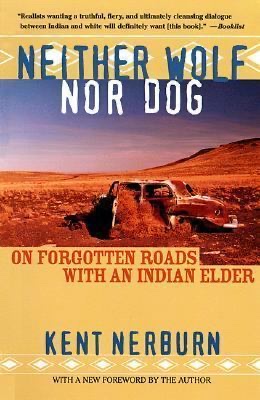 Neither Wolf Nor Dog: On Forgotten Roads with an Indian Elder
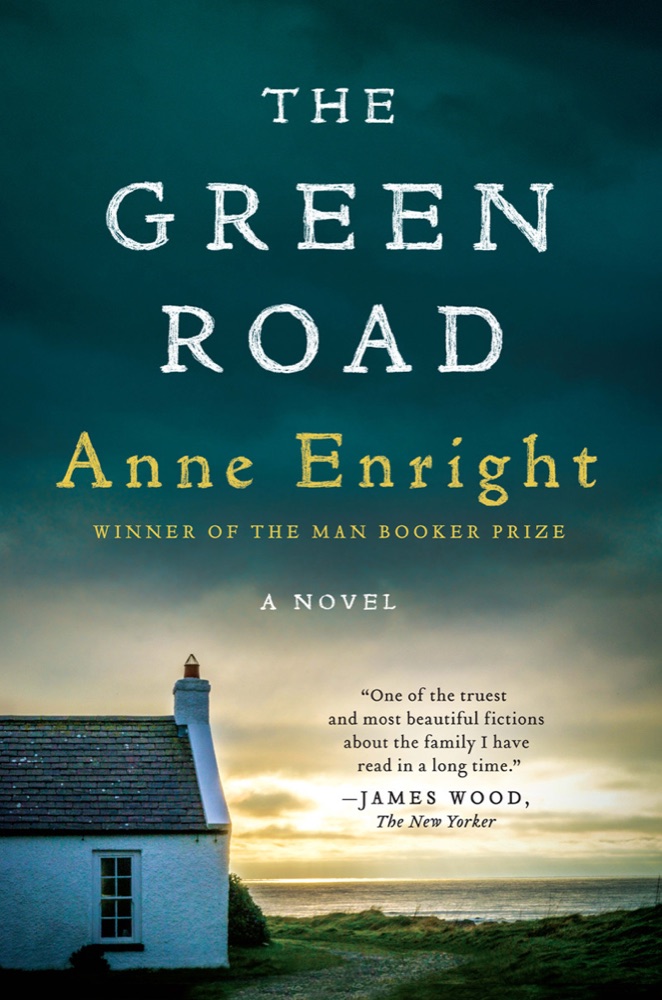 The Green Road
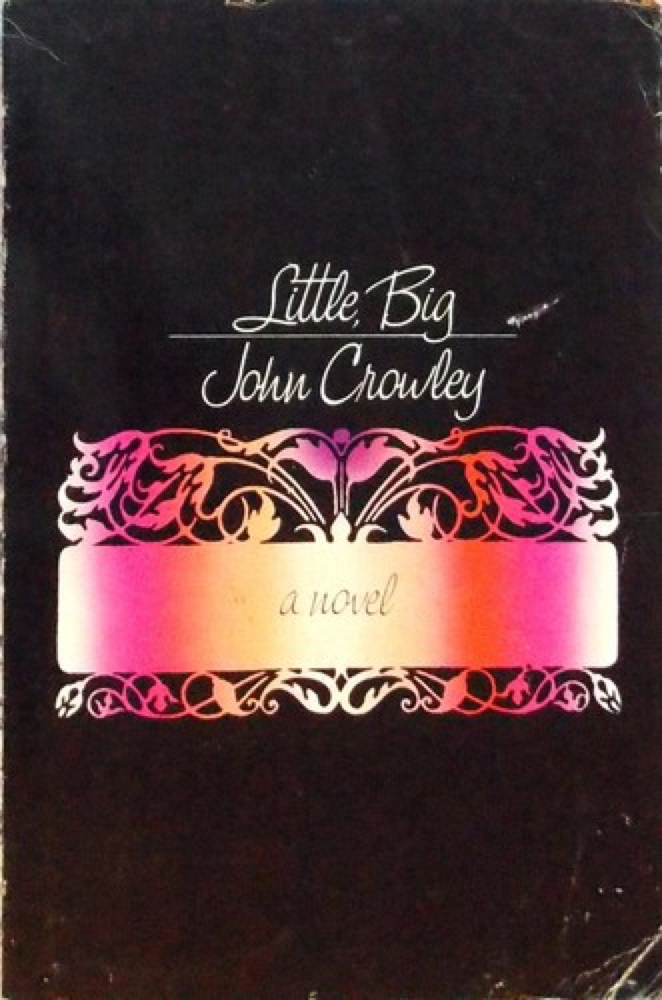 Little, Big
 The Witch of Blackbird Pond
 A Lantern in Her Hand
 Independent People
 The Wars
 O Pioneers!
 August: Osage County
 A Children's Bible
 The Collected Stories
 Prodigal Summer
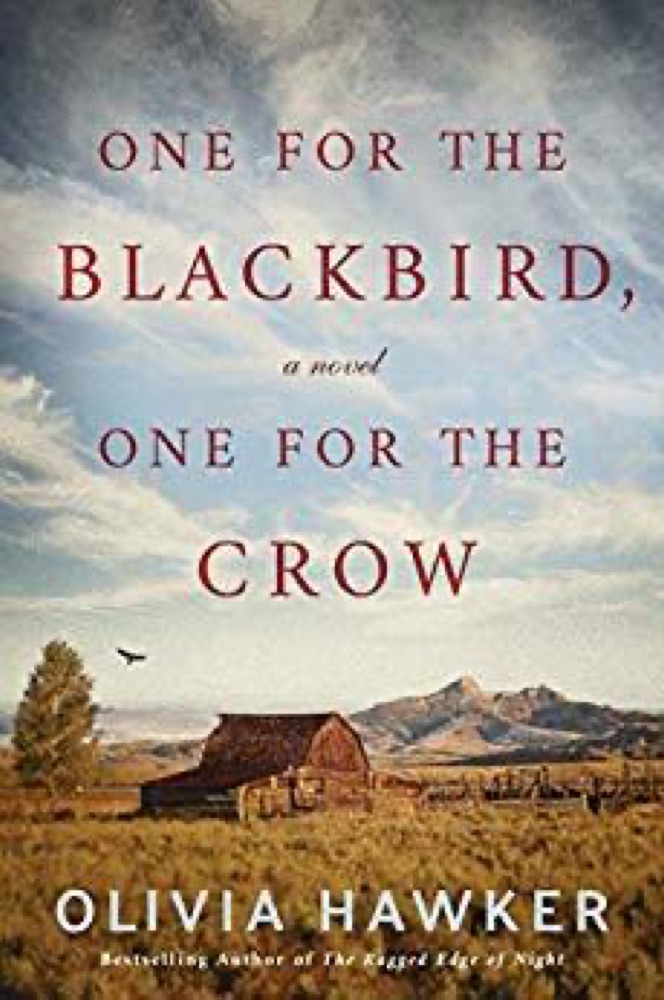 One for the Blackbird, One for the Crow
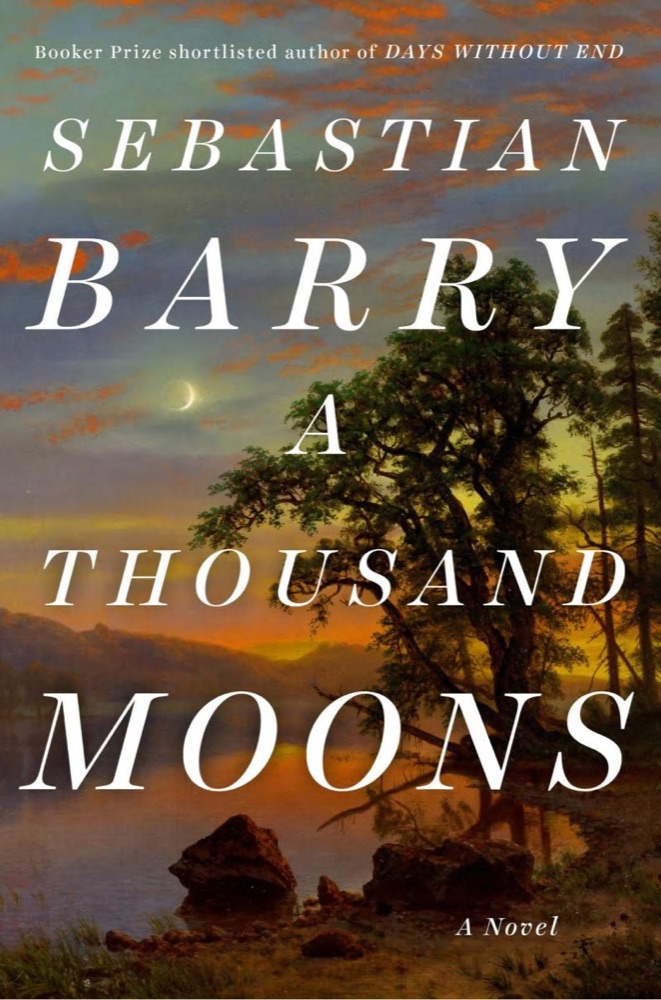 A Thousand Moons
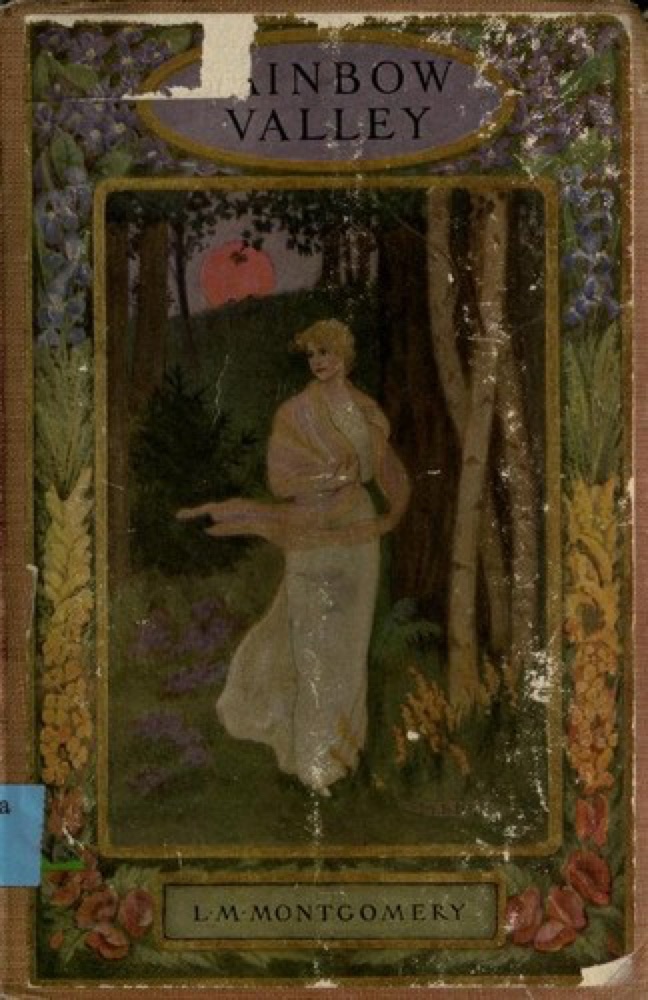 Rainbow Valley
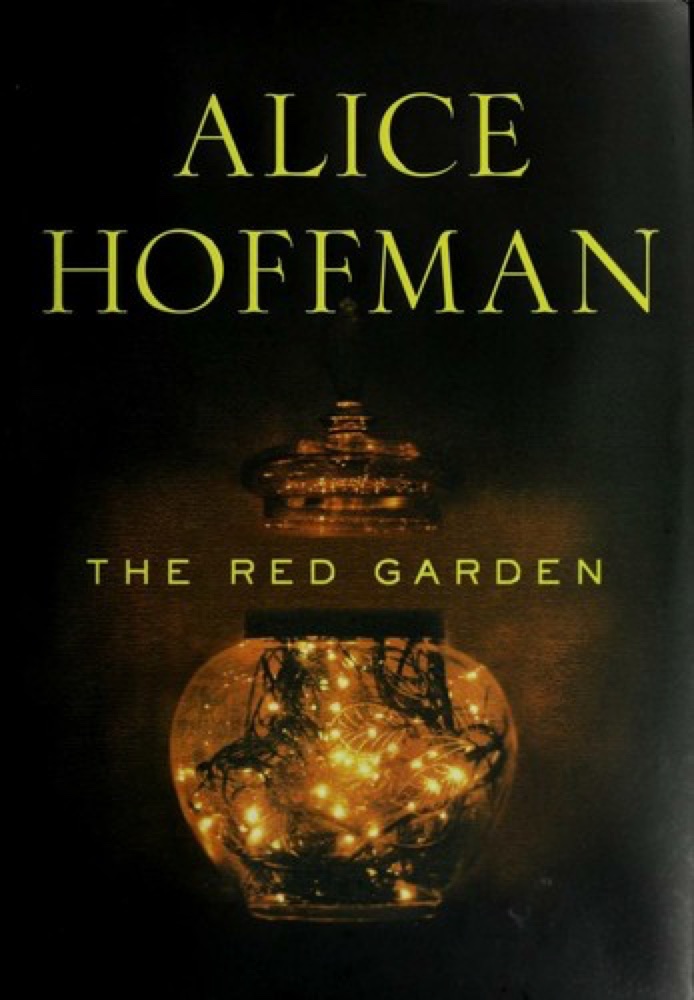 The Red Garden
 The Little Sister
 My Family and Other Animals
 Sarah's Key
 The Twelve Tribes of Hattie
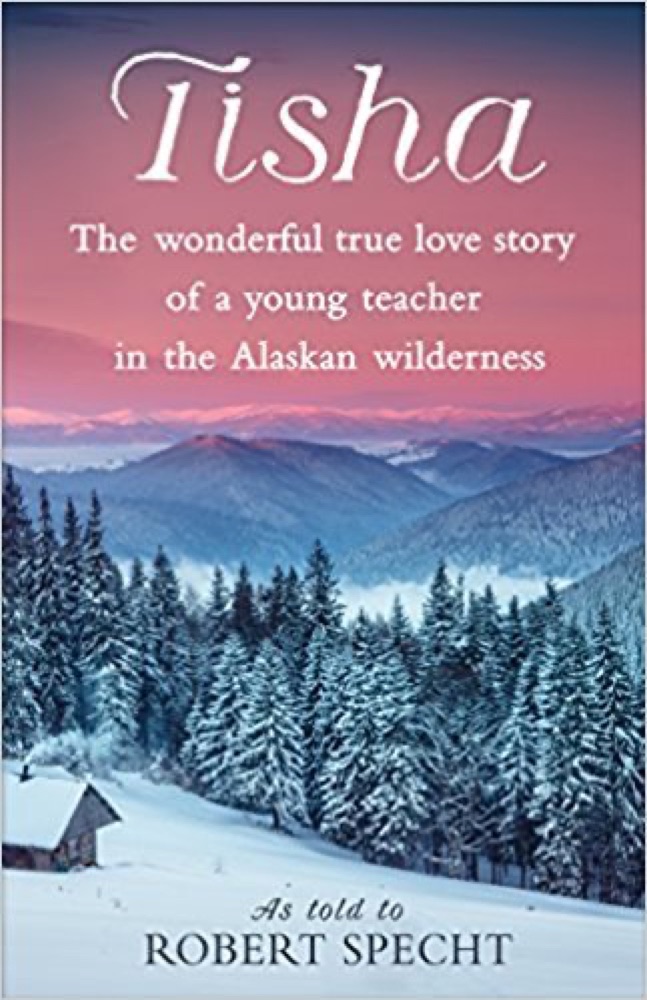 Tisha: The Story of a Young Teacher in the Alaskan Wilderness
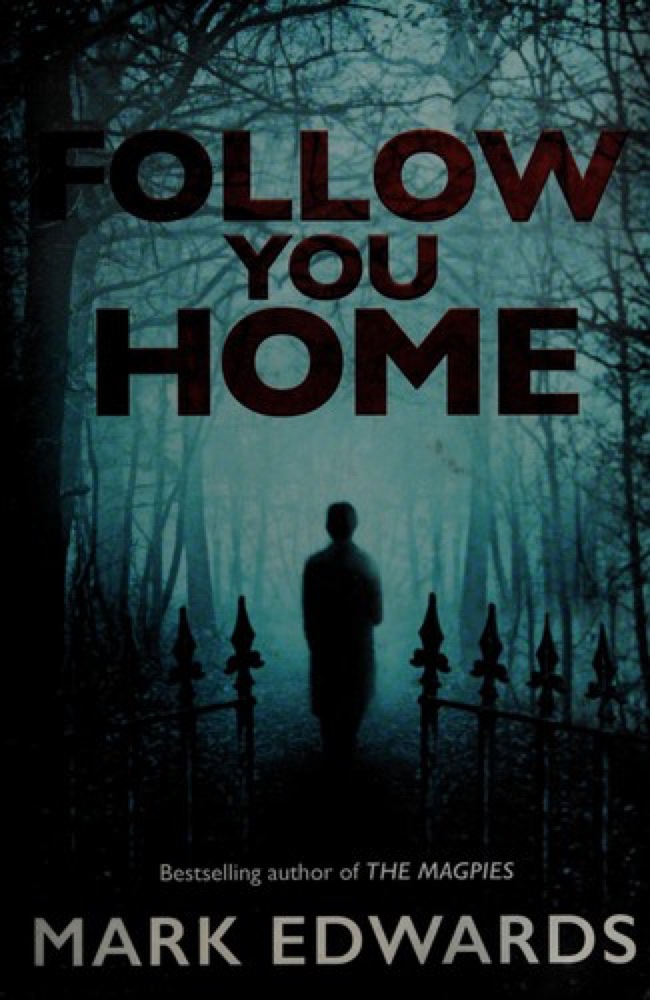 Follow You Home
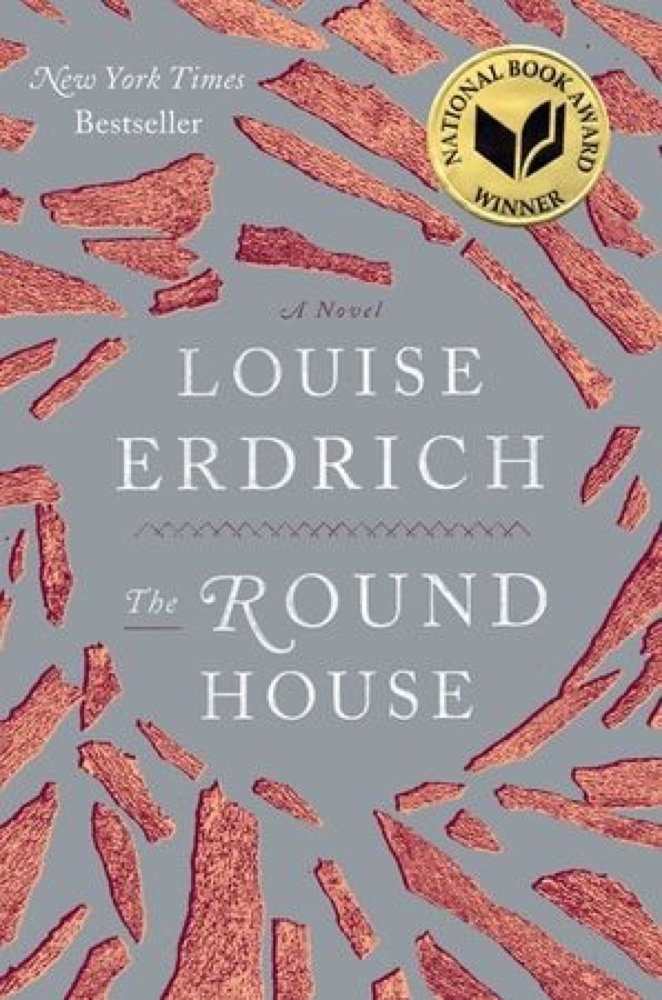 The Round House
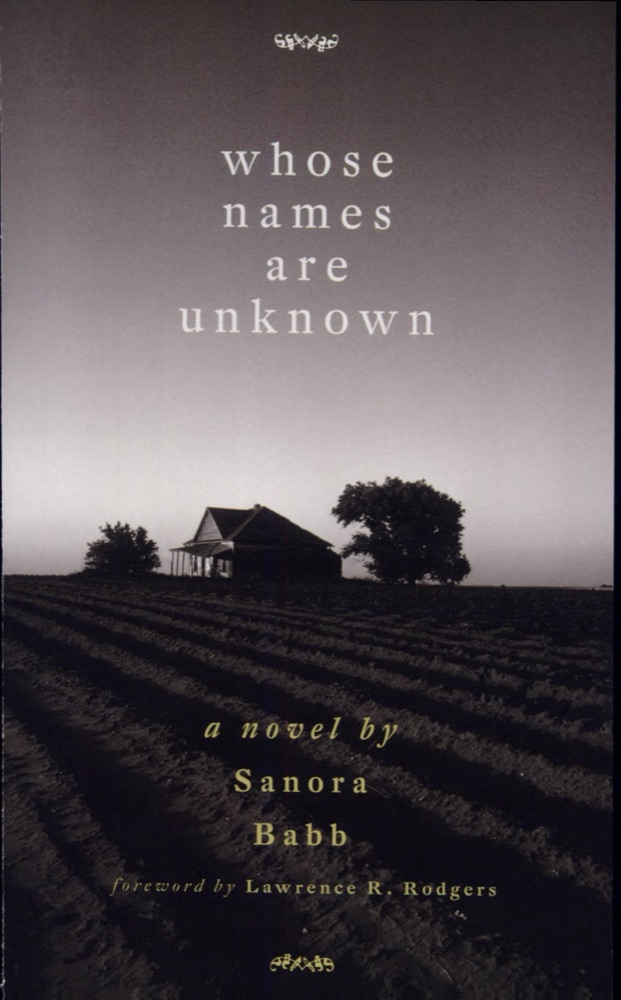 Whose Names Are Unknown
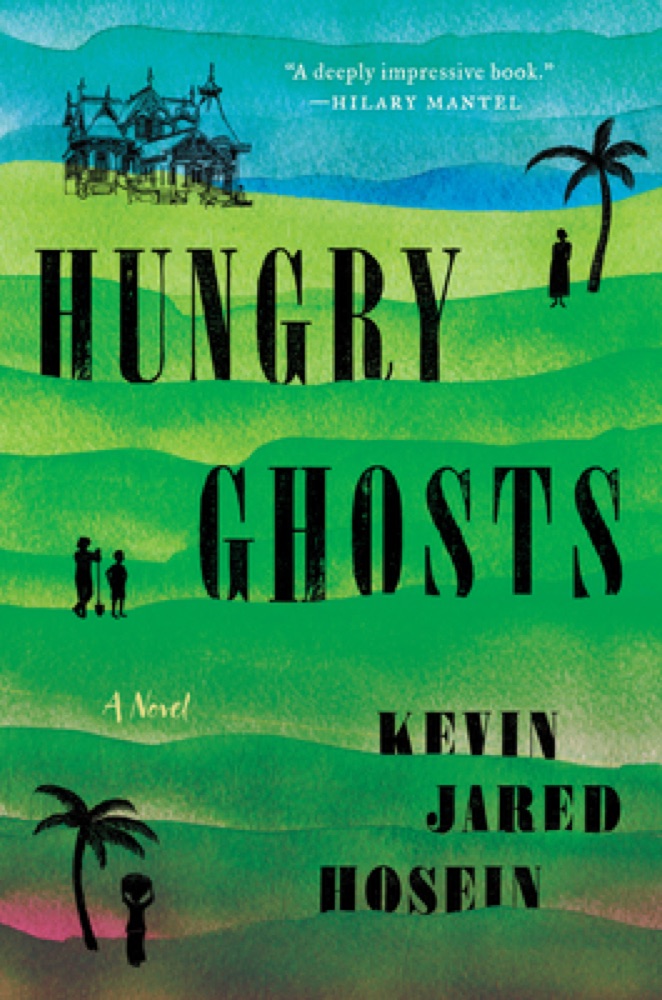 Hungry Ghosts
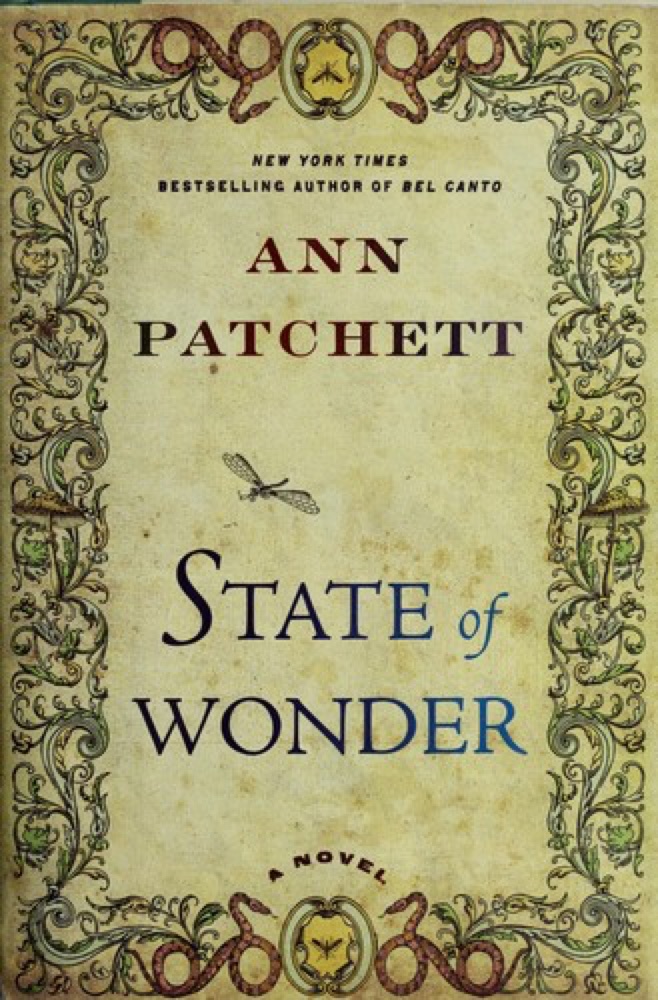 State of Wonder
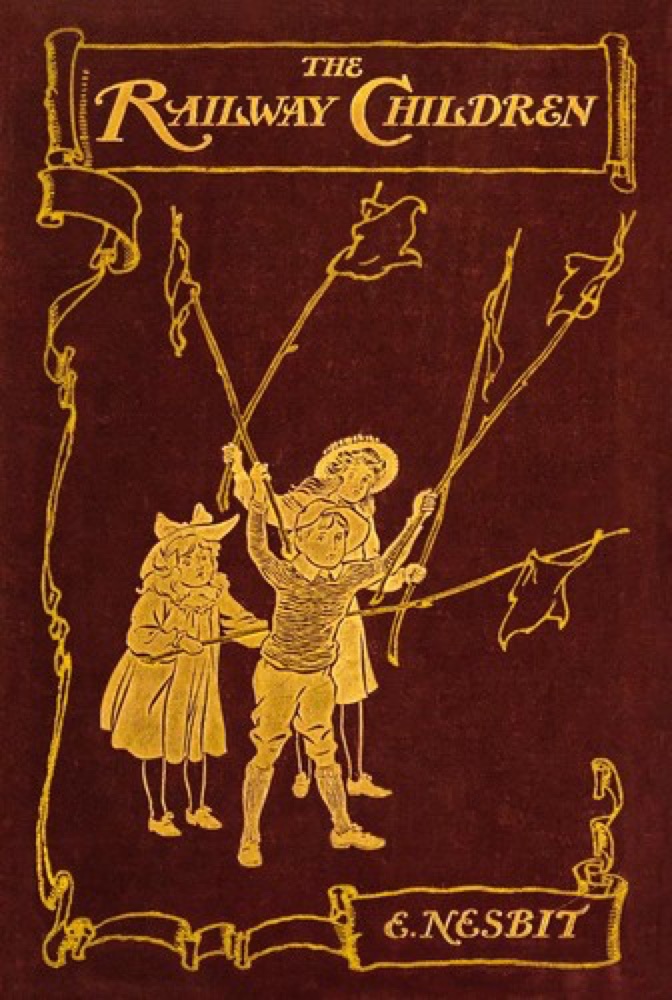 The Railway Children
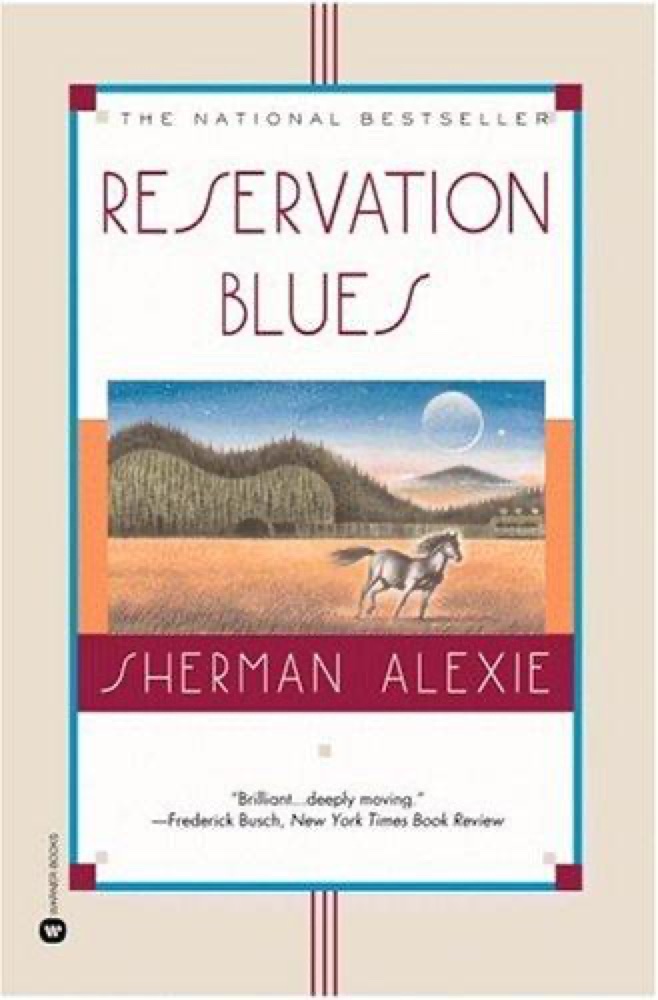 Reservation Blues
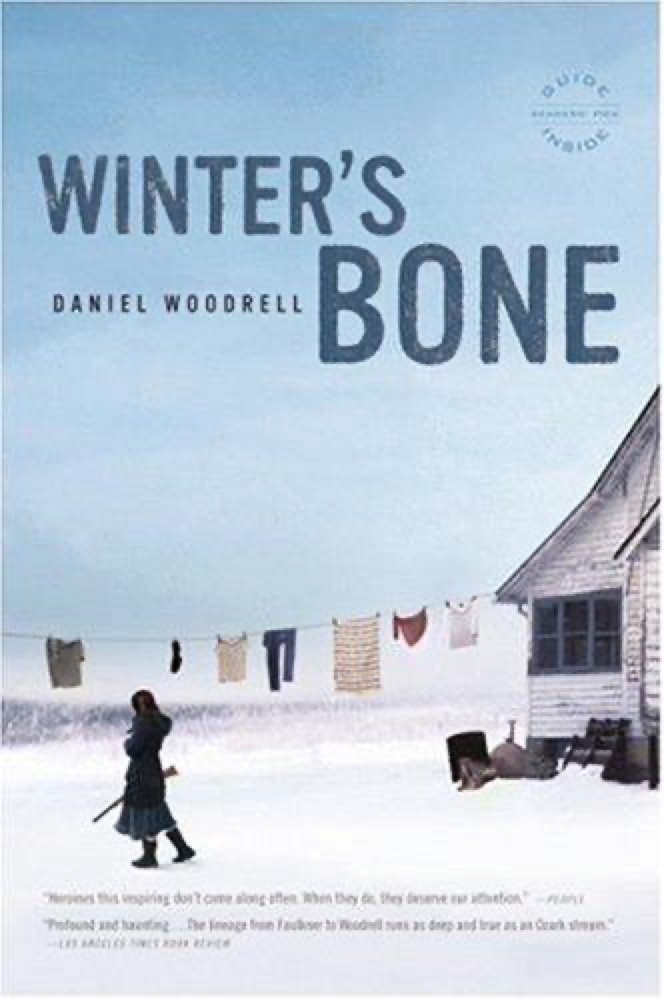 Winter's Bone
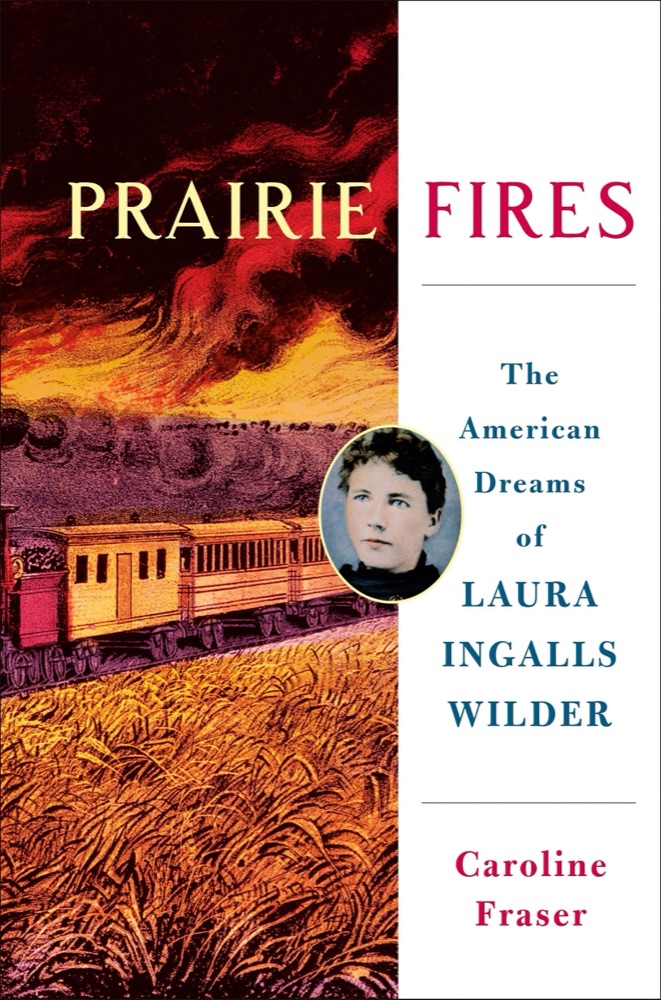 Prairie Fires: The American Dreams of Laura Ingalls Wilder
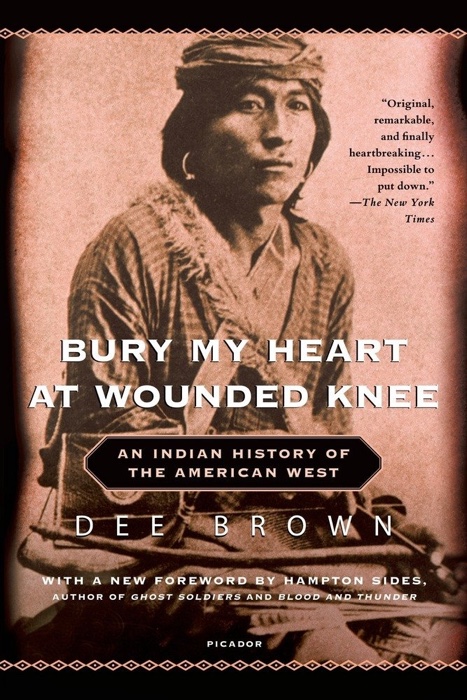 Bury My Heart at Wounded Knee: An Indian History of the American West
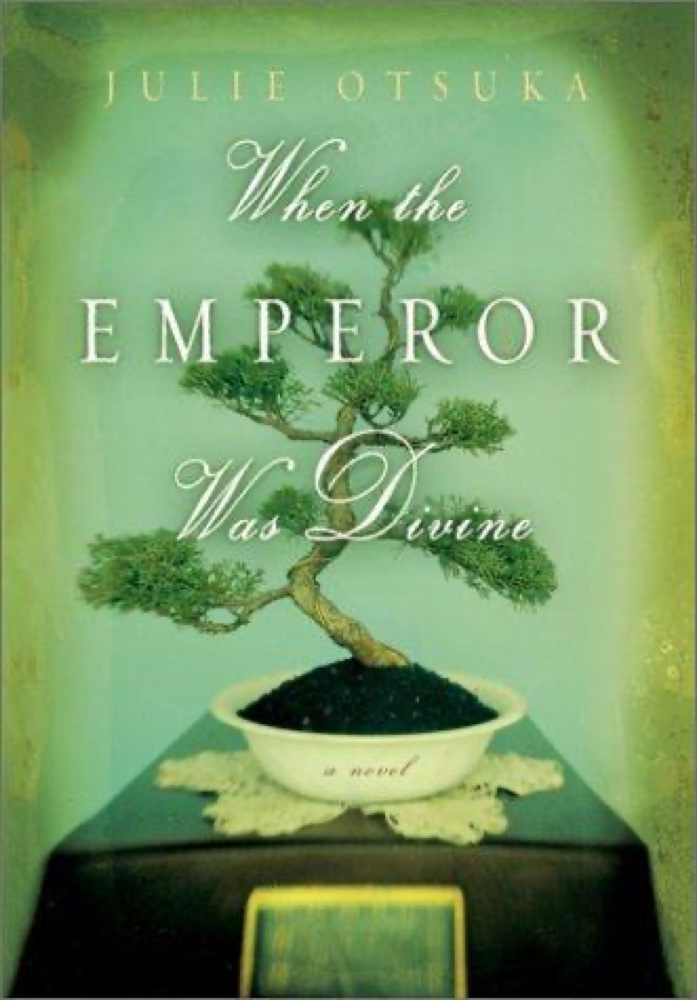 When the Emperor Was Divine
 The Complete Stories
 The Adventures of Tom Sawyer
 Between the Acts
 Where Late the Sweet Birds Sang
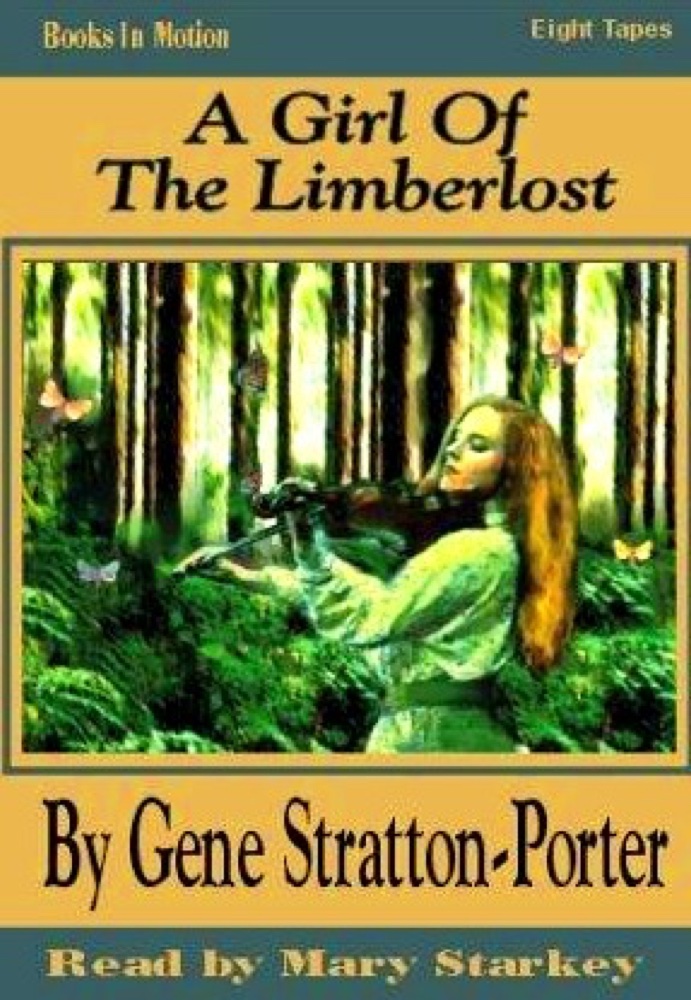 A Girl of the Limberlost
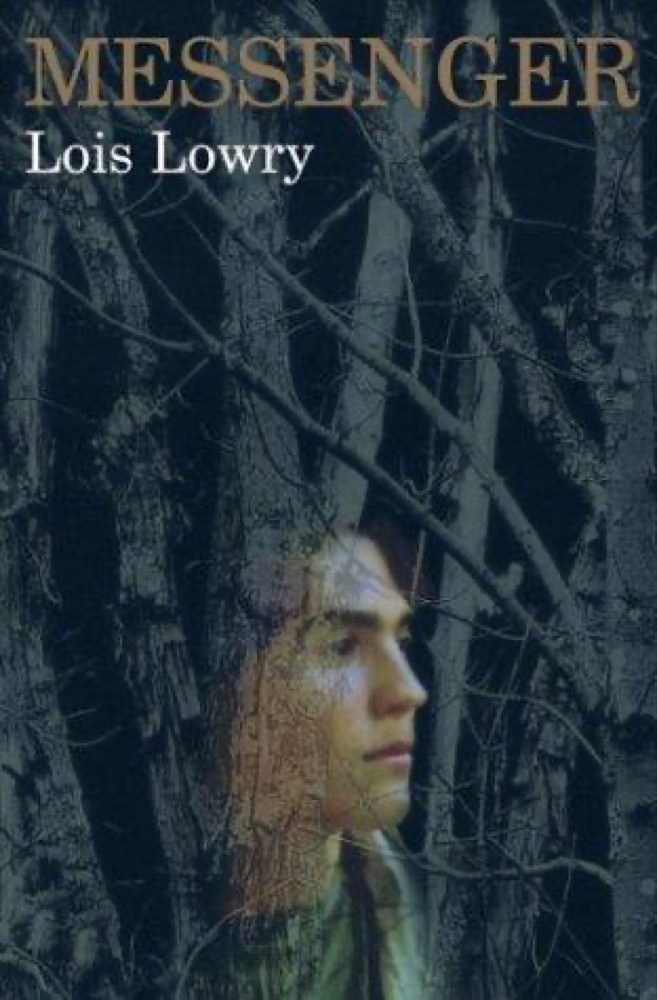 Messenger
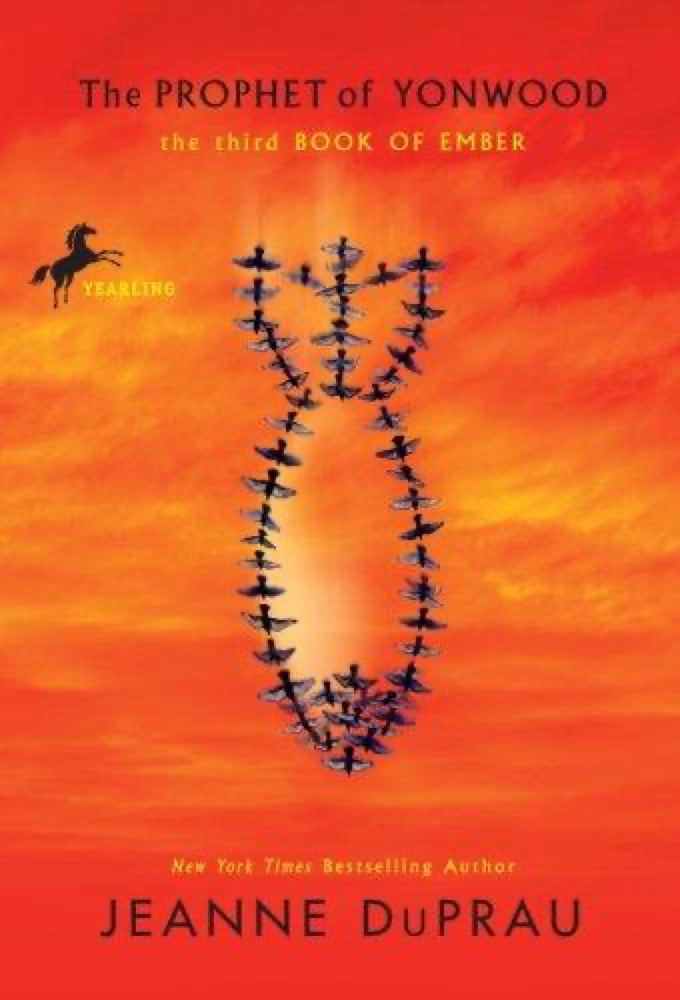 The Prophet of Yonwood
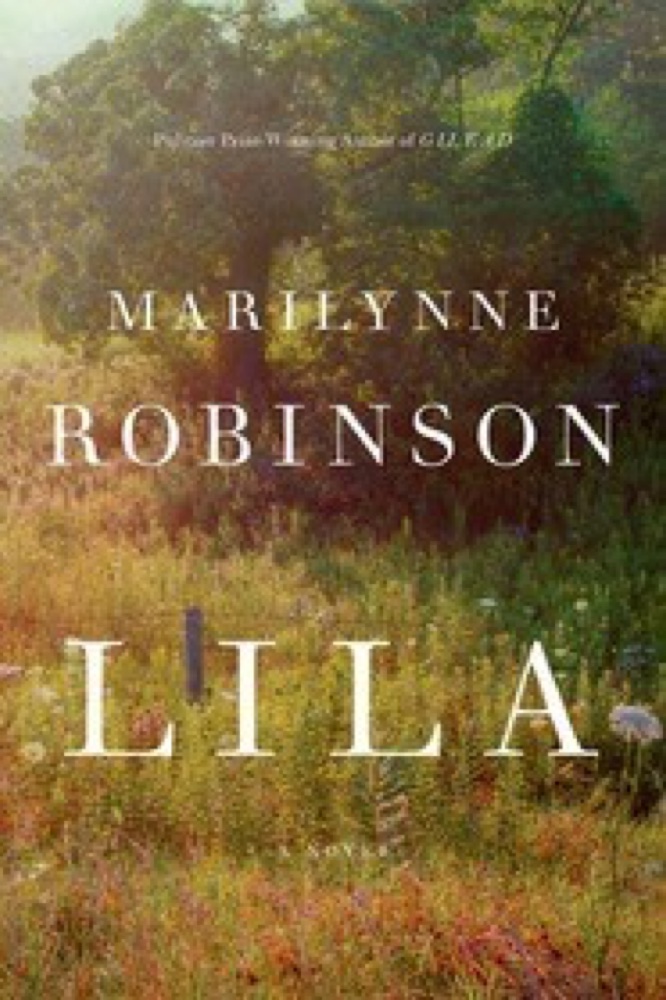 Lila
Lila
 The Burgess Boys
 Mister Pip
 Hush
Hush
 The Kitchen House
 Tar Baby
 Birdsong
 The Little Friend
 Bradbury Stories: 100 of His Most Celebrated Tales
 Leave the World Behind