

 The Romanov Prophecy
Quotes from the Book
Say it, do it, preach it, shout it, but never, absolutely never, believe your own bullshit.
A man can accomplish much when the woman he loves supports him, even if she believes that what he does is foolishness.
All of us bear God’s image, all are worthy to be loved, all can grow in the spirit of God.
He'd was called first Cephas in Aramaic, then Petros, rock, in Greek. Eventually he became Peter and the Gospels proclaimed that Christ said, Upon this rock I shall build my church.' The testimony was the first ancient account he'd ever read that made sense. No supernatural events or miraculous apparitions. No actions contrary to history or logic. No inconsistent details that cast doubt on credibility. Just the testimony by a simple fisherman of how he'd borne witness to a great man, one whose good works and kind words lived on after his death, enough to inspire him to continue the cause.
His world was distinctly male. His experience with women minimal. They were a different breed, of that he was sure,
mind is terrifying. Lars often spoke of the malady and
1. "...All the complicated things in life can be settled over a cup of coffee. A person will tell more of their private life after one good cup of coffee, than after a magnum of Champagne or a quarter of port.." ((page 79)). 2. "..Care for the needy,comfort the distressed, befriend the rejected.." ((Simon's Testimony..page 464..)) 3."..The man Jesus said that was wrong and offered the sick the courage to become well, the weak the ability to grow a strong spirit, and nonbelievers the chance to believe.." ((Simon's Testimony..page 461))
Watch on YouTube
About Steve Berry
We have collected 26 quotes from 3 books by Steve Berry on BookQuoters.
More about the author →More by Steve Berry
The Romanov Prophecy
 The Paris Vendetta
Book details
- Author
- Steve Berry
- Genre
- Fiction
- Goodreads rating
- 3.84 (58k ratings) →
Keep reading
 Shadow of the Almighty: The Life and Testament of Jim Elliot
 Children of God
 The Grace of Kings
 The Apostle : A Life of Paul
 The Pilgrim's Progress
 Confessor
 The Given Day
 Ben-Hur: A Tale of the Christ
 The Screwtape Letters
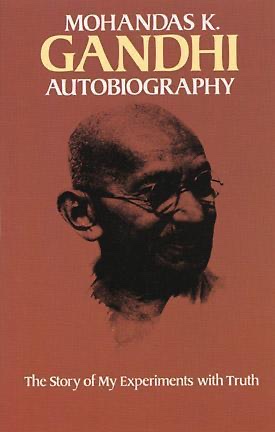 The Story of My Experiments With Truth
 Lord Jim
 Sackett's Land
 A Morbid Taste for Bones
 The Devils
 Fear and Trembling
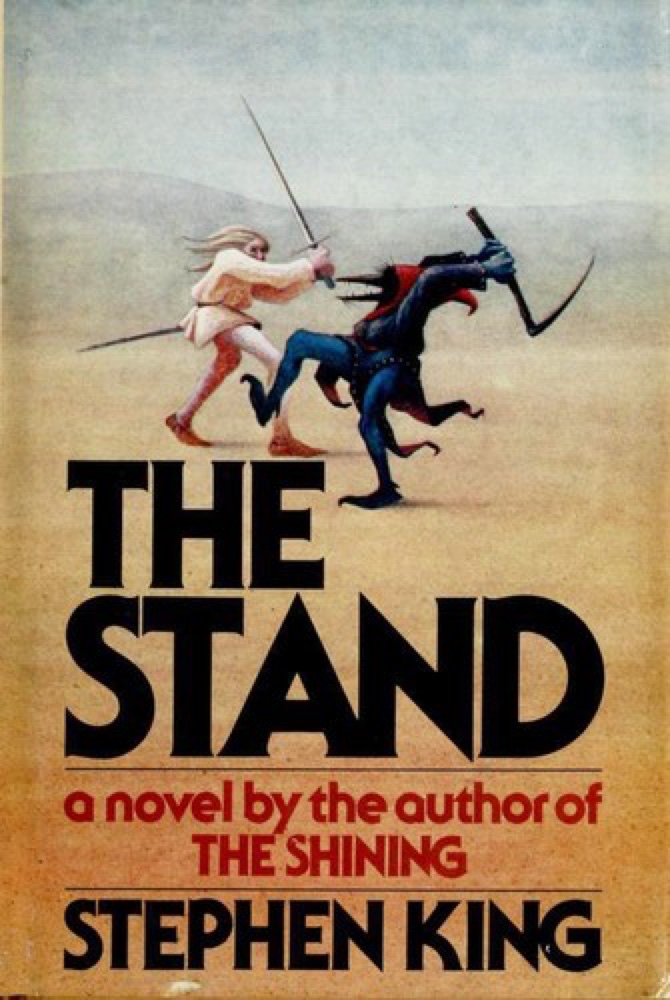 The Stand
 The Once and Future King
 Acacia: The War with the Mein
 The Odyssey
 The Power of One
 The Power and the Glory
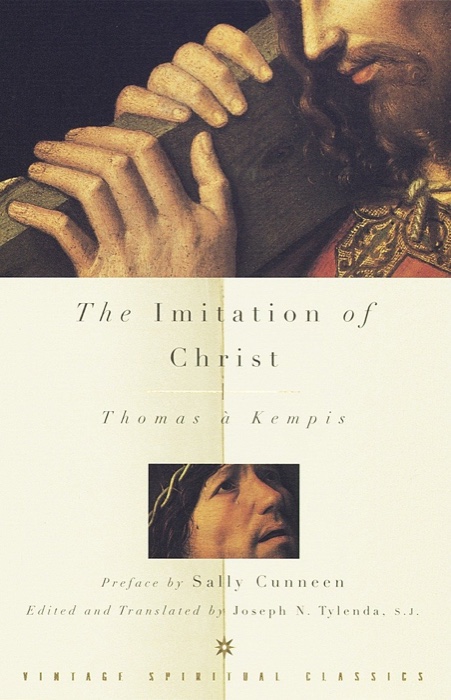 The Imitation of Christ
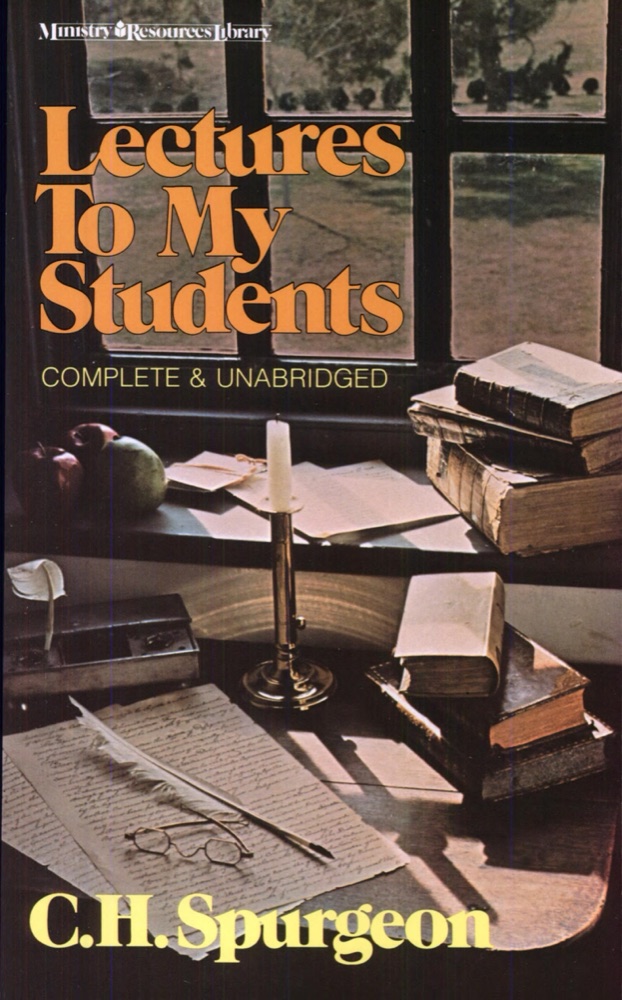 Lectures to My Students
 Legend
 Sacred Hunger
 Shōgun
 The Warrior Prophet
 East of Eden
 Meetings With Remarkable Men
 The Secret Scripture
 Self-Reliance and Other Essays
 The Gospel of Loki
 The Deerslayer
 The First Confessor
 Julian
 Perelandra
 Eifelheim
 A Pilgrimage to Eternity: From Canterbury to Rome in Search of a Faith
 The Canterbury Tales
 Enchanted
 The Pillars of the Earth
 The Devil's Advocate
 A Canticle for Leibowitz
 Beautiful Outlaw: Experiencing the Playful, Disruptive, Extravagant Personality of Jesus
 A Voice in the Wind
 Devil at My Heels: A Heroic Olympian's Astonishing Story of Survival as a Japanese POW in World War II
 Man and Superman
 The Bible Jesus Read
 Foretold: 14 Tales of Prophecy and Prediction
 The Everlasting Man
 The Way of All Flesh
 Cuckold
 A Severe Mercy: A Story of Faith, Tragedy and Triumph
 The Seven Storey Mountain
 Natchez Burning
 The Way We Live Now
 The Secret Thoughts of an Unlikely Convert: An English Professor's Journey Into Christian Faith
 Love in the Ruins
 The Pearl
 Dracula