 Farmer Boy
Quotes from the Book
She thought to herself, "This is now." She was glad that the cozy house, and Pa and Ma and the firelight and the music, were now. They could not be forgotten, she thought, because now is now. It can never be a long time ago.
When the fiddle had stopped singing Laura called out softly, “What are days of auld lang syne, Pa?” “They are the days of a long time ago, Laura,” Pa said. “Go to sleep, now.” But Laura lay awake a little while, listening to Pa’s fiddle softly playing and to the lonely sound of the wind in the Big Woods. She looked at Pa sitting on the bench by the hearth, the firelight gleaming on his brown hair and beard and glistening on the honey-brown fiddle. She looked at Ma, gently rocking and knitting. She thought to herself, “This is now.” She was glad that the cosy house, and Pa and Ma and the firelight and the music, were now. They could not be forgotten, she thought, because now is now. It can never be a long time ago.
That machine's a great invention!" he said. "Other folks can stick to old-fashioned ways if they want to, but I'm all for progress. It's a great age we're living in. As long as I raise wheat, I'm going to have a machine come and thresh it, if there's one anywhere in the neighborhood.
They could not be forgotten, she thought, because now is now. It can never be a long time ago.
They were cosy and comfortable in their little house made of logs, with the snow drifted around it and the wind crying because it could not get in by the fire.
So they all went away from the little log house. The shutters were over the windows, so the little house could not see them go. It stayed there inside the log fence, behind the two big oak trees that in the summertime had made green roofs for Mary and Laura to play under. And that was the last of the little house.
Then the fire was shining on the hearth, the cold and the dark and the wild beasts were all shut out, and Jack the brindle bulldog and Black Susan the cat lay blinking at the flames in the fireplace. Ma sat in her rocking chair, sewing by the light
The snug log house looked just as it always had. It did not seem to know they were going away.
But it had been a wonderful day, the most wonderful day in her whole life. She thought about the beautiful lake, and the town she had seen, and the big store full of so many things. She held the pebbles carefully in her lap, and her candy heart wrapped carefully in her handkerchief until she got home and could put it away to keep always. It was too pretty to eat.
butter in a golden lump, drowning in the buttermilk. Then Ma took out the lump with a wooden paddle, into a wooden bowl, and she washed it many times in cold water, turning it over and over and working it with the paddle until the water ran clear. After that she salted it. Now
Where's my little half-pint of sweet cider half drunk up?
A big boy nine years old is old enough to remember to mind,’ he said. ‘There’s a good reason for what I tell you to do,’ he said, ‘and if you’ll do as you’re told, no harm will come to you.’” “Yes,
That machine’s a great invention!” he said. “Other folks can stick to old-fashioned ways if they want to, but I’m all for progress. It’s a great age we’re living in. As long as I raise wheat, I’m going to have a machine come and thresh it, if there’s one anywhere in the neighborhood.
She thought to herself, “This is now.” She was glad that the cosy house, and Pa and Ma and the fire-light and the music, were now. They could not be forgotten, she thought, because now is now. It can never be a long time ago.
This is now.” She was glad that the cosy house, and Pa and Ma and the fire-light and the music, were now. They could not be forgotten, she thought, because now is now. It can never be a long time ago.
Mary was bigger than Laura, and she had a rag doll named Nettie. Laura had only a corncob wrapped in a handkerchief, but it was a good doll. It was named Susan. It wasn't Susan's fault that she was only a corncob. Sometimes Mary let Laura hold Nettie, but she only did it when Susan couldn't see.
In the bitter cold weather Pa could not be sure of finding any wild game to shoot for meat. The
He would butcher it as soon as the weather was cold enough to keep the pork frozen. Once
The barrels of salted fish were in the pantry, and yellow cheeses were stacked on the pantry shelves. Then
Little rabbits, you know, always have games together before they go to bed.
but I’d hate to want ’em and not have ’em.” “Oh what is it? What is it?” Laura asked, jumping up
Did you know?
- The book was first published by Harper & Brothers in 1932 and originally illustrated by Helen Sewell.
- It is drawn from Laura Ingalls Wilder's own childhood near Pepin, Wisconsin, in the early 1870s.
- A 1953 edition featured new illustrations by Garth Williams, which became the iconic images associated with the series.
- It is the first book in the Little House series.
- The story is structured around a single year, moving through the four seasons of frontier life.
- Pa's fiddle playing and storytelling are recurring sources of family warmth throughout the book.
About Laura Ingalls Wilder
Laura Ingalls Wilder (1867-1957) was an American author best known for the autobiographical Little House series, based on her childhood in a pioneer and homesteading family in the American Midwest. She began publishing the novels in the 1930s, and they became enduring classics of children's literature.
More about the author →More by Laura Ingalls Wilder
All books by Laura Ingalls Wilder →
About the book
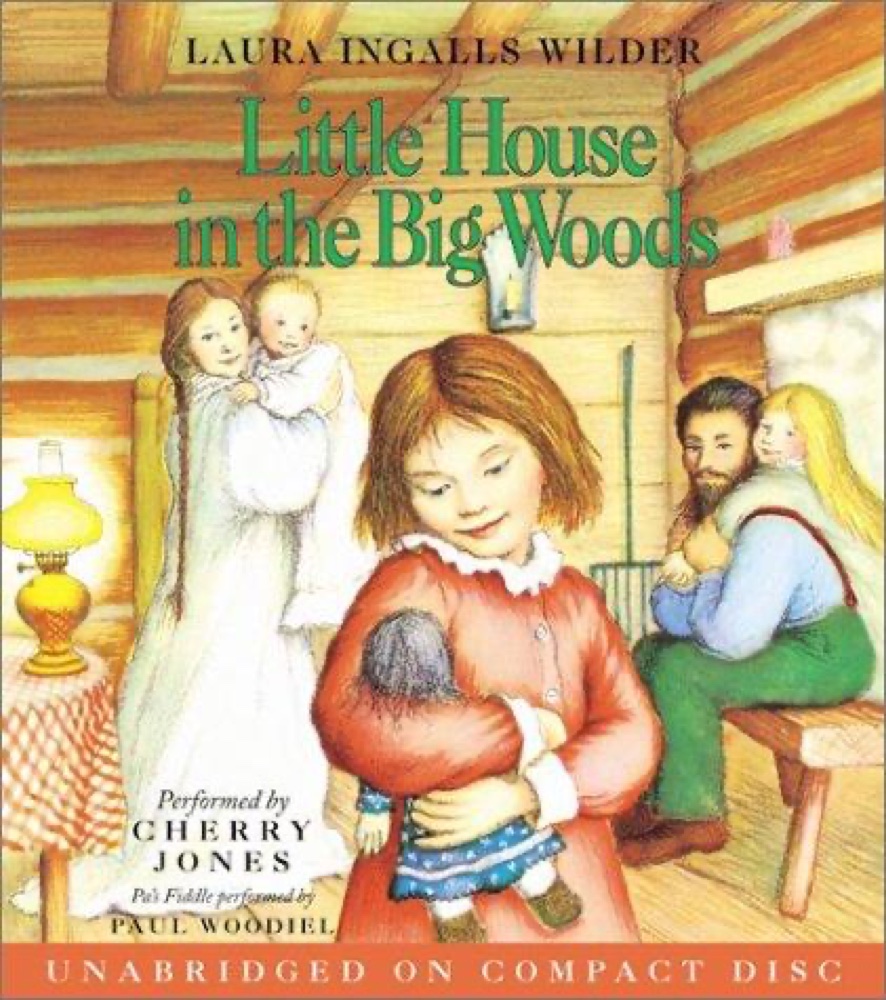
Little House in the Big Woods is Laura Ingalls Wilder's first novel, published by Harper & Brothers in 1932 and illustrated by Helen Sewell. Drawn from Wilder's own childhood, it follows a year in the life of five-year-old Laura Ingalls and her family as they live in a small log house in the woods near Pepin, Wisconsin, in the early 1870s. Rather than following a single plot, the book moves through the turning seasons, chronicling the daily and yearly rhythms of pioneer homesteading.
The narrative is built around the work and pleasures of frontier life: gathering and smoking meat and preparing food for winter, tapping maple trees for syrup, tending animals and gardens, and celebrating Christmas with cousins. Warmth comes from the closeness of the family, from Ma's cooking and household skills to Pa's storytelling and fiddle playing in the evenings. Everyday tasks are presented with vivid, concrete detail that makes the labor of self-sufficient living both instructive and inviting.
The book launched the beloved Little House series, which fictionalizes Wilder's family's experiences as homesteaders in the American Midwest. Celebrated for its clear prose and affectionate portrait of pioneer childhood, it remains a staple of children's literature and has been recognized on lists of essential children's books. Its themes of family, hard work, and finding contentment in simple pleasures have kept it in print and cherished by generations of readers.
Key characters
- Laura IngallsThe young protagonist, based on the author as a girl
- Mary IngallsLaura's older sister
- Ma (Caroline Ingalls)Laura's mother, who runs the household
- Pa (Charles Ingalls)Laura's father, a hunter, farmer, and fiddle player
- Carrie IngallsLaura's baby sister
Book details
- First published
- 1932
- Length
- 176 pages
- Reading time
- 2 hours
- Author
- Laura Ingalls Wilder
- Genre
- Classics
- Goodreads rating
- 4.21 (290k ratings) →
- First line
- “Once upon a time, sixty years ago, a little girl lived in the Big Woods of Wisconsin, in a little gray house made of logs.”
Series & reading order
- 1 Little House in the Big Woods
- 2 Farmer Boy
- 3 Little House on the Prairie
- 4 On the Banks of Plum Creek
- 5 By the Shores of Silver Lake
- 6 The Long Winter
- 7 Little Town on the Prairie
- 8 These Happy Golden Years
- 9 The First Four Years
If you liked this, read…
- 1Little House on the PrairieThe next installment continuing the Ingalls family's pioneer story
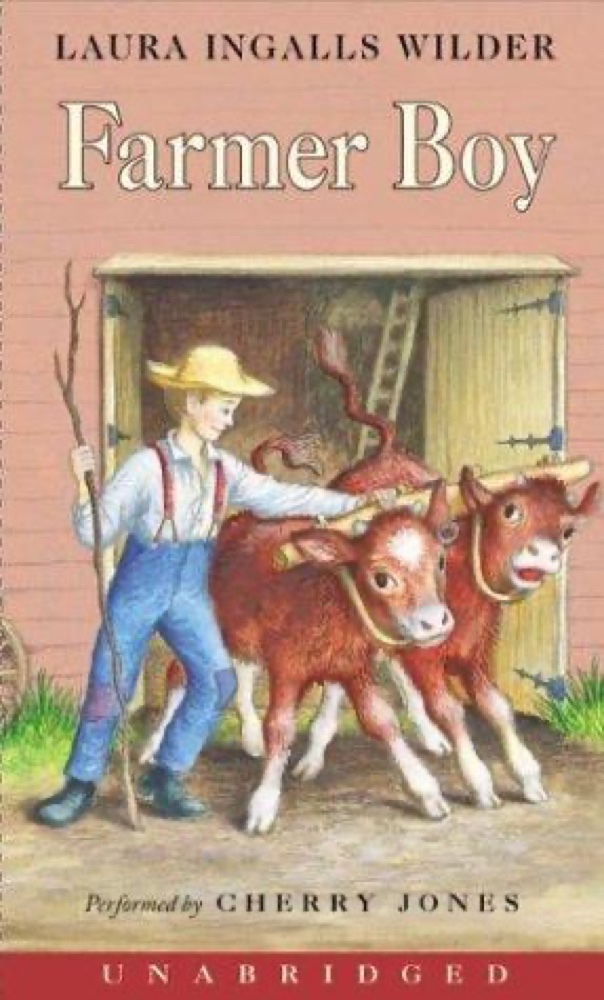
- 2Farmer BoyA companion Little House book about a boy's rural childhood
- 3Caddie WoodlawnAnother classic novel of frontier childhood in 1860s Wisconsin
Keep reading
 The Long Winter
 On the Banks of Plum Creek
 Little House on the Prairie
 A Christmas Memory
 Little, Big
 The Kitchen House
 The Secret of the Old Clock
 The Witch of Blackbird Pond
 Winter's Bone
 A Lantern in Her Hand
 Breadcrumbs
 Other Birds
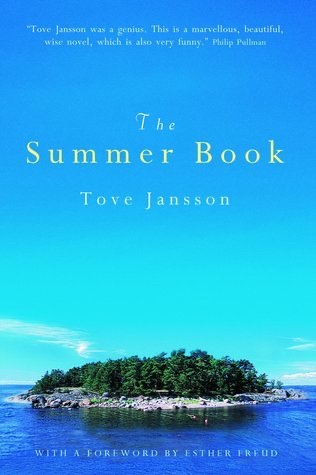 The Summer Book
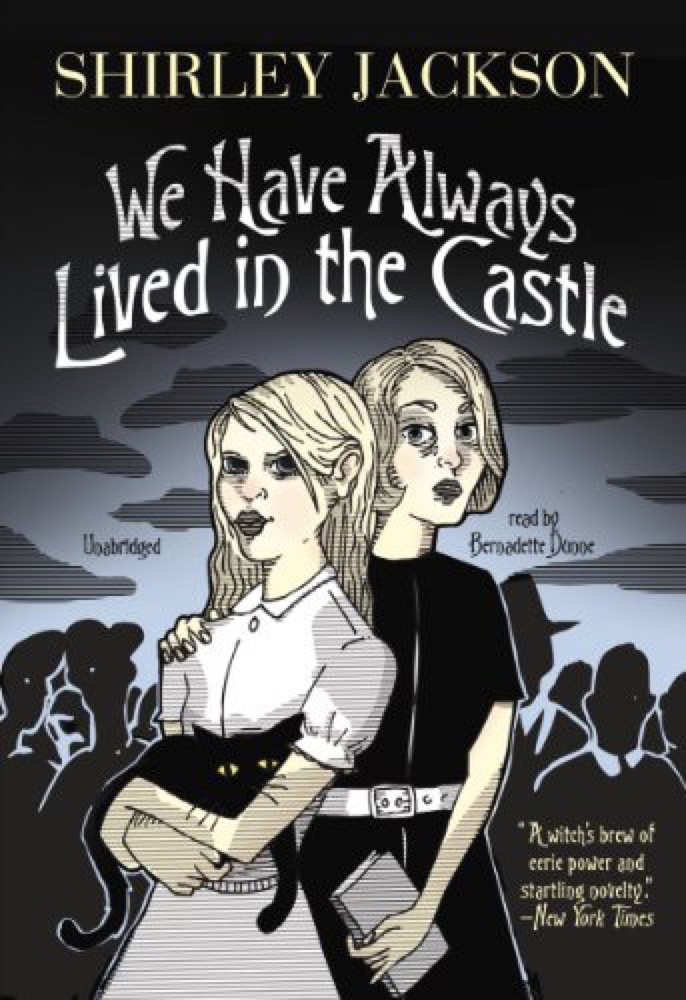 We Have Always Lived in the Castle
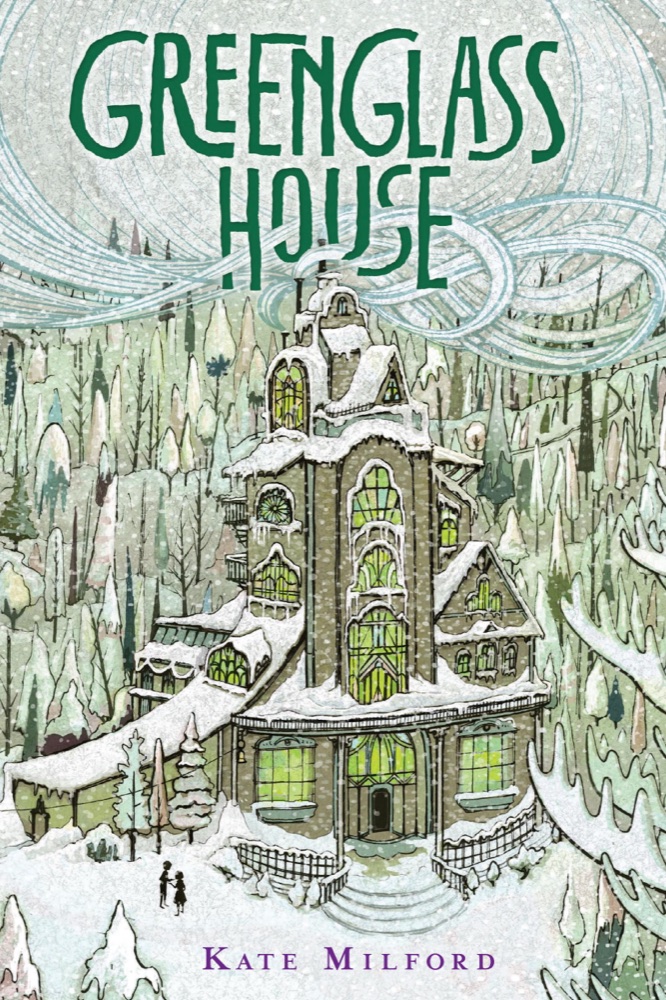 Greenglass House
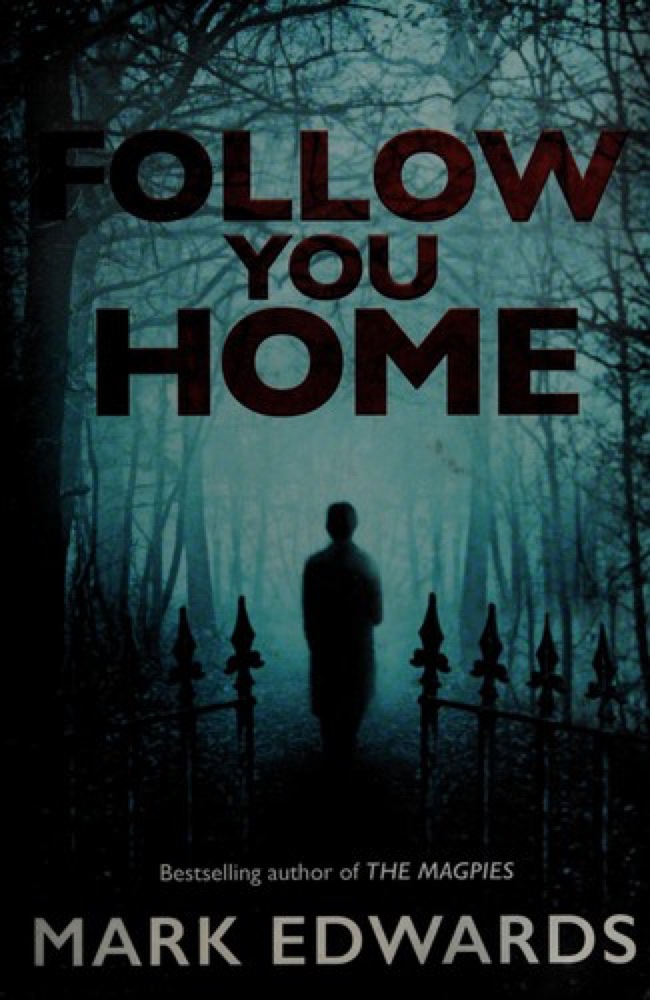 Follow You Home
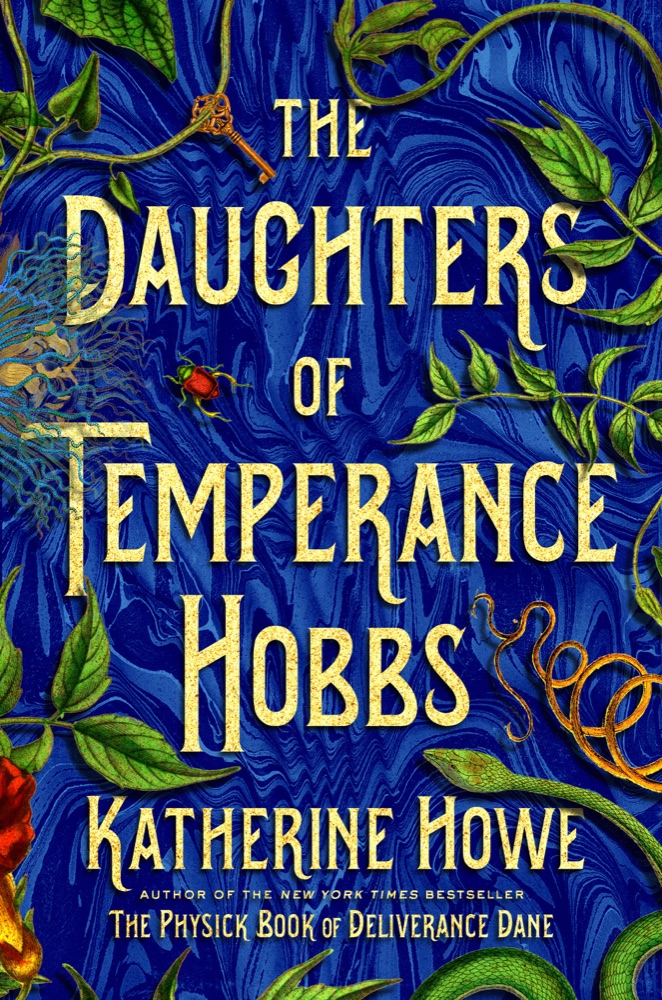 The Daughters of Temperance Hobbs
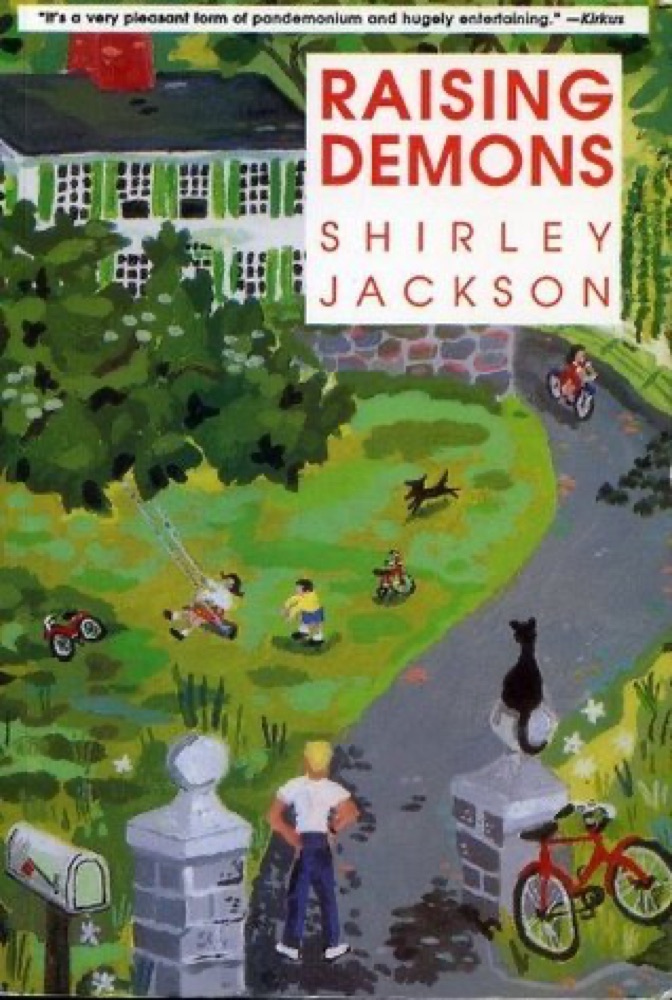 Raising Demons
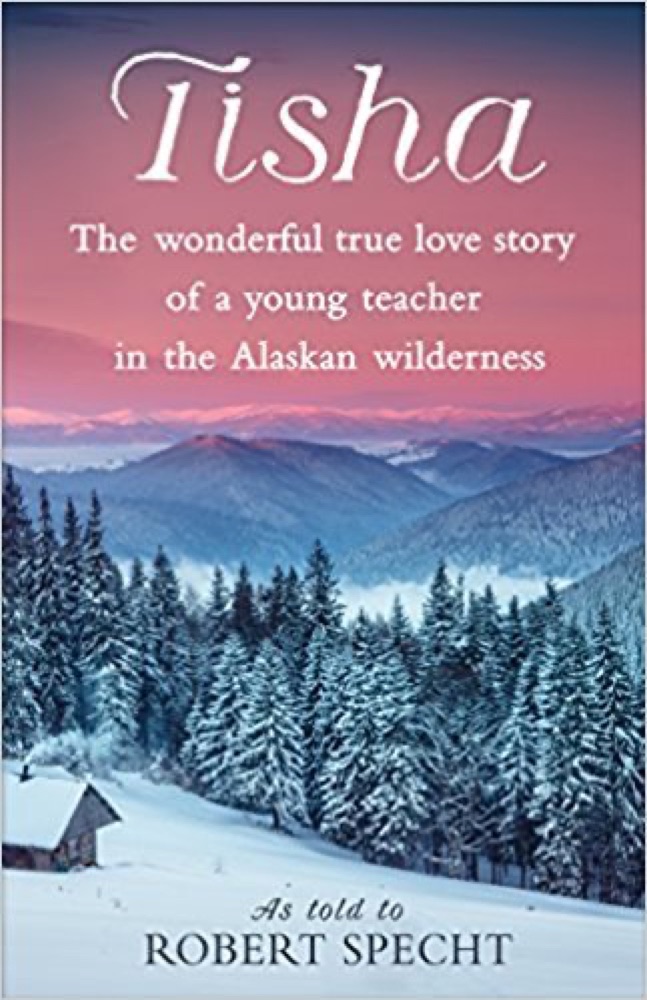 Tisha: The Story of a Young Teacher in the Alaskan Wilderness
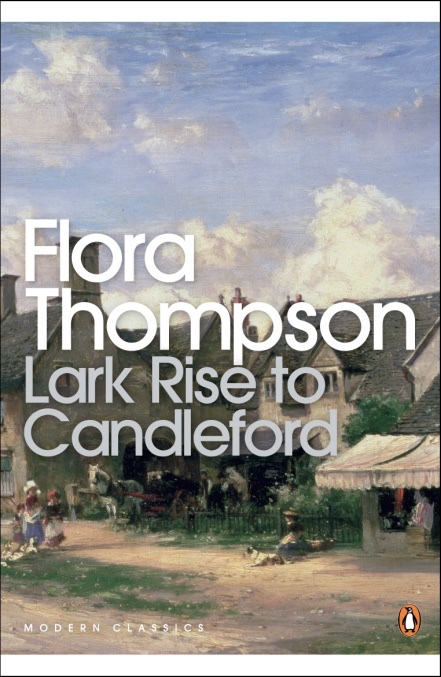 Lark Rise to Candleford
 Whistling In the Dark
 Kitchens of the Great Midwest
 A Day No Pigs Would Die
 Dandelion Wine
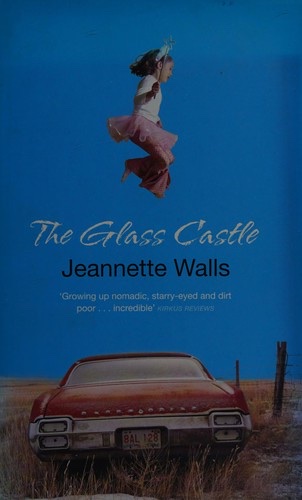 The Glass Castle
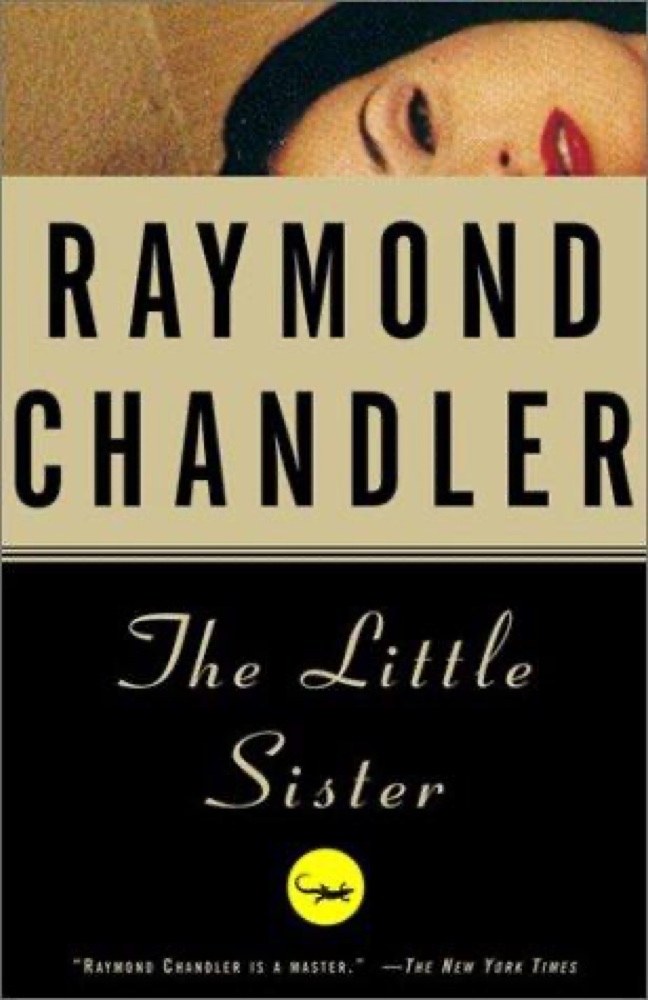 The Little Sister
 Worth the Weight
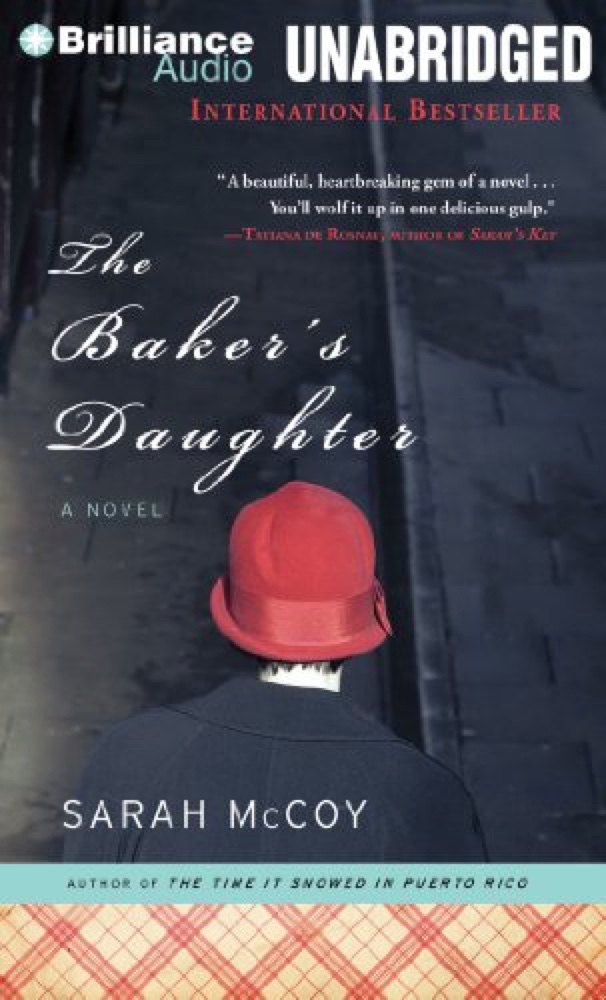 The Baker's Daughter
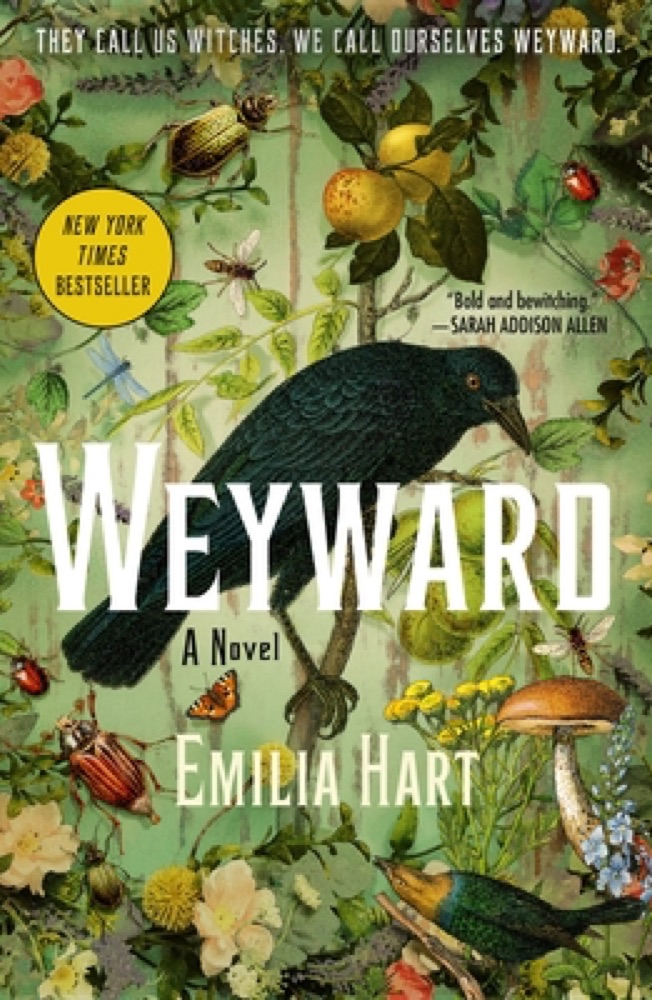 Weyward
 Little Fires Everywhere
 100 Cupboards
 The Silver Eyes
 Heidi
Heidi
 Cranford
 Night Music
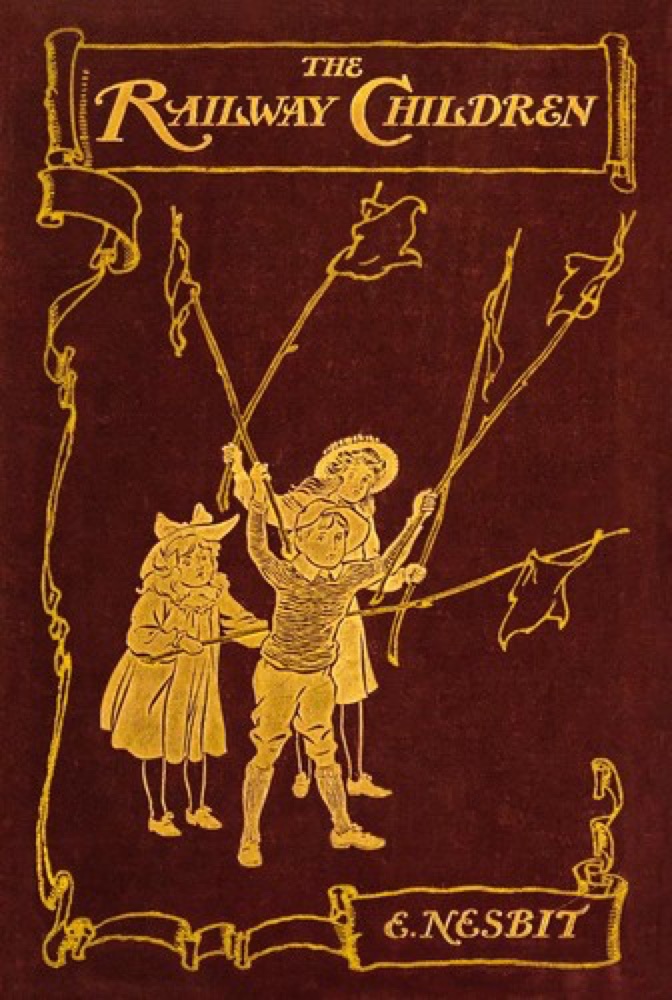 The Railway Children
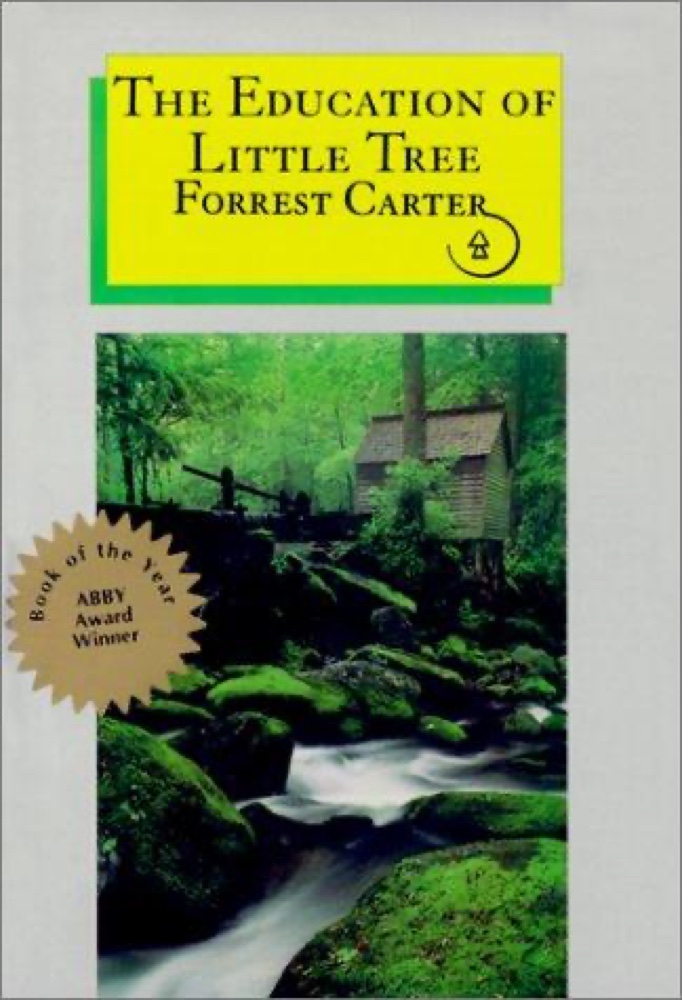 The Education of Little Tree
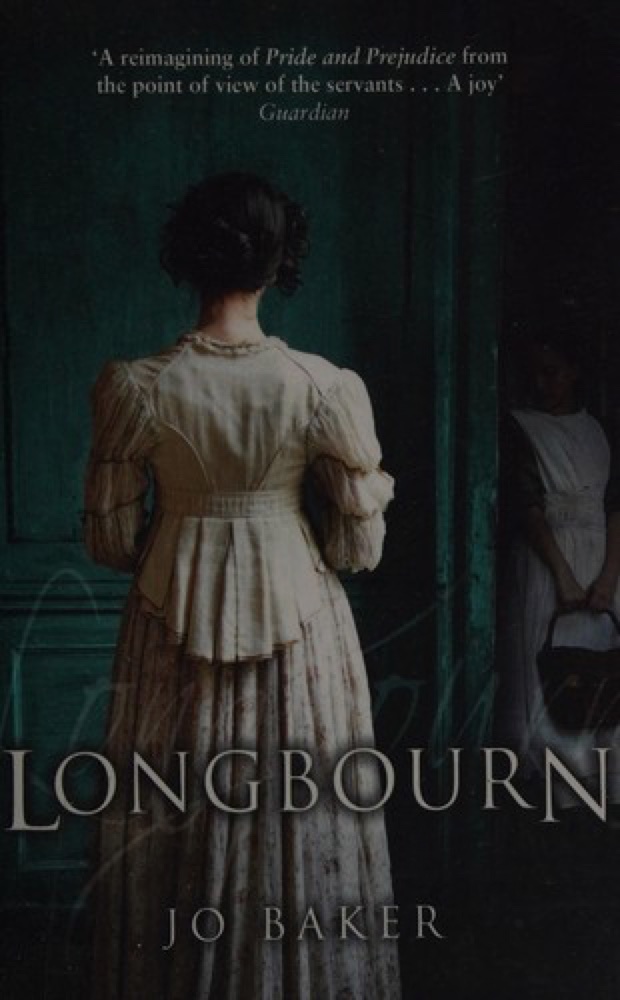 Longbourn
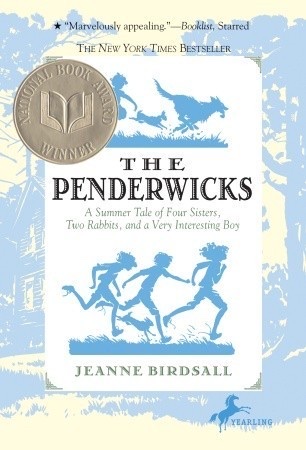 The Penderwicks: A Summer Tale of Four Sisters, Two Rabbits, and a Very Interesting Boy
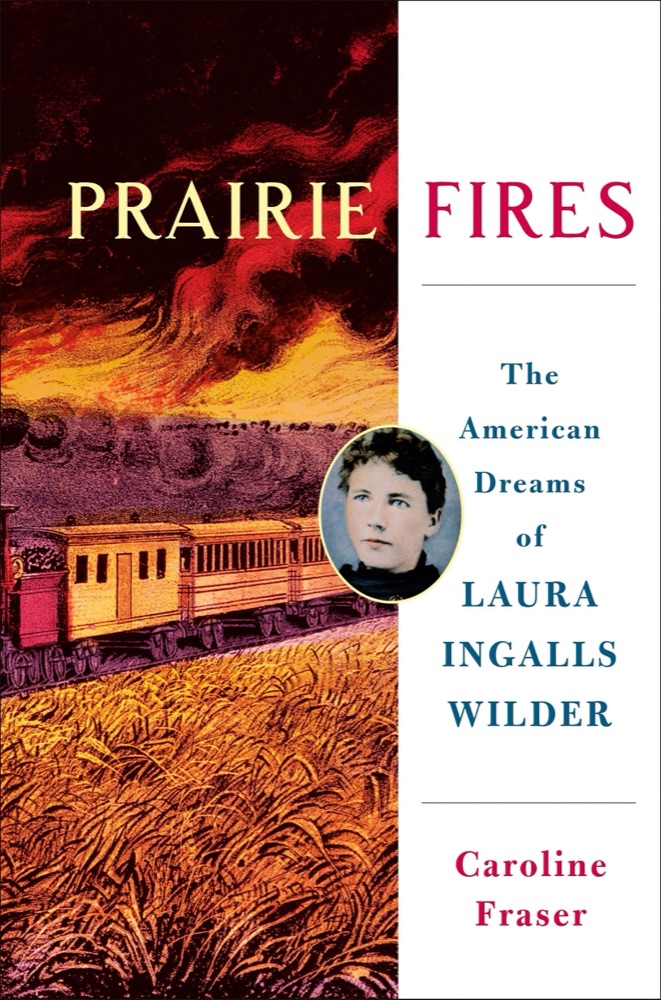 Prairie Fires: The American Dreams of Laura Ingalls Wilder
 The Broken Girls
 The Complete Fairy Tales
 At the Water's Edge
 Out of the Dust
 The Girl Who Chased the Moon
 Down Cemetery Road
 The Little Friend
 The Haunting of Hill House
 My Family and Other Animals
 The Magician's Assistant
 Then There Were Five
 The Wind in the Willows
 Keeping the House
 The Red Garden
 The Garden Party and Other Stories
 Still Life with Bread Crumbs
 NOS4A2
 The Christmas Bookshop
 Tuck Everlasting
 Every Bone a Prayer