
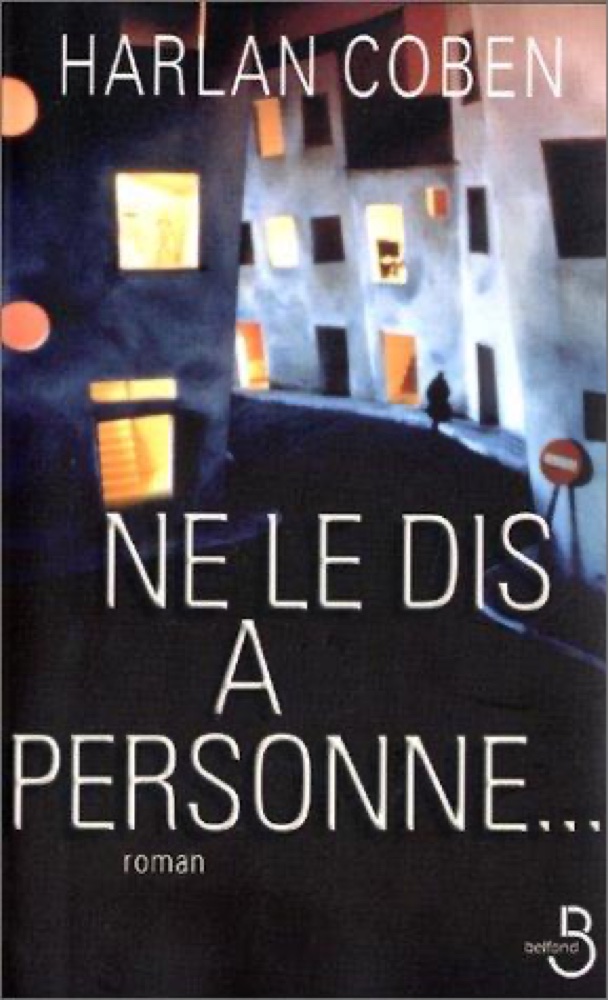
 Tell No One
Quotes from the Book
Kids don't come with instructions. We all mess up. Raising a child is pure impromptu.
You can only be strong for so long.
Replicas never have the ghosts. They're bodies without souls.
Space. Jack said he needed space. And that was all wrong. Never mind that “needing space” was one of those lame, cloying, namby-pamby, New Age we-are-the-world terms that was worse than meaningless—“needing space”—a terrible euphemism for “I’m soooo outta here.
They would claim that she was either delusional or naïve to the point of a learning disability.
The door opened. Mrs. Alworth wore a housedress that couldn’t have been manufactured after the Bay of Pigs. She was in her mid-seventies, heavyset, the kind of big aunt who hugs you and you disappear in the folds. As a kid you hate the hug. As an adult you long for it. She had varicose veins that resembled sausage casing. Her reading glasses dangled against her enormous chest from a chain. She smelled faintly of cigarette smoke.
The reception area of Burton and Crimstein was part old-world attorney—rich mahogany, lush carpeting, tapestry-clad seating, the décor that foreshadows the billing—and part Sardi’s celebrity wall.
Wu liked daytime TV. He enjoyed watching shows like Springer and Ricki Lake. Most people poo-pooed them. Wu did not. Only a truly great society, a free one, could allow such nonsense to air.
Didn’t you used to date a guy who worked in e-mail spam?” Grace asked. “Yep,” Cora said. “Obsessive creep named—get this—Gus. Hard to get rid of. I had to use my own version of a bunker buster on him.” “What did you do?” “I told Gus he had a small wee-wee.” “Ouch.” “Like I said, the bunker buster. Works every time, but there’s often, uh, collateral damage.
The danger of video games was that they shut the world out. The beauty of video games was that they shut the world out. Sally
Where’s Vickie?” Vickie was Cora’s daughter. “She’s spending the night at the McMansion with my ex and his horse-faced wife. Or as I prefer to put it, she’s spending the night in the bunker with Adolf and Eva.” Grace
Scott Duncan sat across from the killer. The windowless room of thundercloud gray was awkward and still, stuck in that lull when the music first starts and neither stranger is sure how to begin the dance. Scott tried a noncommittal nod. The killer, decked out in prison-issue orange, simply stared. Scott folded his hands and put them on the metal table. The killer—his file said he was Monte Scanlon, but there was no way that was his real name—might have done likewise had his hands not been cuffed. Why,
Scott glanced around the room. Besides Scanlon and himself, four people were present. Linda Morgan, the United States attorney, leaned against the back wall trying to give off the ease of Sinatra against a lamppost.
Sally Li had her feet on the desk, her hands behind her head. “Look, Scott, you want me to go through the rigmarole of how amazing the science of pathology has become, or do you want me to bottom-line it?” “Skip the rigmarole.” “At the time of her death, your sister was pregnant.” Duncan
Scanlon’s lawyer, a ferret reeking of checkout-counter cologne, rounded out the group.
Part of Scott wanted to wiggle his fingers in Scanlon’s face and say, “Ooooo.” He was used to the captured criminal mindset—their serpentine maneuverings, their quest for an edge, their search for a way out, their overblown sense of importance. Linda Morgan, perhaps sensing his thoughts, shot a warning glare across his bow. Monte Scanlon, she’d told him, had worked for various connected families for the better part of thirty years. RICO hungered for his cooperation in a starving-man-near-a-buffet way. Since his capture, Scanlon had refused to talk. Until this morning. So
She had always been fervently anti-gun. Like most rational people she was scared of what a weapon like this could do lying around the house. But Cram had put it succinctly yesterday: Hadn’t her children been threatened? The trump card. Grace
She ate in silence, feeling as lonely as she had ever felt, and tried to hold herself together. What had happened? The day before yesterday—was it really only then?—she had picked up photographs at Photomat. That was all. Life was good. She had a husband she adored and two wonderful, inquisitive kids. She had time to paint. They all had their health, enough money in the bank. And then she had seen a photograph, an old one, and now . . . Grace had almost forgotten about Josh the Fuzz Pellet. He
While waiting for Carl Vespa to arrive, Grace started picking up the bedroom. Jack, she knew, was a great husband and father. He was smart, funny, loving, caring, and devoted. To counter that, God had blessed him with the organization skills of a citrus beverage. He was, in sum, a slob. Nagging him about it—and Grace had tried—did no good. So she stopped. If living happily was about compromise, this seemed to her like a pretty good one to make. Grace
Emma wouldn’t wear anything the least bit feminine. Putting on a dress usually required a negotiation of Middle East sensitivity, with often an equally violent result.
When she got back to the house, Cora was awake and at the computer and groaning. “Can I get you something?” Grace asked. “An anesthesiologist,” Cora said. “Straight preferred but not required.” “I was thinking more like coffee.” “Even better.” Cora’s fingers danced across the keyboard. Her eyes narrowed. She frowned. “Something’s wrong here.
In the movies, killers are omnipotent.
In the movies, killers are omnipotent. In real life, they are not. They don’t escape from handcuffs in the middle of a high-security federal penitentiary.
Granted this was a tenuous connection at best. Saying “Ford Windstar” in this suburb was like saying “implant” at a strip club.
Jack bought it for $6.99 at T.J. Maxx, a discount clothing store where hip goes to die.
The room was immaculate—no, preserved. Stuck in a time warp, unused, untouched.
The huge neon sign listed a church affiliation that Grace had never heard of. The motto, according to several signs around the edifice, seemed to indicate that this was “God’s House.” If that were true, God could use a more creative architect. The structure held all the splendor and warmth of a highway mega-store. The
What are you doing?” Grace had asked him. “Gangsta poses. Yo, whatchya think?” “That I should get you seizure medication.
Grace nodded. She was trying to unearth the woman’s name, but it wouldn’t surface. The woman’s daughter—Blake, was it?—was in Grace’s son’s class in first grade. Or maybe it was last year in kindergarten. Hard to keep track. Grace kept the smile frozen to her face. The woman was nice enough, but she blended in with the others. Grace wondered, not for the first time, if she was blending in too, if her once great individuality had joined the unpleasant swirl of suburban uniformity. The
She rose. Lindsey was pretty in a way that only the young are, with that enthusiasm and smile that belong exclusively to the innocent or the cult recruiter.
Watch on YouTube
About Harlan Coben
We have collected 407 quotes from 16 books by Harlan Coben on BookQuoters.
More about the author →
Book details
- Author
- Harlan Coben
- Genre
- Fiction
- Goodreads rating
- 4.02 (51k ratings) →
Keep reading
 Fool Me Once
 Gone for Good
 Caught
 The Little Sister
 The Sleepwalker's Guide to Dancing
 Hush
Hush
 Down Cemetery Road
 NOS4A2
 Zero History
 Truly, Devious
 The Robber Bride
 Needful Things
 Wayward
 Neverseen
 Pretty Girls
 Life in a Fishbowl
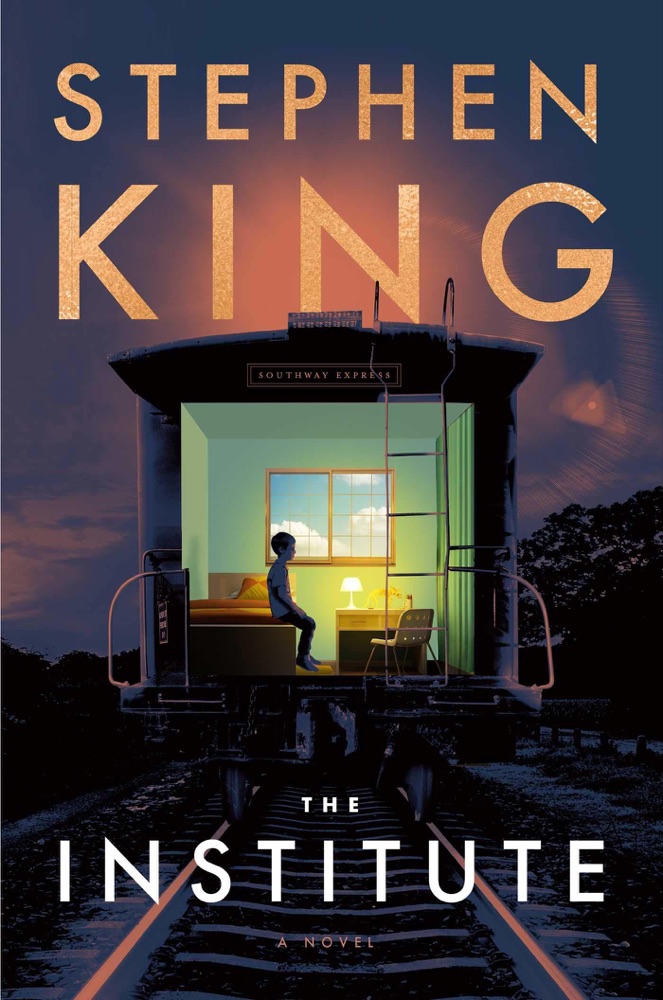 The Institute
 Axiom's End
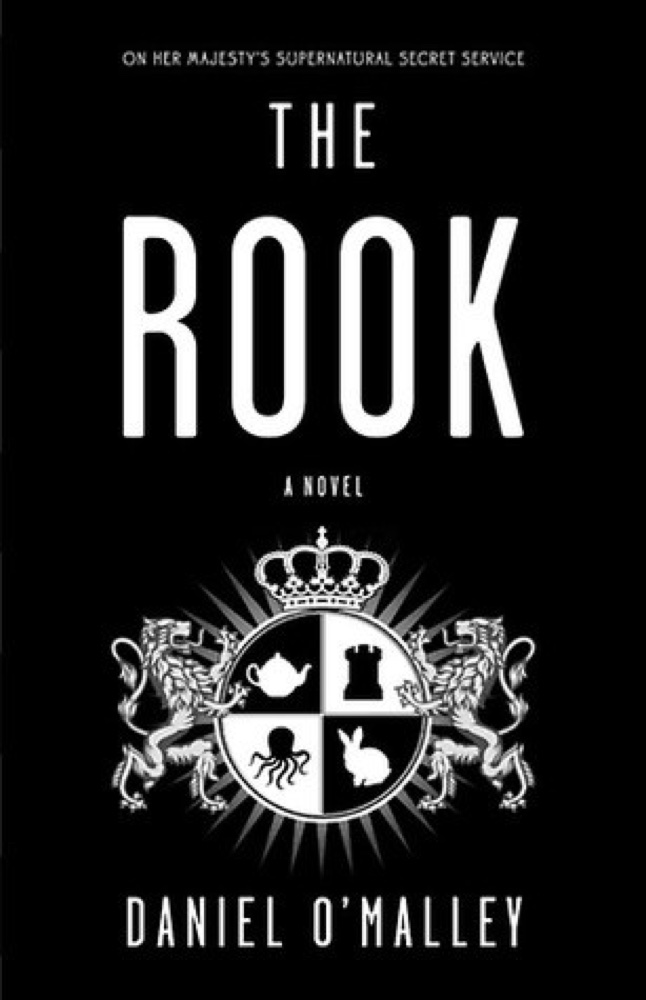 The Rook
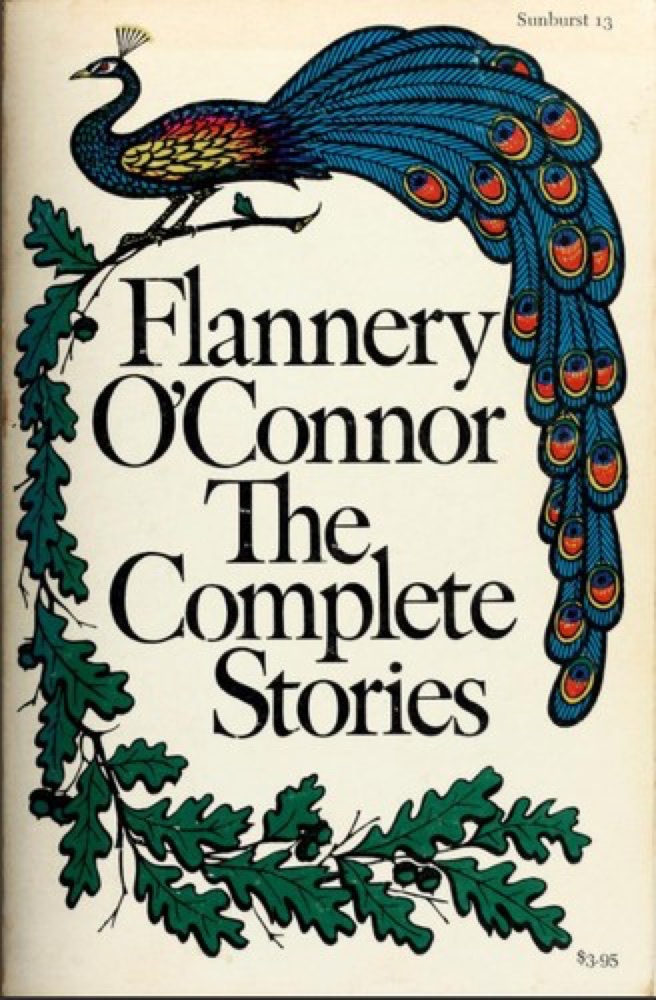 The Complete Stories
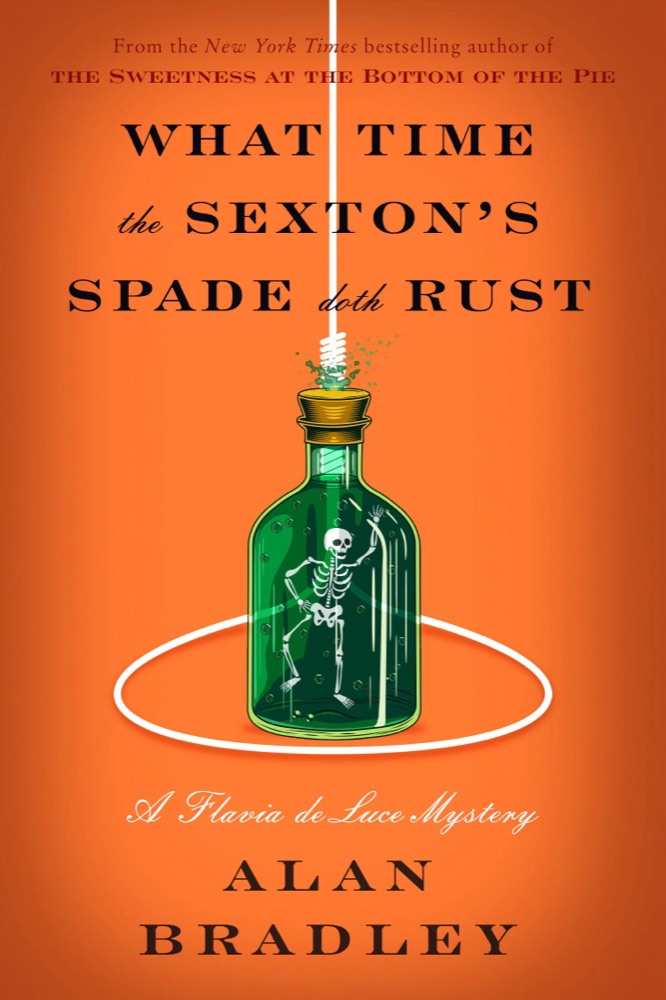 What Time the Sexton's Spade Doth Rust
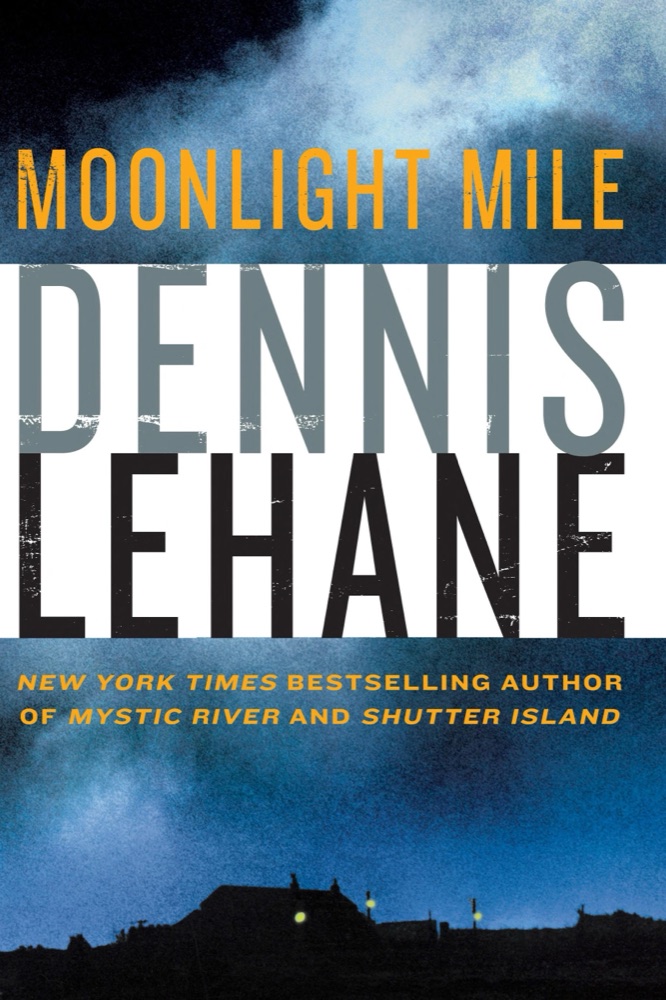 Moonlight Mile
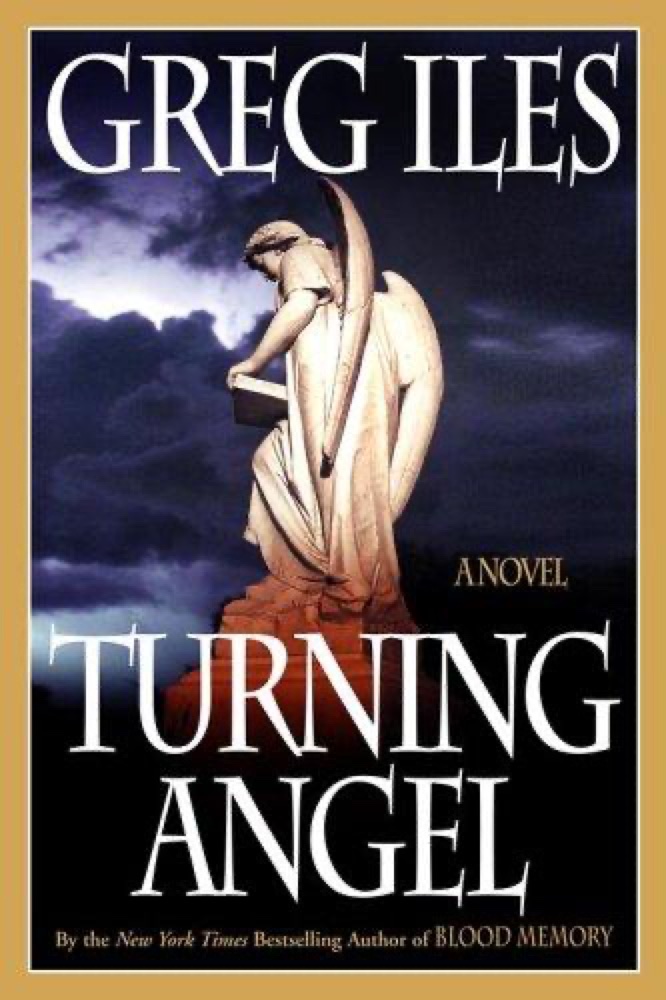 Turning Angel
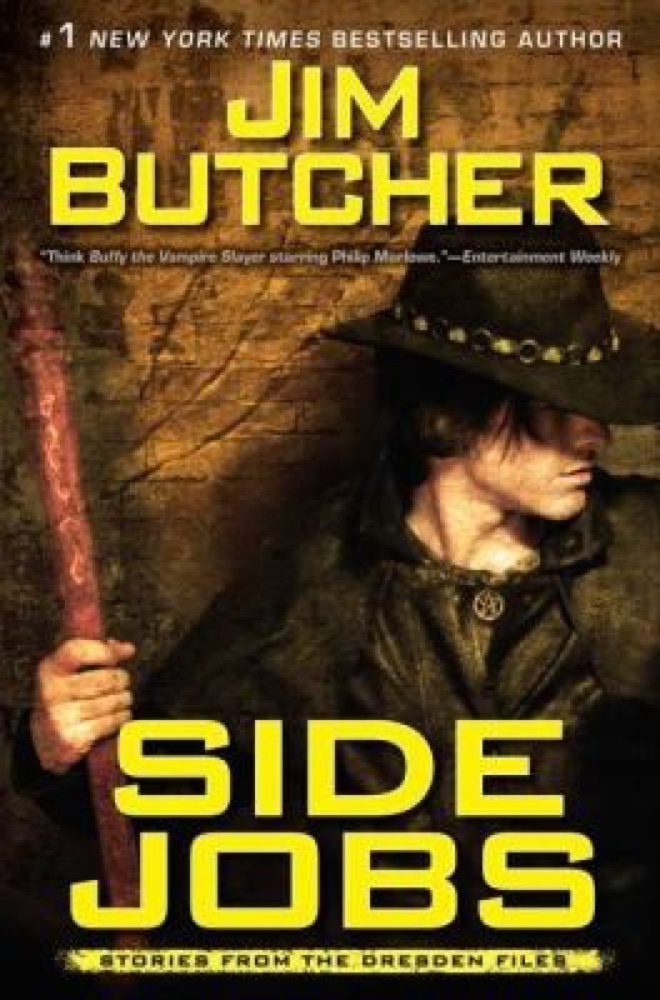 Side Jobs: Stories from the Dresden Files
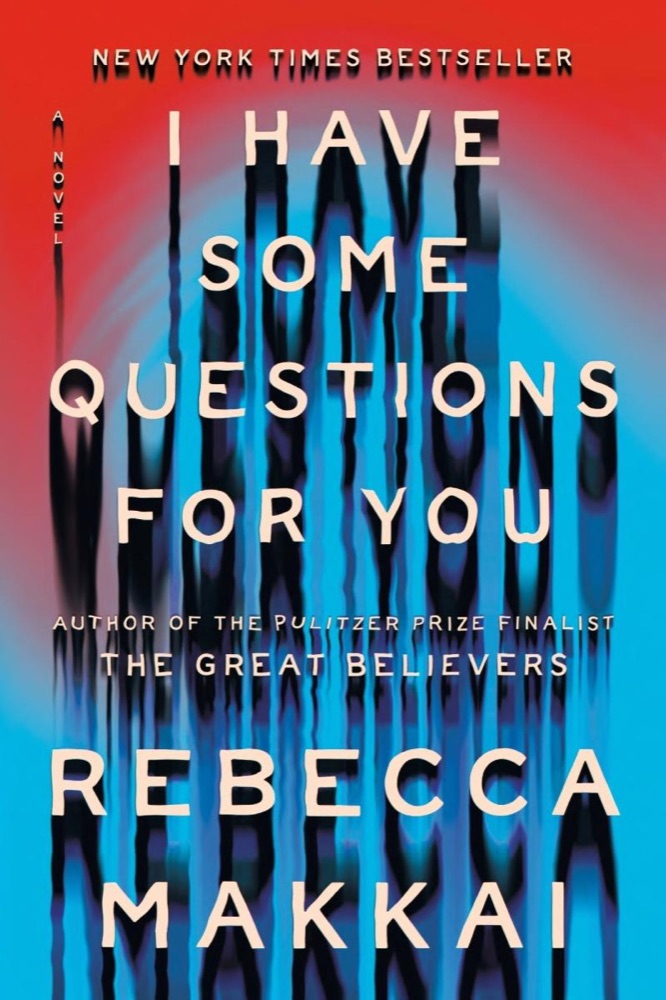 I Have Some Questions for You
 Visions in Death
 We Were the Mulvaneys
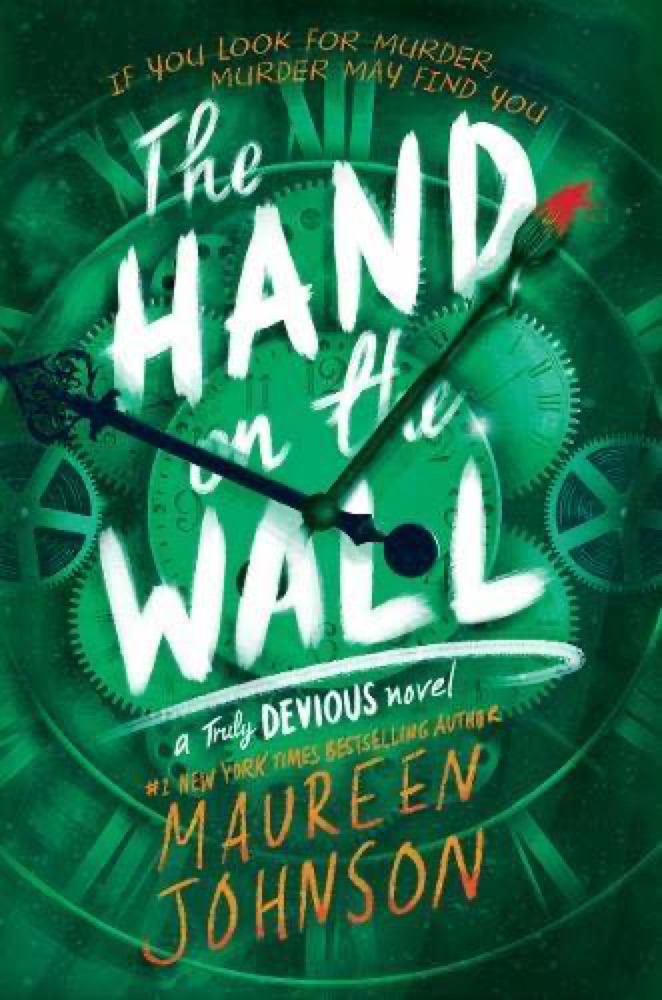 The Hand on the Wall
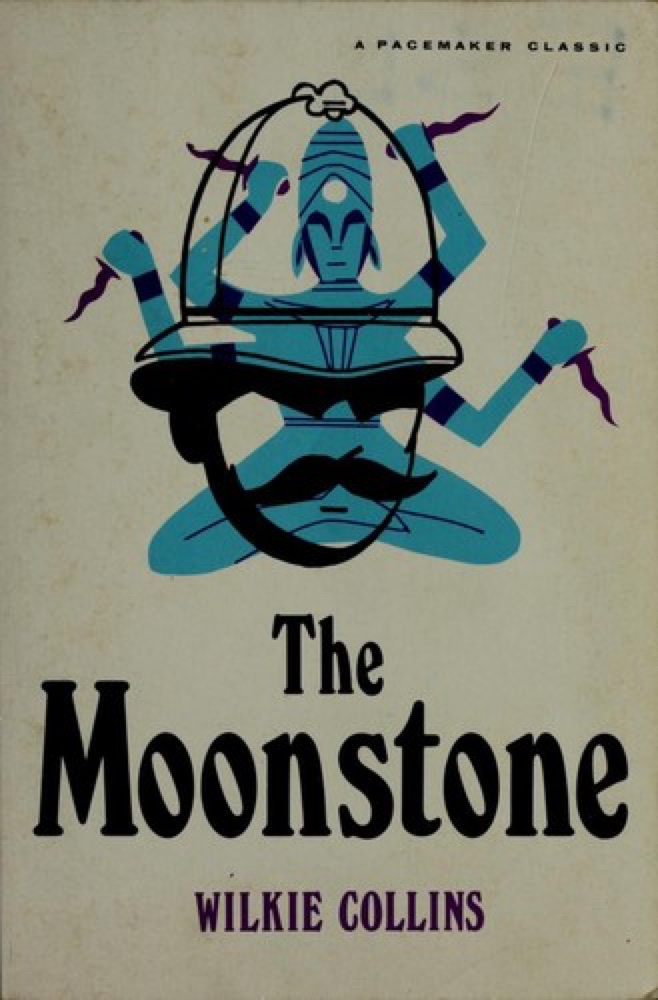 The Moonstone
 Dexter By Design
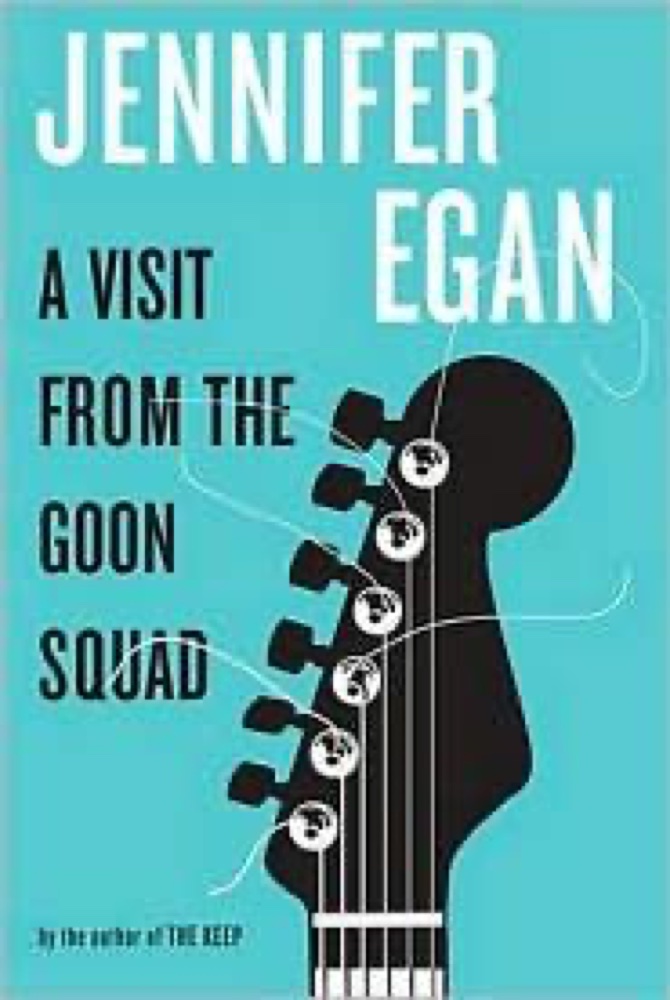 A Visit from the Goon Squad
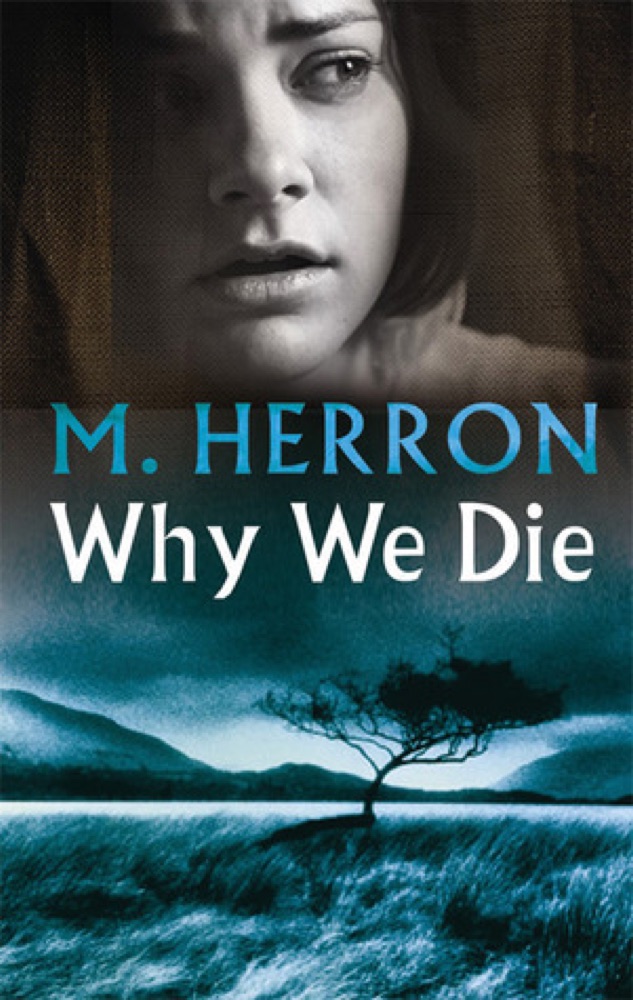 Why We Die
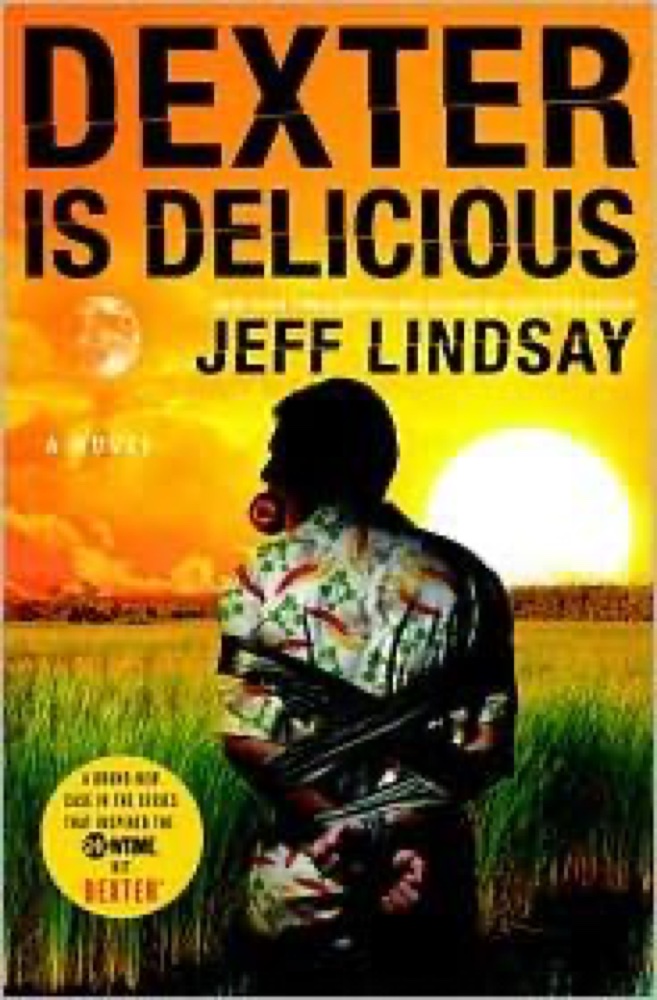 Dexter Is Delicious
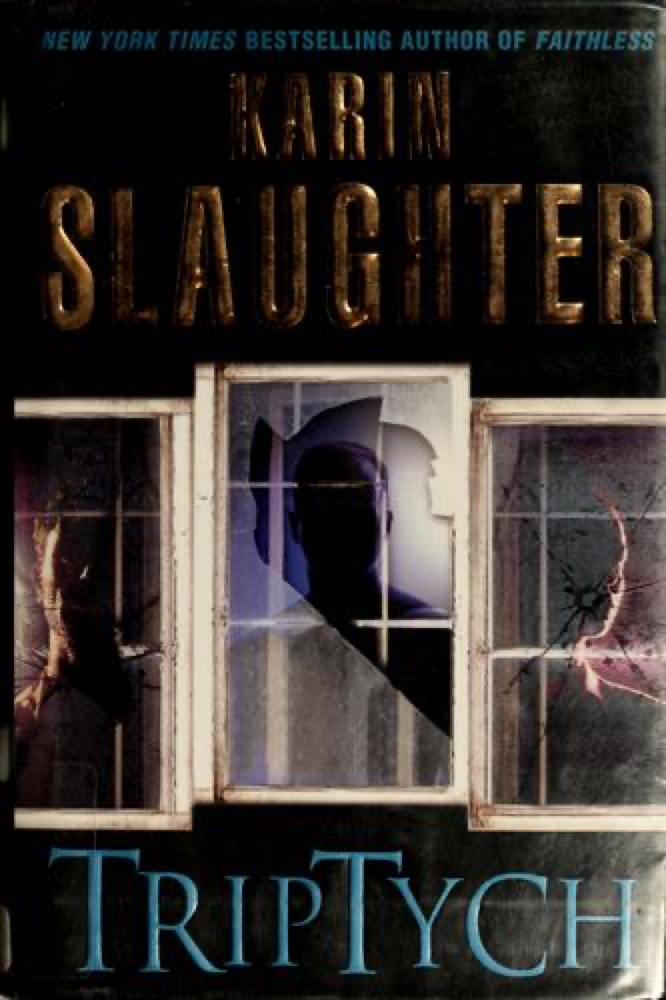 Triptych
 The Shadows
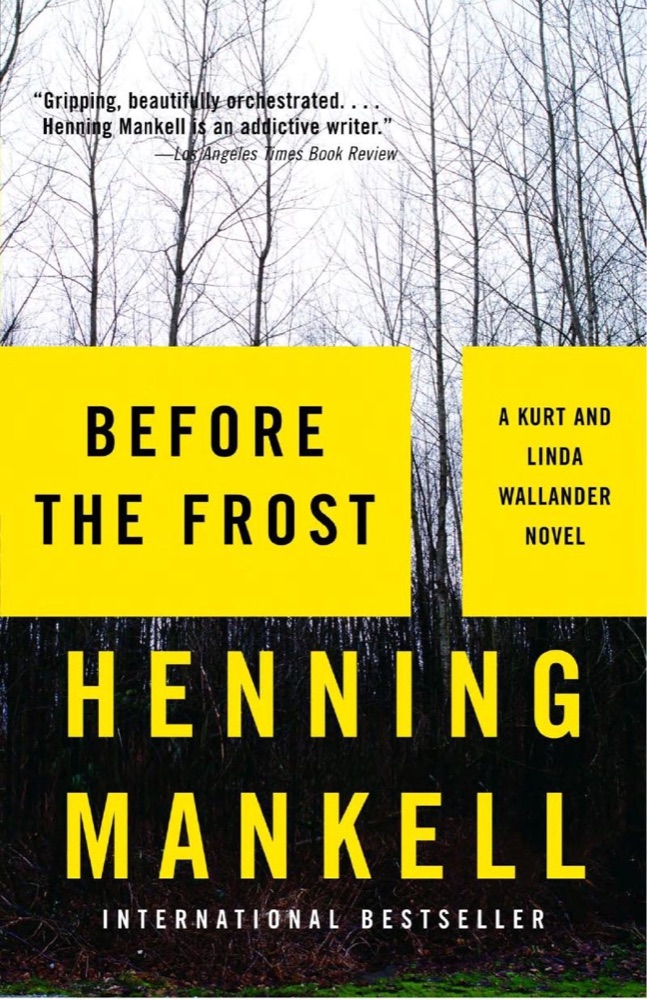 Before the Frost
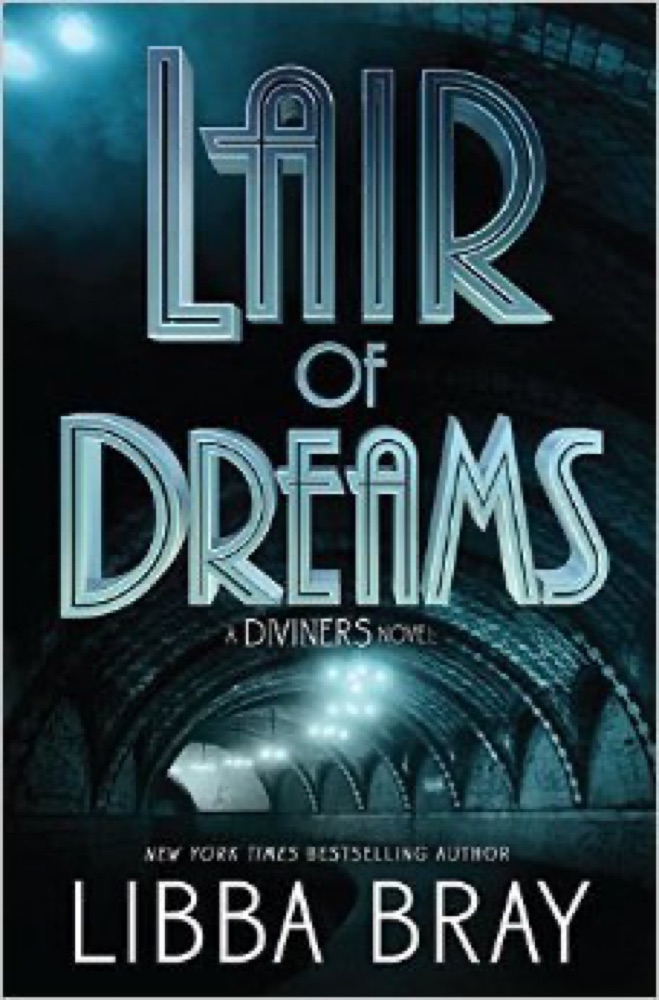 Lair of Dreams
 Echoes in Death
 Gilded Cage
 Flight Behavior
 The Mysterious Benedict Society
 Time's Divide
 Pastoralia
 Ninth House
 Mirror Dance
 The Shining Girls
 The Subtle Knife
 A Dirty Job
 The Cold Dish
 Omens
Omens
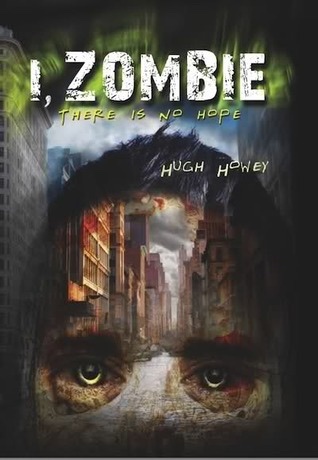 I, Zombie
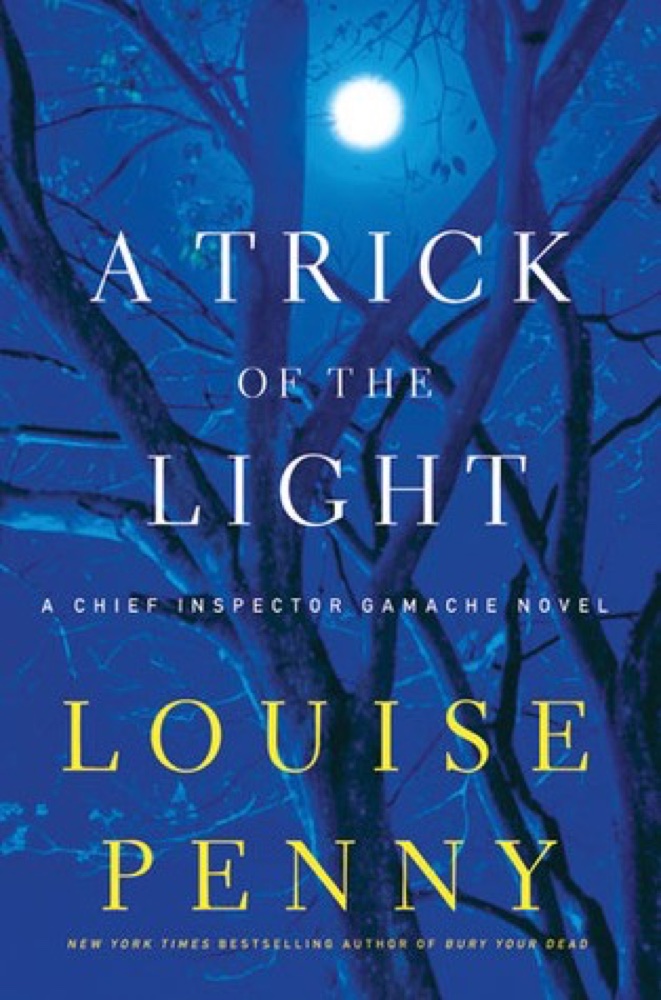 A Trick of the Light
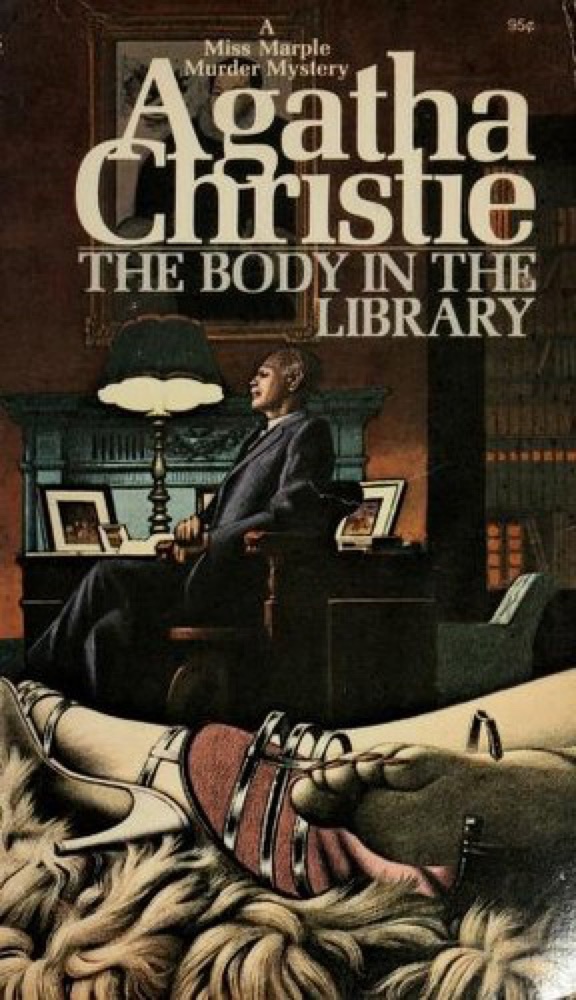 The Body in the Library
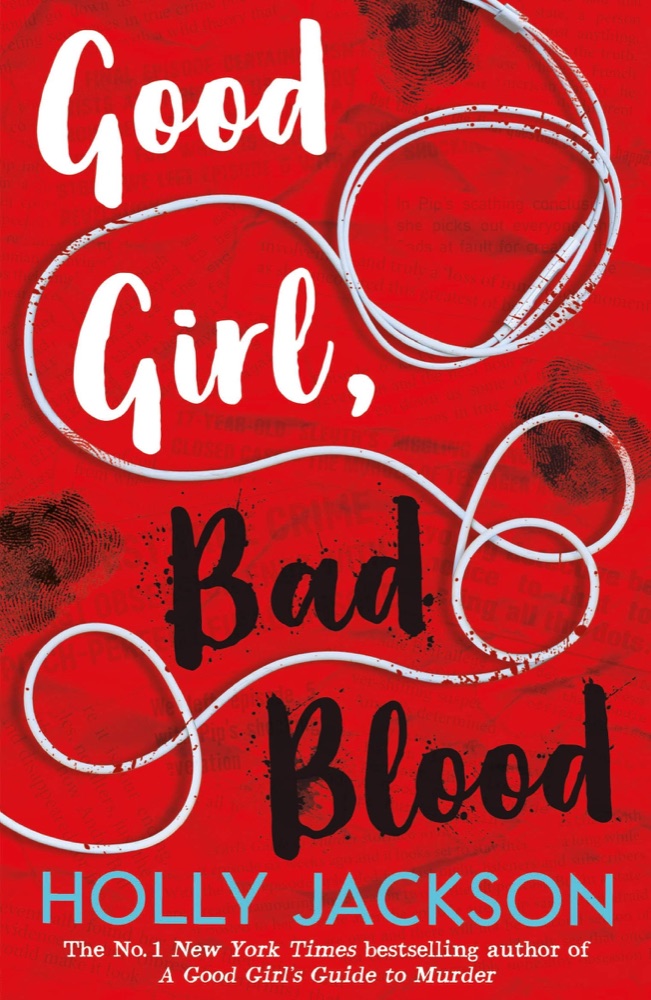 Good Girl, Bad Blood
 The Children Act
 The Invention of Sound
 The Diviners
 Sweep in Peace