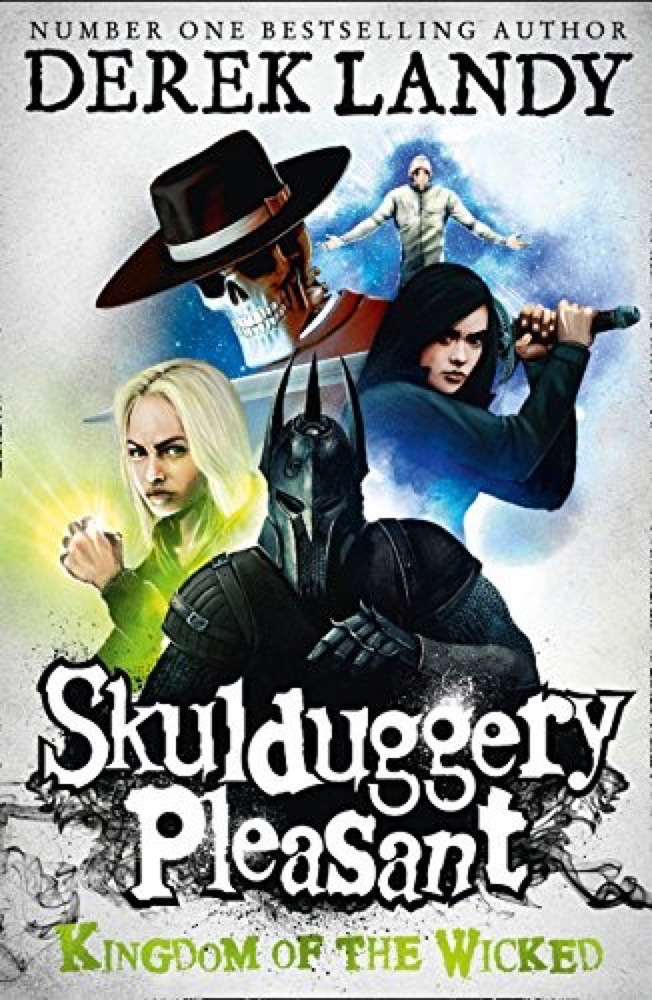
 Kingdom of the Wicked
Quotes from the Book
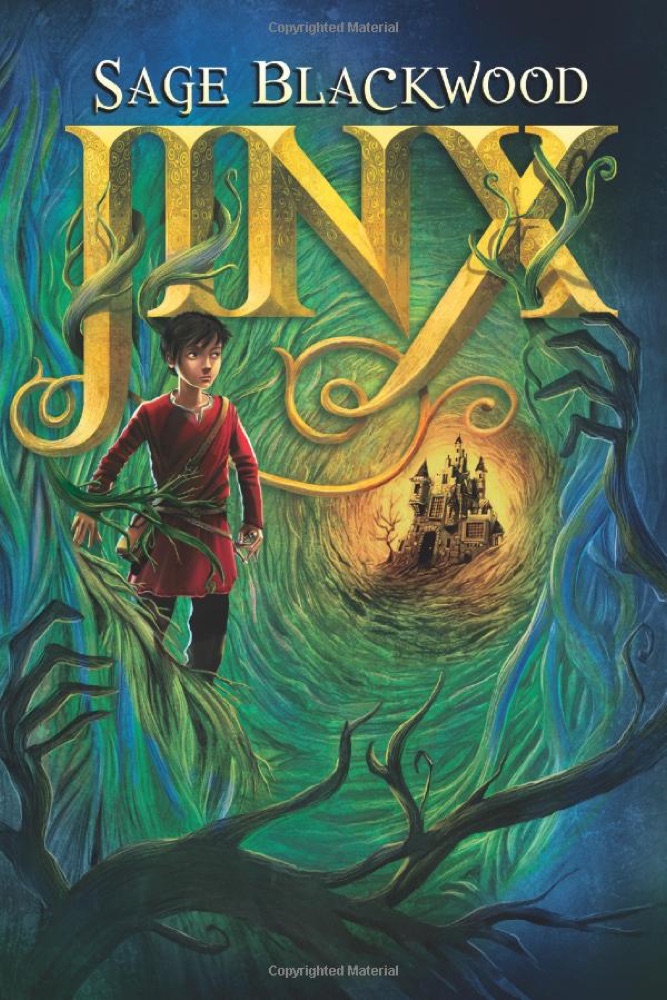
Hm. Didn’t you use to be a lot smaller?” “Yes,” said Jinx. “Because I used to be six.
...if you spent all your time being protected, you never got to find out anything new.
I was banished,” said Reven proudly. “What for?” Elfwyn pressed. “The king said I was anathema.” “He doesn’t like athemas?” “Anathema means, like, accursed,” said Jinx. “Probably it was for robbing people.
I’m not sure how people drink out of skulls,” Jinx added. Calvin had too many holes in him to make a good cup.
I’ll accompany you too, fair lady,” said Reven. “I would fain meet your grandmother.” “You would what?” said Elfwyn. “He means he’d like to,” said Jinx. Some of the books in Simon’s house used old-fashioned words like that.
Many things in life are difficult," said Reven, choosing his words carefully. "But to those who persevere, all things are possible.
Life is dangerous," said Simon. "Young people need to see the world.
The king killed his brother, who was actually king, so that he could be king. Then the dead king’s wife and baby disappeared, on account the baby would’ve been king, so the brother probably killed them, too. They do that kind of thing all the time, kings do. They can kill anybody they don’t like.
I think you're turning into a tree," said Reven. "Forsooth, you see what the trees see. You'll be spouting leaves next.
1
What are you doing? Stop it!" Elfwyn cried, and the hitting ceased abruptly. "How dare to hit Jinx? He's younger than you, and littler, and-" "Hey," Jinx interrupted, before this description of him could get any worse. "I hit him first!" "That's true, my lady" said Reven fairly. "He did.
you're afraid?" "Of course not!" "Good" Reven slapped him in the back. "Faint heart, never win fair lady!" "Dead heart never won fair lady either," Jinx said.
That troll was my stepfather," Jinx said. He saw Reven and Elfwyn exchange a glance. "I think you hit your head pretty hard when you fell" said Elfwyn. "Maybe you should lie back down.
I have to, don't I? He's not my slave," said Simon. "If he doesn't appreciate what he's got, let him leave
And I Reven, your faithful servant, fair maiden" Elfwyn beamed at Reven. "He's a robber". Said Jinx "And this is my stout companion, Jinx" said Reven. "I'm one of the people he's robbed" said Jinx.
Watch on YouTube
About Sage Blackwood
Book details
- First published
- 2013
- Author
- Sage Blackwood
- Genre
- Fiction
- Goodreads rating
- 4.06 (7k ratings) →
Keep reading
Kingdom of the Wicked
 The Runaway King
 Bitterblue
 The Lost Prince
 The False Prince
 The Shadow Throne
 Magic Study
 Magic Bites
 Six of Crows
 Dangerous Creatures
 The Exiled Queen
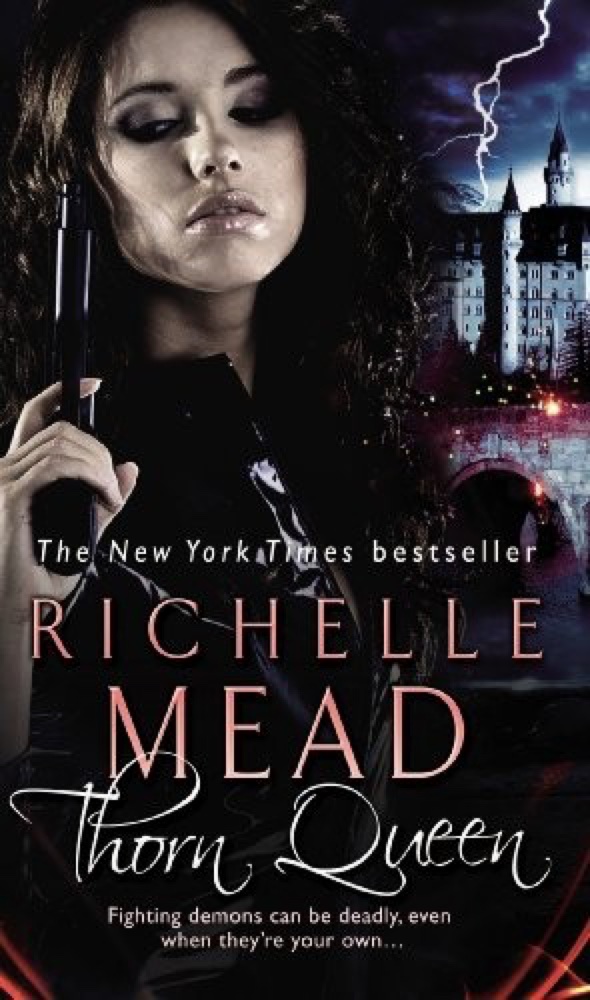 Thorn Queen
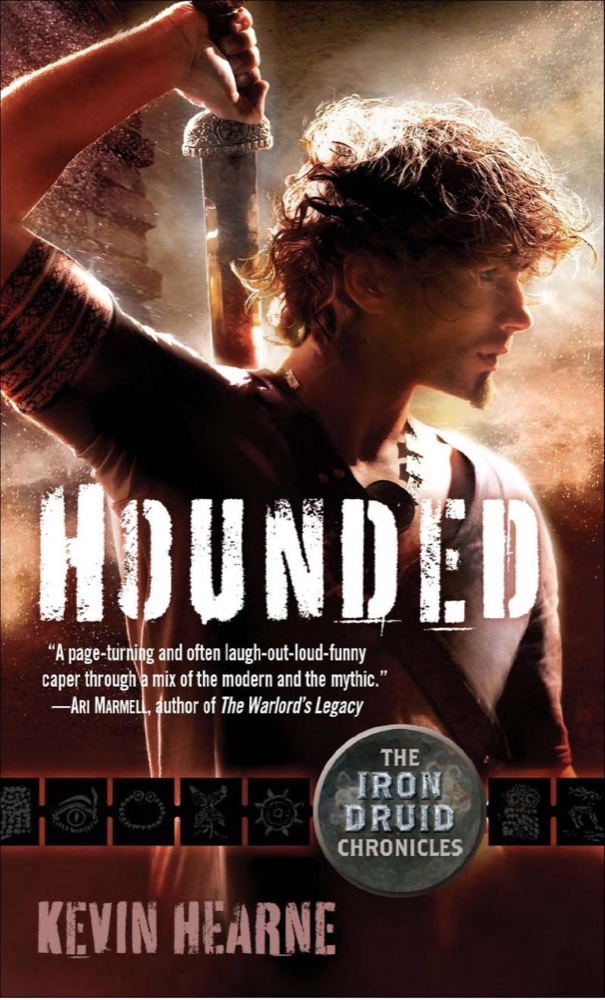 Hounded
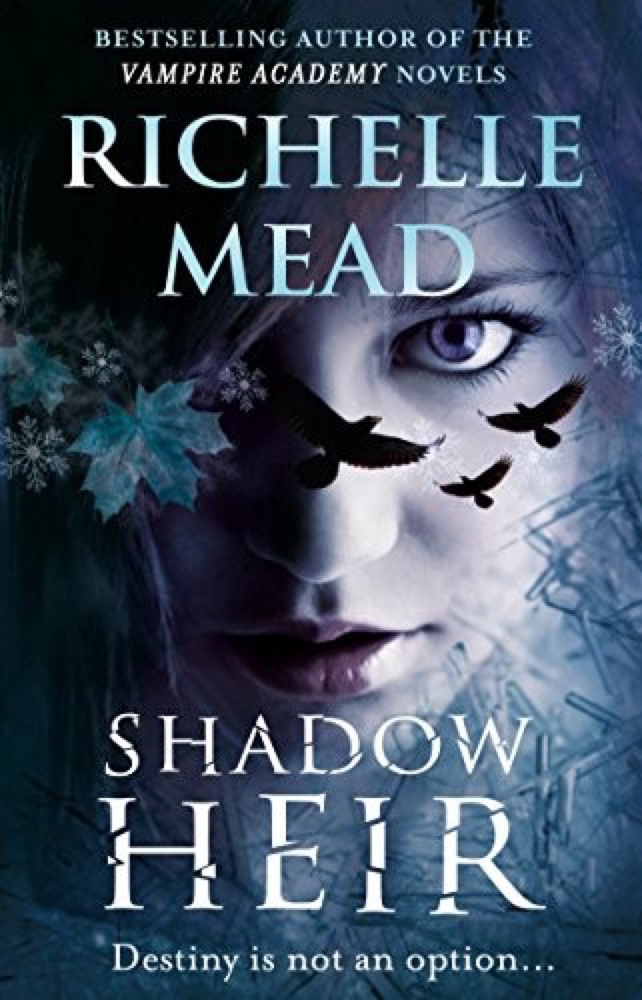 Shadow Heir
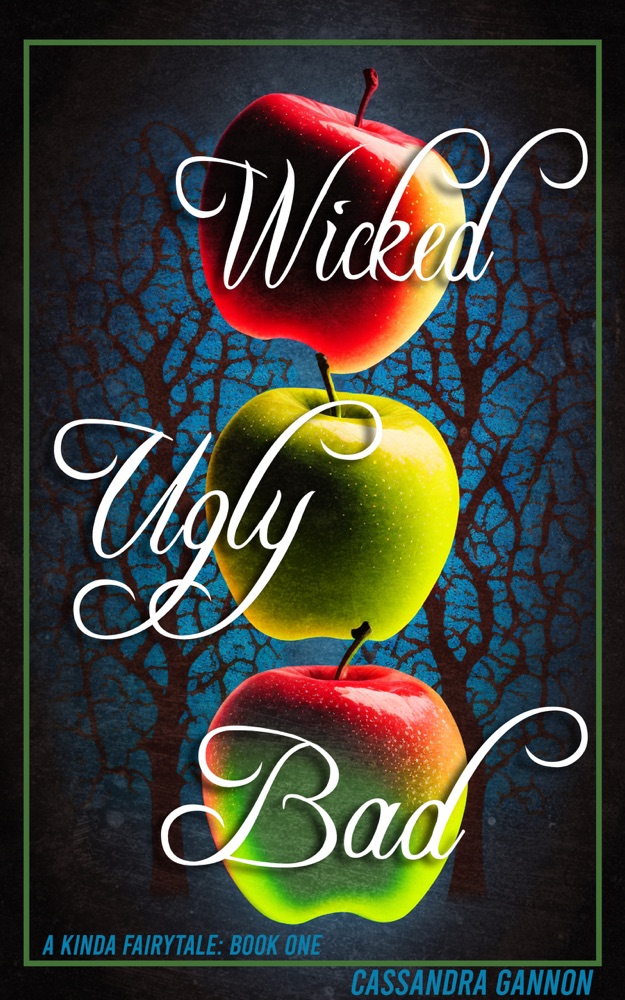 Wicked Ugly Bad
 Born of Hatred
 Dark Days
 Playing with Fire
 This Kingdom Will Not Kill Me
 Storm Born
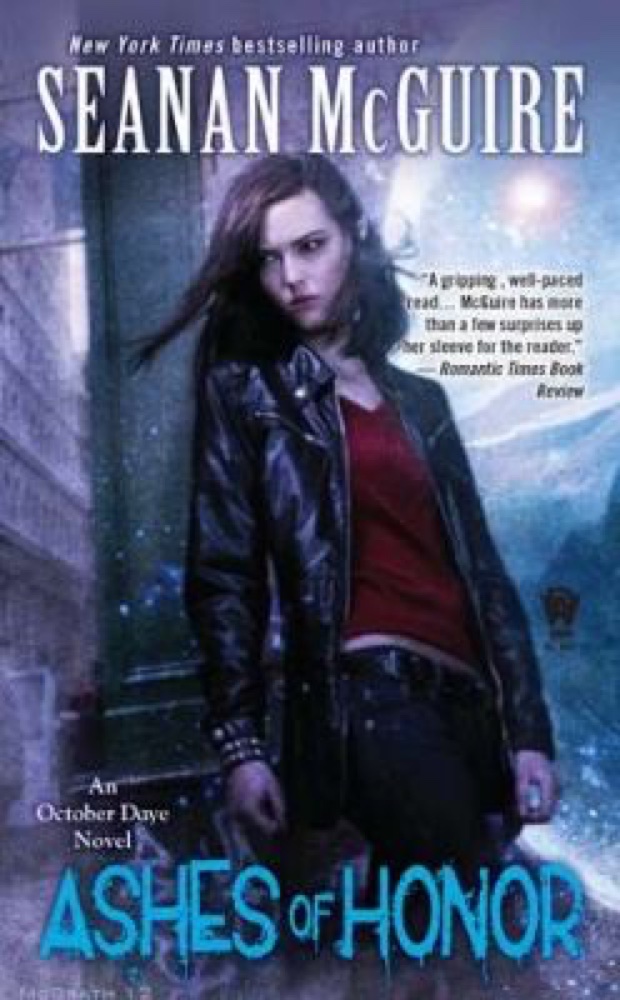 Ashes of Honor
 Frost Burned
 On the Edge
 Alanna: The First Adventure
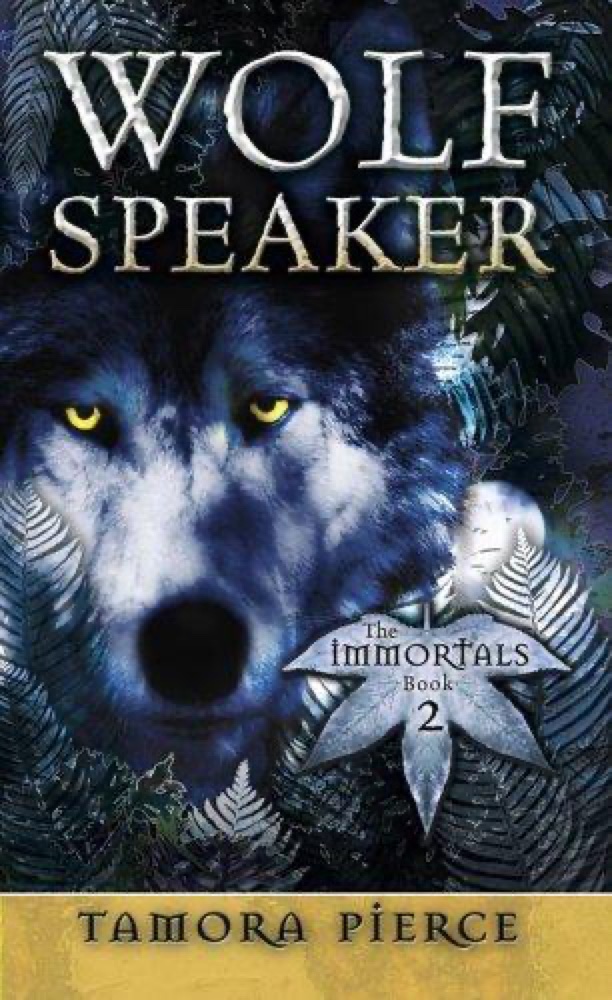 Wolf-Speaker
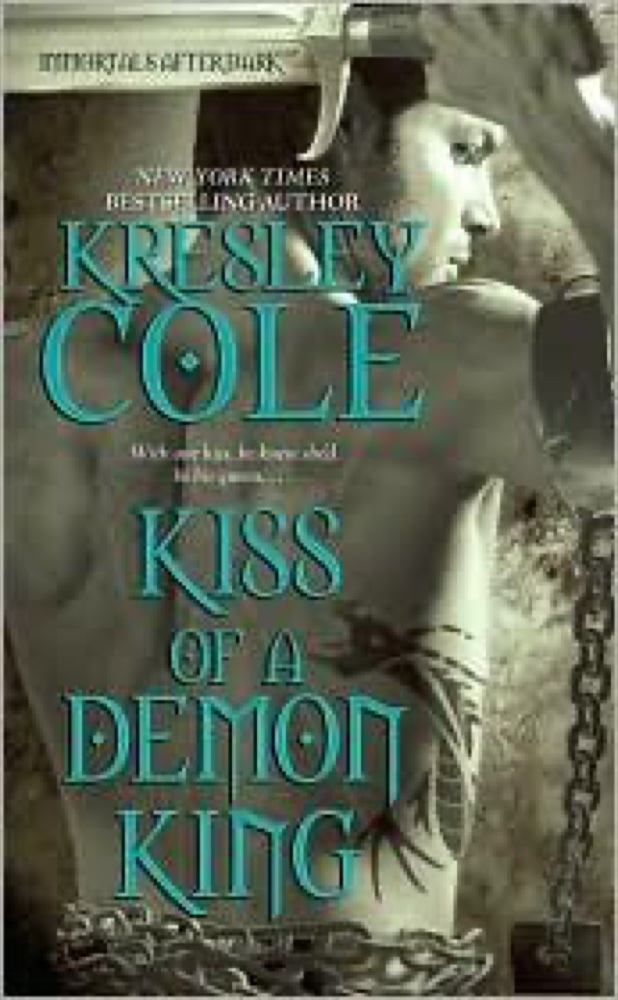 Kiss of a Demon King
 Siege and Storm
 Storm's Heart
 Winterkeep
 Crooked Kingdom
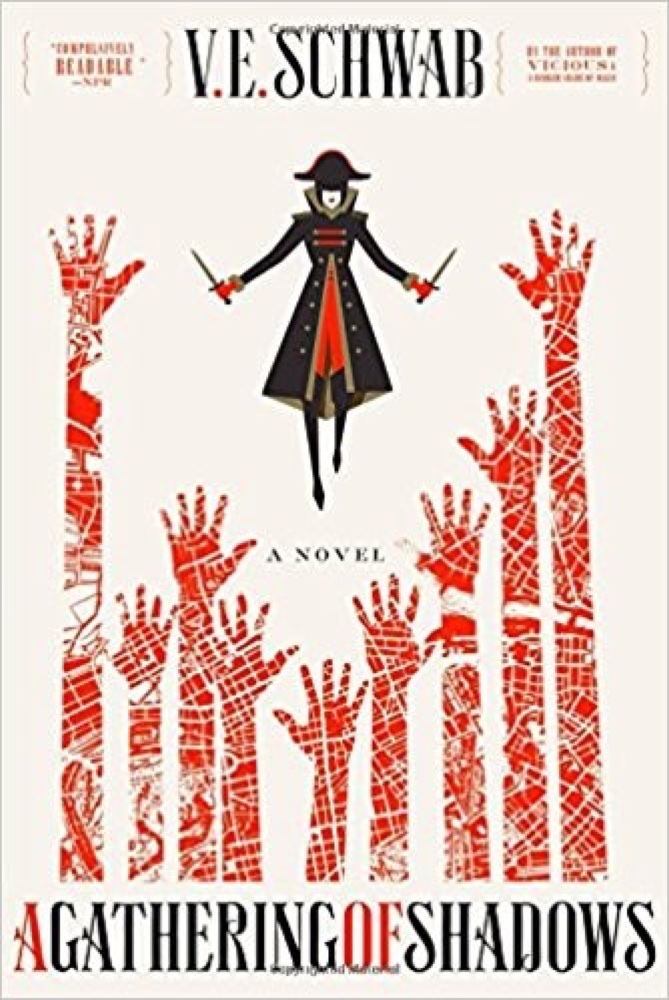 A Gathering of Shadows
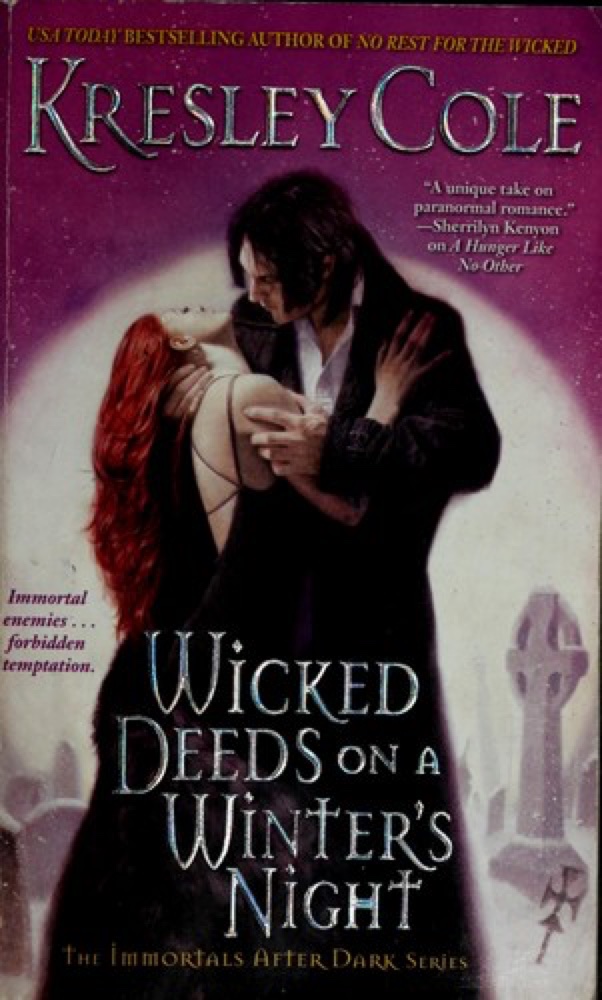 Wicked Deeds on a Winter's Night
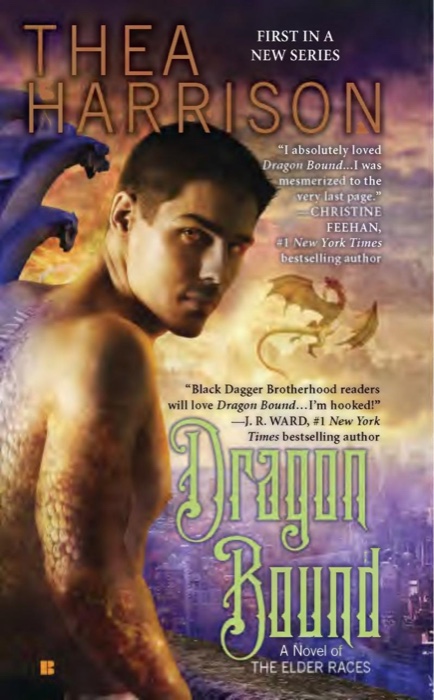 Dragon Bound
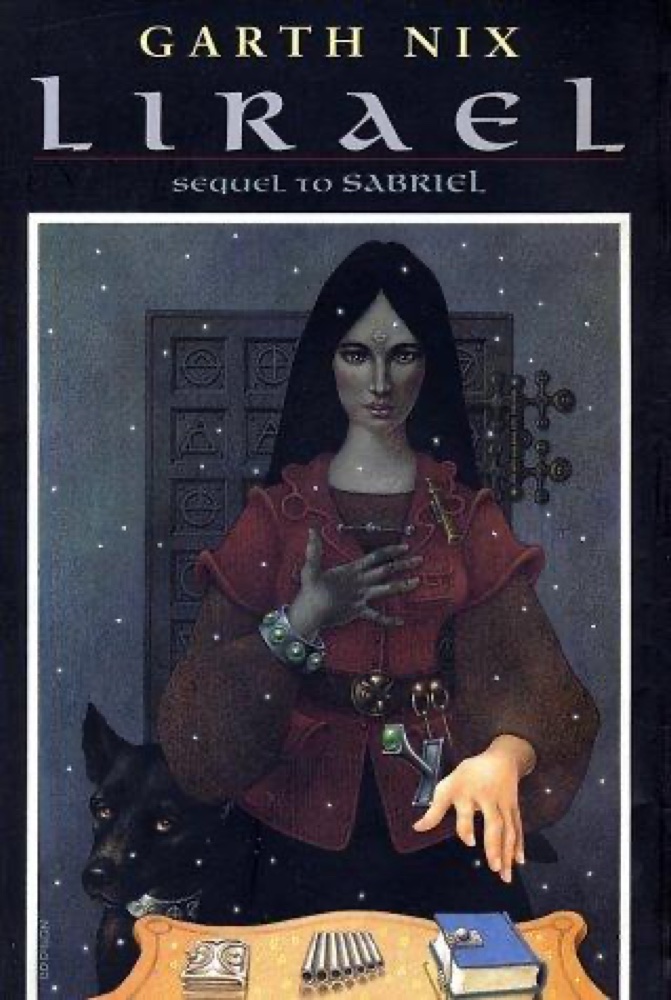 Lirael
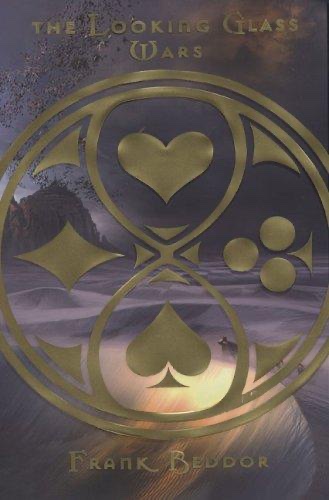 The Looking Glass Wars
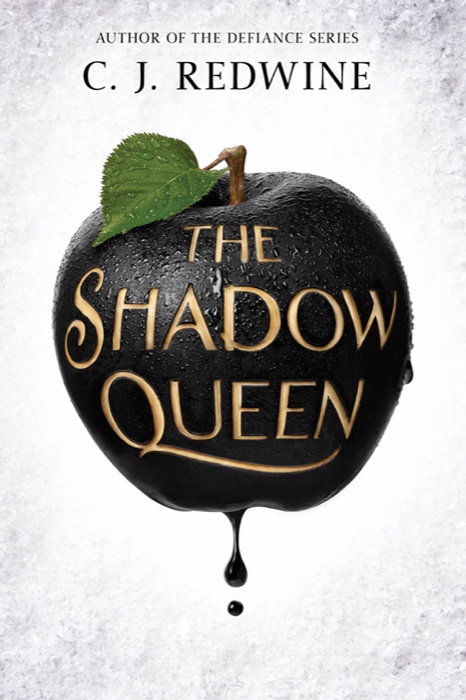 The Shadow Queen
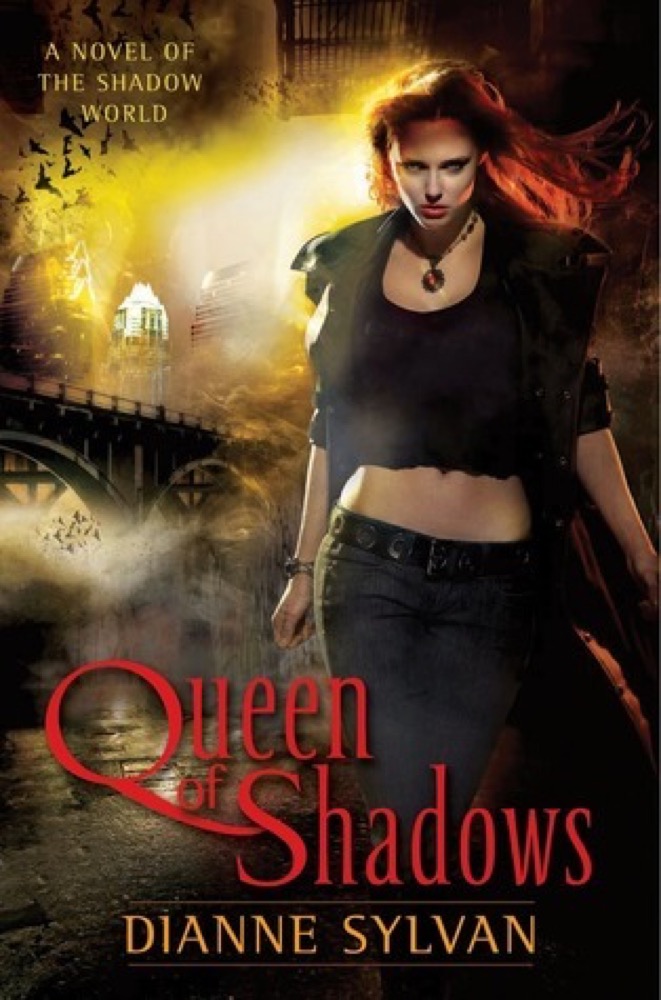 Queen of Shadows
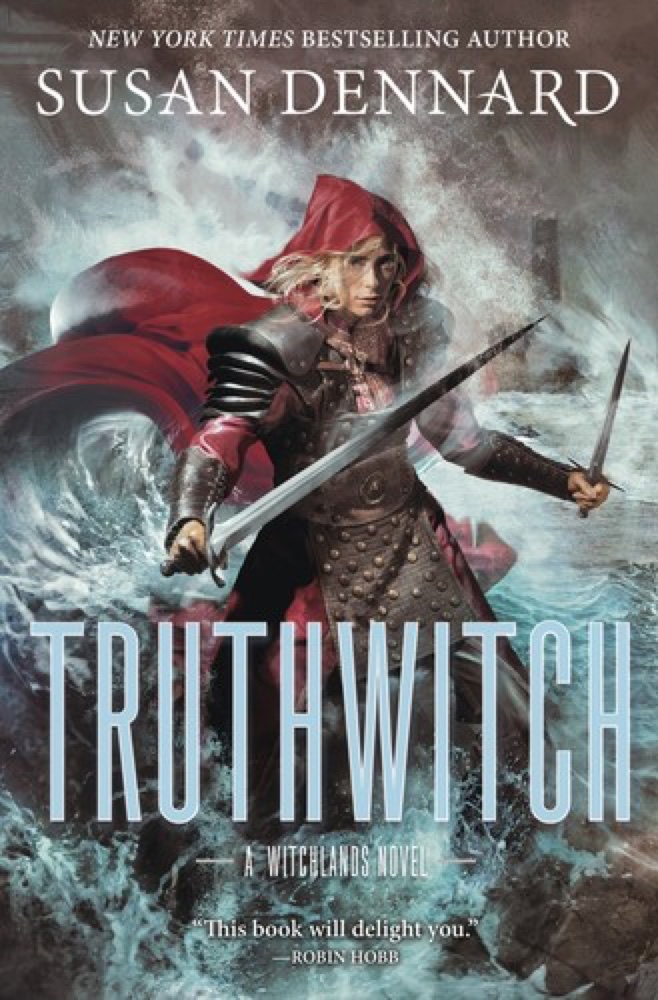 Truthwitch
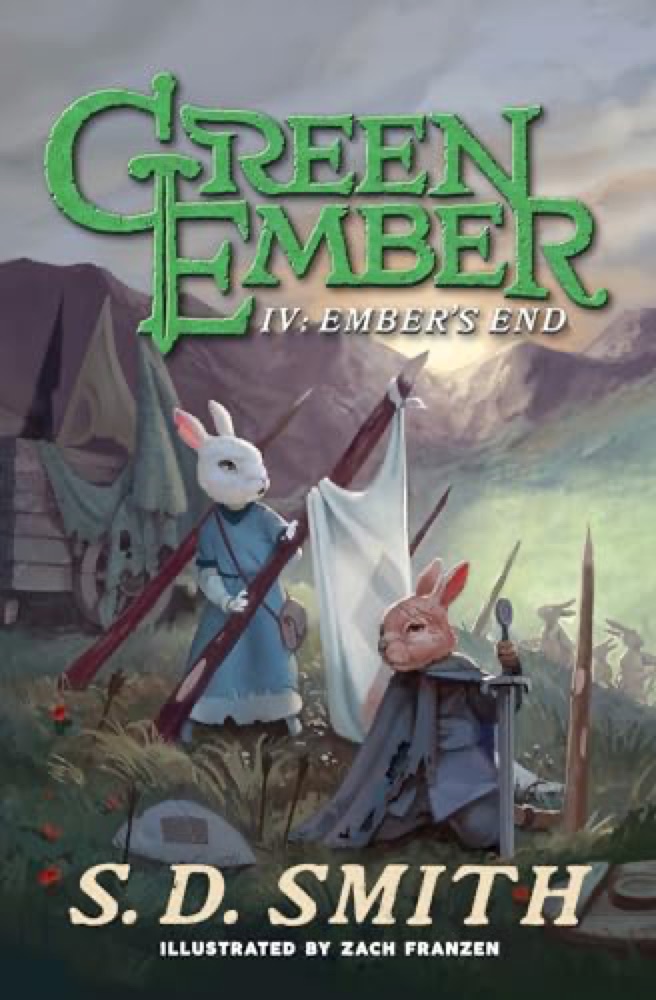 Ember’s End
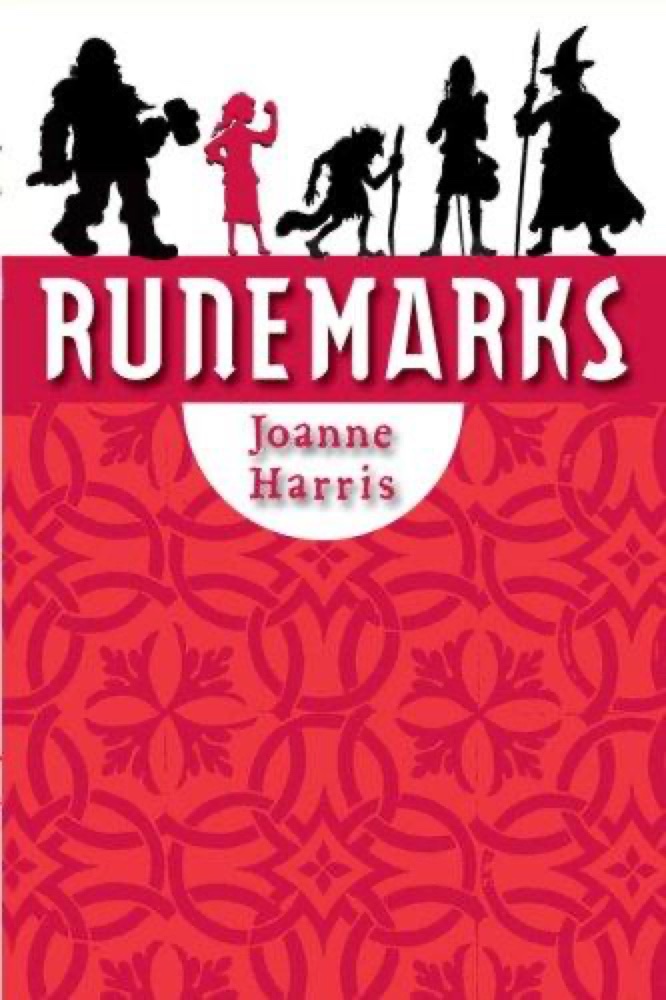 Runemarks
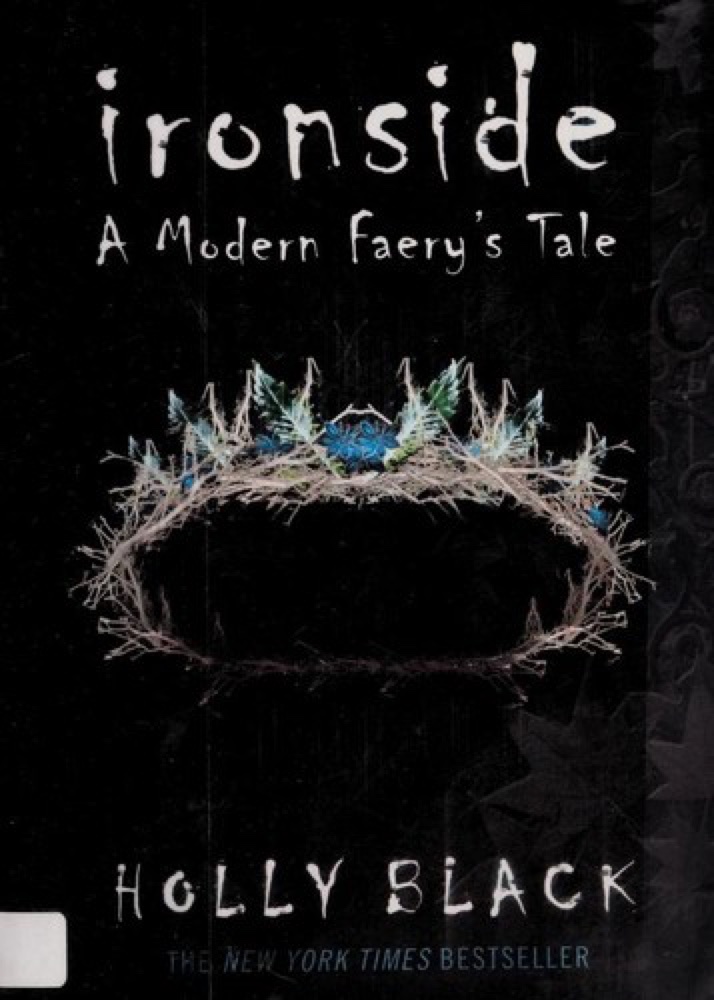 Ironside
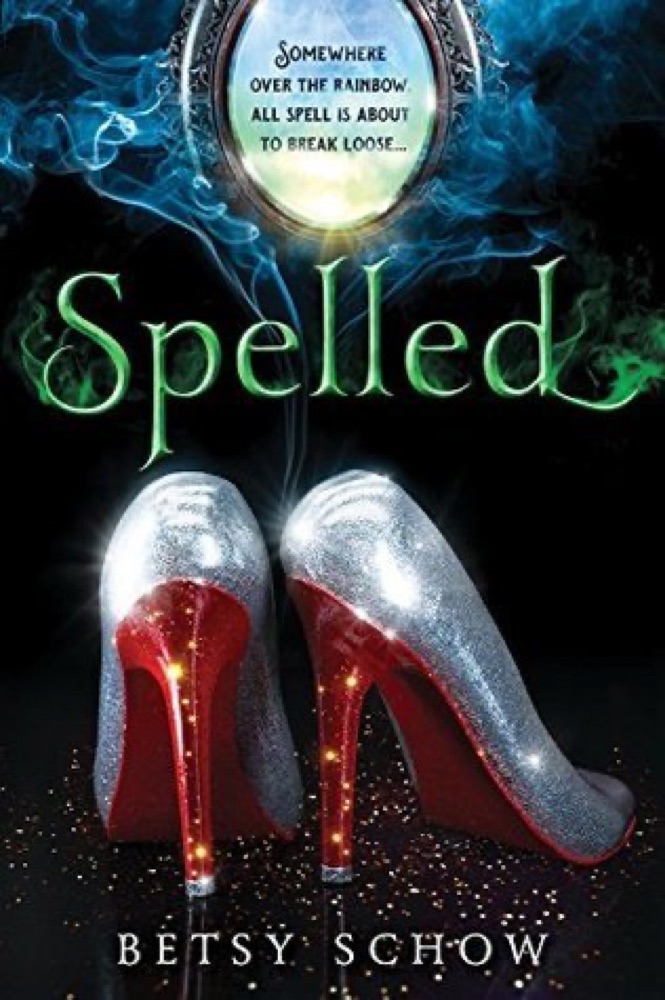 Spelled
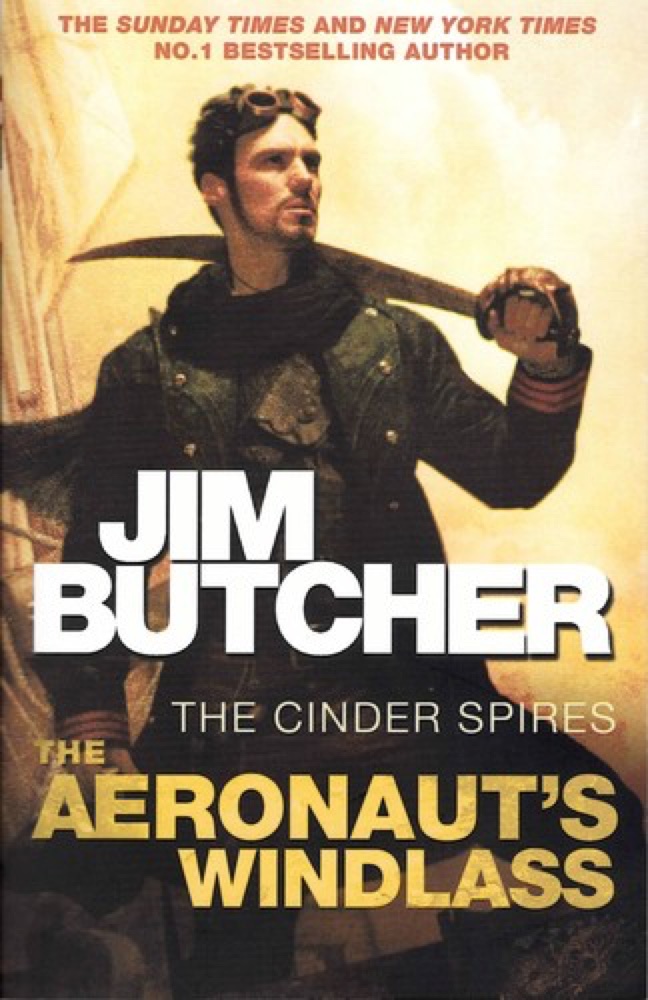 The Aeronaut's Windlass
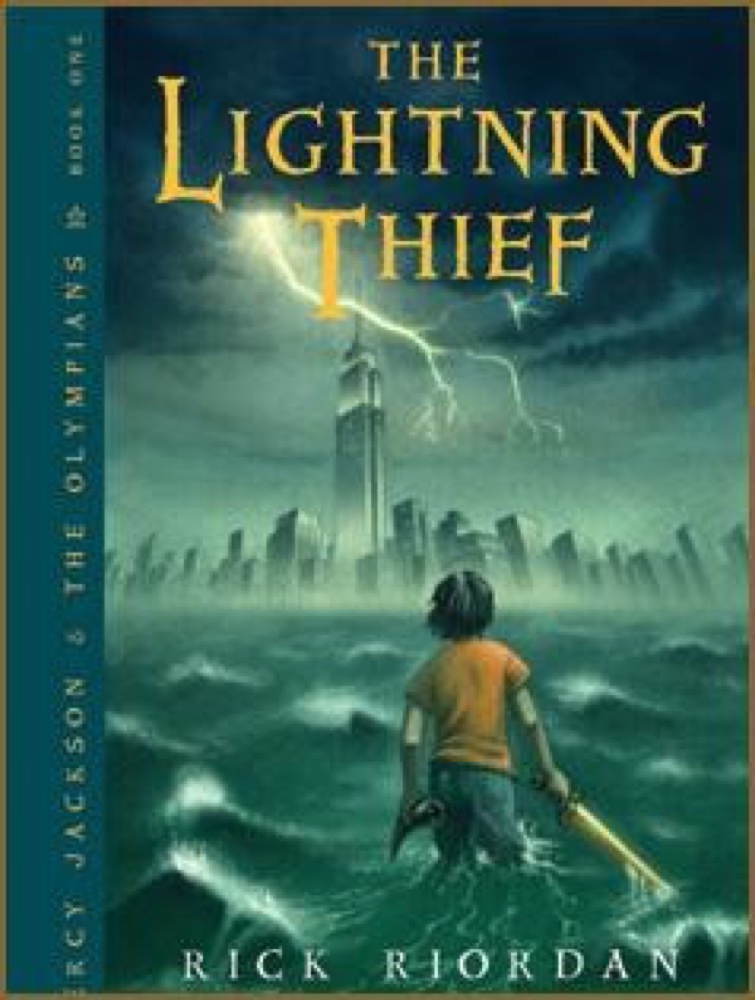 The Lightning Thief
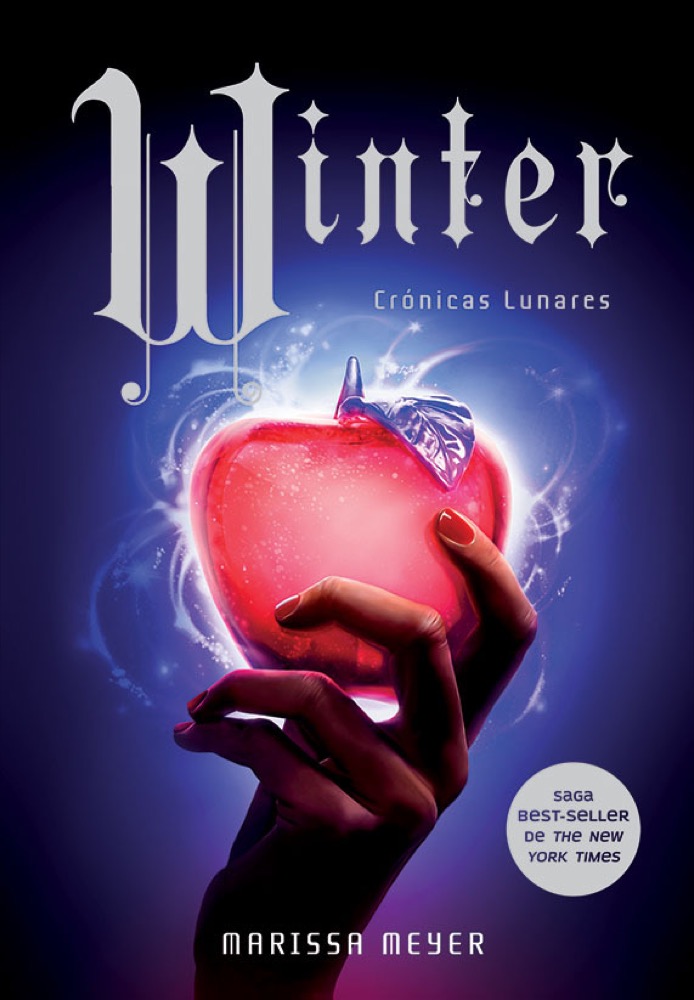 Winter
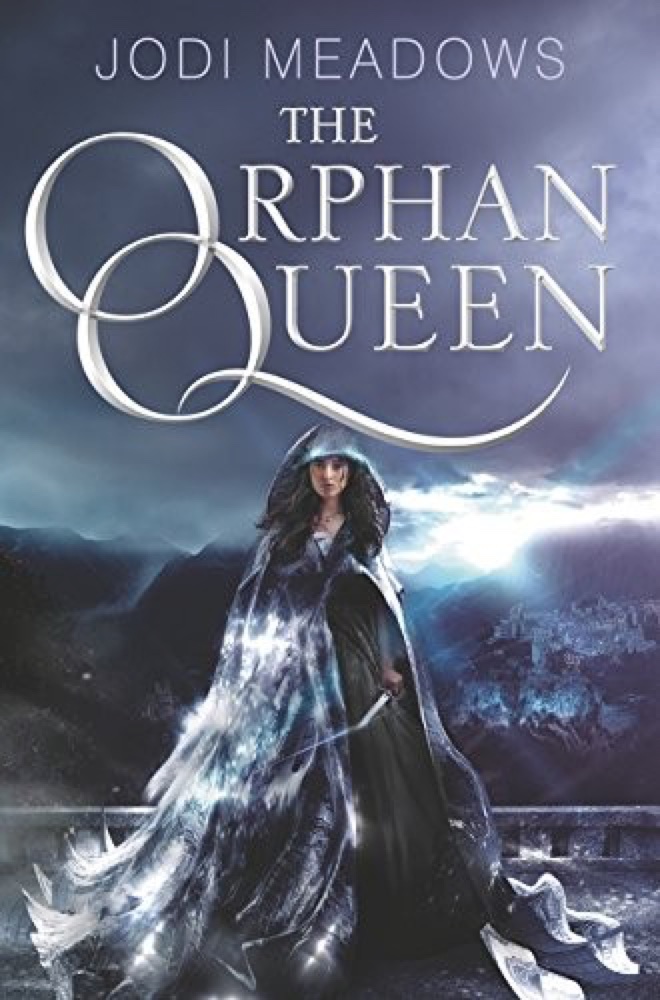 The Orphan Queen
 MacRieve
 Escaping Peril
 Froi of the Exiles
 Dragonbane
 Lord of Scoundrels
 Bone Crossed
 Wintersmith
 Everblaze
 Fire Study
 Trickery
 The Throne of Fire
 The Palace Job
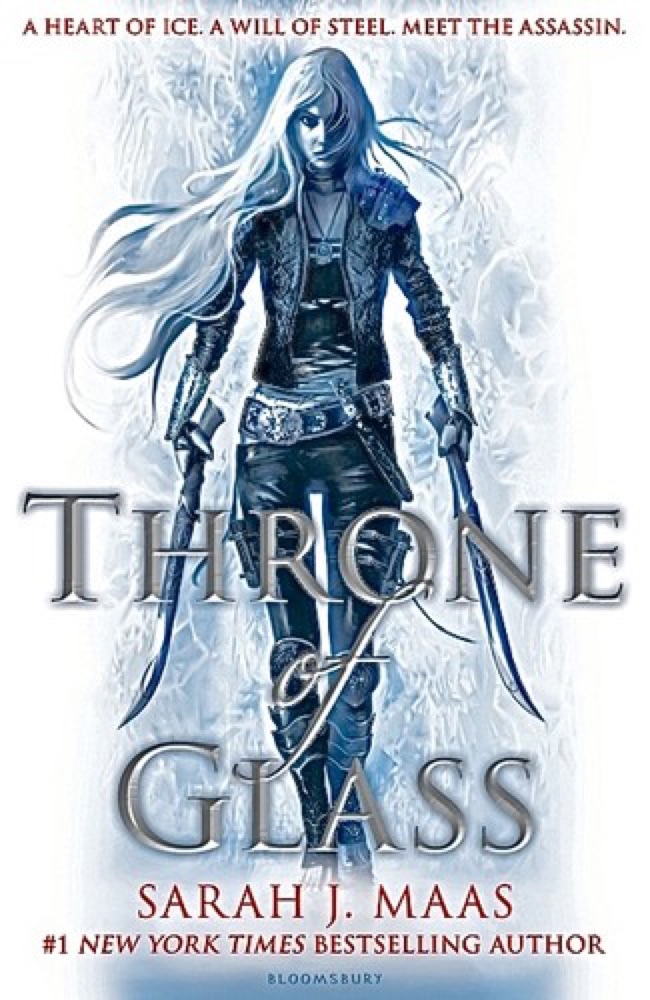 Throne of Glass