
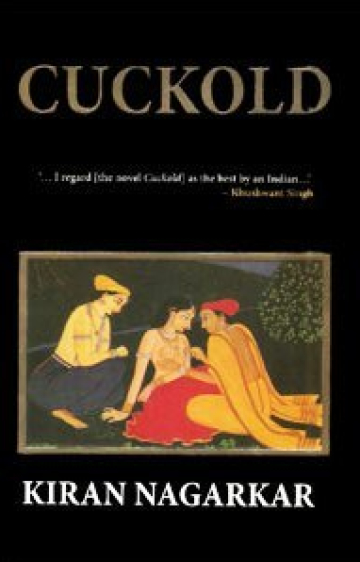
 Cuckold
Quotes from the Book
We are men without ambition, and all we want is to be left alone, in peace so that we can try and be happy. So few people will understand this simplicity.
In his essay,Agastya had said that his real ambition was to be a domesticated male stray dog because they lived the best life.They were assured of food,and because they were stray they didn't have to guard a house or beg or shake paws or fetch trifles or be clean or anything similarly meaningless to earn their food.They were servile and sycophantic when hungry;once fed,and before sleep,they wagged their tails perfunctorily whenever their hosts passes,as an investment for future meals.A stray dog was free,he slept a lot,barked unexpectedly and only when he wanted to,and got a lot of sex.
He absent-mindedly fondled his crotch and then whipped his hand away.No masturbation,he suddenly decided.He tried to think about this but sustained logical thought on one topic was difficult and unnecessary.No,i am not wasting any semen on Madna.It was an impulse,but he felt that he should record it.In the diary under that date,he wrote,'From today no masturbation.Test your will,you bastard'. Then he wondered at his bravado.No masturbation at all?That was impossible.
I'm happy for you Agastya,you're leaving for a more meaningful context. This place is like a parody, a complete farce, they're trying to build another Cambridge here. At my old University I used to teach Macbeth to my MA English classes in Hindi.English in India is burlesque. But now you'll get out of here to somehow a more real situation. In my time I'd wanted to give this Civil Service exam too, I should have. Now I spend my time writing papers for obscure journals on L. H. Myers and Wyndham Lewis, and teaching Conrad to a bunch of half-wits.
Land is important everywhere, all kinds of land. But you have lived in cities. There you cannot sense the importance of agricultural land, its the real wealth. Each of these squares and hexagrams could be worth lakhs.
Most of us, Ogu, live with a vague dissatisfaction, if we are lucky. Living as we do, upon us is imposed a particular rhythm - birth, education, a job, marriage, then birth again, but we all have minds don't we? For most Indians of your age, just getting any job is enough. You were more fortunate for you had options before you. These sound like paternal homilies, don't they, but you've always had surrogate parents, your aunts, and then in Delhi, your Pultukaku, and we've not really spent much time together.
No one reveals himself more completely to others than to himself - that is, if he reveals himself at all.
You feel even more naked and alone, he said silently, when you reveal yourself, a gratuitous act, for the strength and comfort you look for, any of those last illusions of consolations, can finally be only within you.
It was soporific to be mindlessly shunted about in a vehicle, to succumb to marijuana, the heat, the rhythm and roar of the jeep
Watch on YouTube
About Upamanyu Chatterjee
We have collected 9 quotes from 1 book by Upamanyu Chatterjee on BookQuoters.
More about the author →Book details
- Author
- Upamanyu Chatterjee
- Genre
- Fiction
- Goodreads rating
- 3.78 (6k ratings) →
Keep reading
Cuckold
 A Suitable Boy
 The Adolescent
 The White Tiger
 V.
V.
 The Complete Stories
 The Complete Short Stories
 Sexus
Sexus
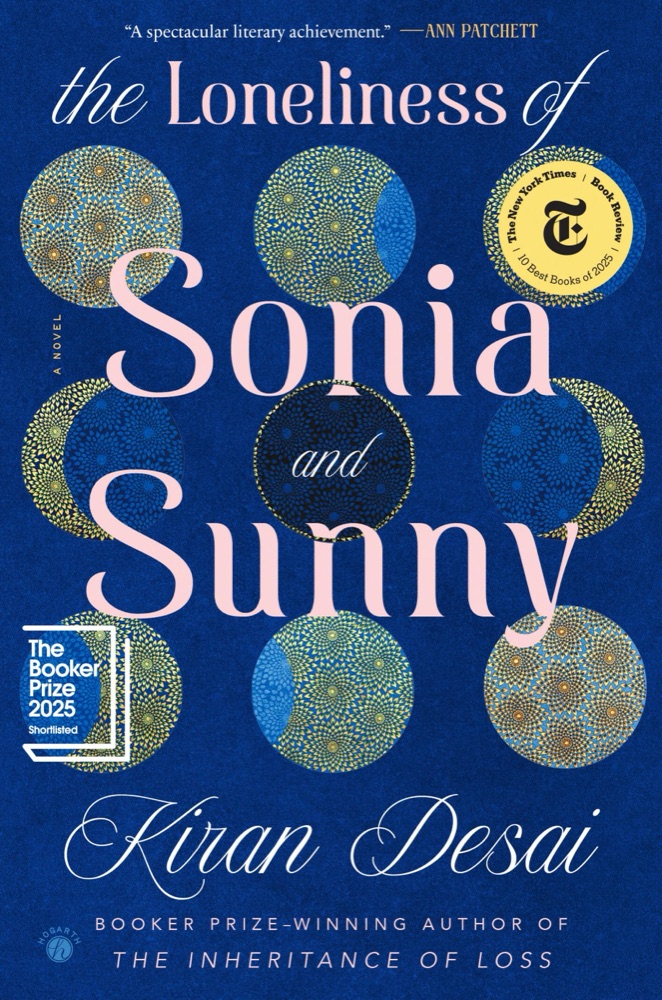 The Loneliness of Sonia and Sunny
 The Liar
 Selected Stories
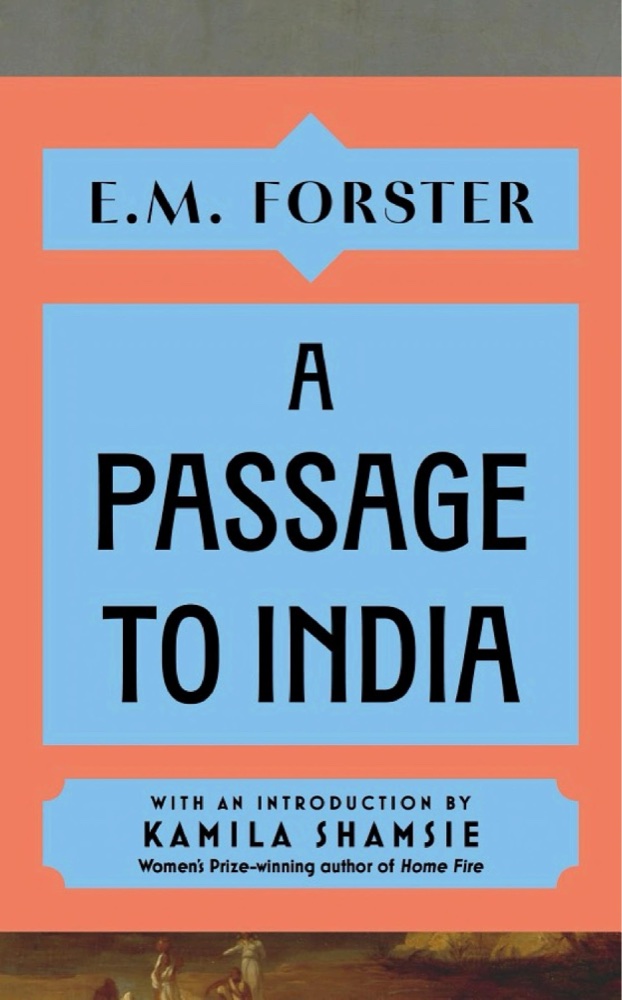 A Passage to India
 Revolutionary Road
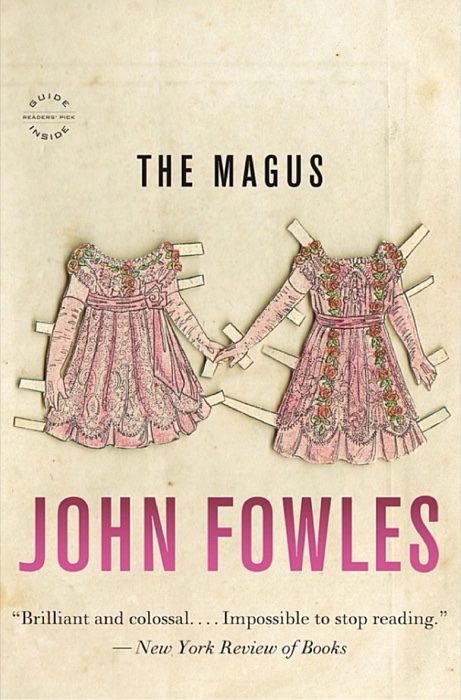 The Magus
 The Post-Birthday World
 Selected Stories of Anton Chekhov
 The Story of a New Name
 Notes from Underground
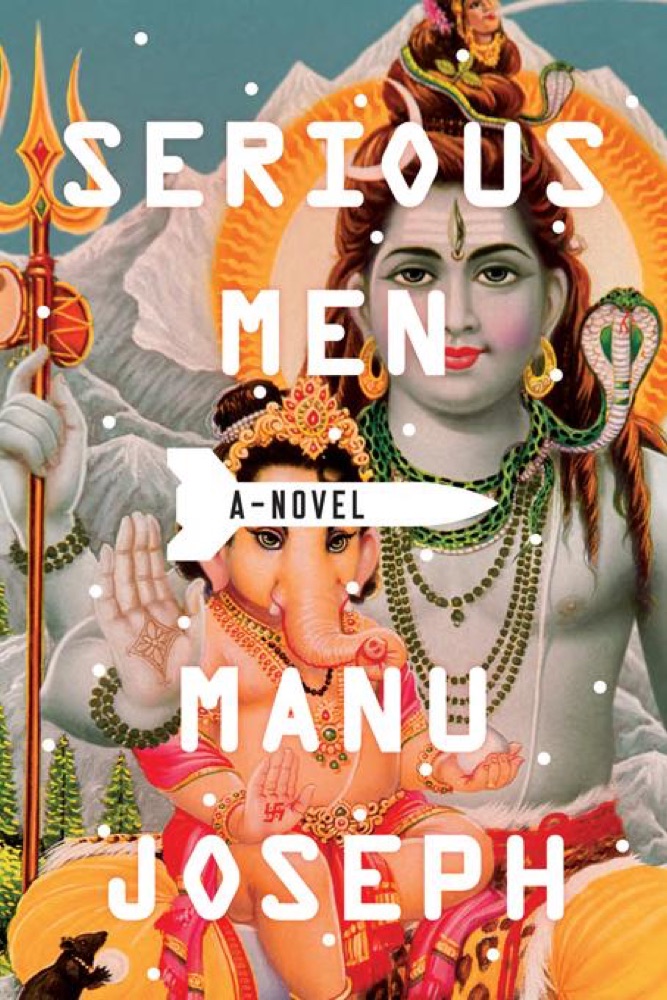 Serious Men
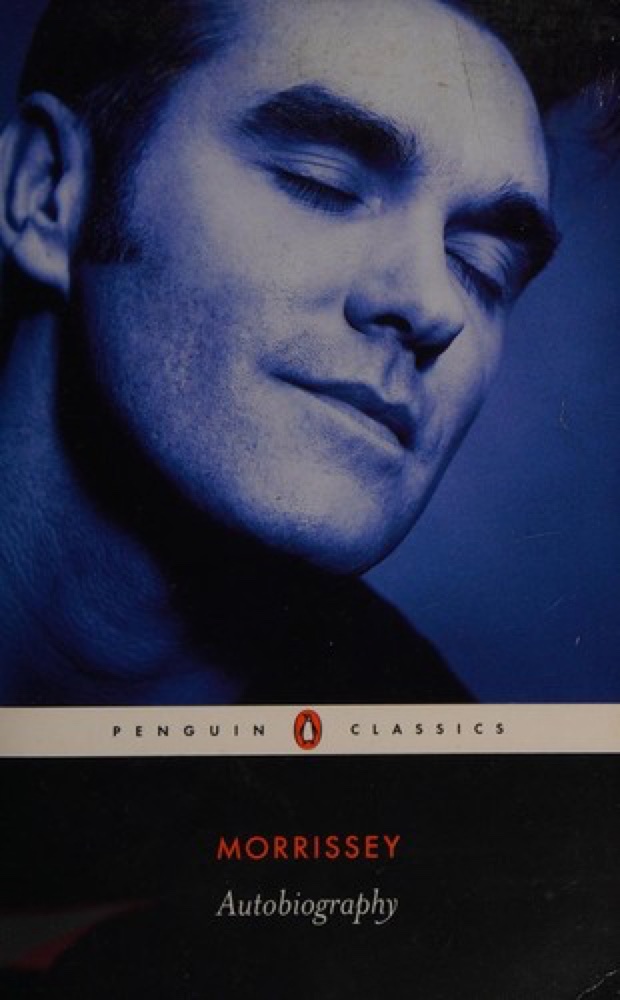 Autobiography
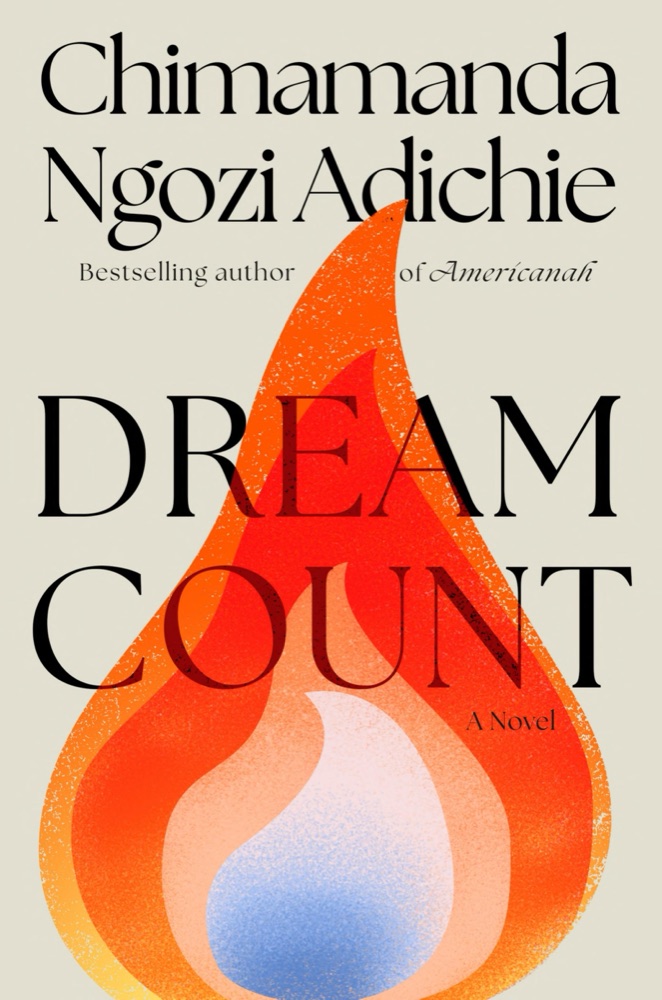 Dream Count
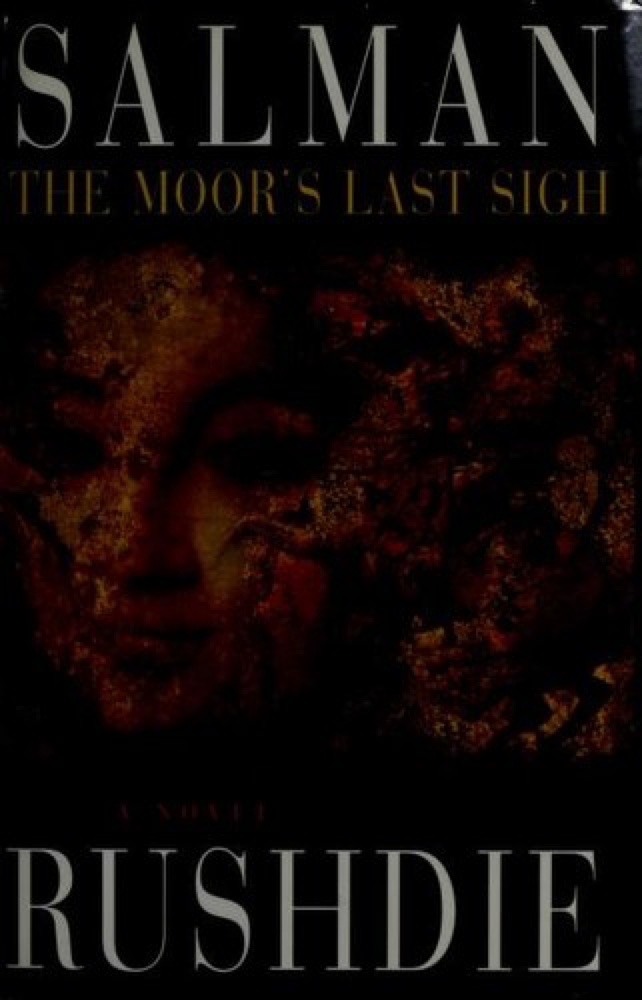 The Moor's Last Sigh
 The Age of Reason
 Embers
 The Brooklyn Follies
 Surprised by Joy: The Shape of My Early Life
 The Fall
 American Pastoral
 The Buddha of Suburbia
 Reveries of the Solitary Walker
 Life & Times of Michael K
 The Day of the Scorpion
 Disgrace
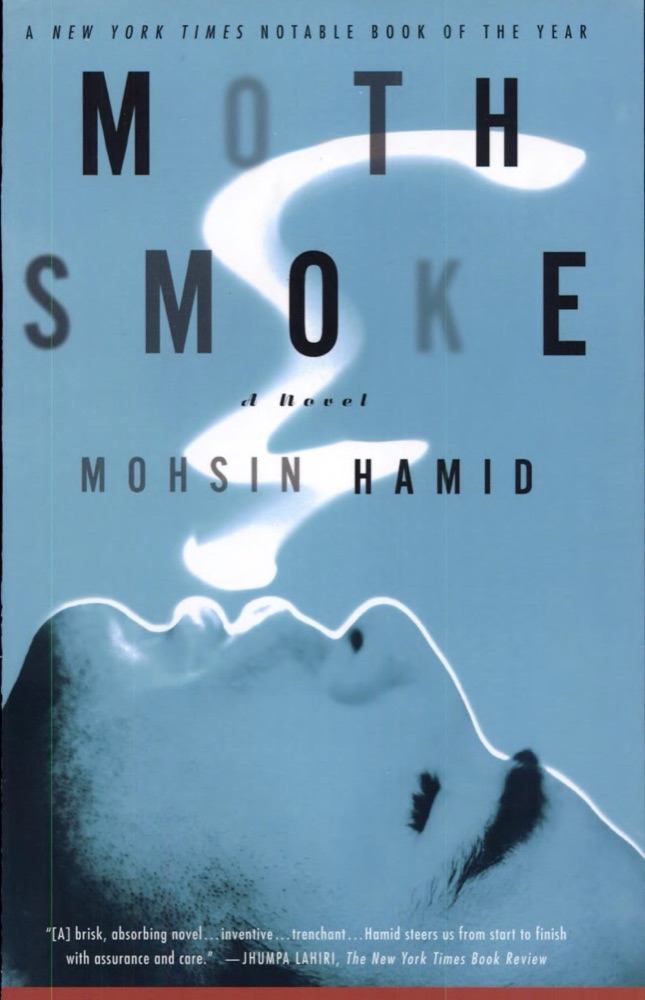 Moth Smoke
 Min kamp 2
 Walden and other writings
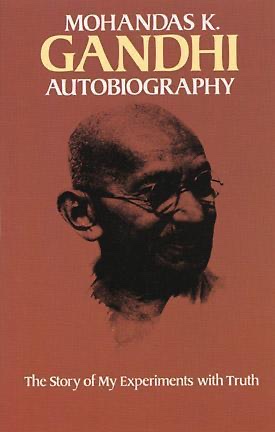 The Story of My Experiments With Truth
 Without Dogma
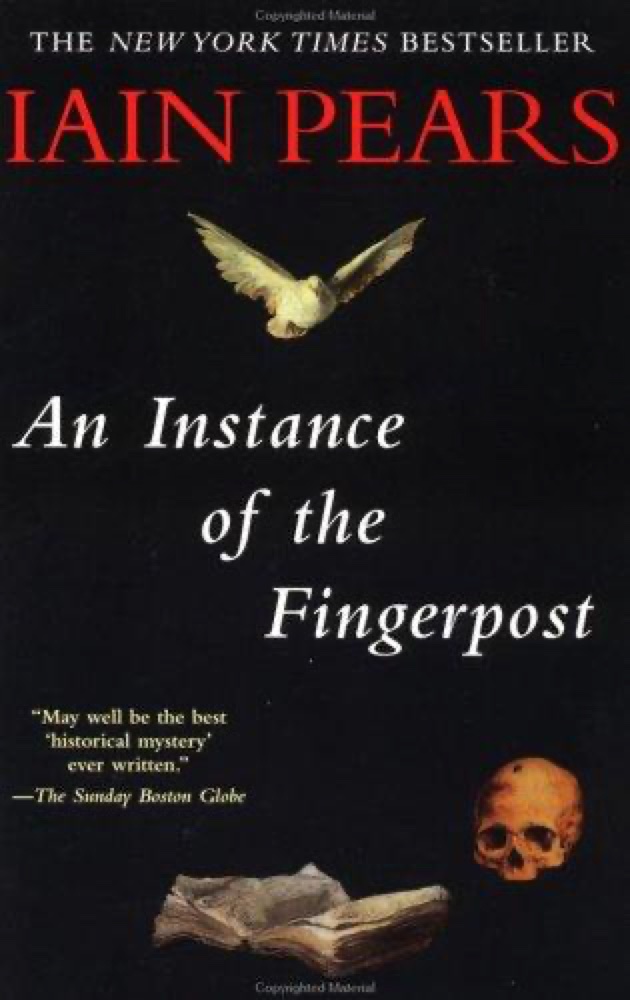 An Instance of the Fingerpost
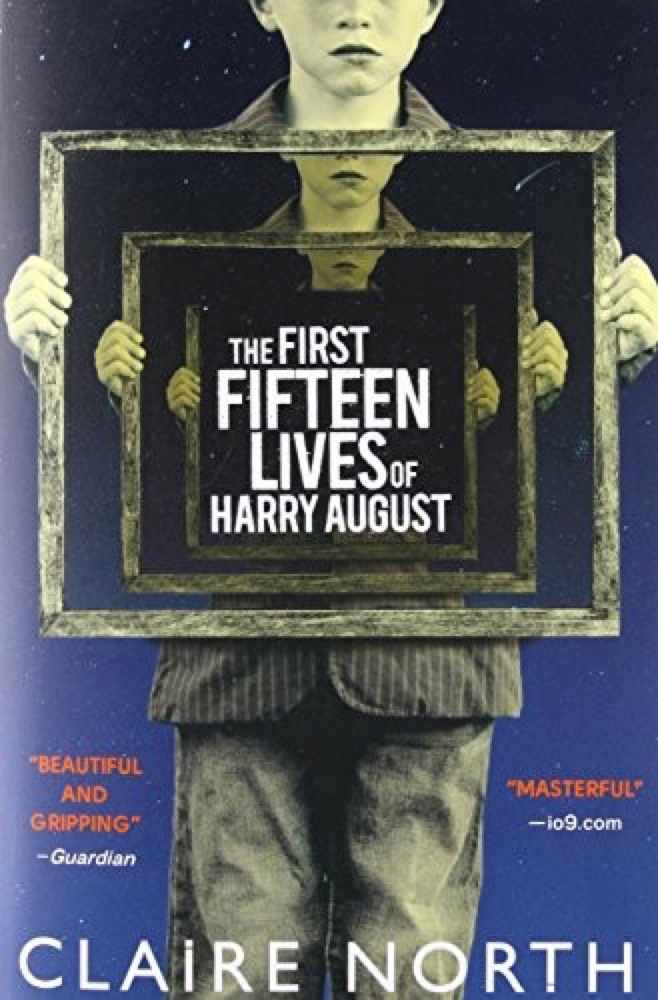 The First Fifteen Lives of Harry August
 The Naked Civil Servant
 Confessions of a Mask
 Fear of Flying
 Lady Chatterley's Lover
 The Man Without Qualities
 Independent People
 Dhalgren
 Purity
 Q & A
Q & A
 Auto-da-Fé
 The Lives of Others
 The Inheritance of Loss
 The Professor's House
 Tropic of Capricorn
 A Fraction of the Whole
 The Dice Man
 The Manticore
 Bleak House
 A Single Man
 Infinite Jest