
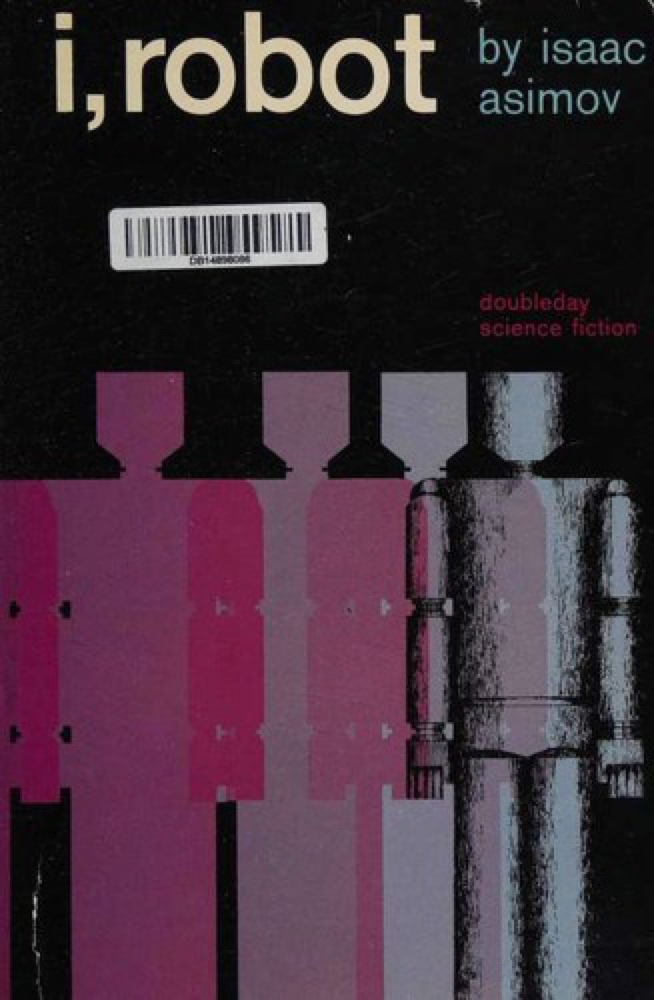
 I, Robot
Quotes from the Book
Where is the world whose people don't prefer a comfortable, warm, and well-worn belief, however illogical, to the chilly winds of uncertainty?
We mythologists know very well that myths and legends contain borrowings, moral lessons, nature cycles, and a hundred other distorting influences, and we labor to cut them away and get to what might be a kernel of truth. In fact, these same techniques must be applied to the most sober histories, for no one writes the clear and apparent truth—if such a thing can even be said to exist.
Rules, established with reason and justice, can easily outlive their usefulness as circumstances change, yet can remain in force through inertia. It is then not only right, but useful, to break those rules as a way of advertising the fact that they have become useless—or even actually harmful.
Presumably, such is the folly of human beings, the prospects of intellectual suicide might not stop them from indulging their hatred,
There are always individuals who pit their minds against the general modes of thought and who are arrogant enough to feel that they alone are right and that the many are wrong.
A planet might deteriorate even if human beings existed upon it, if the society were itself abnormal and did not understand the importance of preserving the environment." "Surely," said Pelorat, "such a society would quickly be destroyed. I don't think it would be possible for human beings to fail to understand the importance of retaining the very factors that are keeping them alive." Bliss said, "I don't have your pleasant faith in human reason, Pel. It seems to me to be quite conceivable that when a planetary society consists of Isolates, local and even individual concerns might easily by allowed to overcome planetary concerns.
That is beside the point. If we only obey those rules that we think are just and reasonable, then no rule will stand, for there is no rule that some will not think is unjust and unreasonable. And if we wish to push our own individual advantage, as we see it, then we will always find reason to believe that some hampering rule is unjust and unreasonable. What starts, then, as a shrewd trick ends in anarchy and disaster, even for the shrewd trickster, since he, too, will not survive the collapse of society.” Trevize
Did you know?
- It is the fifth-published novel in the Foundation series and chronologically the last in the series' internal timeline.
- The novel is a direct sequel to Foundation's Edge (1982).
- It helps unify Asimov's Foundation, Robot, and Empire story cycles into a single shared universe.
- The ancient robot R. Daneel Olivaw, a character from Asimov's earlier robot novels, plays a pivotal role.
- It appeared on the 1987 Locus Award list for Best Science Fiction Novel.
- The book opens with the line "Why did I do it?" asked Golan Trevize.
About Isaac Asimov
Isaac Asimov (1920–1992) was a Russian-born American author and biochemist, one of the most prolific writers of the 20th century, best known for science fiction works including the Foundation series and I, Robot.
More about the author →More by Isaac Asimov
All books by Isaac Asimov →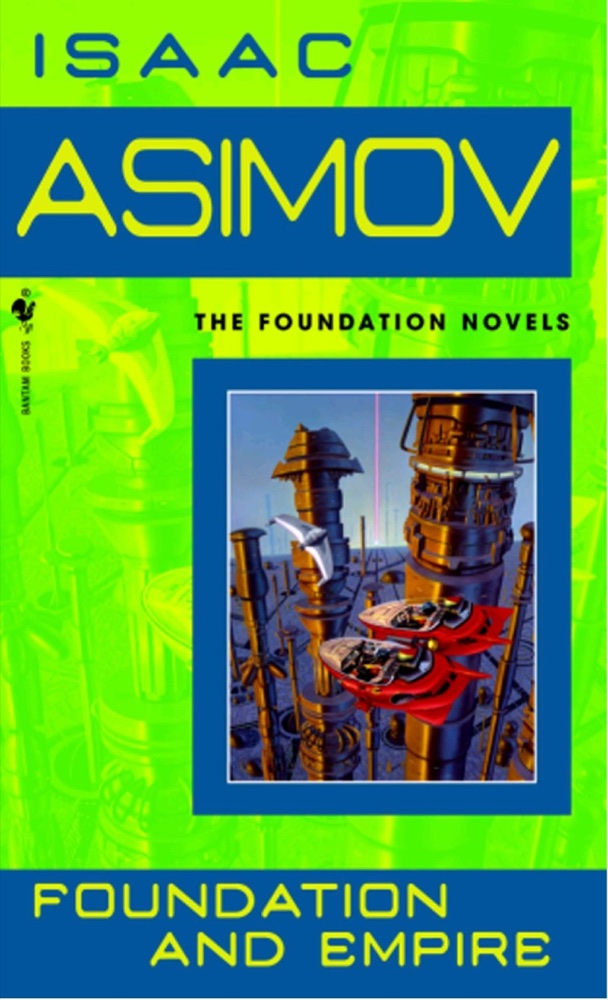
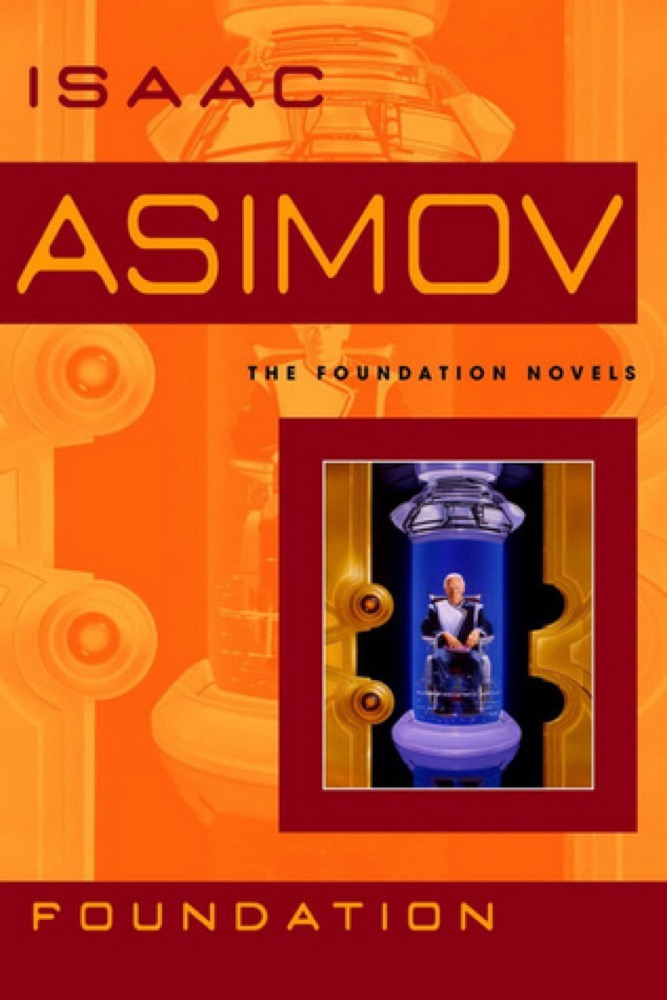
About the book
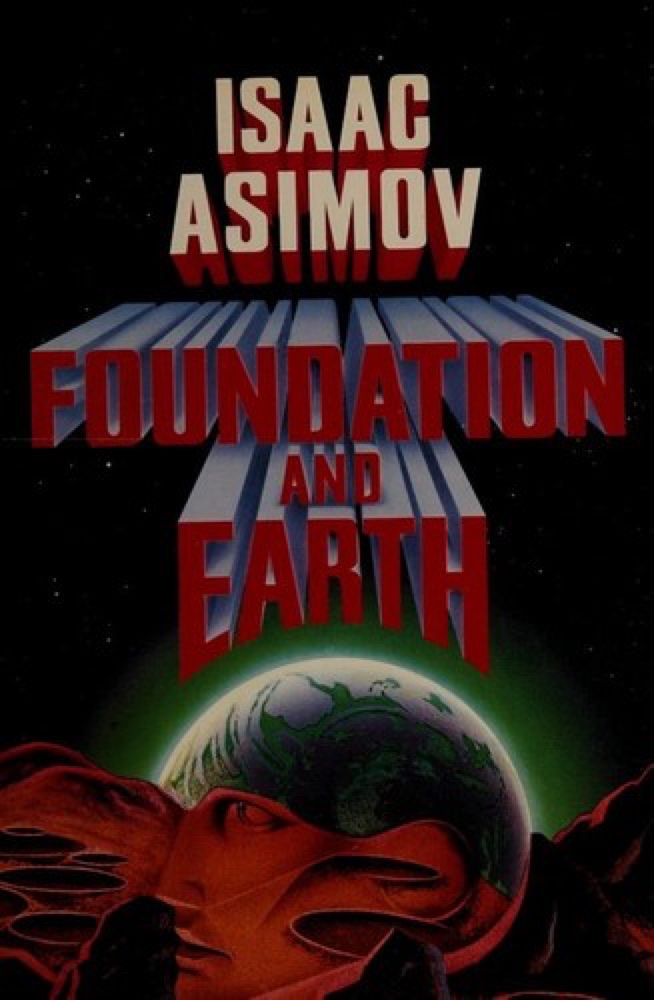
Foundation and Earth is a 1986 science fiction novel by Isaac Asimov, the fifth published book in his Foundation series and, chronologically, its last. It follows Councilman Golan Trevize, who in the preceding novel chose Galaxia—a galaxy-wide group consciousness modeled on the living planet Gaia—as the best future for humanity. Uneasy about that decision, he sets out with the historian Janov Pelorat and the Gaian woman Bliss to find humanity's forgotten homeworld, Earth, convinced that the answer to why he chose as he did lies there. Their search carries them across abandoned Spacer worlds toward the truth of human origins.
Beyond its interstellar quest, the novel is a meditation on free will, individuality versus collective mind, and the direction of human destiny. Asimov uses the journey to knit together his once-separate Foundation, Robot, and Empire stories into a single fictional universe, and the book's revelations reach back across millennia of that shared history. Questions of what humanity should become—many separate minds or one unified consciousness—drive the story as much as the physical search for Earth.
As the capstone of the Foundation saga, Foundation and Earth serves as the terminus of a series Asimov began in the 1940s and returned to decades later. It ranked among the notable science fiction novels of its year and remains a key text for readers tracing the arc from the original Foundation stories through their unification with his robot fiction. Its ending deliberately leaves the larger fate of humanity poised on an open question.
Key characters
- Golan TrevizeFoundation councilman searching for Earth to justify his choice of humanity's future
- Janov PeloratHistorian accompanying Trevize on the search for Earth
- BlissRepresentative of the group-mind planet Gaia who travels with them
- R. Daneel OlivawAncient robot who has secretly guided human history for millennia
- FallomYoung Solarian child taken along by the crew
Book details
- First published
- 1986
- Length
- 356 pages
- Reading time
- 22 hours
- Author
- Isaac Asimov
- Genre
- Fiction
- Goodreads rating
- 4.17 (609k ratings) →
- First line
- “"Why did I do it?" asked Golan Trevize.”
Series & reading order
- 1 Foundation
- 2 Foundation and Empire
- 3 Second Foundation
- 4 Foundation's Edge
- 5 Foundation and Earth
If you liked this, read…
- 1Foundation's EdgeThe immediately preceding novel that sets up Trevize's quest
- 2The Robots of DawnAsimov robot novel featuring R. Daneel Olivaw, whose story connects to this book
- 3DuneAnother sweeping saga about the future direction of humanity across the galaxy
Keep reading
 The Future of an Illusion
 Endgame, Vol. 1: The Problem of Civilization
 Erewhon
 The Meaning of It All: Thoughts of a Citizen-Scientist
 Prelude to Foundation
 God Emperor of Dune
 Walden Two
 Enlightenment Now: The Case for Reason, Science, Humanism, and Progress
 Heretics
 Letters to a Young Contrarian
 Mistakes Were Made (But Not by Me): Why We Justify Foolish Beliefs, Bad Decisions, and Hurtful Acts
 Children of Dune
 Persian Letters
 The Midwich Cuckoos
 But What If We're Wrong? Thinking About the Present As If It Were the Past
 Rationality: From AI to Zombies
 Human, All Too Human
 The Kraken Wakes
 State of Fear
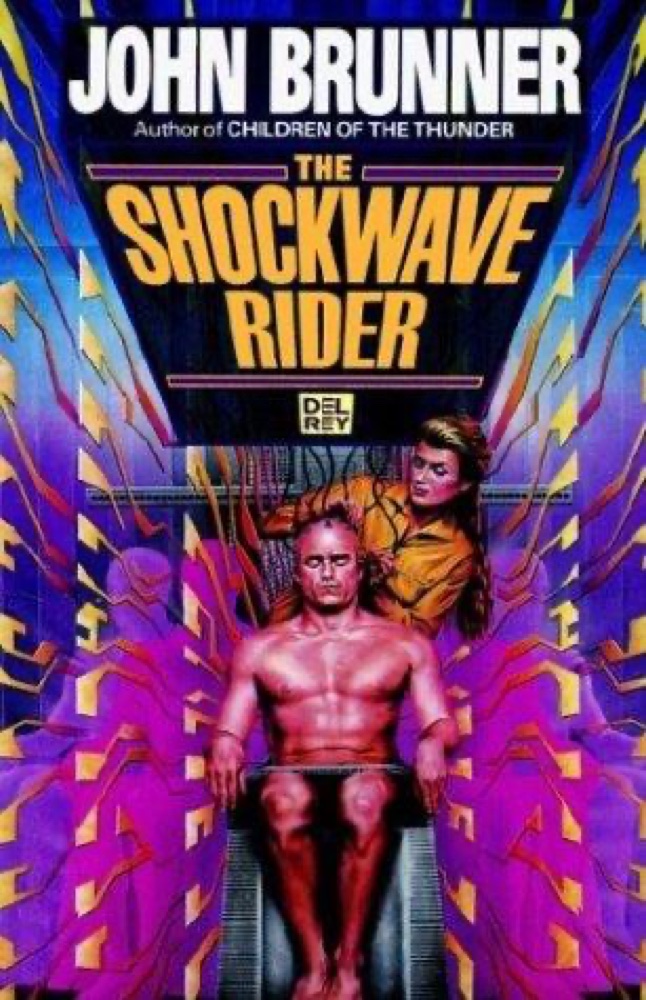 The Shockwave Rider
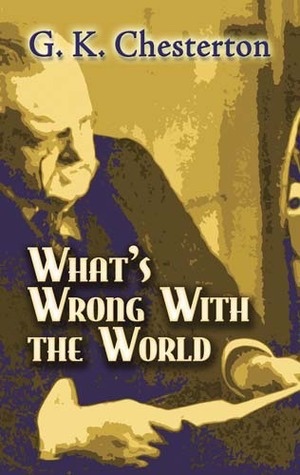 What's Wrong with the World
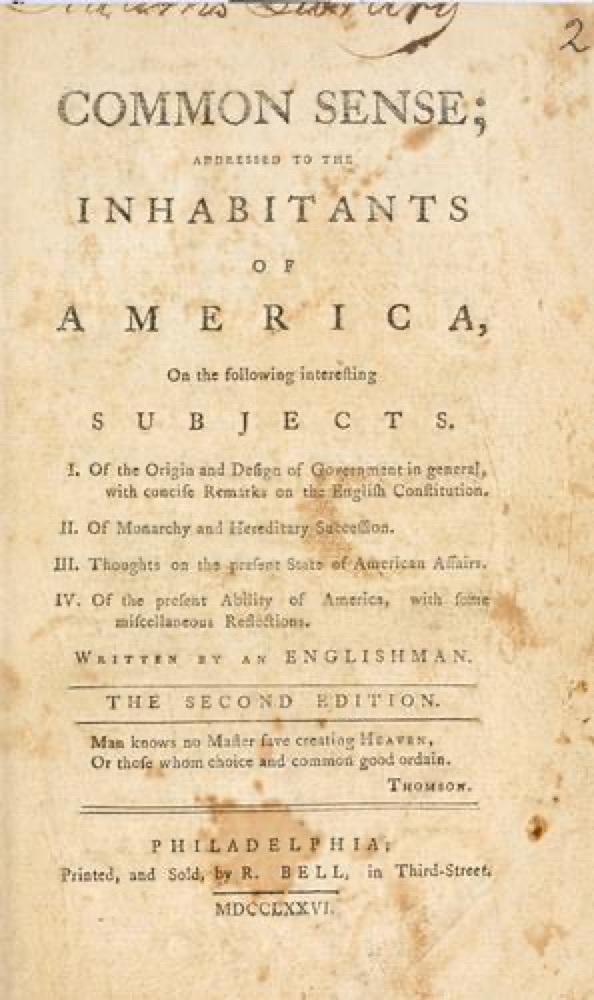 Common Sense
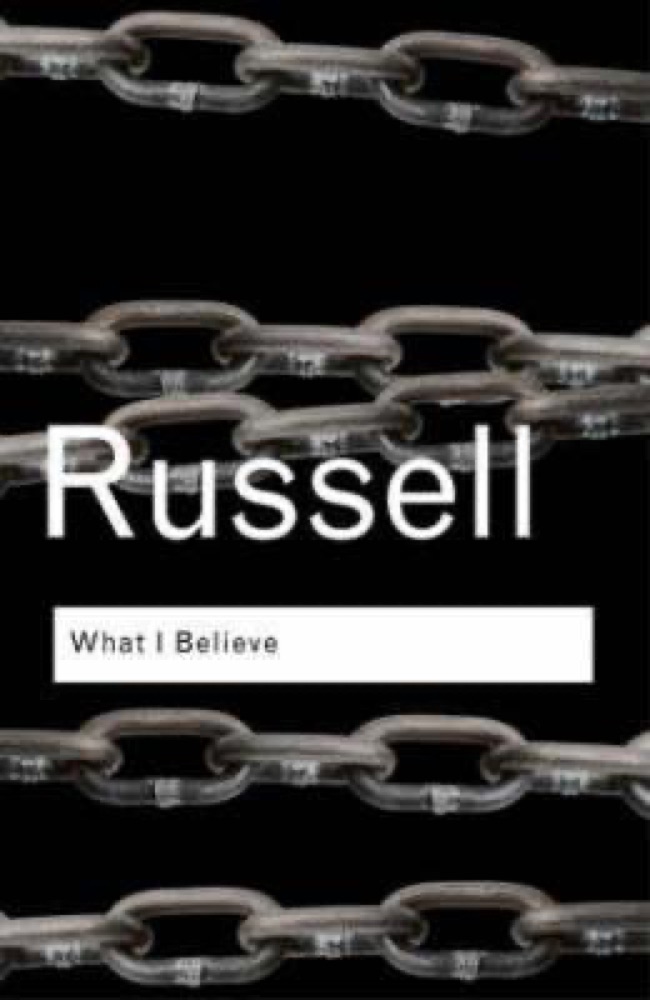 What I Believe
 Small Is Beautiful: Economics as if People Mattered
 The Parafaith War
 Brave New World Revisited
 On Liberty
 Humankind: A Hopeful History
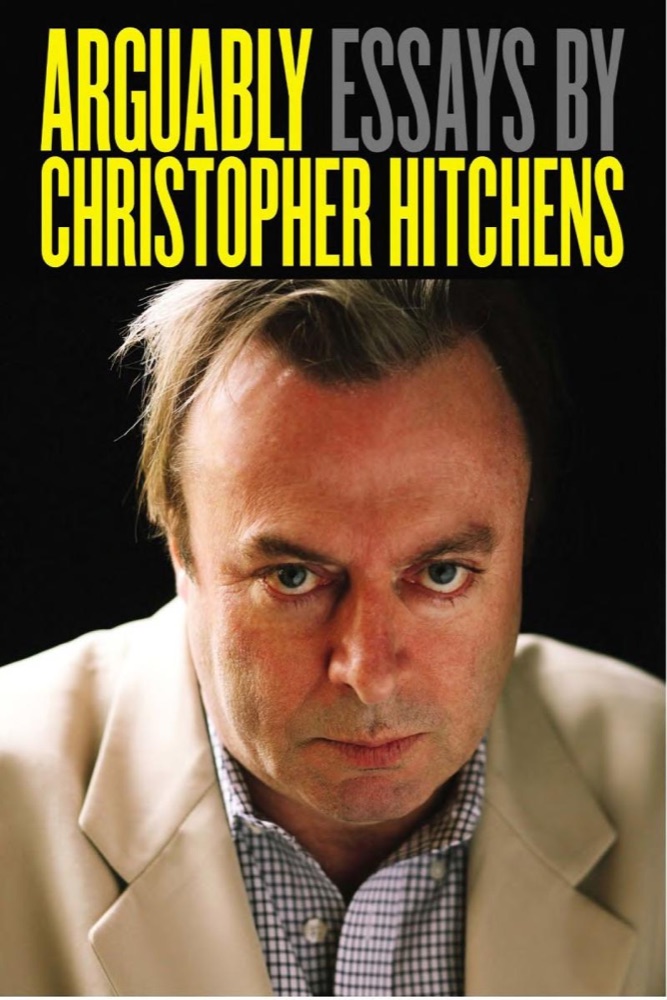 Arguably: Selected Essays
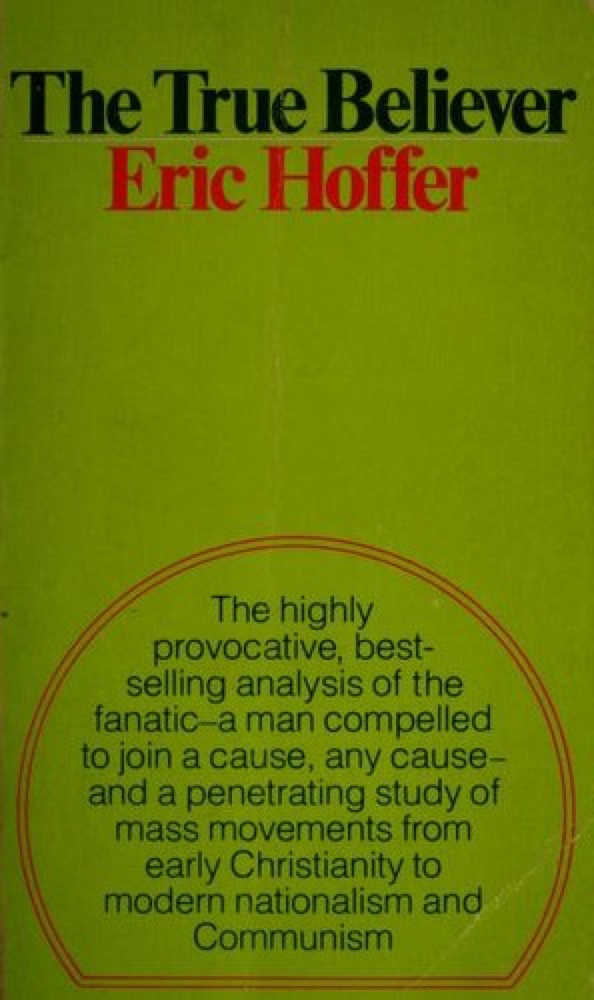 The True Believer: Thoughts on the Nature of Mass Movements
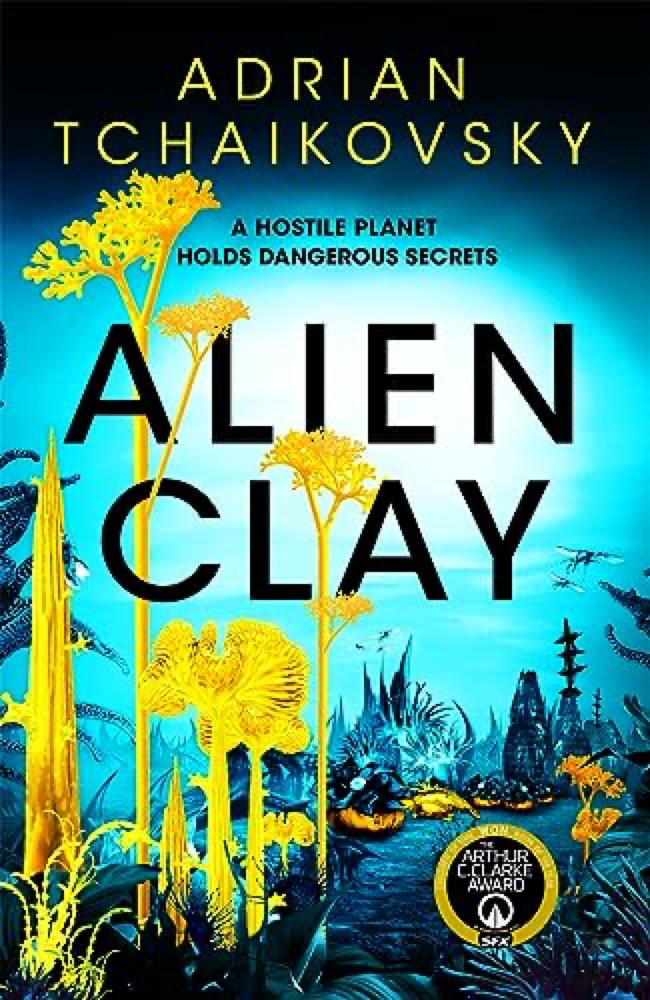 Alien Clay
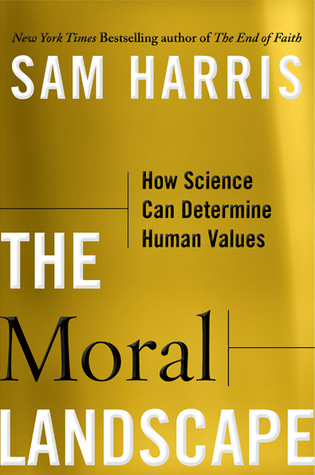 The Moral Landscape: How Science Can Determine Human Values
 In Praise of Idleness and Other Essays
 The Abolition of Man
 Too Like the Lightning
 Ill Fares the Land
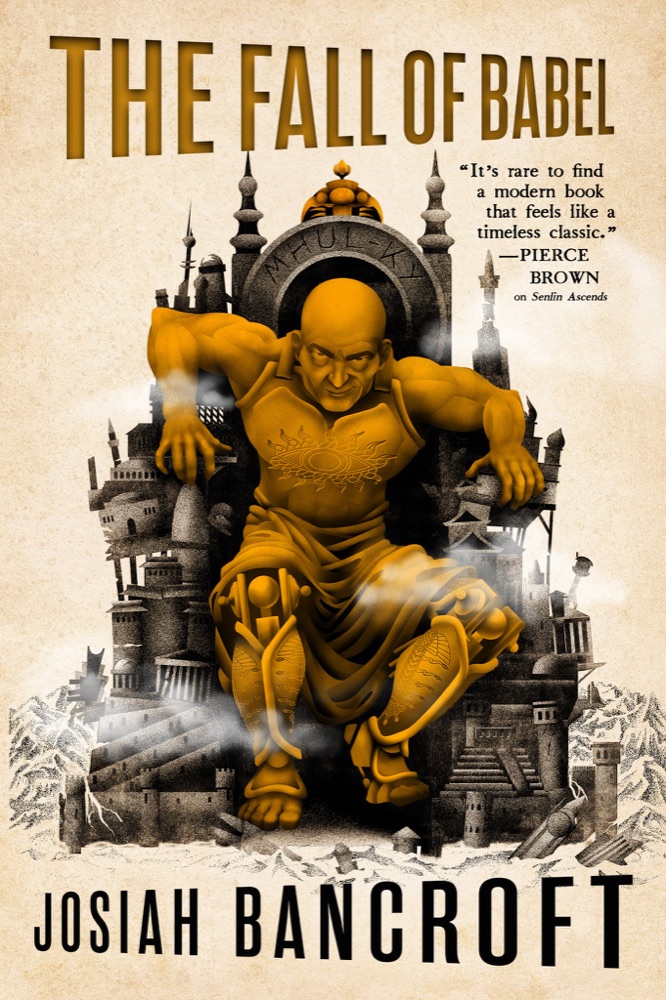 The Fall of Babel
 Utopia
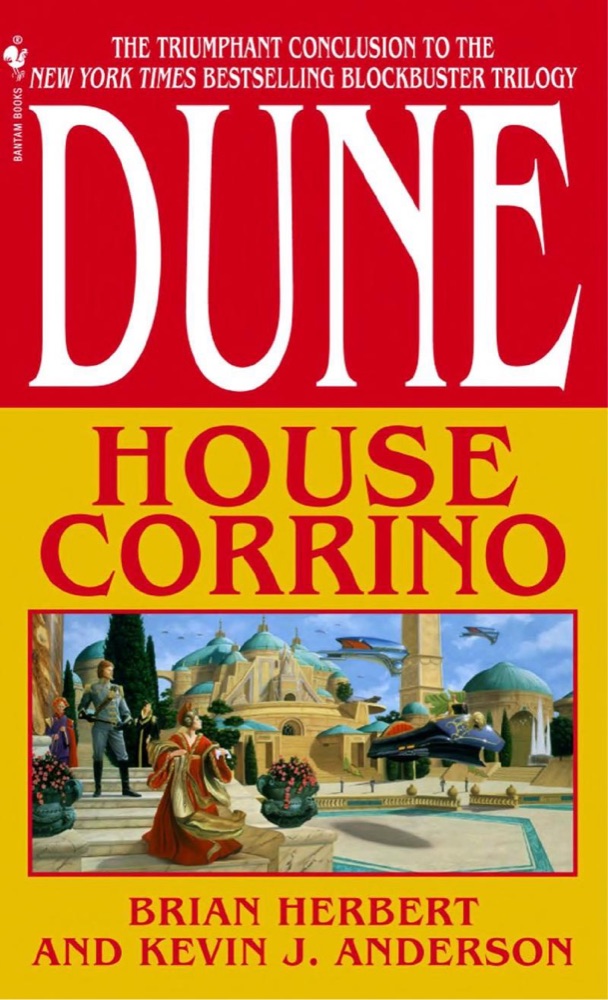 House Corrino
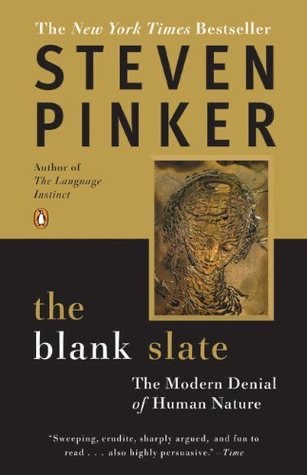 The Blank Slate: The Modern Denial of Human Nature
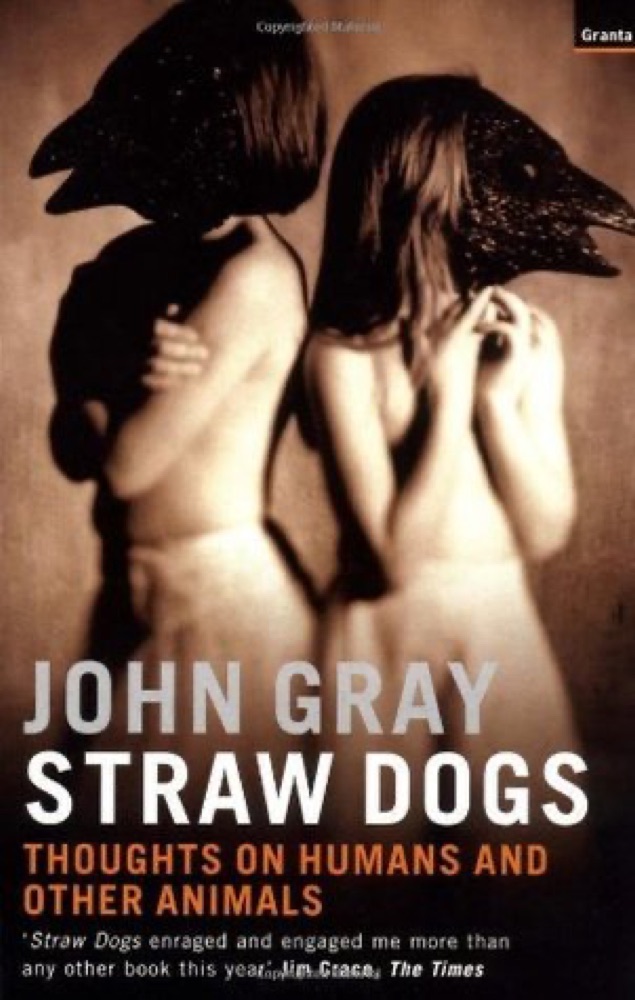 Straw Dogs: Thoughts on Humans and Other Animals
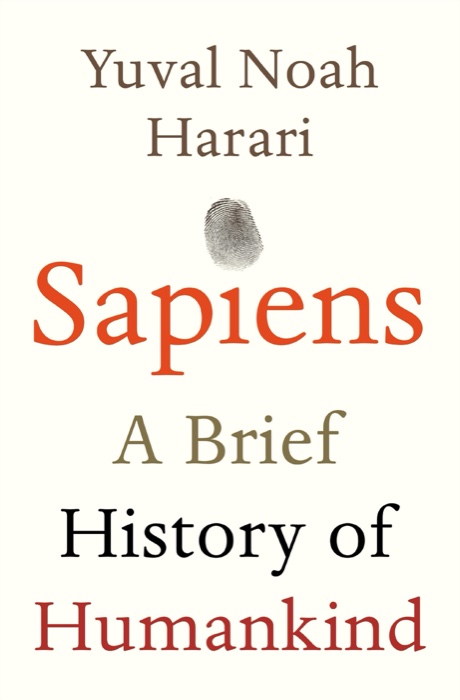 Sapiens: A Brief History of Humankind
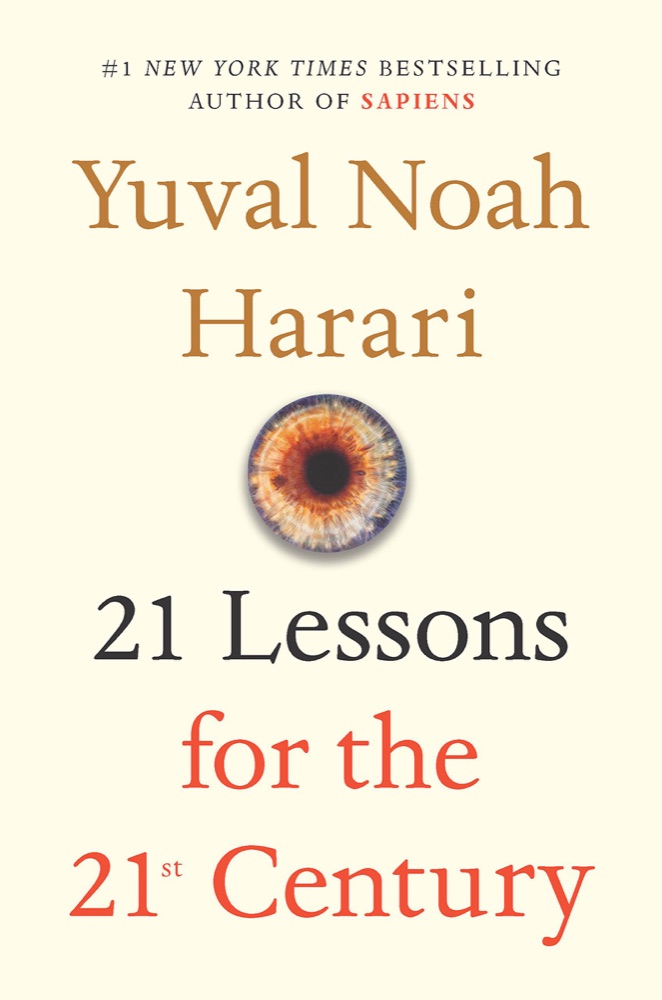 21 Lessons for the 21st Century
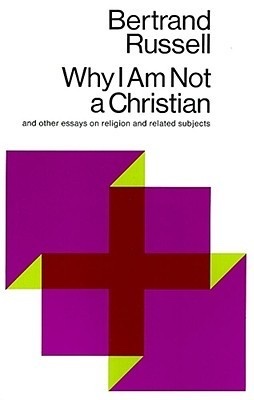 Why I Am Not a Christian and Other Essays on Religion and Related Subjects
 Friday
 Genesis
 The Moon is a Harsh Mistress
 12 Rules for Life: An Antidote to Chaos
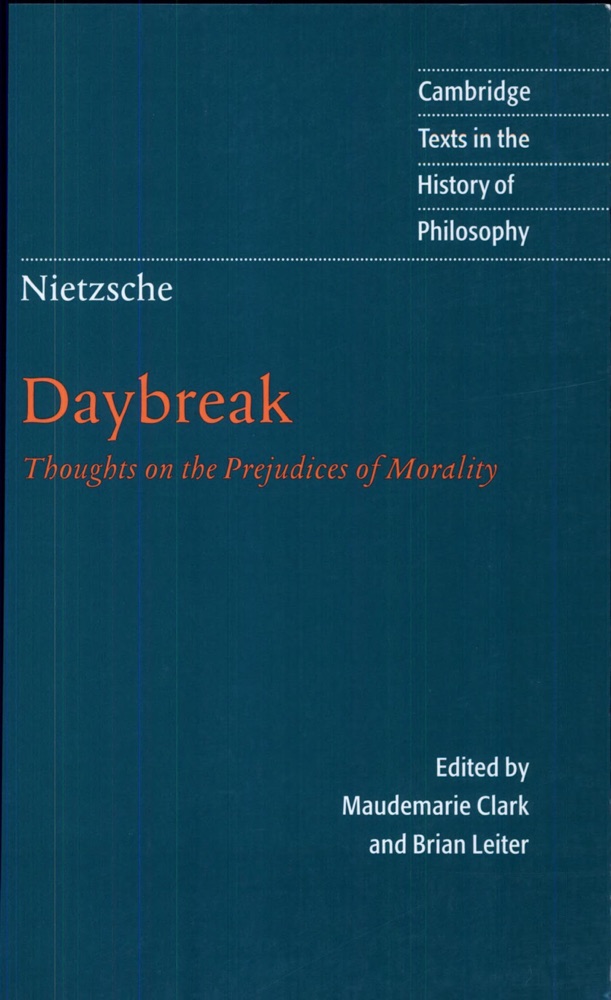 Daybreak: Thoughts on the Prejudices of Morality
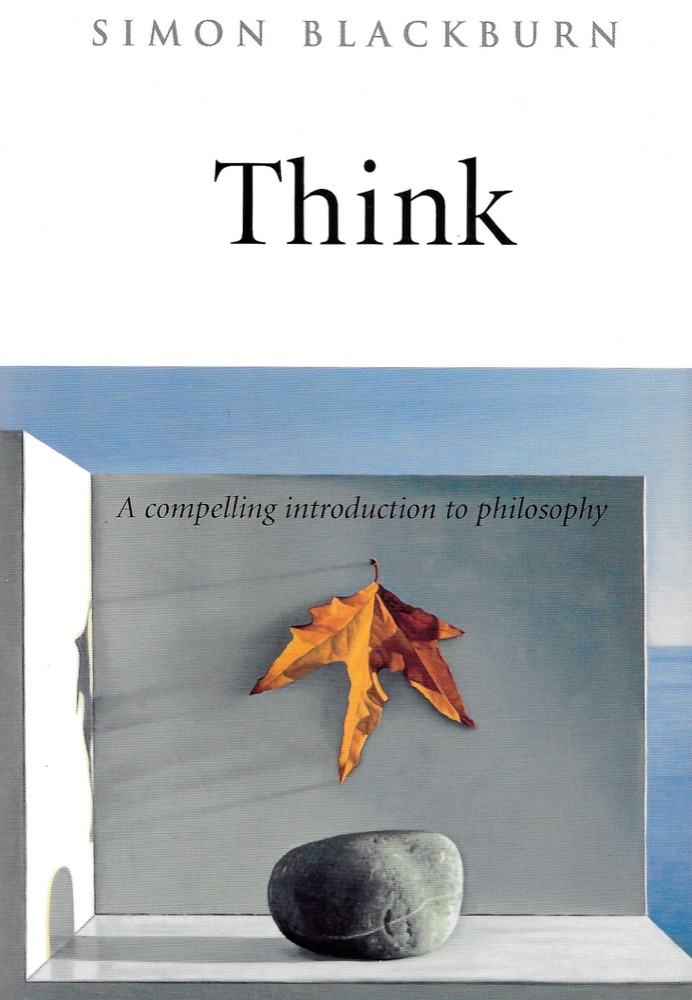 Think: A Compelling Introduction to Philosophy
 Villa Incognito
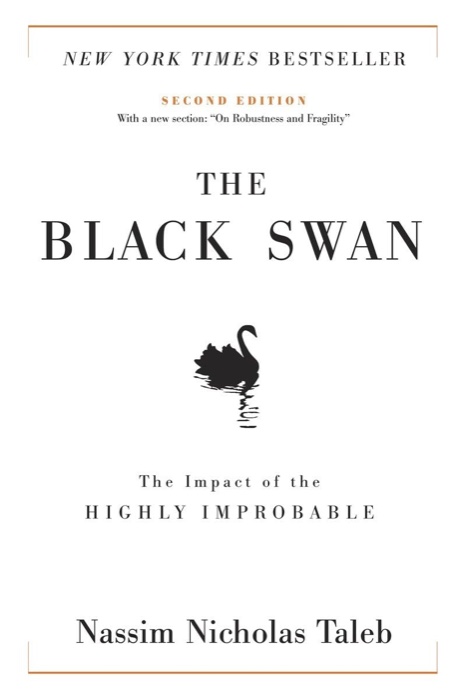 The Black Swan: The Impact of the Highly Improbable
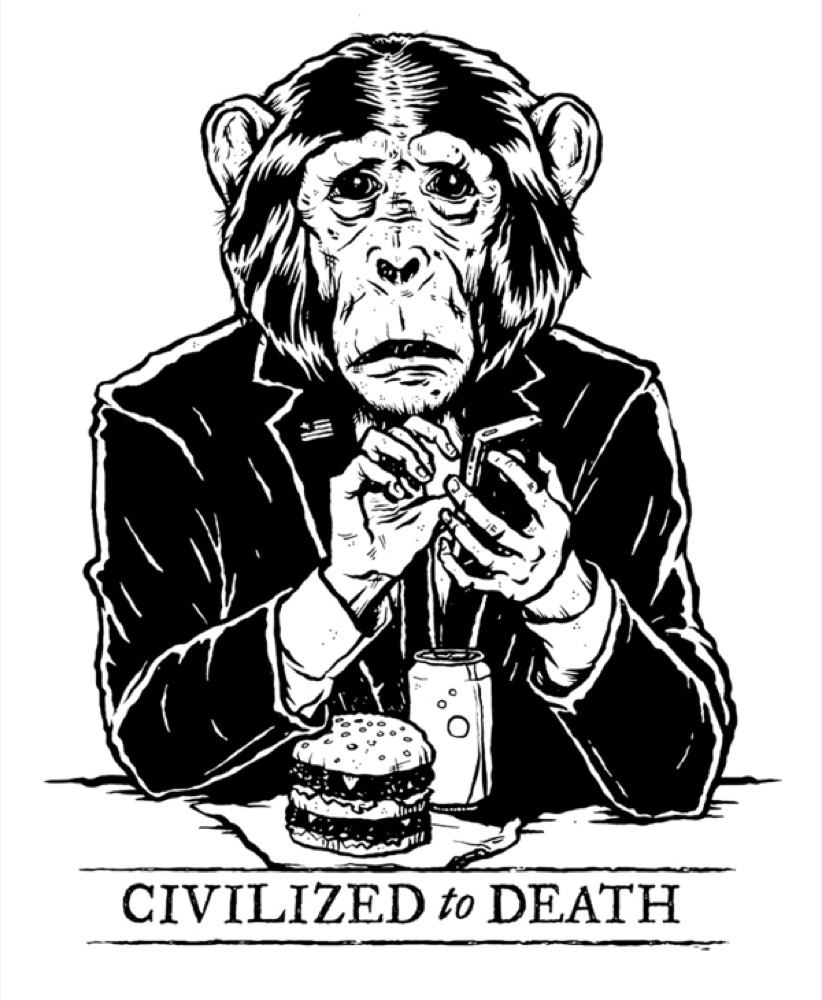 Civilized to Death: What Was Lost on the Way to Modernity
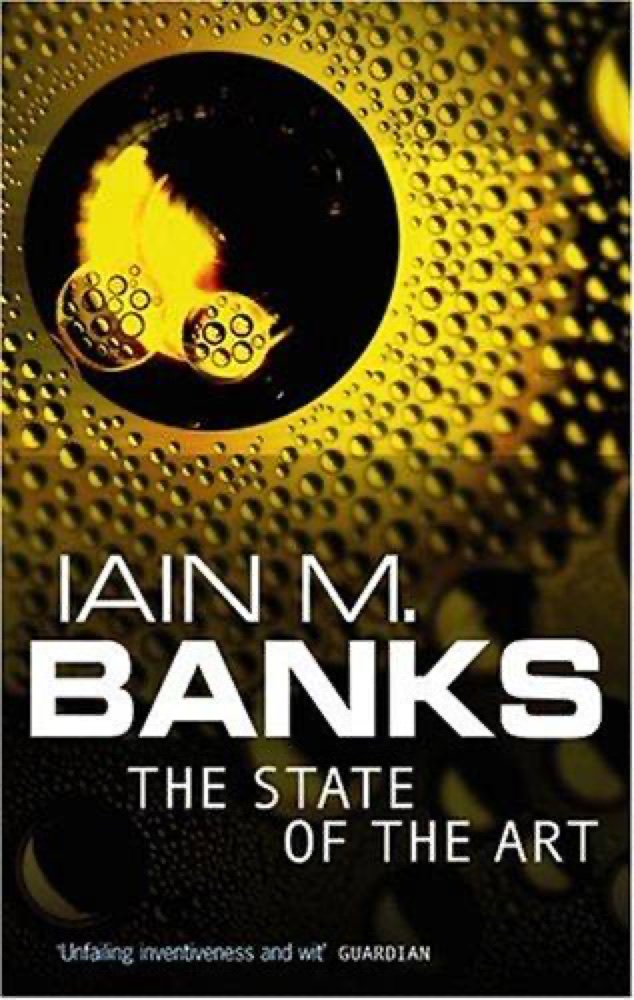 The State of the Art
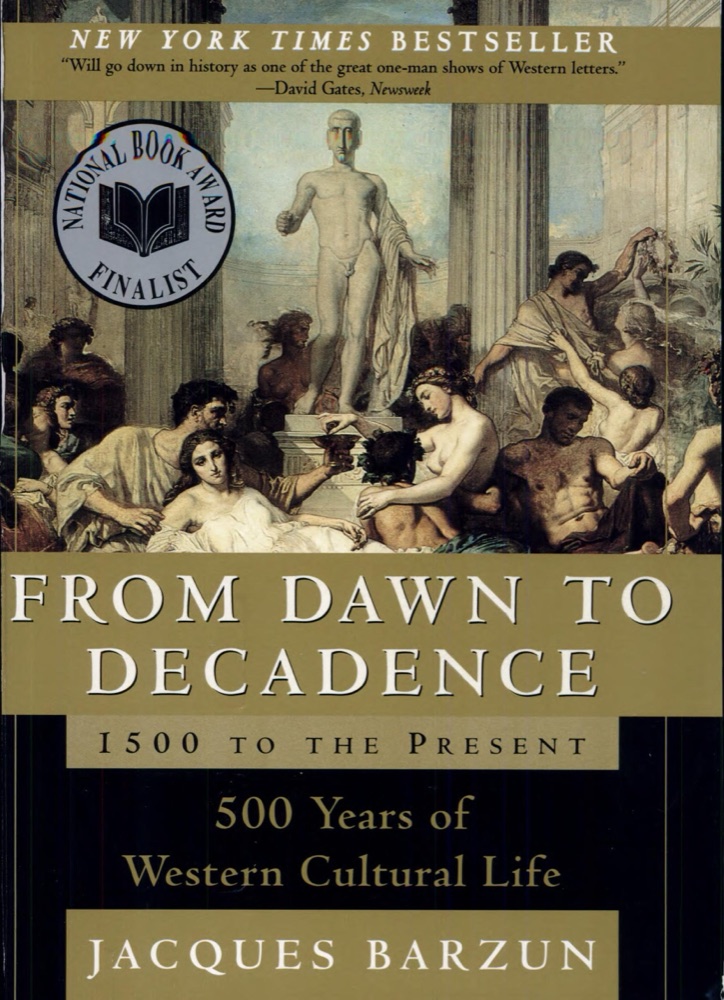 From Dawn to Decadence: 500 Years of Western Cultural Life, 1500 to the Present
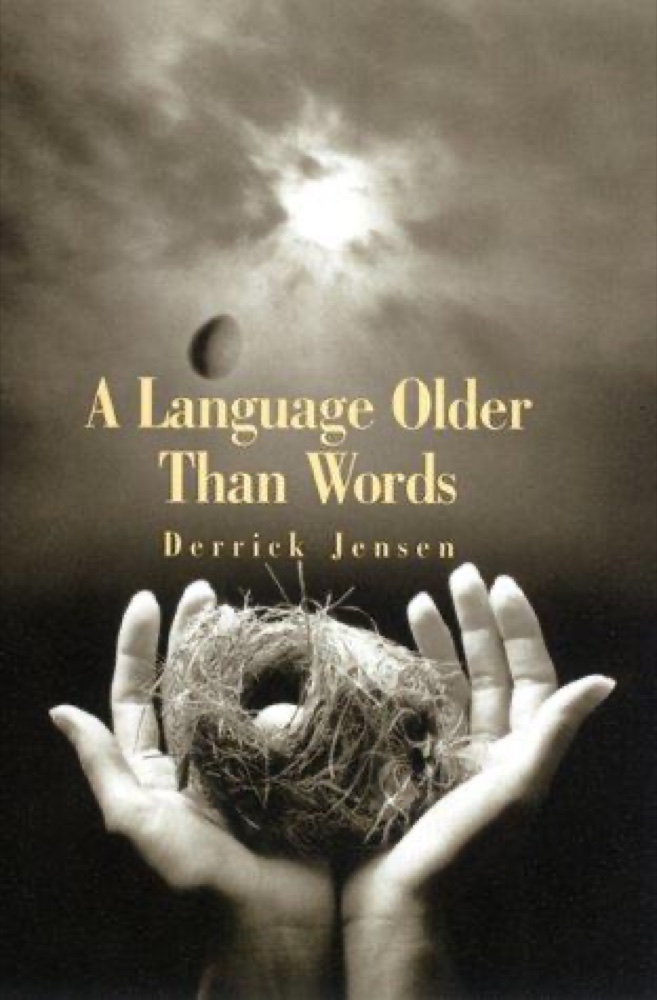 A Language Older Than Words
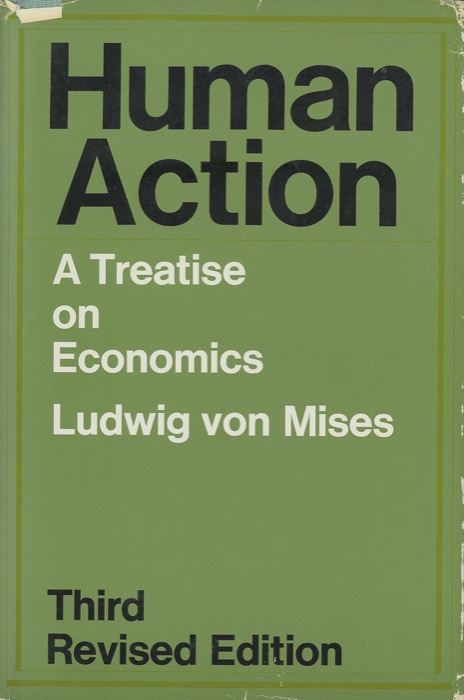 Human Action: A Treatise on Economics
 Rules for Radicals: A Pragmatic Primer for Realistic Radicals
 Collapse: How Societies Choose to Fail or Succeed
 god is Not Great: How Religion Poisons Everything