
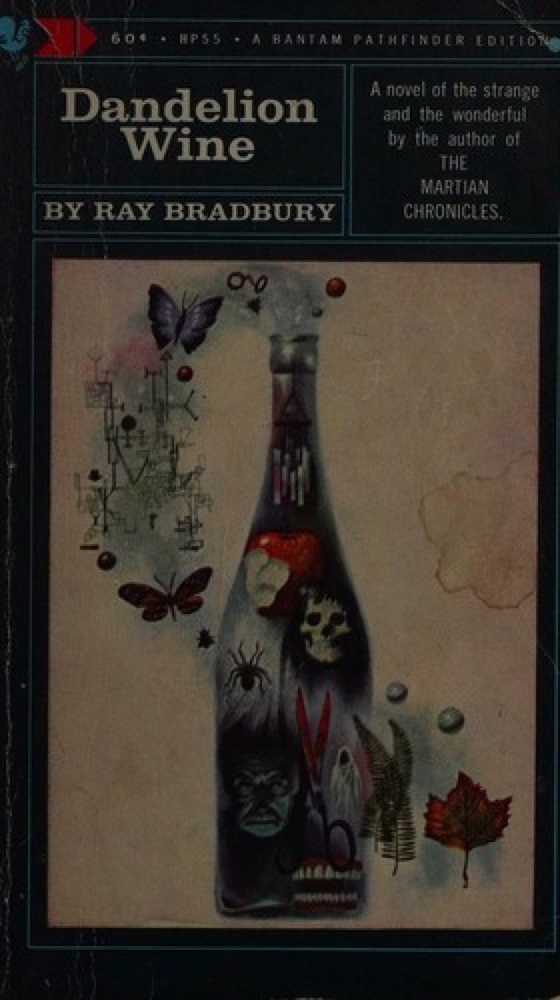
 Dandelion Wine
Quotes from the Book
His library was a fine dark place bricked with books, so anything could happen there and always did. All you had to do was pull a book from the shelf and open it and suddenly the darkness was not so dark anymore.
I never in my life argued with a piece of cake or a bowl of ice cream.
The huge round lunar clock was a gristmill. Shake down all the grains of Time—the big grains of centuries, and the small grains of years, and the tiny grains of hours and minutes—and the clock pulverized them, slid Time silently out in all directions in a fine pollen, carried by cold winds to blanket the town like dust, everywhere. Spores from that clock lodged in your flesh to wrinkle it, to grow bones to monstrous size, to burst feet from shoes like turnips. Oh, how that great machine…dispensed Time in blowing weathers.
[He] was always here to offer cups of good clear Walden Pond, or shout down the deep well of Shakespeare and listen, with satisfaction, for echoes. Here the lion and the hartebeest lay together, here the jackass became a unicorn.
Think I'll go eat me a doughnut and take me a nap.
Grow up and you turn into burglars and get shot, or worse, they make you wear a coat and tie and stash you in the First National Bank behind brass bars! We gotta stand still! Stay the age we are. Grow up? Hah! All you do then is marry someone who screams at you!
Watch on YouTube
About Ray Bradbury
We have collected 324 quotes from 17 books by Ray Bradbury on BookQuoters.
More about the author →More by Ray Bradbury
Dandelion Wine
 Bradbury Stories: 100 of His Most Celebrated Tales
 The Illustrated Man
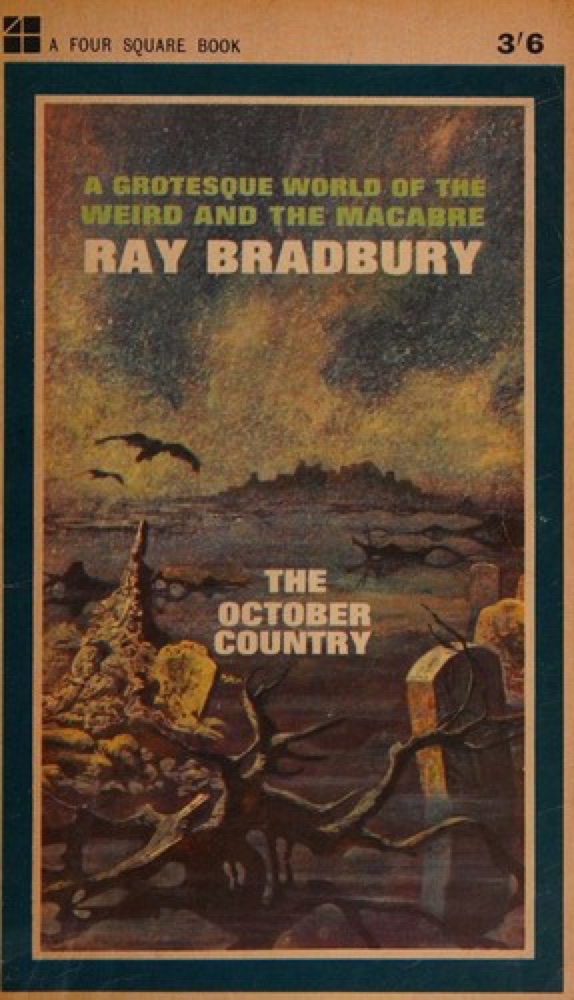 The October Country
Book details
- Author
- Ray Bradbury
- Genre
- Classics
- Goodreads rating
- 3.74 (7k ratings) →
Keep reading
 Rosemary and Rue
Dandelion Wine
Rosemary and Rue
Dandelion Wine
 Chimes at Midnight
 Watermelon
 Sweep in Peace
 Rage
Rage
 The Last Smile in Sunder City
 Sandman Slim
 Return to Stantasyland
The Illustrated Man
Return to Stantasyland
The Illustrated Man
 Charlie and the Chocolate Factory
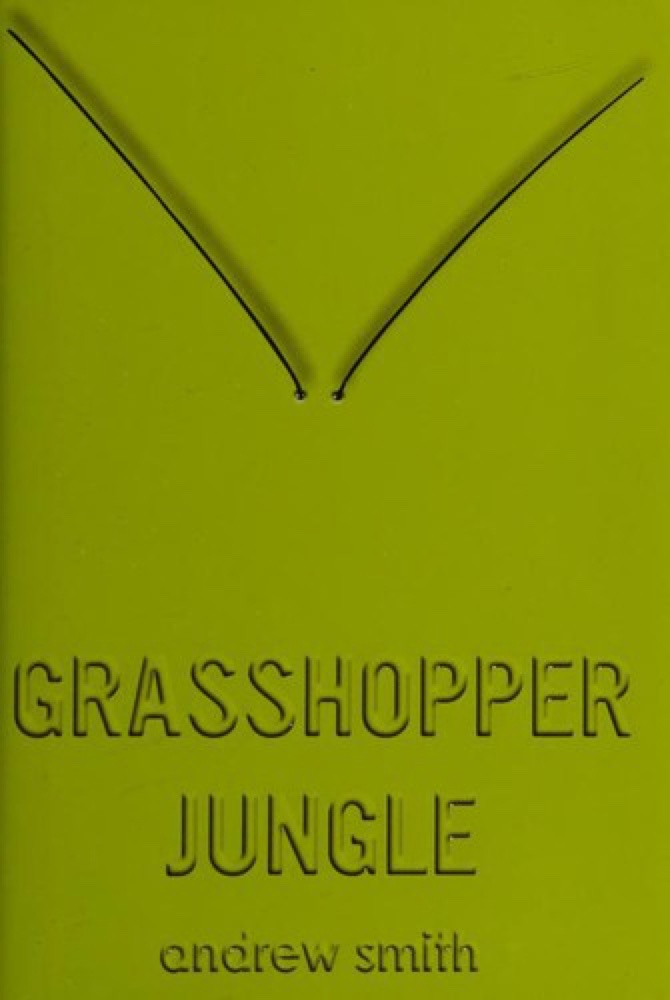 Grasshopper Jungle
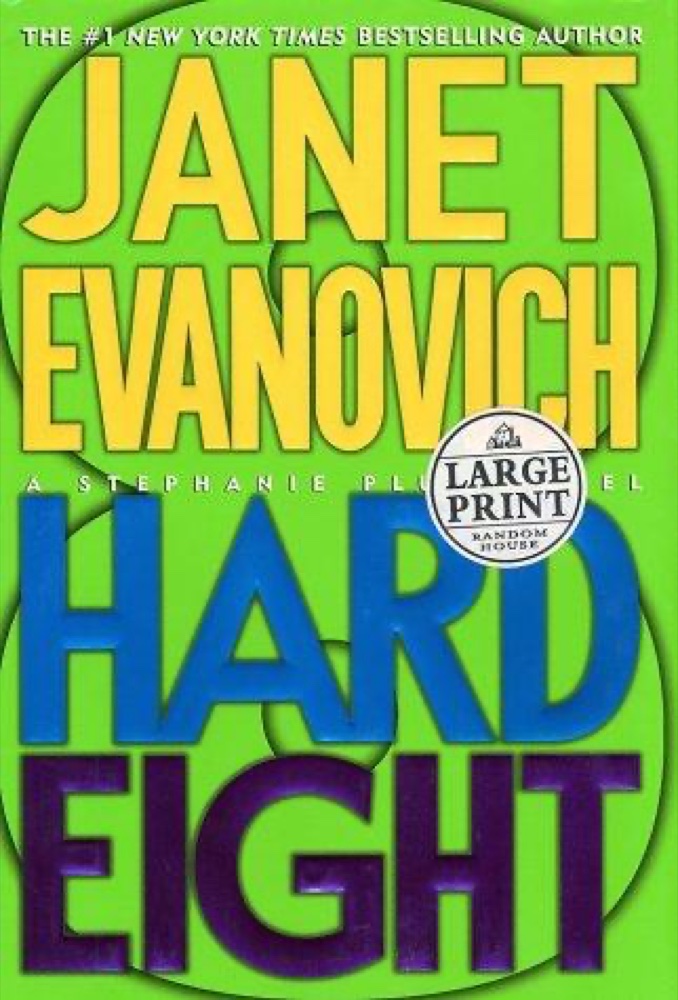 Hard Eight
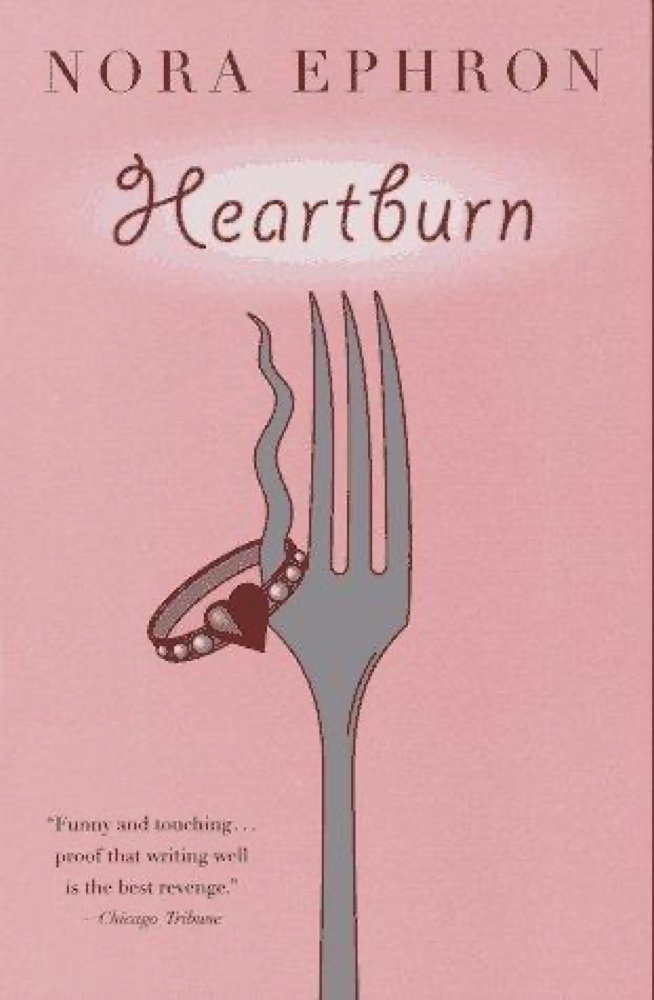 Heartburn
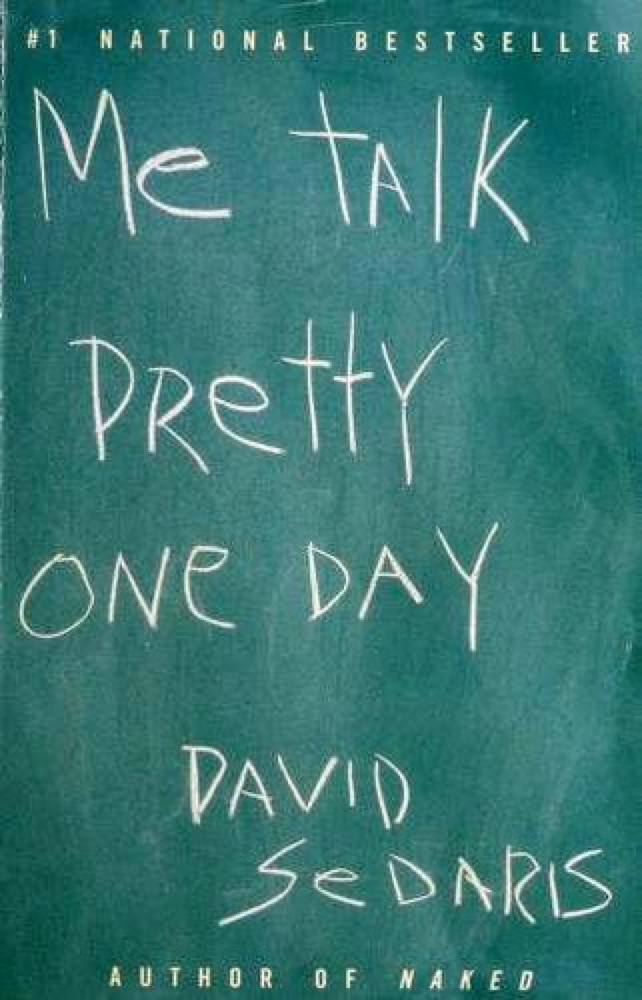 Me Talk Pretty One Day
 Chocolat
 Wedding Night
 Notes of a Dirty Old Man
 The Dirt on Ninth Grave
 The End Has Come and Gone
 The Bachman Books
 Take the Cannoli
 Everything's Eventual
 The Woman Who Died a Lot
 Iced
Iced
 Daddy-Long-Legs
 Black Coffee Blues
 The Keep
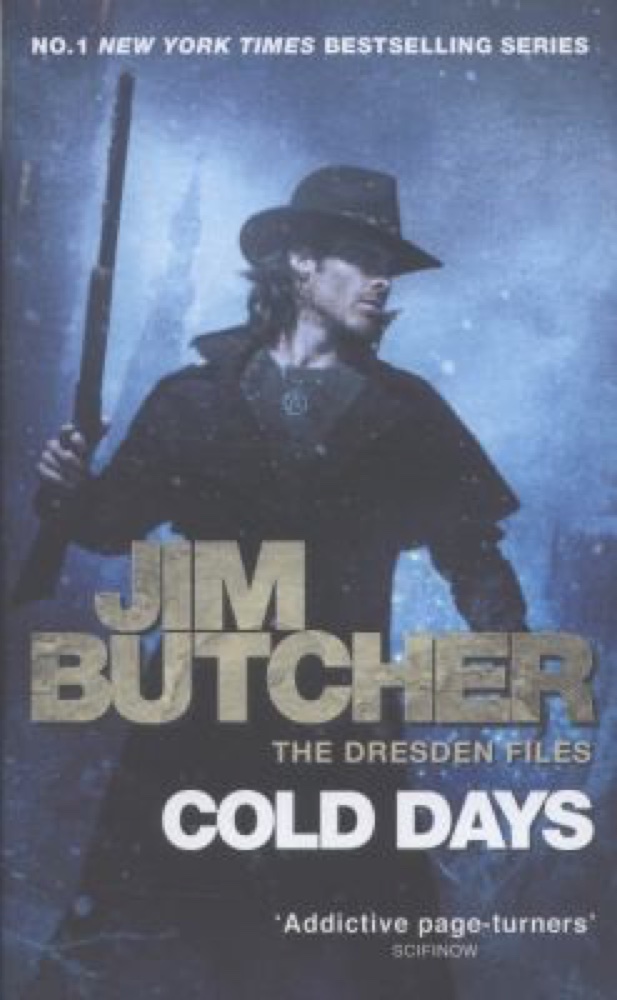 Cold Days
 Abandon
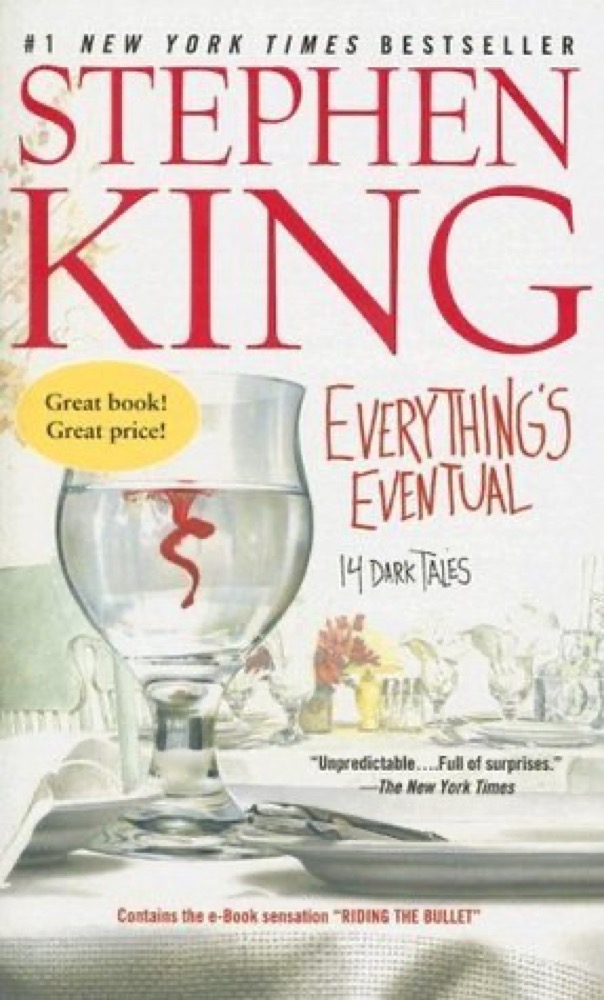 Everything's Eventual
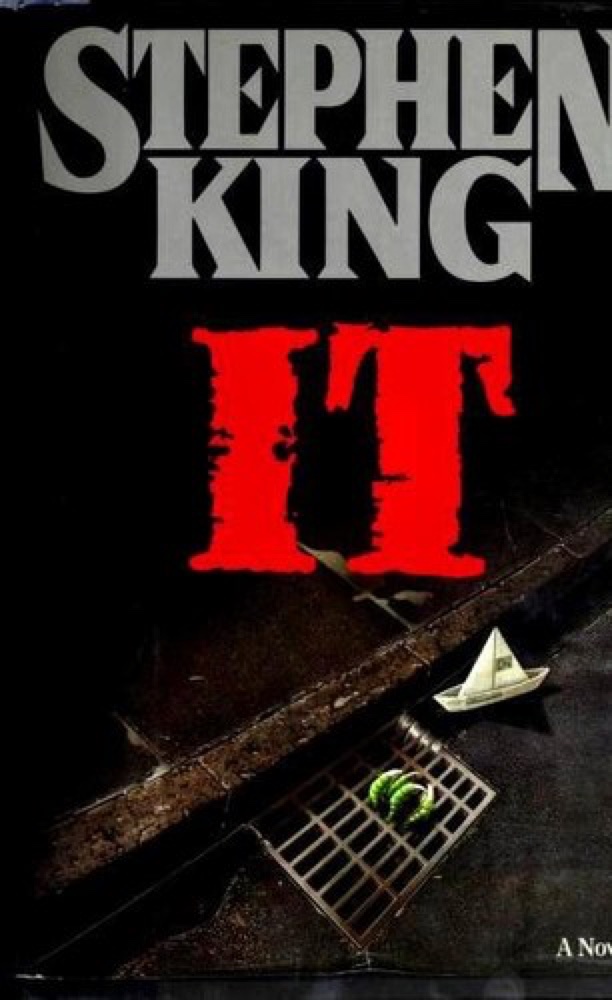 It
It
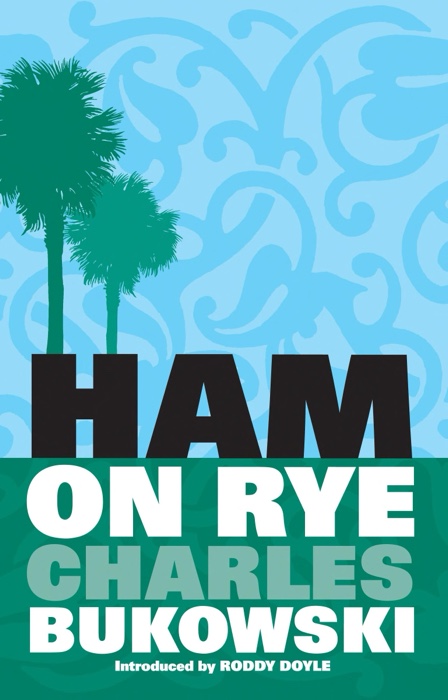 Ham on Rye
 Speaking from Among the Bones
 The Square Root of Summer
 The Gum Thief
 The Brooklyn Follies
 Lead
Lead
 Summer Knight
 Okay for Now
 Let's Explore Diabetes with Owls
 A Fine and Private Place
 Fiesta
 A Wild Sheep Chase
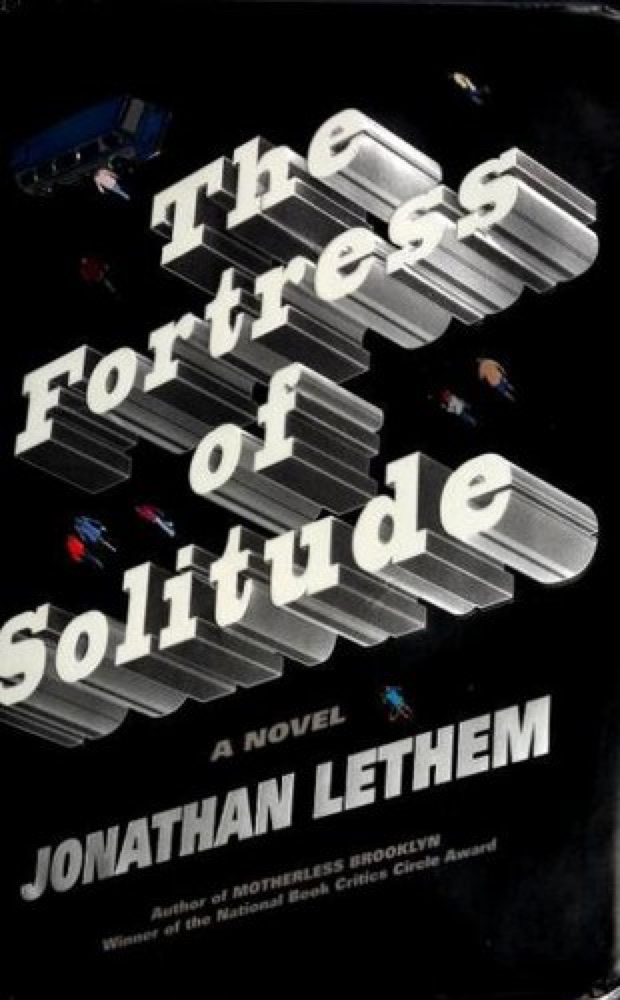 The Fortress of Solitude
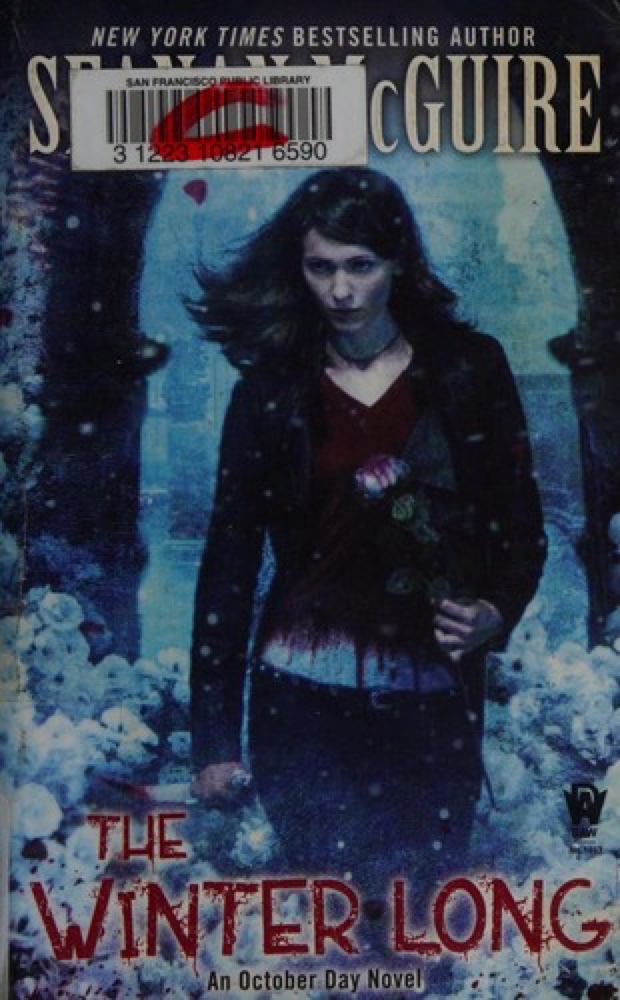 The Winter Long
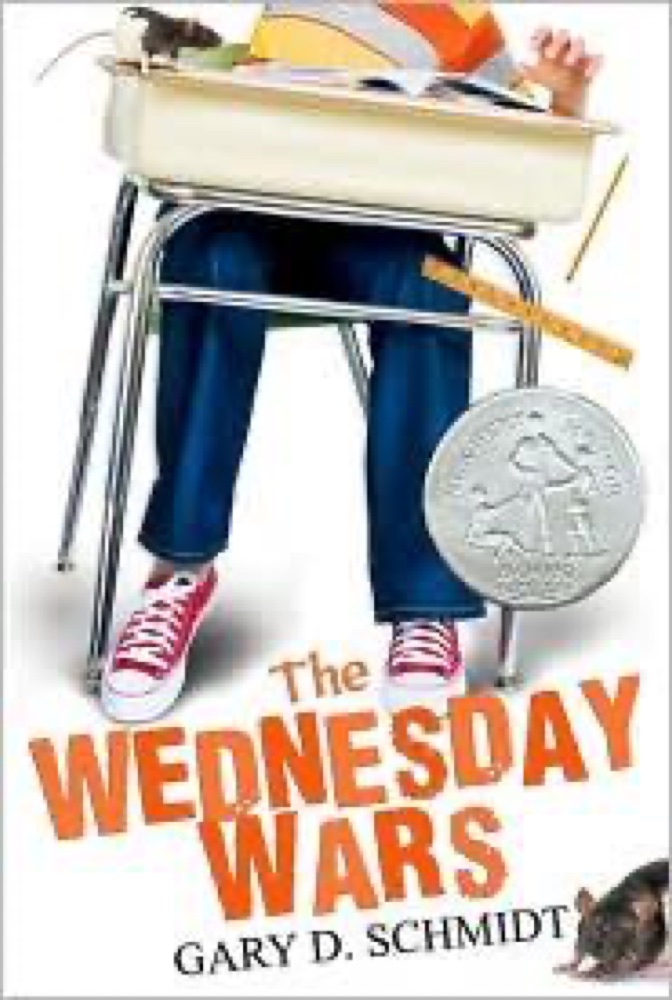 The Wednesday Wars
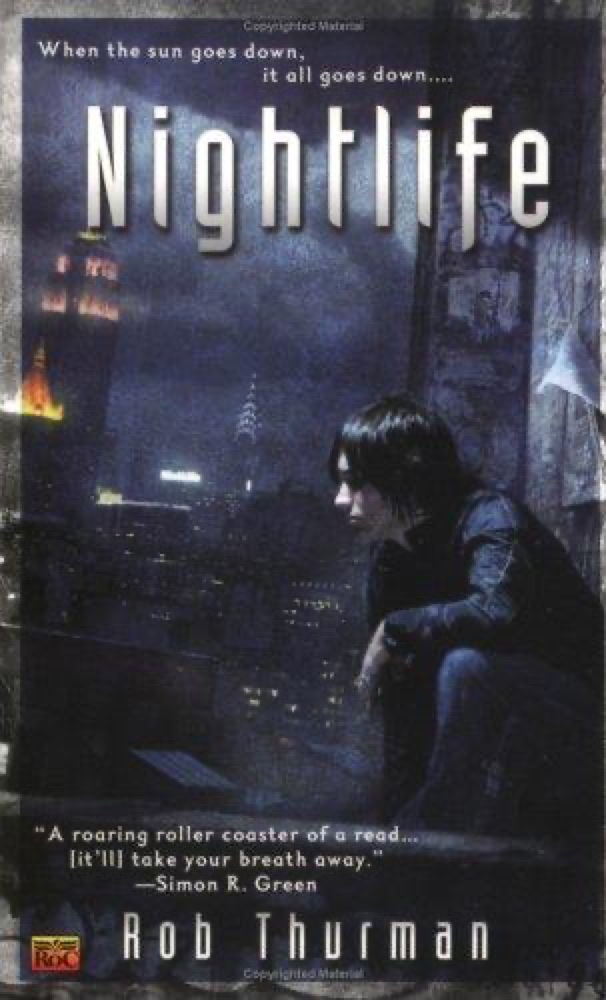 Nightlife
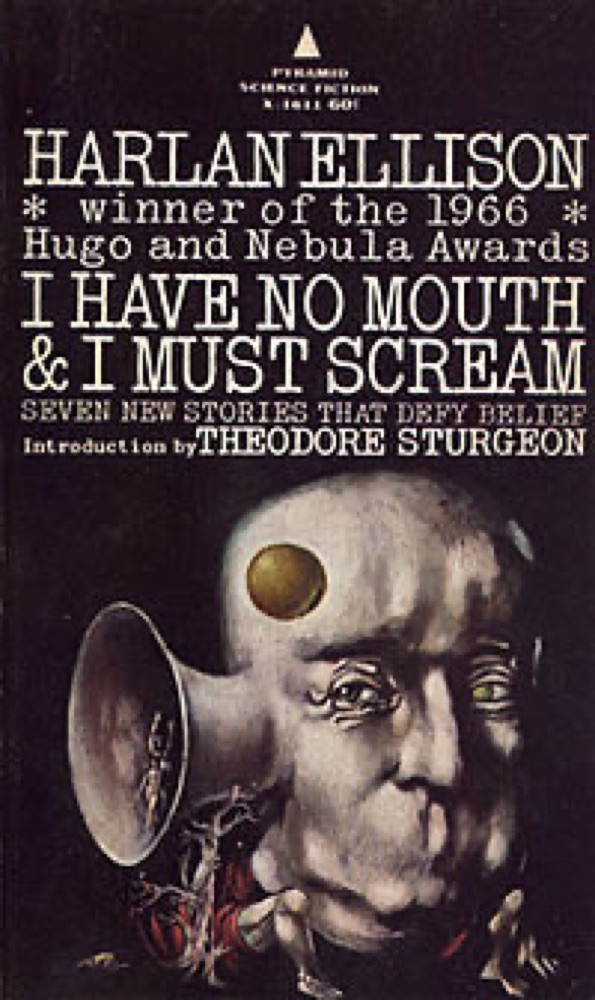 I Have No Mouth & I Must Scream
 Dead and Gone
 When You Are Engulfed in Flames
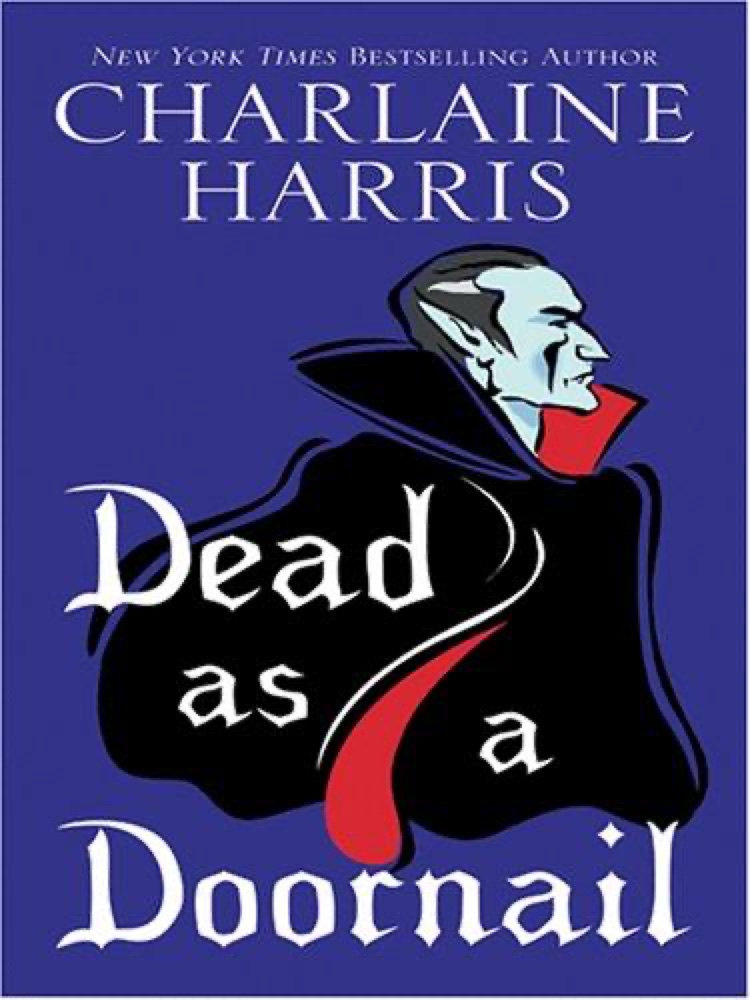 Dead as a Doornail
 The Liar
 The Hazel Wood
 The Summer I Became a Nerd
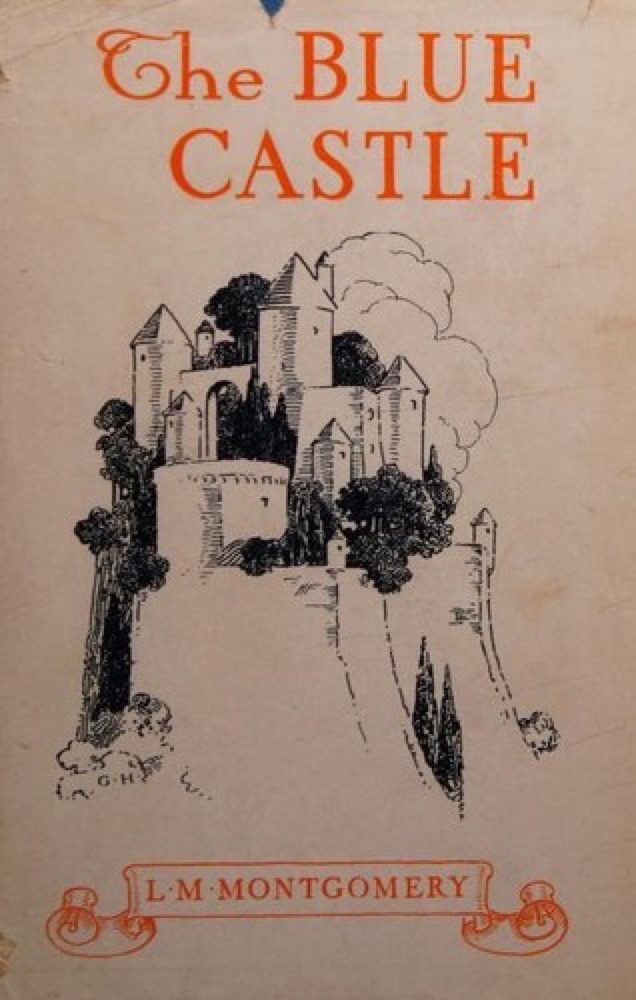 The Blue Castle
 Nine Stories
 I Remember Nothing: and Other Reflections
 Hard-Boiled Wonderland and the End of the World
 Desolation Angels