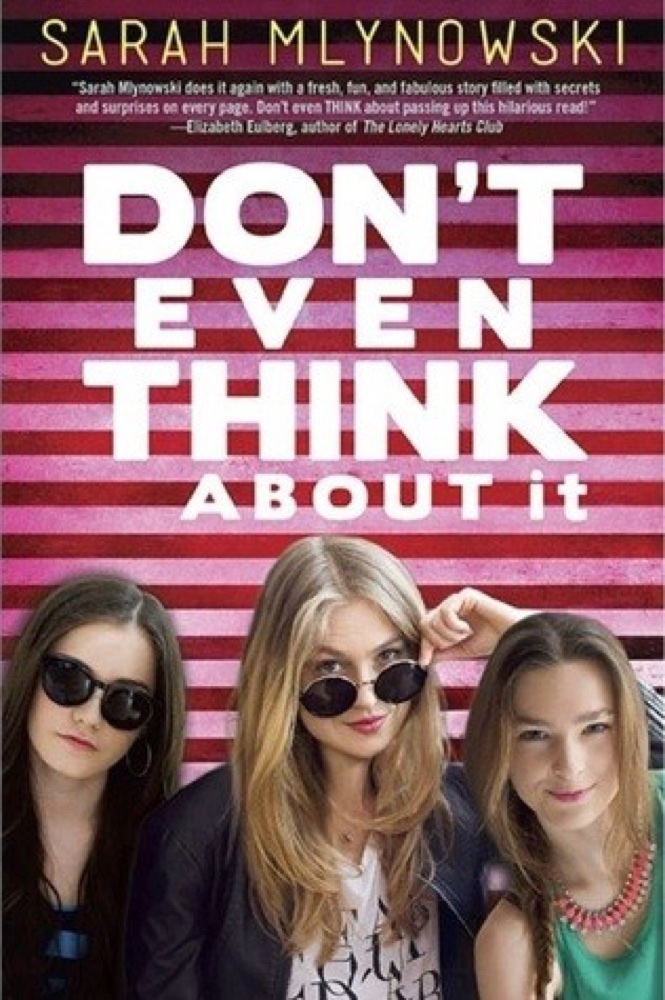

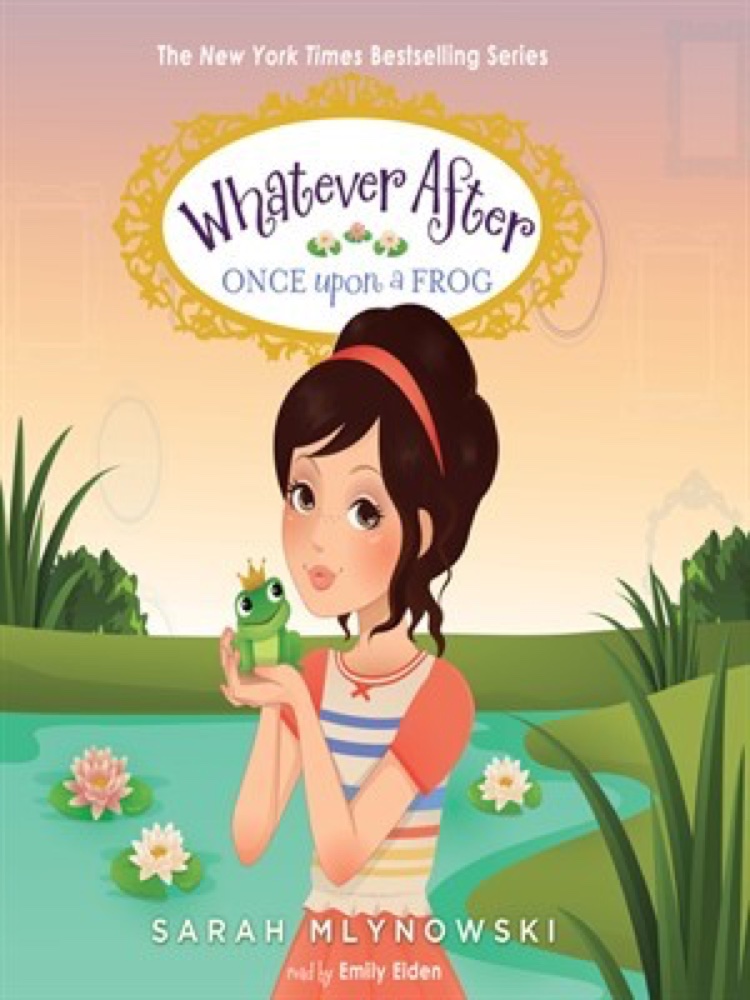
 Once Upon a Frog
Quotes from the Book
That's our story. How we became a we. And that's what we are these day. A we. When you're a group that can hear each other's thoughts, the line between I and We gets kind of blurry.
Normal is boring. Who wants that?
He knew he was sounding a little Holden Caulfield-esque calling everyone a phony, but he really did think everyone was a phony.
We were not always freaks. Sure, most of us occasionally exhibited freakish behavior. But that’s not the same thing. This is the story of how we became freaks. It’s how a group of Is became a we.
Watch on YouTube
About Sarah Mlynowski
We have collected 49 quotes from 5 books by Sarah Mlynowski on BookQuoters.
More about the author →More by Sarah Mlynowski

Book details
- Author
- Sarah Mlynowski
- Genre
- Contemporary
- Goodreads rating
- 3.72 (8k ratings) →
Keep reading
 The Rest of Us Just Live Here
 We Are All Completely Beside Ourselves
 An Absolutely Remarkable Thing
 Human.4
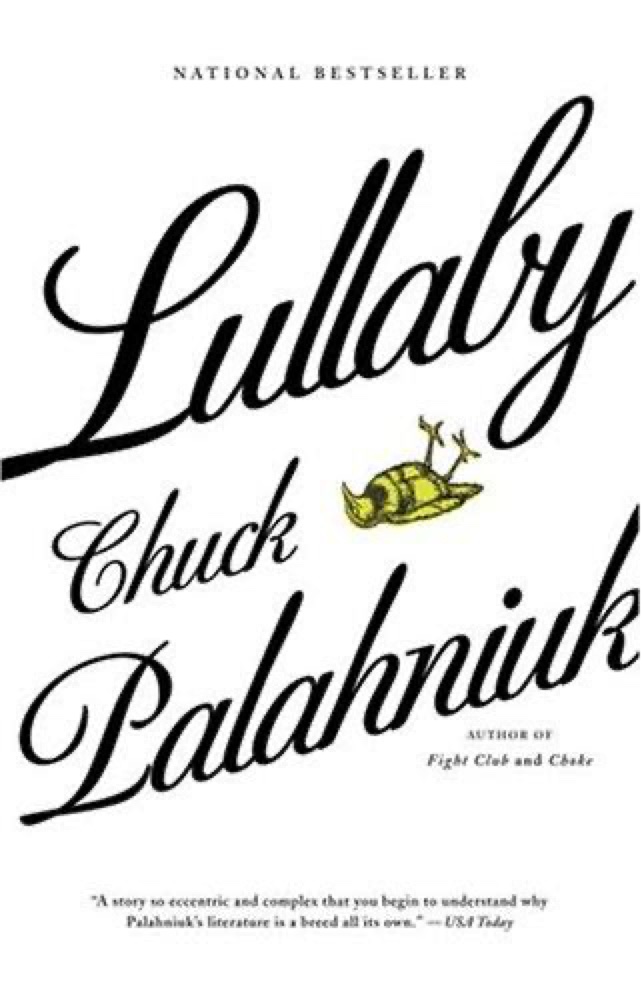 Lullaby
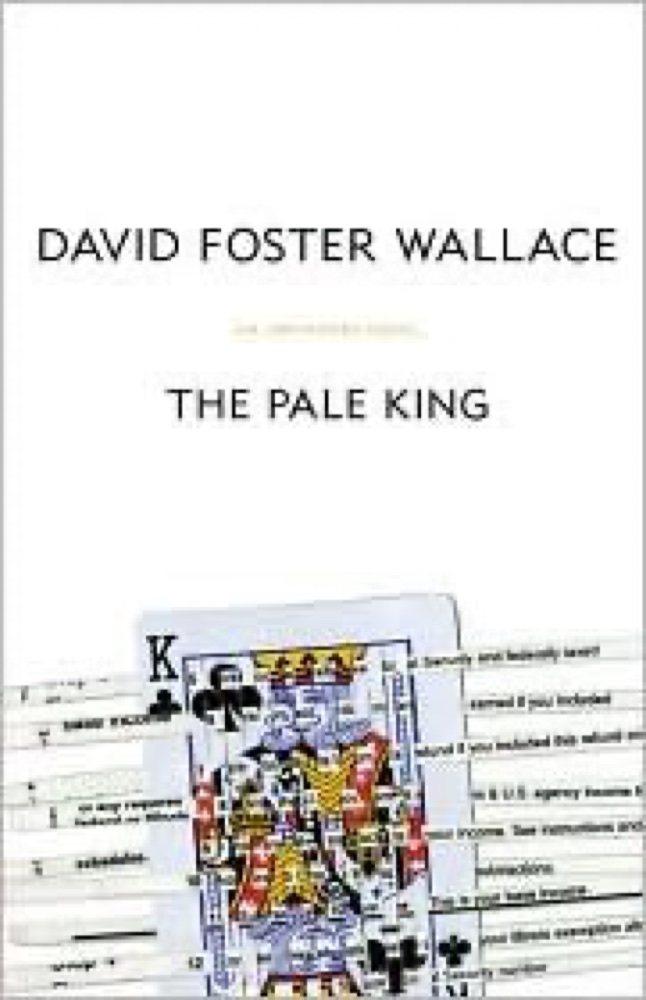 The Pale King
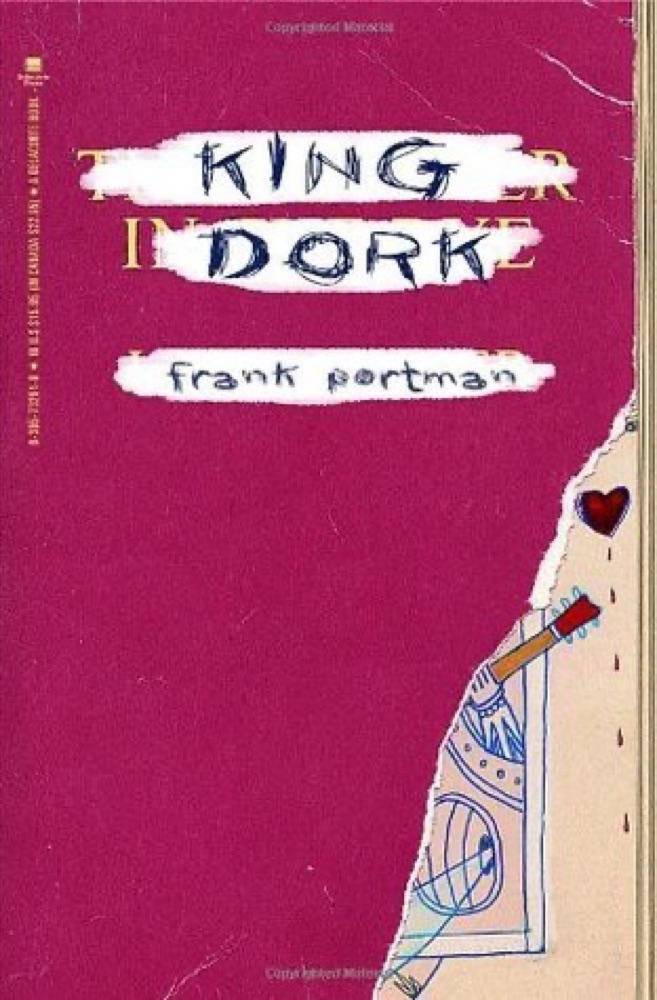 King Dork
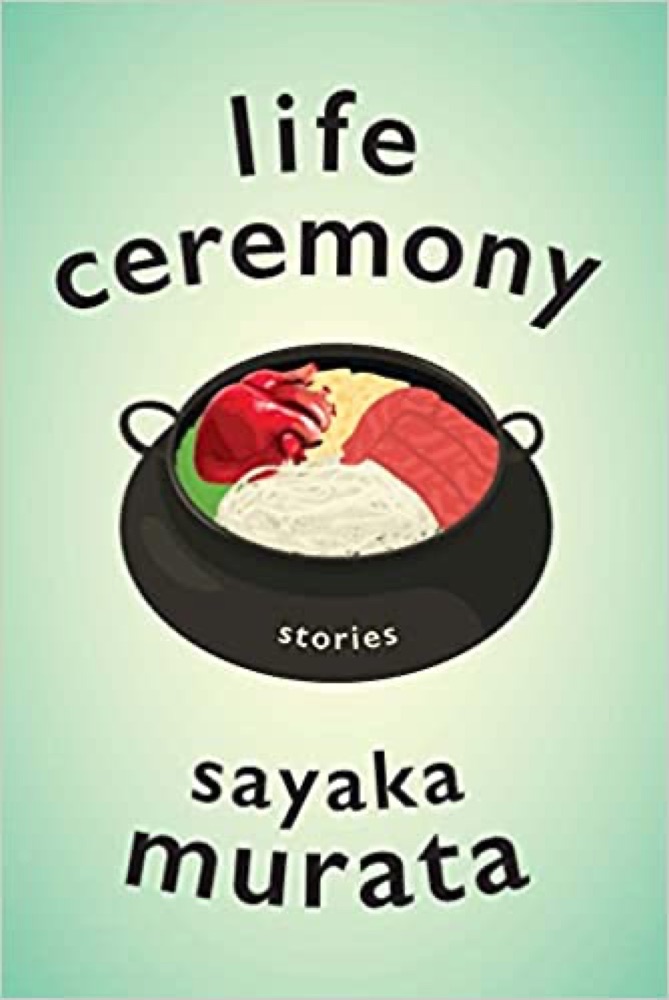 Life Ceremony
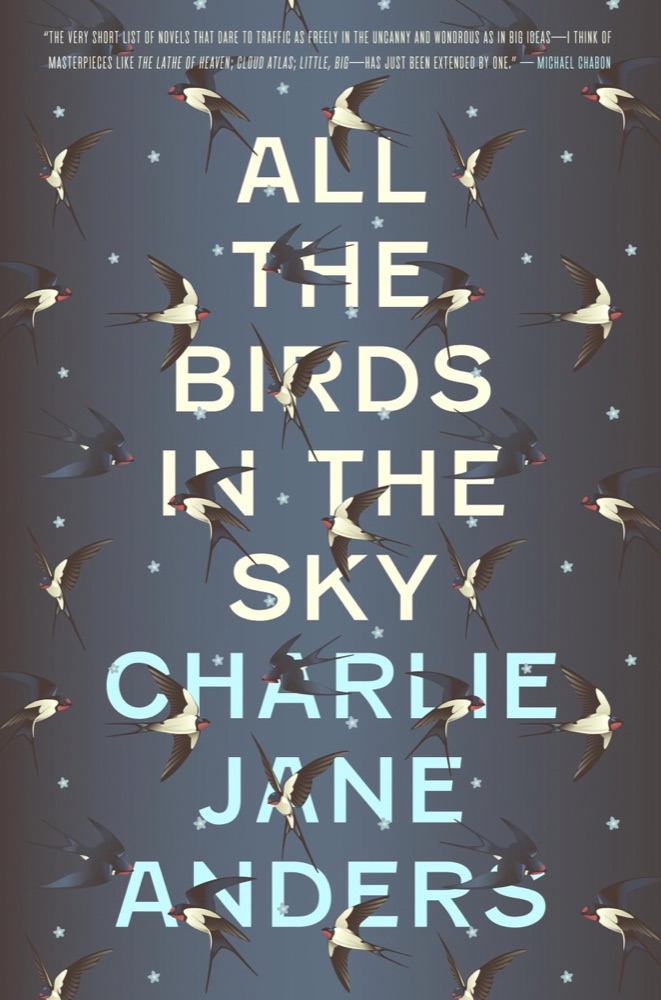 All the Birds in the Sky
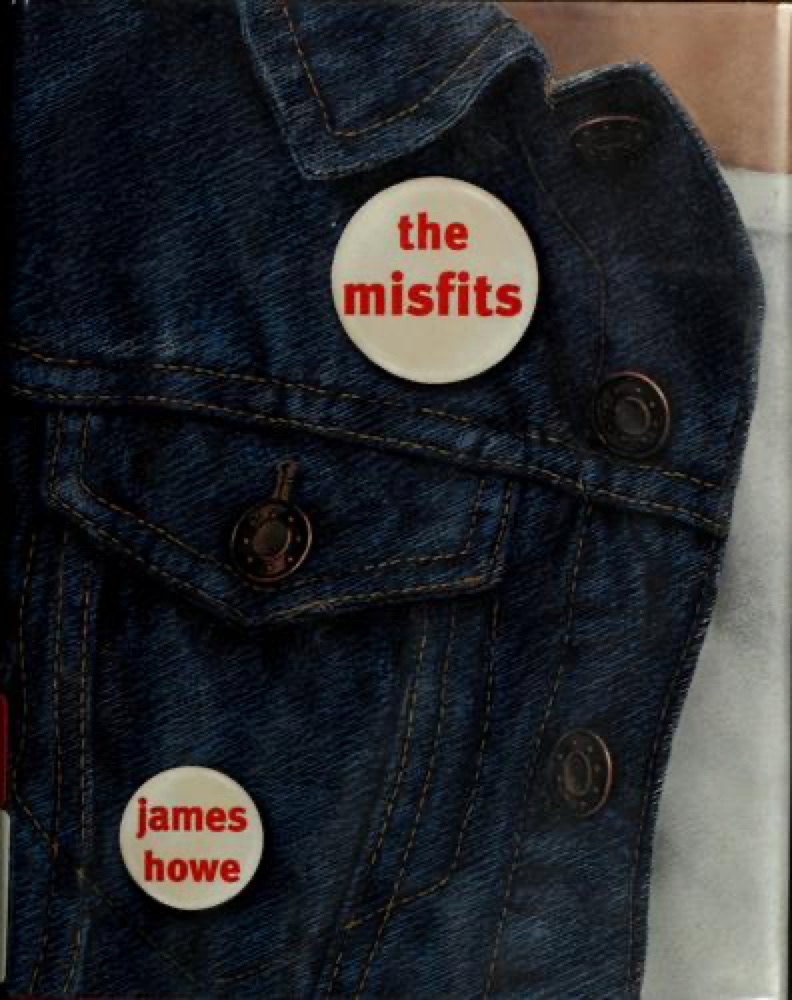 The Misfits
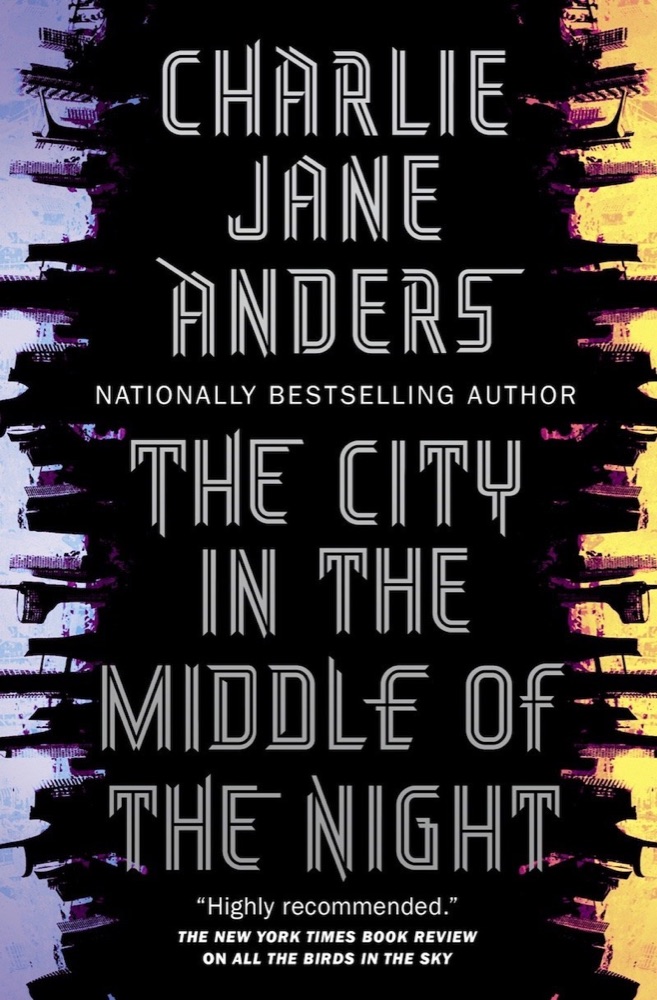 The City in the Middle of the Night
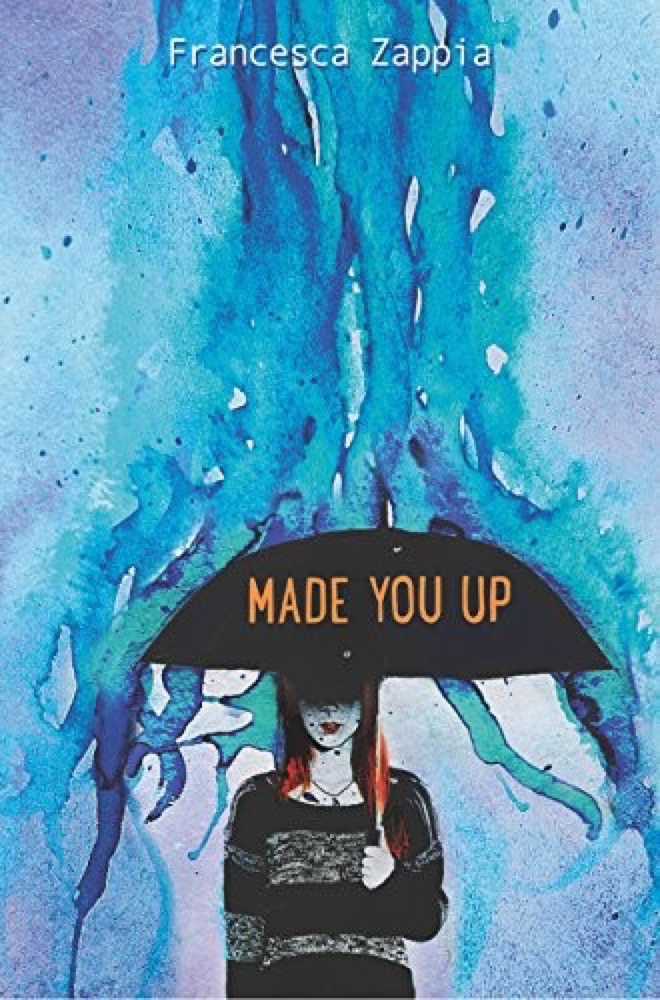 Made You Up
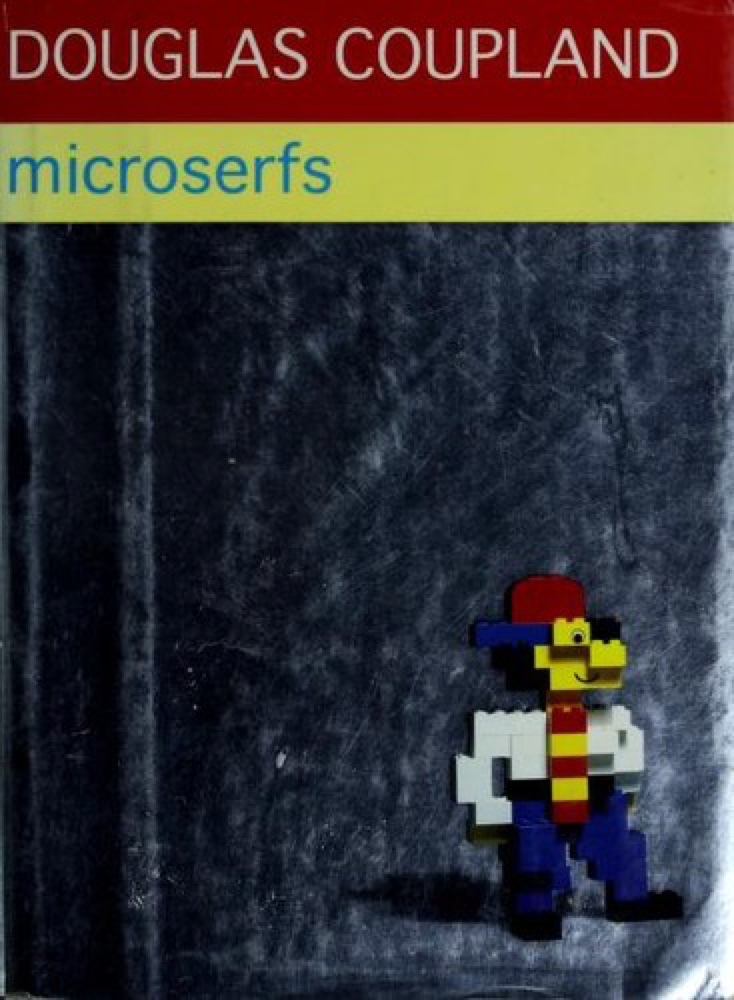 Microserfs
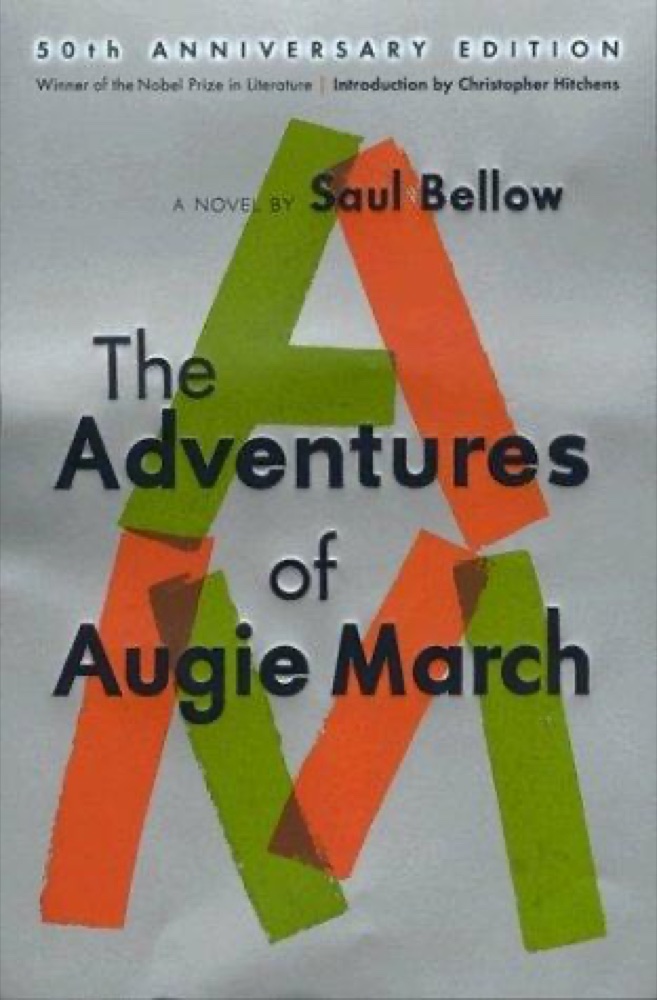 The Adventures of Augie March
 Worm
Worm
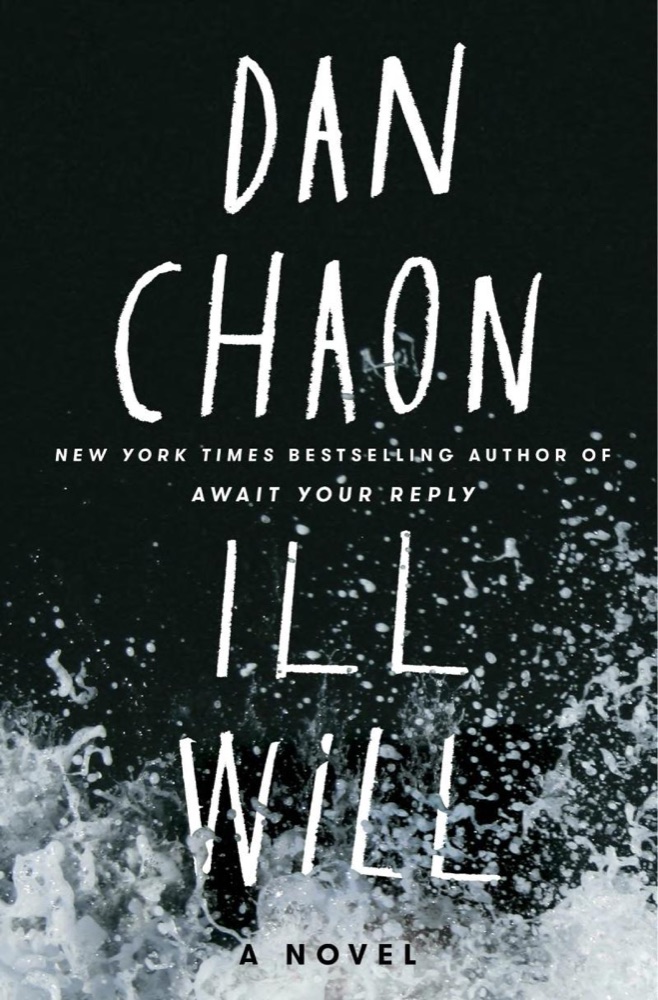 Ill Will
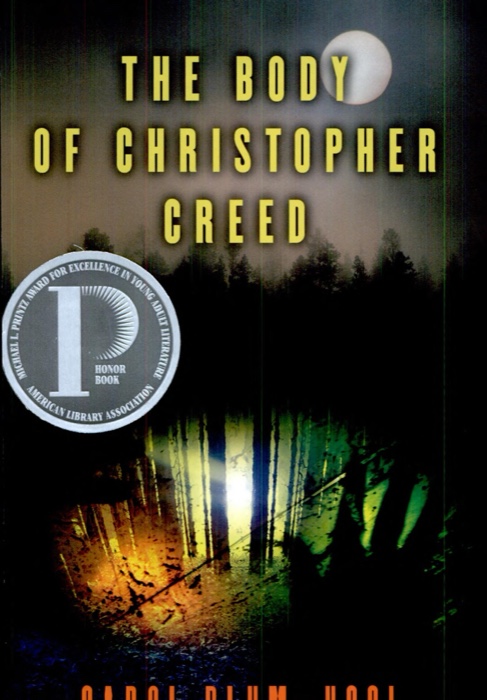 The Body of Christopher Creed
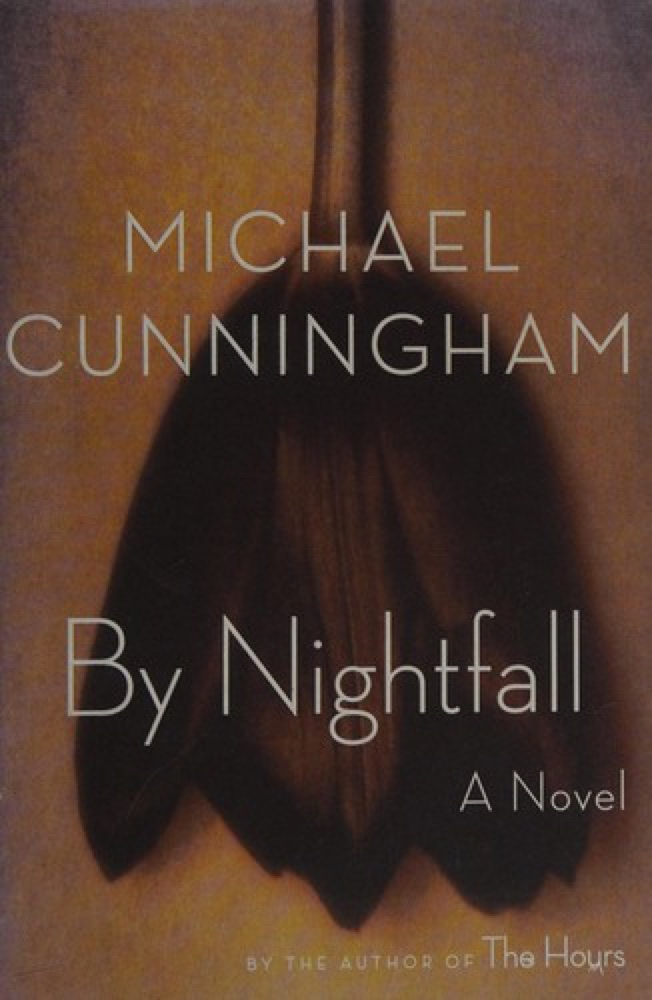 By Nightfall
 The Electric Kool-Aid Acid Test
 One Hundred Names
 The Fry Chronicles
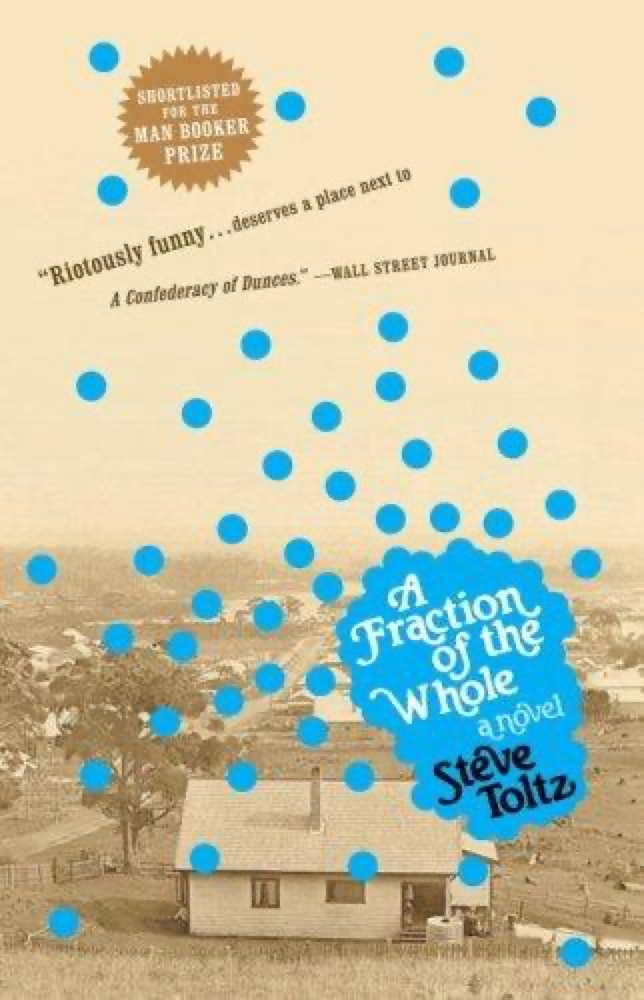 A Fraction of the Whole
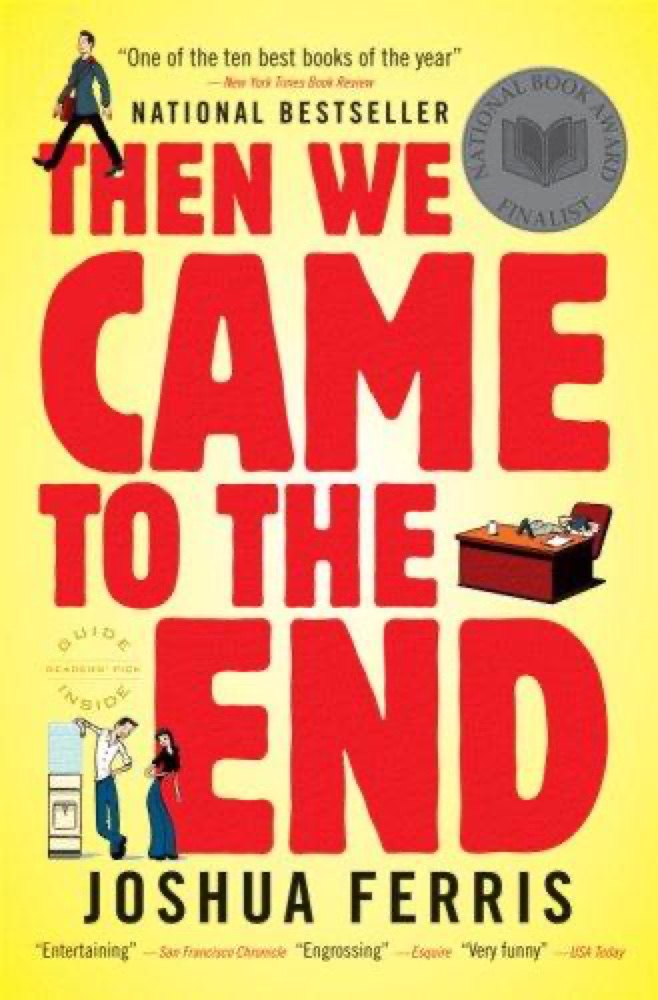 Then We Came to the End
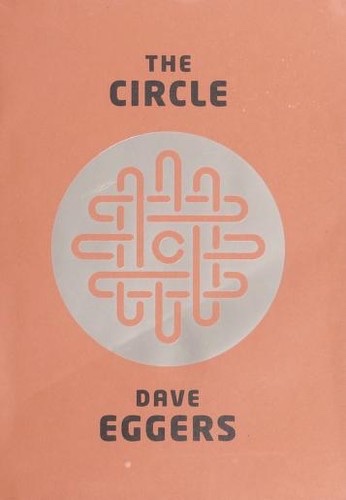 The Circle
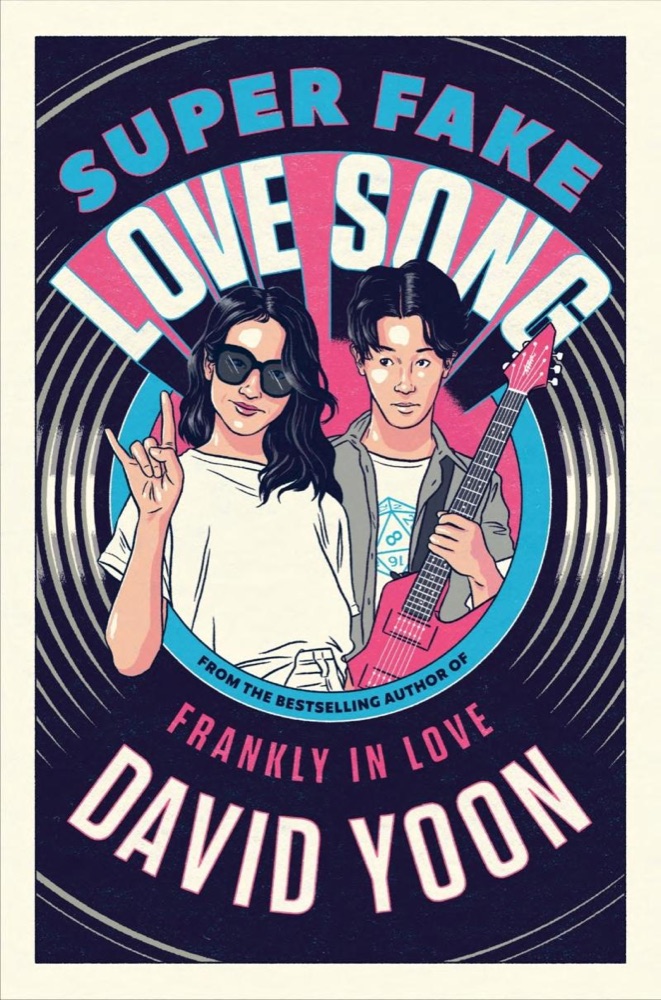 Super Fake Love Song
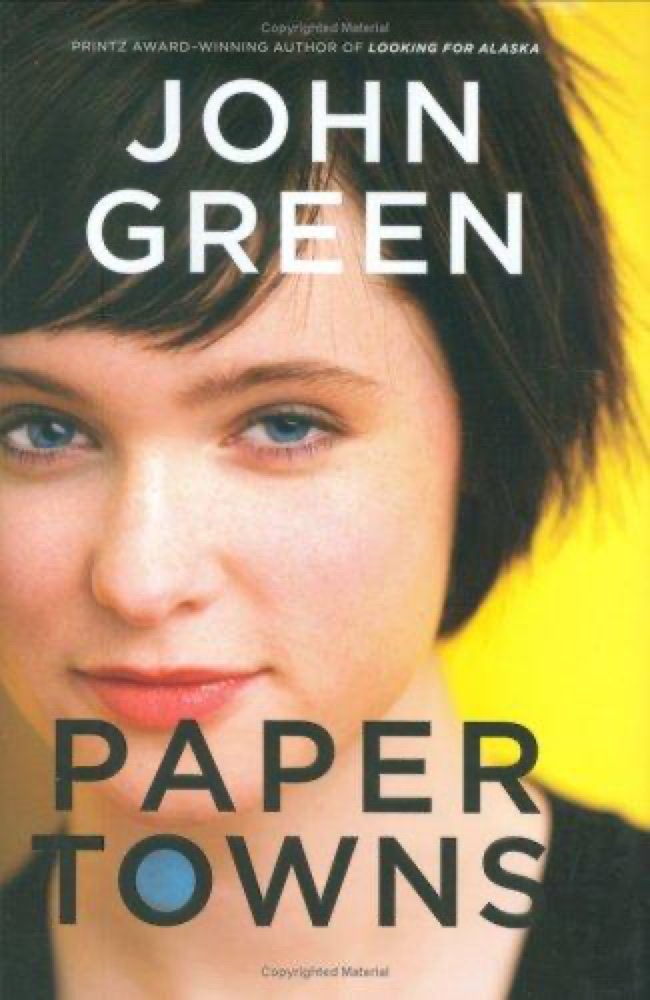 Paper Towns
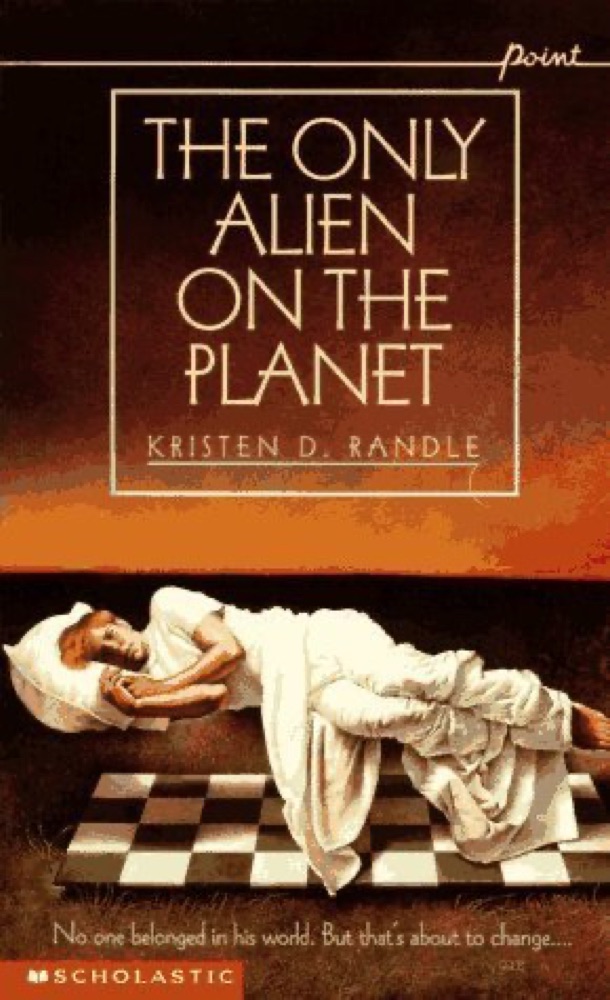 The Only Alien on the Planet
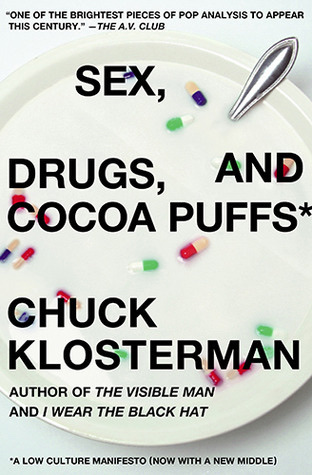 Sex, Drugs, and Cocoa Puffs: A Low Culture Manifesto
 Sag Harbor
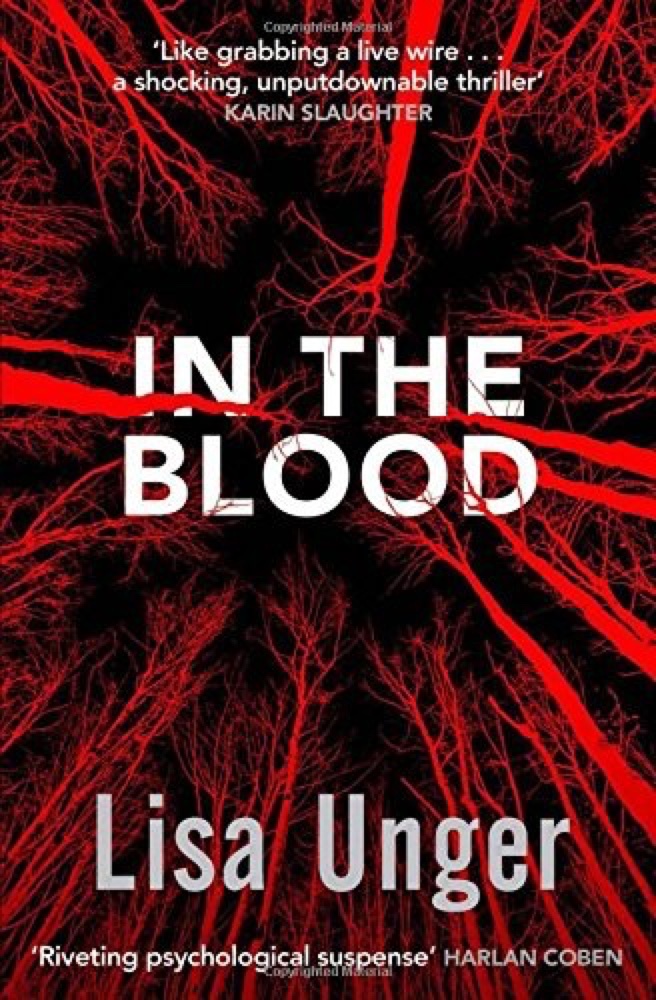 In The Blood
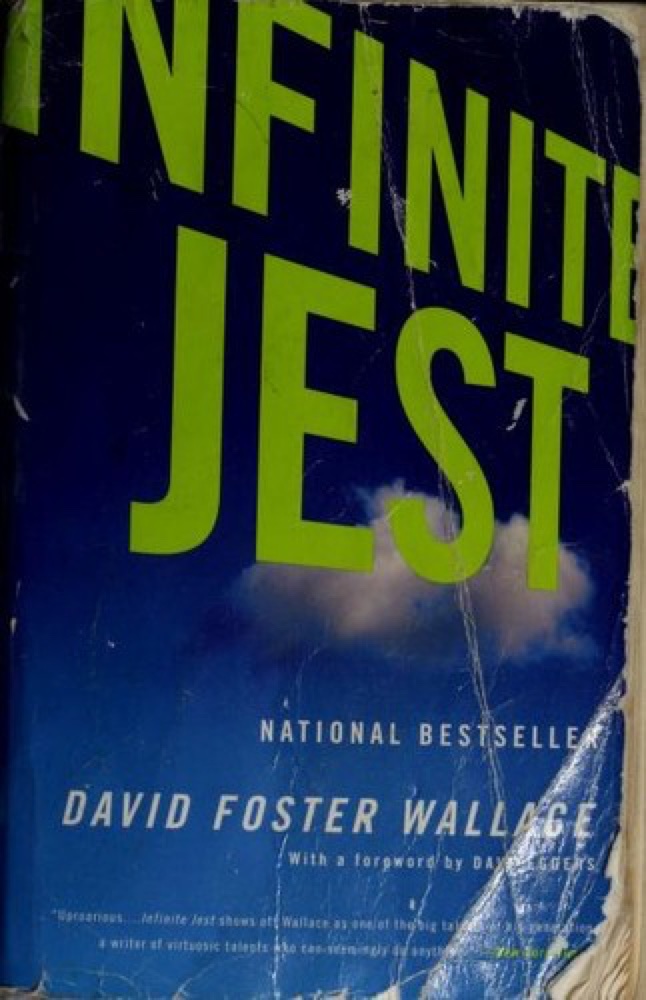 Infinite Jest
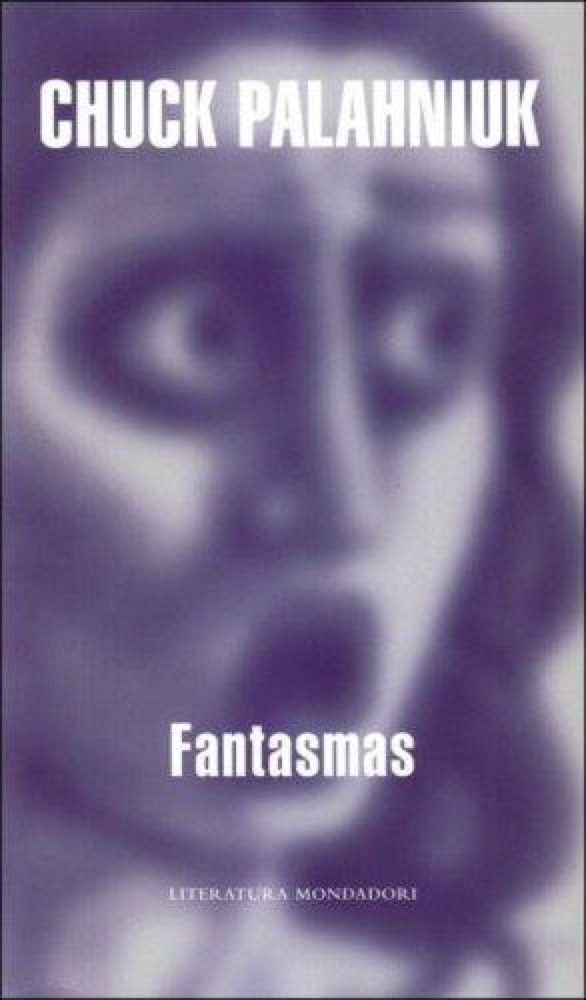 Haunted
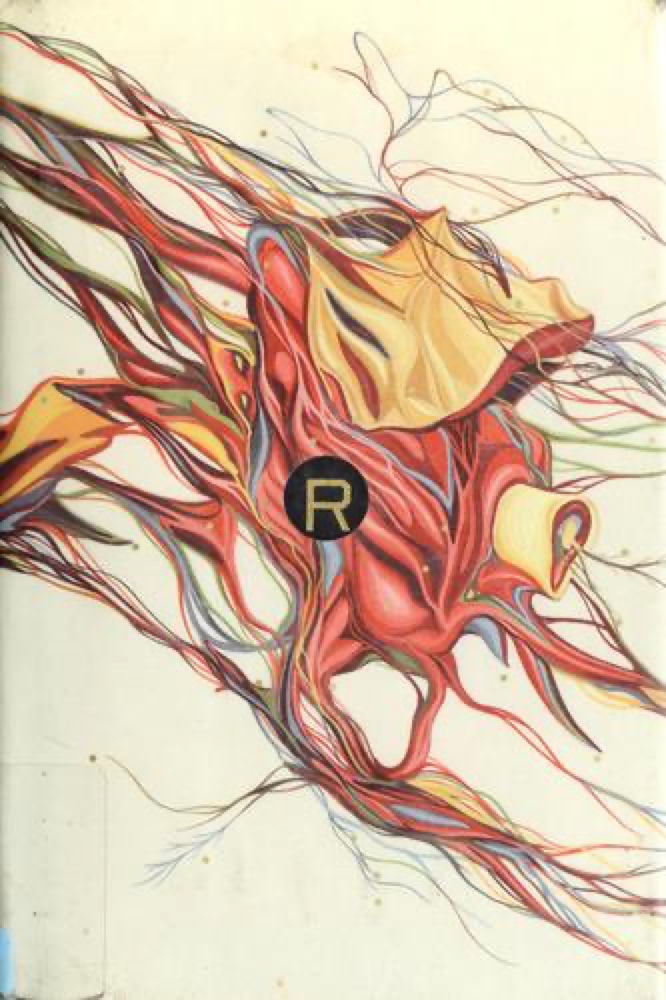 Rant
Rant
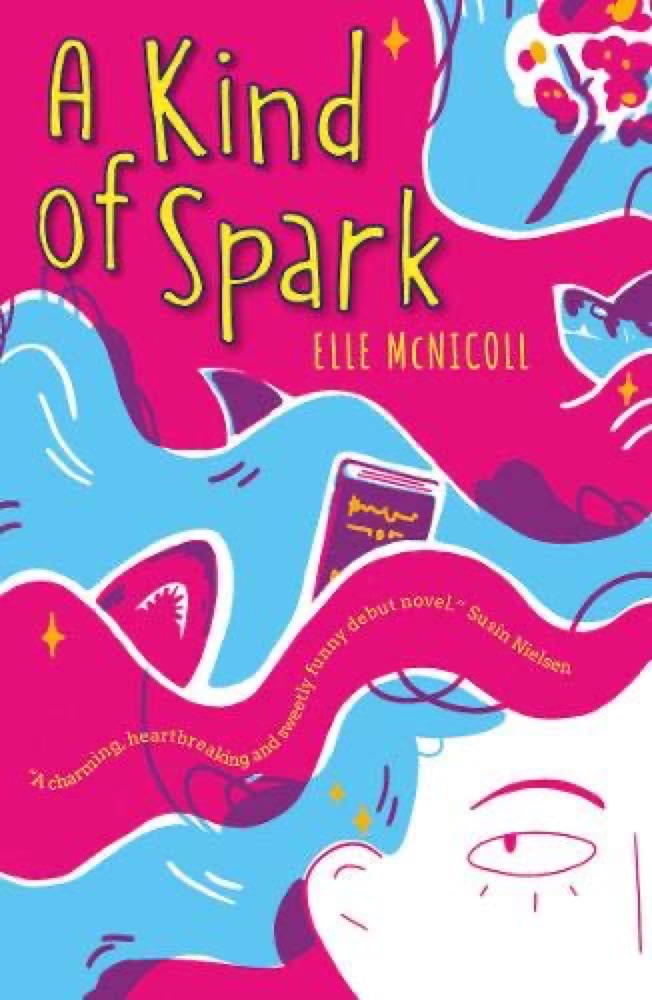 A Kind of Spark
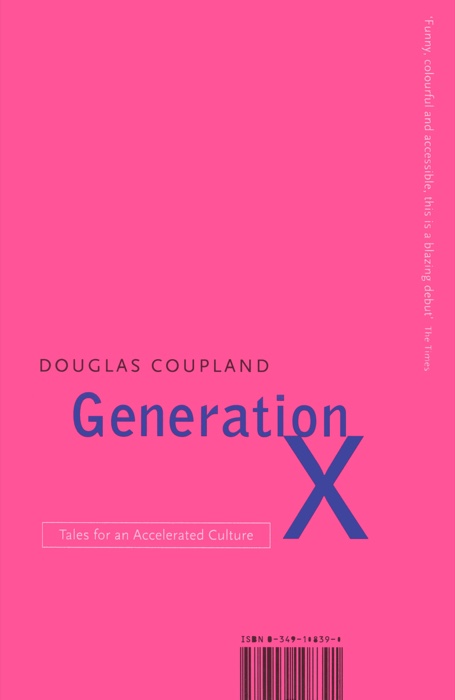 Generation X: Tales for an Accelerated Culture
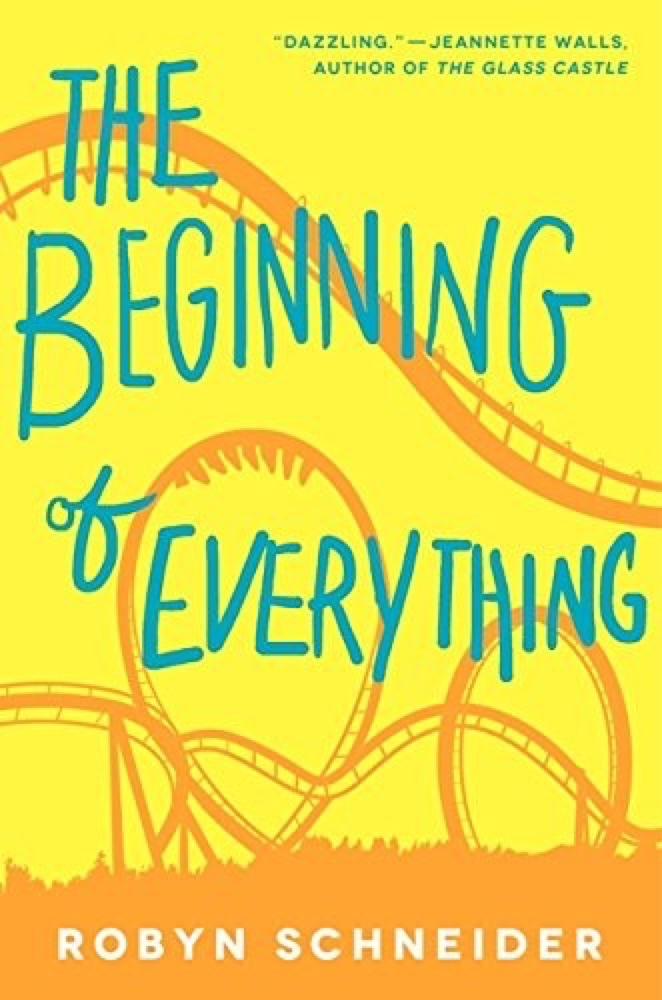 The Beginning of Everything
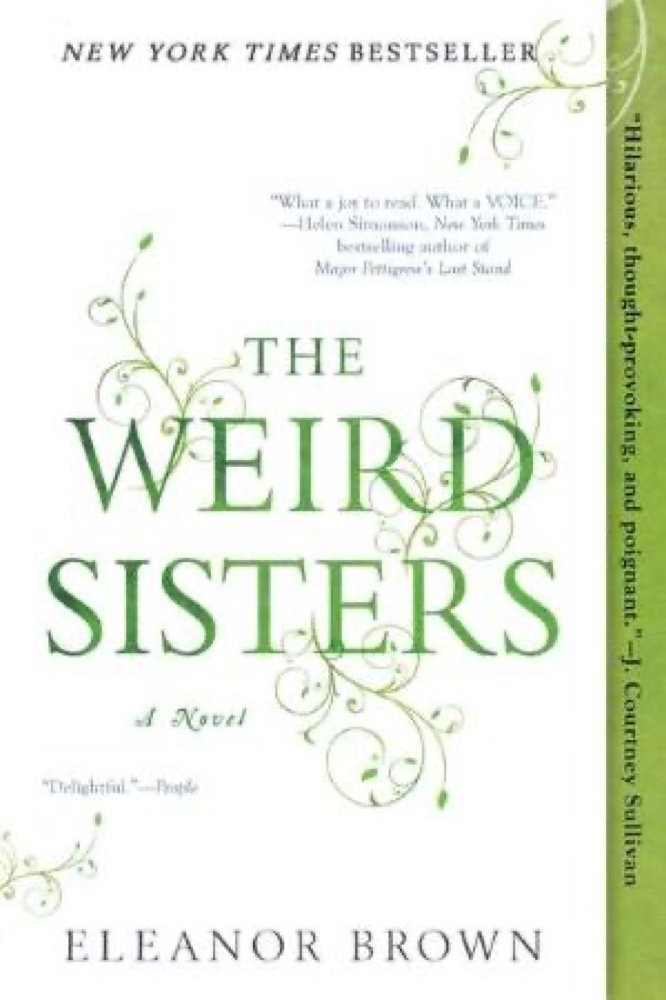 The Weird Sisters
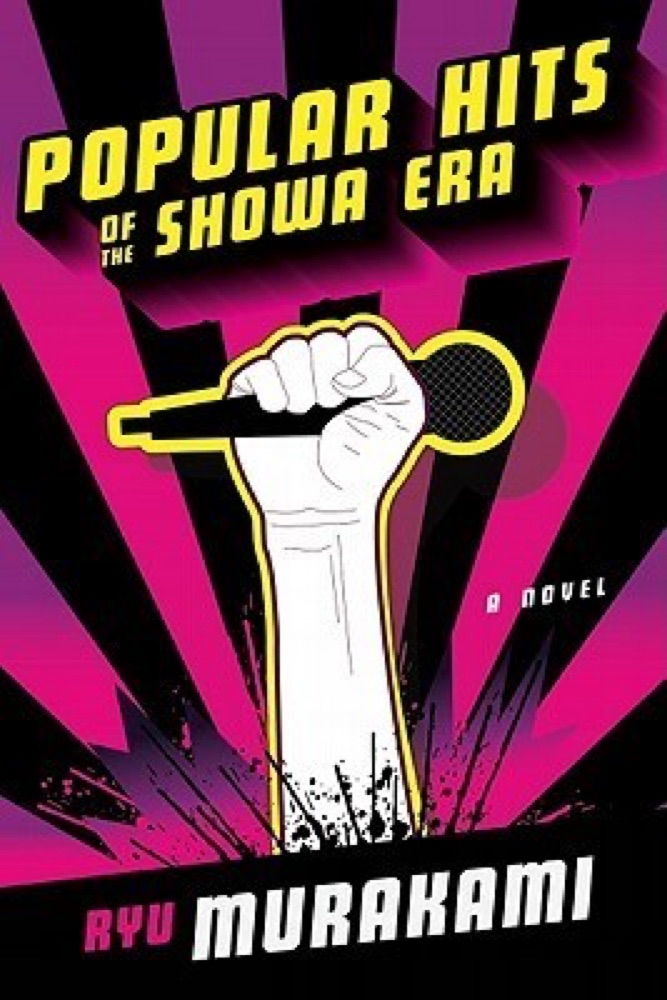 Popular Hits of the Showa Era
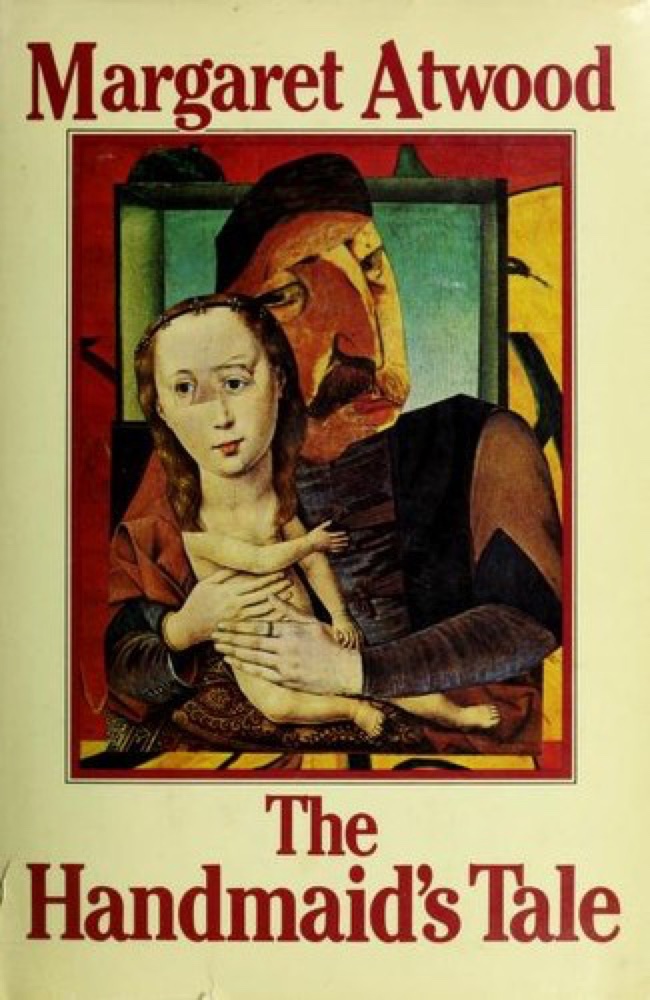 The Handmaid's Tale
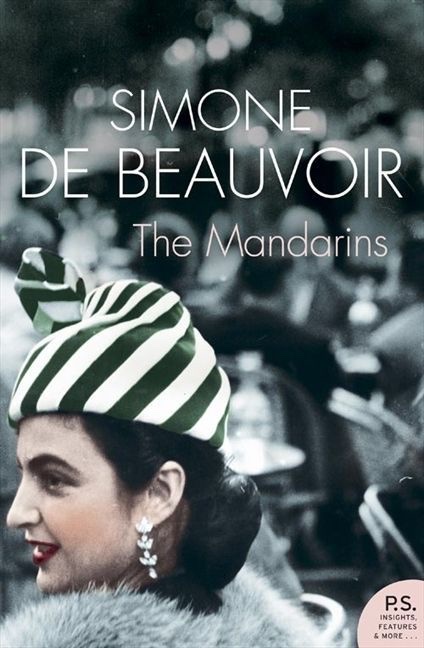 The Mandarins
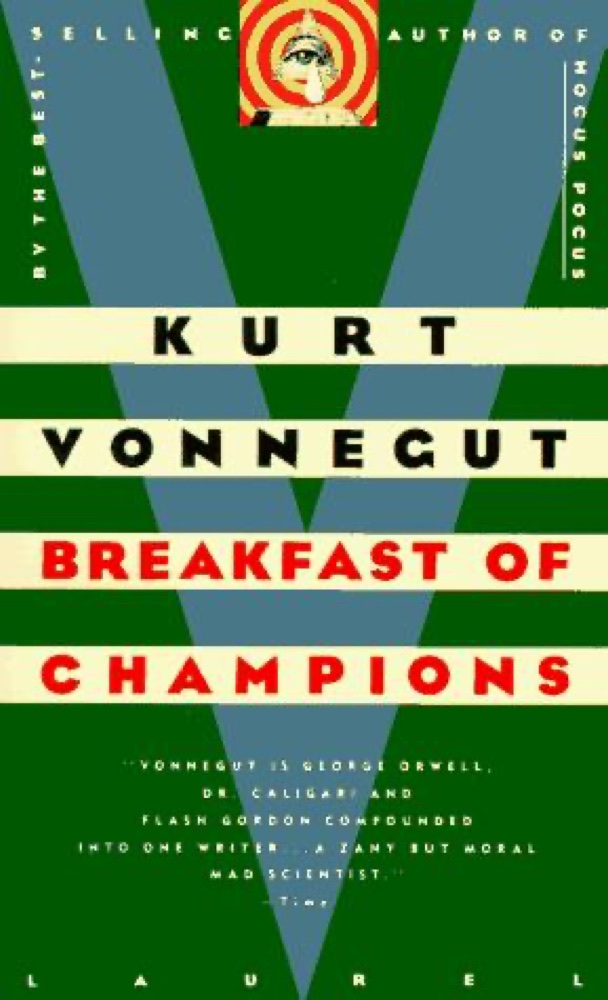 Breakfast of Champions
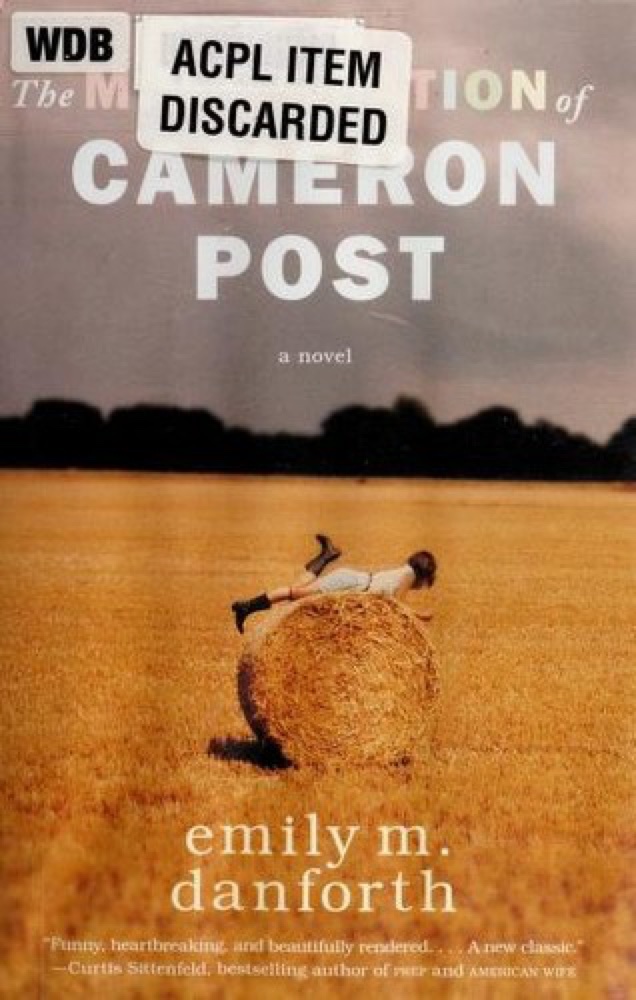 The Miseducation of Cameron Post
 Amped
Amped
 Epic Fail
 Bluebeard
 Noumenon
 Welcome to Night Vale
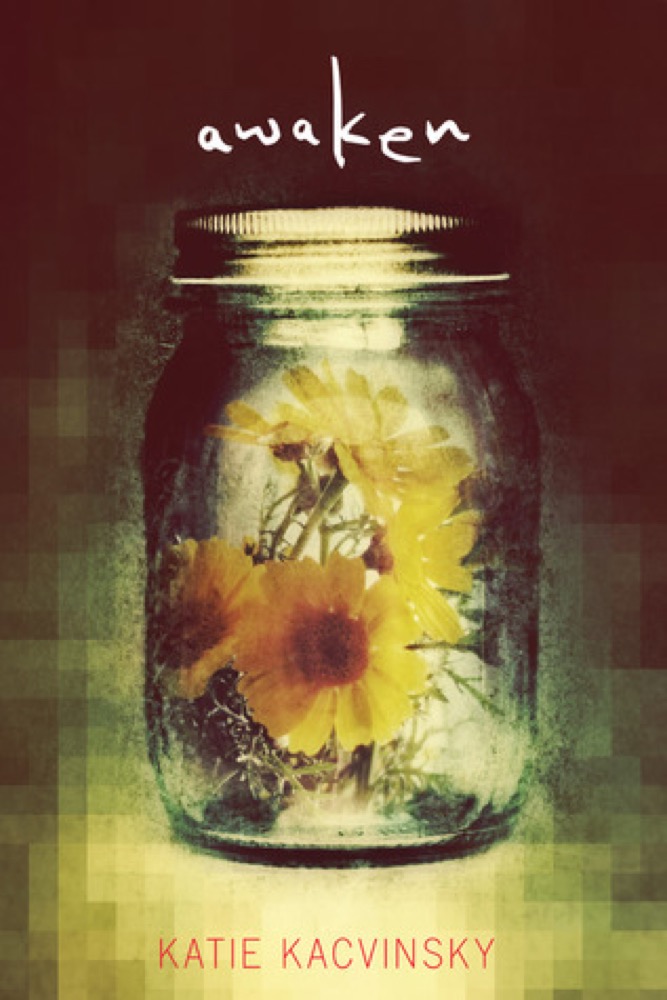 Awaken
 Strength in What Remains: A Journey of Remembrance and Forgiveness
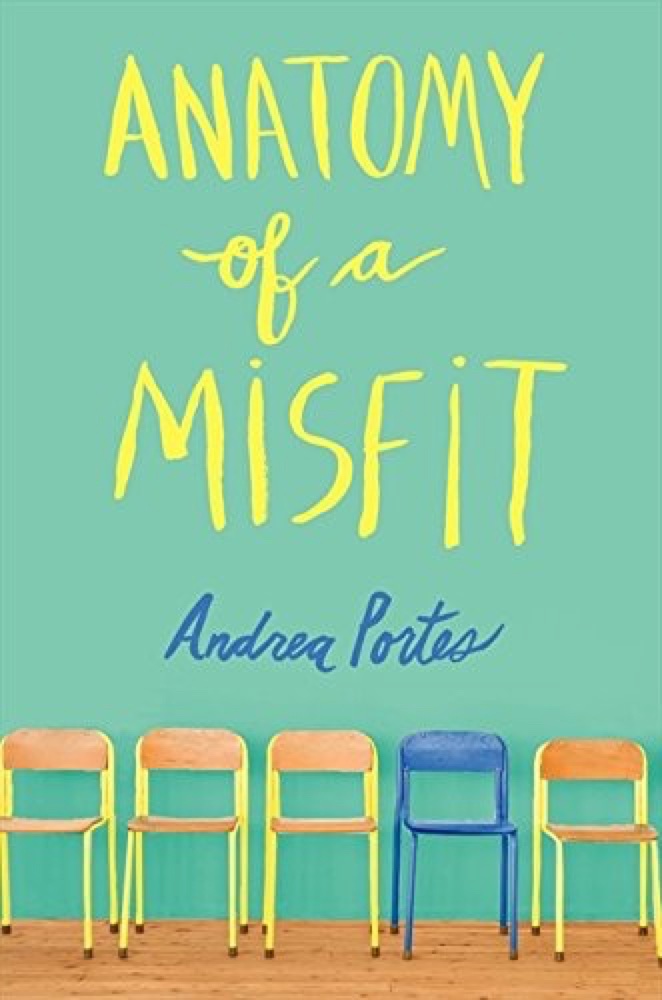 Anatomy of a Misfit
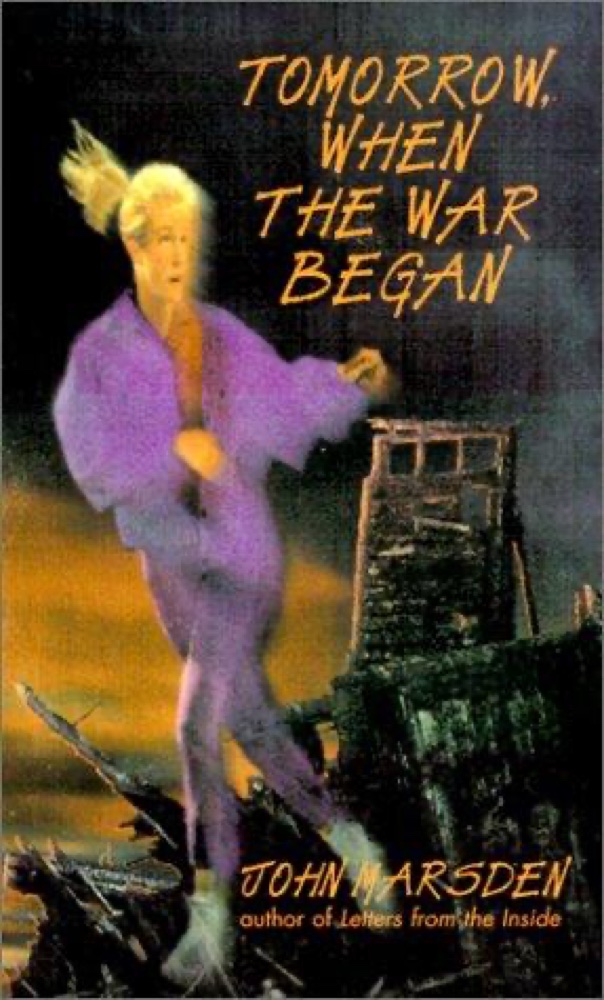 Tomorrow, When the War Began
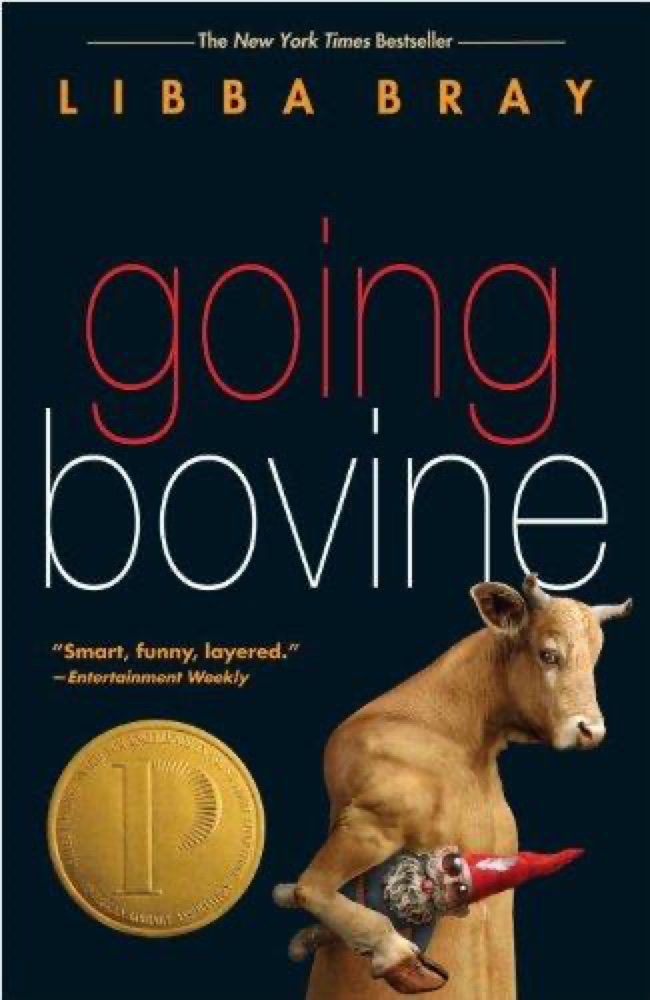 Going Bovine
 Revolutionary Road
 Highly Illogical Behavior
 False Memory
 You're Never Weird on the Internet (Almost)
 Gone Girl
 One Flew Over the Cuckoo's Nest
 Embassytown
 The Imperfectionists