

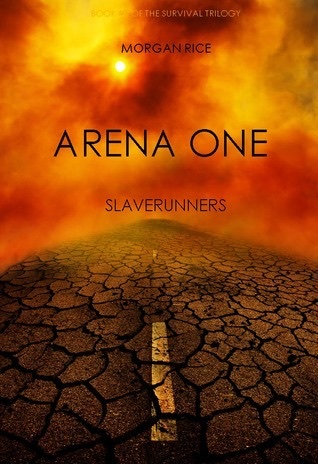
 Arena One: Slaverunners
Quotes from the Book
Un guerrero se define por momentos", dijo Aiden. "Un solo momento puede hacerte un guerrero. Un guerrero se define también por las decisiones. Por su coraje. Pero un guerrero también es alguien normal. No puedes ser un guerrero a cada momento. Pero, el espíritu de un guerrero siempre está presente.
Tienes que elegir", dijo Aiden. "Puedes quedarte aquí, renunciar a la misión, y vivir una vida feliz con Caleb. Será una vida del corazón. Pero no del espíritu. Hemos sido traídos a este planeta para elegir entre dos vidas: una vida del corazón, o una vida del espíritu. Nuestro corazón nos puede atar a las cuestiones domésticas. Pero nuestro espíritu debe elevarse. Debe seguir su vocación.
Tu mayor fortaleza es también tu mayor debilidad", dijo. "Tu pasión. Tu furia. No estoy diciendo que no deberías haber golpeado a Caín. Lo que estoy diciendo es que no deberías haberte golpeado a ti misma.
Watch on YouTube
About Morgan Rice
We have collected 15 quotes from 3 books by Morgan Rice on BookQuoters.
More about the author →More by Morgan Rice
Arena One: Slaverunners
 Turned
Book details
- Author
- Morgan Rice
- Genre
- Fantasy
Keep reading
 Forsaken
 Ripper
 Days and Nights of Love and War
 On Heroes and Tombs
 Malinche
 Nada
Nada
 Play With Me
 Everything You and I Could Have Been If We Weren't You and I
 The Time of the Hero
 I'll Be There
 Socrates In Love
 The Yellow World
 Miss Kim Knows and Other Stories
 The Death of Artemio Cruz
 Insanity
 The Horse Healer
 Lost Illusions
 Eartheater
 Hopscotch
 The Traitor's Emblem
 The Vicomte de Bragelonne
 Dancing Girls and Other Stories
 The Key
 As You Wish
 Liliana's Invincible Summer: A Sister's Search for Justice
 Don Quixote de La Mancha, Vol. 1
 So Much for That
 The Last Cato
 The Ingredients of Love
 Of Love and Shadows
 Ordesa
 Lucinda's Secret
 Bestiario
 Cronopios and Famas
 Upside Down: A Primer for the Looking-Glass World
 Mondays with My Old Pastor: Sometimes All We Need Is a Reminder from Someone Who Has Walked Before Us
 The Life Before Us ("Madame Rosa'')
 The Family of Pascual Duarte
 Forest of the Pygmies
 The Sun Over Breda
 Brodie's Report
 Things We Lost in the Fire
 Captain Alatriste
 Until Fountain Bridge
 Without Feathers
 Conversation in the Cathedral
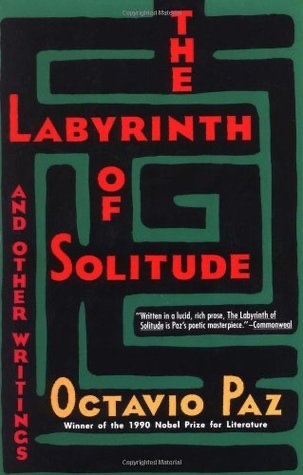 The Labyrinth of Solitude and Other Writings
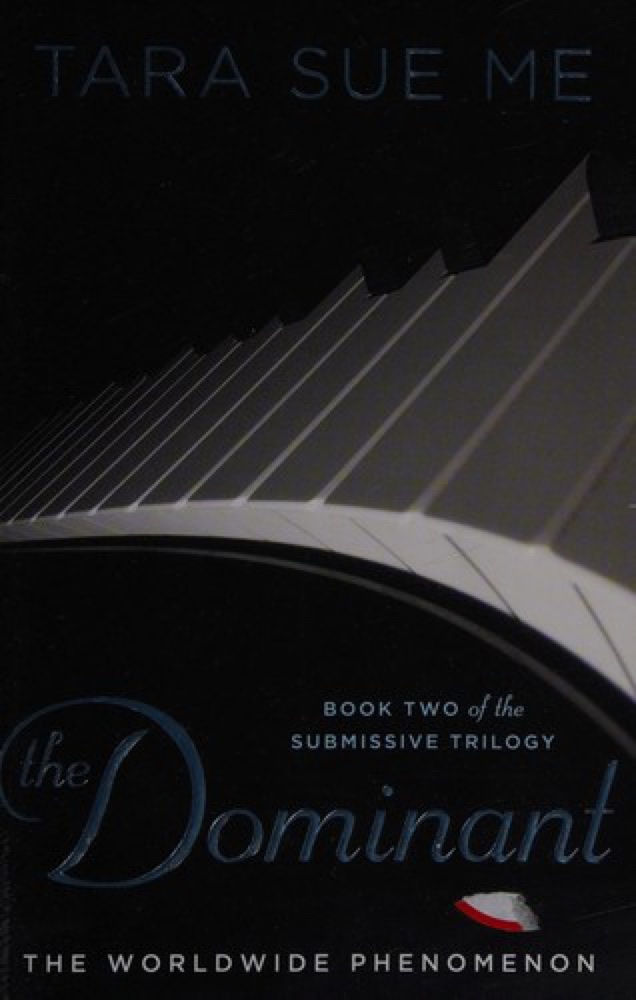 The Dominant
 Grass for His Pillow
 Stories
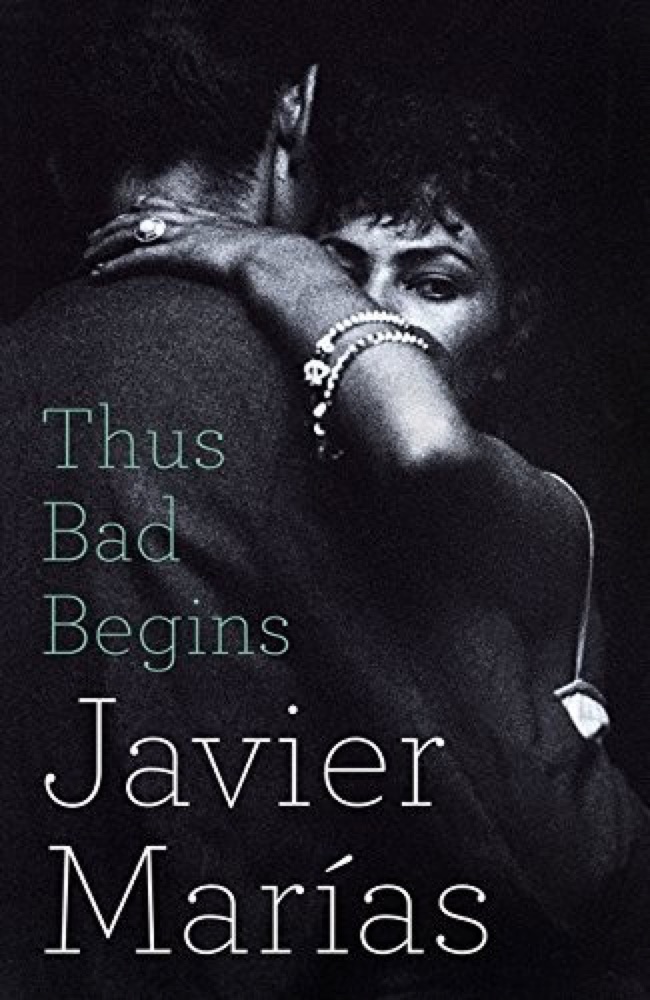 Thus Bad Begins
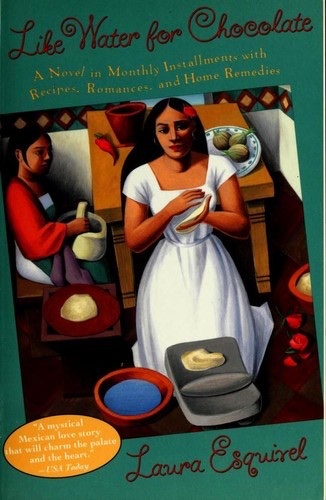 Like Water for Chocolate
 Gomorrah
 A Heart So White
 Vanish
 The Feast of the Goat
 Follow Your Heart
 Tempest
 Strange Pilgrims
 Returning to Reims