
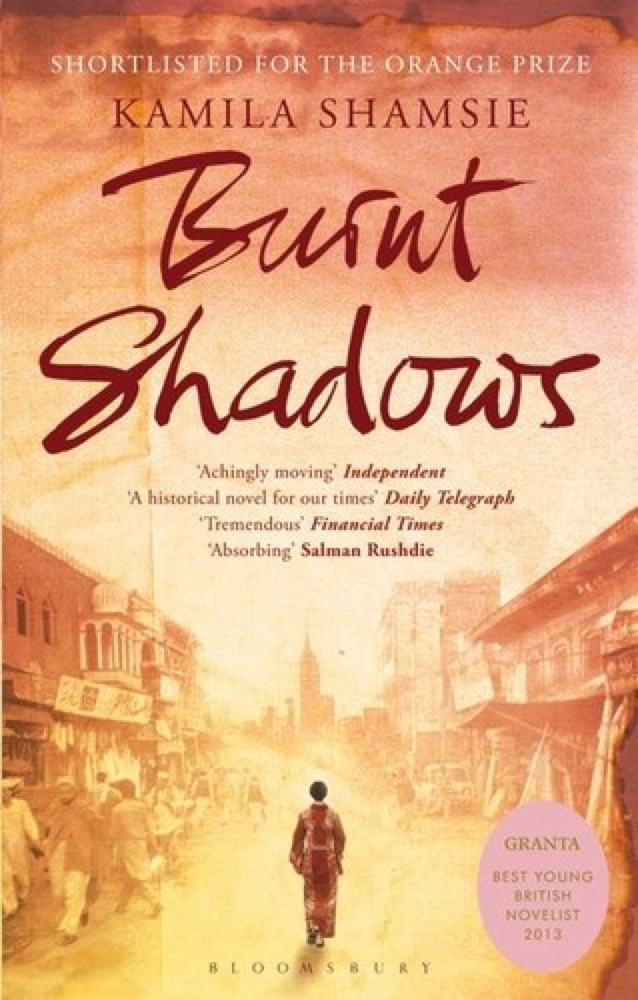
 Burnt Shadows
Quotes from the Book
There is no mystery-- that's the beauty of it. We are entirely explicable to each other, and yet we stay. What a miracle that is.
Can I ask you a personal question"? Of all the rhetorical questions in the world, that is the one which irritates me most with its simultaneous gesture towards and denial of the trespass that is about to follow.
Don't you know how much I hero-worshiped you when I was a kid? You were Marie Curie crossed with Emily Bronte crossed with Joan of Arc to me when I was ten. And when i told you that, you said my cultural references were the sign of a colonized mind.
The next day it's Virginia Woolf who wafts through. Hers is a curiously insistent presence; take your eyes off her for a moment and the next thing you know she's rearranging your syntax as though it were cutlery improperly laid out for a seven-course meal with some foreign dignitary who disdains your nation's table manners.
At what point does character-playing become habit, something for which we are grateful because it allows us to go through the world with the ease that comes from being predictable to ourselves, even if that predictability takes the form of neurosis, hysteria, depression? And at what point does that habit turn darkly into addiction? I wiped my hands clean. We are so desperate to be explicable to ourselves, to rely on ourselves, that we need to believe a certain version of who we are even when evidence starts to mount that the version is a lie, even when the part of us which is not tamed by habit strains to break free and overwhelm the tired, repetitive creature that our character has become, mouldering at the edges.
I think Shehnaz was right. In the end it wasn’t about the Poet, or me or anyone. It was about a minute, five minutes, ten minutes in which she believed, with utter certainty, that she simply could not endure any more.’ It seemed impossible, already, to have denied this truth for so long.
I will not be in here for ever, I promise. All metaphors need to come up for air. When I can bear no more of separation, when I have learnt all that absence can teach me of desire, the walls will shimmer and I will step out of the mirage, into your arms, to lose myself and find myself.
In his prison poems, the bars on his windows are merely the grid through which he sees shooting stars, each lash of a whip is a reminder of the insecurity of tyrants, and a rumour that orders for his execution have been dispatched is reason to weep for the executioner.
Your mother and I had one conversation a little before she died. She was sitting in the garden one evening when I came home from work, and she said, “I have to confess something. When we played ‘chicken’ from KDA to Clifton and I said I made you run three red lights, I lied. I made you stop even when they were only just turning amber.” And I replied, “Samina, I didn’t love you because you were the girl who ran red lights. I loved you because when you covered my eyes with your hands, I knew I could trust you to get me home.” She was afraid of running red lights, Aasmaani. She wasn’t an unbreakable creature of myth. She was entirely human, entirely breakable, and entirely extraordinary.
It’s true, that in concrete battles the tyrants may have the upper hand in terms of tactics, weapons, ruthlessness. What our means of protest attempt to do is to move the battles towards abstract space. Force tyranny to defend itself in language. Weaken it with public opinion, with supreme court judgements, with debates and subversive curriculum. Take hold of the media, take hold of the printing presses and the newspapers, broadcast your views from pirate radio channels, spread the word. Don’t do anything less than all you are capable of, and remember that history outlives you. It may not be until your grandchildren’s days that they’ll point back and say, there were sown the seeds of what we’ve now achieved.
Who made love a heart without arteries and chambers—a castrated organ?
2
Watch on YouTube
About Kamila Shamsie
We have collected 85 quotes from 4 books by Kamila Shamsie on BookQuoters.
More about the author →More by Kamila Shamsie
About the book
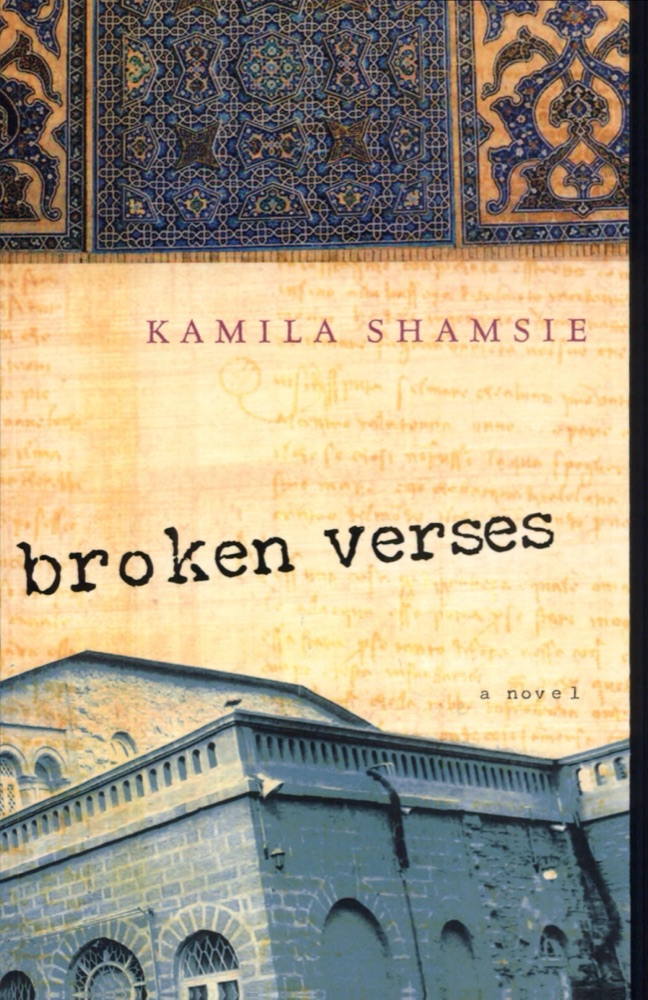
Fourteen years ago, famous Pakistani activist Samina Akram disappeared. Two years earlier, her lover, Pakistan's greatest poet, was beaten to death by government thugs. In present-day Karachi, her daughter Aasmaani has just discovered a letter in the couple's private code—a letter that could only have been written recently.
Aasmaani is thirty, single, drifting from job to job. Always left behind whenever Samina followed the Poet into exile, she had assumed that her mother's disappearance was simply another abandonment. Then, while working at Pakistan's first independent TV station, Aasmaani runs into an old friend of Samina's who gives her the first letter, then many more. Where could the letters have come from? And will they lead her to her mother?
Merging the personal with the political, Broken Verses is at once a sharp, thrilling journey through modern-day Pakistan, a carefully code
Book details
- First published
- 2005
- Author
- Kamila Shamsie
- Genre
- Fiction
- Goodreads rating
- 3.58 (2k ratings)
Keep reading
 The Blind Assassin
 The English Patient
 The Tunnel
 Morning in the Burned House: Poems
 Sexus
Sexus
 The Ministry of Utmost Happiness
 Glass, Irony and God
 Good Bones and Simple Murders
 Things I've Been Silent About
 Plainwater: Essays and Poetry
 In the Heart of the Heart of the Country and Other Stories
 Possession
 Parade
 The Blazing World
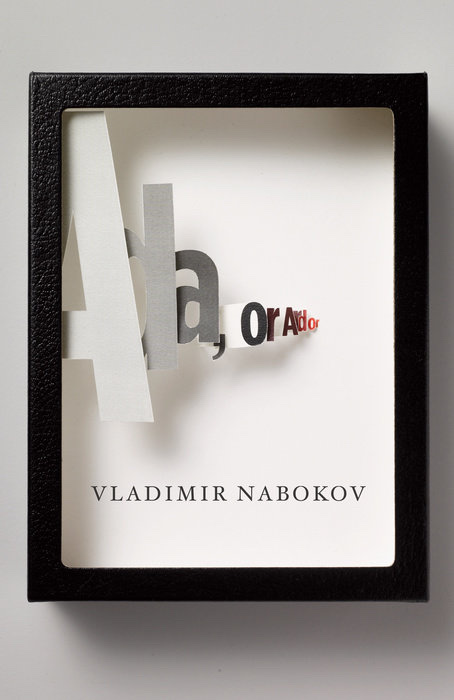 Ada, or Ardor: A Family Chronicle
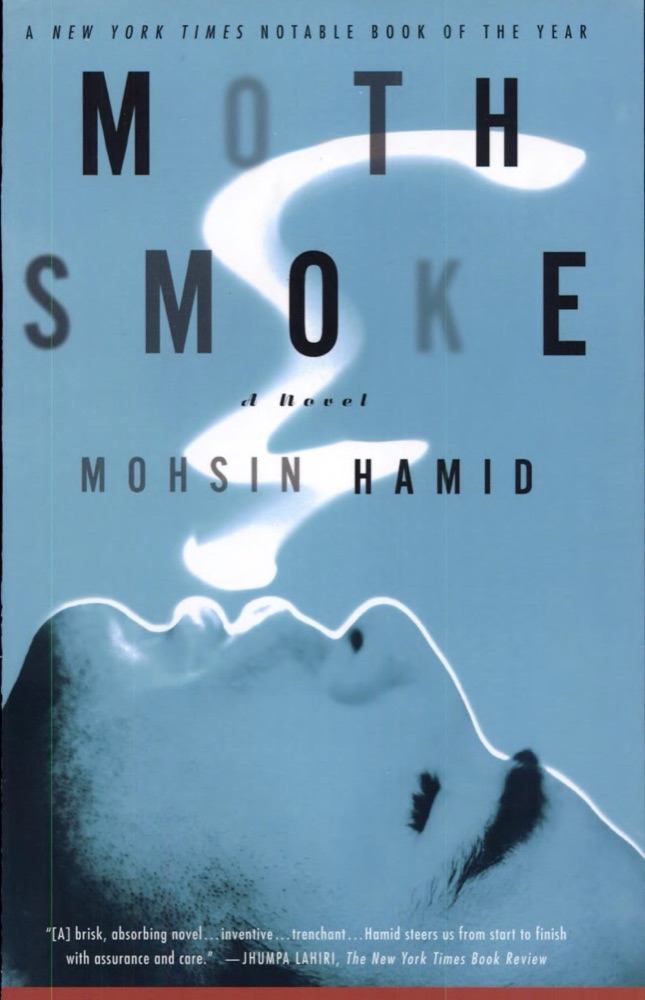 Moth Smoke
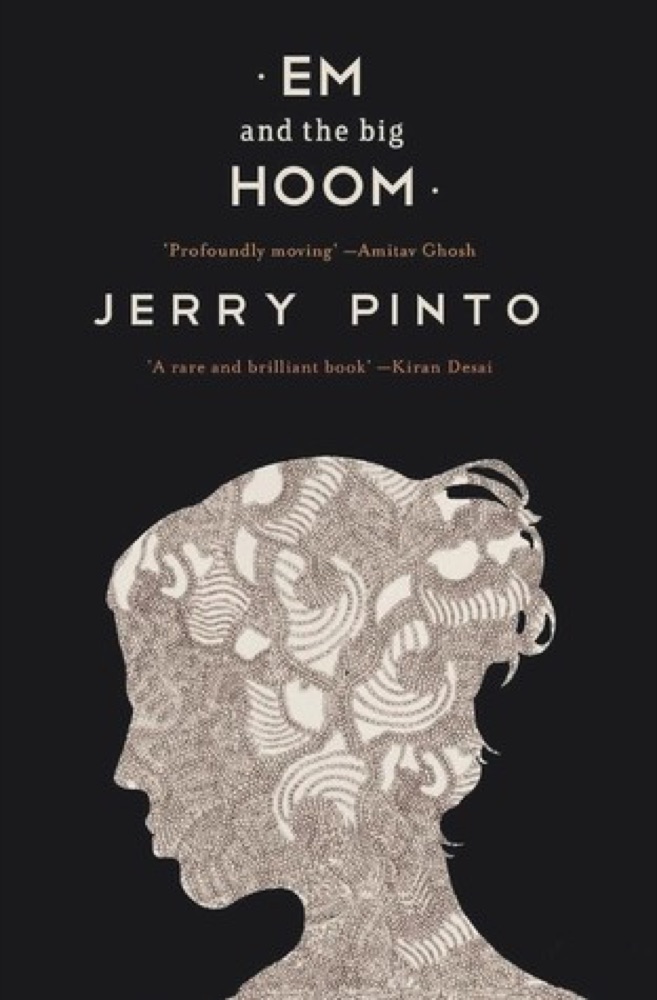 Em and The Big Hoom
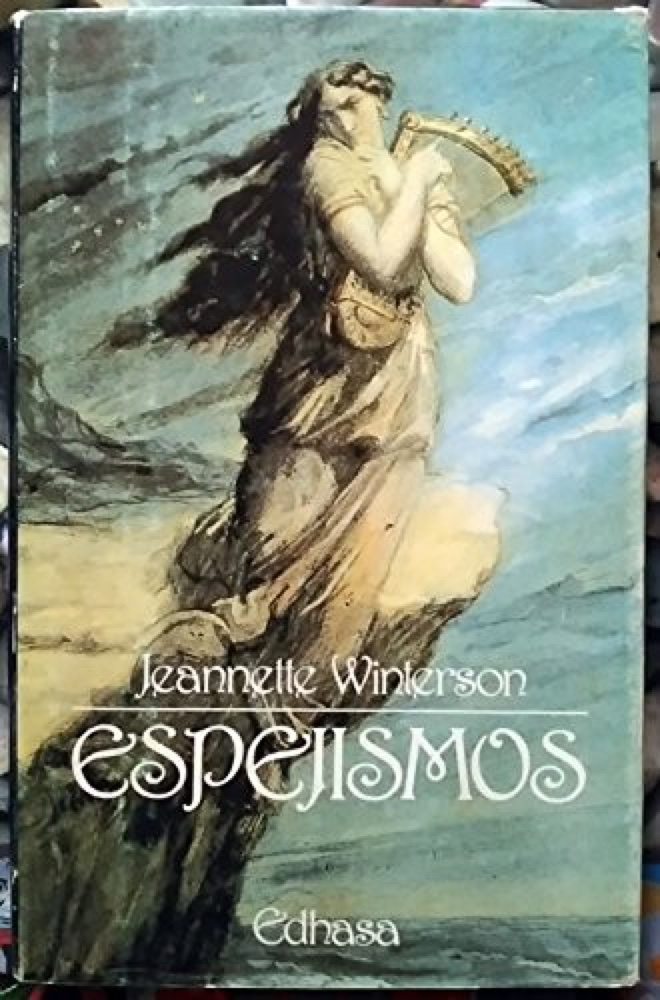 Sexing the Cherry
 What Is Not Yours Is Not Yours
 Now Is the Time to Open Your Heart
 Identity
 Girl with Curious Hair
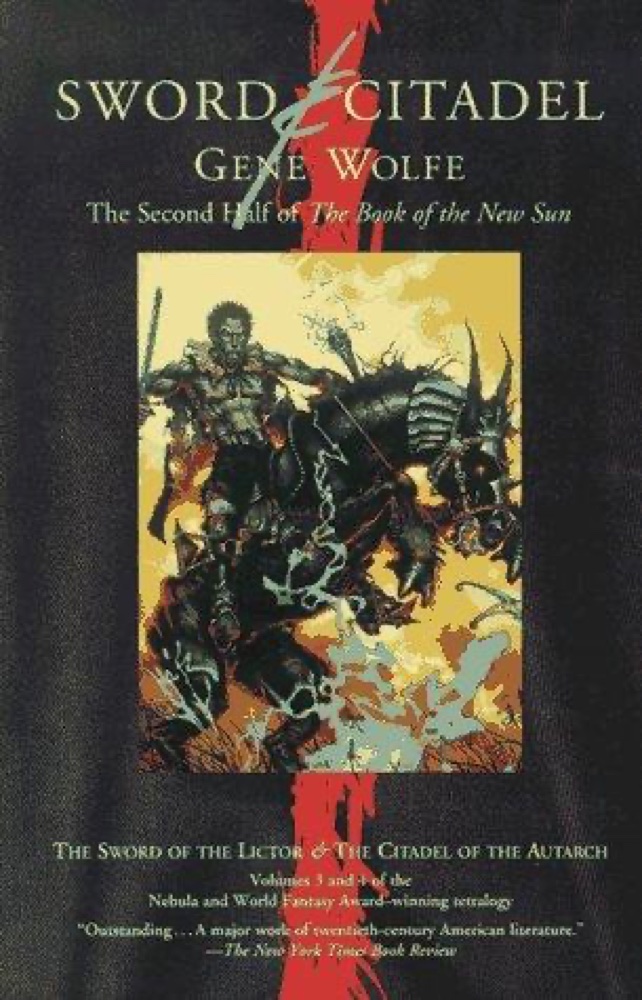 Sword & Citadel
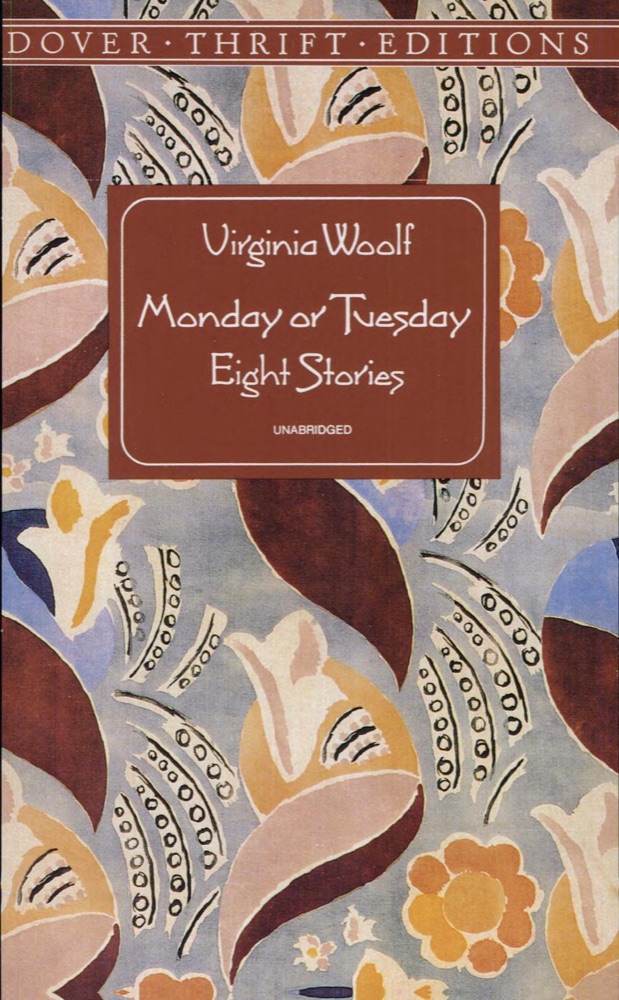 Monday or Tuesday
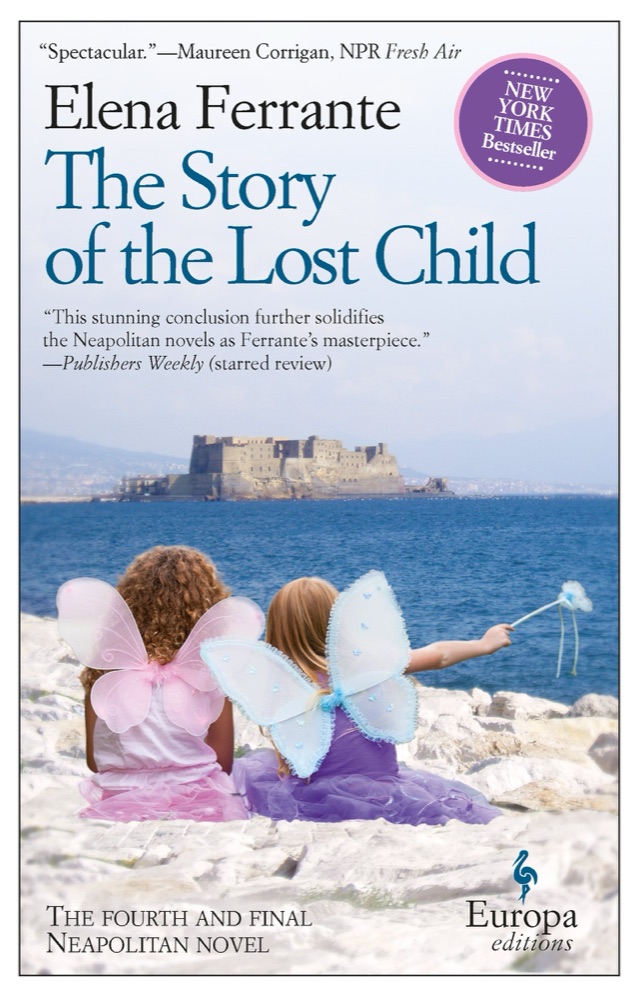 The Story of the Lost Child
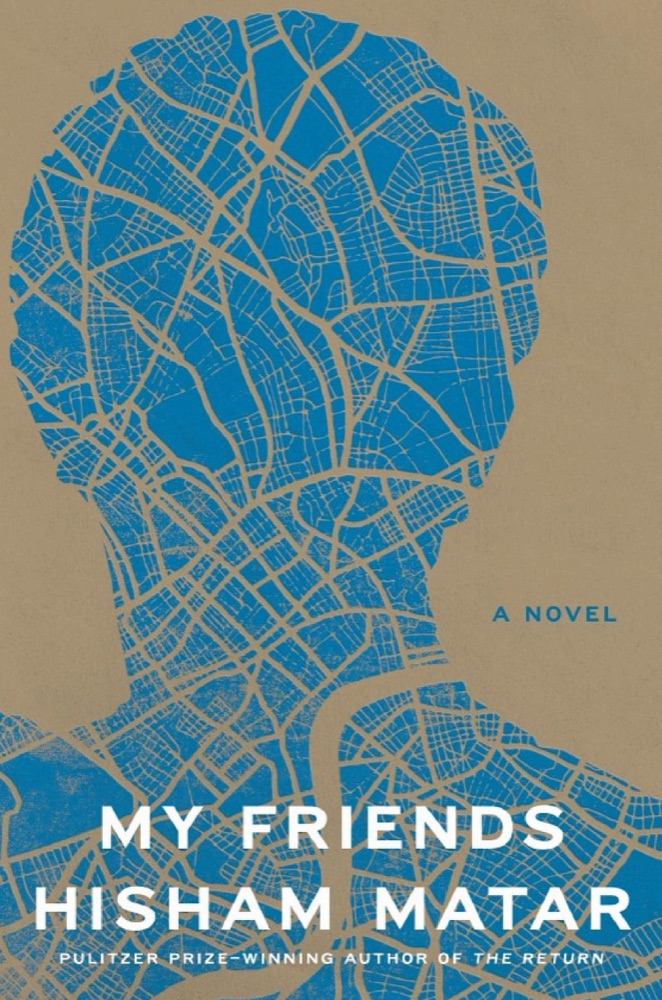 My Friends
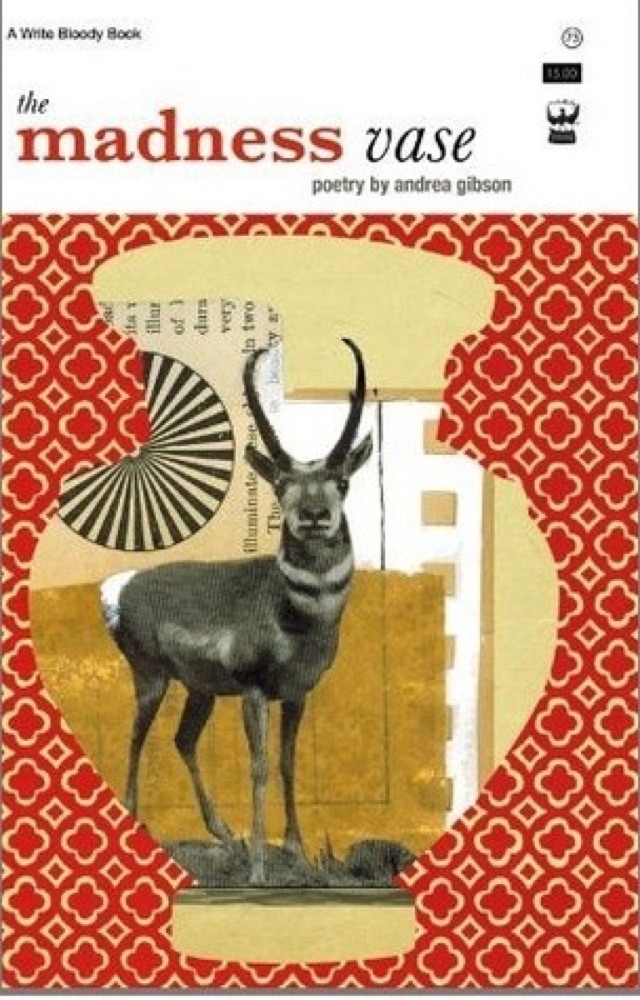 The Madness Vase
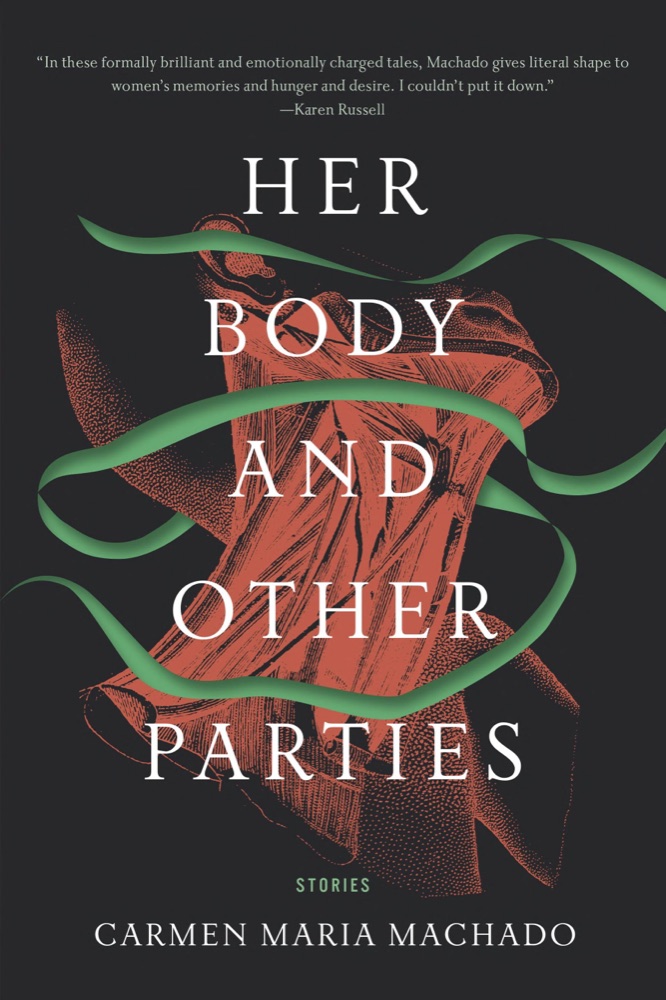 Her Body and Other Parties
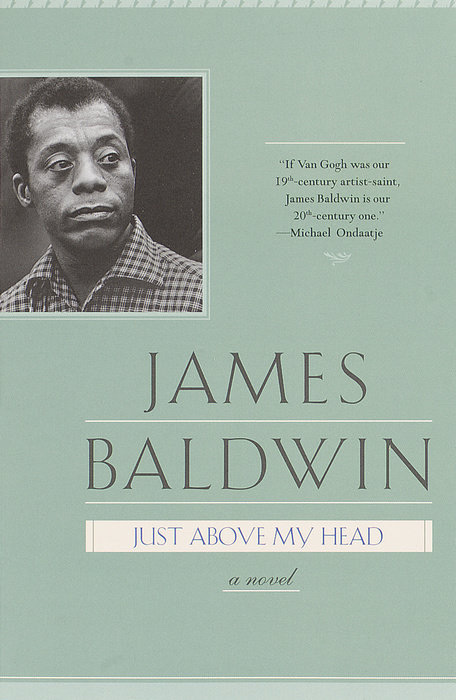 Just Above My Head
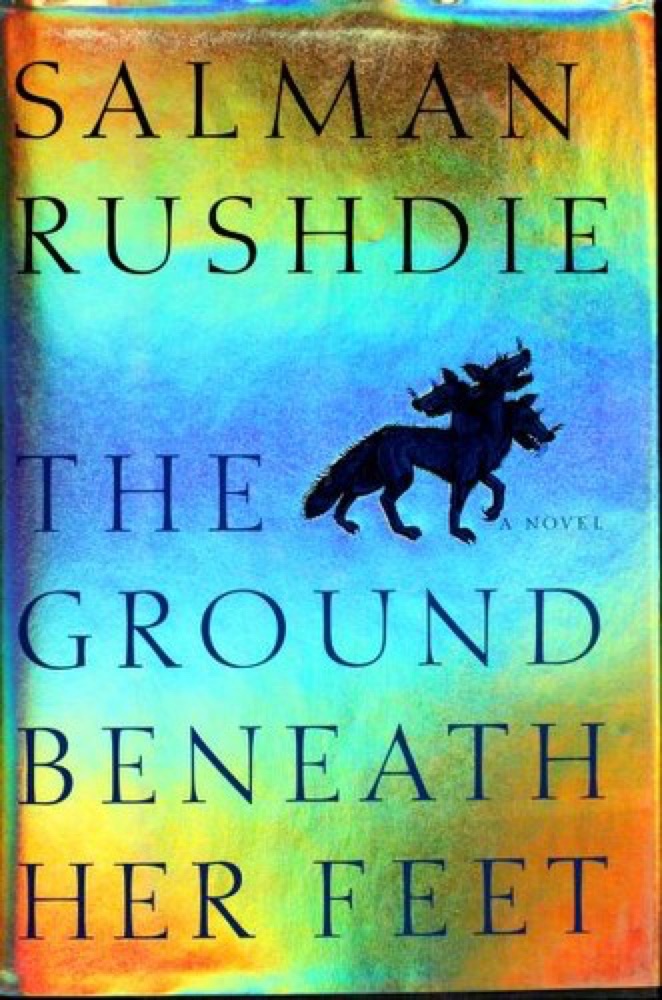 The Ground Beneath Her Feet
 Burnt Sugar
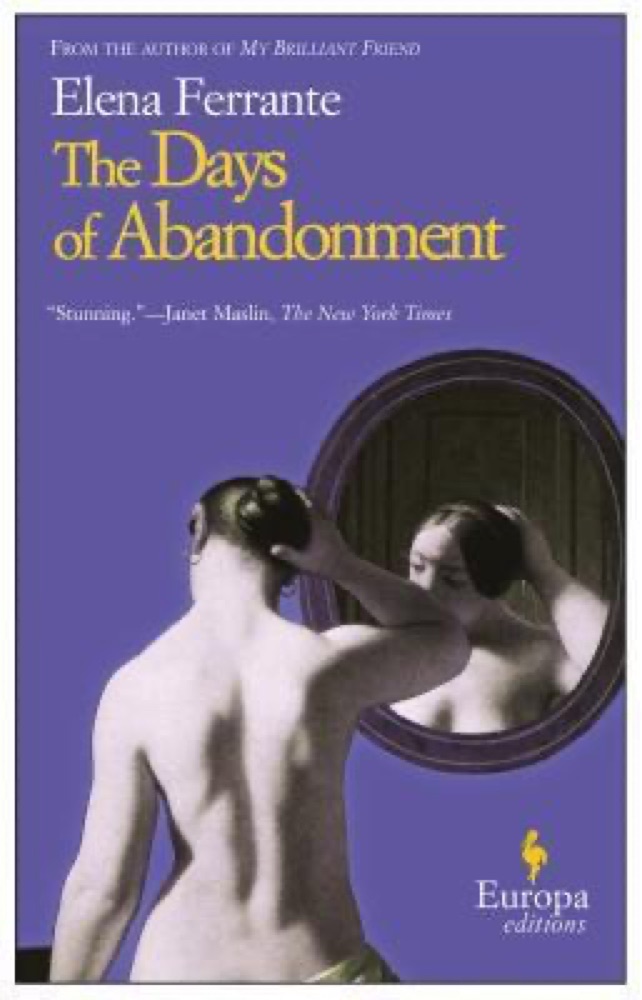 The Days of Abandonment
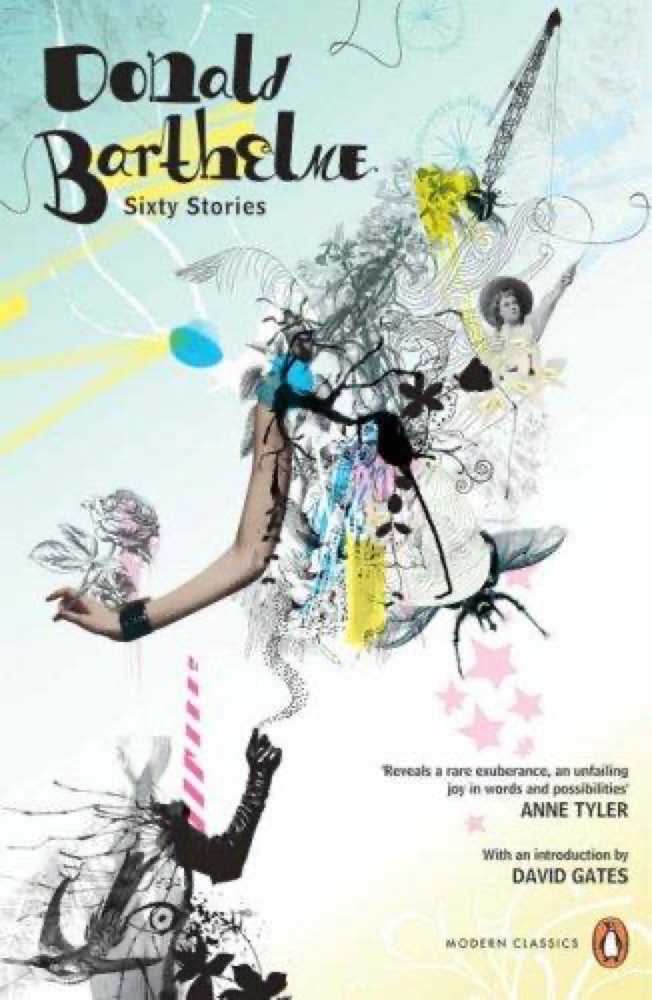 Sixty Stories
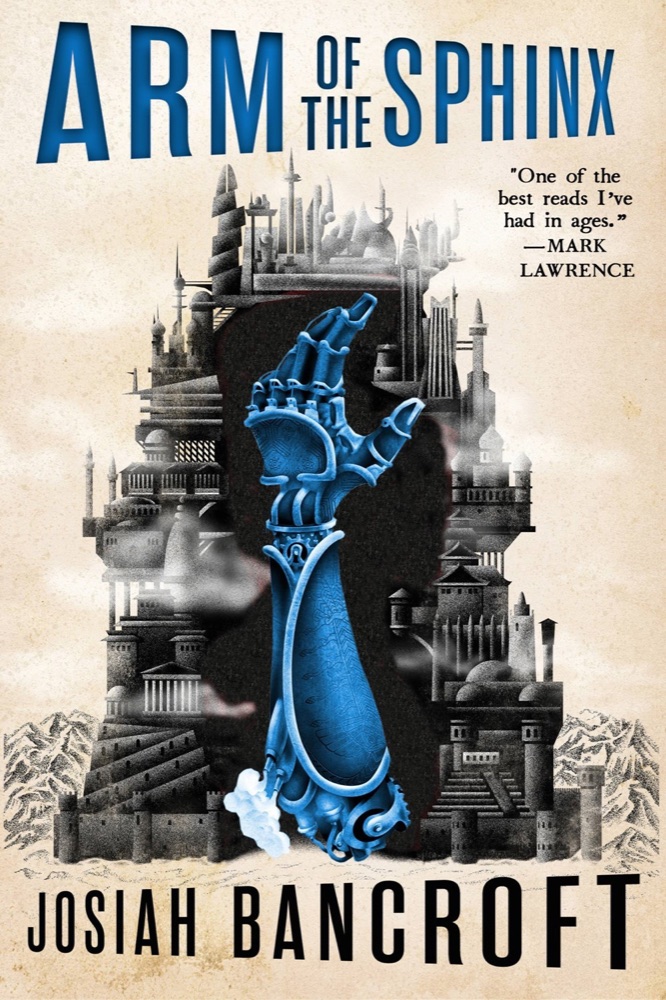 Arm of the Sphinx
 Brief Interviews with Hideous Men
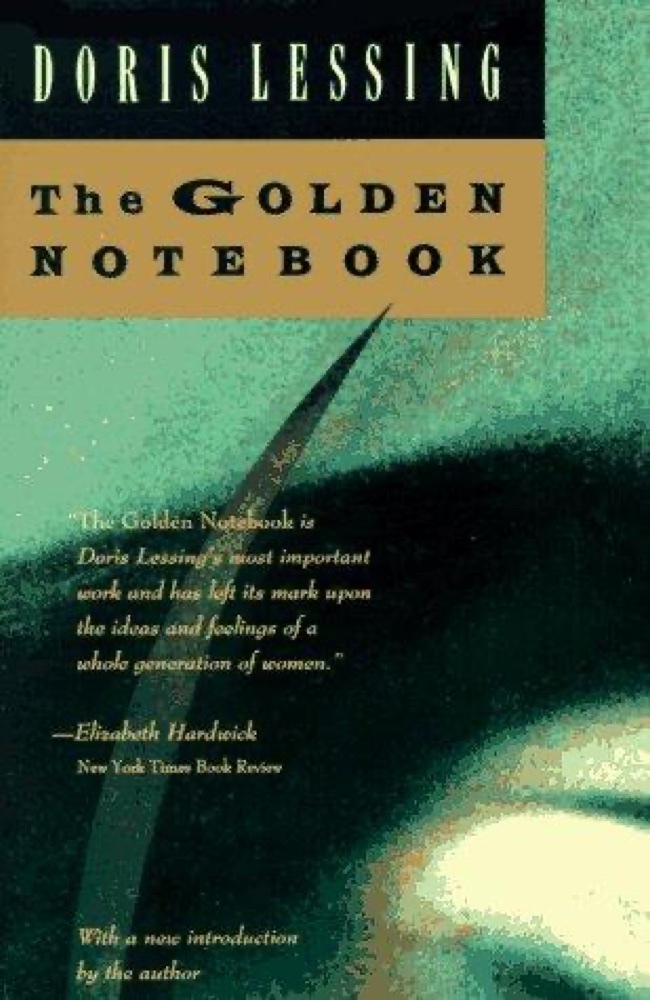 The Golden Notebook
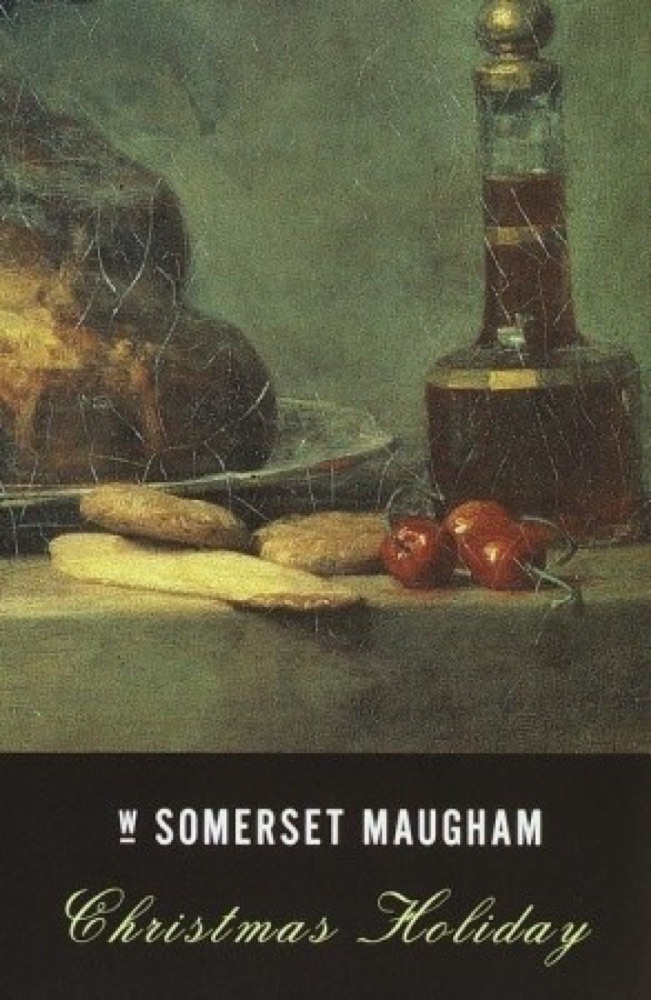 Christmas Holiday
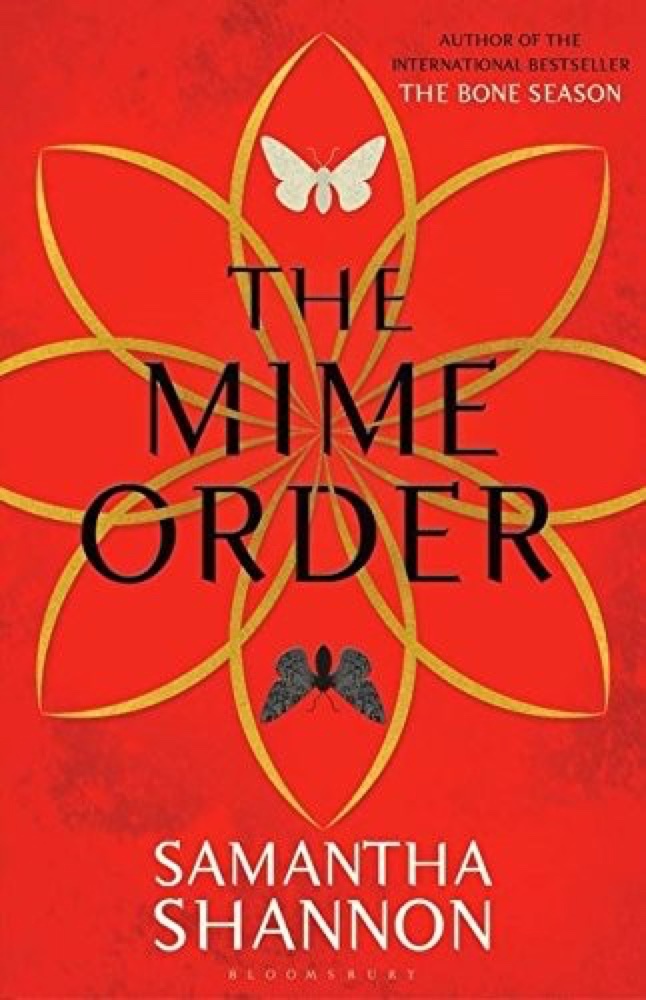 The Mime Order
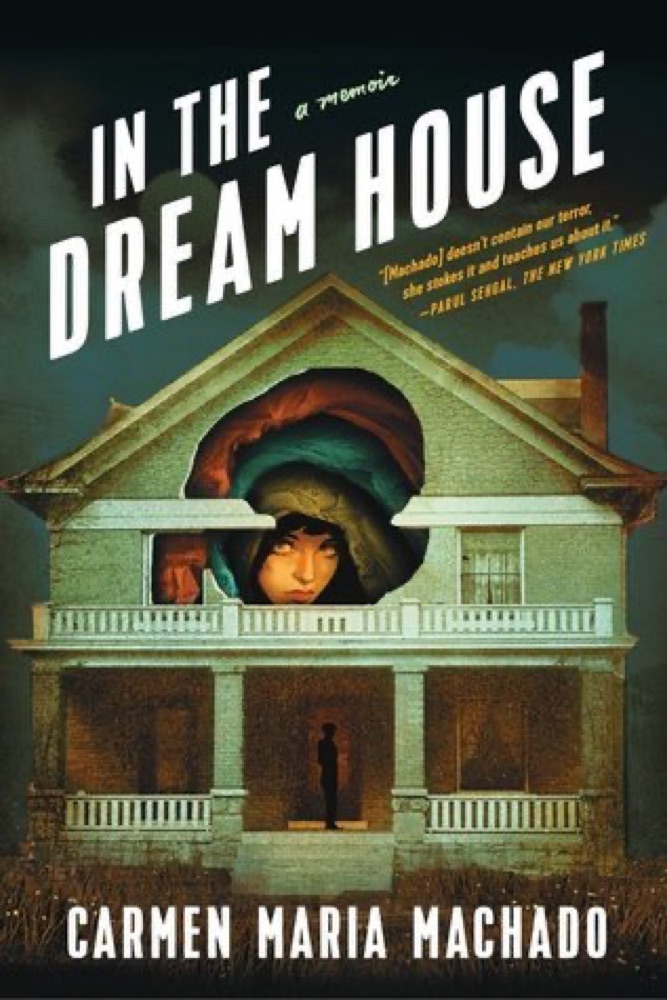 In the Dream House
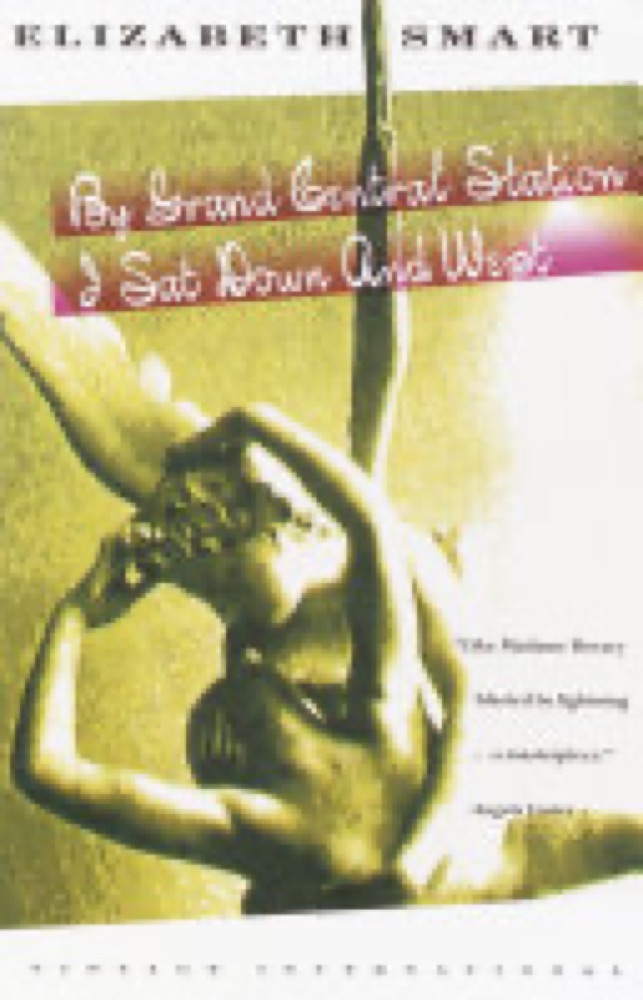 By Grand Central Station I Sat Down and Wept
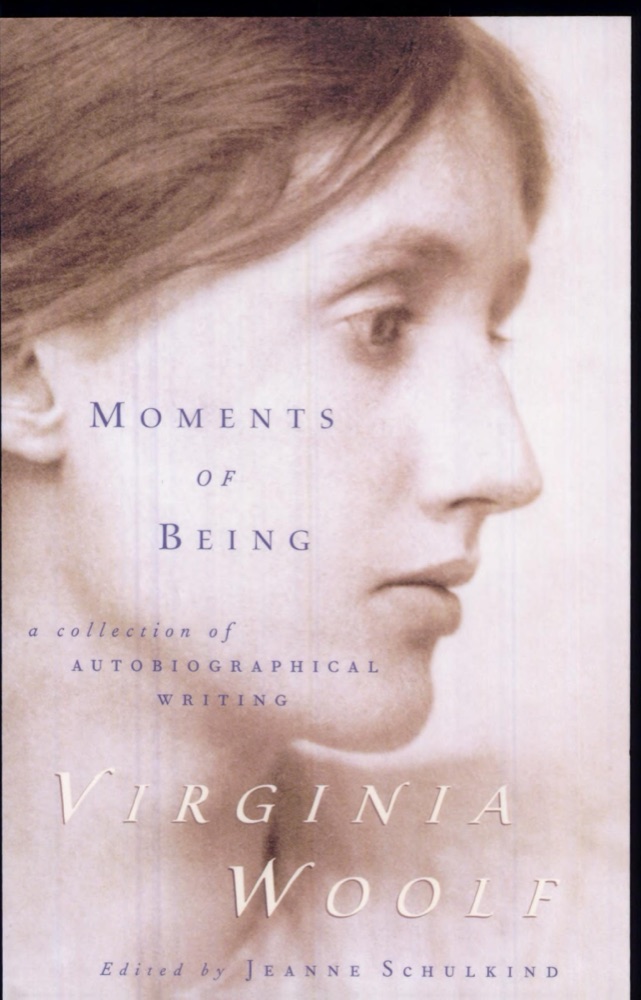 Moments of Being: A Collection of Autobiographical Writing
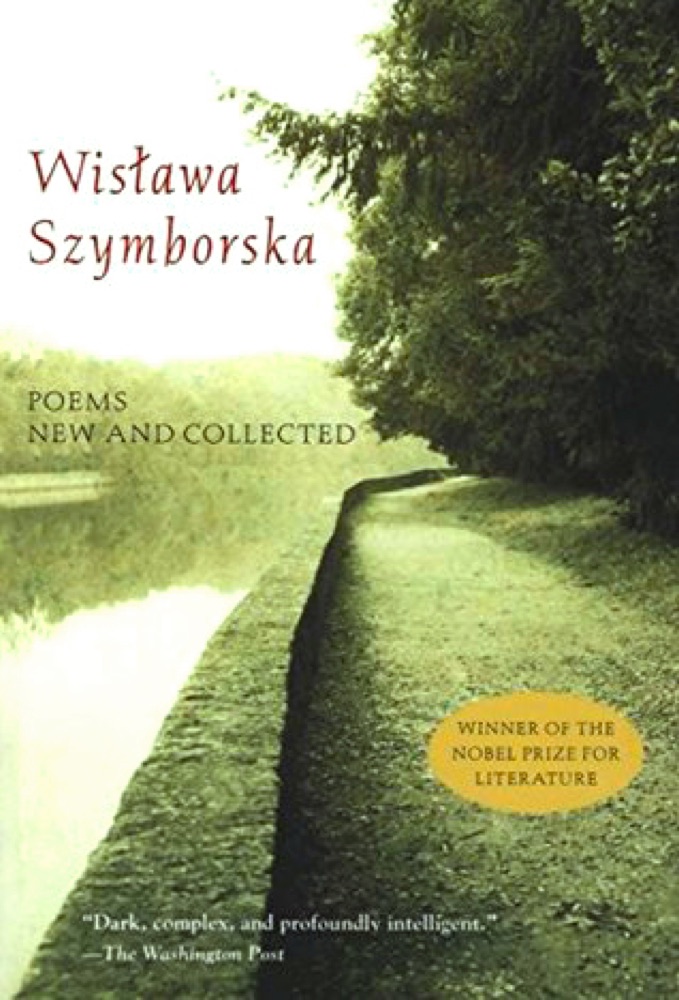 Poems New and Collected
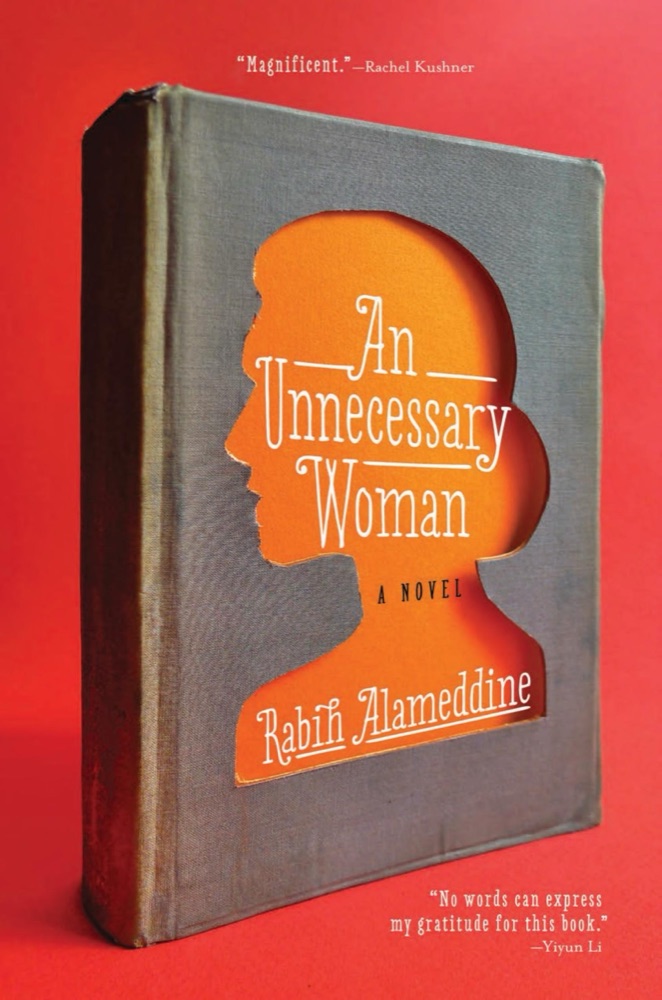 An Unnecessary Woman
 Liberation Day
 House of Chains
 The Little Drummer Girl
 The Secret History
 The Reader
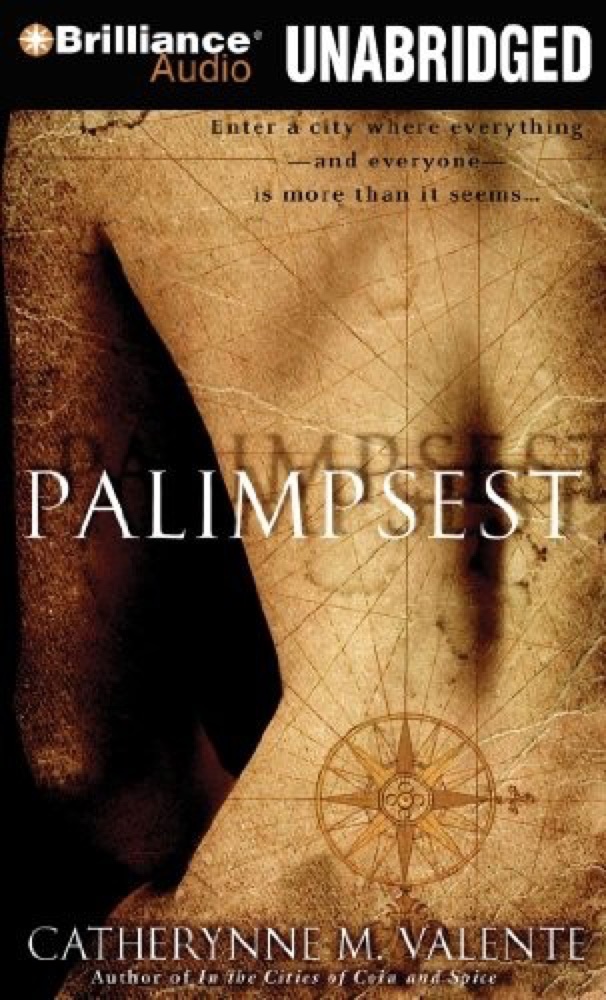 Palimpsest
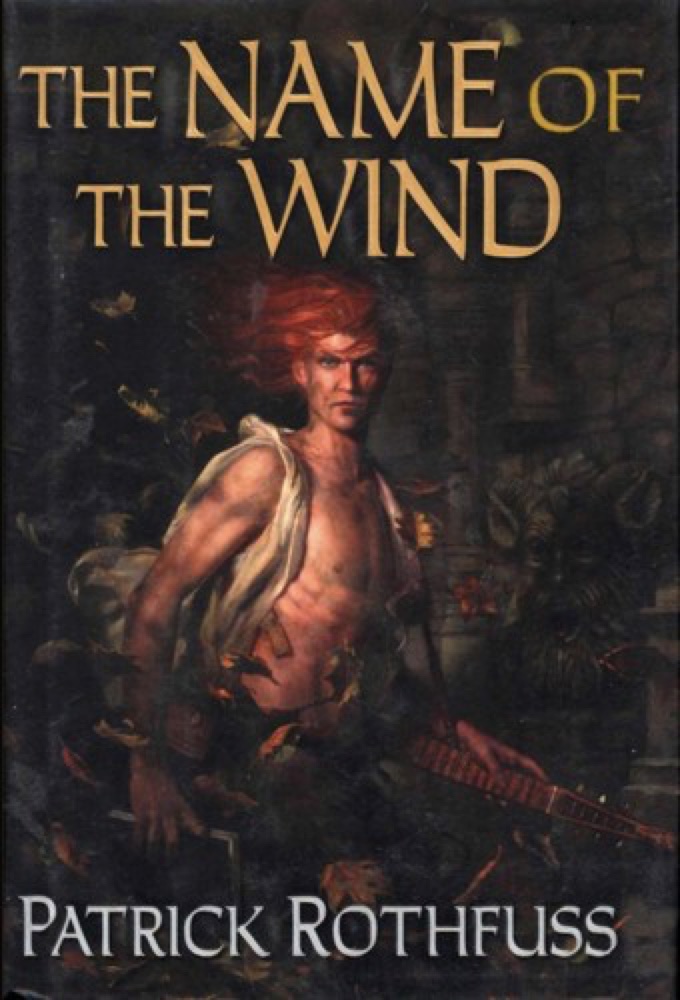 The Name of the Wind
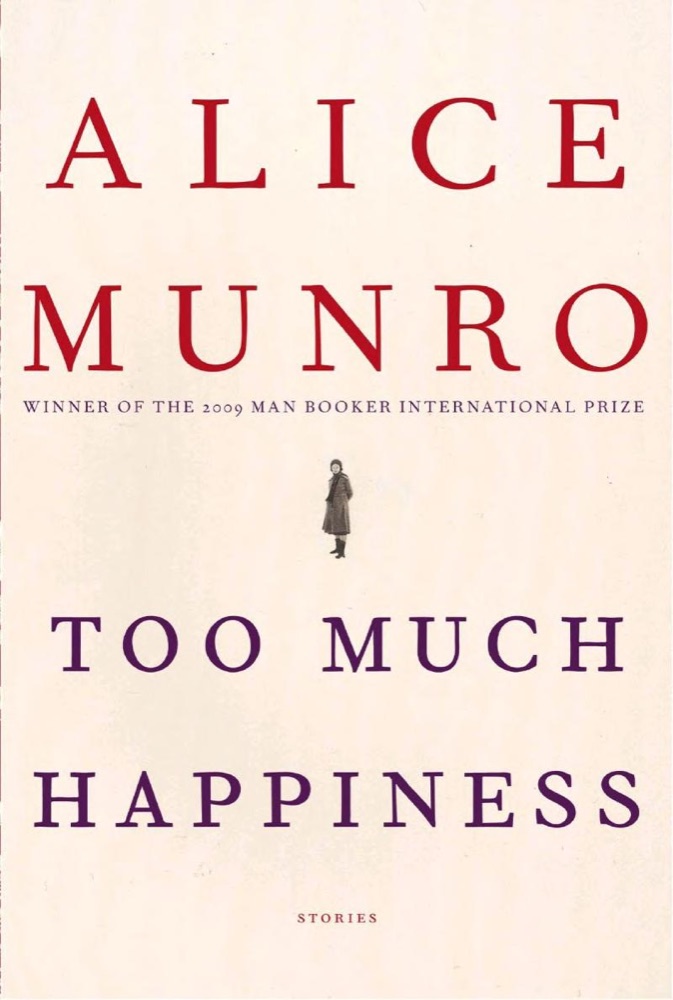 Too Much Happiness: Stories
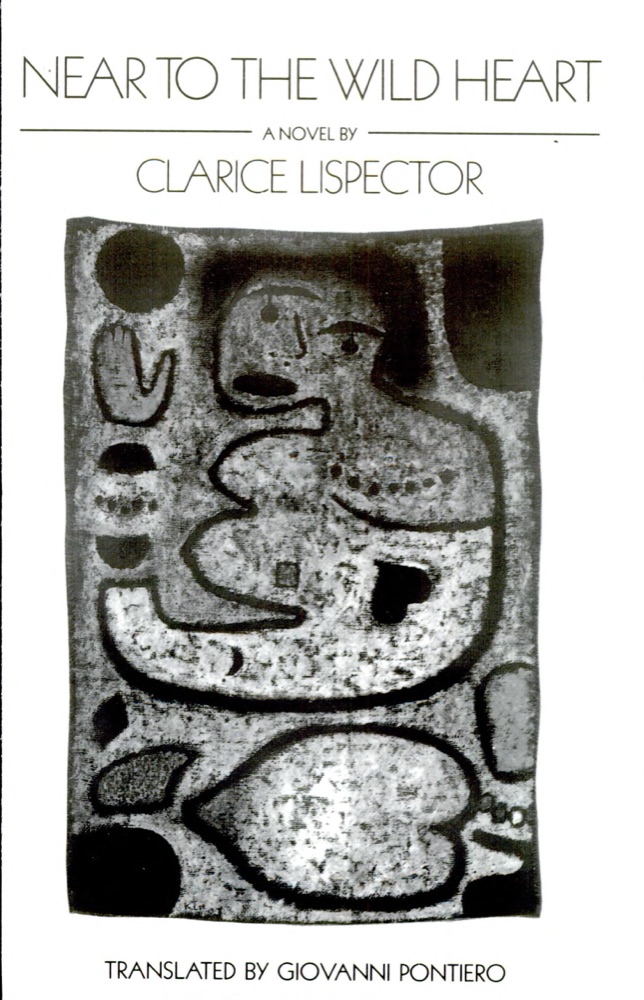 Near to the Wild Heart
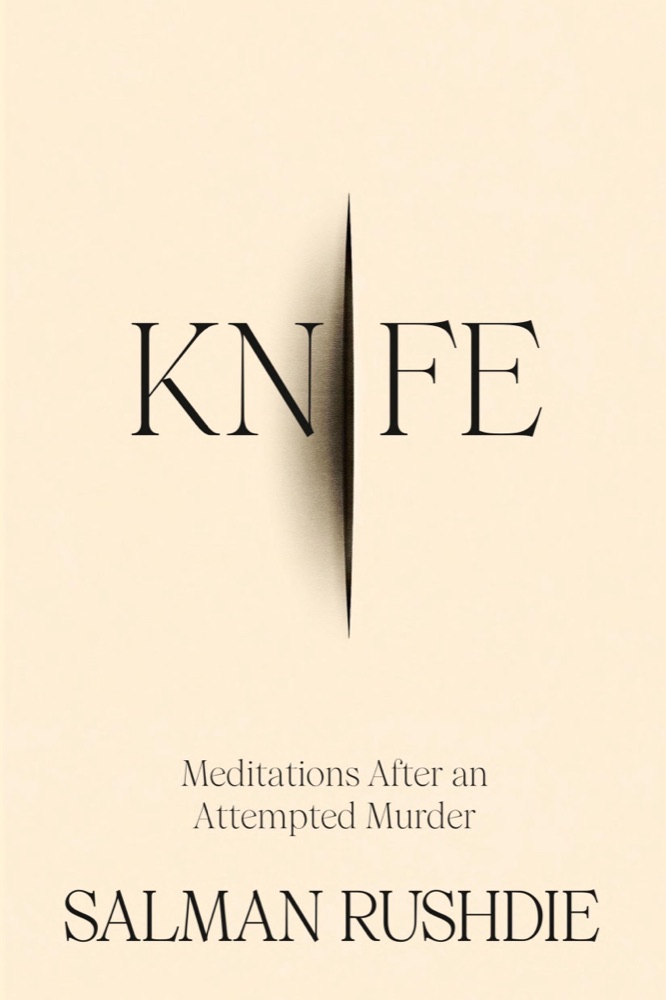 Knife: Meditations After an Attempted Murder
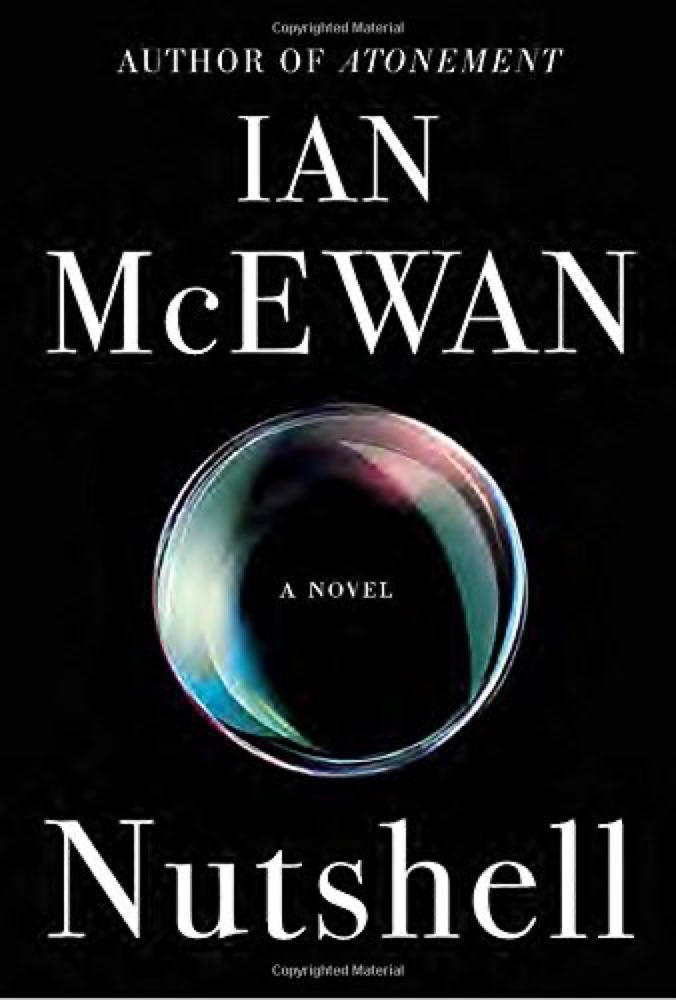 Nutshell
 Johnny Panic and the Bible of Dreams: Short Stories, Prose and Diary Excerpts
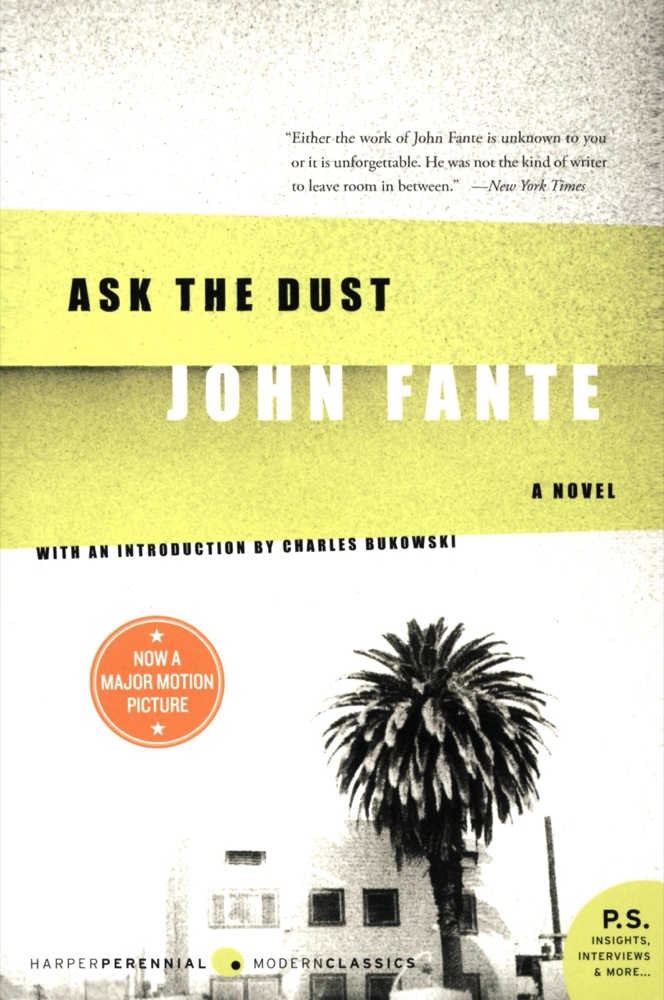 Ask the Dust
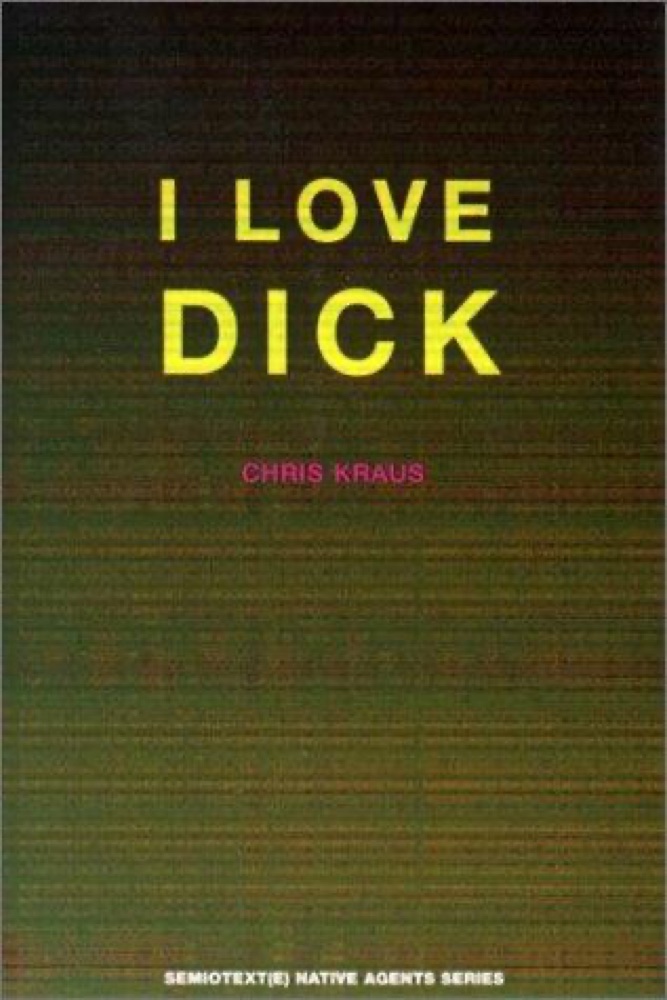 I Love Dick
 The World and Other Places: Stories
 The Hidden Girl and Other Stories
 Those Who Leave and Those Who Stay