
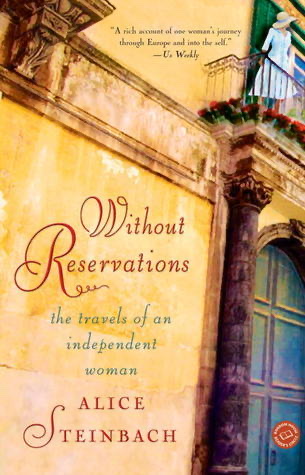
 Without Reservations: The Travels of an Independent Woman
Quotes from the Book
At least as a single woman, I had time to pursue my own interests, read voraciously, and travel when opportunity presented.
I shall be forever grateful to you for breaking whatever unfortunate object you did in order to rescue me.” “Something had to be done, she said, “and it was a very ugly vase.
As we experience things, they happen too quickly to be thoughly analyzed...
I think that as we experience things, they happen too quickly to be thoroughly analyzed.
If you are once sure what you do want, you find that everything else goes down before it like grass under a roller—(all other interests, your own and other people’s. I had
nice, civilized trip to Athens on your way to Santorini when you go?
thought you had liberal views on what women should be allowed to do. It’s not as if I were suggesting joining one of your hideous hunts. I imagine that there aren’t wild animals behind every rock in Turkey waiting to charge at helpless humans.” “I wouldn’t object in principle to your going to Troy, but I will admit that I don’t view you as an adventurous type.” His eyes searched my own. “Beast! You don’t know me at all.” “Would you have the wardrobe?” He was laughing, and I realized he was teasing me. “Isn’t Ephesus in Turkey? Perhaps I could visit there on the same trip. I’ll send you a note from the Temple of Artemis, where I assure you I will not appear in evening clothes.” “I didn’t realize you had an interest in antiquity.” “Philip inspired me.” We had reached the rue de Rivoli and were nearly at the Meurice. “Let’s keep walking; I would like to see the river at night.” We turned away from the hotel and walked until we reached the Pont-Neuf. The air had grown chilly, and I had not worn even a light wrap; Colin stood near me to shield me from the wind blowing over the bridge. “Can you imagine how many people have crossed this bridge?” I asked. “It must be three hundred years old. Do you think that Marie Antoinette ever stood here and looked across the Seine at the city?” “Hardly. I think she would have had a greater appreciation for the views at Versailles.” “We consider this bridge old, but if it were in Athens, would anyone even comment on it? I shouldn’t be impressed with anything less than two thousand years old if I were in Greece.” “Then you would miss some particularly fine Roman ruins, my dear. Why don’t you plan a nice, civilized trip to Athens on your way to Santorini when you go?” “I shall have to see how it fits with my plan to visit Troy.” Colin shook his head and took my arm. I let him guide me back to the hotel, but not before contemplating at some length the pleasure I derived from his standing so close to me. COLIN CALLED ON ME the next afternoon, and I confess I was delighted to see him. I planned to dine in my rooms that evening and invited him to join me. He readily accepted. “What time shall I return?” he asked. “I’ll only need to dress.” “Don’t be silly,” I replied. “We shan’t dress. I ordered a light supper and asked to have it early. It’s only the two of us, and
Happily, as you are not my husband, I do not have to give your opinion more attention than I choose,” I snapped. “Good day, Mr. Hargreaves.
Watch on YouTube
About Tasha Alexander
We have collected 8 quotes from 1 book by Tasha Alexander on BookQuoters.
More about the author →Book details
- Author
- Tasha Alexander
- Genre
- Fiction
- Goodreads rating
- 3.77 (22k ratings) →
Keep reading
Without Reservations: The Travels of an Independent Woman
 A Curious Beginning
 American Wife
 Mansfield Park
 Lillian Boxfish Takes a Walk
 A Perilous Undertaking
 Silent in the Grave
 Crazy Little Thing
 Suddenly Royal
 Rules of Civility
 The Tropic of Serpents
 The Moonstone
 The Adventures of Augie March
 David Copperfield
 The Dud Avocado
 Eleanor Oliphant Is Completely Fine
 Crocodile on the Sandbank
 Excellent Women
 Pride and Prejudice
 Mr. Fox
 In One Person
 The Jewel
 The Mandarins
 The Weed That Strings the Hangman's Bag
 The Hour I First Believed
 Who Could That Be at This Hour?
 Out Stealing Horses
 The Story of a New Name
 Just One Damned Thing After Another
 The Pearl Thief
 She's Come Undone
 The Beginning of Everything
 When Did You See Her Last?
 Conversations with Friends
 A Fraction of the Whole
 My Unfair Godmother
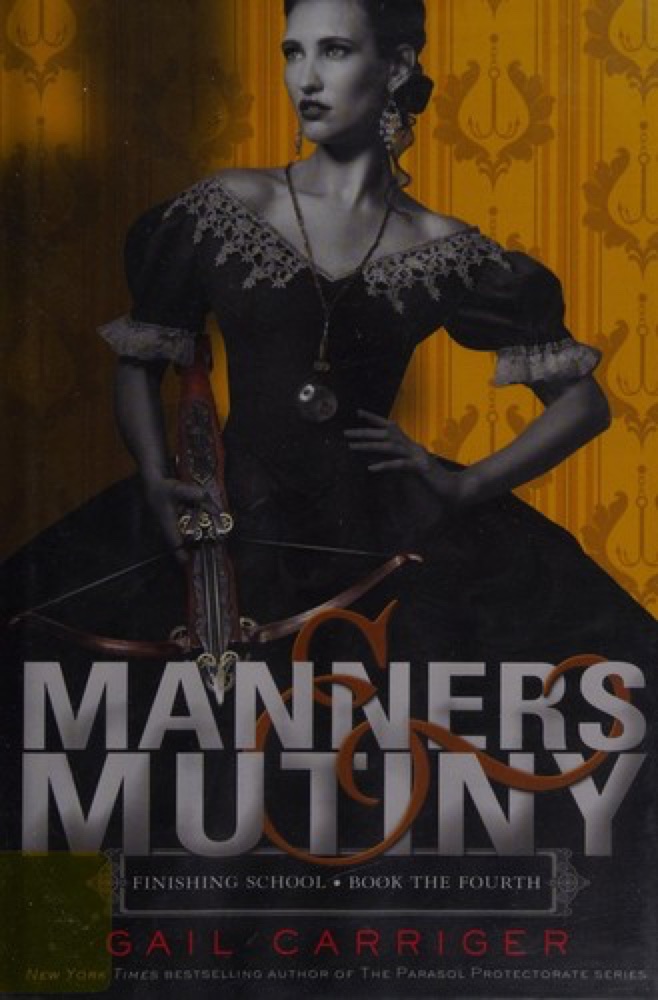 Manners & Mutiny
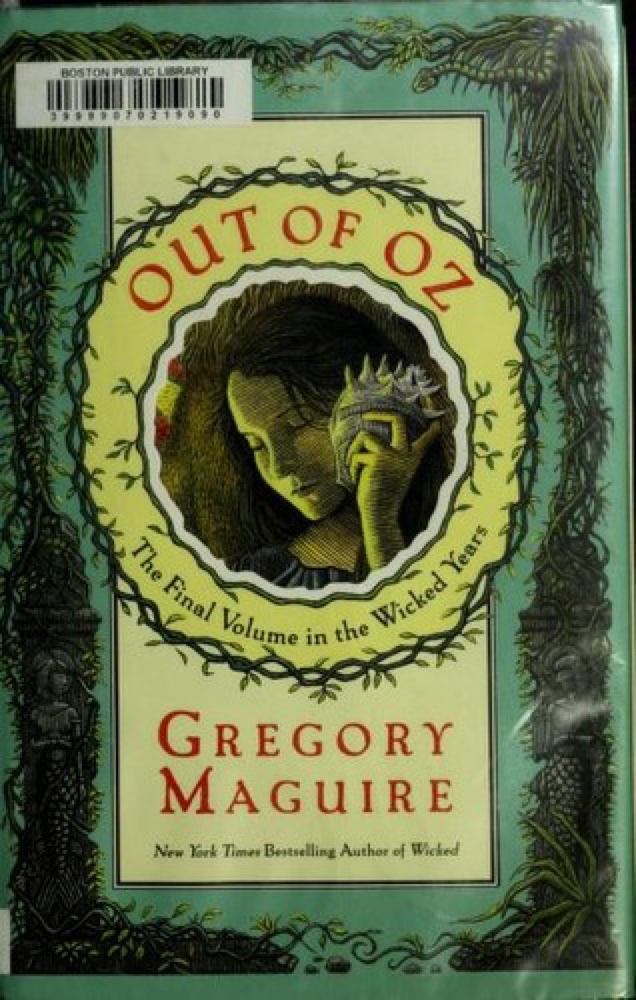 Out of Oz
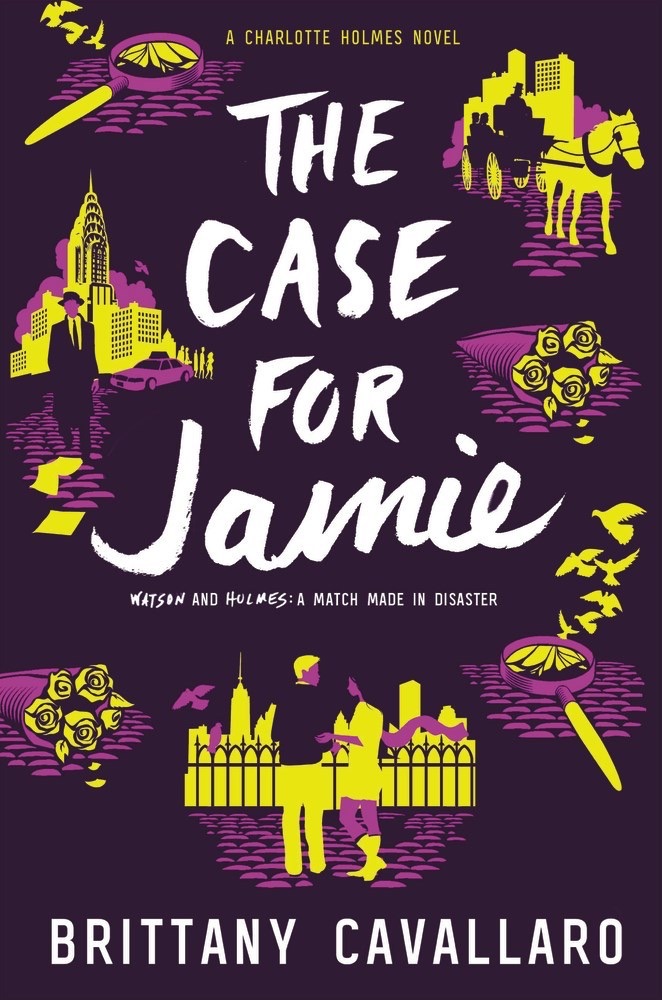 The Case for Jamie
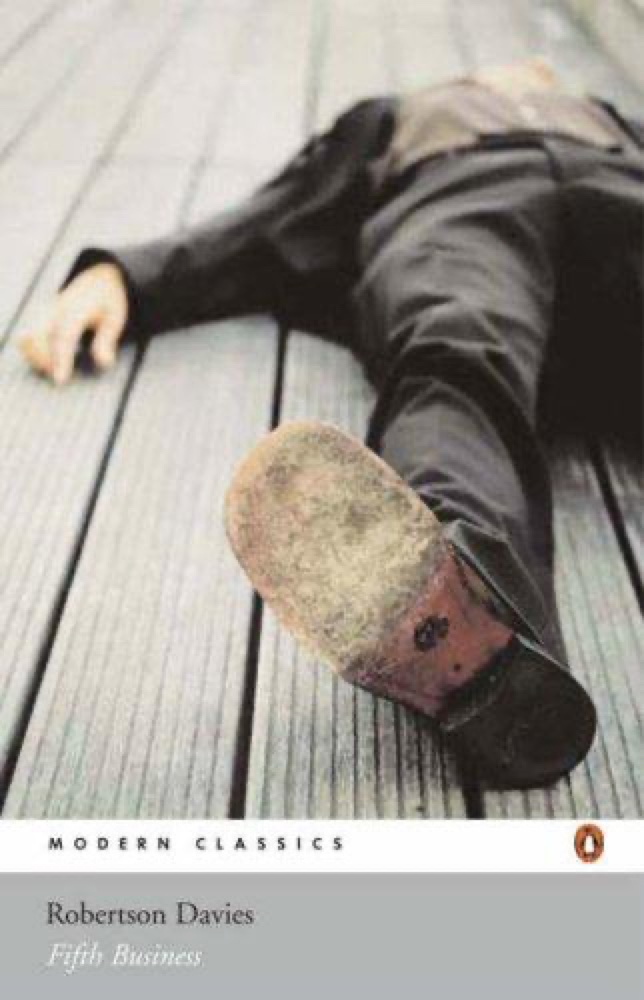 Fifth Business
 The Illustrated Man
 All the Ugly and Wonderful Things
 Brazzaville Beach
 Fragments
 Mechanica
 The Turn of the Screw
 The Remains of the Day
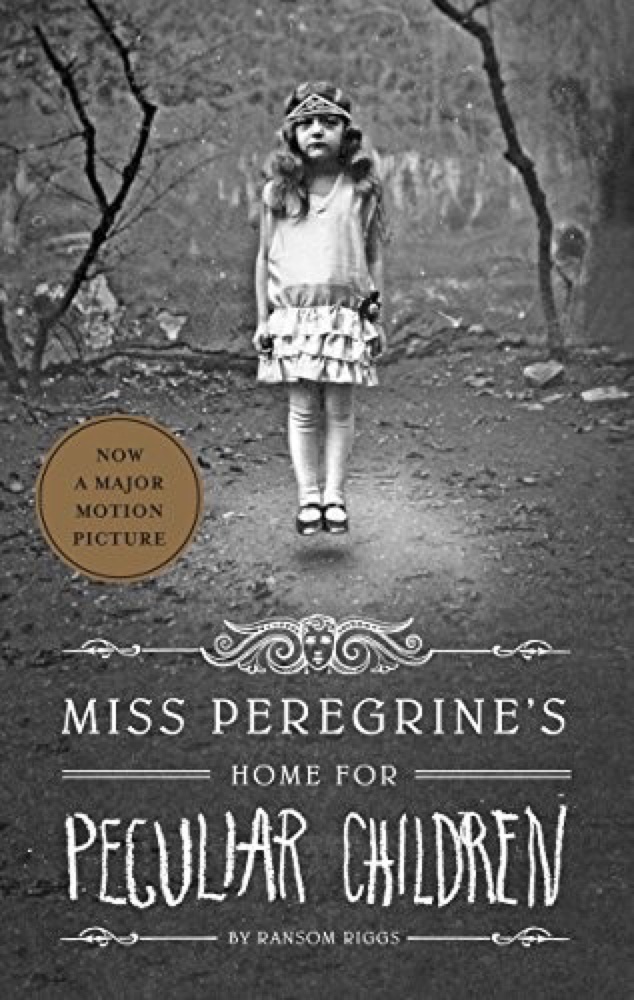 Miss Peregrine’s Home for Peculiar Children
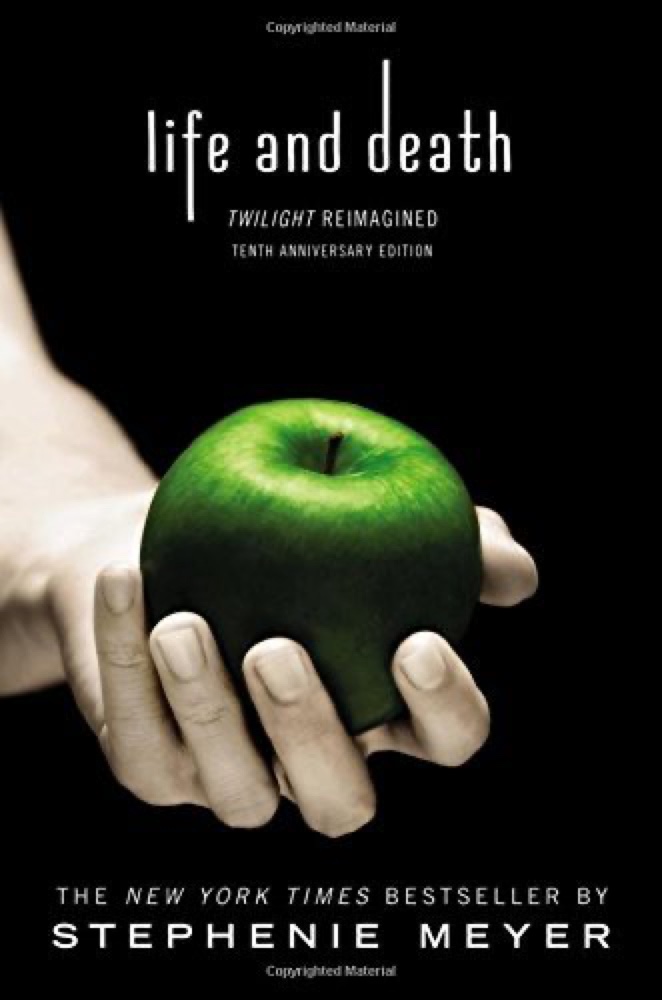 Twilight / Life and Death
 Sorcery & Cecelia: or The Enchanted Chocolate Pot
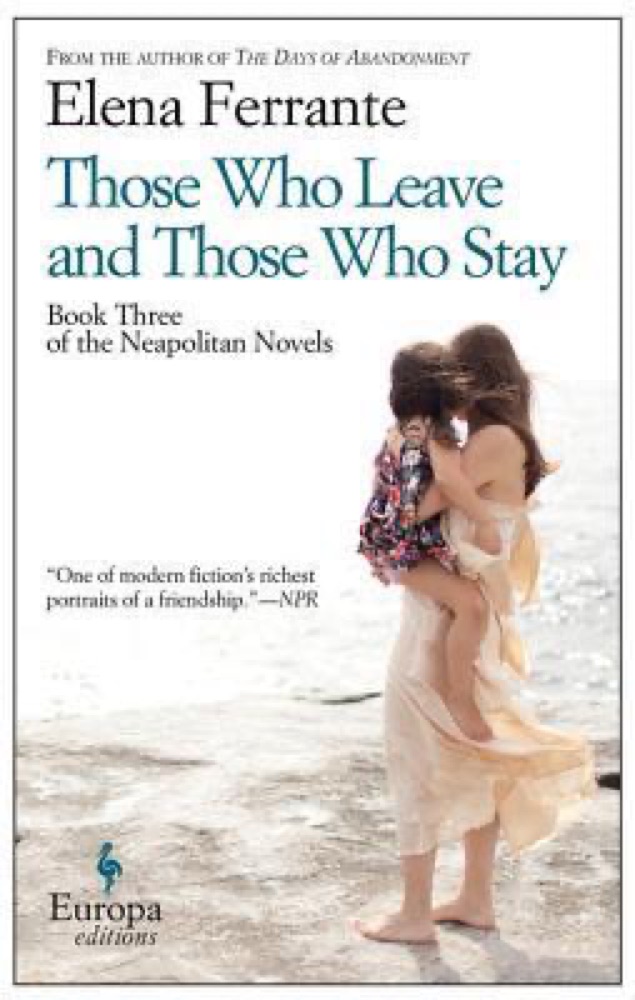 Those Who Leave and Those Who Stay
 Corrupt
 The Go-Between
 The Portable Dorothy Parker
 Shades of Grey
 The Blindfold
 A Thousand Acres
 The Shadow Land
 Needful Things