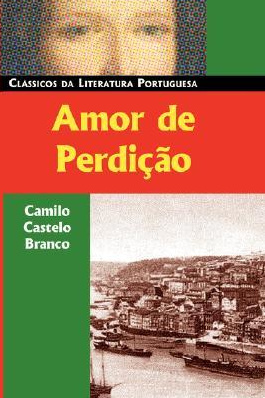
“Se viveres, um dia serás livre; a pedra do sepulcro é que nunca se levanta.”
― Camilo Castelo Branco, quote from Amor de Perdição
“A verdade é algumas vezes o escolho de um romance.
Na vida real recebemo-la como ela sai dos encontrados casos ou da lógica
implacável das coisas; mas, na novela, custa-nos a sofrer que o autor, se inventa, não invente melhor; e, se copia, não minta por amor da arte.
Um romance que estriba na verdade o seu merecimento é frio, é impertinente, é uma coisa que não sacode os nervos, nem tira a gente, sequer uma
temporada, enquanto ele nos lembra, deste jogo de nora, cujos alcatruzes somos, uns a subir, outros a descer, movidos pela manivela do egoísmo.
A verdade! Se ela é feia, para que oferecê-la em painéis ao público!?
A verdade do coração humano! Se o coração humano tem filamentos de
ferro que o prendem ao barro donde saiu, ou pesam nele e o submergem no charco da culpa primitiva, para que é emergi-lo, retratá-lo e pô-lo à venda!?
Os reparos são de quem tem o juízo no seu lugar; mas, pois que eu perdi o
meu a estudar a verdade, já agora a desforra que tenho é pintá-la como ela é, feia e repugnante.
A desgraça afervora ou quebranta o amor?
Isto é que eu submeto à decisão do leitor inteligente. Fatos e não teses é o
que eu trago para aqui. O pintor retrata uns olhos, e não explica as funções ópticas do aparelho visual.”
― Camilo Castelo Branco, quote from Amor de Perdição
“O pão do trabalho de cada dia e o teu seio para pousar uma hora a face, pura de manchas: não pedi mais nada ao Céu. Achei-me homem aos dezasseis anos. Vi a virtude à luz do teu amor. Cuidei que era santa a paixão que absorvia todas as outras, ou as depurava com o seu fogo sagrado. Nunca os meus pensamentos foram denegridos por um desejo, que eu não possa confessar alto diante de todo o mundo. Diz tu, Teresa, se meus lábios profanaram a pureza de teus ouvidos. Pergunta a Deus quando quis eu fazer do meu amor o teu opróbrio.”
― Camilo Castelo Branco, quote from Amor de Perdição
“Não deve custar a morte a quem tiver o coração tranquilo. O pior é a saudade, saudade daquelas esperanças que tu achavas no meu coração.”
― Camilo Castelo Branco, quote from Amor de Perdição
“O coração é a víscera, ferida de paralisia, a primeira que falece sufocada pelas rebeliões da alma que se identifica à natureza, e a quer, e se devora na ânsia dela, e se estorce nas agonias da amputação, para as quais a saudade da ventura extinta é um cautério em brasa; e o amor, que leva ao abismo pelo caminho da sonhada felicidade, não é sequer um refrigério.”
― Camilo Castelo Branco, quote from Amor de Perdição


Camilo Castelo Branco
Born place: in Lisbon, Portugal
Born date March 16, 1825
See more on GoodReads
“When I was young, a child never asked questions of his elders," Claire Deverill said.
"Was that before or after the First World War?" Matt asked.”
― Anthony Horowitz, quote from Raven's Gate
“The “one that got away” was supposed to stay away, not come back and leave you all over again.”
― Penelope Ward, quote from Stepbrother Dearest
“Or maybe he just rediscovered his humanity,” Niten said quietly. “Maybe someone reminded him that he is human first, immortal second.”
“You said as if you are speaking from personal experience,” Perenelle said.”
“I am,” he said softly. “There was a time when I was . . . wild.”
“What happened?”
He smiled. “I met a redheaded Irish warrior.”
“And fell in love?” she teased.
“I didn’t say that.”
“You didn’t have to.”
― Michael Scott, quote from The Enchantress
“The pleasure isn't in owning the person. The pleasure is this. Having another contender in the room with you.”
― Philip Roth, quote from The Human Stain
“Logan Quinn was the kind of guy who could stab me in the eye with a freaking Twizzler.”
― Jennifer Estep, quote from Touch of Frost

 Winter's Heart
 Disney after Dark
 Struck By Lightning:...
 Best Served Cold
 Death and the Dervis...
 Nine Princes in Ambe...
BookQuoters is a community of passionate readers who enjoy sharing the most meaningful, memorable and interesting quotes from great books. As the world communicates more and more via texts, memes and sound bytes, short but profound quotes from books have become more relevant and important. For some of us a quote becomes a mantra, a goal or a philosophy by which we live. For all of us, quotes are a great way to remember a book and to carry with us the author’s best ideas.
We thoughtfully gather quotes from our favorite books, both classic and current, and choose the ones that are most thought-provoking. Each quote represents a book that is interesting, well written and has potential to enhance the reader’s life. We also accept submissions from our visitors and will select the quotes we feel are most appealing to the BookQuoters community.
Founded in 2023, BookQuoters has quickly become a large and vibrant community of people who share an affinity for books. Books are seen by some as a throwback to a previous world; conversely, gleaning the main ideas of a book via a quote or a quick summary is typical of the Information Age but is a habit disdained by some diehard readers. We feel that we have the best of both worlds at BookQuoters; we read books cover-to-cover but offer you some of the highlights. We hope you’ll join us.
