 The Complete Short Stories
Quotes from the Book
Maybe...you'll fall in love with me all over again." "Hell," I said, "I love you enough now. What do you want to do? Ruin me?" "Yes. I want to ruin you." "Good," I said. "That's what I want too.
If people bring so much courage to this world the world has to kill them to break them, so of course it kills them. The world breaks every one and afterward many are strong at the broken places. But those that will not break it kills. It kills the very good and the very gentle and the very brave impartially. If you are none of these you can be sure it will kill you too but there will be no special hurry.
The world breaks every one and afterward many are strong at the broken places.
I’m not brave any more darling. I’m all broken. They’ve broken me.
And you'll always love me won't you? Yes And the rain won't make any difference? No
But life isn't hard to manage when you've nothing to lose.
When you love you wish to do things for. You wish to sacrifice for. You wish to serve.
No, that is the great fallacy: the wisdom of old men. They do not grow wise. They grow careful.
I know the night is not the same as the day: that all things are different, that the things of the night cannot be explained in the day, because they do not then exist, and the night can be a dreadful time for lonely people once their loneliness has started.
Often a man wishes to be alone and a girl wishes to be alone too and if they love each other they are jealous of that in each other, but I can truly say we never felt that. We could feel alone when we were together, alone against the others. But we were never lonely and never afraid when we were together.
Why, darling, I don't live at all when I'm not with you.
God knows I had not wanted to fall in love with her. I had not wanted to fall in love with any one. But God knows I had and I lay on the bed in the room of the hospital in Milan and all sorts of things went through my head but I felt wonderful...
I'm not unfaithful, darling. I've plenty of faults but I'm very faithful. You'll be sick of me I'll be so faithful.
The coward dies a thousand deaths, the brave but one'.... (The man who first said that) was probably a coward.... He knew a great deal about cowards but nothing about the brave. The brave dies perhaps two thousand deaths if he's intelligent. He simply doesn't mention them.
Oh, darling, you will be good to me, won’t you? Because we’re going to have a strange life.
You know I don't love any one but you. You shouldn't mind because some one else loved me.
Wine is a grand thing," I said. "It makes you forget all the bad.
Keep right on lying to me. That's what I want you to do.
When I saw her I was in love with her. Everything turned over inside of me. She looked toward the door, saw there was no one, then she sat on the side of the bed and leaned over and kissed me.
Cowards die a thousand deaths, but the brave only die once.
That night at the hotel, in our room with the long empty hall outside and our shoes outside the door, a thick carpet on the floor of the room, outside the windows the rain falling and in the room light and pleasant and cheerful, then the light out and it exciting with smooth sheets and the bed comfortable, feeling that we had come home, feeling no longer alone, waking in the night to find the other one there, and not gone away; all other things were unreal. We slept when we were tired and if we woke the other one woke too so one was not alone. Often a man wishes to be alone and a girl wishes to be alone too and if they love each other they are jealous of that in each other, but I can truly say we never felt that. We could feel alone when we were together, alone against the others ... But we were never lonely and never afraid when we were together. I know that the night is not the same as the day: that all things are different, that the things of the night cannot be explained in the day, because they do not then exist, and the night can be a dreadful time for lonely people once their loneliness has started. But with Catherine there was almost no difference in the night except that it was an even better time. If people bring so much courage to the world the world has to kill them to break them, so of course it kills them. The world breaks every one and afterward many are strong at the broken places. But those that will not break it kills. It kills the very good and the very gentle and the very brave impartially. If you are none of these you can be sure it will kill you too but there will be no special hurry.
The world breaks everyone and afterward many are strong at the broken places. But those that will not break it kills. It kills the very good and the very gentle and the very brave impartially. If you are none of these you can be sure it will kill you too but there will be no special hurry.
There isn't any me. I'm you. Don't make up a separate me.
You won't do our things with another girl, or say the same things, will you?
My life used to be full of everything. Now if you aren't with me I haven't a thing in the world.
I had gone to no such place but to the smoke of cafes and nights when the room whirled and you needed to look at the wall to make it stop, nights in bed, drunk, when you knew that that was all there was, and the strange excitement of waking and not knowing who it was with you, and the world all unreal in the dark and so exciting that you must resume again unknowing and not caring in the night, sure that this was all and all and all and not caring.
It could be worse,' Passini said respectfully. "There is nothing worse than war." Defeat is worse." I do not believe it," Passini said still respectfully. "What is defeat? You go home.
Did you know?
- The novel was first published in 1929 by Charles Scribner's Sons.
- It draws on Hemingway's own service as an ambulance driver on the Italian front during World War I.
- Hemingway reportedly rewrote the ending of the novel dozens of times before he was satisfied.
- The story's central retreat is based on the historical Italian rout at the Battle of Caporetto.
- It was Hemingway's first best-selling novel.
About Ernest Hemingway
Ernest Hemingway (1899-1961) was an American novelist and short-story writer whose economical, understated prose profoundly influenced twentieth-century fiction. He served as an ambulance driver in Italy during World War I, an experience that informed A Farewell to Arms, and was awarded the Nobel Prize in Literature in 1954.
More about the author →More by Ernest Hemingway
All books by Ernest Hemingway →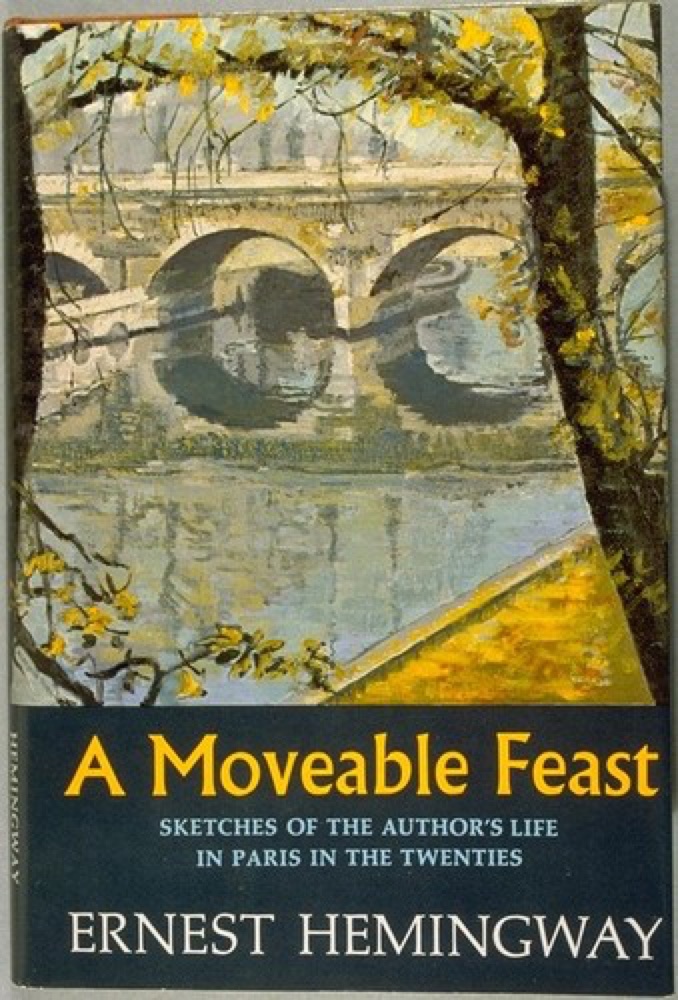
About the book
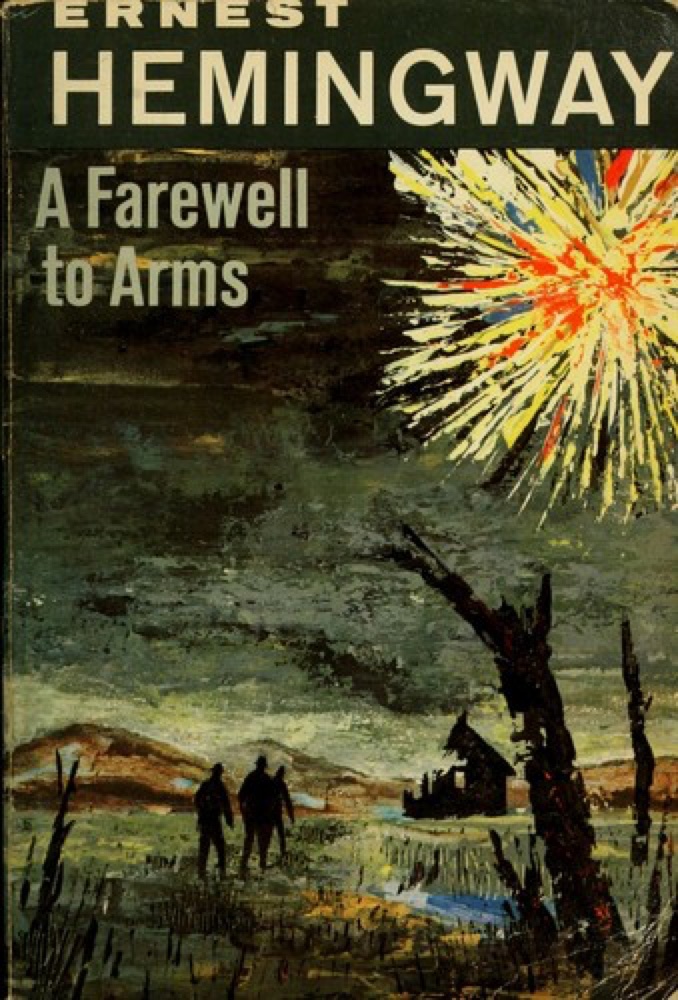
A Farewell to Arms, published in 1929, is Ernest Hemingway's novel of the First World War, narrated by Frederic Henry, an American serving as a lieutenant in the ambulance corps of the Italian army. On the Italian front he meets Catherine Barkley, an English nurse, and their romance deepens as Henry is wounded, recovers, and is caught up in the chaos of the Italian retreat from Caporetto. Drawing on Hemingway's own service as an ambulance driver in Italy, the book is a semi-autobiographical account of love and survival amid the collapse of an army.
The novel is a landmark of anti-war literature, set against the demoralized soldiers marching in the rain during the German-Austrian attack at Caporetto. It weighs loyalty against desertion and love against violence, dramatizing how private happiness is overtaken by the inexorable sweep of war. Hemingway's spare, understated prose, built on plain declarative sentences and restrained emotion, became a defining model of the modern American style.
A Farewell to Arms was Hemingway's first best-seller and cemented his reputation as a major modern writer. Famous for the discipline of its craft, Hemingway is said to have rewritten the ending many dozens of times to get the prose exactly right. The book has remained one of the most enduring novels to come out of the First World War.
Key characters
- Frederic HenryAmerican lieutenant in the Italian army's ambulance corps and the novel's narrator
- Catherine BarkleyEnglish nurse who becomes Henry's love
- RinaldiArmy surgeon and Henry's close friend
- The PriestArmy chaplain who talks with Henry about faith and war
- Helen FergusonNurse and friend of Catherine
- Count GreffiElderly nobleman Henry meets while on leave
Book details
- First published
- 1929
- Length
- 355 pages
- Reading time
- 9 hours
- Author
- Ernest Hemingway
- Genre
- Classics
- Goodreads rating
- 3.82 (363k ratings) →
- First line
- “In the late summer of that year we lived in a house in a village that looked across the river and the plain to the mountains.”
Movie & TV adaptations
- IMDb
- IMDb
If you liked this, read…
- 1All Quiet on the Western FrontAnother major novel of disillusionment and the human cost of World War I
- 2The Sun Also RisesHemingway's earlier novel of the disillusioned post-war 'Lost Generation'
- 3For Whom the Bell TollsHemingway's later war novel pairing love and combat, set in the Spanish Civil War
Keep reading
 Horde
Horde
 Requiem
 The Women of Chateau Lafayette
 Mother Night
 I Wrote This For You
 I Fell in Love With Hope
 The Broken Eye
 The Heart of Betrayal
 Trust: Betrayed
 I'll Be Seeing You
 Delirium
 Norwegian Wood
 Impulse
 The Magus
 Allegiant
 Gone with the Wind
 The Kindly Ones
 Numbers
 A Lady for a Duke
 Great Expectations
 No One Belongs Here More Than You
 Immortal
 I Was Here
 Cerulean Sins
 Forbidden
 Killbox
 Unmade
 Love Is a Dog from Hell
 Before Ever After
 Lovely War
 The Young Elites
 The Bone Season
 An Artificial Night
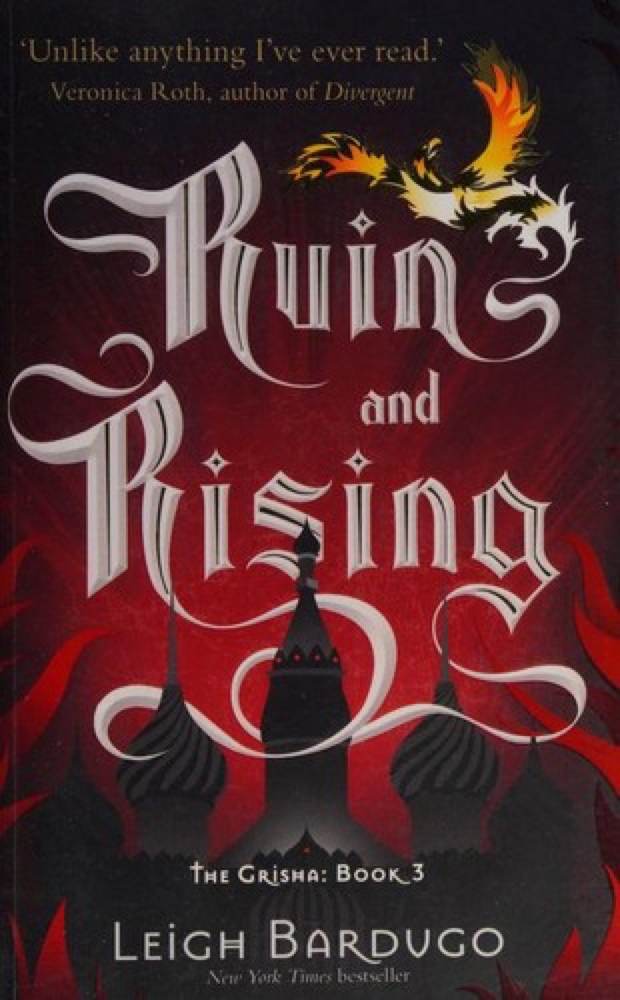 Ruin and Rising
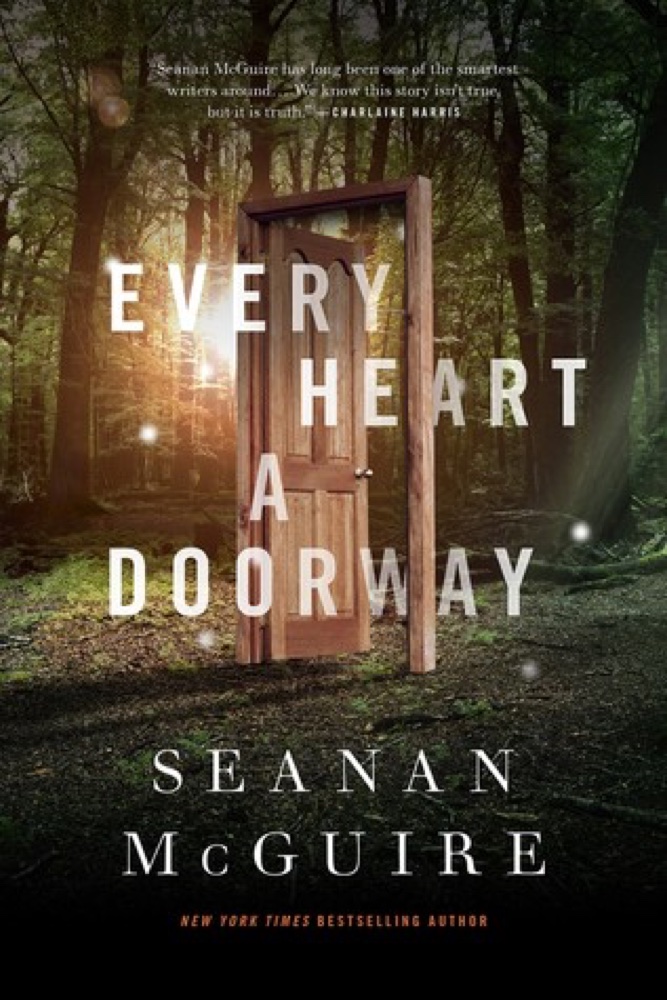 Every Heart a Doorway
 This Side of Paradise
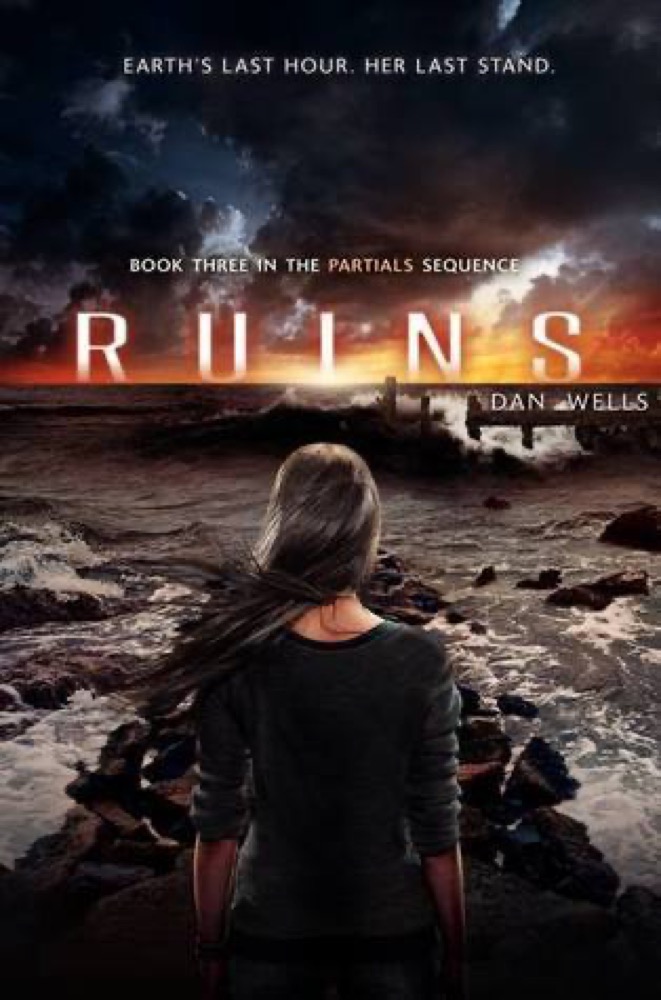 Ruins
Ruins
 Only for You
 The 5th Wave
 In the Lives of Puppets
 The Bone Maker
 In The Afterlight
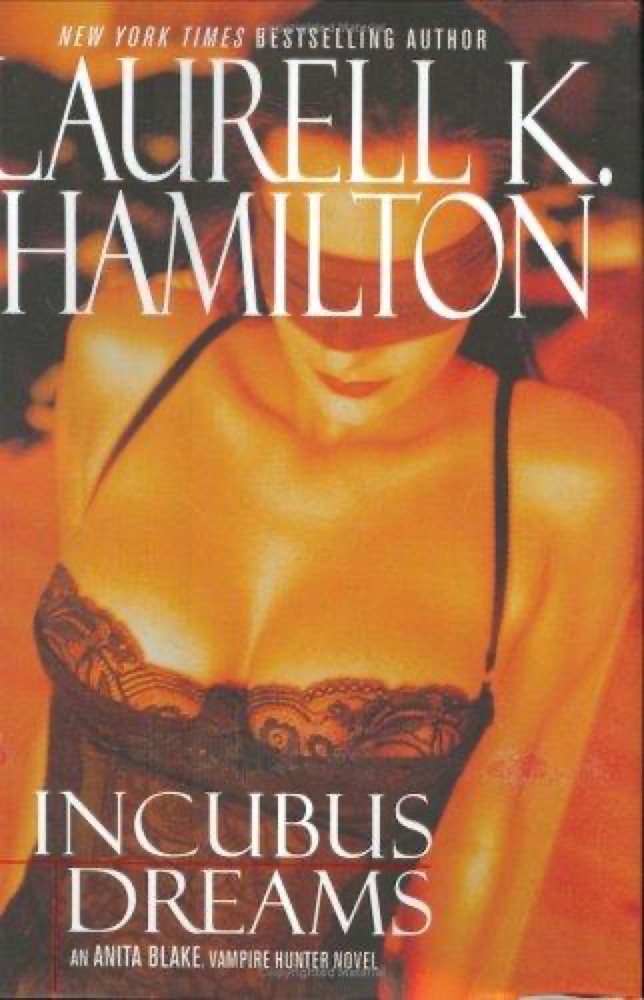 Incubus Dreams
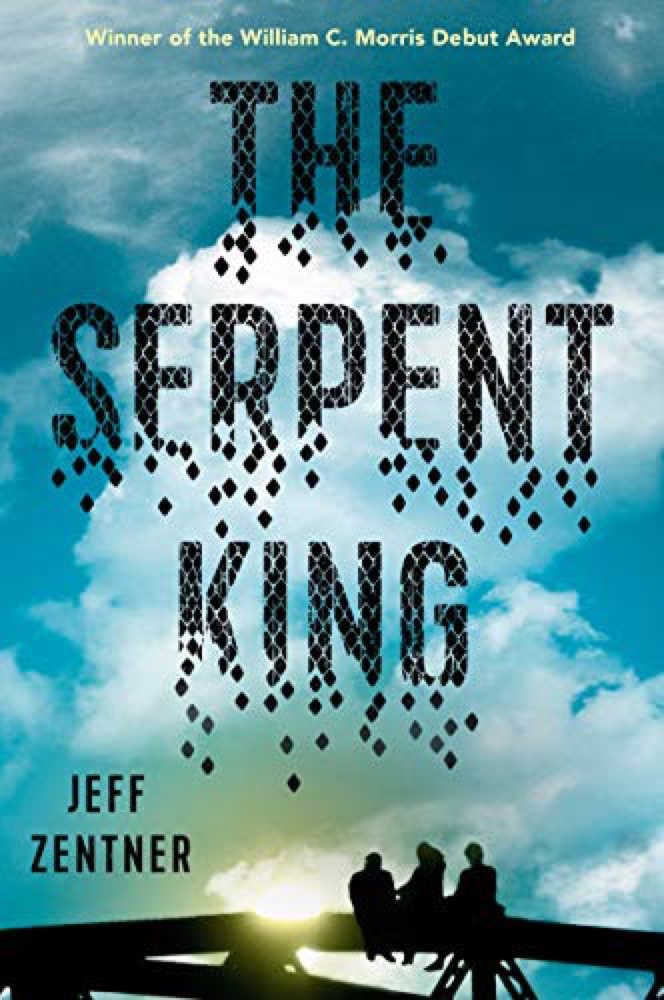 The Serpent King
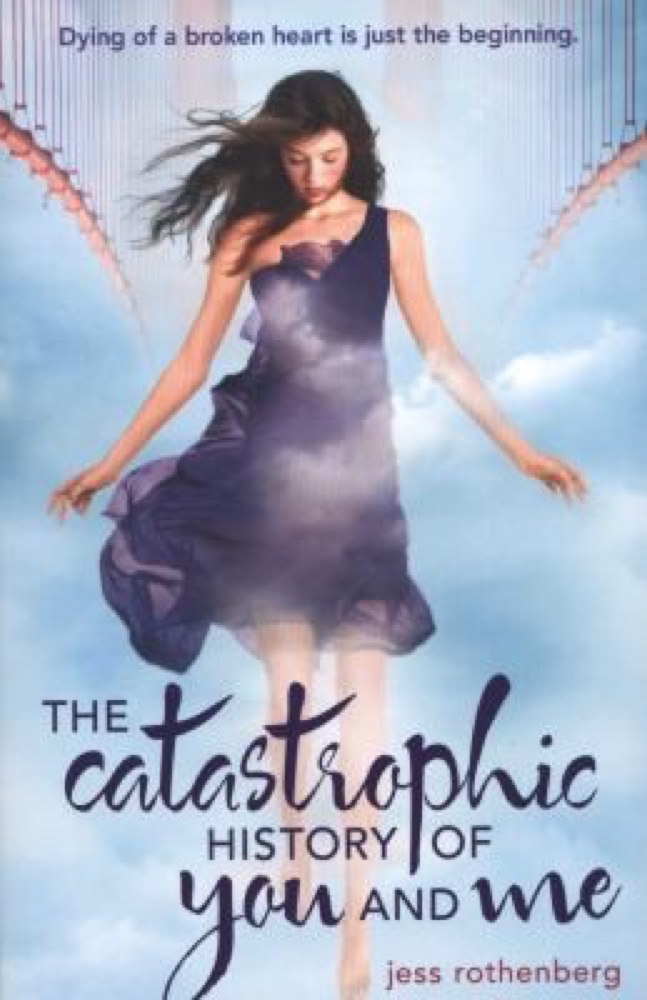 The Catastrophic History of You and Me
 The Feast of Love
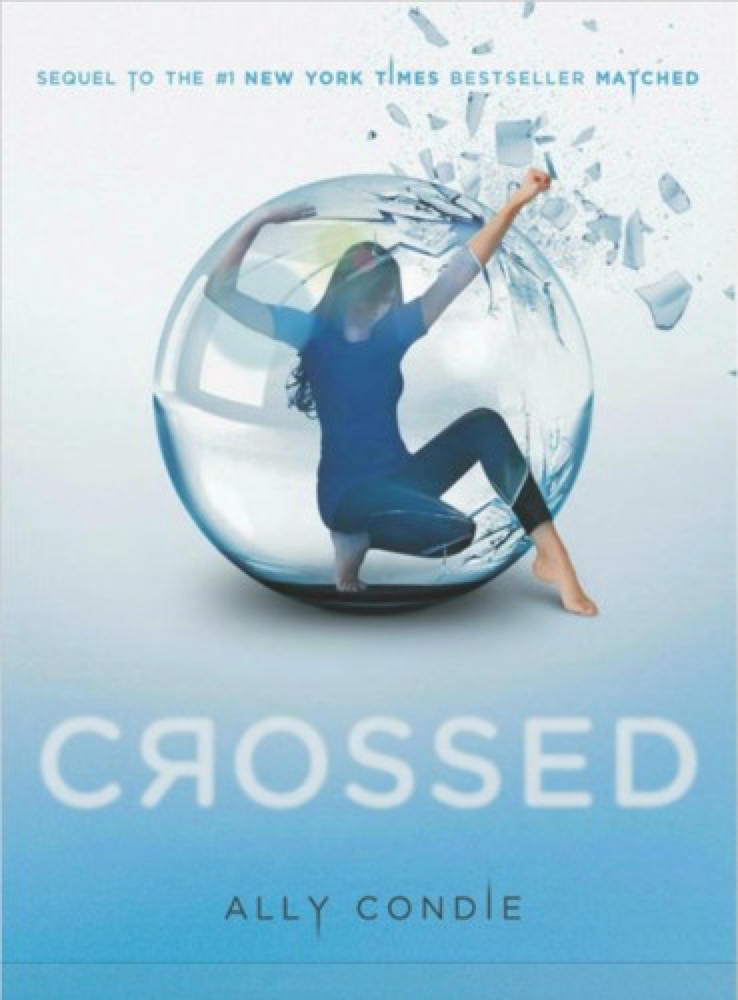 Crossed
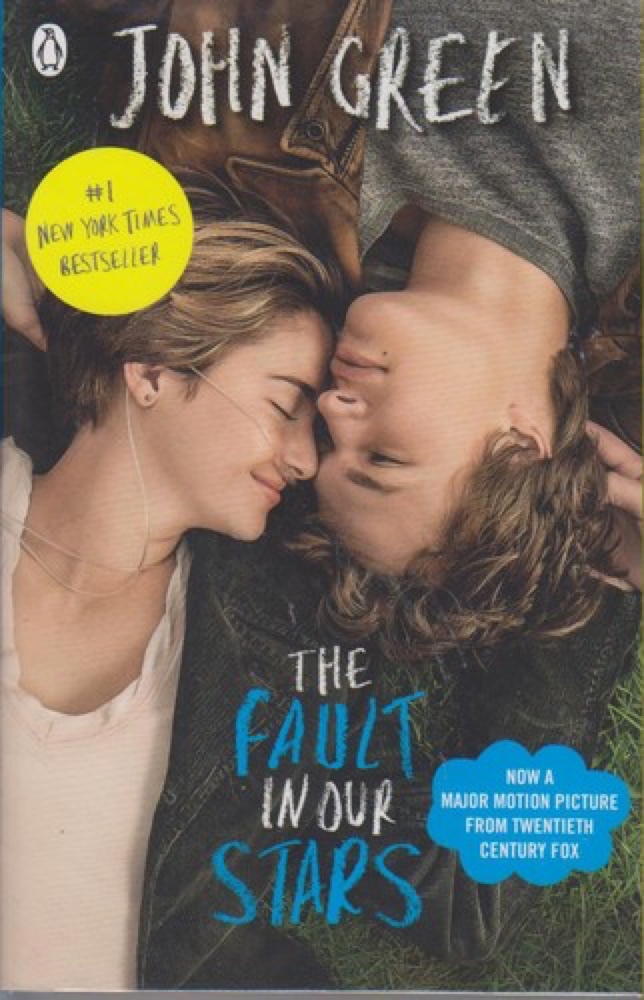 The Fault in Our Stars
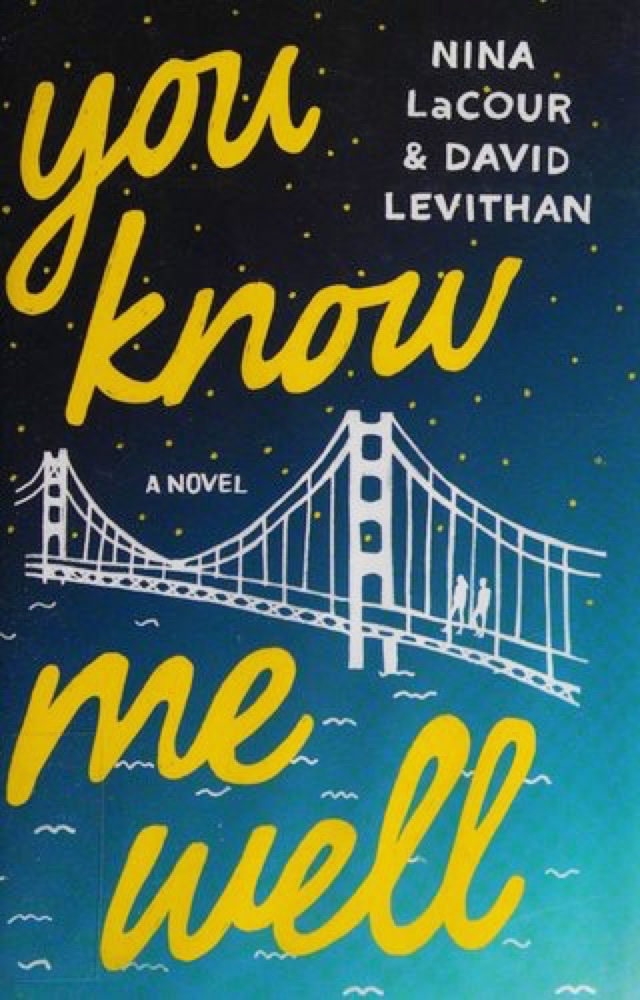 You Know Me Well
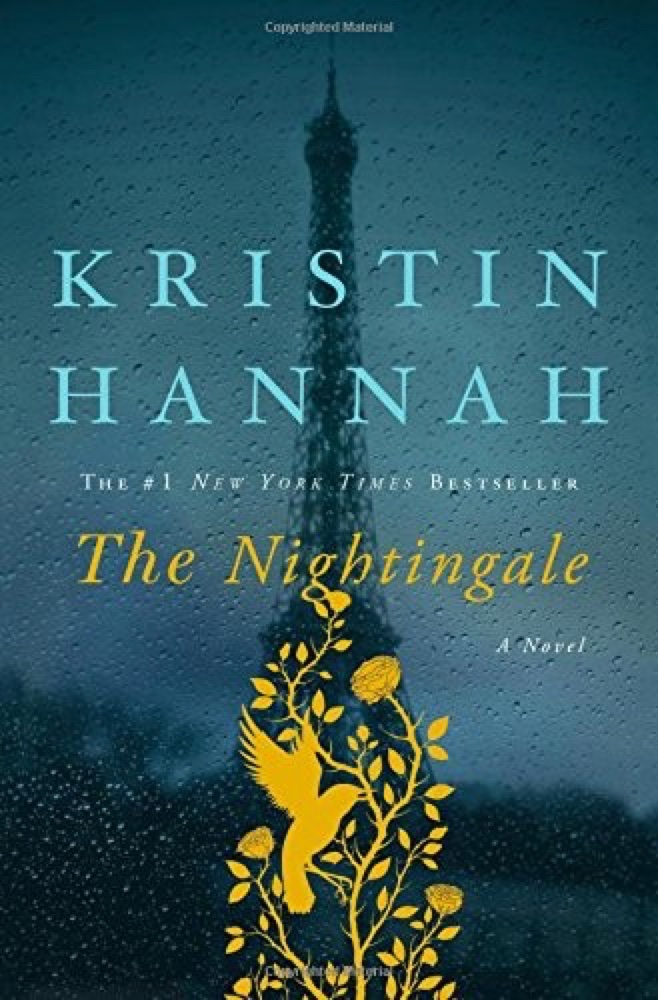 The Nightingale
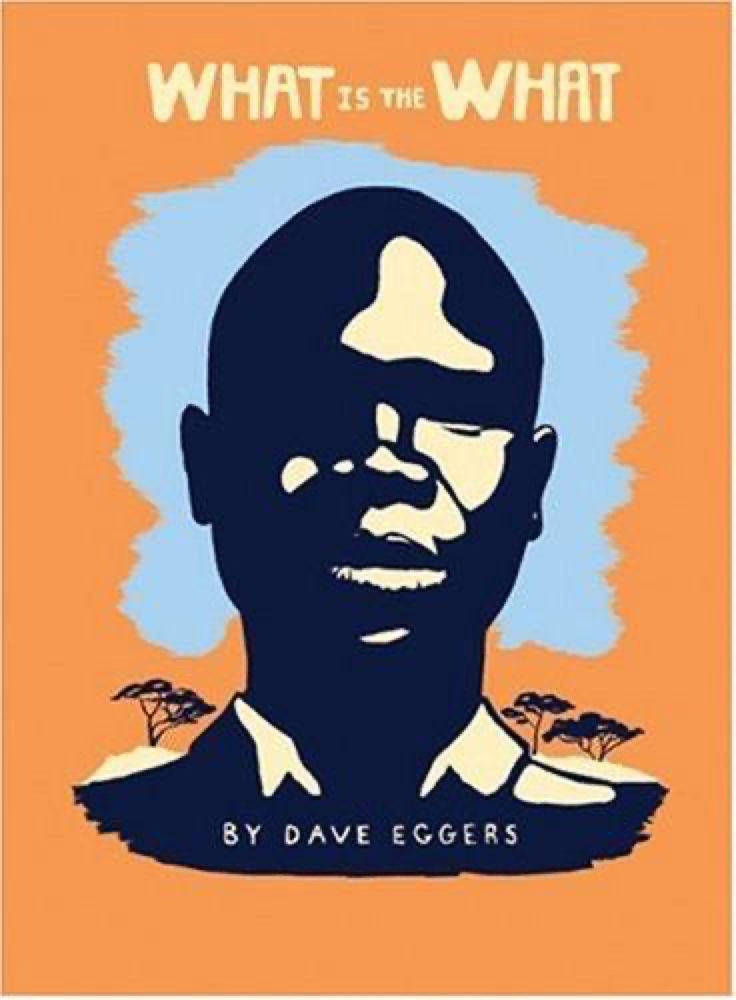 What Is the What
 Arch of Triumph
 The End of the Affair
 We Were Liars
 Revolution
 Love from A to Z
 The One
 A Kiss in Time
 A Walk to Remember
 The Passion