
 Runaway
Quotes from the Book
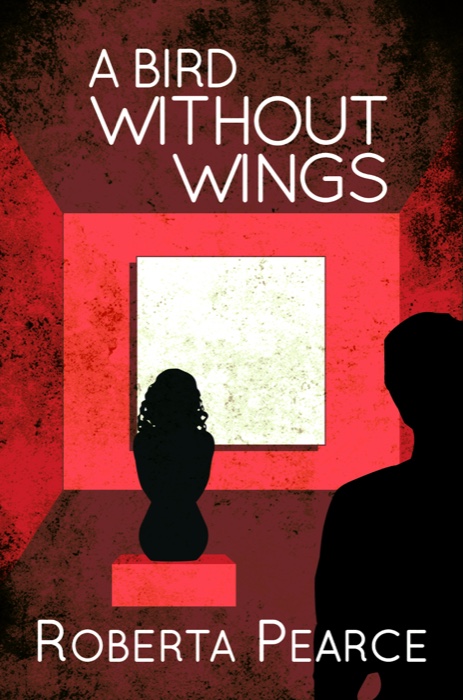
Speaking of which, about assuming you had a condom—I just meant that you, with your experience, would be prepared for responsible sex, even if it were on the fly. An intelligent man is prepared for spontaneity.
. . . I suppose one starts out, as a child, being romantic and dreaming of adventure. Poetic. Then reality comes along, and with it, a whole lot of prose.
Didn’t being out in the storm scare you?” “Try a couple of high-summer prairie storms in a trailer,” she mused. “That either makes you terrified of them or indifferent to them.
My fantasy was that I was the long-lost switched-at-birth child of wealthy eccentrics. One day, they would find me and take me away from the gypsy caravan that was my life, and give me hot meals, a decent dress, and a pony.
Yes, he scorned his family’s decadent ways, but perhaps that wasn’t so much about the money per se, but rather the wastefulness of it; the lack of energy and drive it represented, as if the Ransomes were—like that postmodern throng of the famous-for-being-famous set—some odd collection of spoiled Emperor-brats walking a red carpet without any discernible talent to clothe them. The things the Ransomes—and their once-large fortune—could have accomplished . . . they could have changed the world, or at least impacted it in positive ways.
The frizzy and dowdy was because I had let little things in my life slide. The stuttering was because I was nervous around you.” “Why aren't you now?” “I don't have a crush on you anymore,” she retorted. Silence.
She deserved some real breaks in her life. And he intended on giving her every one he could. Even if she stole his lunch again. With a grin, he sat down to work.
About Roberta Pearce
We have collected 7 quotes from 1 book by Roberta Pearce on BookQuoters.
More about the author →Book details
- Author
- Roberta Pearce
- Genre
- Contemporary
- Goodreads rating
- 4.23 (200 ratings) →
Keep reading
Runaway
 Tar Baby
 Interpreter of Maladies
 Mr. Fox
 Suddenly Royal
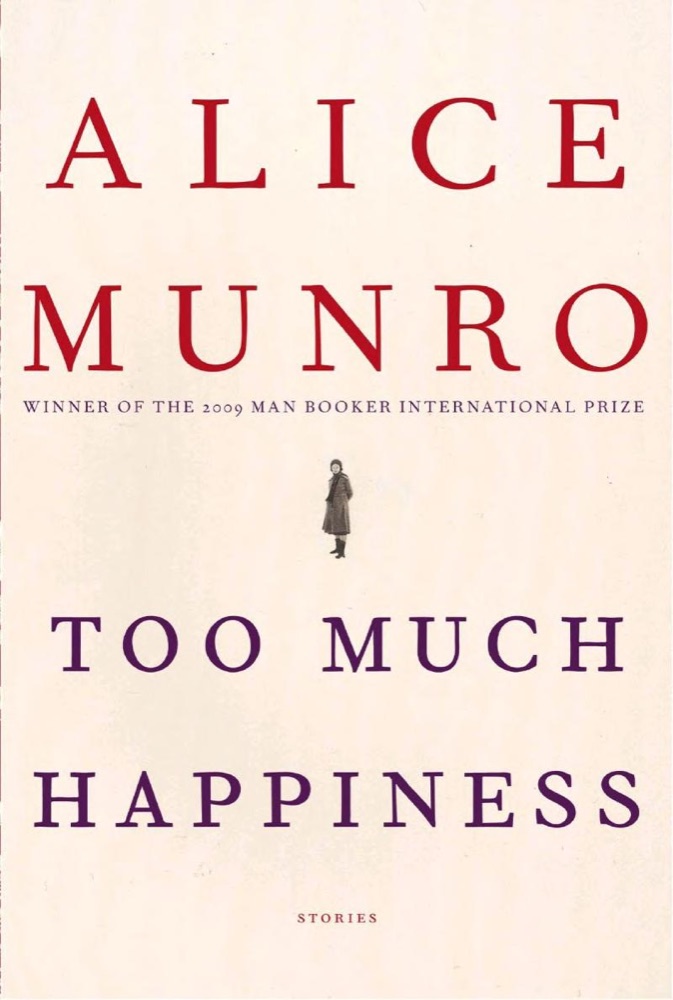 Too Much Happiness: Stories
 Dept. of Speculation
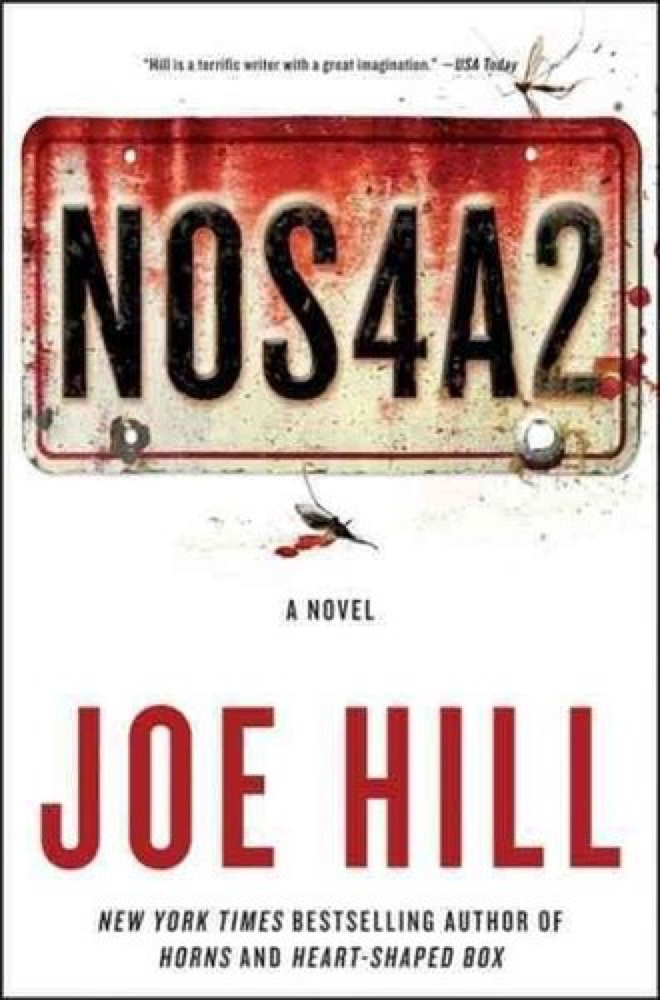 NOS4A2
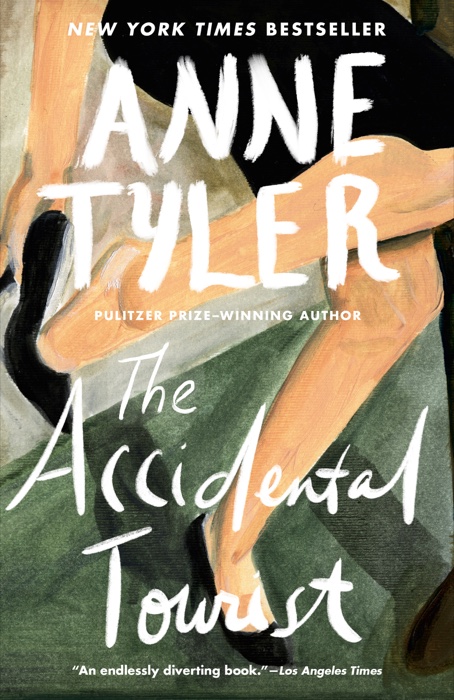 The Accidental Tourist
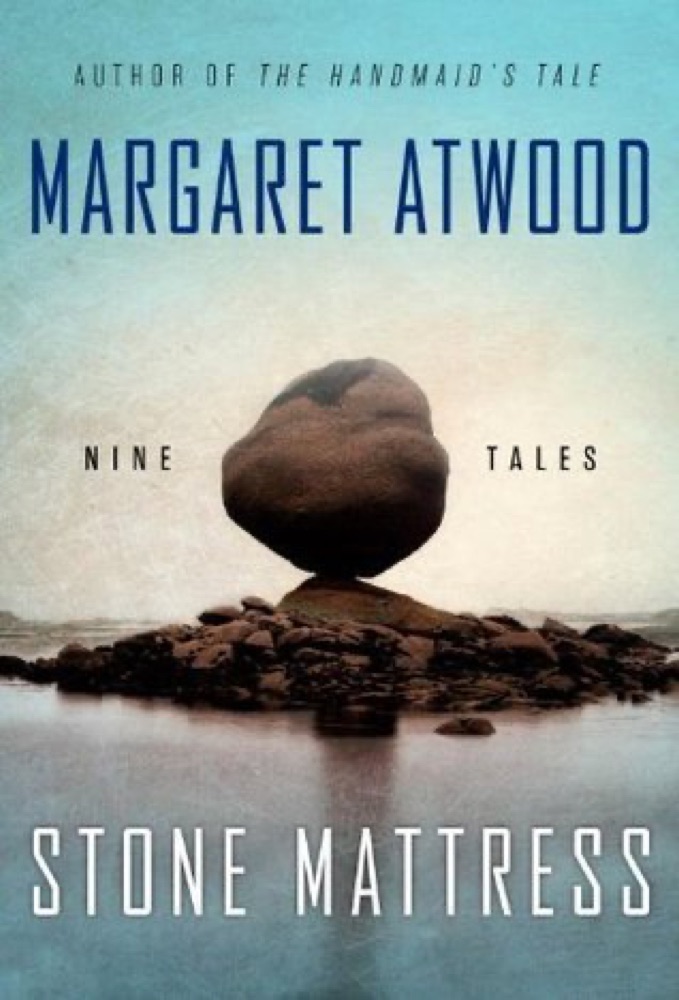 Stone Mattress: Nine Tales
 The Glass Castle
 A Wolf at the Table
 Miss Peregrine’s Home for Peculiar Children
 Crazy Little Thing
 A Spot of Bother
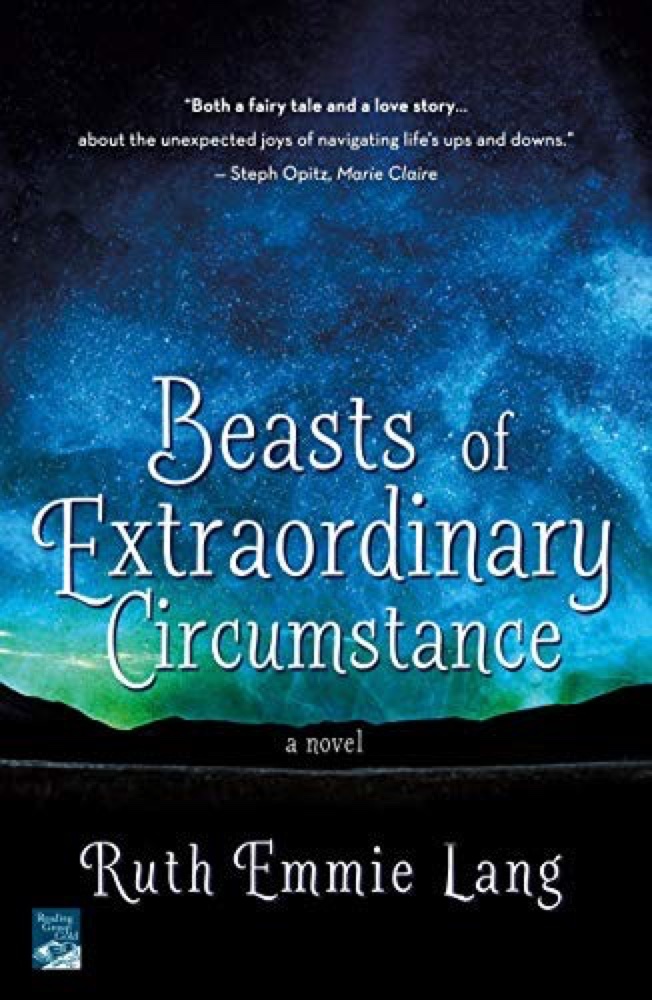 Beasts of Extraordinary Circumstance
 Like Life: Stories
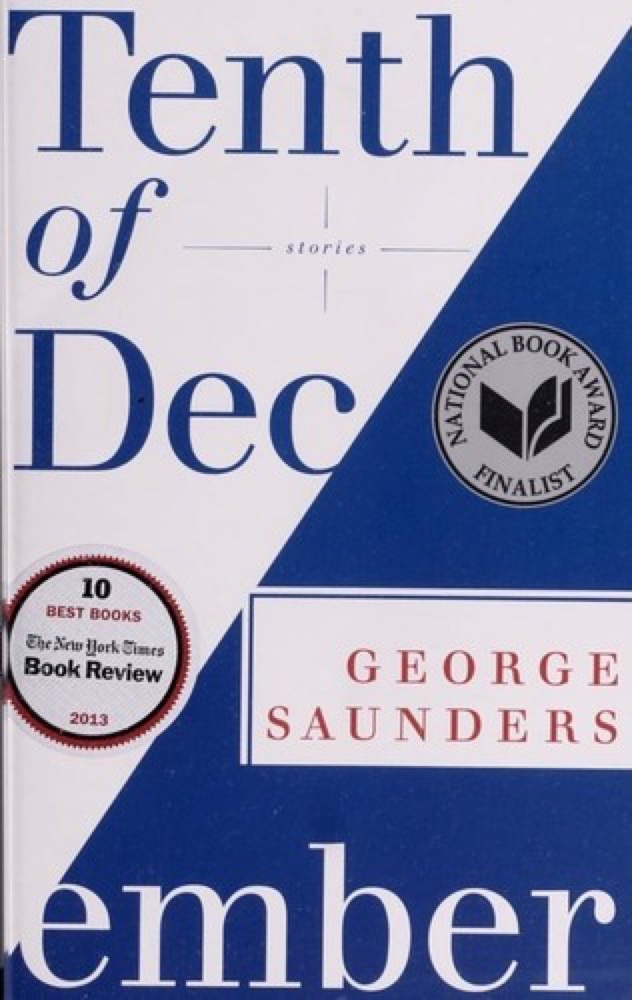 Tenth of December
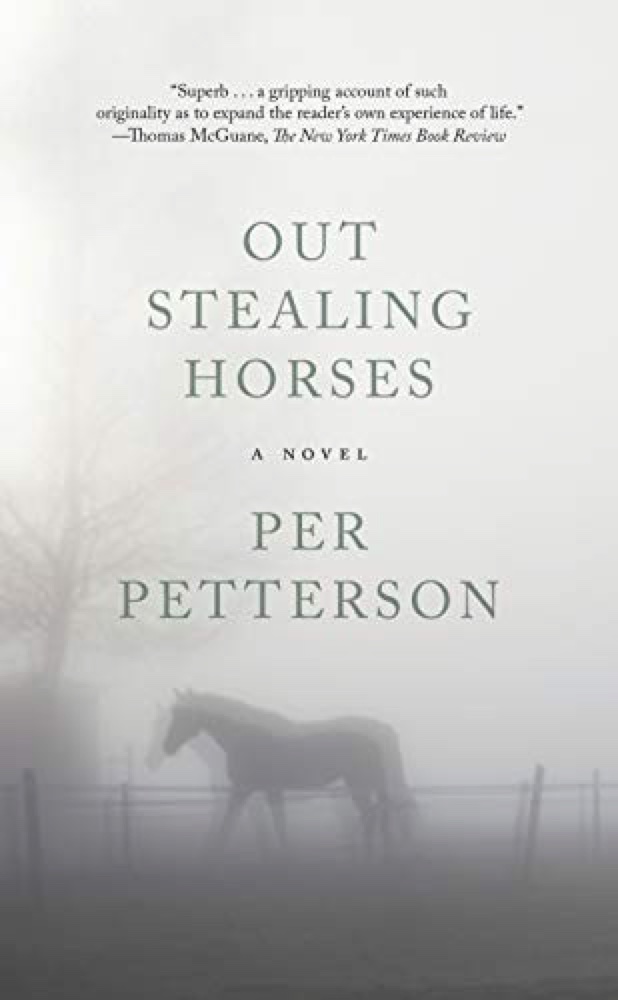 Out Stealing Horses
 The First Bad Man
 Moonlight Mile
 A Home at the End of the World
 The Madness Underneath
 A Bend in the Road
 On the Edge
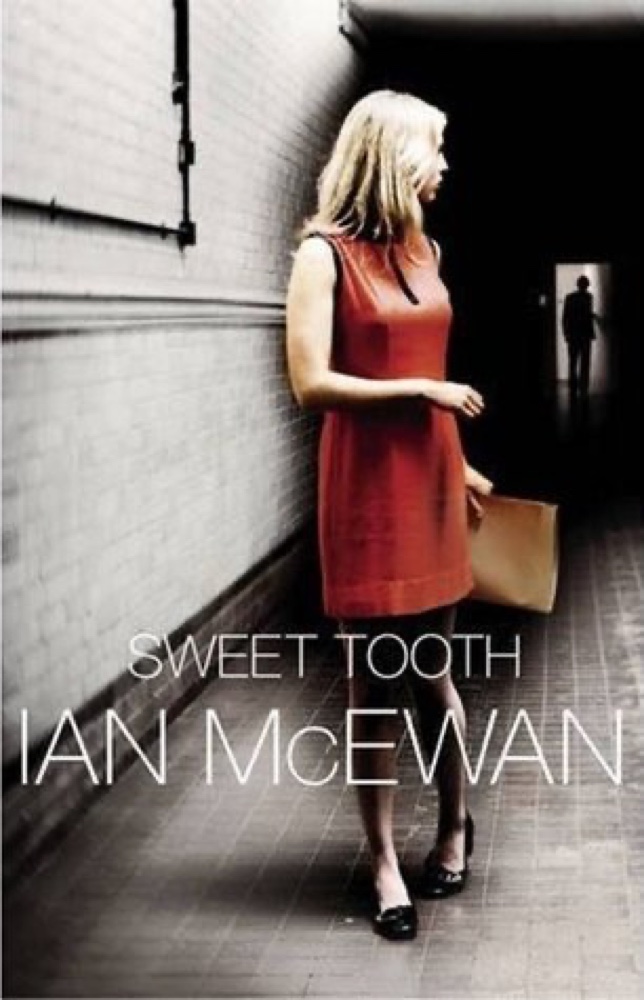 Sweet Tooth
 A Thousand Acres
 From the Mixed-Up Files of Mrs. Basil E. Frankweiler
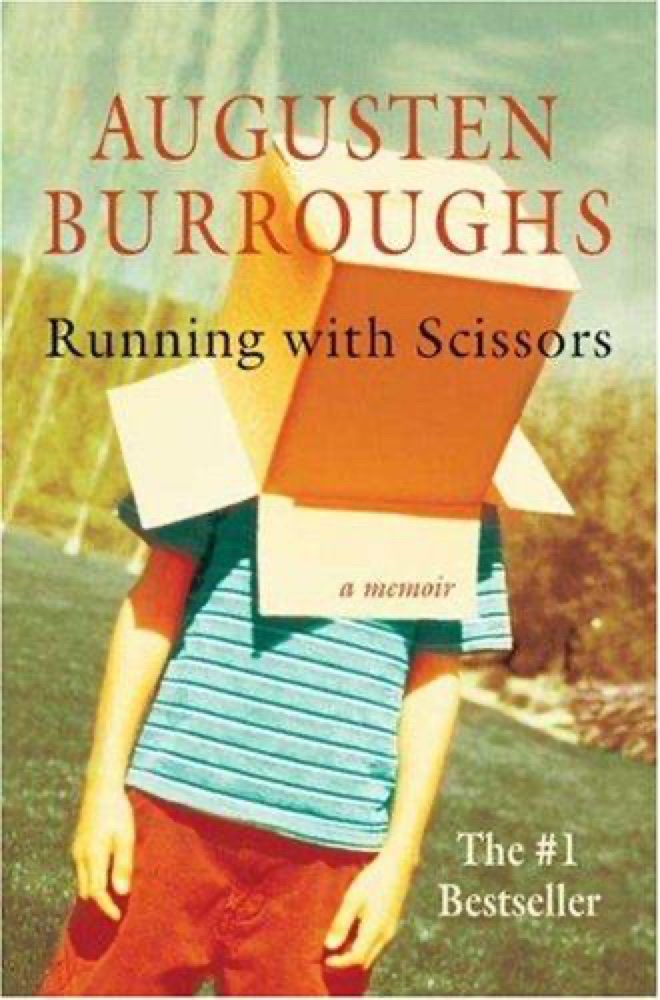 Running with Scissors
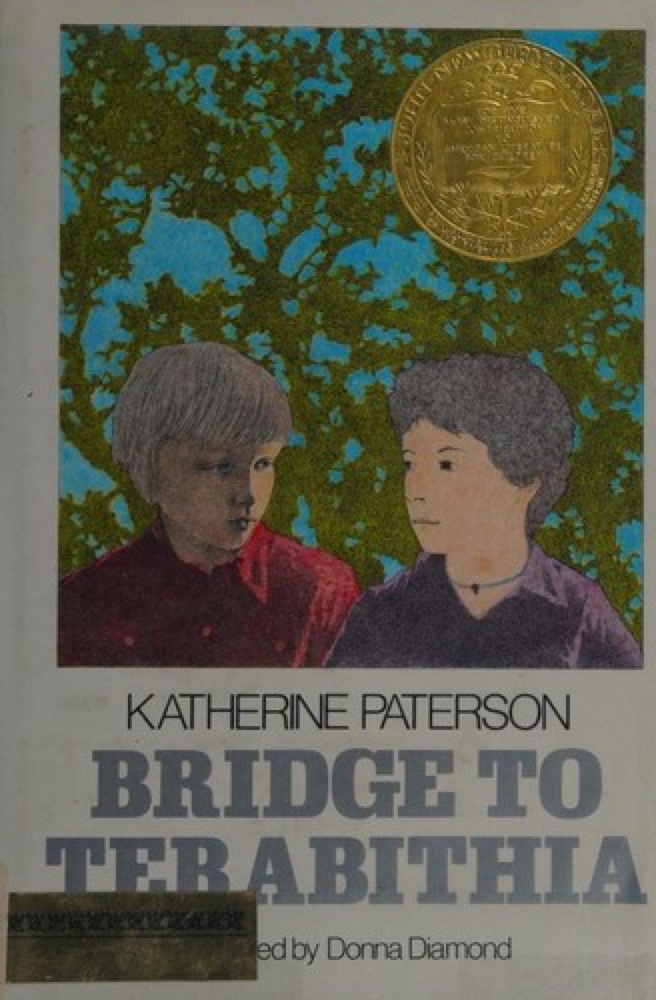 Bridge to Terabithia
 The Paper Magician
 Her Fearful Symmetry
 Flight Behavior
 One Plus One
 The Little Sister
 The Stories of John Cheever
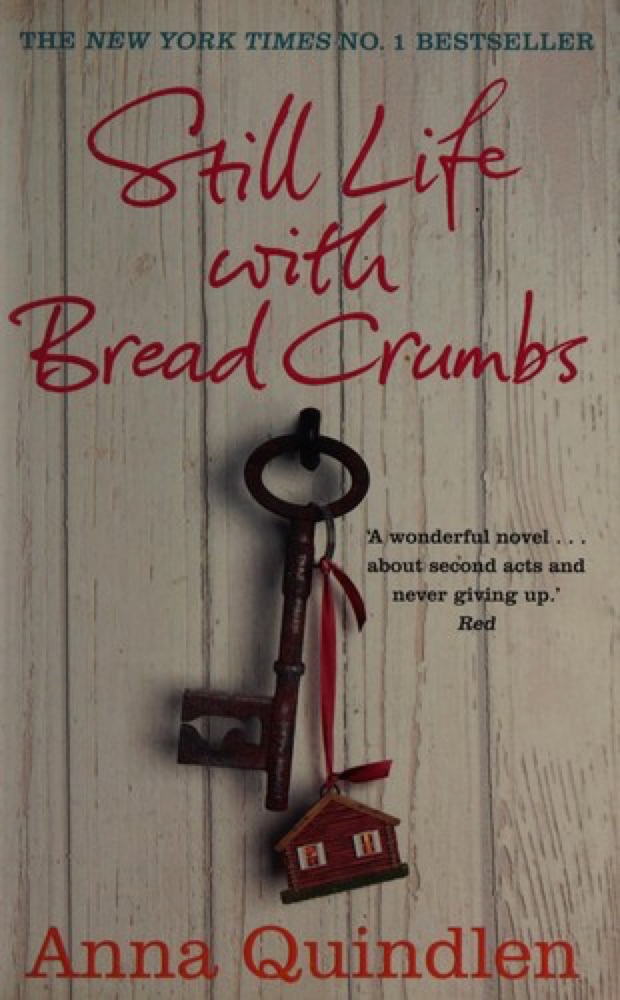 Still Life with Bread Crumbs
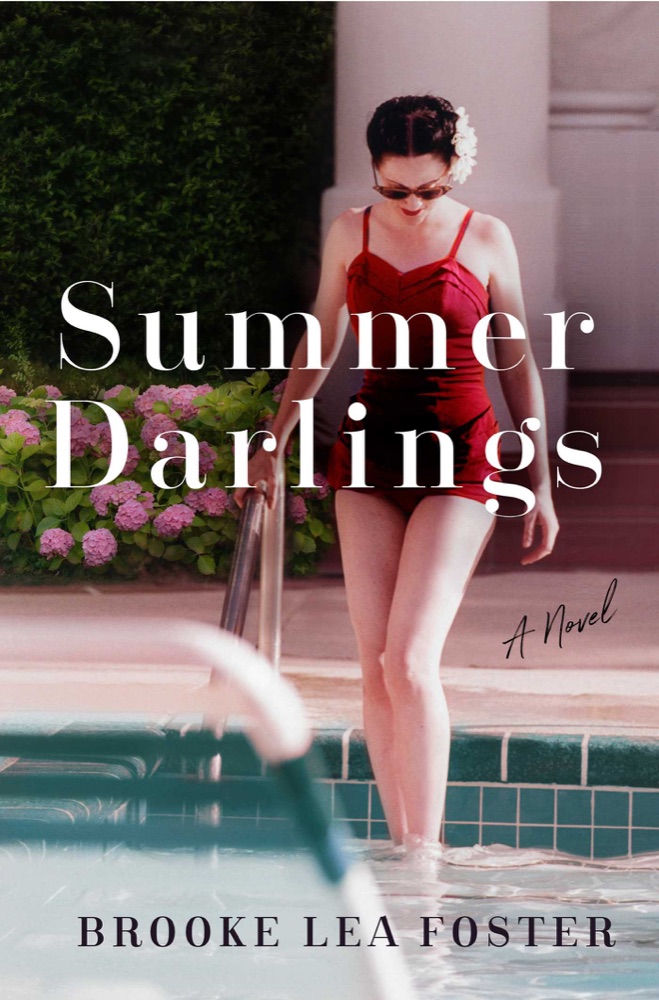 Summer Darlings
 Can You Forgive Her?
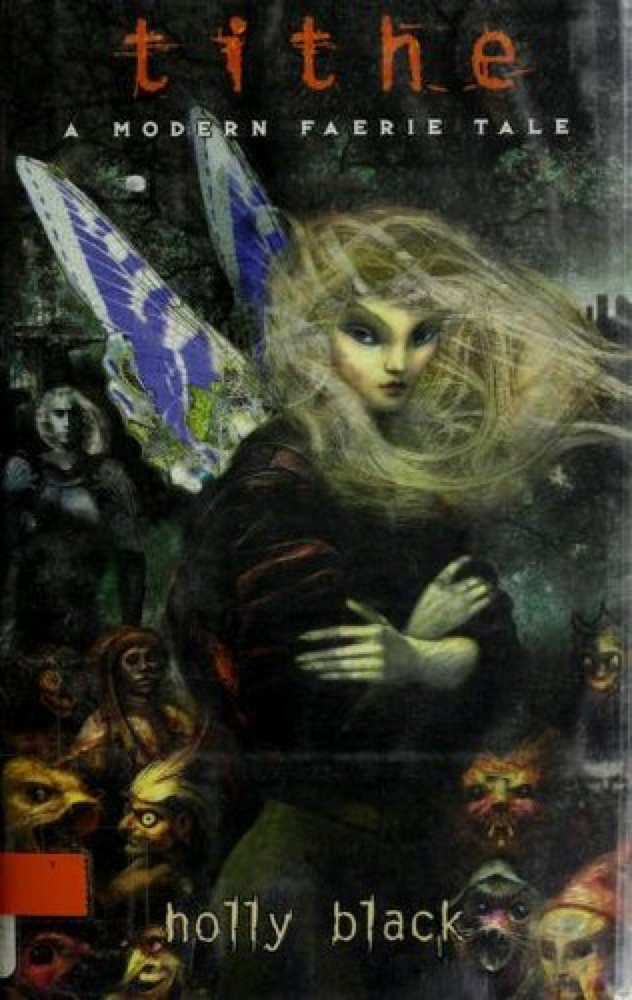 Tithe
Tithe
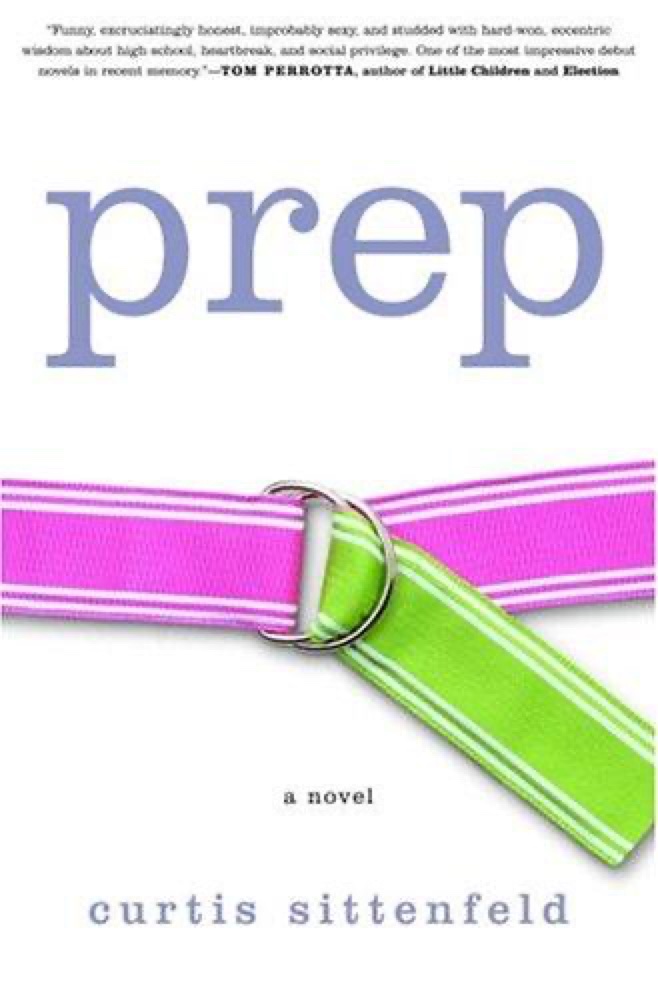 Prep
Prep
 The Post-Birthday World
 Only Mostly Devastated
 Hush
Hush
 False Memory
 Little Children
 The Collected Stories
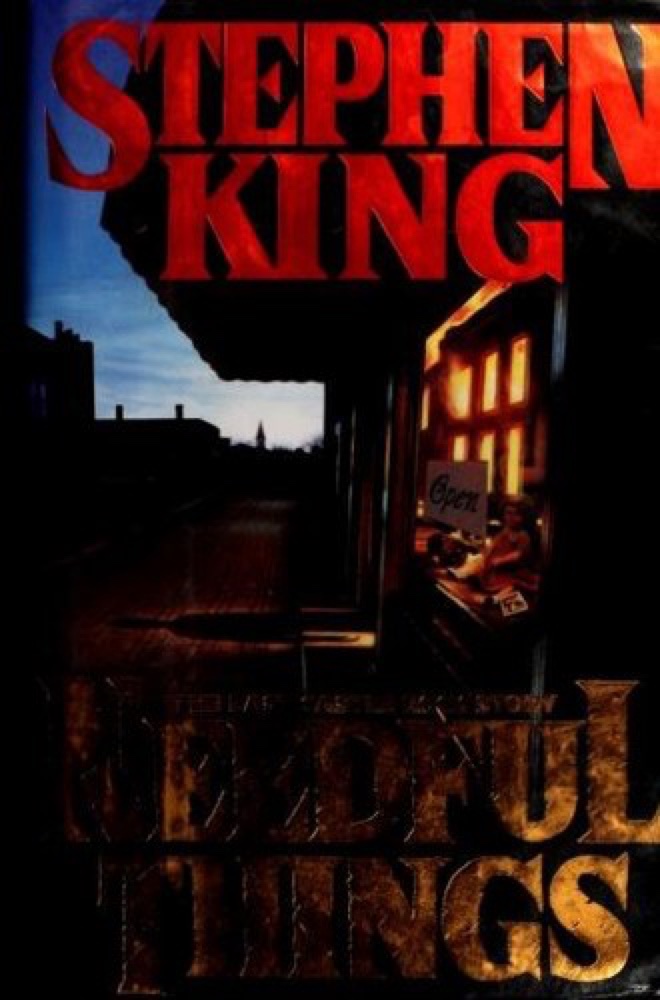 Needful Things
 The Good Girl
 Necromancing the Stone
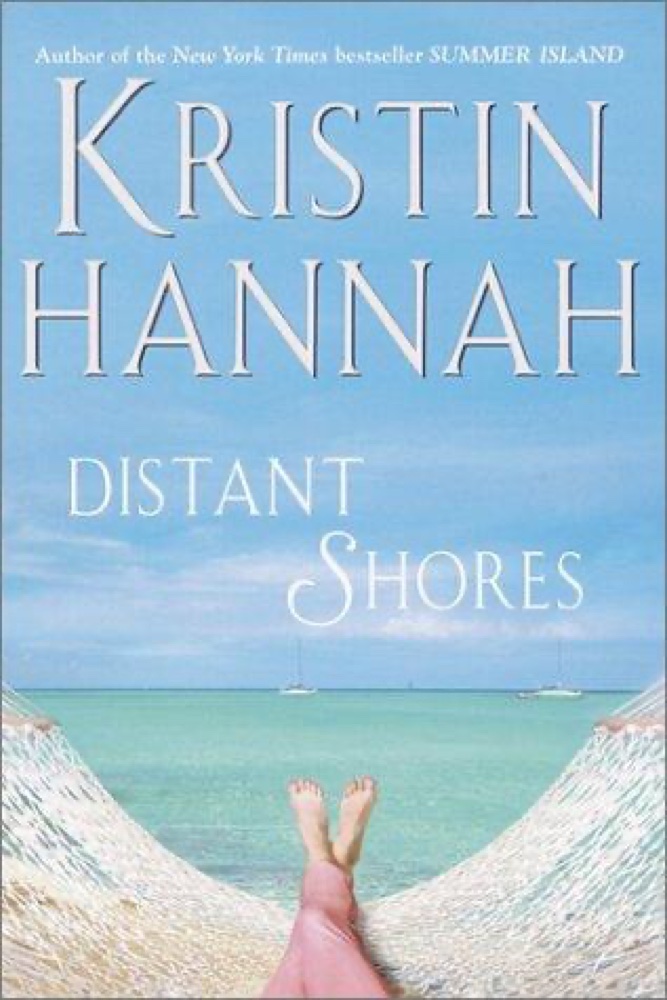 Distant Shores
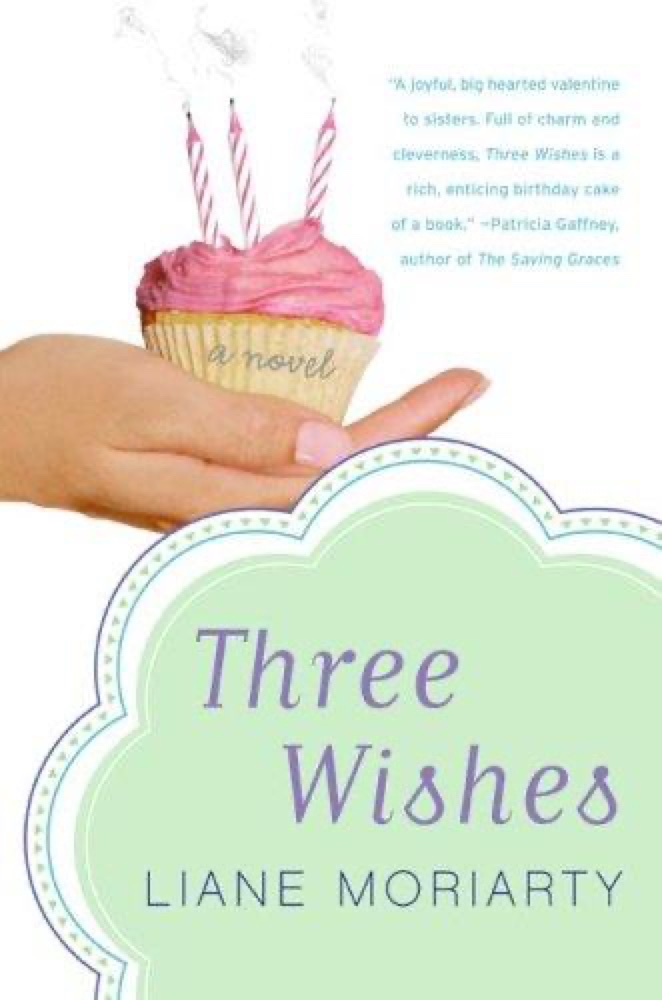 Three Wishes
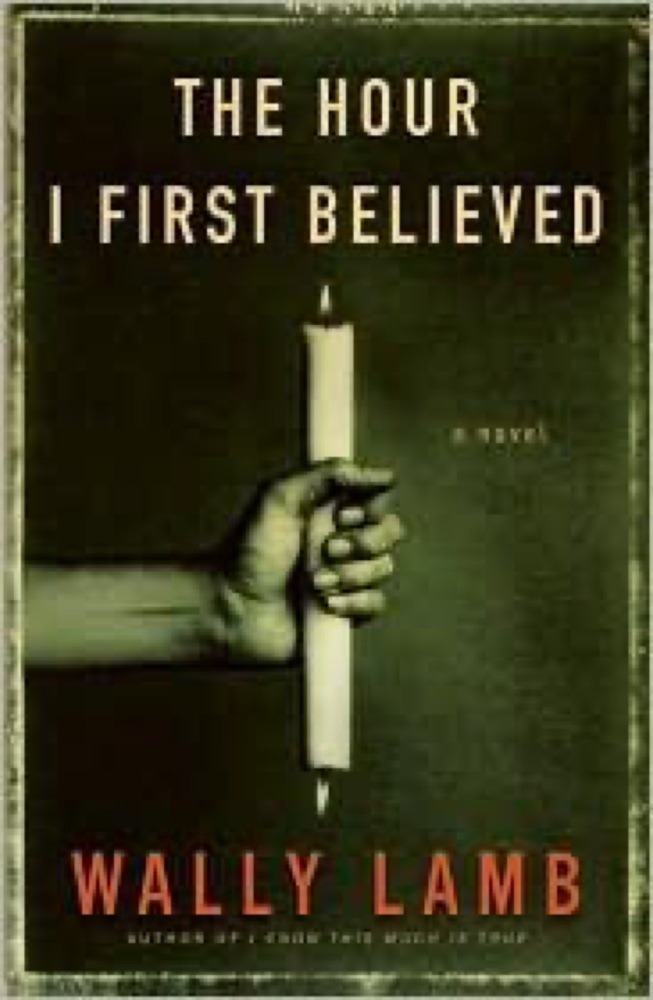 The Hour I First Believed
 Natural Born Charmer
 Twilight / Life and Death
 Down Cemetery Road
 The Professor's House
 Mystic River
 A Suitable Boy
 The Deep Blue Good-By