
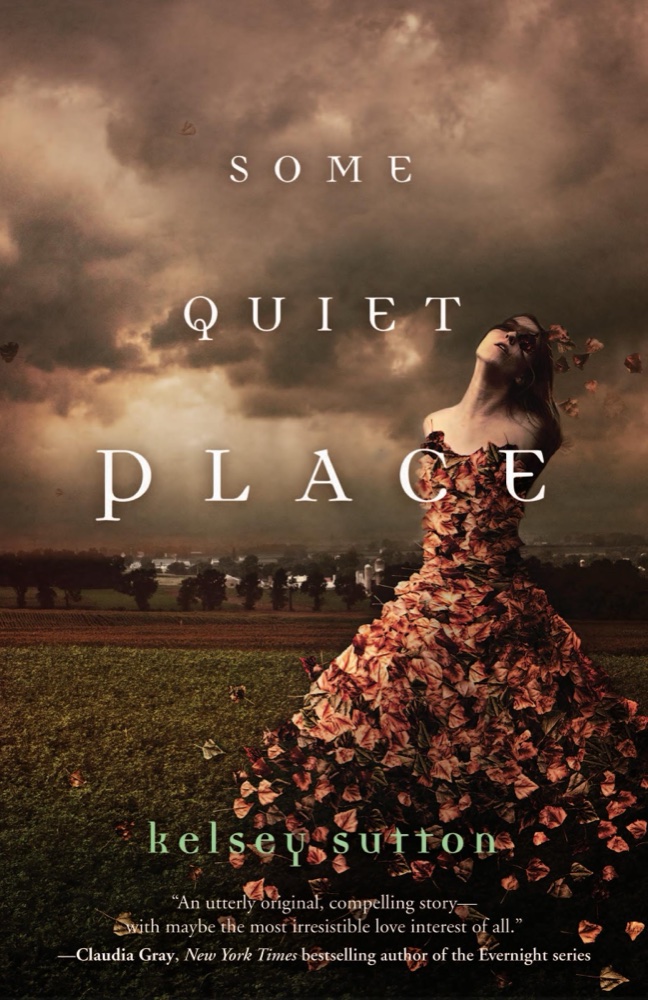
 Some Quiet Place
Quotes from the Book
Even though it can be hopeless, or unhealthy, or just stupid, we love anyway. Because that’s what love is. Choosing to give it, especially when you shouldn’t.
I keep staring, and I wonder why we push people away. There are a thousands reasons, really, but I think the biggest one - the most important one - is if we don’t, they get close. And then they can see.
There’s no point, I want to shout back. Let me go. But that’s what love is; holding on and holding tight no matter what. Through death, through pain, through everything. There’s a part of me that wants to turn back and be worthy of it. I’m standing on the edge of that bridge, though, and I’m tilting forward. Falling. There is no turning back.
If I listen hard enough, I can almost hear the stars whispering to each other. Cruel, biting whispers.
The most painful emotions are better than none at all. Ironically, we make you human.
As infuriating as he was, I found Forgiveness ... interesting. It's been impossible to forget, the way he looked at me. Not like I'm a dealer selling the drug he wants, or just another duty to be carried though. No, Forgiveness stared at me as if I'm someone. And that's a drug all its own.
With the taste of rum in my mouth and the sting of remembrance in my heart, I set my sights on the man who killed my family.
About Kelsey Sutton
We have collected 33 quotes from 2 books by Kelsey Sutton on BookQuoters.
More about the author →More by Kelsey Sutton
Some Quiet Place
Book details
- Author
- Kelsey Sutton
- Genre
- Fantasy
- Goodreads rating
- 3.69 (493 ratings) →
Keep reading
 Marrow
 Saving June
 Mud Vein
 The Dark and Hollow Places
 Reminders of Him
 Gray
Gray
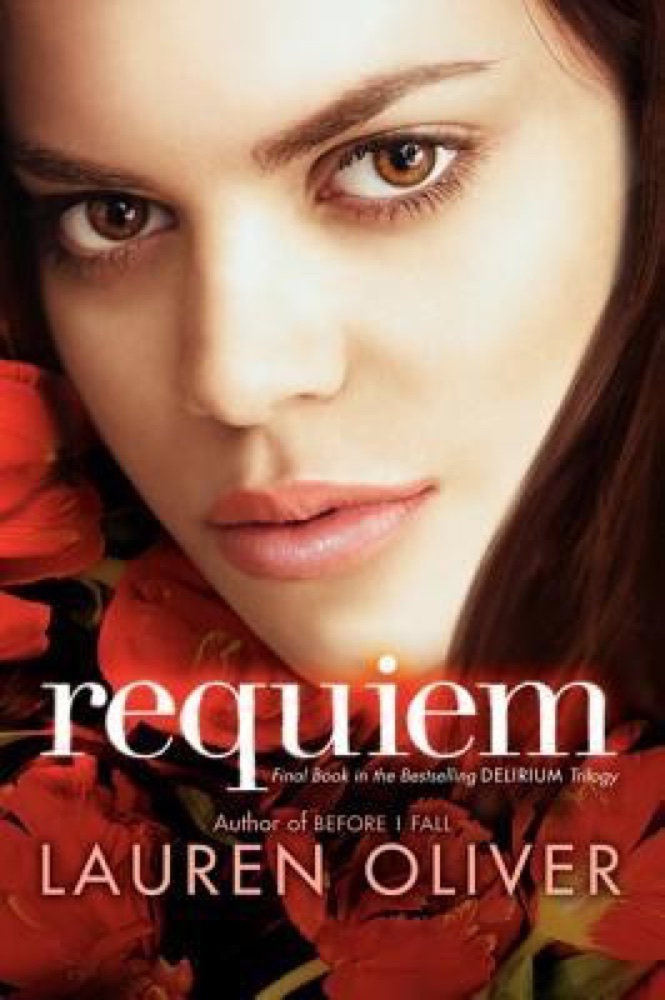 Requiem
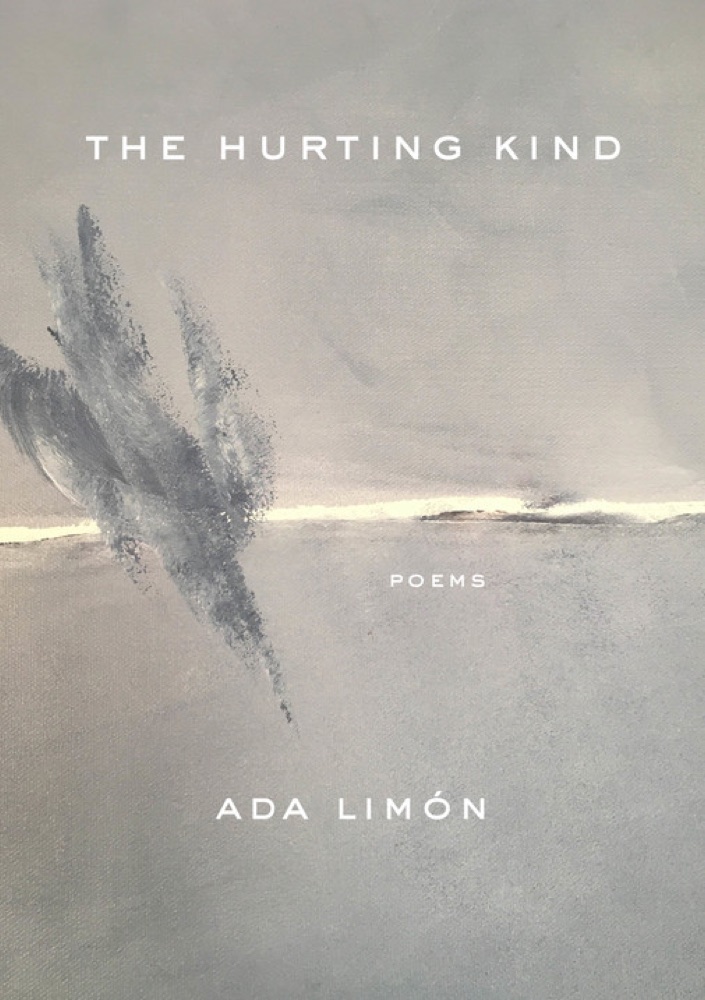 The Hurting Kind: Poems
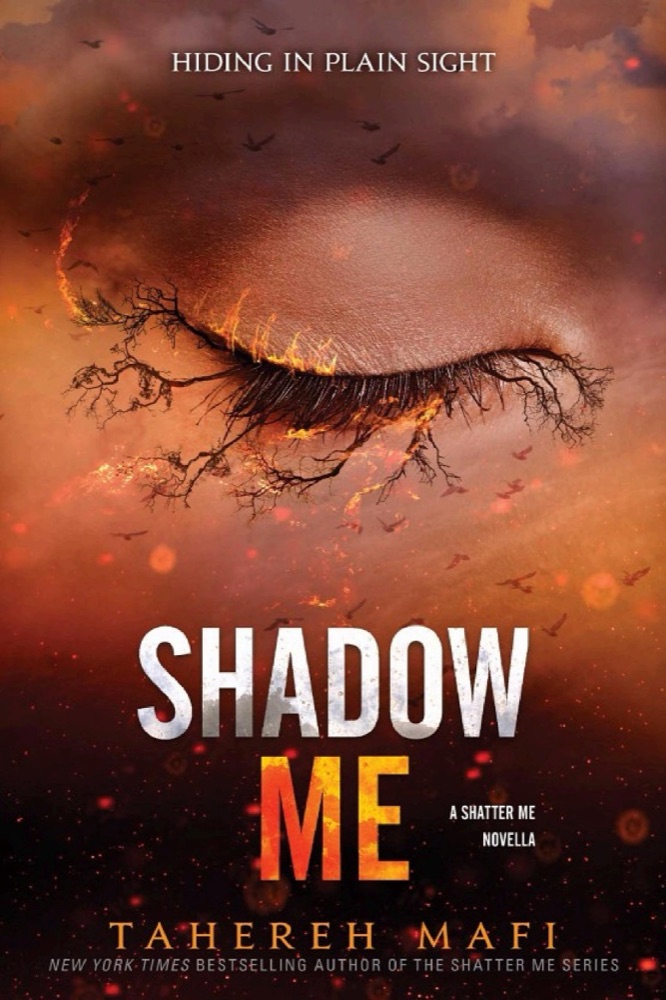 Shadow Me
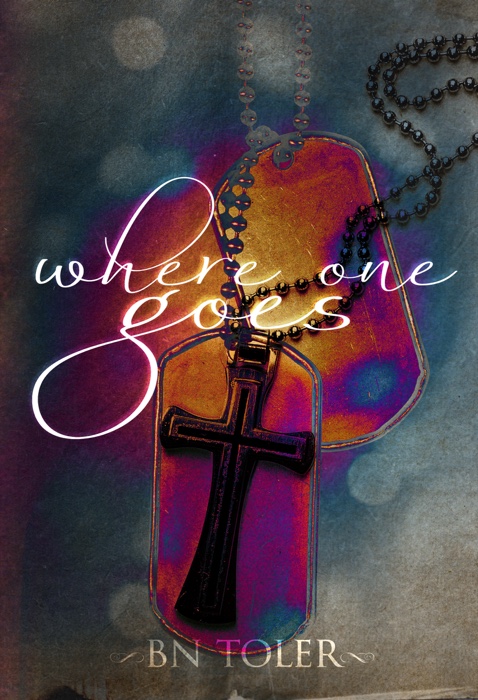 Where One Goes
 Six Years
 Nocte
Nocte
 The Goldfinch
 Goodbye Days
 So Much More
 When the Elephants Dance
 Sparks Rise
 Notes on Heartbreak
 Five Broken Blades
 This Shattered World
 Falling Kingdoms
 Ugly Love
 Cam Girl
 Shadow Man
 The Girl on the Train
 You Have Seven Messages
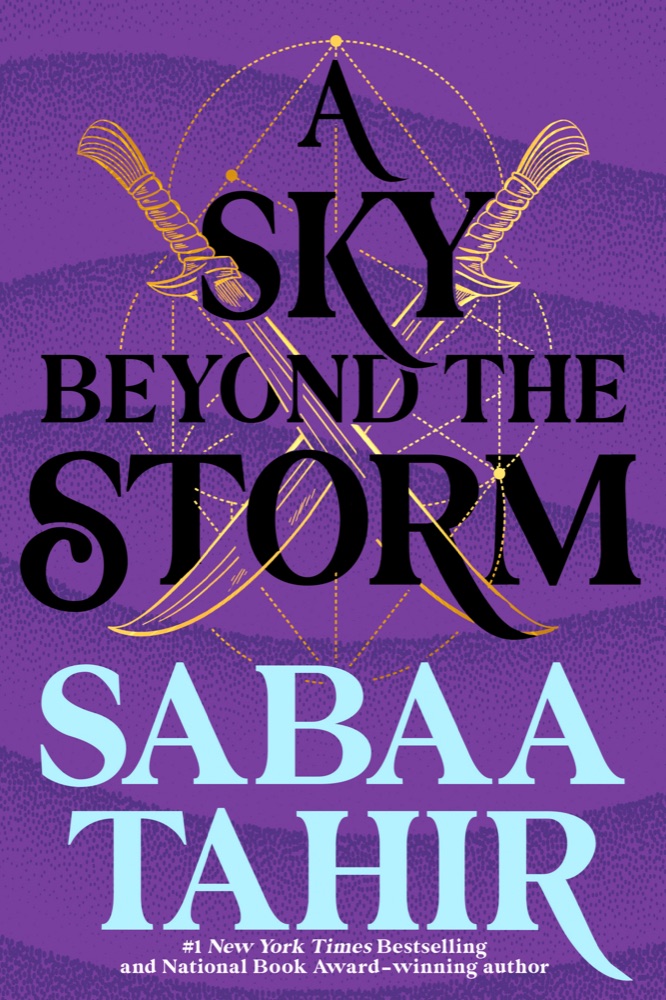 A Sky Beyond the Storm
 Left Drowning
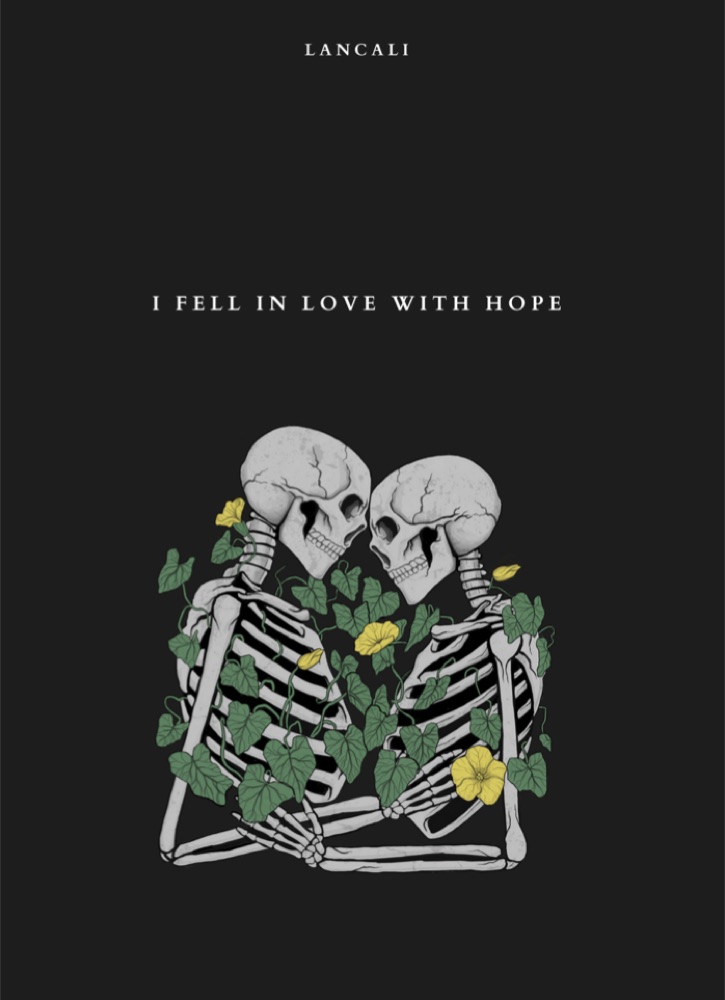 I Fell in Love With Hope
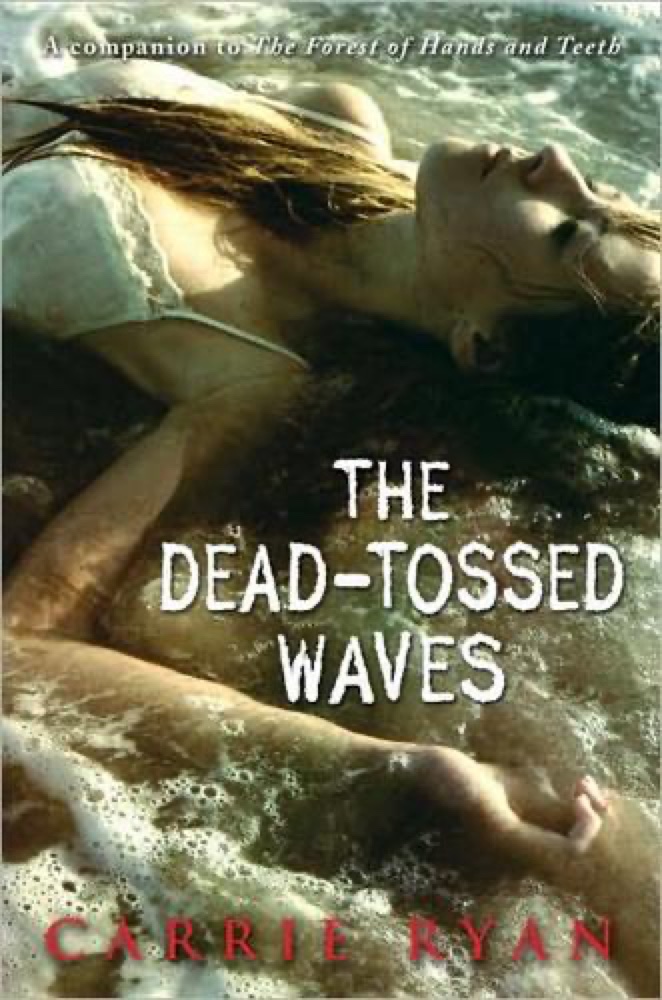 The Dead-Tossed Waves
 Tricks
 Crossed
 Delirium
 Black Iris
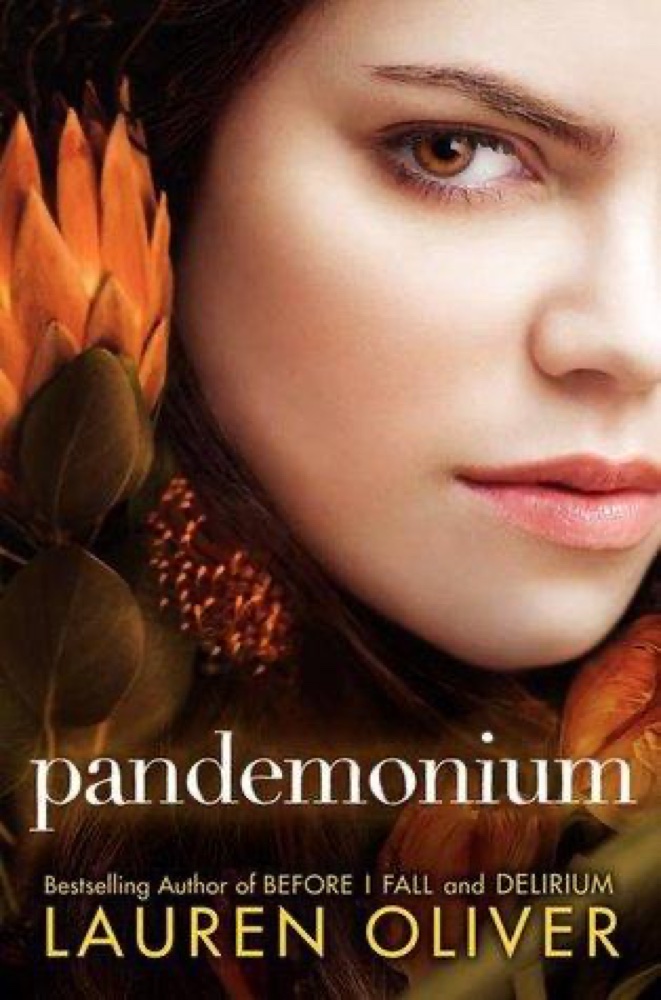 Pandemonium
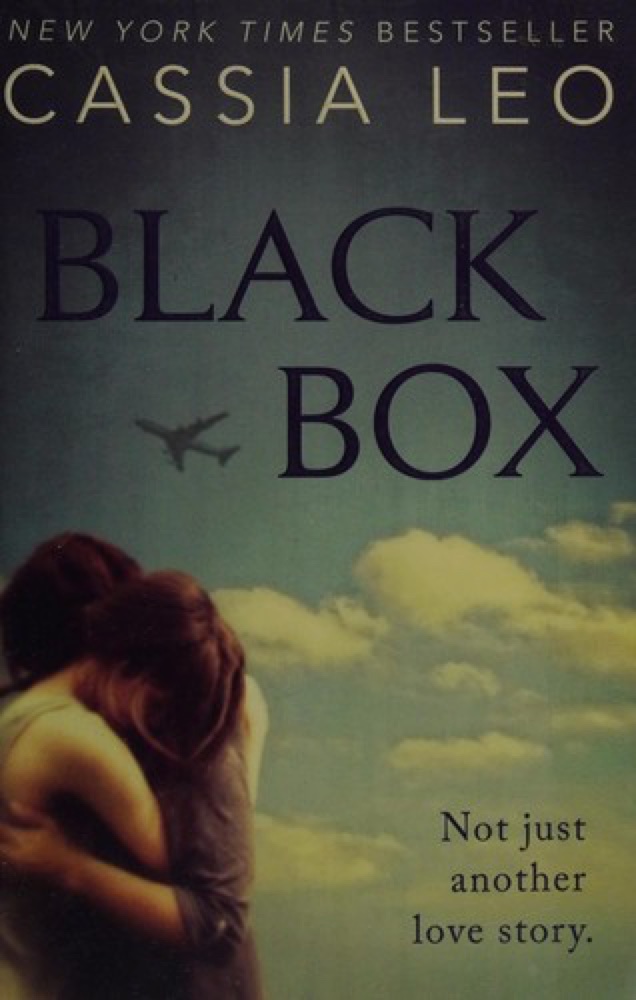 Black Box
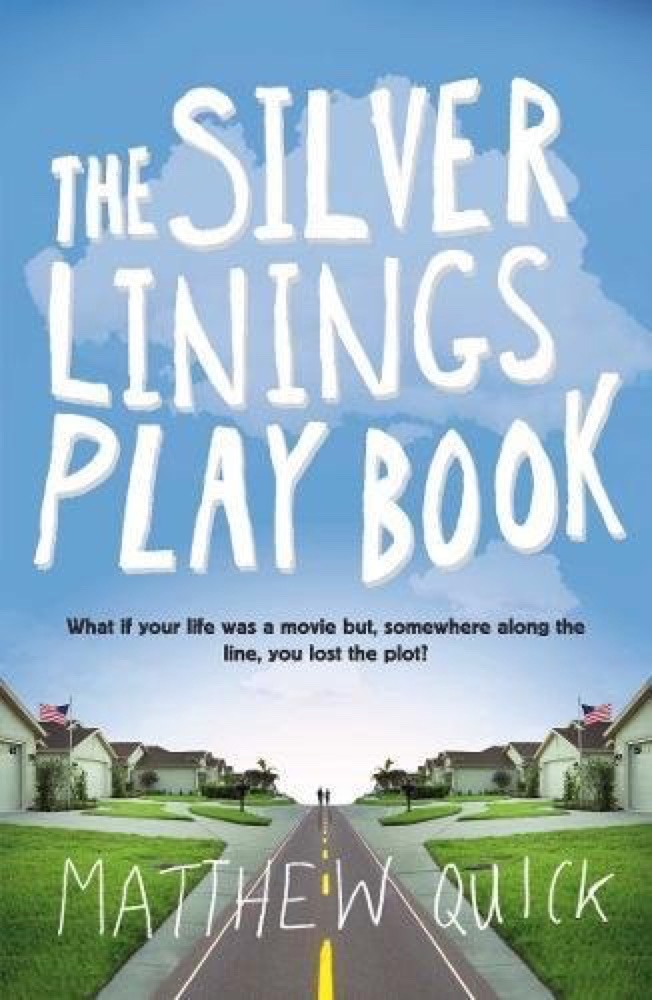 The Silver Linings Playbook
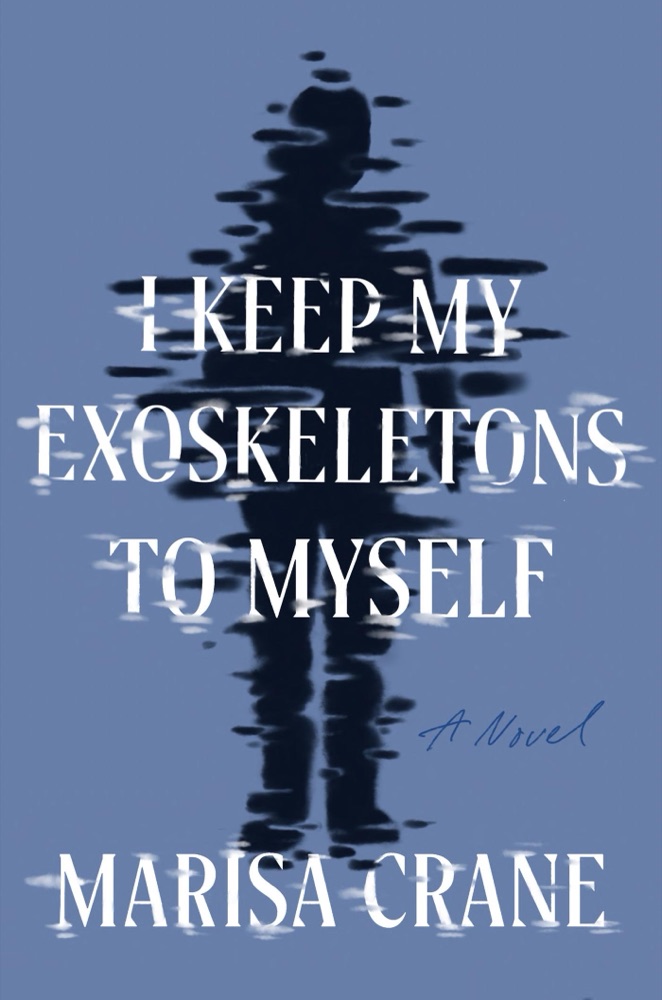 I Keep My Exoskeletons to Myself
 The Harder I Fight the More I Love You: A Memoir
 The Fault in Our Stars
 Forbidden
 The Memory of Light
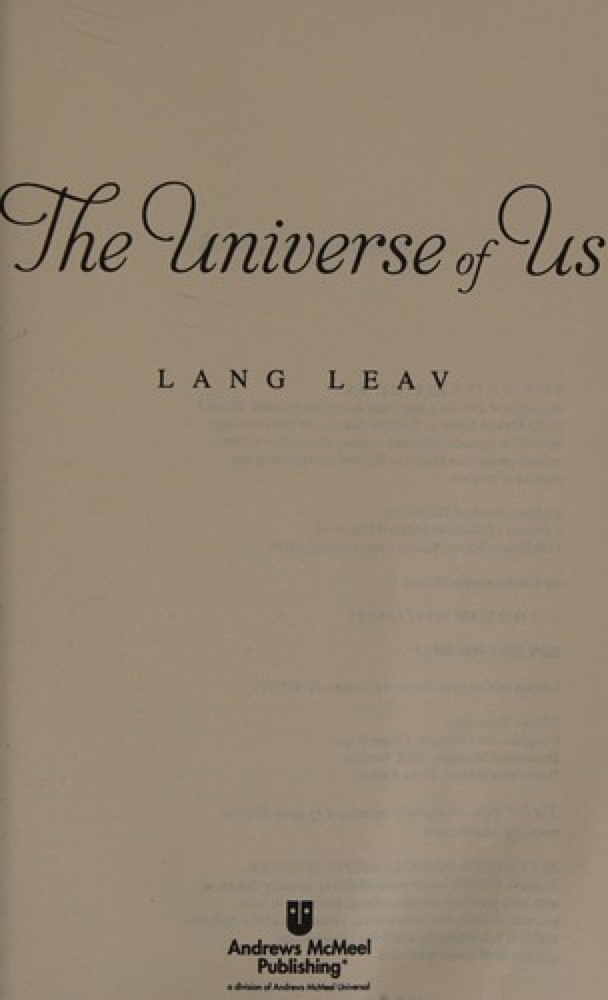 The Universe of Us
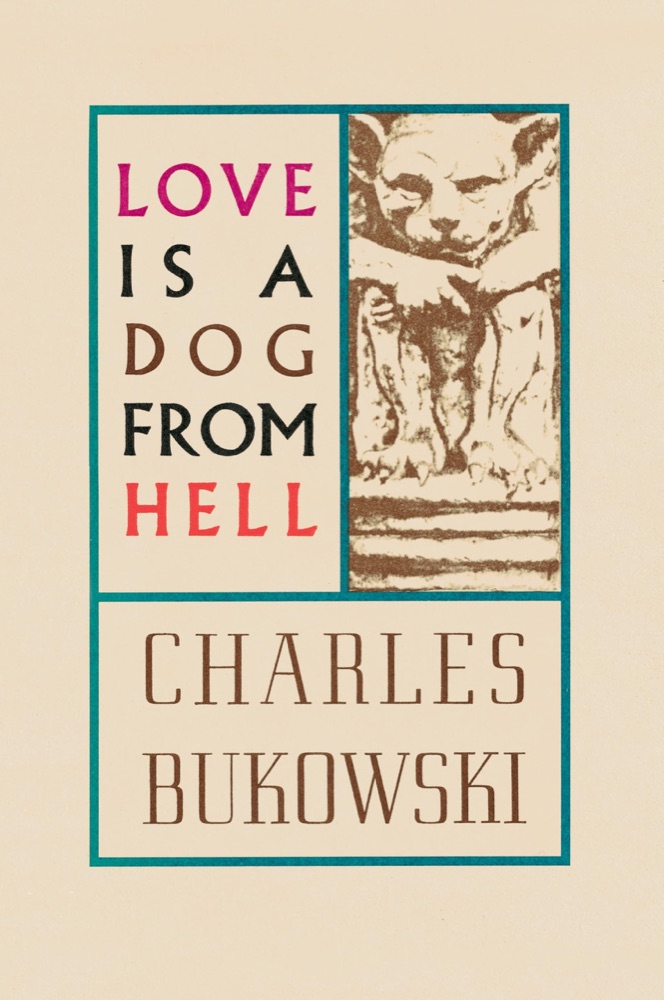 Love Is a Dog from Hell
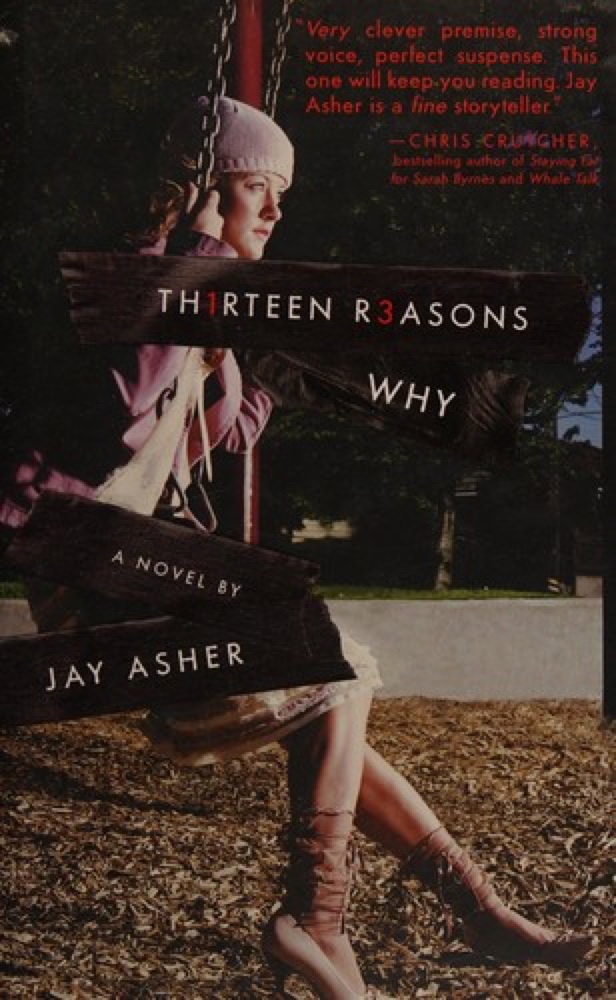 Thirteen Reasons Why
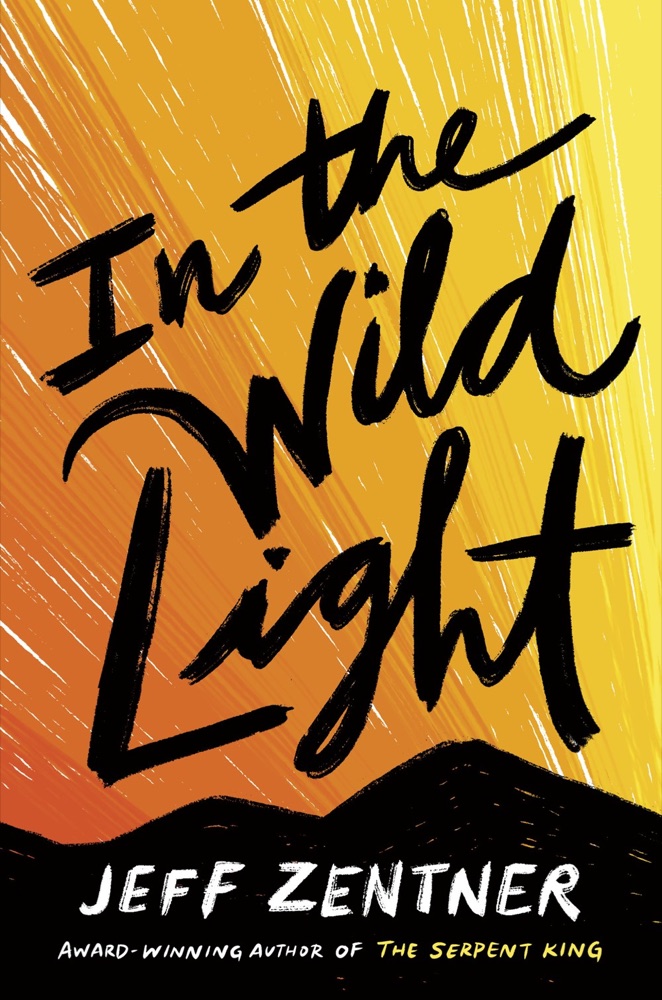 In the Wild Light
 Millennium Approaches
 Jellicoe Road
 The Siren
 Send Me Their Souls
 Charm & Strange
 Hell
Hell
 Sliver of Truth
 Adultery
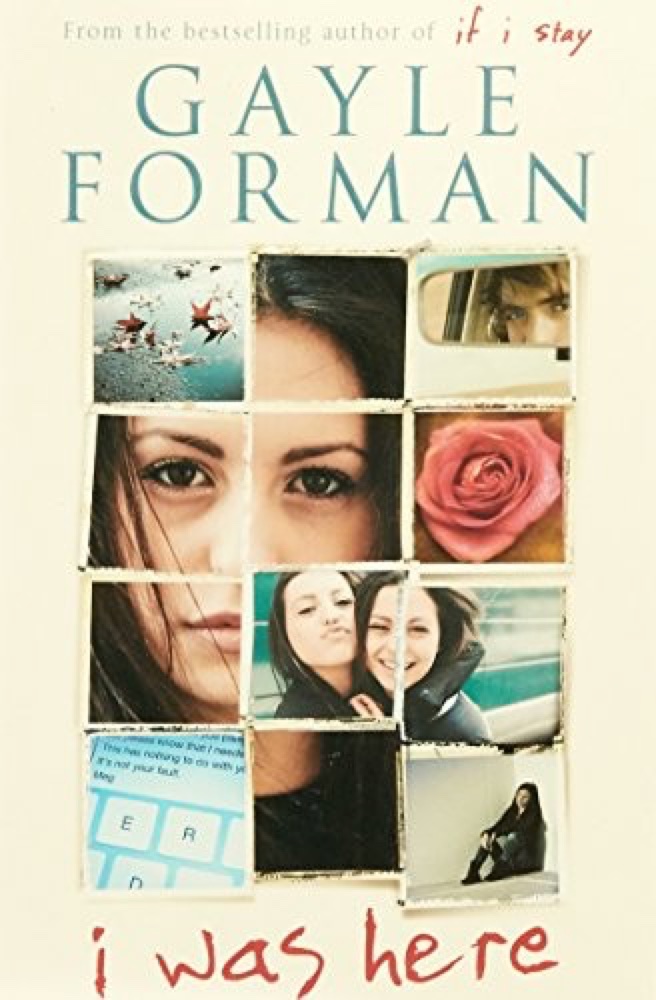 I Was Here
 The Forest of Hands and Teeth
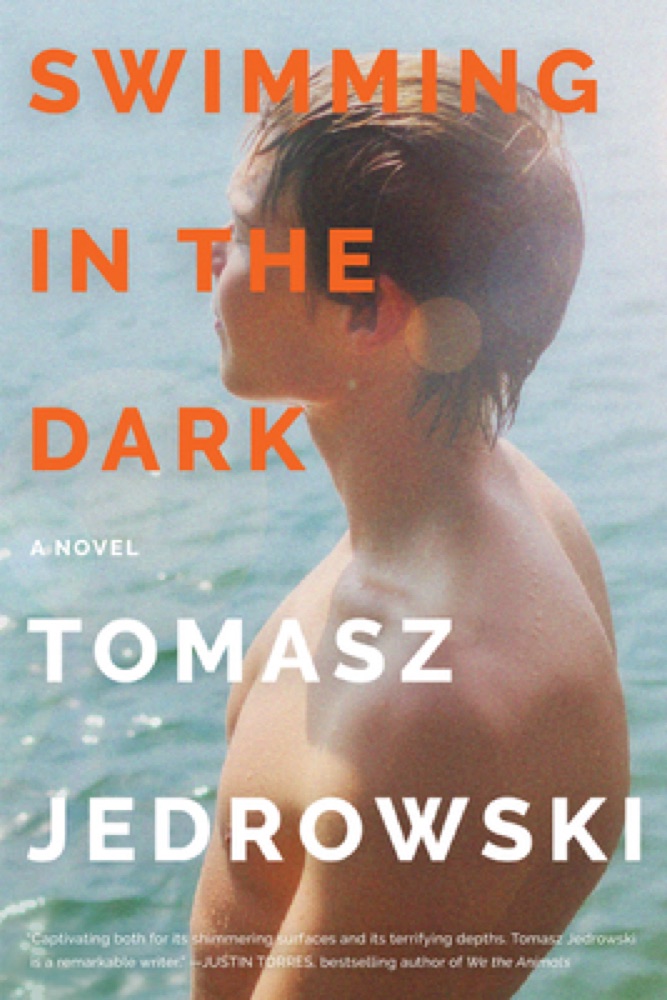 Swimming in the Dark
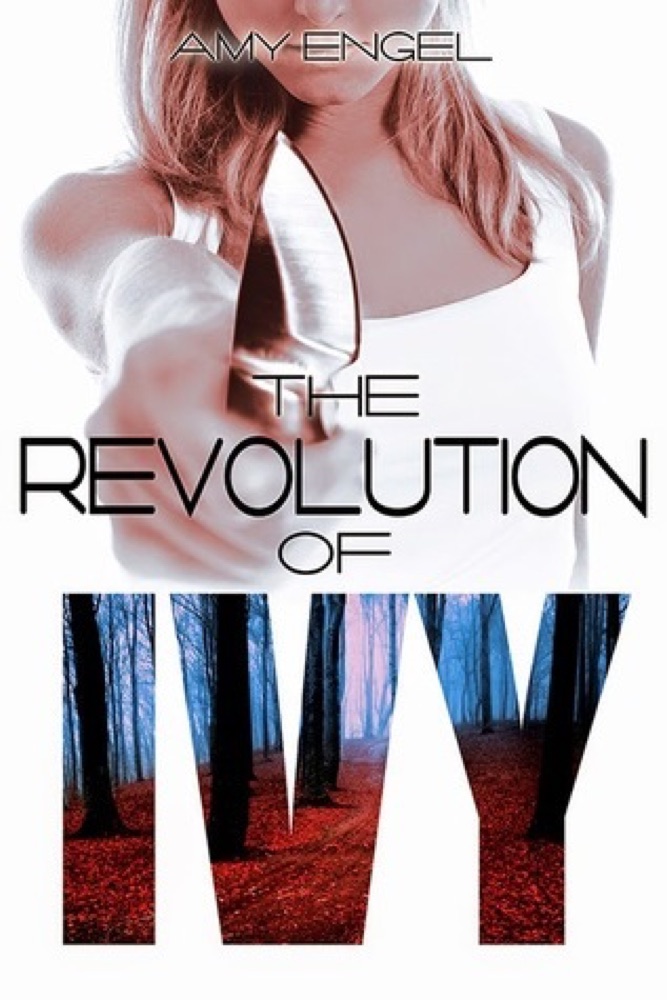 The Revolution of Ivy
 The Return
 A Million Little Pieces