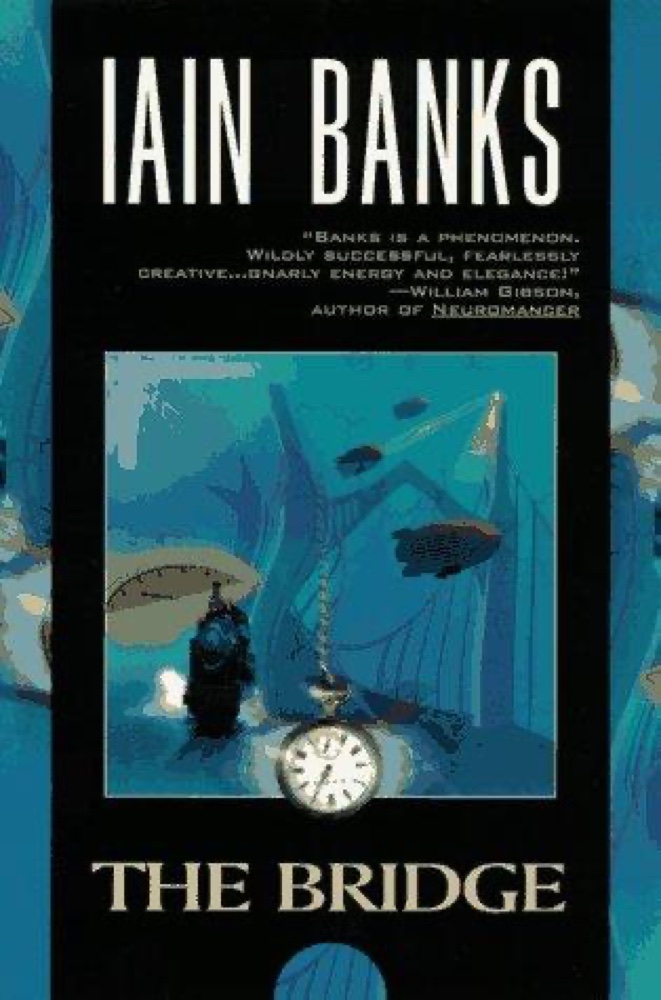

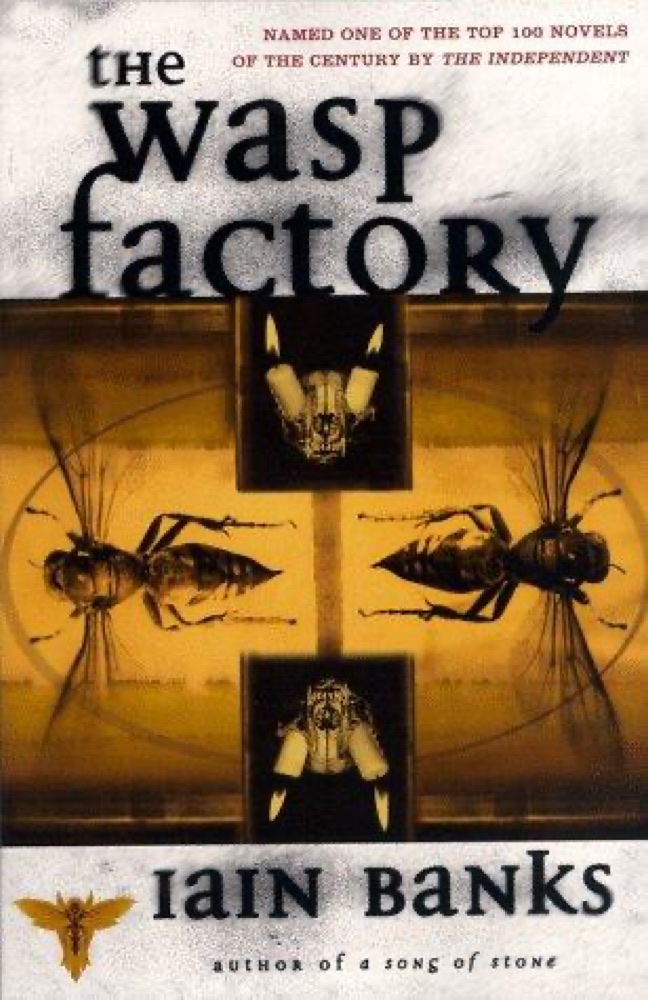
 The Wasp Factory
Quotes from the Book
I think the easiest people to fool are ourselves. Fooling ourselves may even be a necessary precondition for fooling others.
There is only darkness, starless and complete. The waves glitter like a million dull knives.
It was as if some magnetic repulsion, which before had kept our two carriages from meeting and passing, had now been reversed, and so sucked me inexorably forward, drawing me towards something my heart made clear I feared - or should fear - utterly, in the way some people are fatally attracted towards an abyss while standing on its very edge.
He would never forget the feeling of that first year, the sense of freedom just being on his own gave him. He had his own room for the first time, his own money to spend as he wanted, his own food to buy and places to go and decisions to make; it was glorious, sublime.
I luv the ded, this old baster sez to me when I wiz tryin to get some innfurmashin out ov him. You fukin old pervirt I sez, gettin a bit fed up by this time enyway, an slit his throate; ah asks you whare the fukin Sleeping Byootie woz, no whit kind of humpin you lyke.
jammed inside the bastard for three hours.’). And that bridge, the bridge . . . have to make a pilgrimage to
Future became Present, Present became Past. A truth so banal, so obvious and accepted that he had somehow managed to ignore it before.
You don't belong to her and she doesn't belong to you, but you're both part of each other; if she got up and left now and walked away and you never saw each other again for the rest of your lives, and you lived an ordinary waking life for another fifty years, even so on your deathbed you would know she was part of you.
This is not a long bridge, but it goes on for ever. I am not far from the bank, but I will never get there. I walk but I never move. Fast or slow, running, turning, doubling back, jumping, throwing myself or stopping; nothing makes any difference.
Watch on YouTube
About Iain Banks
We have collected 56 quotes from 4 books by Iain Banks on BookQuoters.
More about the author →More by Iain Banks

Book details
- Author
- Iain Banks
- Genre
- Fiction
- Goodreads rating
- 3.87 (13k ratings) →
Keep reading
 Wayward
 Long Day's Journey Into Night
 The Passage
 Surrender
 Light in August
 The Road
 A Scanner Darkly
 Impulse
 Leviathan
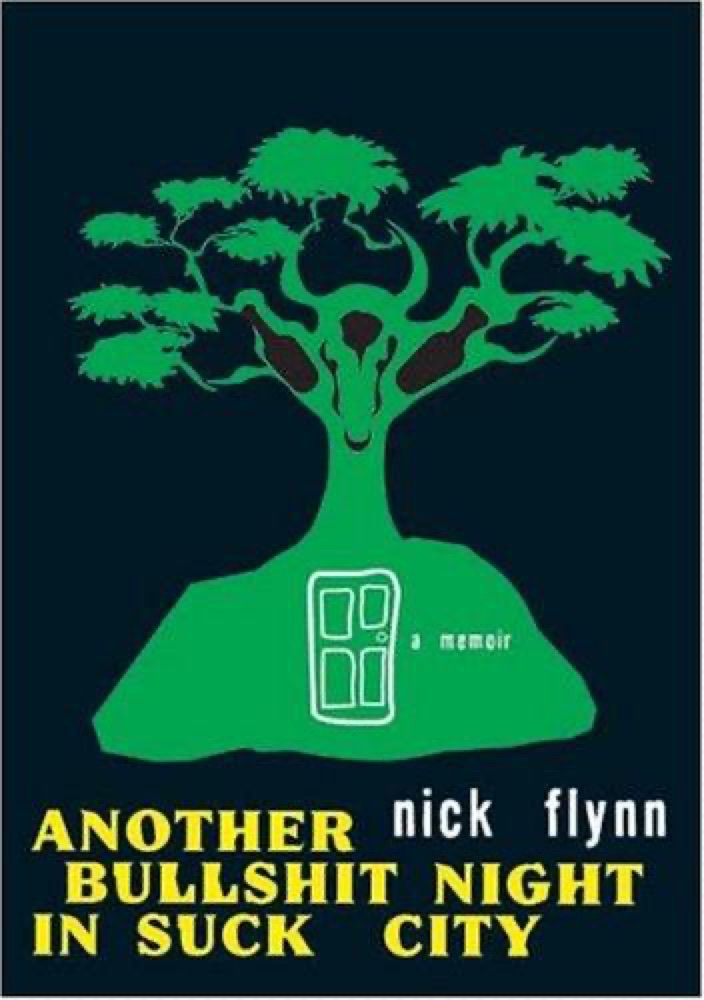 Another Bullshit Night in Suck City
 Fathers and Sons
 Heart of Darkness
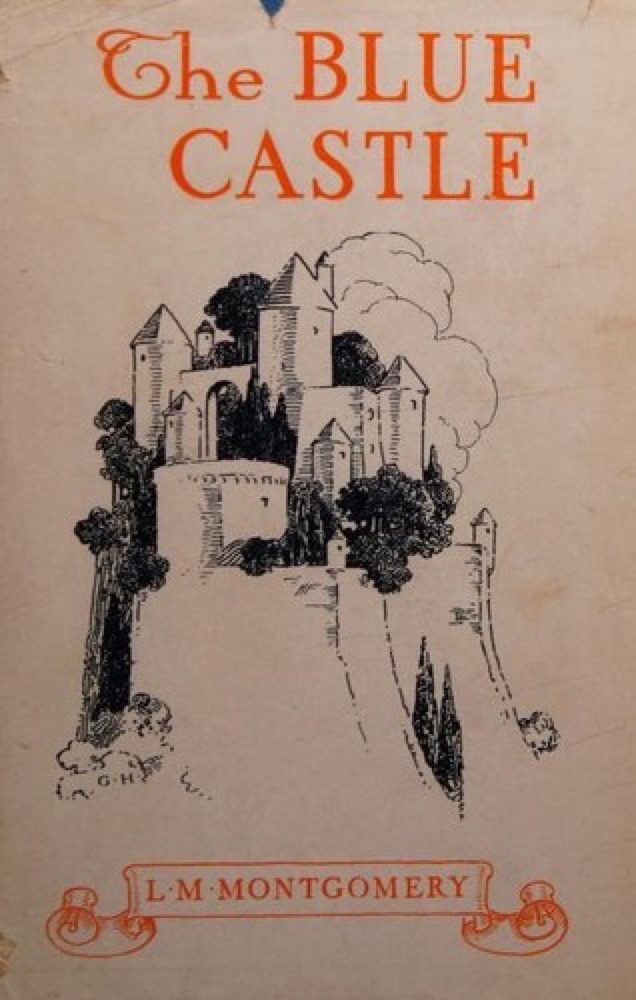 The Blue Castle
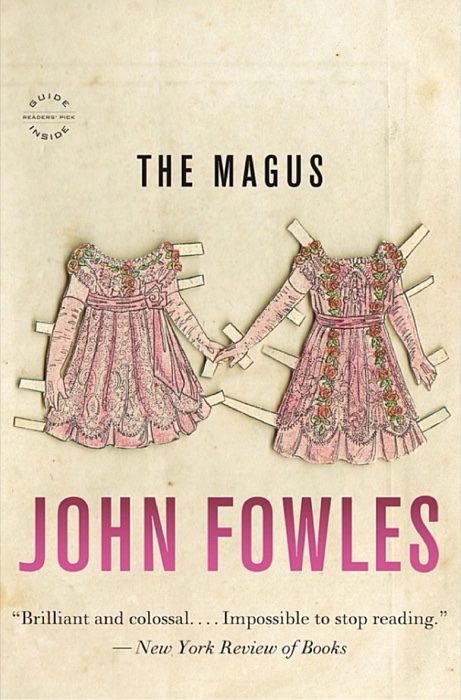 The Magus
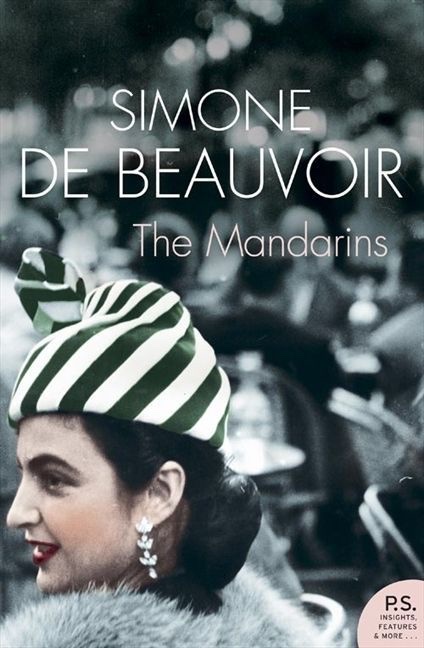 The Mandarins
 The Likeness
 The Bridges of Madison County
 Moon Palace
 Provinces of Night
 Mystic River
 The Void
 Requiem
 Three Comrades
 A Fraction of the Whole
 1Q84
1Q84
 The Gargoyle
 The Untouchable
 Surfacing
 All the King's Men
 Pandemonium
 Deliverance
 The Black Obelisk
 Fool's Fate
 South of the Border, West of the Sun
 Life Knocks
 Delirium
 The Infinite Sea
 And the Mountains Echoed
 The Stranger
 Passenger
 Doctor Sleep
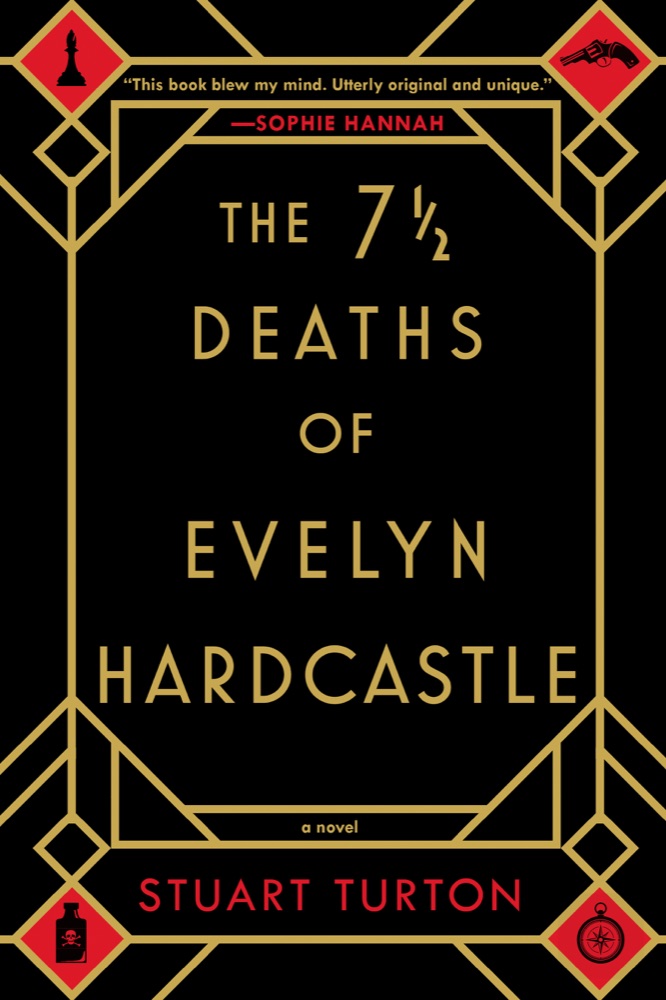 The 7½ Deaths of Evelyn Hardcastle
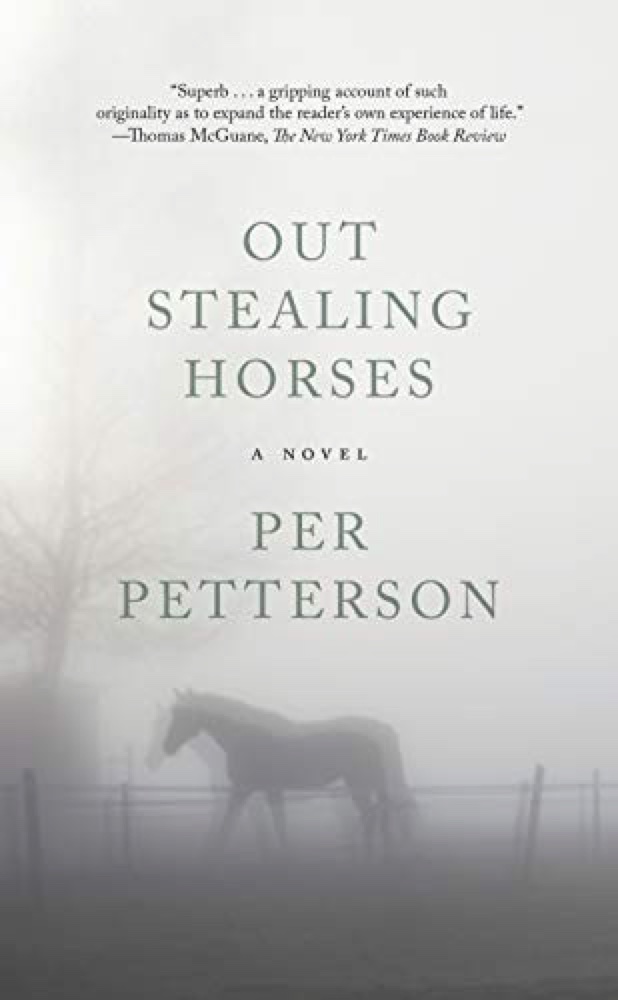 Out Stealing Horses
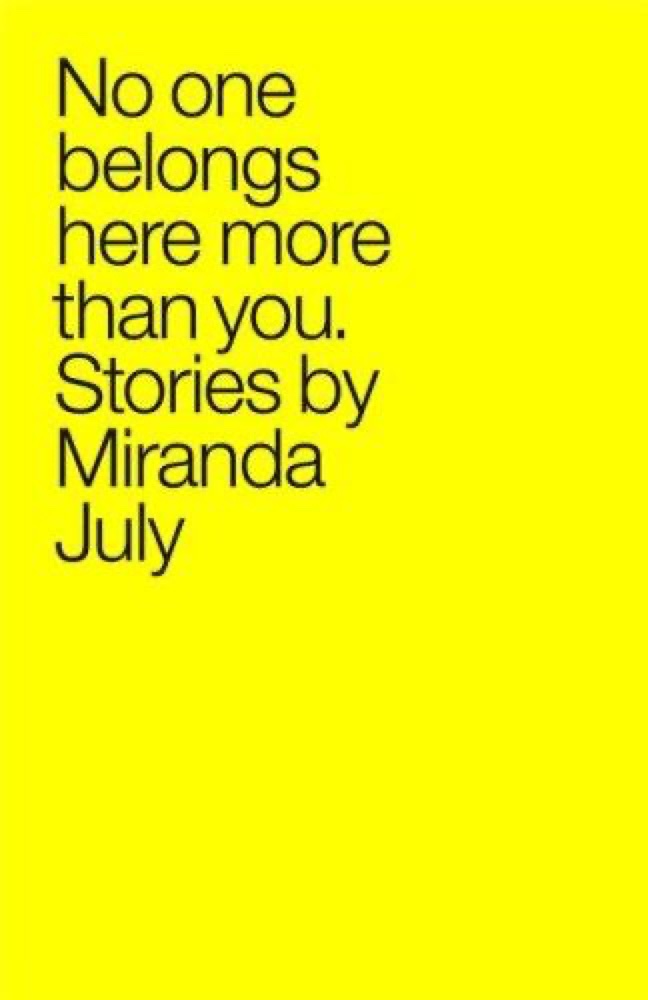 No One Belongs Here More Than You
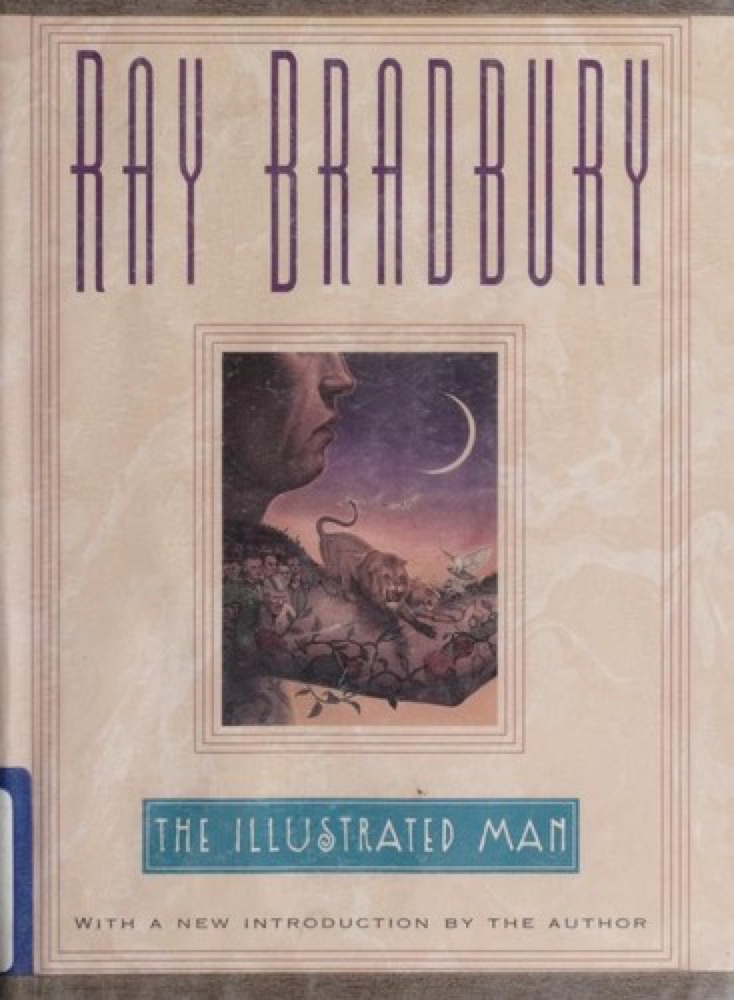 The Illustrated Man
 Wither
 So Long, See You Tomorrow
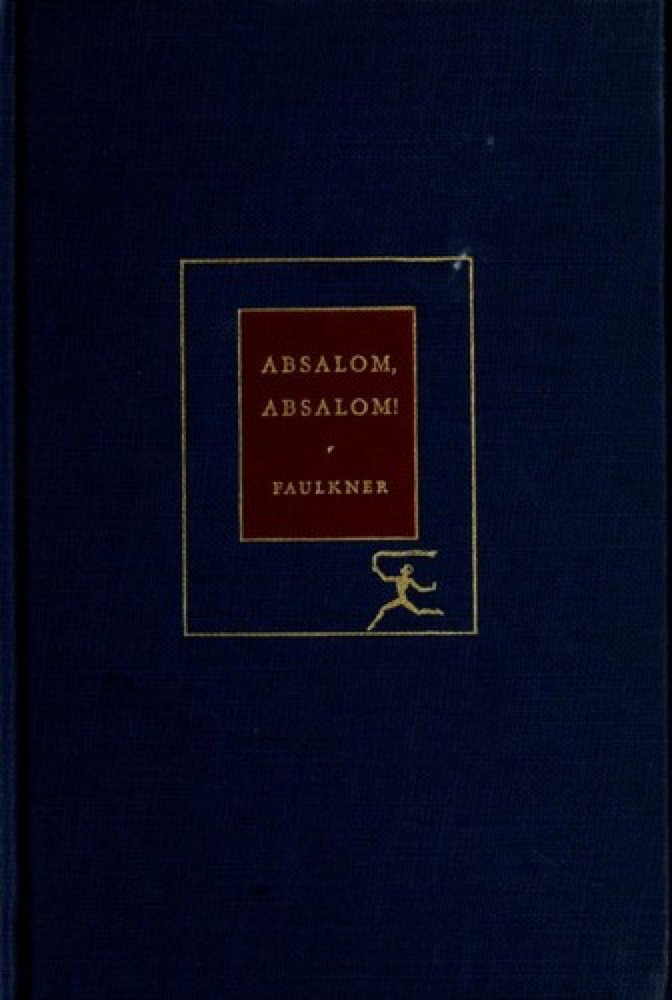 Absalom, Absalom!
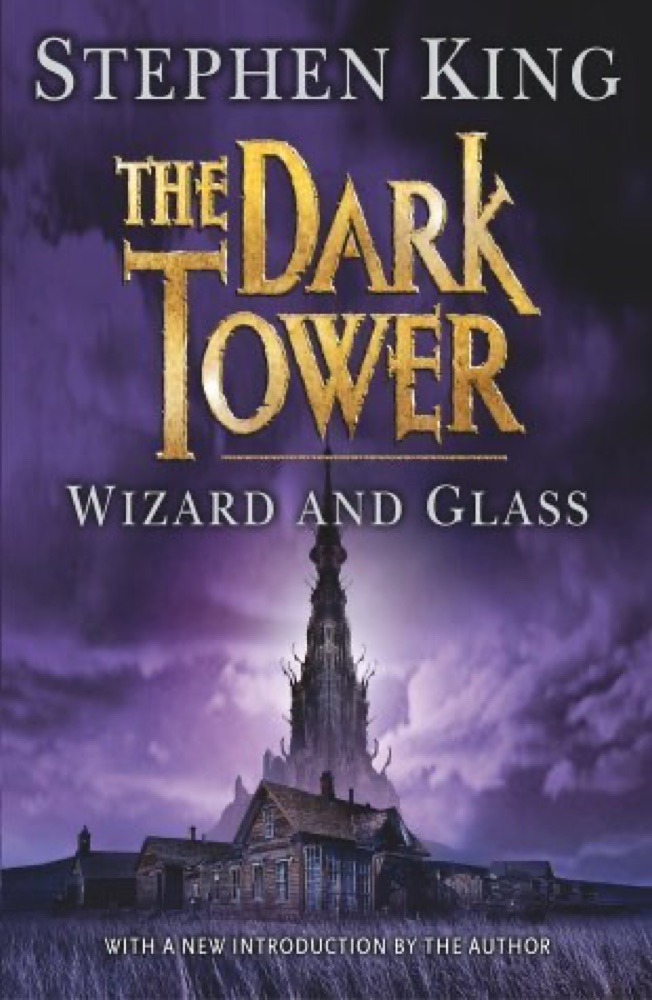 Wizard and Glass
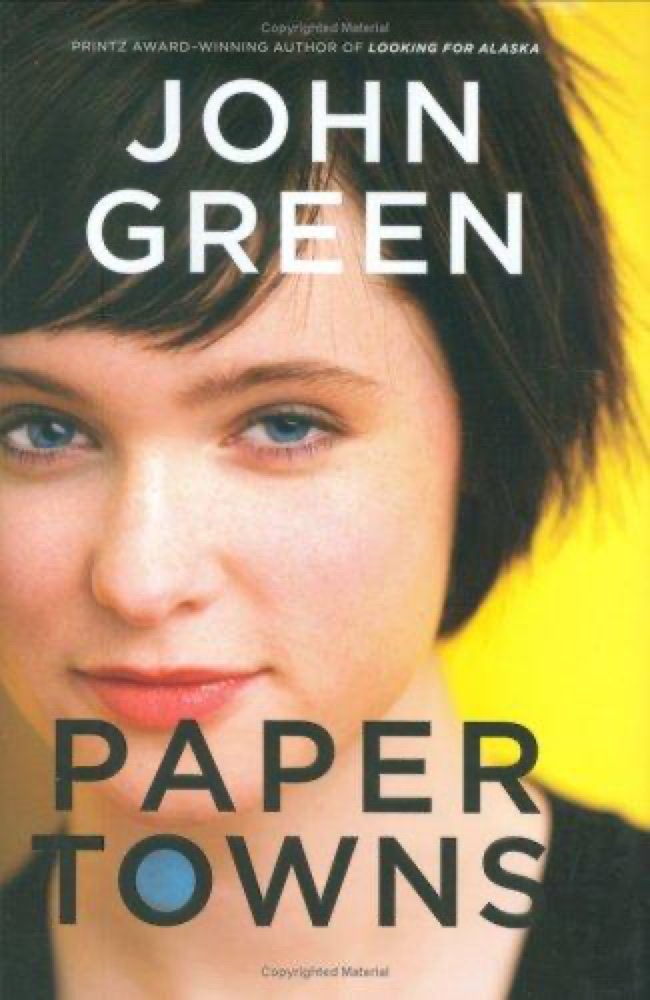 Paper Towns
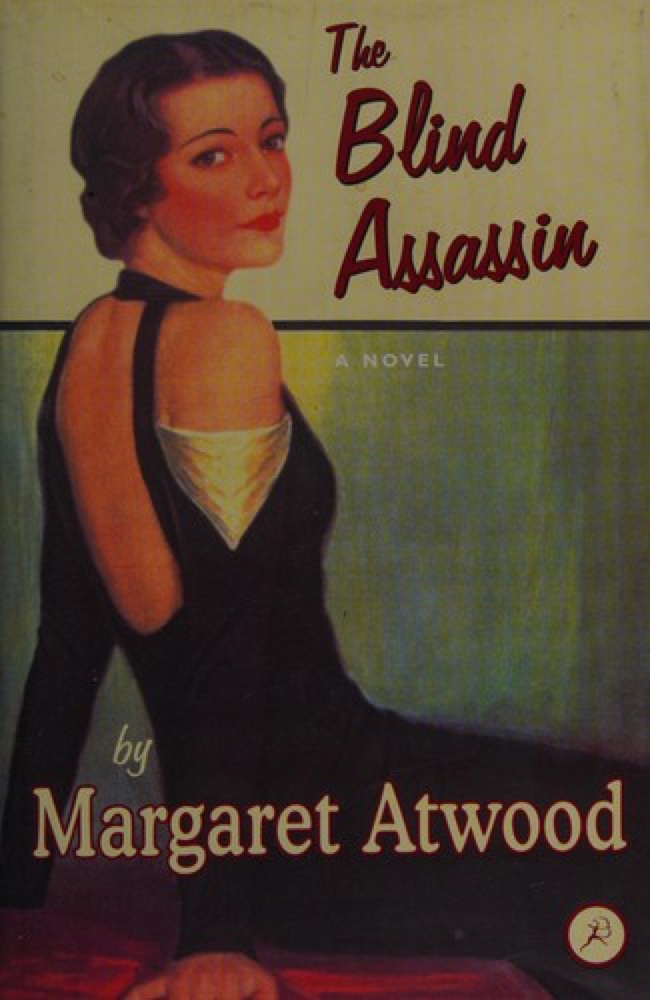 The Blind Assassin
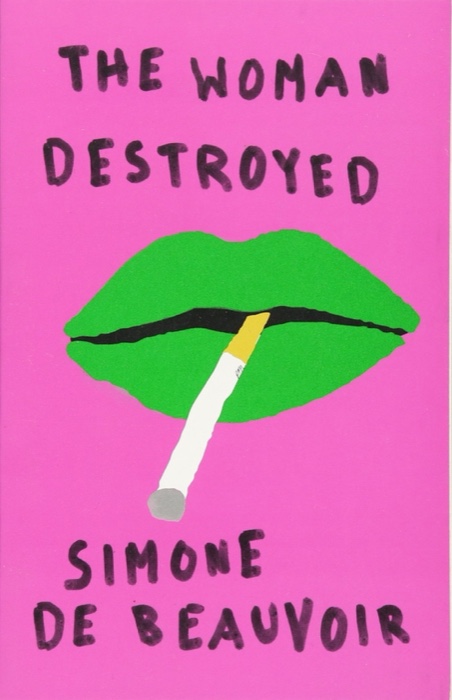 The Woman Destroyed
 Last Light
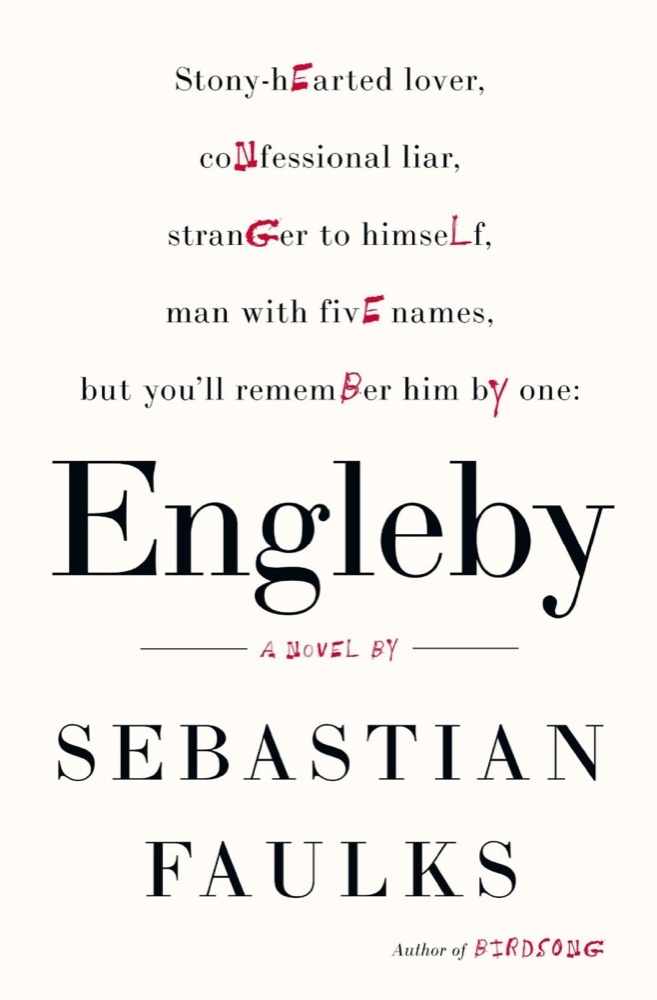 Engleby
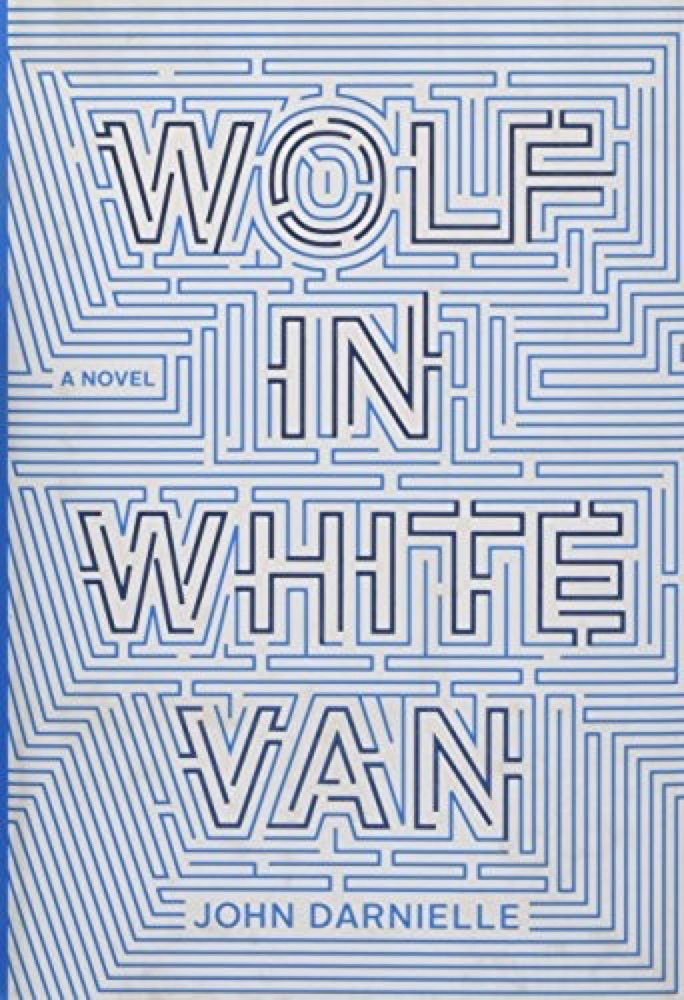 Wolf in White Van
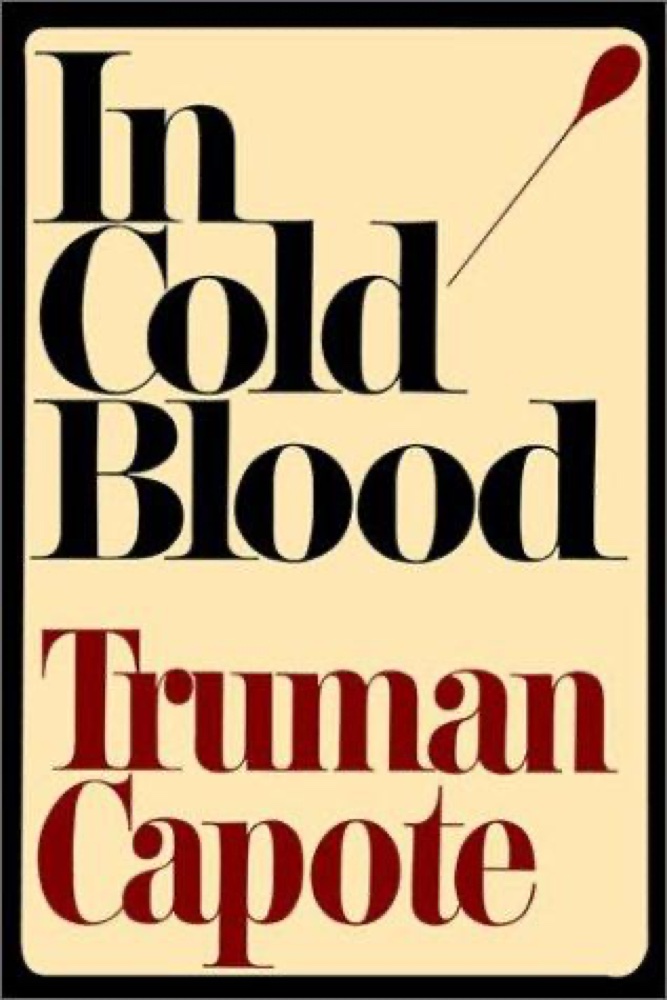 In Cold Blood
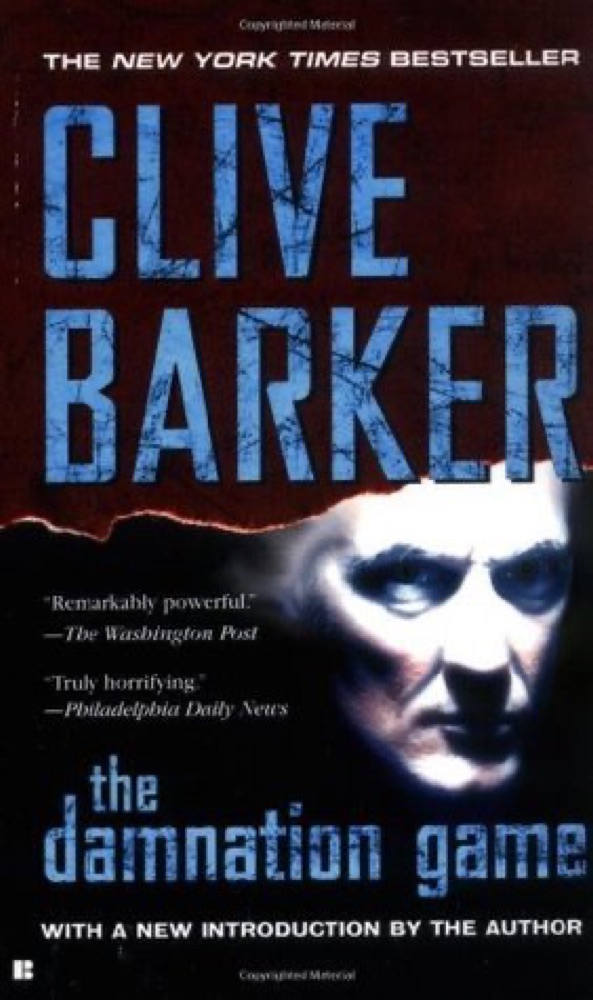 The Damnation Game
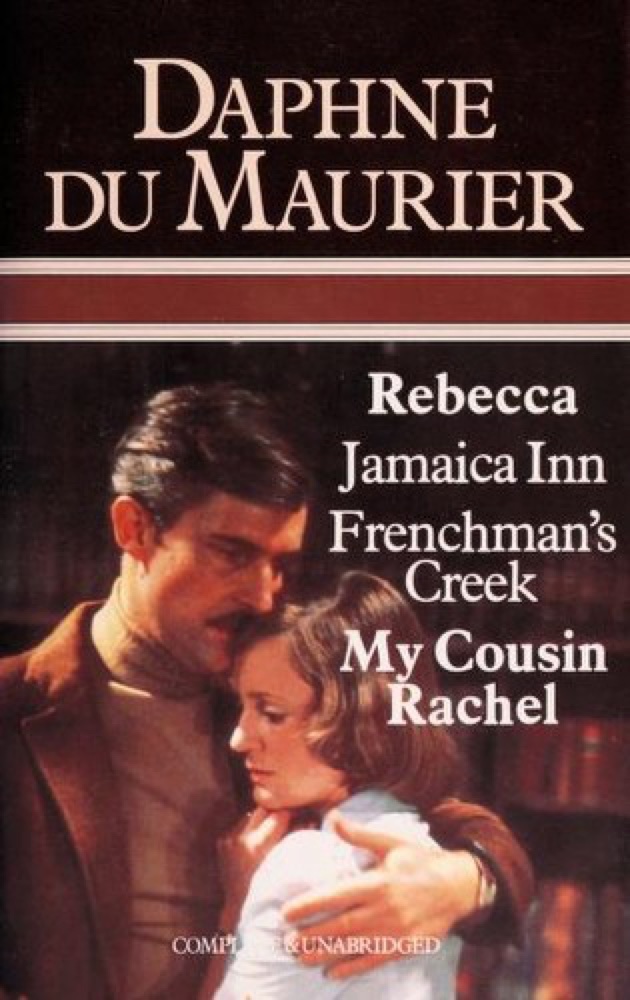 Rebecca
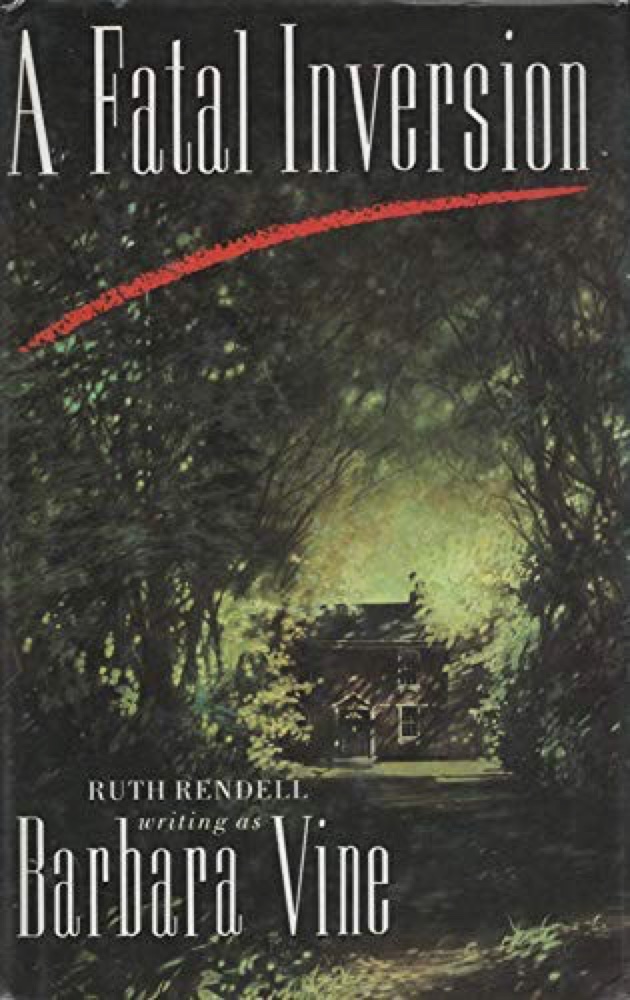 A Fatal Inversion
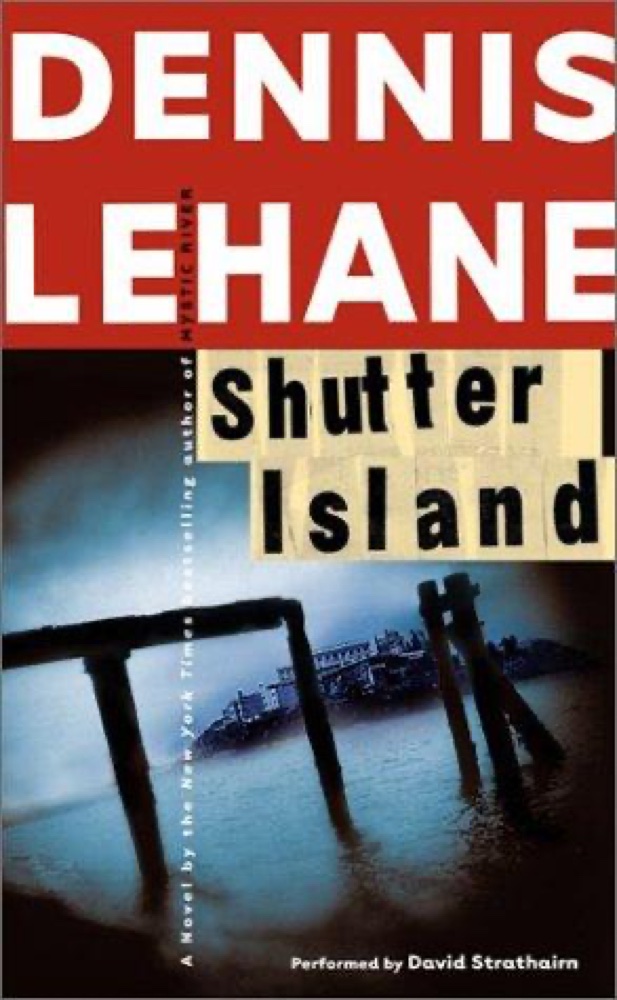 Shutter Island