
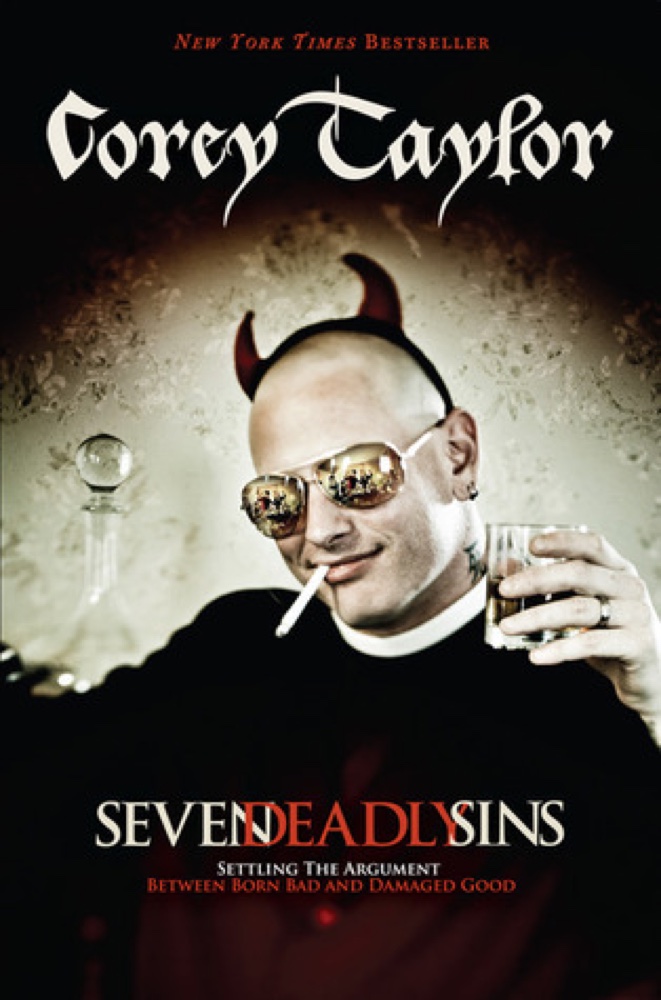
 Seven Deadly Sins: Settling the Argument Between Born Bad and Damaged Good
Quotes from the Book
When death lies ahead, it's natural to look back.
I believe love is when you are willing to value someone's or something's existence above your own.
There come times in our lives when we do things that we don't understand. We confuse ourselves, we might even logically oppose our impulses, and yet we act on them anyway. There are some things that we feel that we absolutely must do. We might know that they're wrong, or pointless, or gravely punishable, and yet we do them anyway. These actions are not born of anger or emotion - we are perfectly sober. It's rather inexplicable. When the time comes, we can't stop ourselves, and so we cannot blame ourselves.
Has anything in particular been bothering you? Plenty of things. I can't remember some of them, but they piss me off anyway.
Money is a trivial thing. How you spend it is nothing compared to how you spend your life.
Watch on YouTube
About Isamu Fukui
We have collected 5 quotes from 1 book by Isamu Fukui on BookQuoters.
More about the author →Book details
- Author
- Isamu Fukui
- Genre
- Fiction
- Goodreads rating
- 3.83 (1k ratings) →
Keep reading
Seven Deadly Sins: Settling the Argument Between Born Bad and Damaged Good
 A Stolen Life
 It Happens for a Reason
 Everything, Everything
 Adultery
 If Cats Disappeared from the World
 No Country for Old Men
 Watermelon
 Hey Nostradamus!
 Ancillary Justice
 The Time of My Life
 Dear Life
 The Gum Thief
 The Zahir
 Animal Dreams
 Everything Matters!
 Infinite Jest
 Under the Whispering Door
 The Chalk Man
 Rumble
 Awaken
 Just One Year
 A Sudden Light
 We the Living
 How to Save a Life
 The Handmaid's Tale
 Odd Hours
 Here I Am
 Without Merit
 Slammed
 Time Untime
 The Sunset Limited
 How To Talk To A Widower
 Survivor
 Hard-Boiled Wonderland and the End of the World
 Perfect Match
 If You Could See Me Now
 Britt-Marie Was Here
 Life Will Be the Death of Me: . . . and you too!
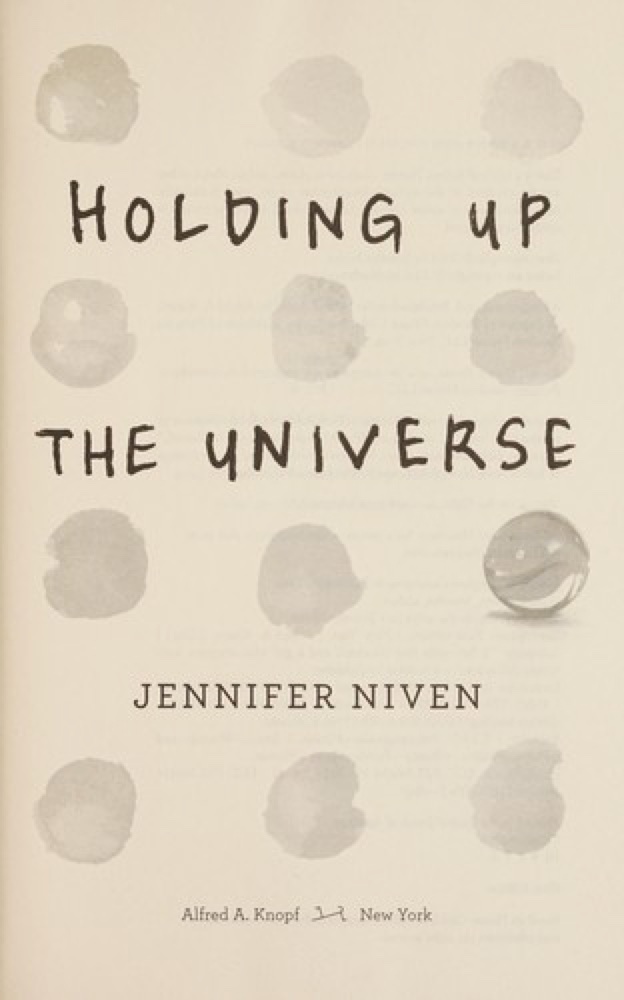 Holding Up the Universe
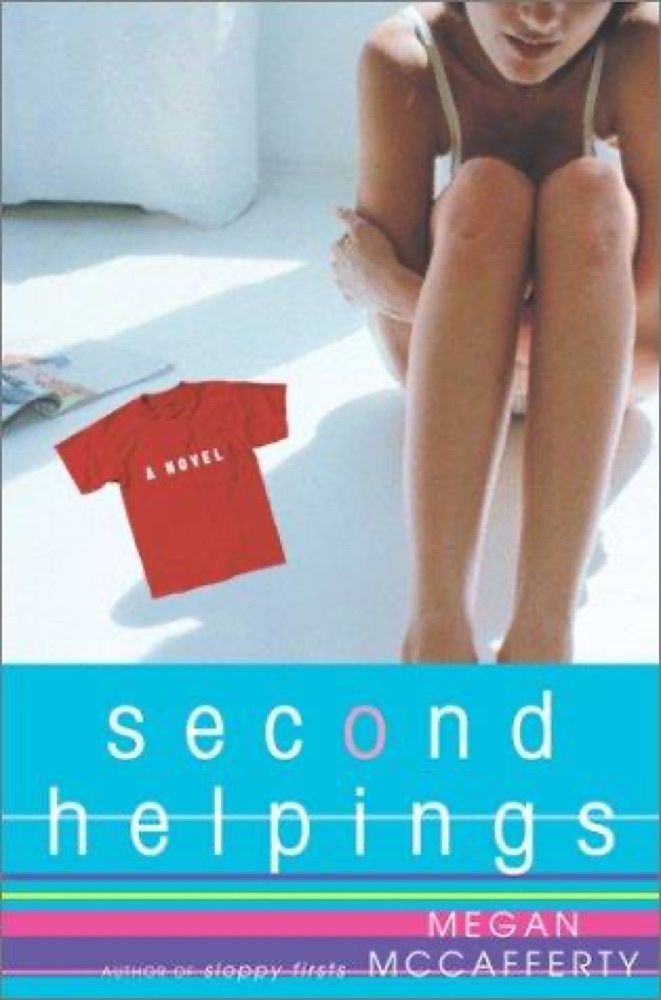 Second Helpings
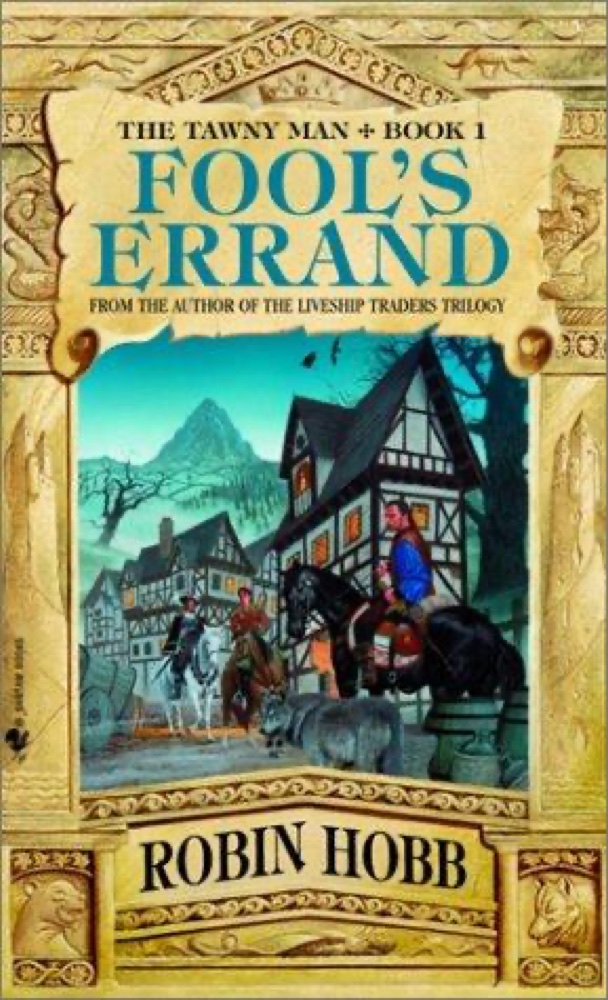 Fool's Errand
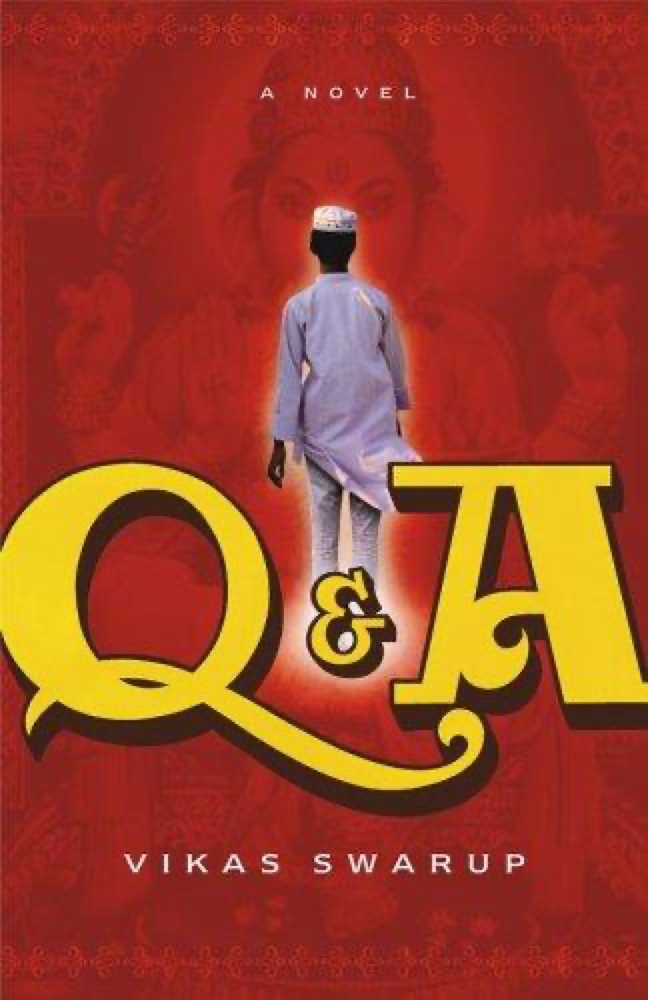 Q & A
Q & A
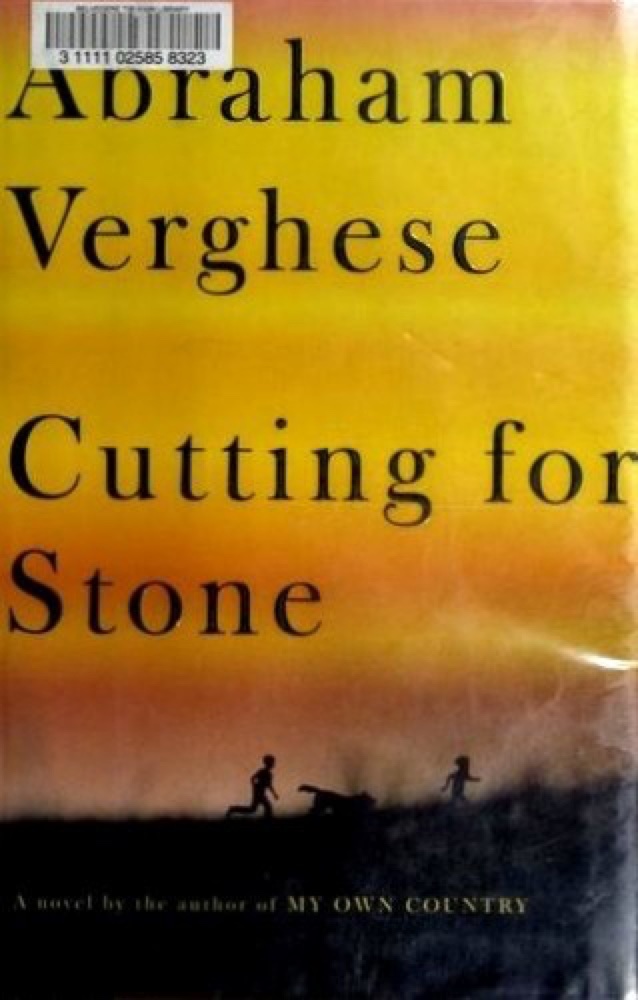 Cutting for Stone
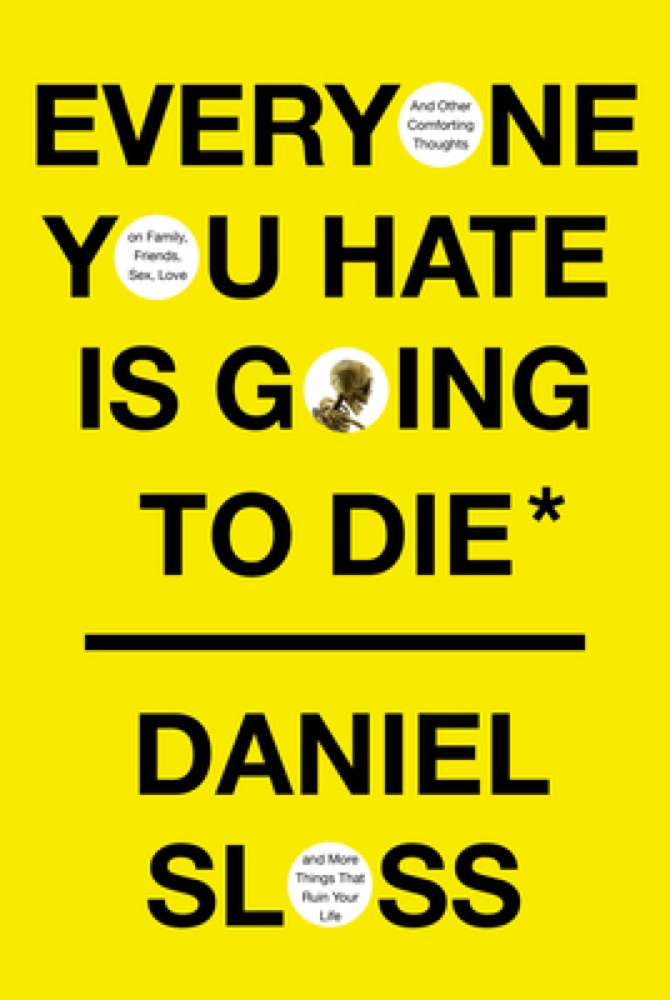 Everyone You Hate is Going to Die: And Other Comforting Thoughts on Family, Friends, Sex, Love, and More Things That Ruin Your Life
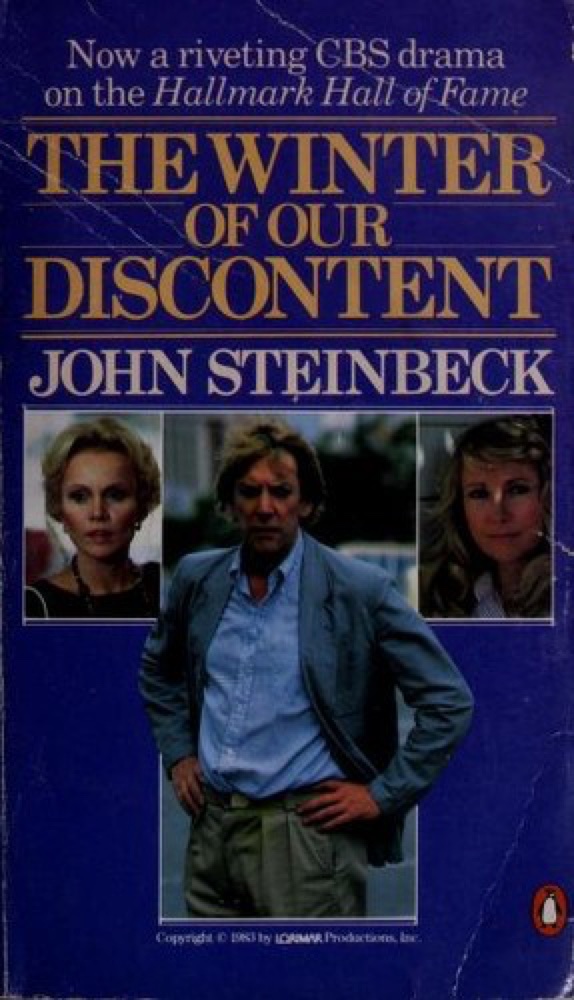 The Winter of Our Discontent
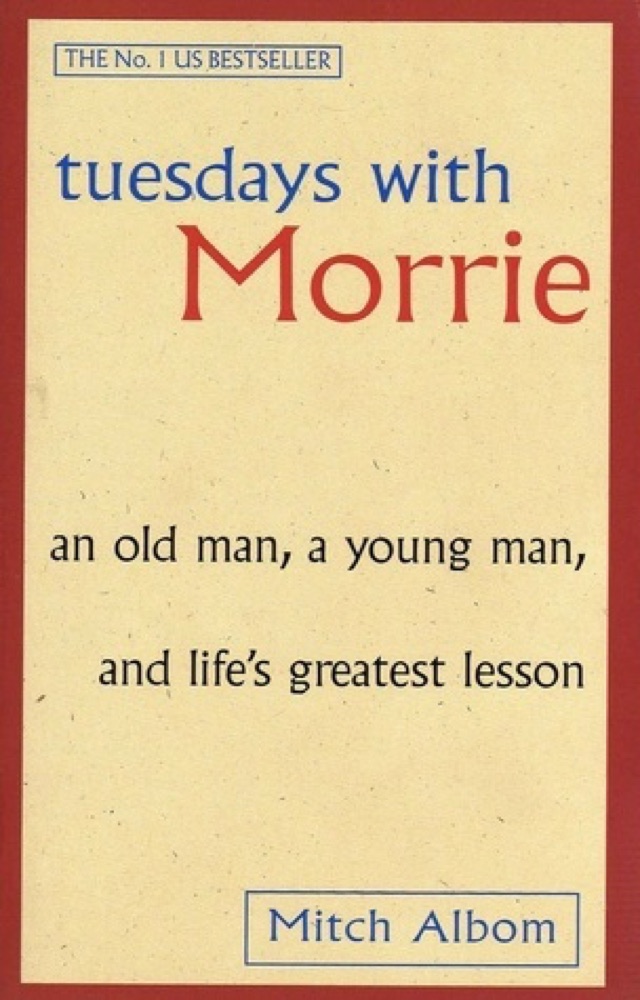 Tuesdays with Morrie
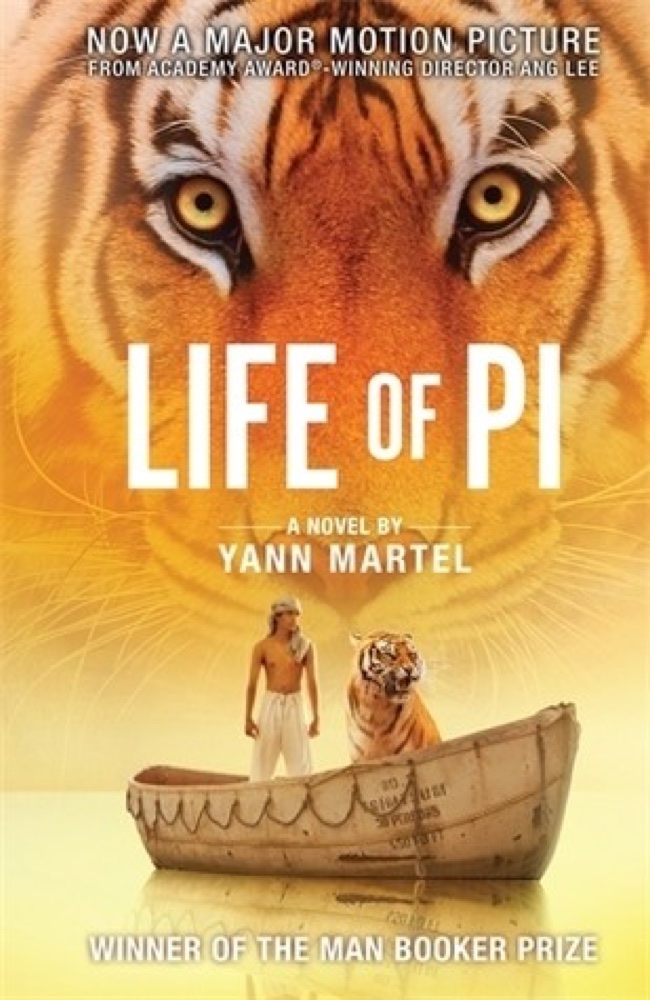 Life of Pi
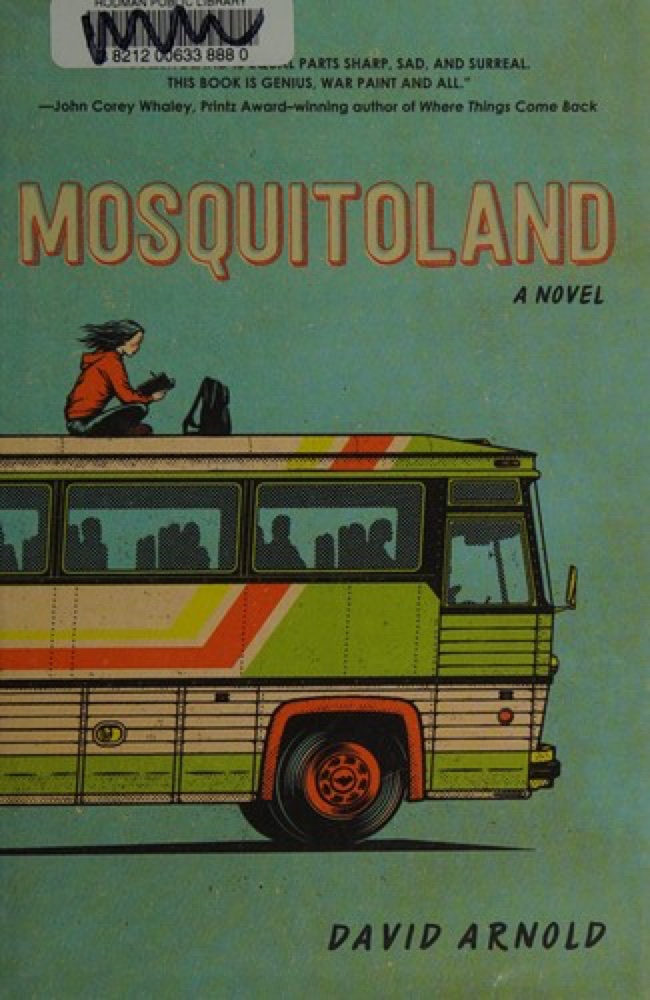 Mosquitoland
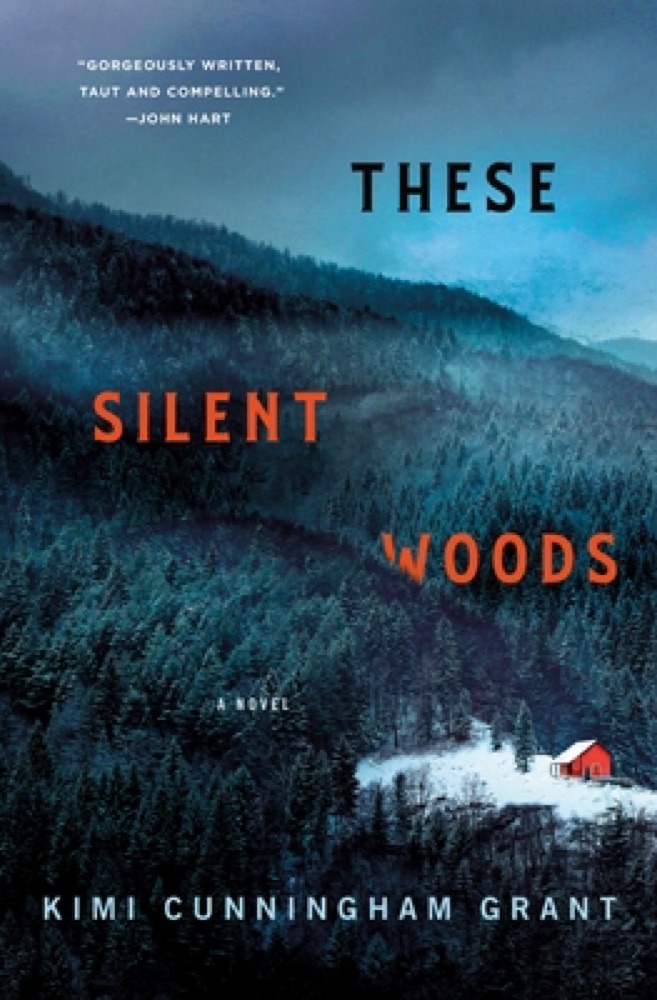 These Silent Woods
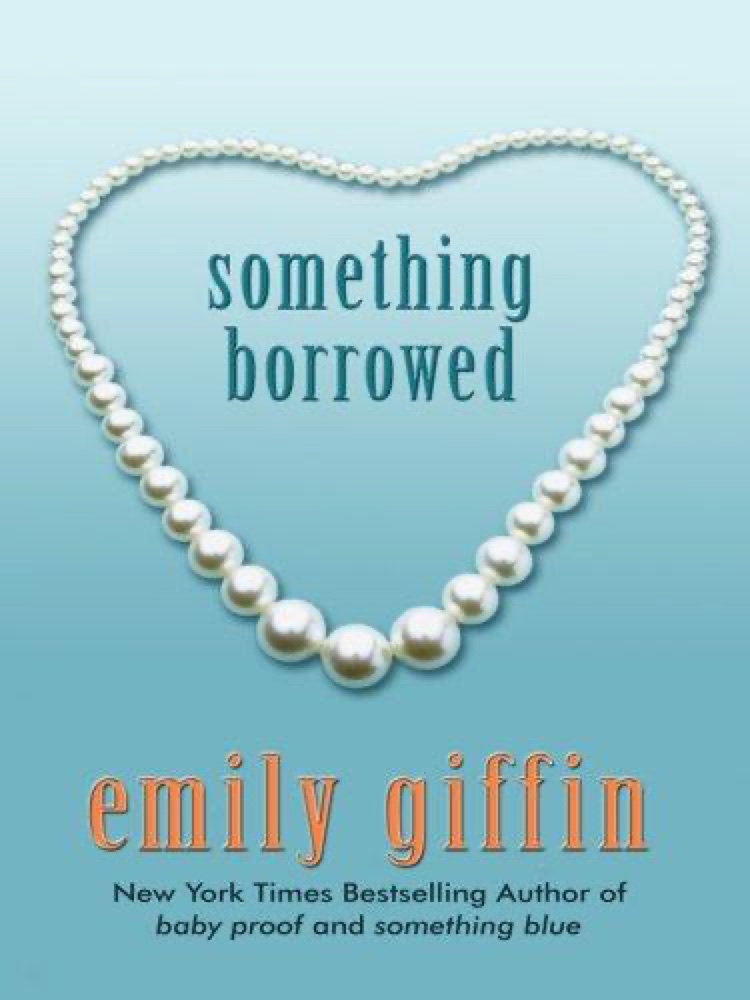 Something Borrowed
 The Mad Ship
 Notes to Myself
 Thanks for the Memories
 The Resistance
 Say Goodbye for Now
 1Q84
1Q84
 Thanks for the Trouble
 Any Human Heart
 Kafka on the Shore