

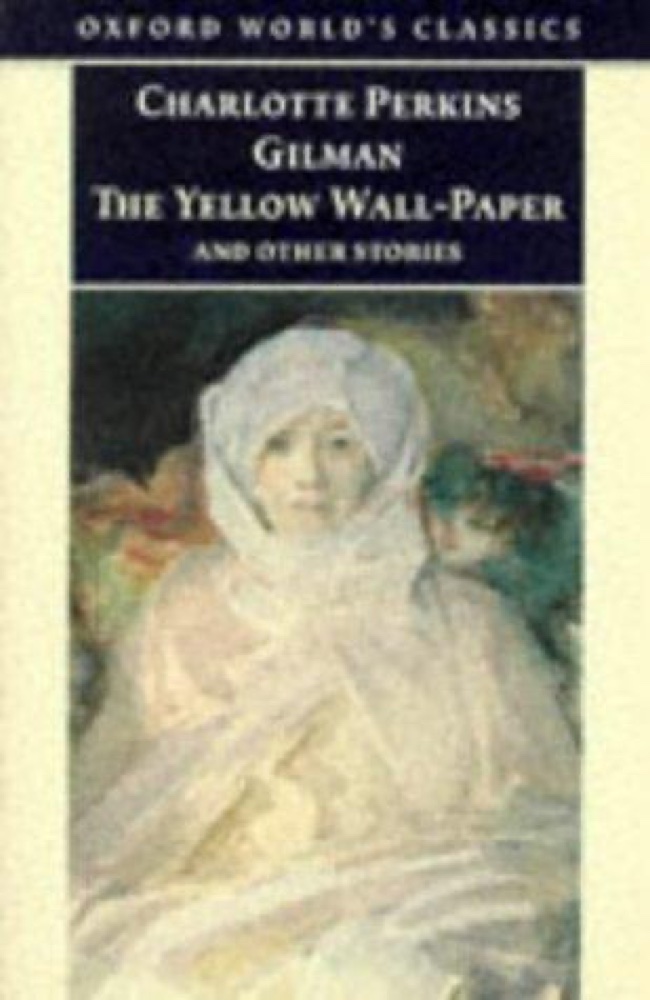
 The Yellow Wall-Paper
Quotes from the Book
It is the same woman, I know, for she is always creeping, and most women do not creep by daylight.
There are things in that paper that nobody knows but me, or ever will.
I'm sure I never used to be so sensitive. I think it is due to this nervous condition.
It is dull enough to confuse the eye in following, pronounced enough to constantly irritate and provoke study, and when you follow the lame uncertain curves for a little distance they suddenly commit suicide—plunge off at outrageous angles, destroy themselves in unheard of contradictions.
Its time we woke up,” pursued Gerald, still inwardly urged to unfamiliar speech. “Women are pretty much people, seems to me. I know they dress like fools - but who’s to blame for that? We invent all those idiotic hats of theirs, and design their crazy fashions, and what’s more, if a woman is courageous enough to wear common-sense clothes - and shoes - which of us wants to dance with her?
Most men’s eyes, when you look at them critically, are not like that. They may look at you very expressively, but when you look at them, just as features, they are not very nice.
I often wonder if I could see her out of all the windows at once. But, turn as fast as I can, I can only see out of one at one time. And though I always see her, she may be able to creep faster than I can turn! I have watched her sometimes away off in the open country, creeping as fast as a cloud shadow in a high wind.
It is a big, airy room, the whole floor nearly, with windows that look all ways, and air and sunshine galore. It was nursery first and then playroom and gymnasium, I should judge; for the windows are barred for little children, and there are rings and things in the walls. The paint and paper look as if a boys' school had used it. It is stripped off--the paper--in great patches all around the head of my bed, about as far as I can reach, and in a great place on the other side of the room low down. I never saw a worse paper in my life. One of those sprawling flamboyant patterns committing every artistic sin. It is dull enough to confuse the eye in following, pronounced enough to constantly irritate and provoke study, and when you follow the lame uncertain curves for a little distance they suddenly commit suicide--plunge off at outrageous angles, destroy themselves in unheard of contradictions. The color is repellant, almost revolting; a smouldering unclean yellow, strangely faded by the slow-turning sunlight. It is a dull yet lurid orange in some places, a sickly sulphur tint in others. No wonder the children hated it! I should hate it myself if I had to live in this room long.
And there was you - your fair self, always delicately dressed, with white firm fingers sure of touch in delicate true work. I loved you then.
I want to marry you, Malda - because I love you - because you are young and strong and beautiful - because you are wild and sweet and - fragrant, and - elusive, like the wild flowers you love. Because you are so truly an artist in your special way, seeing beauty and giving it to others. I love you because of all of this, because you are rational and highminded and capable of friendship - and in spite of your cooking!” “But - how do you want to live?” “As we did here - at first,” he said. “There was peace, exquisite silence. There was beauty - nothing but beauty. There were the clean wood odors and flowers and fragrances and sweet wild wind. And there was you - your fair self, always delicately dressed, with white firm fingers sure of touch in delicate true work. I loved you then.
I am, unfortunately, one of those much-berated New England women who have learned to think as well as feel; and to me, at least, marriage means more than a union of hearts and bodies--it must mean minds, too.
Nobody would believe what an effort it is to do what little I am able,—to dress and entertain, and order things.
I don't like to look out of the windows even--there are so many of those creeping women, and they creep so fast. I wonder if they all come out of that wallpaper as I did?
It is the strangest yellow, that wallpaper! It makes me think of all the yellow things I ever saw-not beautiful ones like buttercups but old foul, bad yellow things.
I suppose I shall have to get back behind the pattern when it comes night, and that is hard! It is so pleasant to be out in this great room and creep around as I please! I don't want to go outside. I won't even if Jennie asks me to. For outside you have to creep on the ground, and everything is green instead of yellow. But here I can creep smoothly on the floor, and my shoulder just fits in that long smooch around the wall, so I cannot loose my way.
John is away all day, and even some nights when his cases are serious. I am glad my case is not serious!
This was not life, this was a nightmare.
Did you know?
- The title story, "The Yellow Wallpaper," was first published in January 1892 in The New England Magazine.
- Gilman drew on her own postpartum depression and the "rest cure" prescribed by Dr. Silas Weir Mitchell when writing the story.
- Gilman said the story was "not intended to drive people crazy, but to save people from being driven crazy."
- This Dover Thrift edition collects seven stories: "The Yellow Wallpaper," "Three Thanksgivings," "The Cottagette," "Turned," "Making a Change," "If I Were a Man," and "Mr. Peebles' Heart."
- Gilman wrote more than 200 short stories over her career.
About Charlotte Perkins Gilman
Charlotte Perkins Gilman (1860-1935) was an American writer, feminist, and early sociologist active in the women's rights movement. She is best known for the story "The Yellow Wallpaper" (1892), the treatise "Women and Economics" (1898), and the utopian novel "Herland" (1915).
More about the author →More by Charlotte Perkins Gilman
The Yellow Wall-Paper
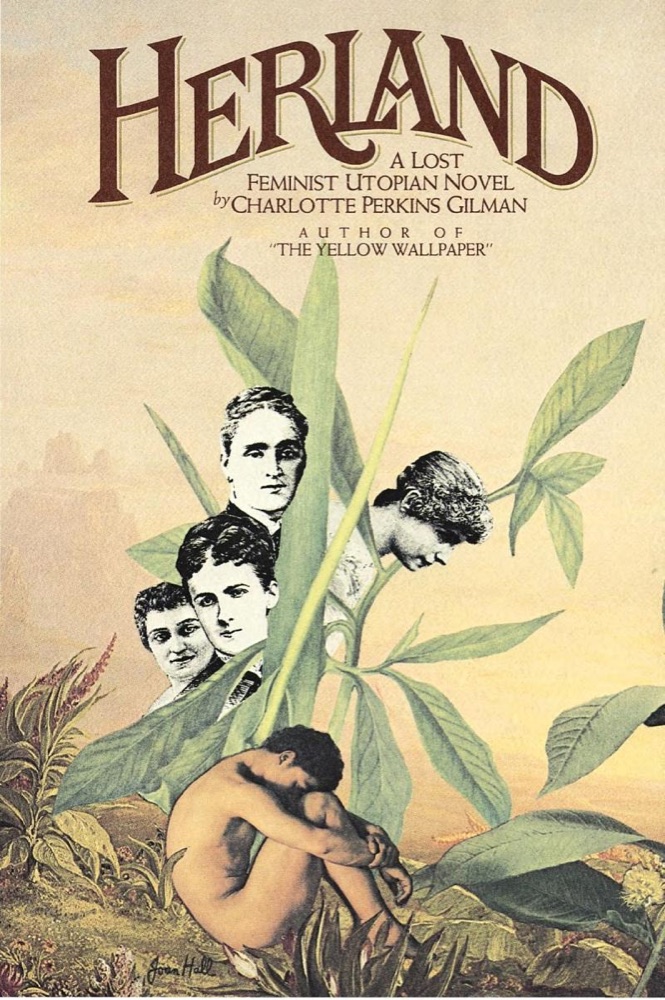 Herland
About the book
"The Yellow Wallpaper and Other Stories" gathers seven of Charlotte Perkins Gilman's finest short stories, led by her celebrated 1892 title tale. In "The Yellow Wallpaper," an unnamed woman is confined to an upstairs room by her physician husband as a "rest cure" for nervous depression, forbidden to work or write. Isolated and idle, she grows fixated on the room's lurid yellow wallpaper, coming to believe a woman is trapped and creeping behind its pattern.
The collection pairs that famous descent into obsession with lighter and more ironic pieces such as "Turned," "The Cottagette," "Making a Change," "If I Were a Man," "Three Thanksgivings," and "Mr. Peebles' Heart." Across the stories Gilman returns to the constraints society placed on women, exploring marriage, domestic labor, creative freedom, and economic independence, often turning a satirical eye on conventional gender roles rather than dwelling only on despair.
Drawn from Gilman's own experience of a prescribed rest cure and her rejection of it, the title story became a landmark of feminist literature and a frequent text in discussions of women's mental health and medical authority. Once nearly forgotten, it was rediscovered in the 1970s and is now widely taught, giving this compact anthology lasting standing as an introduction to one of America's most incisive early feminist writers.
Key characters
- The narratorUnnamed woman confined for a "rest cure" who becomes obsessed with the wallpaper
- JohnThe narrator's husband and physician, who prescribes her rest and confinement
- JennieJohn's sister, who keeps house and watches over the narrator
- The woman in the wallpaperFigure the narrator imagines trapped and creeping behind the pattern
Book details
- First published
- 1892
- Length
- 80 pages
- Reading time
- 2 hours
- Author
- Charlotte Perkins Gilman
- Genre
- Classics
- Goodreads rating
- 4.06 (379k ratings) →
- First line
- “It is very seldom that mere ordinary people like John and myself secure ancestral halls for the summer.”
Movie & TV adaptations
- IMDb
- IMDb
If you liked this, read…
- 1The AwakeningKate Chopin's novel of a woman chafing against marriage and social constraint
- 2The Story of an HourKate Chopin's short story on a wife's suppressed longing for freedom
- 3HerlandGilman's own utopian novel imagining a society run entirely by women
Keep reading
The Yellow Wall-Paper
 The Portable Dorothy Parker
 Bluebeard's Egg
 In the Woods
 The Color Master: Stories
 Cat's Eye
 In the Heart of the Heart of the Country and Other Stories
 Bunny
Bunny
 The Woman Destroyed
 The Girl Before
 I Am Half-Sick of Shadows
 Her Body and Other Parties
 The Moonstone
 A Great and Terrible Beauty
 Sixty Stories
 Emily's Quest
 Rebecca
 Her Fearful Symmetry
 Glass, Irony and God
 Dept. of Speculation
 The Broom of the System
 A Northern Light
 Too Much Happiness: Stories
 Six Years
 By Nightfall
 Greenwich Park
 The Folded Clock: A Diary
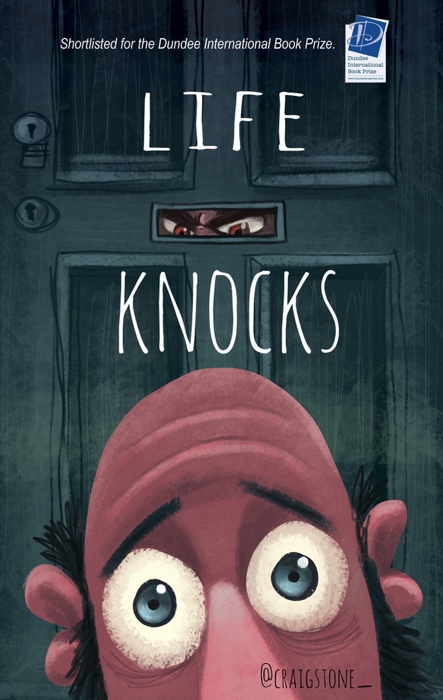 Life Knocks
 Curtain
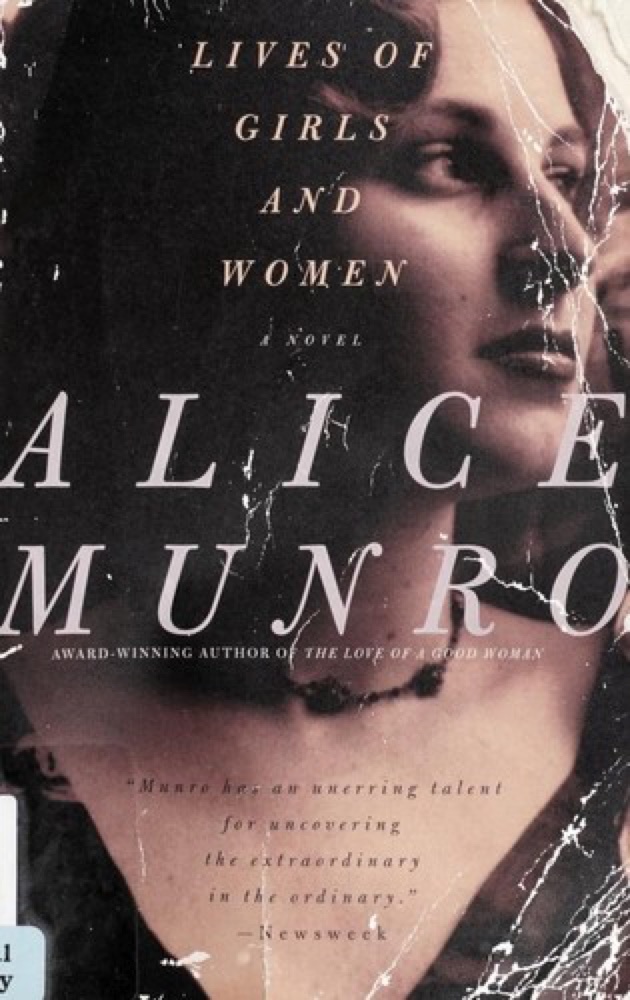 Lives of Girls and Women
 Mr. Fox
 Sharp Objects
 The Basic Eight
 The Hazel Wood
 What I Loved
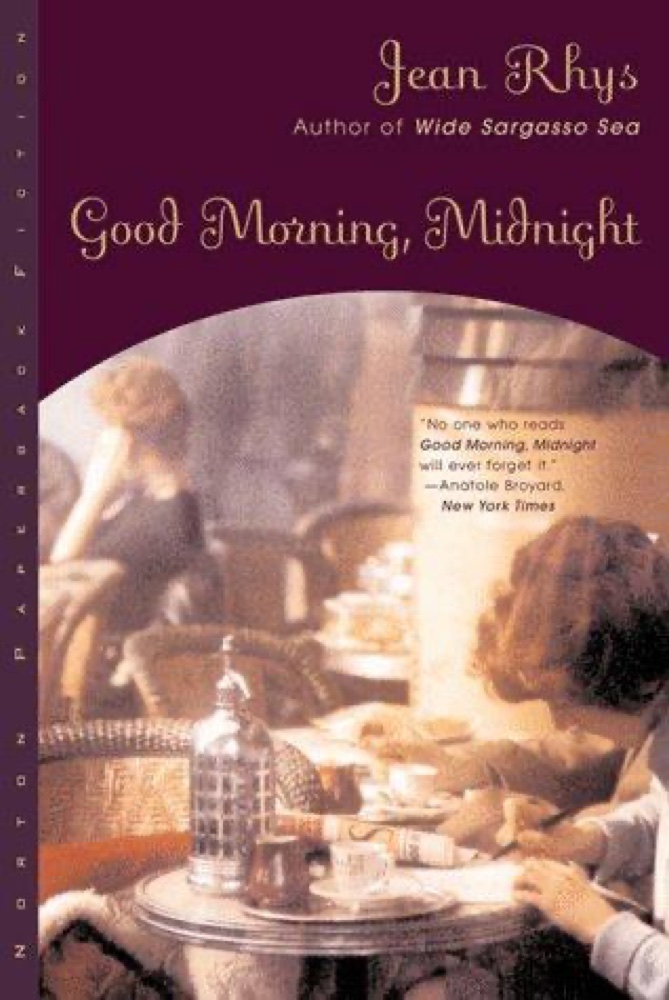 Good Morning, Midnight
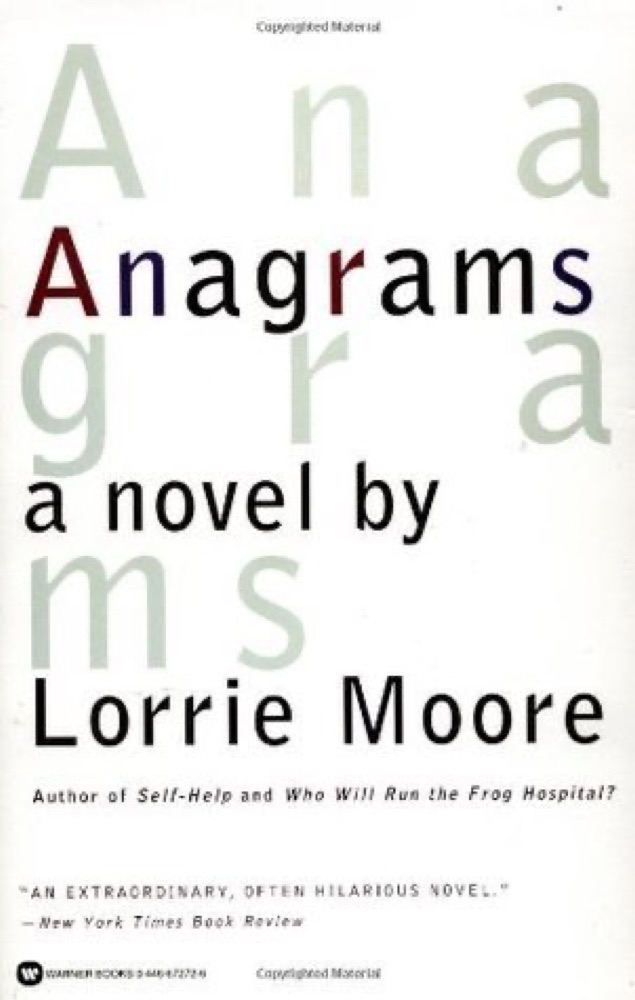 Anagrams
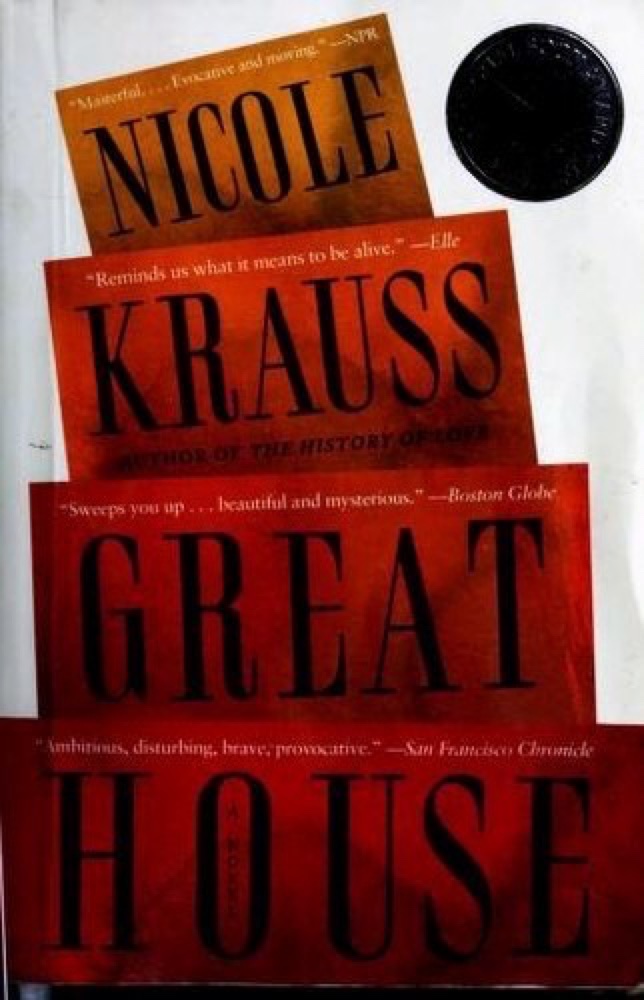 Great House
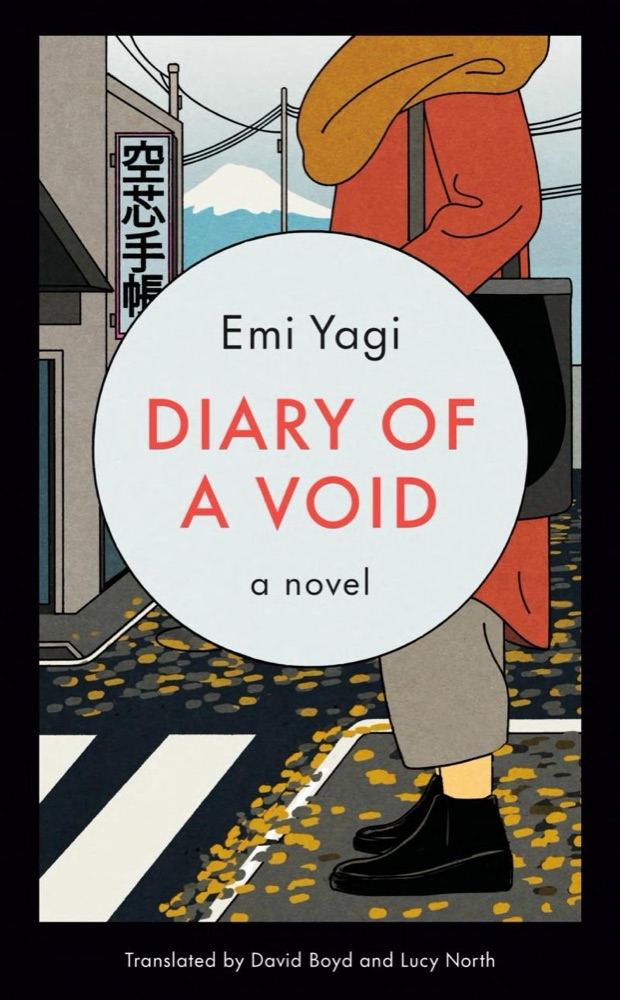 Diary of a Void
 Just After Sunset
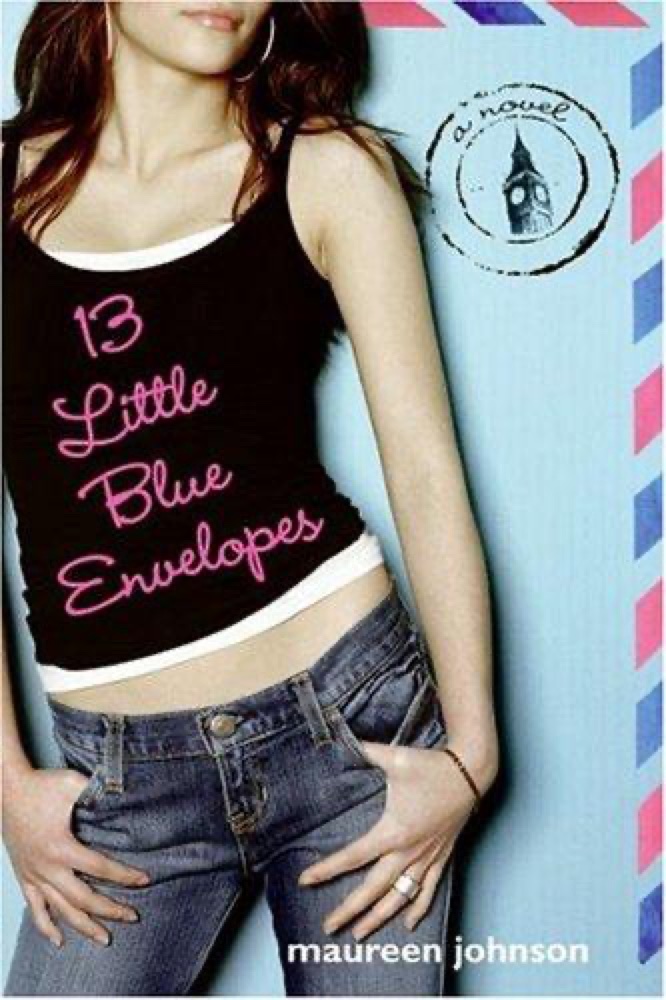 13 Little Blue Envelopes
 The Stories of John Cheever
 Victorian Psycho
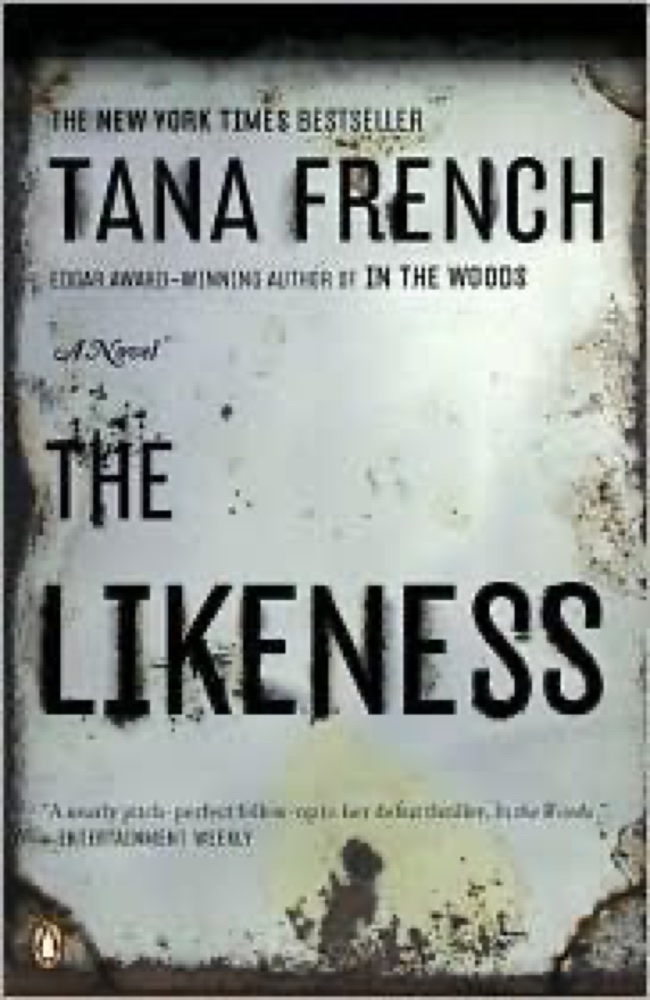 The Likeness
 Little Altars Everywhere
 The Swan Thieves
 White Oleander
 The Blindfold
![What Was She Thinking? [Notes on a Scandal]](/i/book/g/08/what-was-she-thinking-notes-on-a-scandal.jpg) What Was She Thinking? [Notes on a Scandal]
What Was She Thinking? [Notes on a Scandal]
 Two Serious Ladies
 The Sleepwalker's Guide to Dancing
 Moonlight Mile
 I Capture the Castle
 The Illustrated Man
 Belong to Me
 Palimpsest
 A Room with a View
 Room
Room
 Wonder Boys