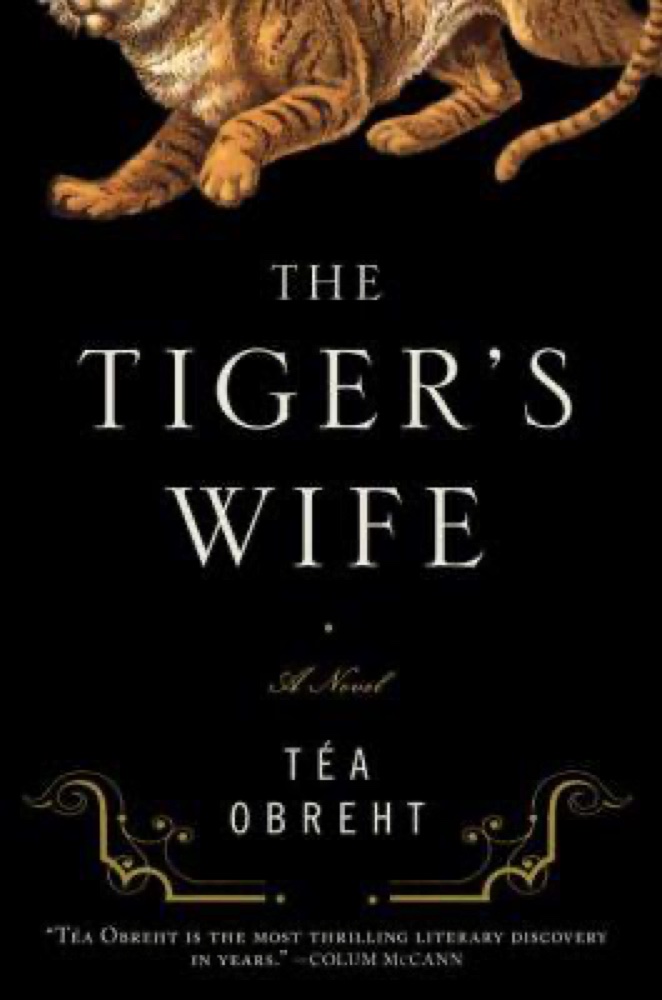

 The Silence of Bones
Quotes from the Book
When your fight has purpose—to free you from something, to interfere on the behalf of an innocent—it has a hope of finality. When the fight is about unraveling—when it is about your name, the places to which your blood is anchored, the attachment of your name to some landmark or event—there is nothing but hate, and the long, slow progression of people who feed on it and are fed it, meticulously, by the ones who come before them. Then the fight is endless, and comes in waves and waves, but always retains its capacity to surprise those who hope against it.
Come on, is your heart a sponge or a fist?
My mother always says that fear and pain are immediate, and that, when they're gone we're left with the concept, but not the true memory.
Suddenness," he says. " You do not prepare, you do not explain, you do not apologize. Suddenly, you go. And with you, you take all contemplation, all consideration of your own departure. All the suffering that would have come from knowing comes after you are gone, and you are not a part of it.
Everything necessary to understand my grandfather lies between two stories: the story of the tiger’s wife, and the story of the deathless man. These stories run like secret rivers through all the other stories of his life – of my grandfather’s days in the army; his great love for my grandmother; the years he spent as a surgeon and a tyrant of the University. One, which I learned after his death, is the story of how my grandfather became a man; the other, which he told to me, is of how he became a child again.
The dead are celebrated. The dead are loved. They give something to the living. Once you put something into the ground, Doctor, you always know where to find it.
Wash the bones, bring the body, leave the heart behind.
We're all entitled to our superstitions.
No matter how grave the secret, how imperative absolute silence, someone would always feel the urge to confess, and an unleashed secret is a terrible force.
Zora was a woman of principle, an open atheist. At the age of thirteen, a priest had told her that animals had no souls, and she had said, "well then, fuck you, Pops," and walked out of church.
death should be celebrated...when you put something in the ground you always know where it is
But children die how they have been living-with hope. They don't what is happening, so they expect nothing, they don't ask you to hold their hand-but you end up needing them to hold yours.
To me, the persistence of my grandfather's rituals meant that he was unchanged, running on discipline and continuance and stoicism. I didn't notice, and didn't realize, that the rituals themselves were changing, that there was a difference between the rituals of comfort and the preventive rituals that come at the end of life.
Eventually, my grandfather said: - You must understand, this is one of those moments. - What moments? - One of those moments you keep to yourself. …The story of this war… that belongs to everyone… But something like this— this is yours. It belongs only to you. And me. Only to us.
The dead are celebrated. The dead are loved. They give something to the living. Once you put something into the ground, Doctor, you always know where to find it." I wan to say to him, the living are celebrated too, and loved. But this has gone on long enough, and he seems to think so too.
The fact that you are in a hurry is of no particular interest to them; in their opinion, if you are making your journey in a hurry, you are making it poorly.
It's a sad thing to see, because as far as I know, this man Gavo had done nothing to deserve being shot in the back of the head at his own funeral. Twice.
I felt my voice had fallen through and through me, and I couldn't summon it back to tell him or myself anything at all.
In my earliest memory, my grandfather is bald as a stone and he takes me to see the tigers.
Years of fighting, andm before that, a lifetime on the cusp of it. Conflict we didn't understand...had been at the center of everything.
We were seventeen, furious at everything because we didn't know what else to do with the fact that the war was over.
I started to feel that nagging sense of shame again, an acute awareness of my own inability to share in his [my grandfather's] optimism.
But he was so young then that later he was only able to remember fragments of what happened next: the lull of the morning fields, the springy cotton flanks of the sheep, the suddenness of the tumble down the deep hole in which he would spend the night, alone, gazing up at the puzzled sheep, and hours later, Mother Vera's thoughtful, dawn-lit face hovering over the mouth of the hole.
Everything lies dead in his memory, except for the tiger's wife, for whom, on certain nights, he goes calling, making that tight note that falls and falls. The sound is lonely, and low, and no one hears it anymore.
These stories run like secret rivers through all the other stories of his life.
She'll have a time with that baby and only a tiger for a husband.
The forty days of the soul begin on the morning after death. That first night, before its forty days begin, the soul lies still against sweated-on pillows and watches the living fold the hands and close the eyes, choke the room with smoke and silence to keep the new soul from the doors and the windows and the cracks in the floor so that it does not run out of the house like a river. The living know that, at daybreak, the soul will leave them and make its way to the places of its past...and sometimes this journey will carry it so far for so long that it will forget to come back.
Watch on YouTube
About Téa Obreht
We have collected 27 quotes from 1 book by Téa Obreht on BookQuoters.
More about the author →Book details
- First published
- 2011
- Author
- Téa Obreht
- Genre
- Fiction
- Goodreads rating
- 3.42 (103k ratings) →
The buzz
- The New York TimesReview in The New York Timesprofessional review (via Book Marks)
- The Washington PostReview in The Washington Postprofessional review (via Book Marks)
- The Wall Street JournalReview in The Wall Street Journalprofessional review (via Book Marks)
- The GuardianReview in The Guardianprofessional review (via Book Marks)
- NPRReview in NPRprofessional review (via Book Marks)
- Star TribuneReview in Star Tribuneprofessional review (via Book Marks)
Keep reading
The Silence of Bones
 The Brutal Telling
 The Wars
 The Night in Question
 Nightwood
 Absalom, Absalom!
 10 Minutes 38 Seconds in This Strange World
 A Rule Against Murder
 The Bonesetter's Daughter
 Varina
 The God of Small Things
 Pet Sematary
 The Known World
 Moonglow
 A Death in the Family
 The Bone Tree
 The Memoirs of Cleopatra
 Death Watch
 The Ghost Bride
 Biography of X
 The Spear Cuts Through Water
 Hungry Ghosts
 The Signature of All Things
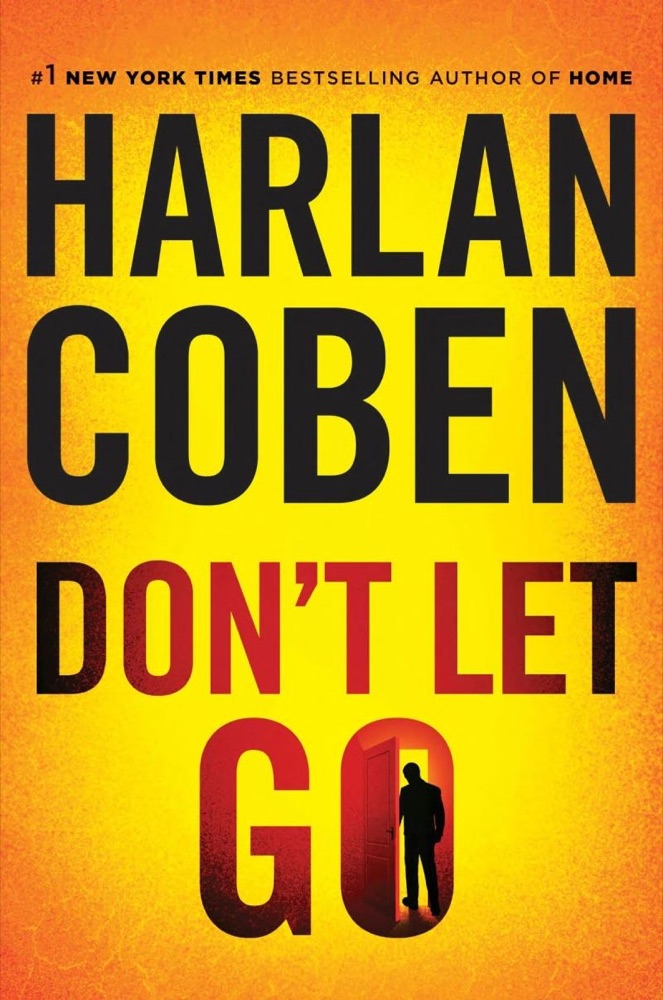 Don't Let Go
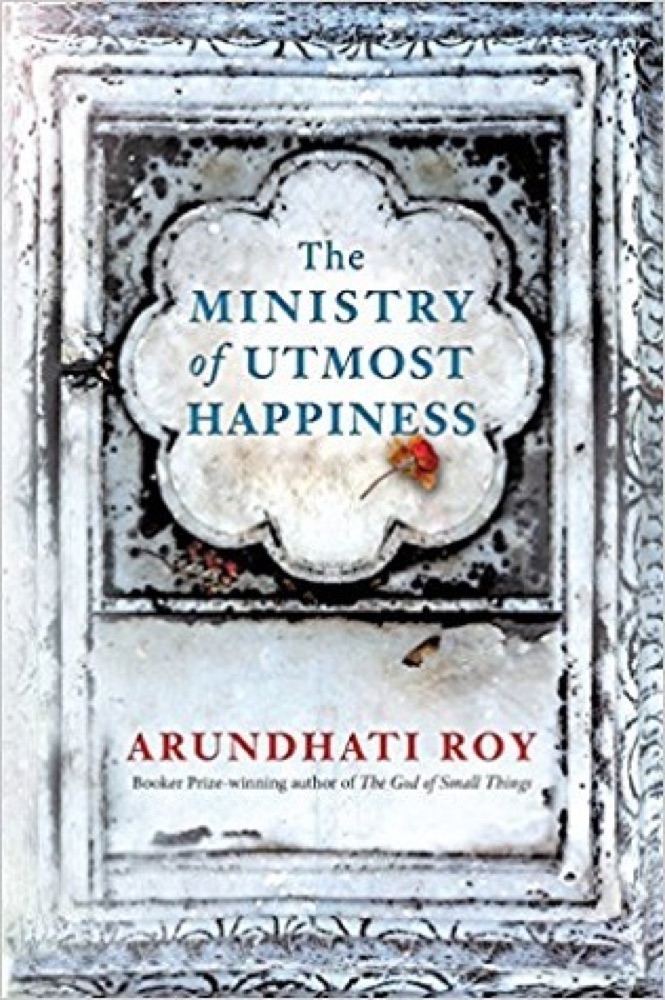 The Ministry of Utmost Happiness
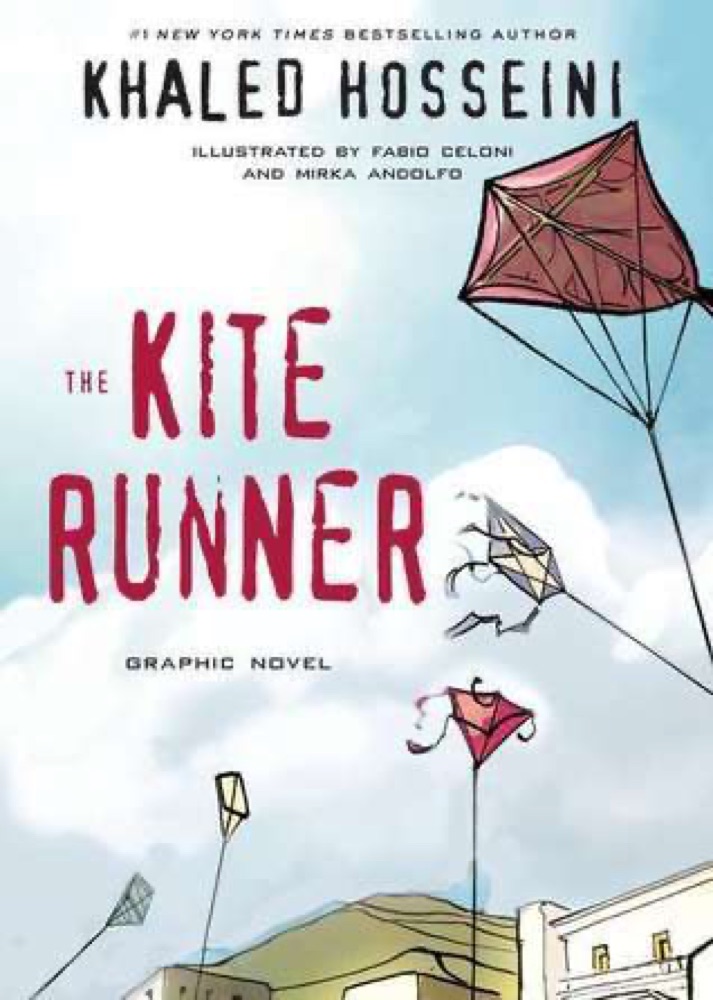 The Kite Runner
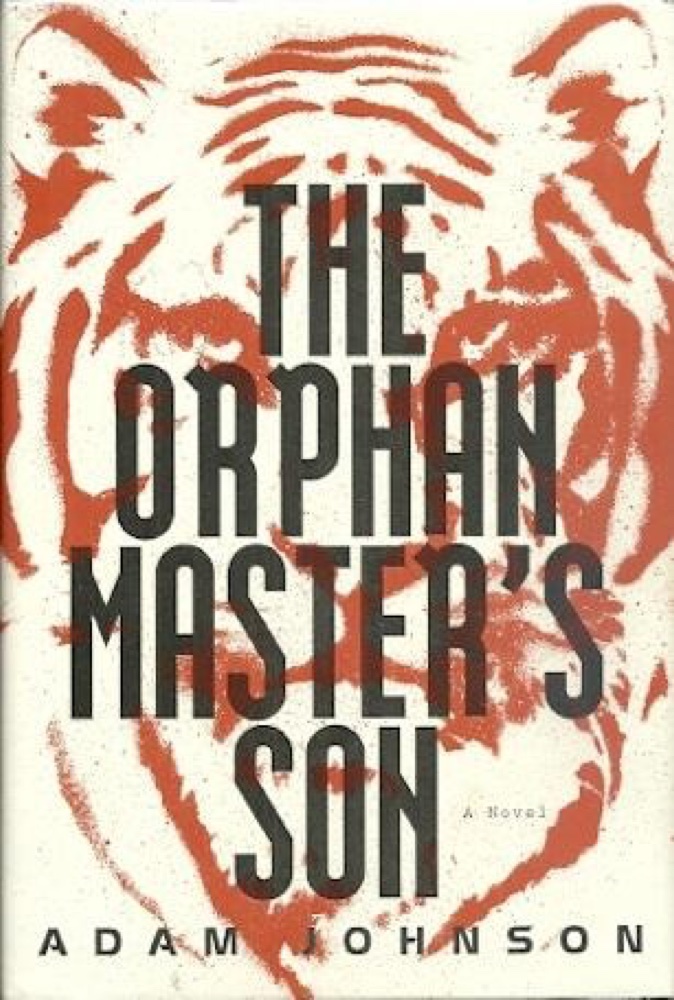 The Orphan Master's Son
 Incantation
 The Book of the Unnamed Midwife
 The Quick and the Dead
 The Son
 Bury Your Dead
 The Clockmaker's Daughter
 The Black Obelisk
 So Long, See You Tomorrow
 Spare
Spare
 Freshwater
 We Were the Mulvaneys
 Rot & Ruin
 The Wolf Gift
 The Farming of Bones
 Burial Rites
 The Whisper Man
 Whiskey When We're Dry
 I Know This Much Is True
 Held
Held
 Embers
 Tar Baby
 The Inheritance of Loss
 Let's Take the Long Way Home: A Memoir of Friendship
 When God Was a Rabbit
 Home Fire
 Thrice the Brinded Cat Hath Mew'd
 Wizard and Glass
 The Heart Forger
 Cold Mountain
 The Shadow Land
 The Storyteller
 The Secret History