
 The Touch
Quotes from the Book
There is a legend about a bird which sings just once in its life, more sweetly than any other creature on the face of the earth. From the moment it leaves the nest it searches for a thorn tree, and does not rest until it has found one. Then, singing among the savage branches, it impales itself upon the longest, sharpest spine. And, dying, it rises above its own agony to outcarol the lark and the nightingale. One superlative song, existence the price. But the whole world stills to listen, and God in His heaven smiles. For the best is only bought at the cost of great pain… Or so says the legend.
There are no ambitions noble enough to justify breaking someone's heart.
When we press the thorn to our chest we know, we understand, and still we do it.
Each of us has something within us which won't be denied, even if it makes us scream aloud to die. We are what we are, that's all. Like the old Celtic legend of the bird with the thorn in its breast, singing its heart out and dying. Because it has to, its self-knowledge can't affect or change the outcome, can it? Everyone singing his own little song, convinced it's the most wonderful song the world has ever heard. Don't you see? We create our own thorns, and never stop to count the cost. All we can do is suffer the pain, and tell ourselves it was well worth it.
There is a legend about a bird which sings only once in it's life, more beautifully than any other creature on the face of the earth. From the moment it leaves it's nest, it searches for a thorn tree, and does not rest until it has found one. Then, it impales it's breast on the longest, sharpest thorn. But as it is dying, it rises above it's own agony to outsing the Lark and the Nightingale. The Thornbird pays it's life for that one song, and the whole world stills to listen, and God in his heaven smiles, as it's best is brought only at the cost of great pain; Driven to the thorn with no knowledge of the dying to come. But when we press the thorn to our breast, we know, we understand.... and still, we do it." ~ Colleen McCullough
Belief doesn't rest on proof or existence...it rests on faith...without faith there is nothing.
The bird with the thorn in its breast, it follows an immutable law; it is driven by it knows not what to impale itself, and die singing. At the very instant the thorn enters there is no awareness in it of the dying to come; it simply sings and sings until there is not the life left to utter another note. But we, when we put the thorns in our breasts, we know. We understand. And still we do it. Still we do it.
..the best is only bought at the cost of great pain...or so says the legend
If you love people, they kill you. If you need people, they kill you. They do I tell you!
And gradually his memory slipped a little, as memories do, even those with so much love attached to them; as if there is an unconscious healing process within the mind which mends up in spite of our desperate determination never to forget.
What was sleep? A blessing, a respite from life, an echo of death, a demanding nuisance?
For the best is only bought at the cost of great pain.
You still think love can save us. It’s more killing than hate. Hate is so clean, so simple. Like being in the ring. With hate, you just keep hitting. You hit until they stop hitting back. With love… They never stop.
Truly God was good, to make man so blind.
Twelve thousand miles of it, to the other side of the world. And whether they came home again or not, they would belong neither here, nor there, for they would have lived on two continents and sampled two different ways of life.
But we, when we put the thorns in our breasts, we know. We understand. And still we do it. Still we do it.
I can’t share your love of God. But I do understand your need to give your life to him. Each of us has within us something that just won’t be denied. Something to which we are driven even though it makes us scream aloud to die.
It's not worth getting upset about, Mrs. Dominic. Down in the city they don't know how the other half lives, and they can afford the luxury of doting on their animals as if they were children. Out here it's different. You'll never see man, woman or child in need of help go ignored out here, yet in the city those same people who dote on their pets will completely ignore a cry of help from a human being.
There was some justice in his pain
We can know what we do wrong even before we do it, but self-knowledge can't affect or change the outcome, can it? Everyone singing his own little song, convinced it's the most wonderful song the world has ever heard. Don't you see? We create our own thorns, and never stop to count the cost. All we can do is suffer the pain, and tell ourselves it was well worth it.
How frightening, that one person could mean so much, so many things.
We're working-class people, which means we don't get rich or have maids. Be content with what you are and what you have.
Perfection in anything is unbearably dull. Myself, I prefer a touch of imperfection.
For the best is only brought at the cost of great pain. Or so says the legend.
Oh, that feels good! I don't know who invented ties and then insisted a man was only properly dressed when he wore one, but if I ever meet him, I'll strangle him with his own invention
There's a story... a legend, about a bird that sings just once in its life. From the moment it leaves its nest, it searches for a thorn tree... and never rests until it's found one. And then it sings... more sweetly than any other creature on the face of the earth. And singing, it impales itself on the longest, sharpest thorn. But, as it dies, it rises above its own agony, to outsing the lark and the nightingale. The thorn bird pays its life for just one song, but the whole world stills to listen, and God in his heaven smiles.
Yet there's something ominous about turning sixty-five. Suddenly old age is not a phenomenon which will occur; it has occurred.
No man sees himself in a mirror as he really is, nor any woman.
Did you know?
- The novel's title refers to a legend of a bird that sings once in its life, impaling itself on a thorn to sing the most beautiful song of all.
- The story follows the Cleary family from New Zealand to the fictional Australian sheep station of Drogheda.
- It became one of the best-selling books in Australian history, selling tens of millions of copies worldwide.
- A 1983 American television miniseries adaptation was among the highest-rated in US television history.
- Colleen McCullough was a trained neurophysiologist before she became a novelist.
About Colleen McCullough
Colleen McCullough (1937-2015) was an Australian author who trained as a neurophysiologist and worked in hospitals and universities before turning to fiction. She achieved international fame with her 1977 novel The Thorn Birds, one of the best-selling books in Australian history.
More about the author →More by Colleen McCullough
The Touch
 The Ladies of Missalonghi
About the book
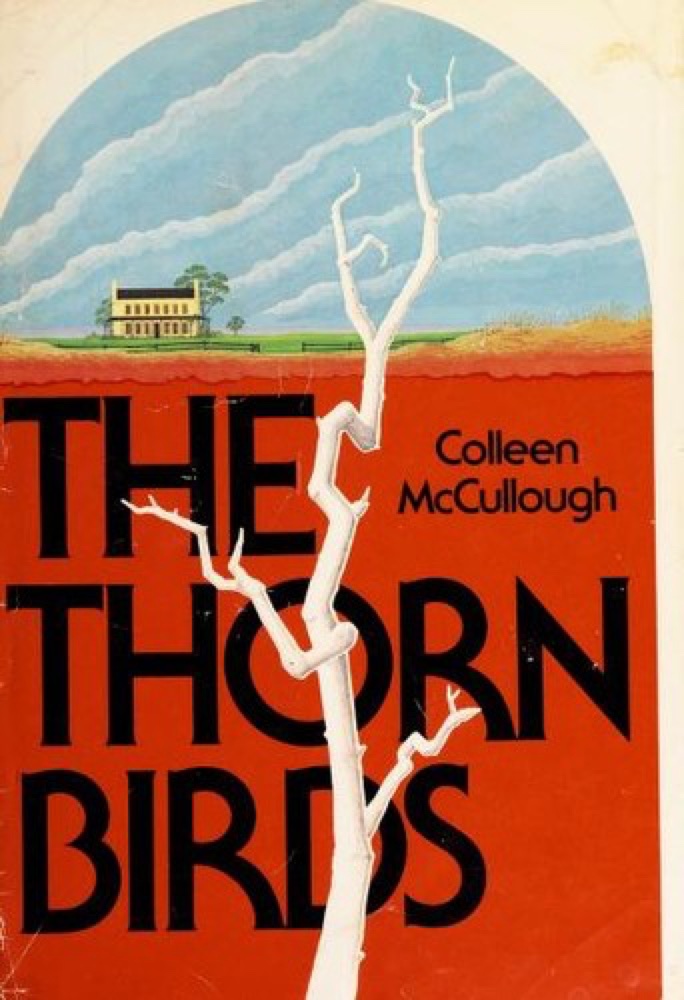
The Thorn Birds is a sweeping family saga by Australian author Colleen McCullough, first published in 1977. It follows the Cleary family across roughly half a century, beginning when they leave New Zealand to work on Drogheda, a vast sheep station in the Australian outback owned by Paddy Cleary's wealthy sister, Mary Carson. At its heart is Meggie Cleary, the family's only daughter, and her lifelong, forbidden love for the ambitious Catholic priest Father Ralph de Bricassart, a bond that shapes the fortunes of three generations.
The novel explores forbidden love, religious devotion set against human desire, family obligation, and the price of sacrifice. Its title comes from a legend of a bird that sings only once, impaling itself on a thorn to produce the most beautiful song of all, a symbol for characters who find their greatest beauty in suffering and self-sacrifice through the choices they make in love. The narrative traces Meggie's difficult marriage, her secret with Ralph, and the losses that ripple through the family, before a measure of healing arrives with the next generation.
One of the best-selling novels in Australian history, The Thorn Birds sold tens of millions of copies worldwide and became a cultural phenomenon. Its enduring popularity was amplified by a hugely successful 1983 American television miniseries. The book remains a defining example of the epic romantic family saga and cemented McCullough's international reputation.
Key characters
- Meggie ClearyThe Cleary family's only daughter and the novel's protagonist
- Father Ralph de BricassartAn ambitious Catholic priest and Meggie's forbidden love
- Luke O'NeillMeggie's exploitative husband
- Dane O'NeillMeggie and Ralph's son
- Justine O'NeillMeggie's daughter with Luke
- Fiona (Fee) ClearyMeggie's stoic mother
- Mary CarsonPaddy's wealthy sister and owner of Drogheda
Book details
- First published
- 1977
- Length
- 692 pages
- Reading time
- 14 hours
- Author
- Colleen McCullough
- Genre
- Classics
- Goodreads rating
- 4.25 (369k ratings) →
Movie & TV adaptations
- IMDb
If you liked this, read…
- 1Gone with the WindAnother epic saga of forbidden love and endurance set against a sweeping historical landscape
- 2A Woman of SubstanceA multi-generational family saga centered on a strong-willed heroine
Keep reading
 Birds Without Wings
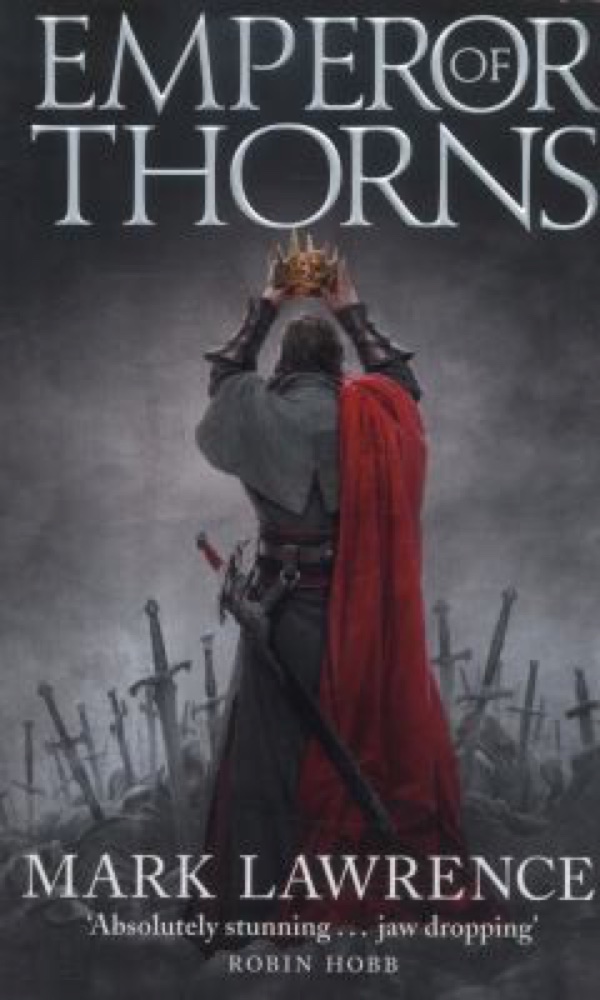 Emperor of Thorns
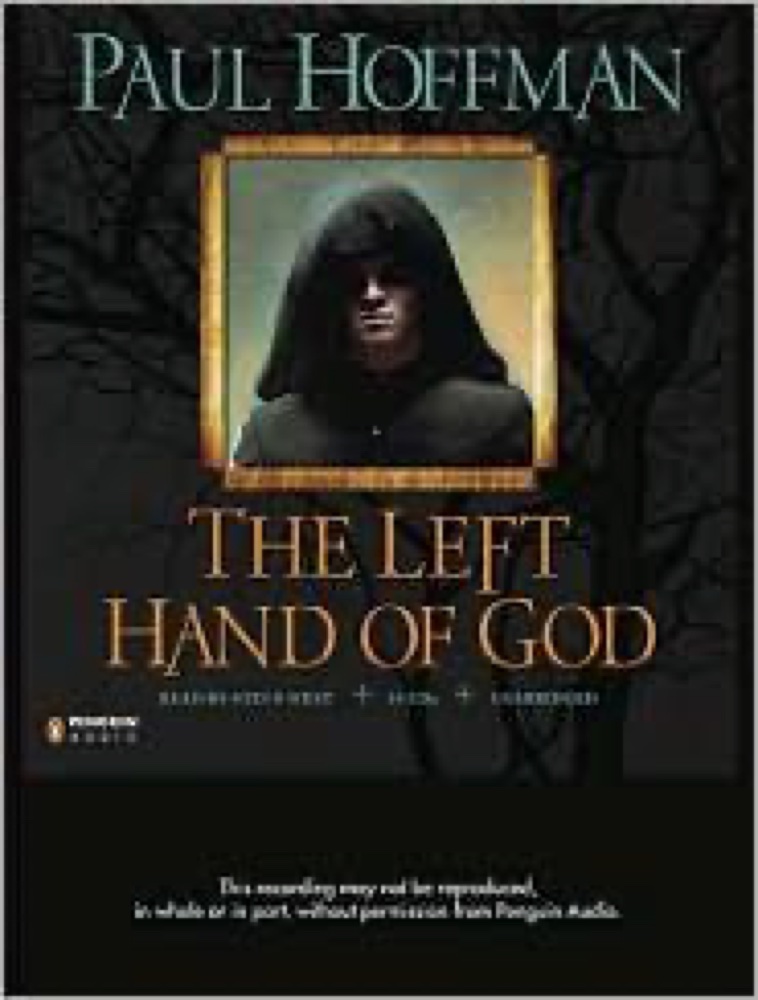 The Left Hand of God
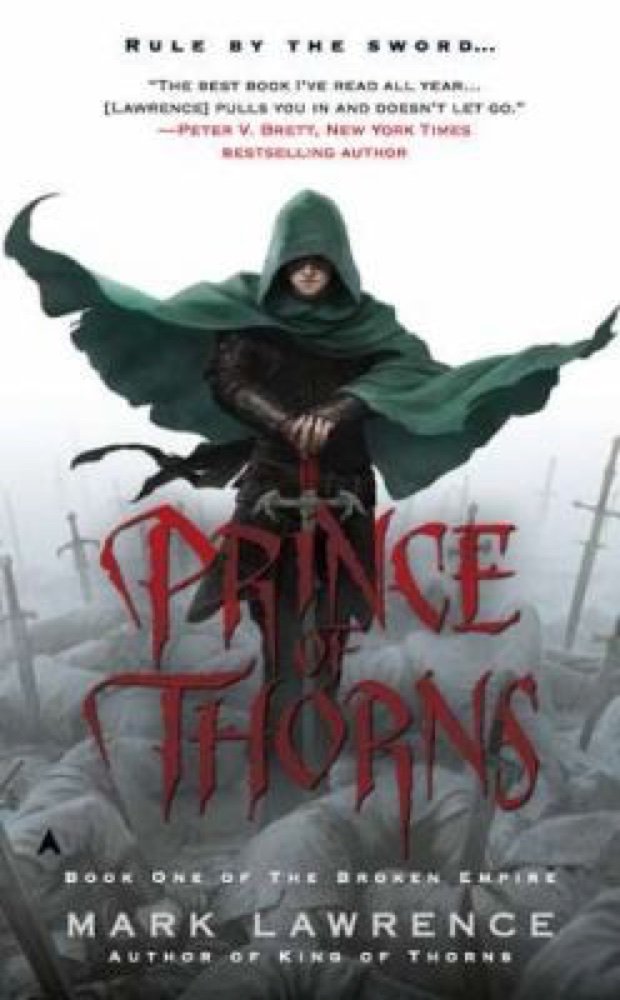 Prince of Thorns
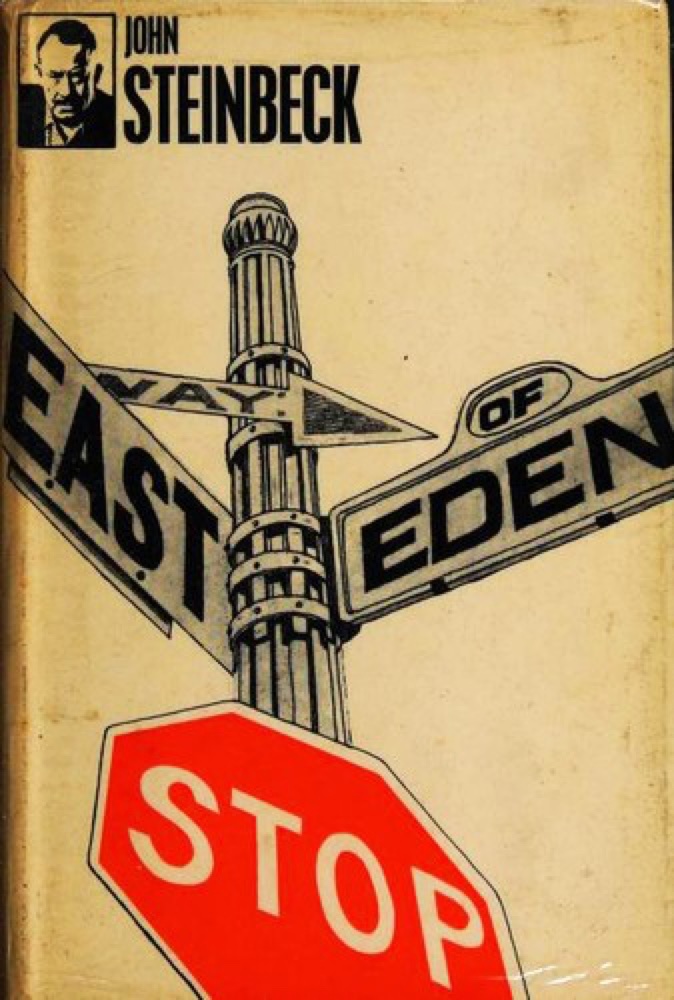 East of Eden
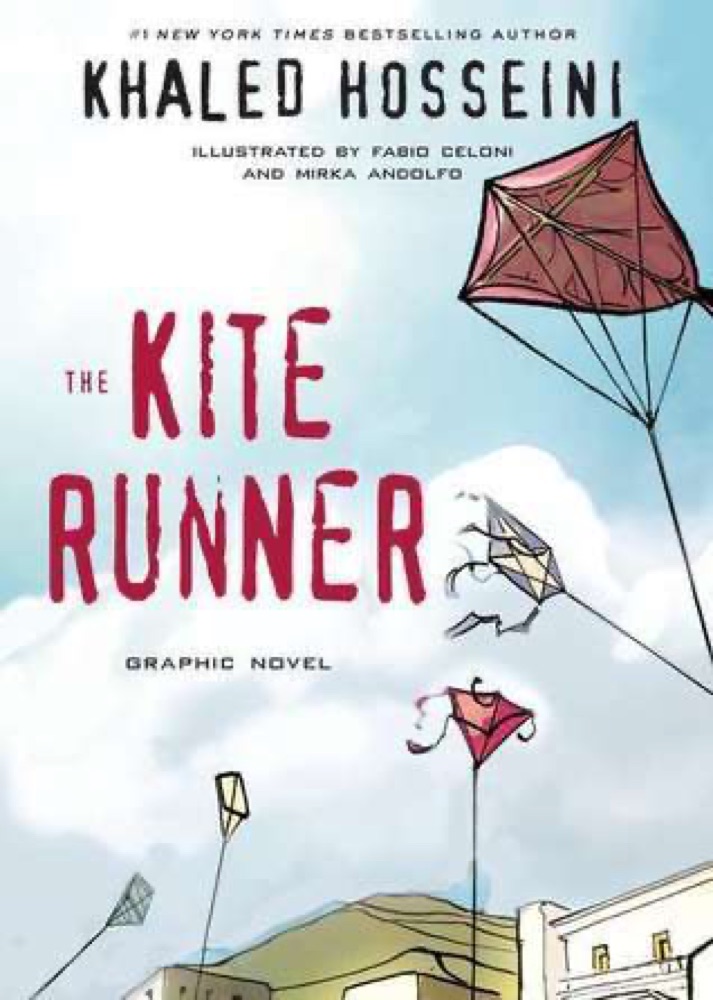 The Kite Runner
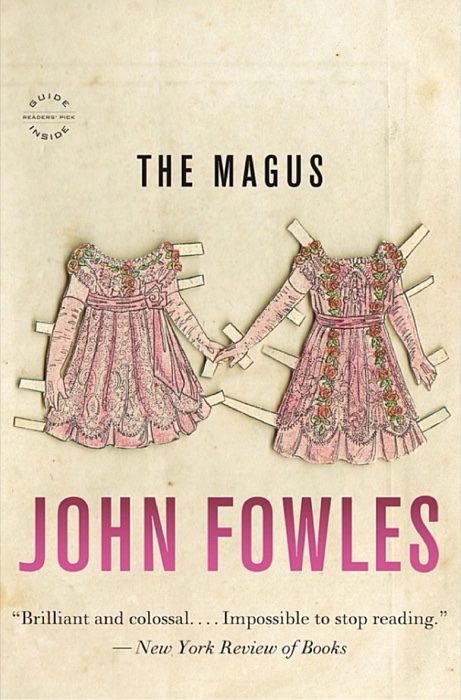 The Magus
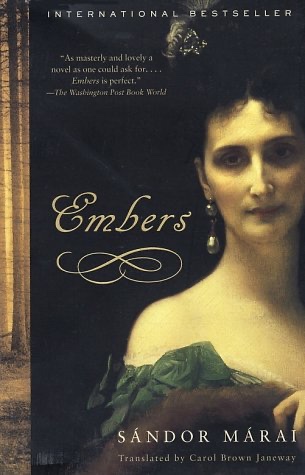 Embers
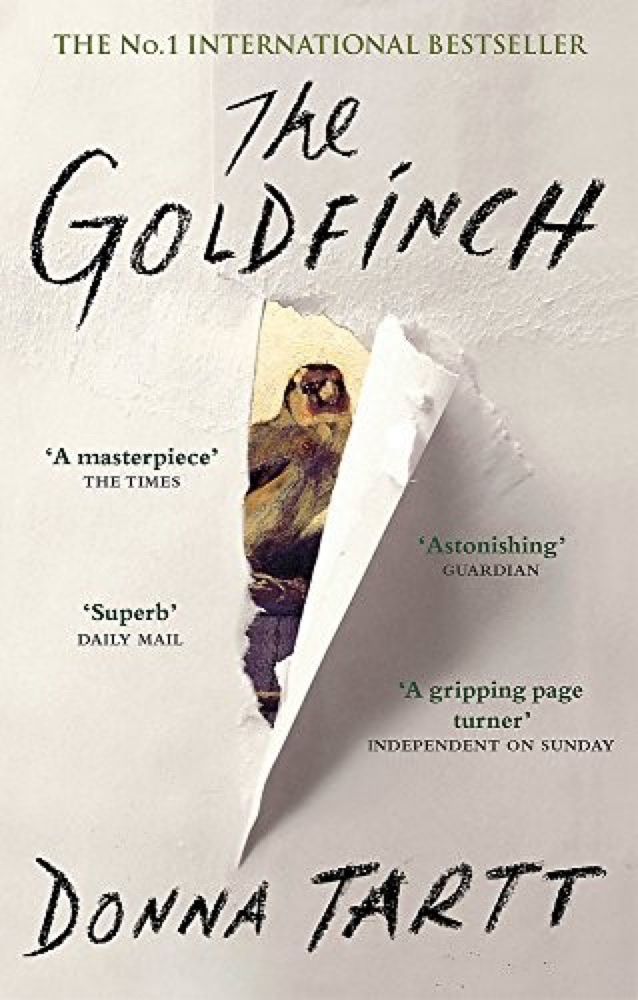 The Goldfinch
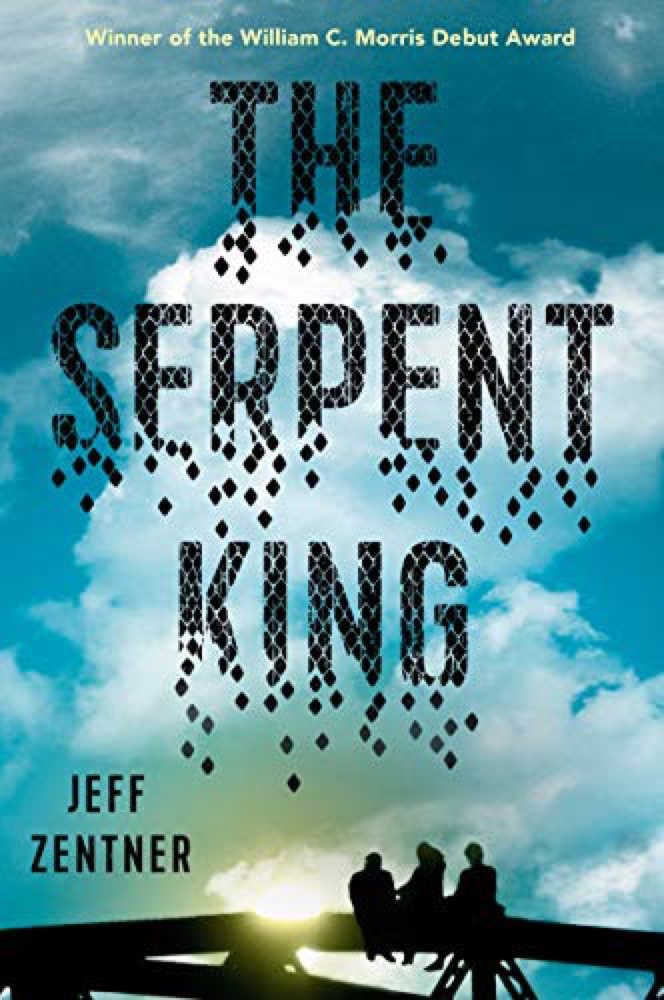 The Serpent King
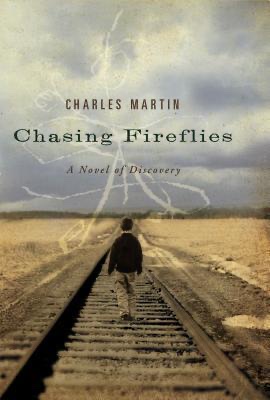 Chasing Fireflies: A Novel of Discovery
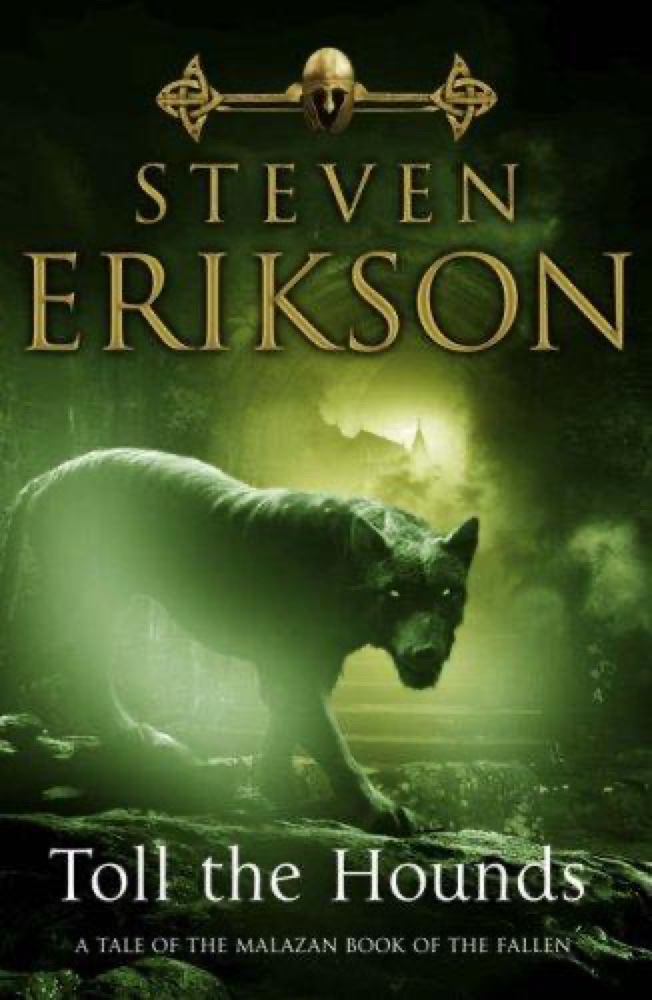 Toll the Hounds
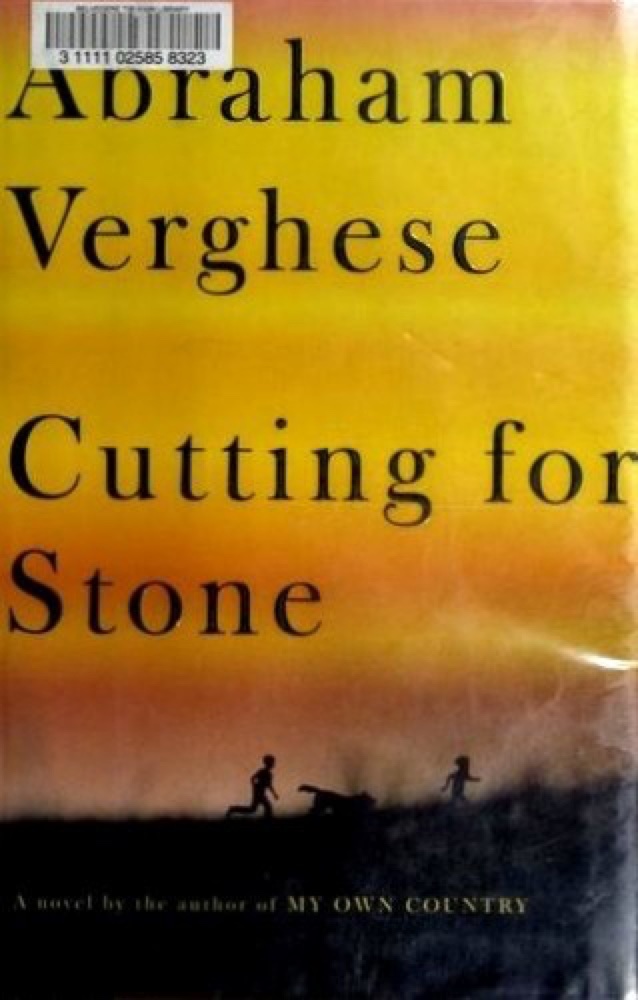 Cutting for Stone
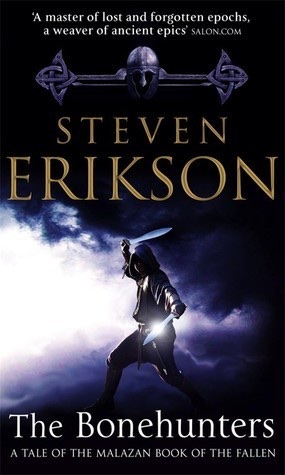 The Bonehunters
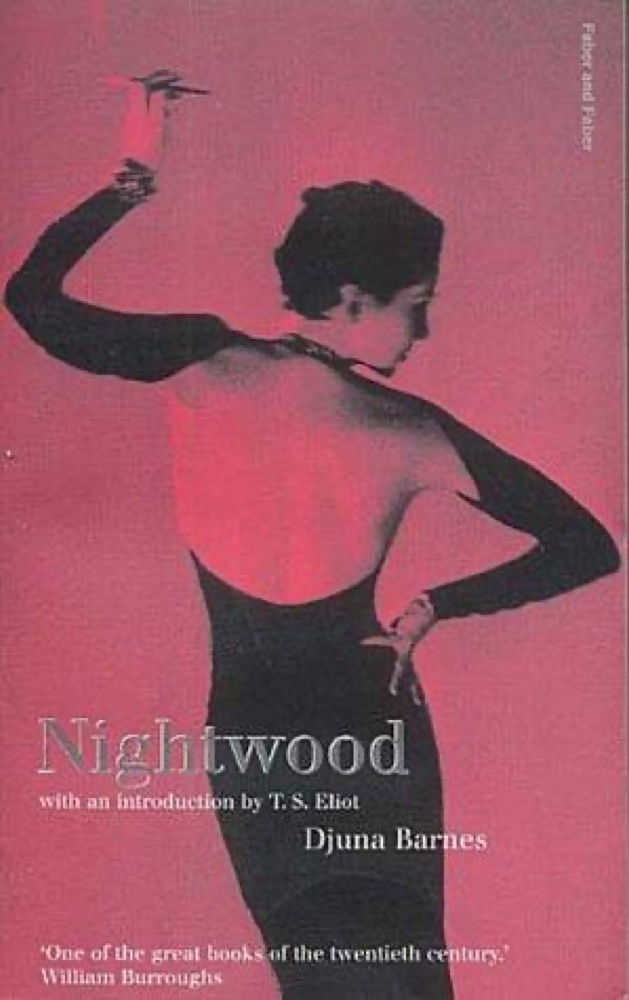 Nightwood
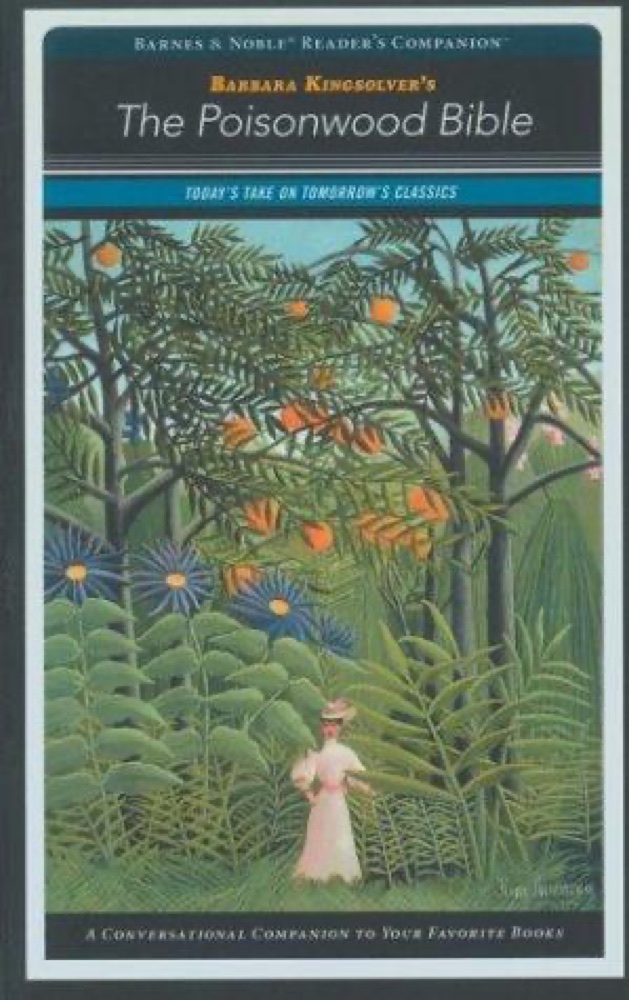 The Poisonwood Bible
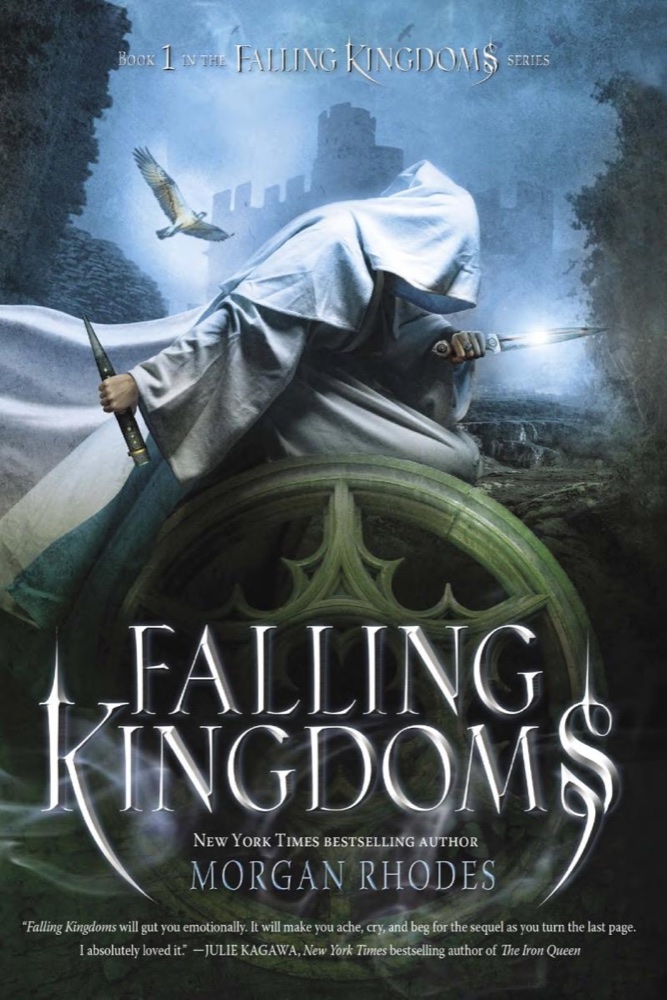 Falling Kingdoms
 The Fall
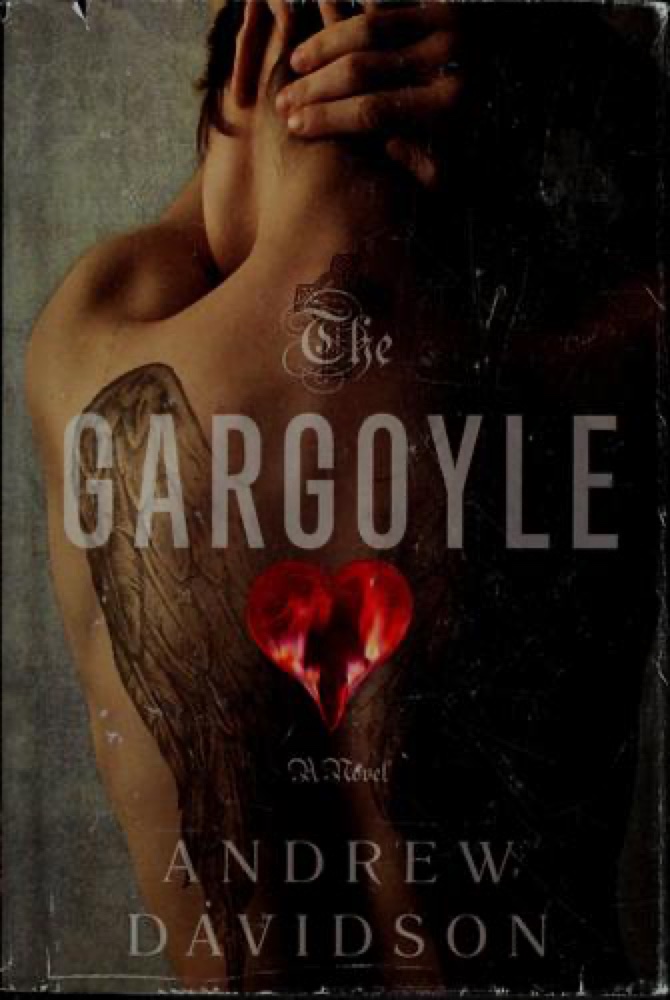 The Gargoyle
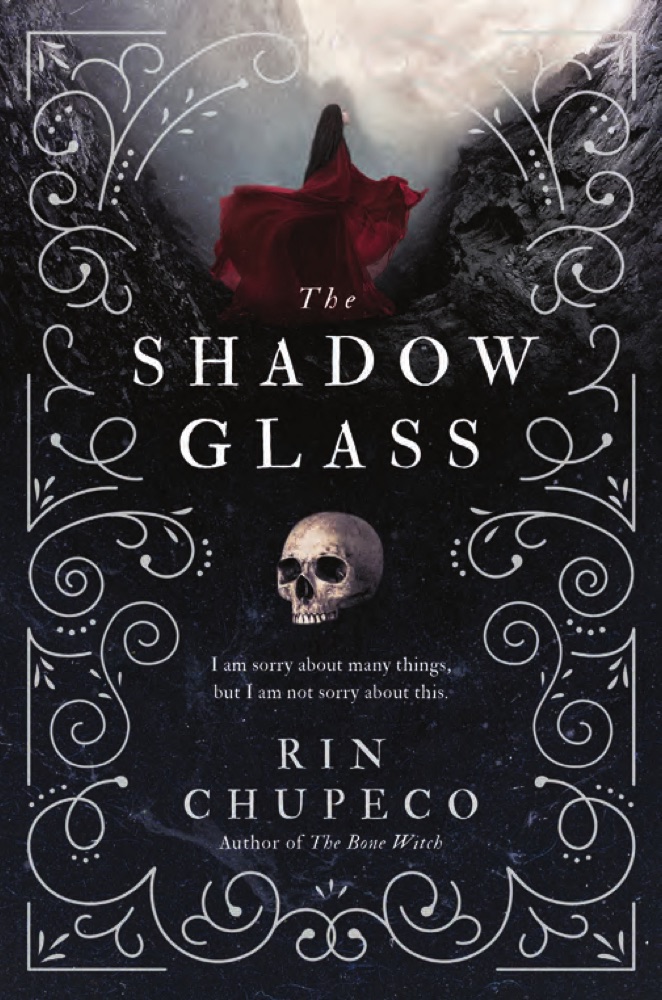 The Shadowglass
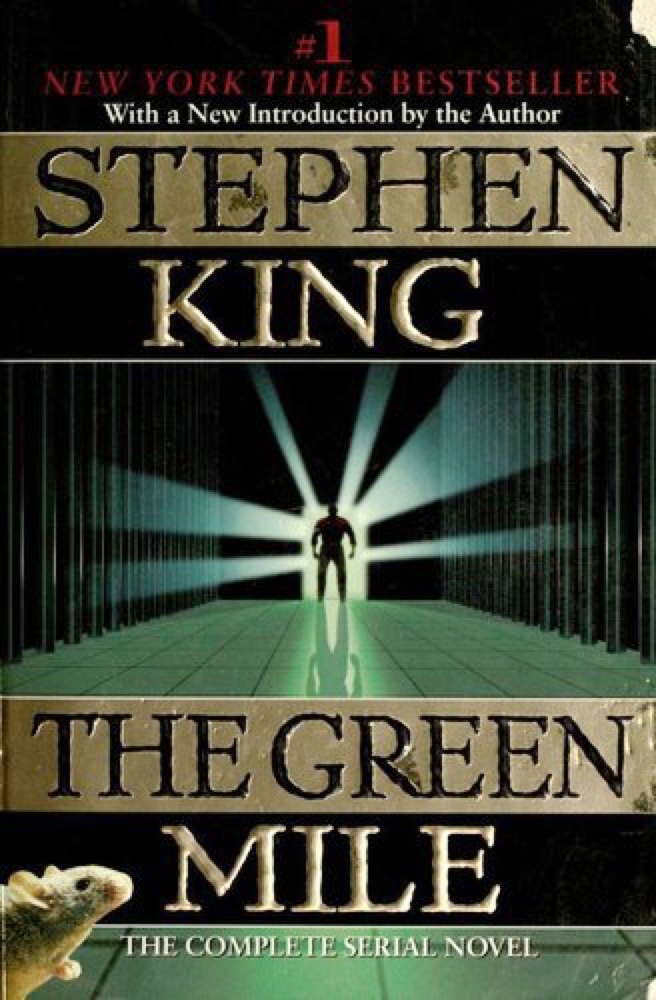 The Green Mile
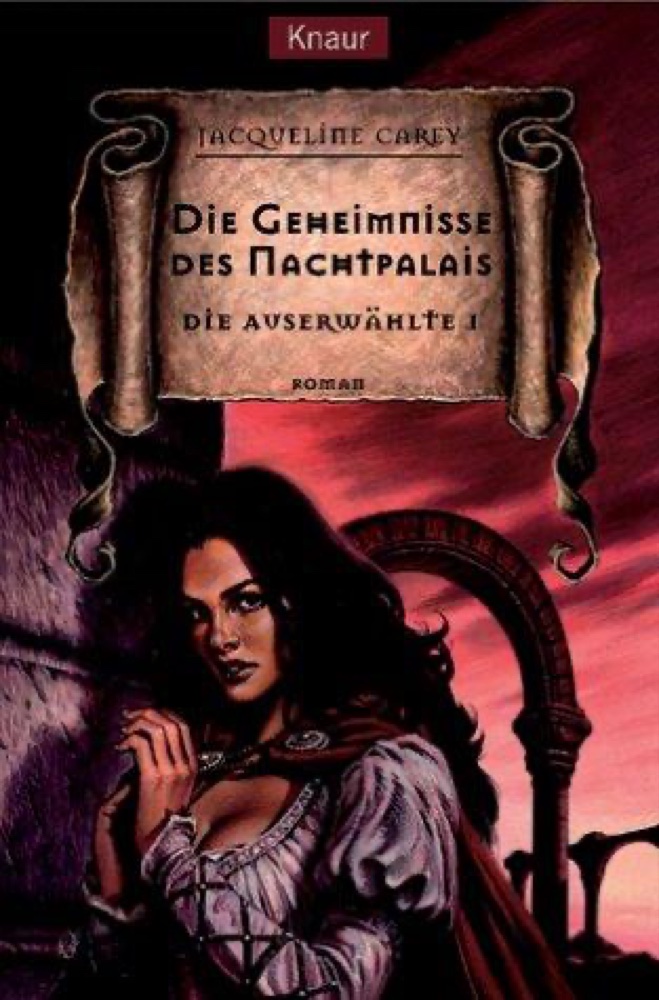 Kushiel's Dart
 Styxx
Styxx
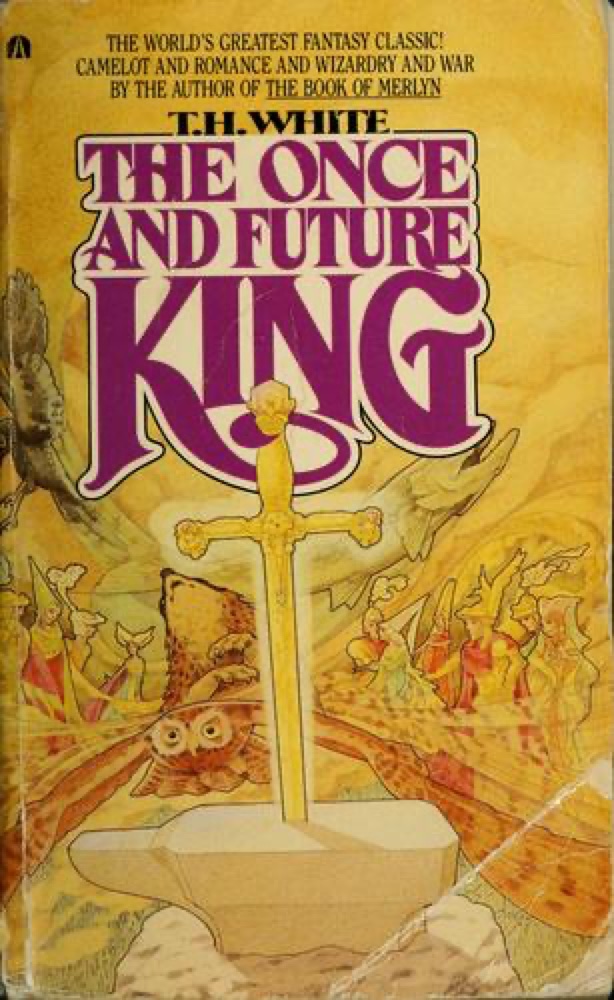 The Once and Future King
 Shōgun
 The Claw of the Conciliator
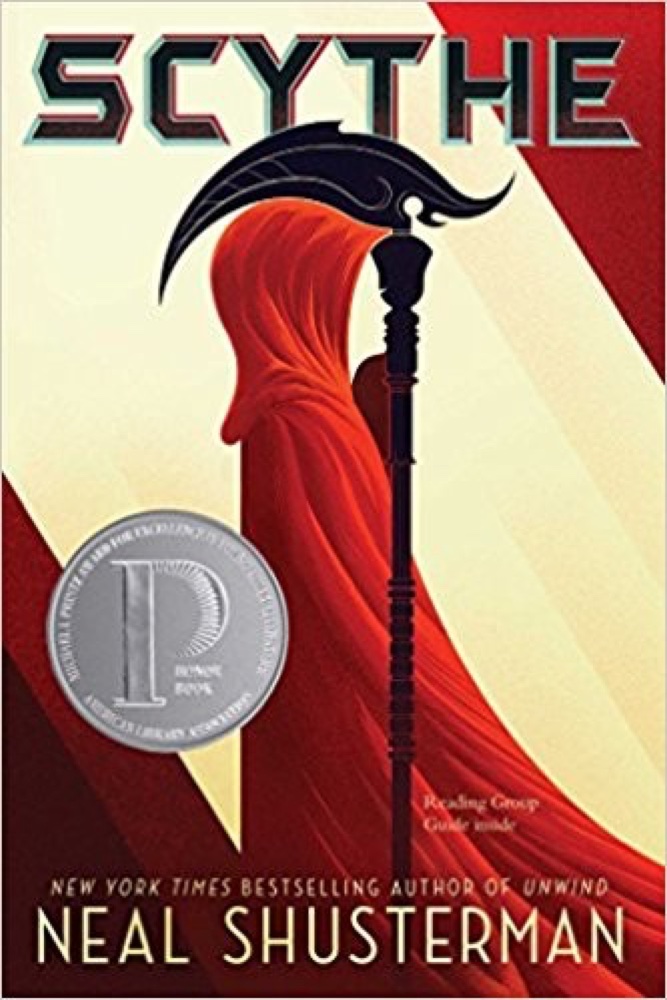 Scythe
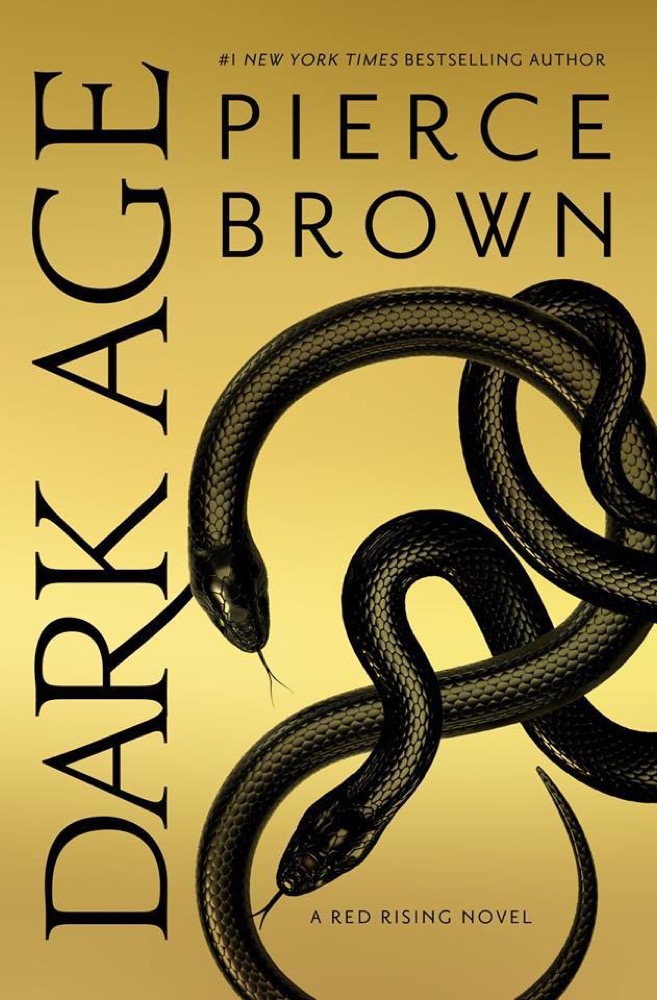 Dark Age
 Demons
 Jayber Crow
 The Broken Eye
 The Kindly Ones
 Dracula
 Pet Sematary
 Cuckold
 Infamous
 The Obelisk Gate
 Night Watch
 Brave Story
 The Storyteller
 Life of Pi
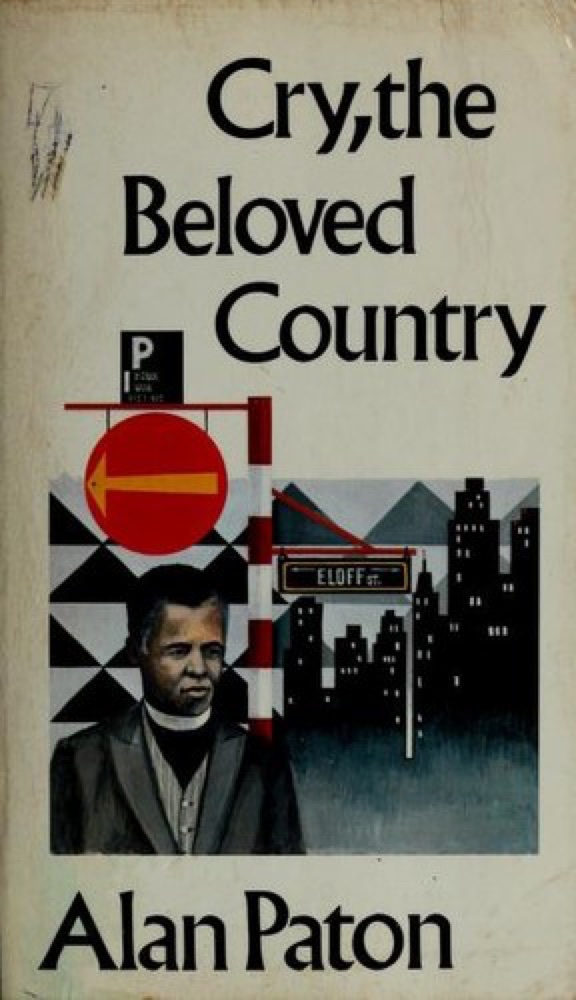 Cry, the Beloved Country
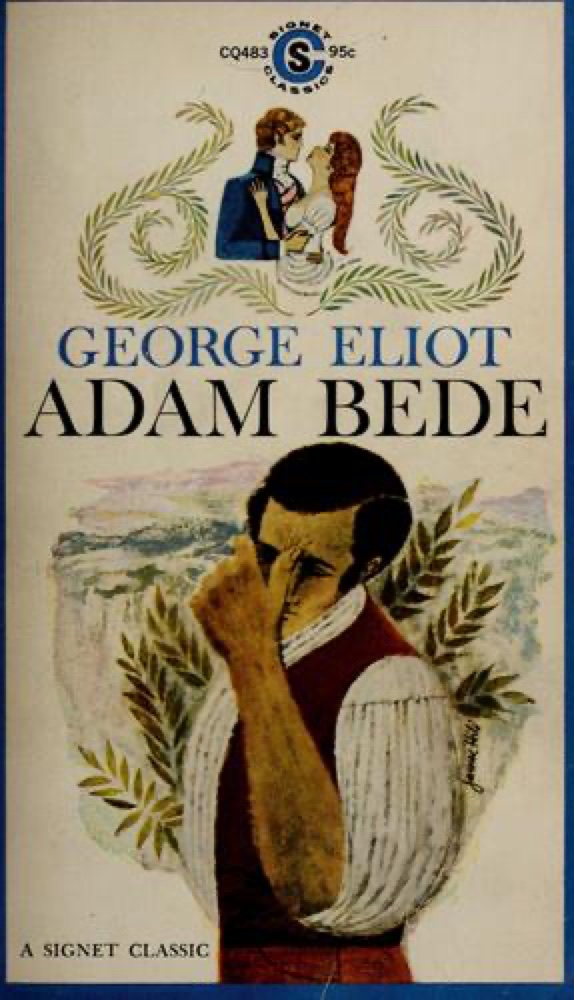 Adam Bede
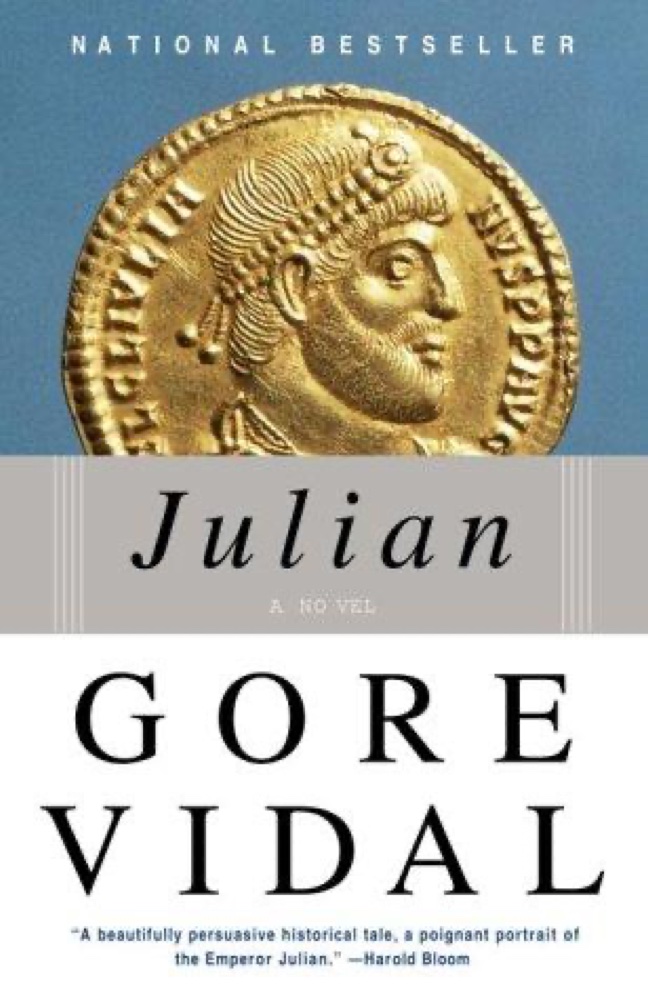 Julian
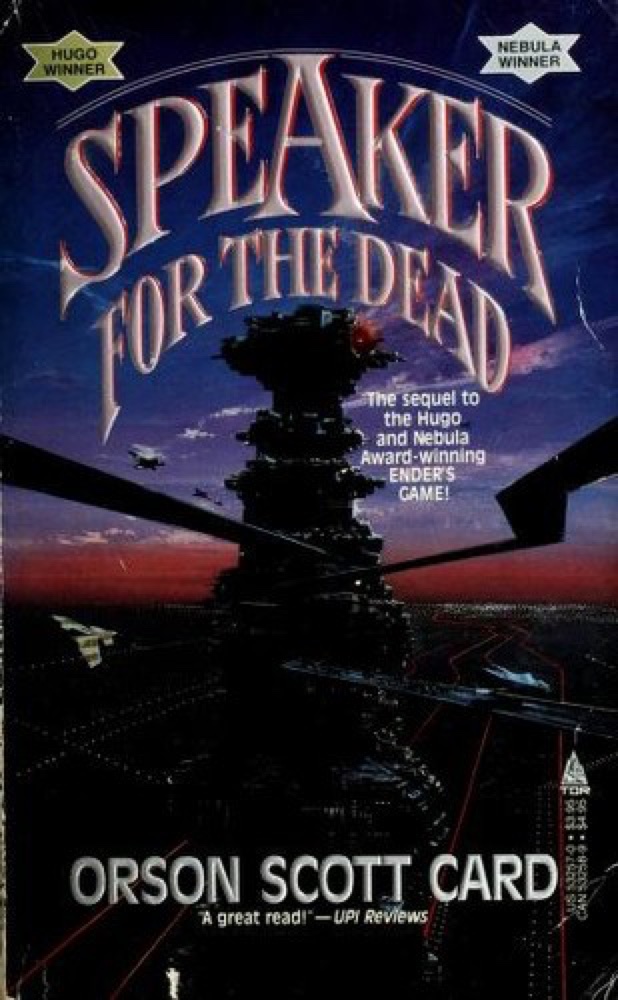 Speaker for the Dead
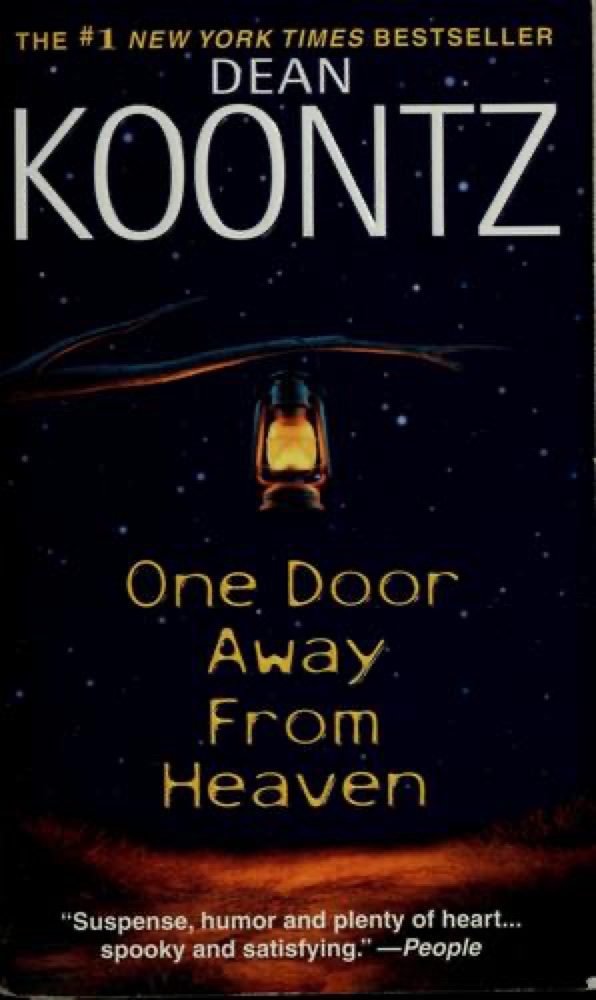 One Door Away from Heaven
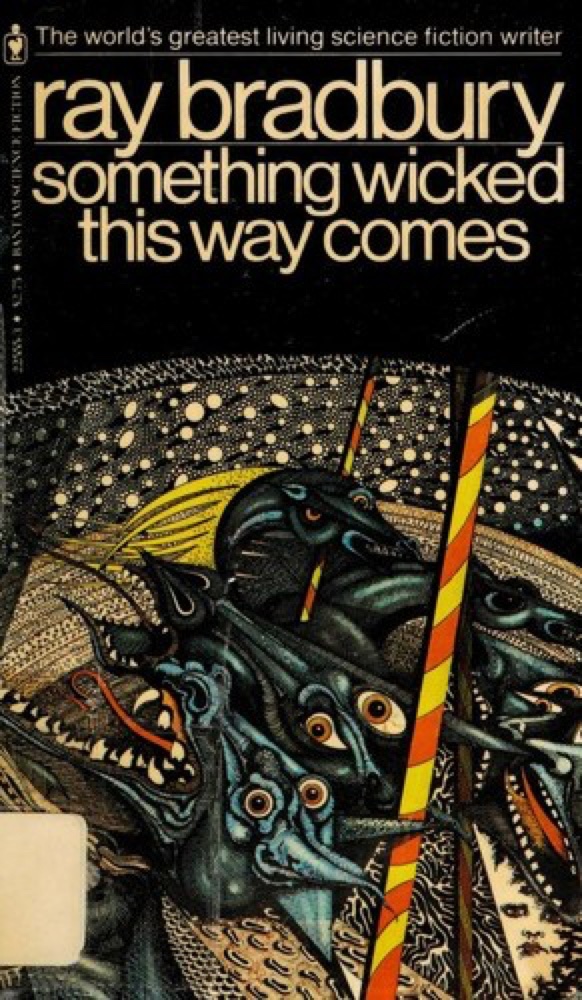 Something Wicked This Way Comes
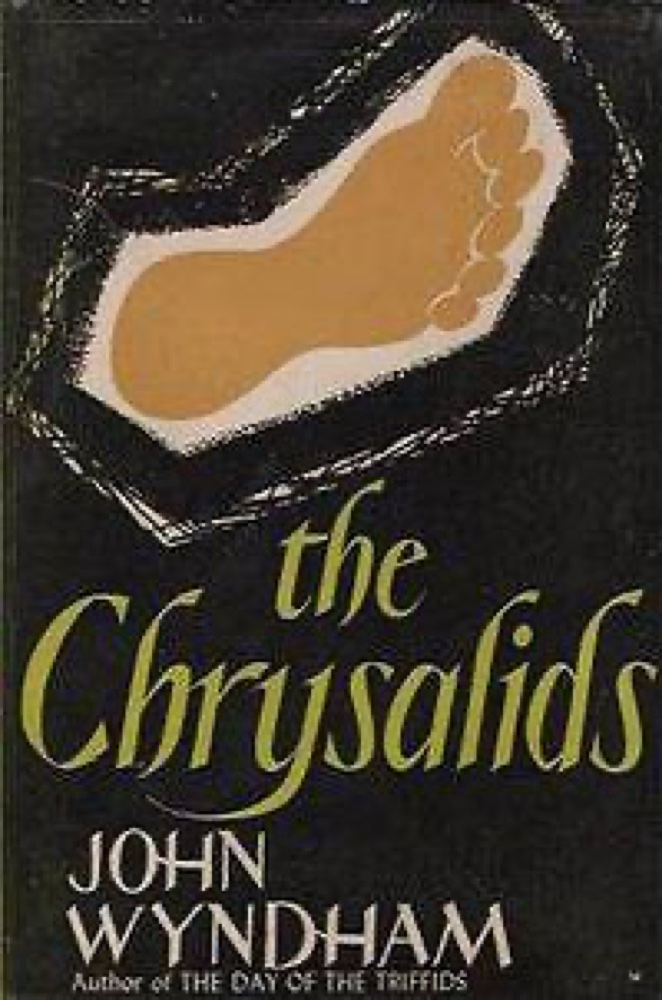 The Chrysalids
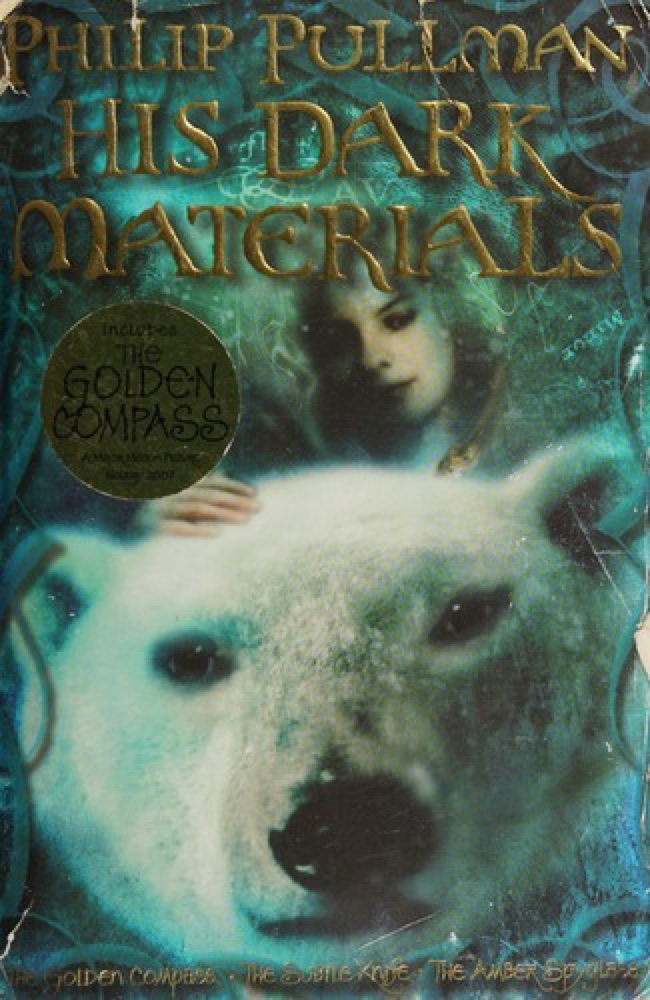 His Dark Materials
 The Resistance
 Memories of Ice
 Natchez Burning
 Angels in America
 Shadow's Edge
 Born of Legend
 Allan Quatermain
 Chain of Thorns
 All My Knotted-Up Life: A Memoir
 Fell
Fell
 The Man in the Iron Mask