
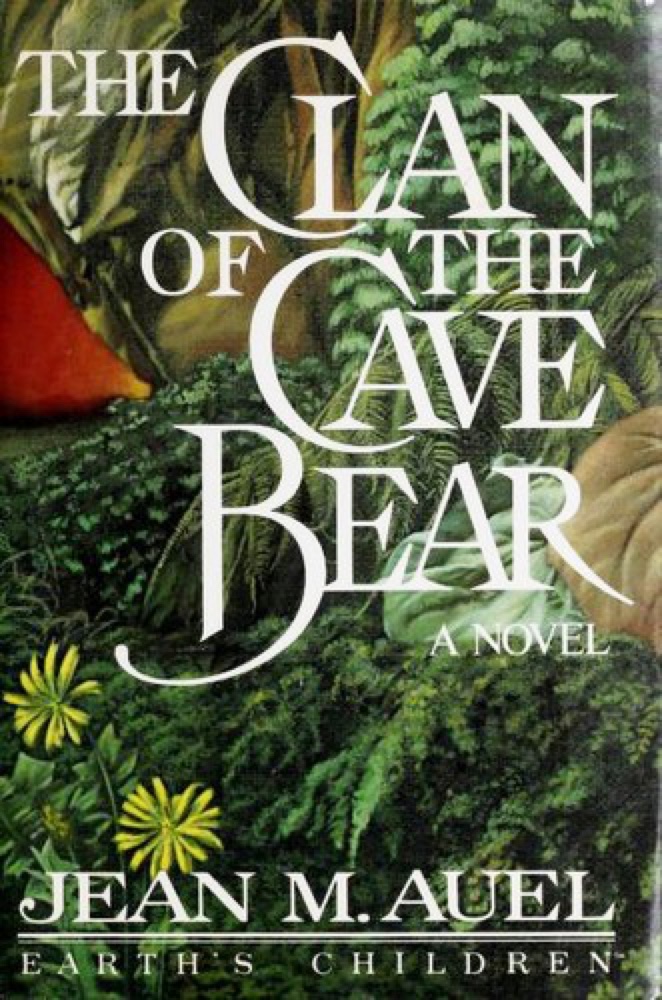
 The Clan of the Cave Bear
Quotes from the Book
It’s harder to kill people. The empathy is so much stronger that the mind must invent new reasons. But, if we can somehow link it to our own survival, the mind will make the devious twists and turns necessary to rationalize it. We’re very good at that. But it changes people. They learn to hate. Your wolf doesn’t need to hate what he kills. It would be easier if we could kill without compunction, like your wolf does, but then, we wouldn’t be human.
South Holding, was the acknowledged leader of the Twenty-ninth Cave, but Summer Camp and
They stopped for a moment to watch the evening sky transform itself in a show of dazzling radiance as gold transmuted into shades of vermilion that waned into shimmering purple, then darkened to deep blue as the first glittering sky fires appeared. Soon the sooty black night became a backdrop to the multitude of blazing lights that filled the summer sky, with a concentrated accumulation wending its way like a path across the vault above.
I’d done so many things I wasn’t supposed to do that by then I was ready to try any idea that came to me.
Watch on YouTube
About Jean M. Auel
We have collected 51 quotes from 5 books by Jean M. Auel on BookQuoters.
More about the author →More by Jean M. Auel
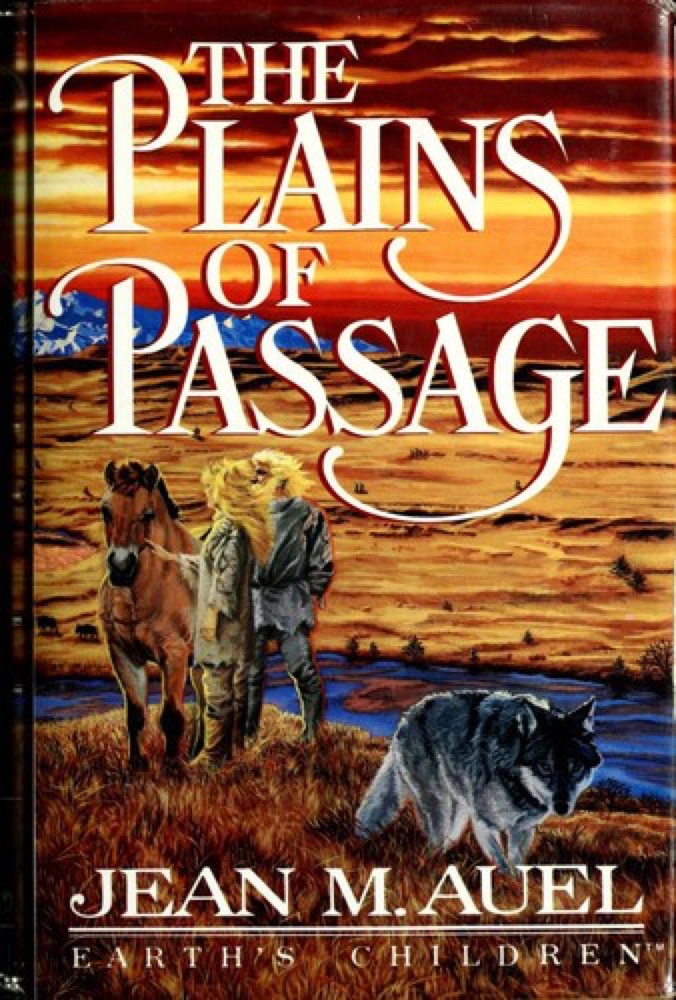
Book details
- Author
- Jean M. Auel
- Genre
- Fiction
- Goodreads rating
- 3.88 (53k ratings) →
Keep reading
 The Bronzed Beasts
 World's Fair
 Perdido Street Station
 The Curiosities: A Collection of Stories
 When We Were Animals
 Little Fires Everywhere
 The Measure of the Magic
 Underworld
 The Hour I First Believed
 The Atomic Weight of Love
 Consider Phlebas
 Gates of Thread and Stone
 Revelation Space
 The Pox Party
 Shadow Scale
 The Night Watchman
 Towers of Midnight
 The Blood Mirror
 The Shadow Land
 Moon Palace
 The 13½ Lives of Captain Bluebear
 Sword & Citadel
 Glass Houses
 Little Heaven
 The Mime Order
 Spiderlight
 The Round House
 North! or Be Eaten
 Open City
 Messenger
 A Home at the End of the World
 Provinces of Night
 Out of Africa
 Defiant
 To The Bright Edge of the World
 The Boy Who Harnessed the Wind: Creating Currents of Electricity and Hope
 Servant of Earth
 Moonbound
 The People in the Trees
 The Whisper Man
 The Farthest Shore
 Hunted
 House of Suns
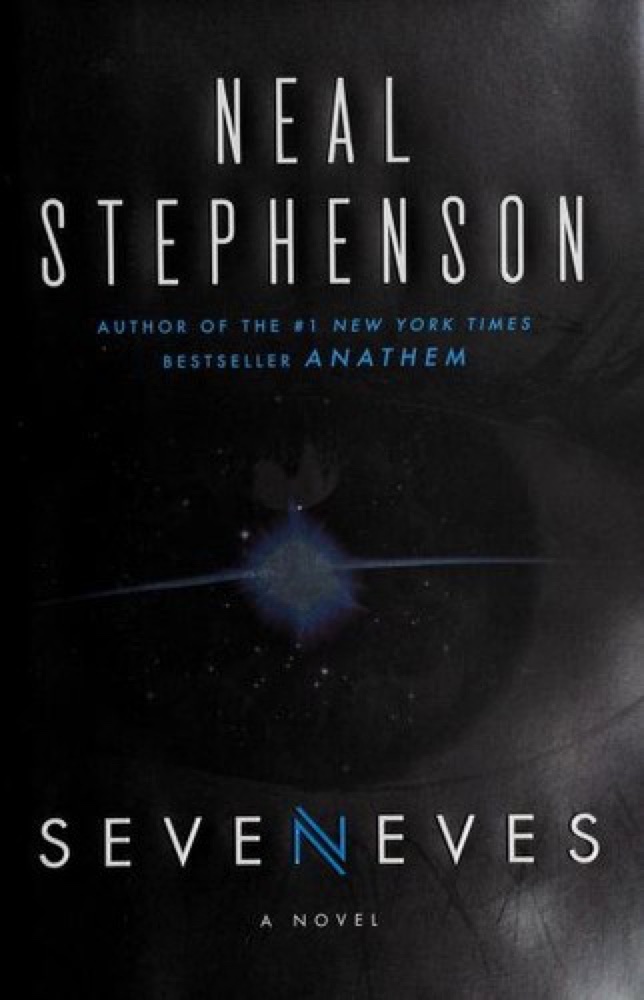 Seveneves
 A Thousand Moons
 A Trick of the Light
 Wayward
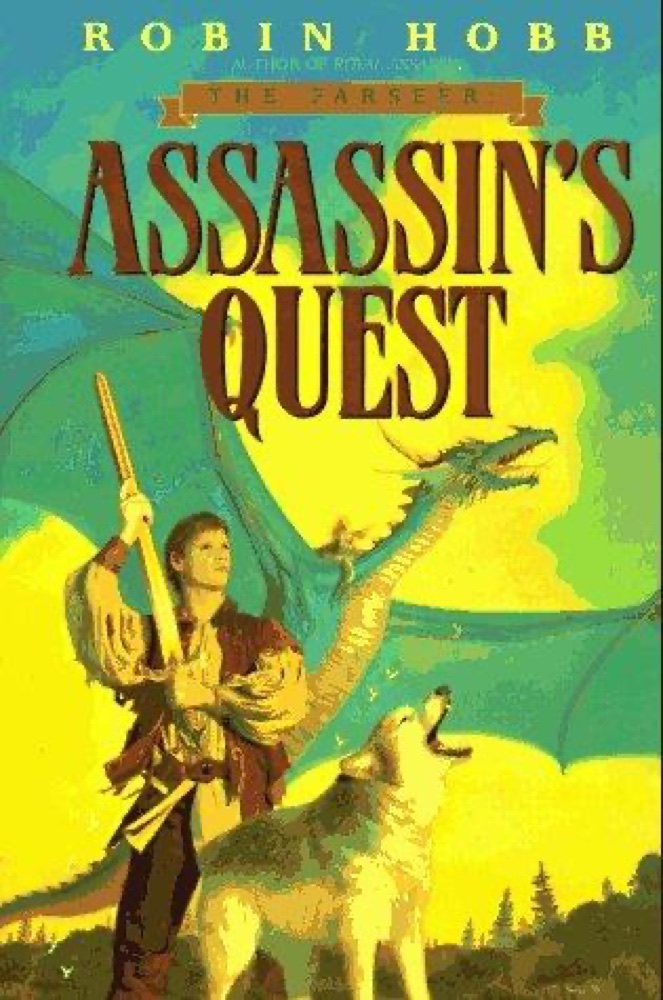 Assassin's Quest
 Jubal Sackett
 The Marriage of Opposites
 Rapture
 The Illustrated Man
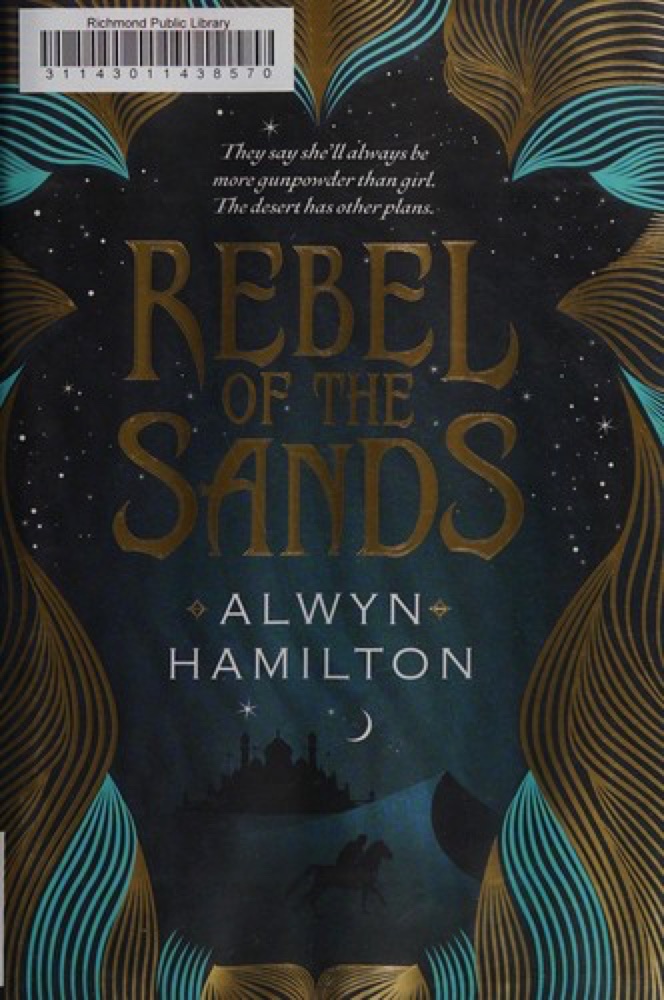 Rebel of the Sands
 Pale Fire
 2312
2312
 The Adventures of China Iron
 The Quick and the Dead
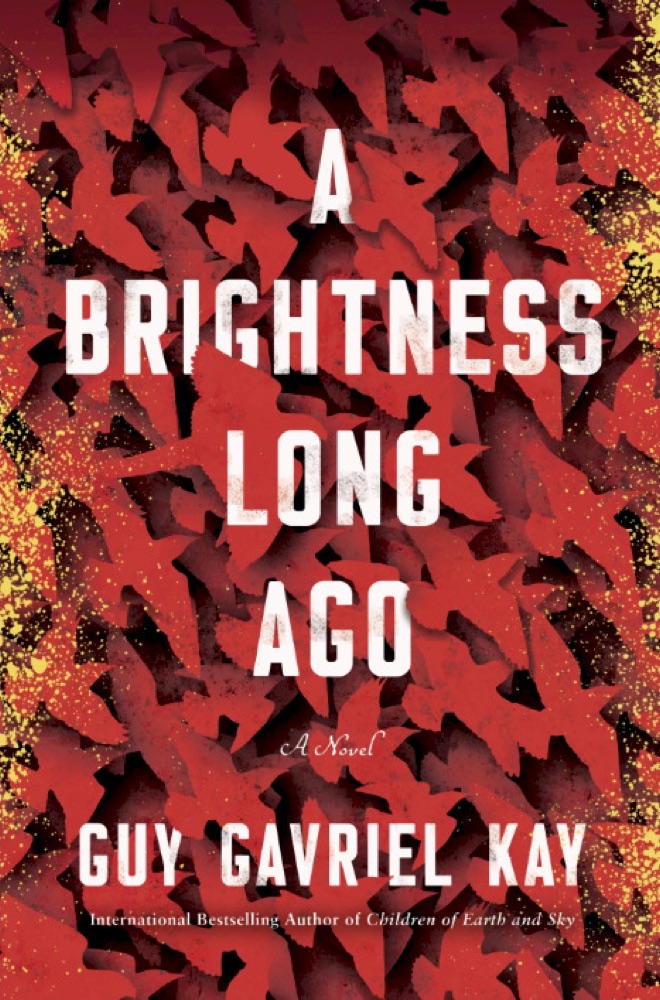 A Brightness Long Ago
 Roughing It
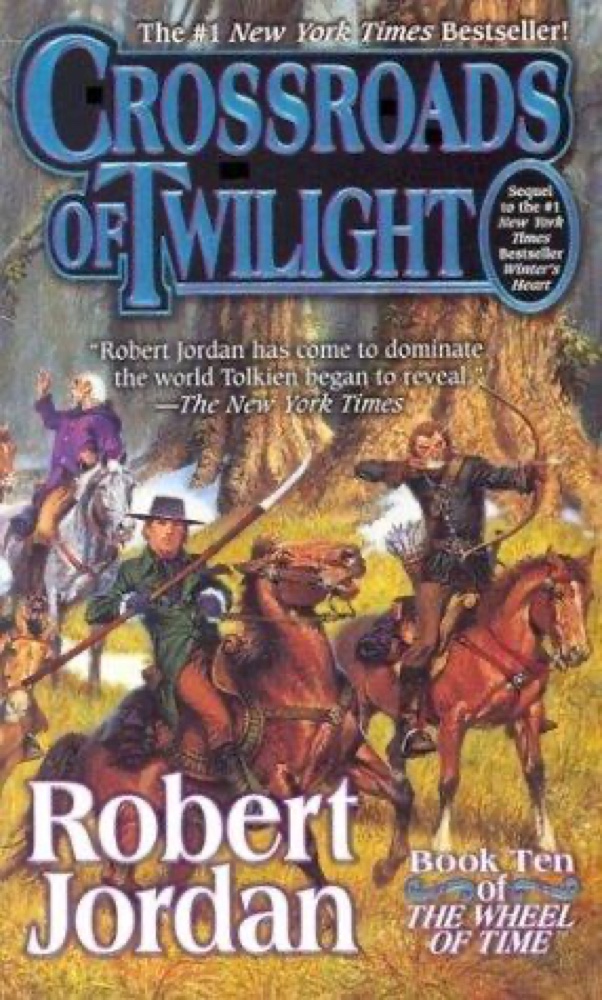 Crossroads of Twilight