 Austerlitz
Quotes from the Book
But the fact is that writing is the only way in which I am able to cope with the memories which overwhelm me so frequently and so unexpectedly. If they remained locked away, they would become heavier and heavier as time went on, so that in the end I would succumb under their mounting weight. Memories lie slumbering within us for months and years, quietly proliferating, until they are woken by some trifle and in some strange way blind us to life. How often this has caused me to feel that my memories, and the labours expended in writing them down are all part of the same humiliating and, at bottom, contemptible business! And yet, what would we be without memory? We would not be capable of ordering even the simplest thoughts, the most sensitive heart would lose the ability to show affection, our existence would be a mere neverending chain of meaningless moments, and there would not be the faintest trace of a past. How wretched this life of ours is!--so full of false conceits, so futile, that it is little more than the shadow of the chimeras loosed by memory. My sense of estrangement is becoming more and more dreadful.
Perhaps we all lose our sense of reality to the precise degree to which we are engrossed in our own work, and perhaps that is why we see in the increasing complexity of our mental constructs a means for greater understanding, even while intuitively we know that we shall never be able to fathom the imponderables that govern our course through life.
Unfortunately I am a completely impractical person, caught up in endless trains of thought. All of us are fantasists, ill-equipped for life, the children as much as myself. It seems to me sometimes that we never get used to being on this earth and life is just one great, ongoing, incomprehensible blunder.
This then, I thought, as I looked round about me, is the representation of history. It requires a falsification of perspective. We, the survivors, see everything from above, see everything at once, and still we do not know how it was.
I suppose it is submerged realities that give to dreams their curious air of hyper-reality. But perhaps there is something else as well, something nebulous, gauze-like, through which everything one sees in a dream seems, paradoxically, much clearer. A pond becomes a lake, a breeze becomes a storm, a handful of dust is a desert, a grain of sulphur in the blood is a volcanic inferno. What manner of theater is it, in which we are at once playwright, actor, stage manager, scene painter and audience?
Like our bodies and like our desires, the machines we have devised are possessed of a heart which is slowly reduced to embers.
No matter whether one is flying over Newfoundland or the sea of lights that stretches from Boston to Philadelphia after nightfall, over the Arabian deserts which gleam like mother-of-pearl, over the Ruhr or the city of Frankfurt, it is as though there were no people, only the things they have made and in which they are hiding.
For days and weeks on end one racks one's brains to no avail, and, if asked, one could not say whether one goes on writing purely out of habit, or a craving for admiration, or because one knows not how to do anything other, or out of sheer wonderment, despair or outrage, any more than one could say whether writing renders one more perceptive or more insane. Perhaps we all lose our sense of reality to the precise degree to which we are engrossed in our own work, and perhaps that is why we see in the increasing complexity of our mental constructs a means for greater understanding, even while intuitively we know that we shall never be able to fathom the imponderables that govern our course through life?
At the time I could no more believe my eyes than I can now trust my memory.
From the first smouldering taper to the elegant lanterns whose light reverberated around eighteenth-century courtyards and from the mild radiance of those lanterns to the unearthly glow of the sodium lamps that line the Belgian motorways, it has all been combustion. Combustion is the hidden principle behind every artefact we create. The making of a fish-hook, manufacture of a china cup, or production of a television programme, all depend on the same process of combustion. Like our bodies and like our desires, the machines we have devised are possessed of a heart which is slowly reduced to embers.
To set one's name to a work gives no one a title to be remembered, for who knows how many of the best of men have gone without a trace? The iniquity of oblivion blindly scatters her poppyseed and when wretchedness falls upon us one summer's day like snow, all we wish for is to be forgotten.
Memories lie slumbering within us for months and years, quietly proliferating, until they are woken by some trifle and in some strange way blind us to life.
I watched the shadow of our plane hastening below us across hedges and fences, rows of poplars and canals … Nowhere, however, was a single human being to be seen. No matter whether one is flying over Newfoundland or the sea of lights that stretches from Boston to Philadelphia after nightfall, over the Arabian deserts which gleam like mother-of-pearl, over the Ruhr or the city of Frankfurt, it is as though there were no people, only the things they have made and in which they are hiding. One sees the places where they live and the roads that link them, one sees the smoke rising from their houses and factories, one sees the vehicles in which they sit, but one sees not the people themselves. And yet they are present everywhere upon the face of the earth, extending their dominion by the hour, moving around the honeycombs of towering buildings and tied into networks of a complexity that goes far beyond the power of any one individual to imagine, from the thousands of hoists and winches that once worked the South African diamond mines to the floors of today's stock and commodity exchanges, through which the global tides of information flow without cease. If we view ourselves from a great height, it is frightening to realize how little we know about our species, our purpose and our end, I thought, as we crossed the coastline and flew out over the jelly-green sea.
On every new thing there lies already the shadow of annihilation.
At one point, she said after a while, at one point we thought we might raise silkworms in one of the empty rooms. But then we never did. Oh, for the countless things one fails to do!
Night, the astonishing, the stranger to all that is human, over the mountain-tops mournful and gleaming draws on. It was as though I stood at the topmost point of the earth, where the glittering winter sky is forever unchanging; as though the heath were rigid with frost, and adders, vipers and lizards of transparent ice lay slumbering in their hollows in the sand.
There is no antidote, he writes, against the opium of time. The winter sun shows how soon the light fades from the ash, how soon night enfolds us. Hour upon hour is added to the sum. Time itself grows old. Pyramids, arches and obelisks are melting pillars of snow. Not even those who have found a place amidst the heavenly constellations have perpetuated their names: Nimrod is lost in Orion, and Osiris in the Dog Star. Indeed, old families last not three oaks.
Like our bodies and like our desires, the machines we have devised are possessed of a heart which is slowly reduced to embers. From the earliest times, human civilization has been no more than a strange luminescence growing more intense by the hour, of which no one can say when it will begin to wane and when it will fade
To set one's name to a work gives no one a title to be remembered, for who knows how many of the best of men have gone without a trace?
Den Haag, das zu jener Zeit um die vierzigtausend Einwohner zählte, nennt Diderot das schönste Dorf auf der Erde und den Weg von der Stadt an den Strand von Scheveningen hinaus eine Promenade, die nirgendwo sonst ihresgleichen habe. Es war nicht leicht, diese Ansichten nachzuvollziehen, als ich selber die Parkstraat entlang in Richtung Scheveningen wanderte. Hier und da stand eine schöne Villa in einem Garten, aber sonst gab es kaum etwas, das mich aufatmen ließ. Wahrscheinlich war ich, wie schon so oft in fremden Städten, auf den falschen Wegen gegangen.
A strikingly large number of our settlements are oriented to the west and, where circumstances permit, relocate in a westward direction. The east stands for lost causes.
Night, the astonishing, the stranger to all that is human, over the mountain-tops mournful and gleaming draws on. It was as though I stood at the topmost point of the earth, where the glittering winter sky is forever unchanging; as though the heath were rigid with frost, and adders, vipers and lizards of transparent ice lay slumbering in their hollows in the
The iniquity of oblivion blindly scatters her poppyseed and when wretchedness falls upon us one summer’s day like snow, all we wish for is to be forgotten.
There is no antidote, he writes, against the opium of time. The winter sun shows how soon the light fades from the ash, how soon night enfolds us. Hour upon hour is added to the sum. Time itself grows old. Pyramids, arches and obelisks are melting pillars of snow. Not even those who have found a place amidst the heavenly constellations have perpetuated their names: Nimrod is lost in Orion, and Osiris in the Dog Star. Indeed, old families last not three
Watch on YouTube
About W.G. Sebald
We have collected 81 quotes from 4 books by W.G. Sebald on BookQuoters.
More about the author →More by W.G. Sebald
Book details
- Author
- W.G. Sebald
- Genre
- Literature
- Goodreads rating
- 4.22 (18k ratings) →
Keep reading
 Speak, Memory
 Swann's Way
 The Empusium
 The Paper Menagerie and Other Stories
 Station Eleven
 The Notebooks of Malte Laurids Brigge
 Wind, Sand and Stars
 In Search of Lost Time
 Heart of Darkness
 The Sheltering Sky
 The Secret History
 To The Bright Edge of the World
 Flights
 The Stories of Vladimir Nabokov
Austerlitz
The Stories of Vladimir Nabokov
Austerlitz
 Killing Commendatore
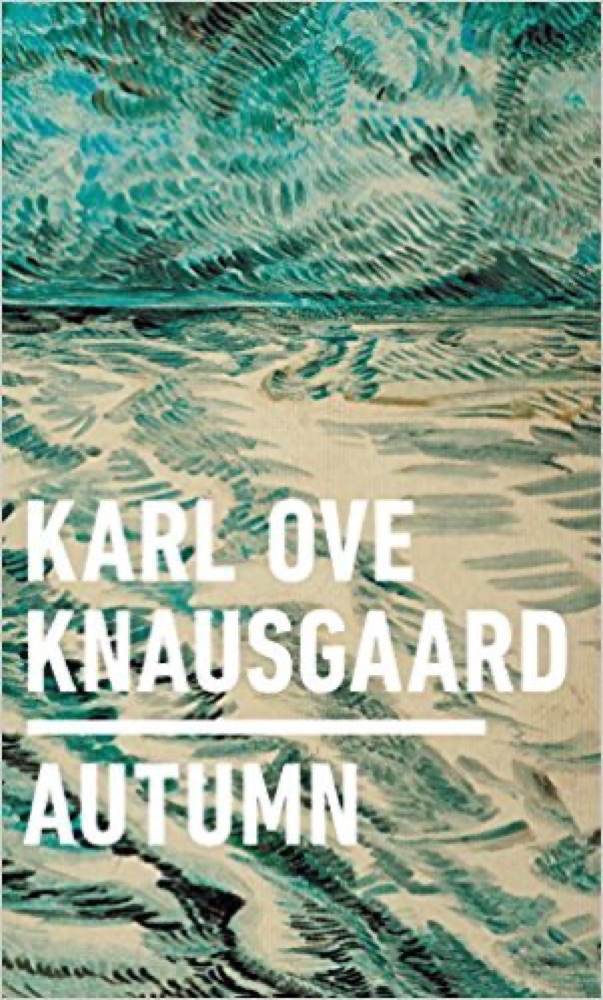 Autumn
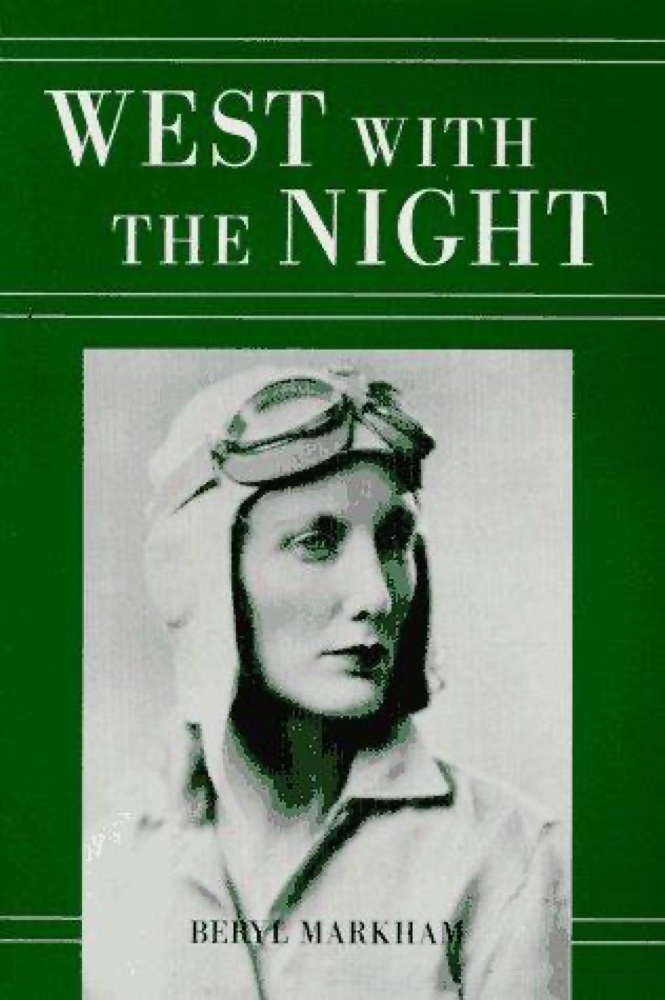 West with the Night
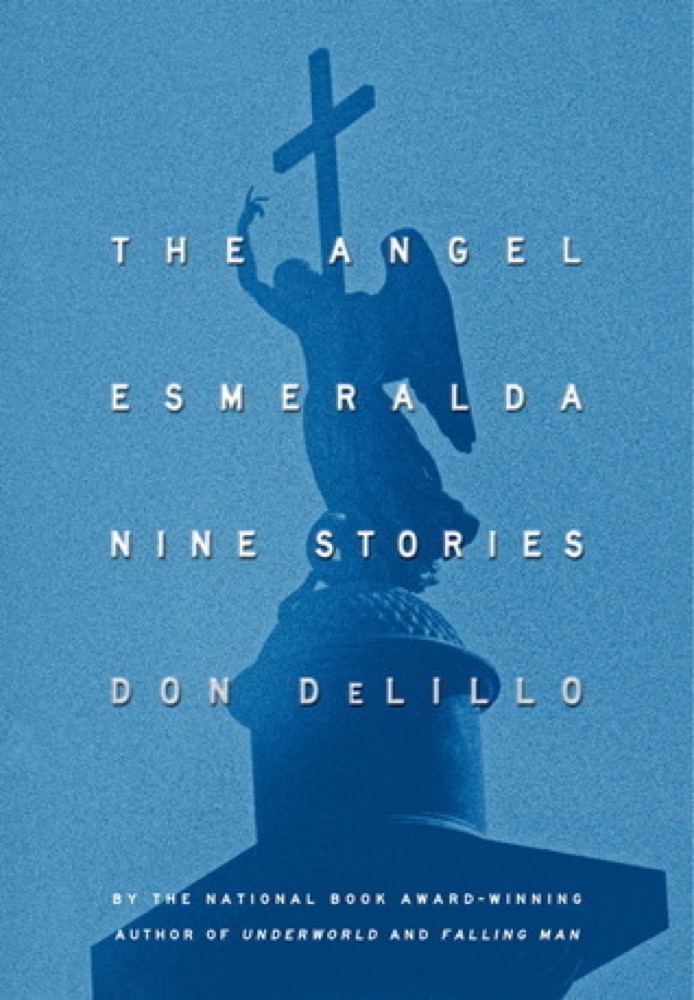 The Angel Esmeralda
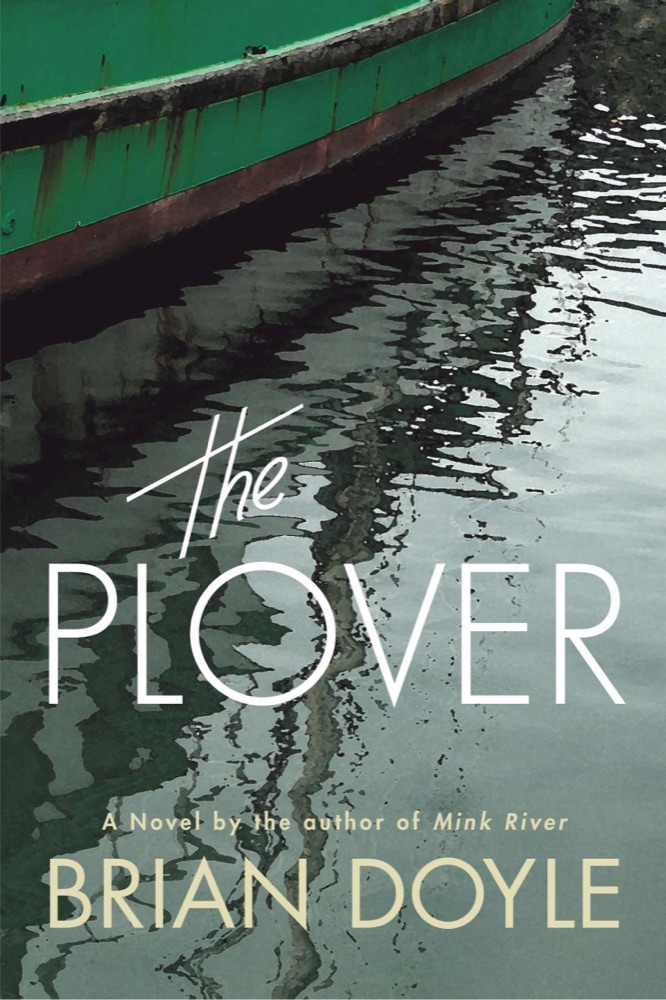 The Plover
 Housekeeping
 Life on Mars: Poems
 The Street of Crocodiles
 Moon Tiger
 Star Maker
 In Ascension
 Monday or Tuesday
 Solaris
 House of Leaves
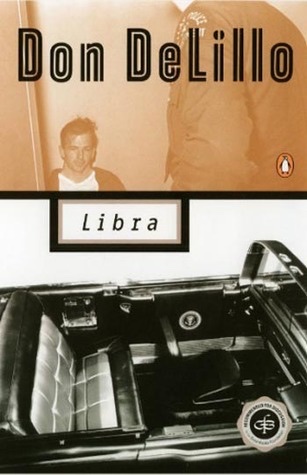 Libra
Libra
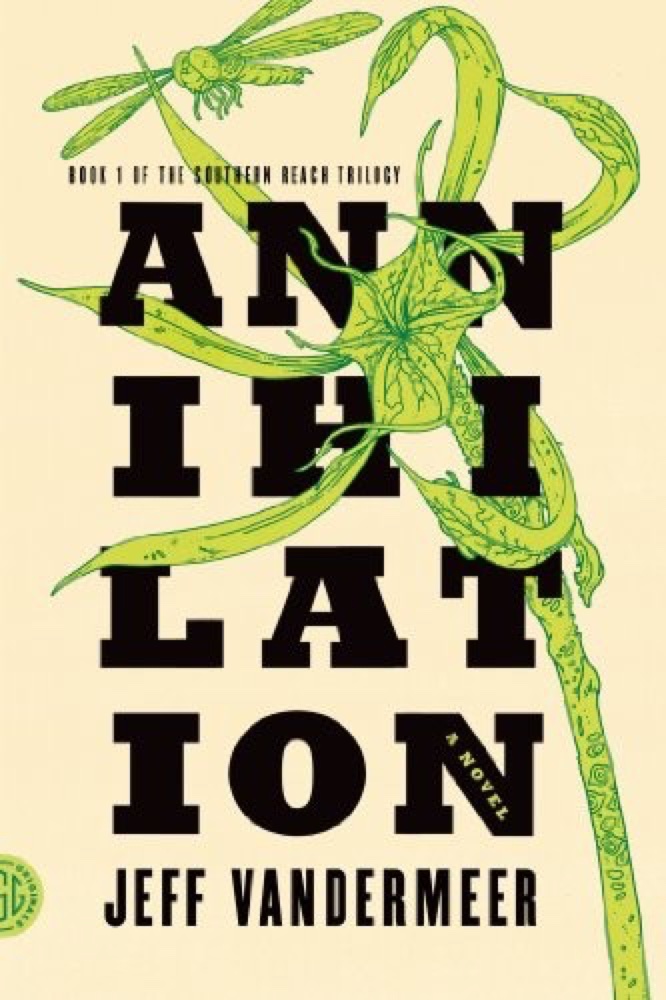 Annihilation
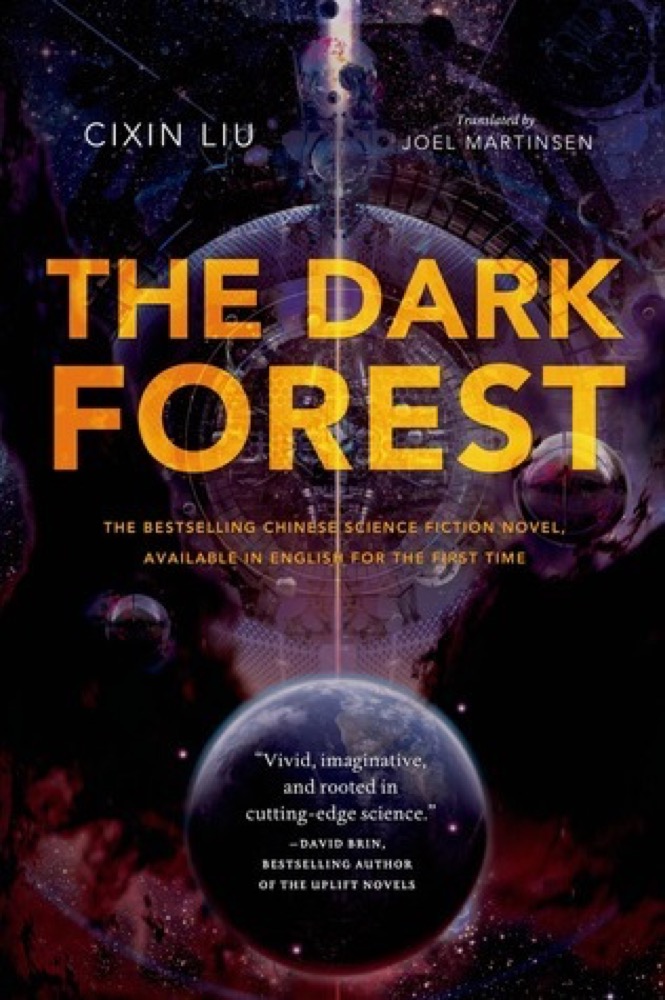 The Dark Forest
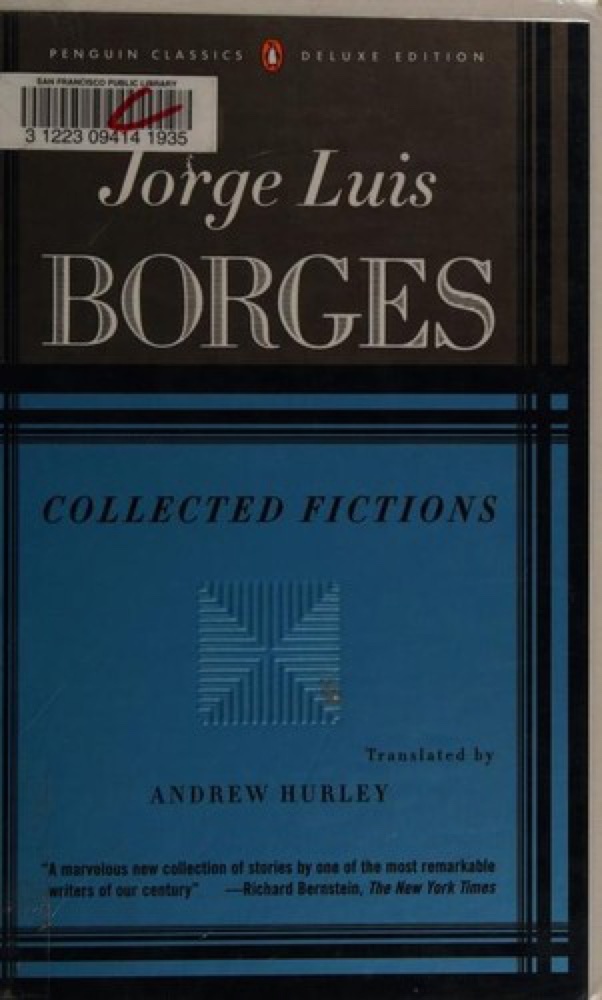 Collected Fictions
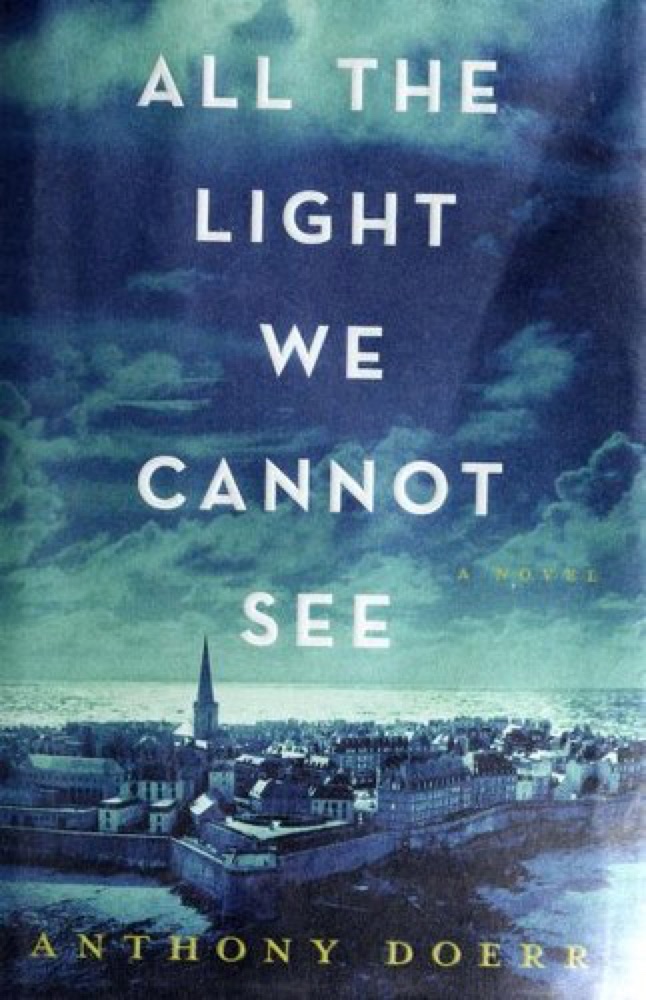 All the Light We Cannot See
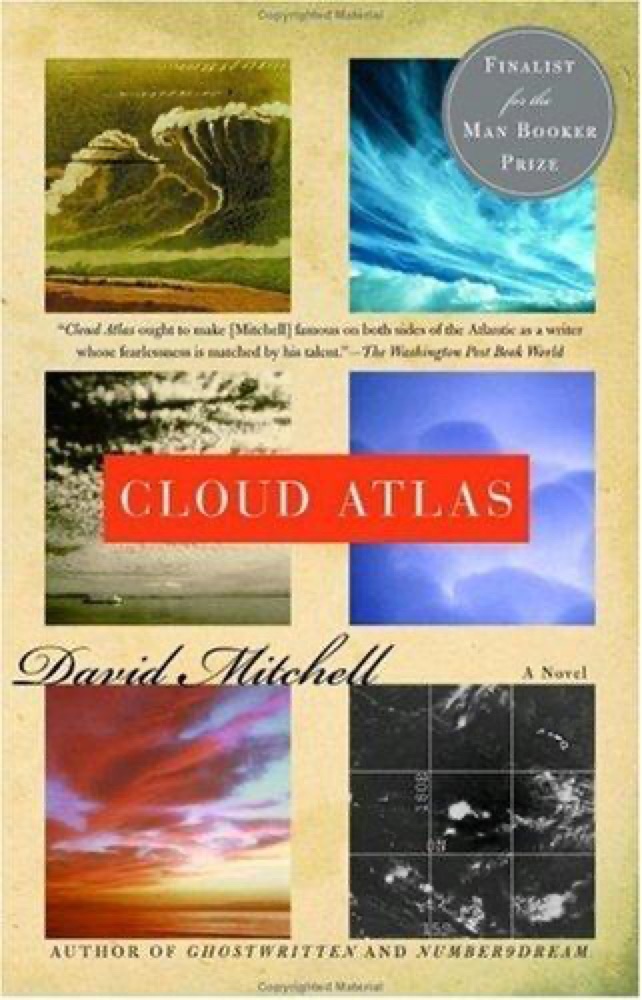 Cloud Atlas
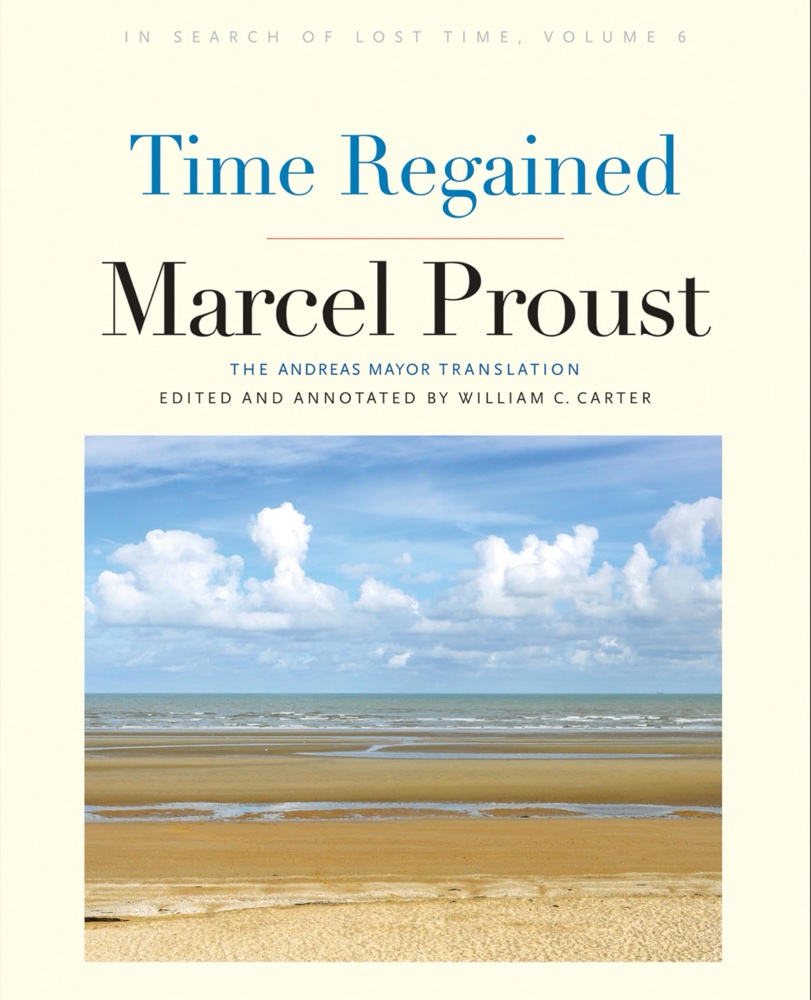 Time Regained
 The People in the Trees
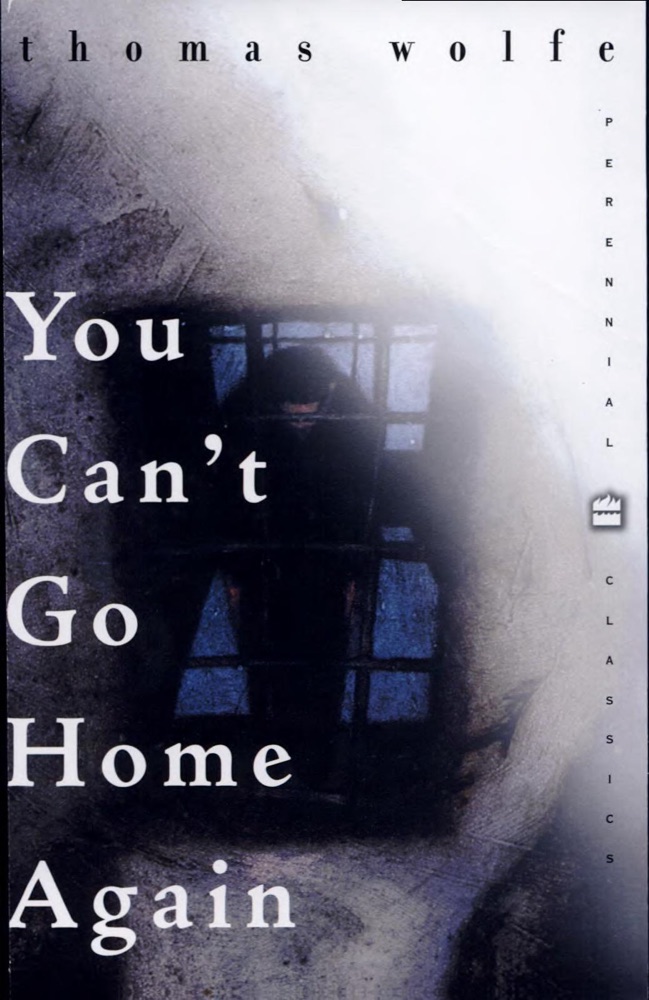 You Can't Go Home Again
 Pale Fire
 Dreams and Shadows
 The City and Its Uncertain Walls
 Daniel Deronda
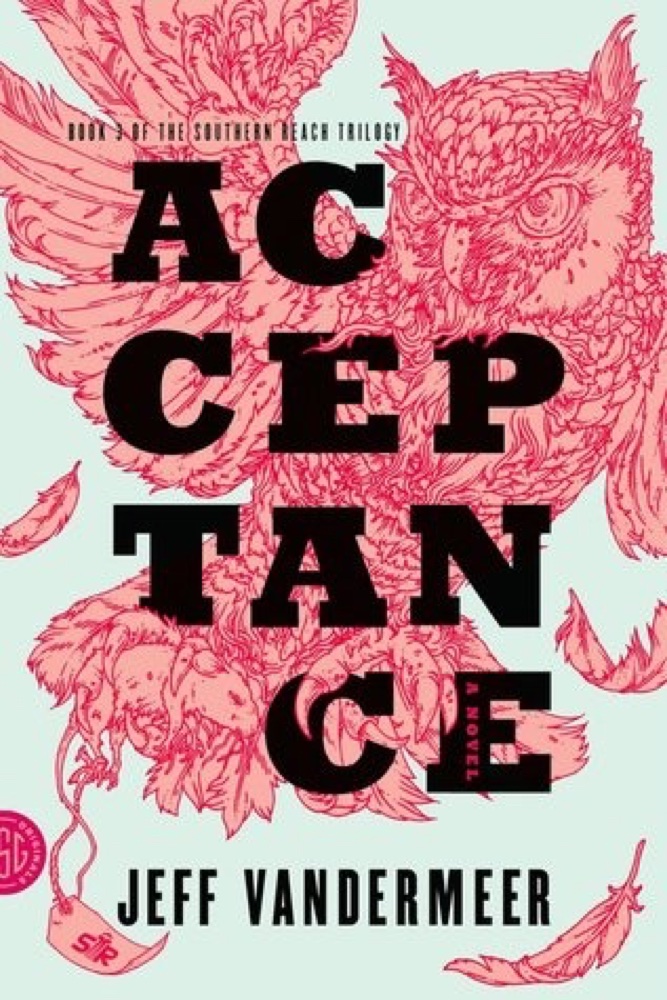 Acceptance
 Drive Your Plow Over the Bones of the Dead
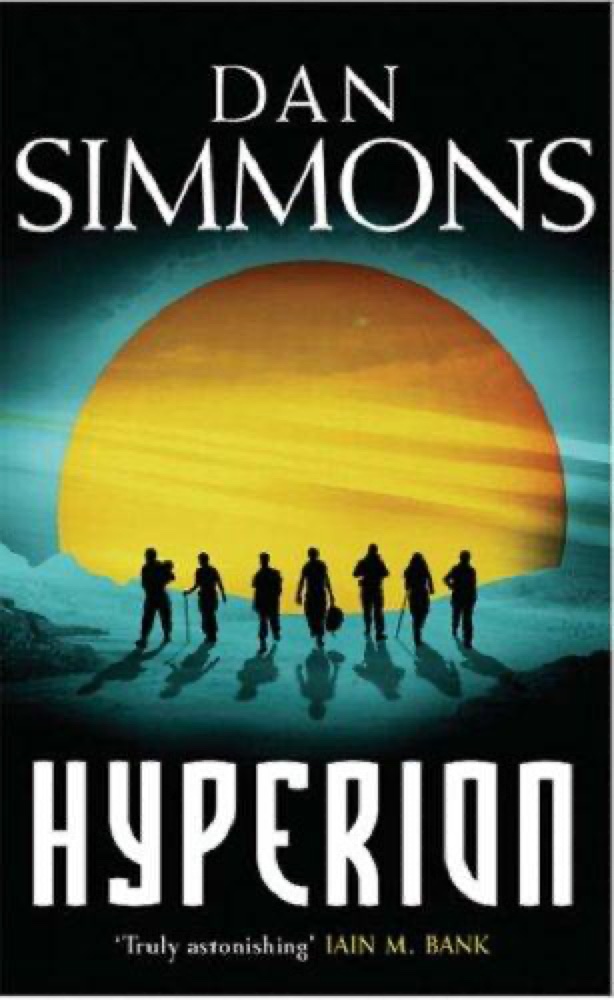 Hyperion
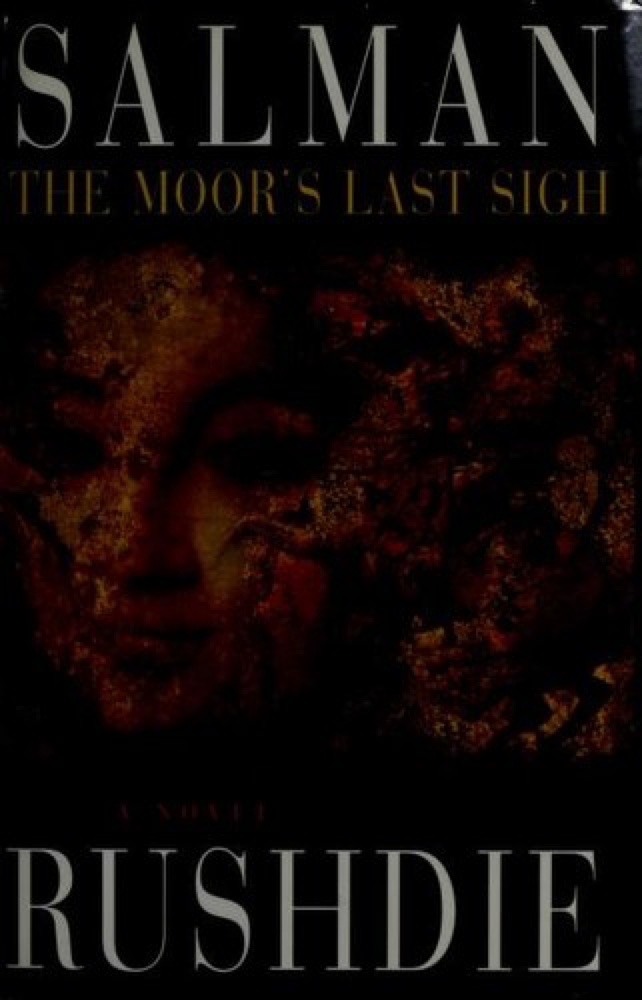 The Moor's Last Sigh
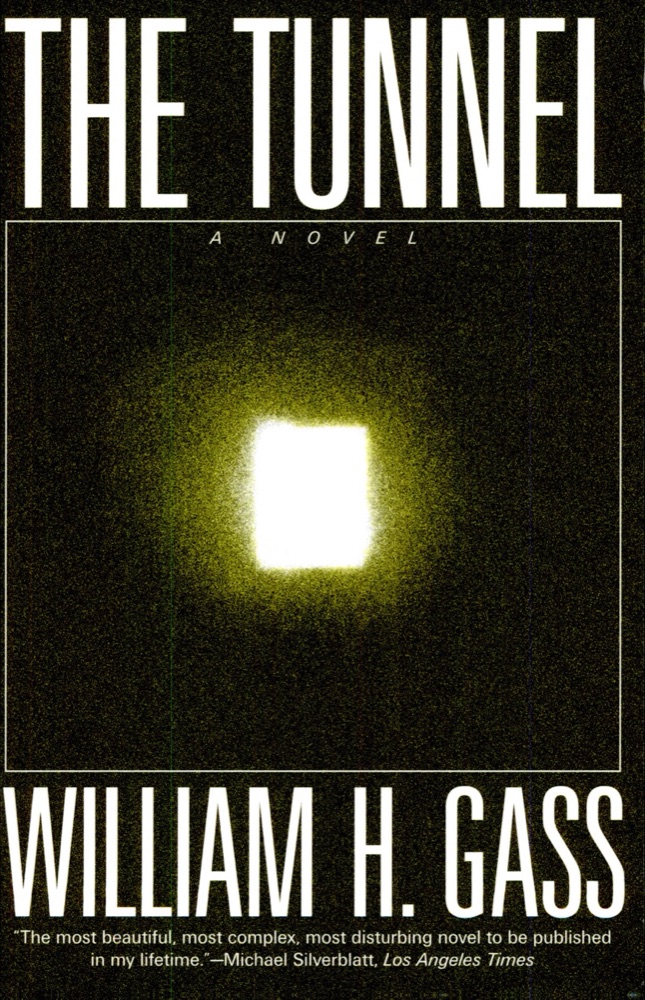 The Tunnel
 Light Years
 Tinkers
 Labyrinths: Selected Stories and Other Writings
 The Immense Journey
 Orbital
 The Selected Poetry of Rainer Maria Rilke
 Poems, 1962-2012
 Peace
Peace
 She
She
 Teatro Grottesco
 Selected Poems
 Sum: Forty Tales from the Afterlives
 Empire of Silence