
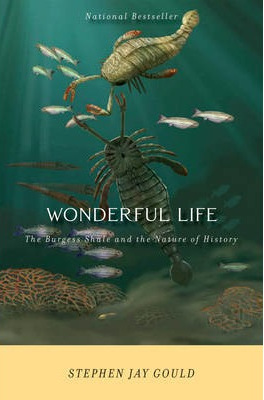
 Wonderful Life: The Burgess Shale and the Nature of History
Quotes from the Book
We pass through this world but once. Few tragedies can be more extensive than the stunting of life, few injustices deeper than the denial of an opportunity to strive or even to hope, by a limit imposed from without, but falsely identified as lying within.
Errors of reductionism and biodeterminism take over in such silly statements as “Intelligence is 60 percent genetic and 40 percent environmental.” A 60 percent (or whatever) “heritability” for intelligence means no such thing. We shall not get this issue straight until we realize that the “interactionism” we all accept does not permit such statements as “Trait x is 29 percent environmental and 71 percent genetic.” When causative factors (more than two, by the way) interact so complexly, and throughout growth, to produce an intricate adult being, we cannot, in principle, parse that being’s behavior into quantitative percentages of remote root causes. The adult being is an emergent entity who must be understood at his own level and in his own totality. The truly salient issues are malleability and flexibility, not fallacious parsing by percentages. A trait may be 90 percent heritable, yet entirely malleable.
science must be understood as a social phenomenon, a gutsy, human enterprise, not the work of robots programed to collect pure information.
Duke est desipere in loco [it is pleasant to act foolishly from time to time—a line from Horace].
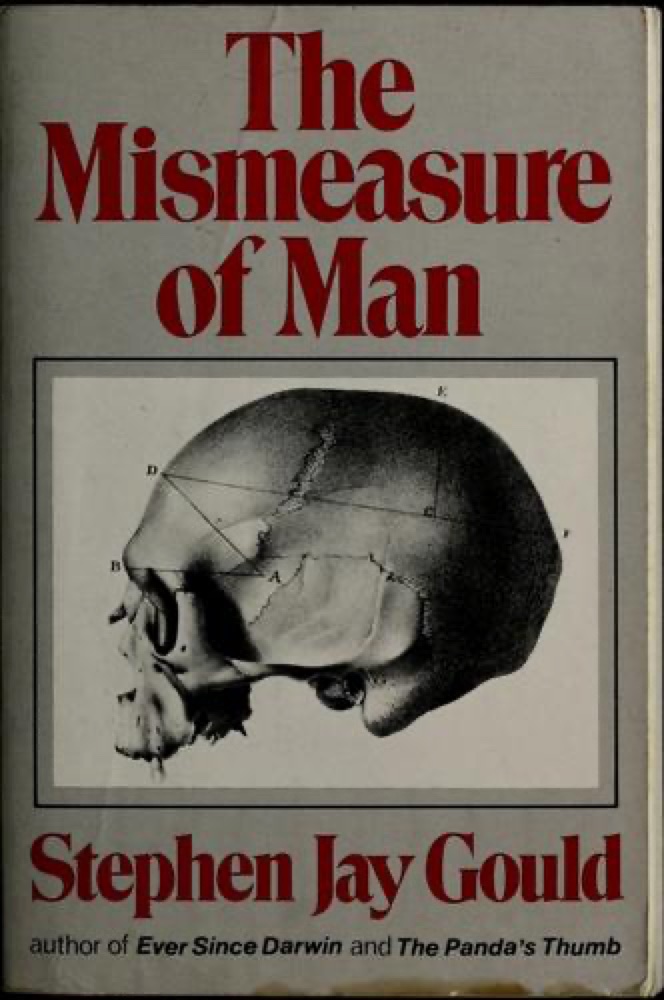
The Mismeasure of Man treats one particular form of quantified claim about the ranking of human groups: the argument that intelligence can be meaningfully abstracted as a single number capable of ranking all people on a linear scale of intrinsic and unalterable mental worth. Fortunately—and I made my decision on purpose—this limited subject embodies the deepest (and most common) philosophical error, with the most fundamental and far-ranging social impact, for the entire troubling subject of nature and nurture, or the genetic contribution to human social organization.
self-deception as the preliminary to public deception is almost automatic. —WALTER LIPPMANN,
Watch on YouTube
About Stephen Jay Gould
We have collected 22 quotes from 3 books by Stephen Jay Gould on BookQuoters.
More about the author →More by Stephen Jay Gould
Wonderful Life: The Burgess Shale and the Nature of History
 Bully for Brontosaurus: Reflections in Natural History
Book details
- Author
- Stephen Jay Gould
- Genre
- History
- Goodreads rating
- 4.06 (9k ratings) →
Keep reading
 The Blank Slate: The Modern Denial of Human Nature
 Mistakes Were Made (But Not by Me): Why We Justify Foolish Beliefs, Bad Decisions, and Hurtful Acts
 The Moral Landscape: How Science Can Determine Human Values
 Being Wrong: Adventures in the Margin of Error
 Human, All Too Human
 The Black Swan: The Impact of the Highly Improbable
 The Wisdom of Life
 The Ascent of Man
 Antifragile: Things That Gain from Disorder
 Emile or On Education
 Civilization and Its Discontents
 Humankind: A Hopeful History
 The Moral Animal: Why We Are the Way We Are - The New Science of Evolutionary Psychology
 The Master and His Emissary: The Divided Brain and the Making of the Western World
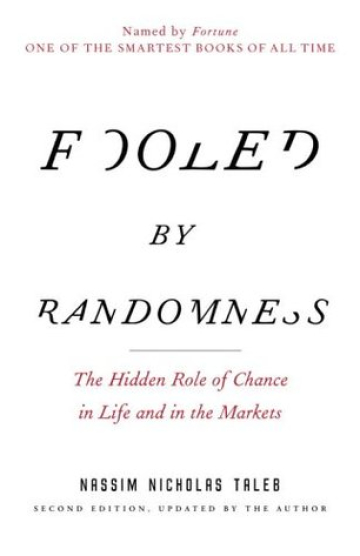 Fooled by Randomness: The Hidden Role of Chance in Life and in the Markets
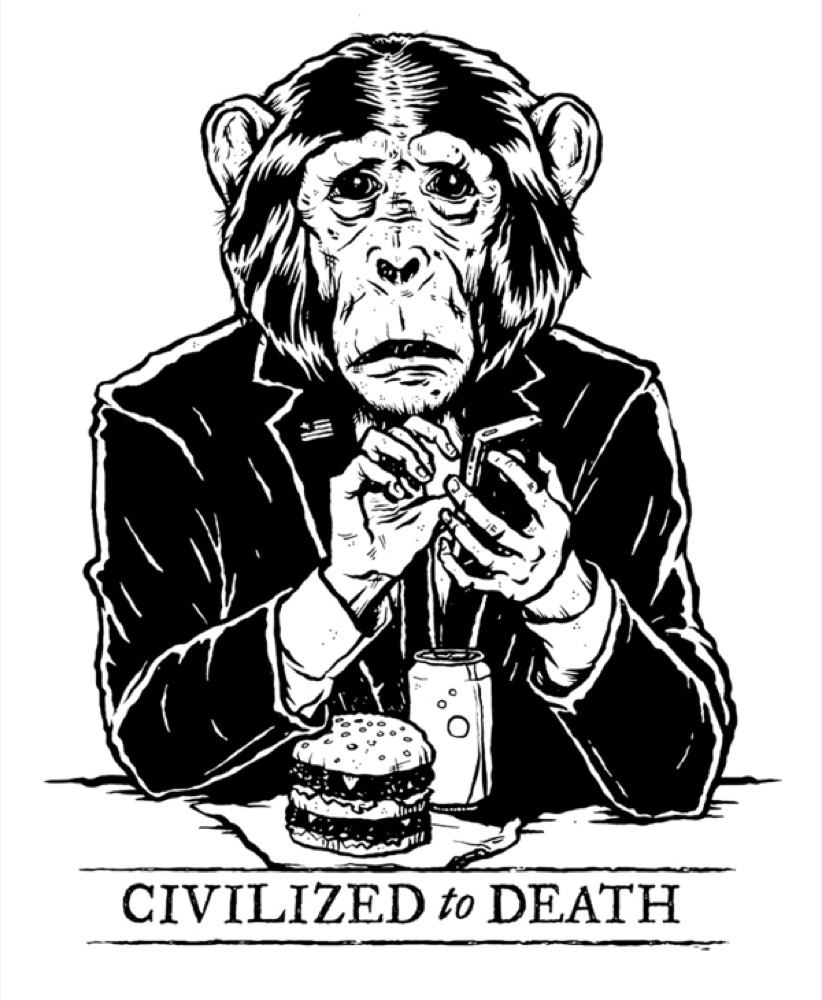 Civilized to Death: What Was Lost on the Way to Modernity
 Science and Sanity: An Introduction to Non-Aristotelian Systems and General Semantics
 The Will to Power
 On Truth and Lies in a Nonmoral Sense
 How the Mind Works
 Enlightenment Now: The Case for Reason, Science, Humanism, and Progress
 Heretics
 A Devil's Chaplain: Reflections on Hope, Lies, Science, and Love
 Small Is Beautiful: Economics as if People Mattered
 A Treatise of Human Nature
 The Magic Mountain
 Children of Dune
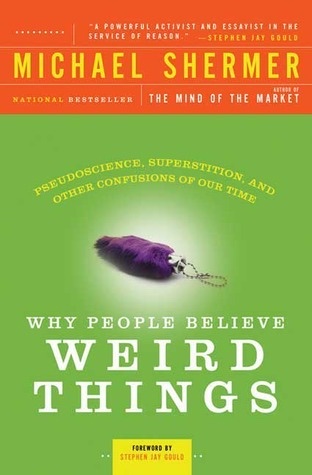 Why People Believe Weird Things: Pseudoscience, Superstition, and Other Confusions of Our Time
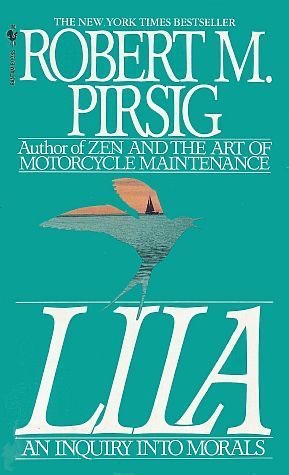 Lila: An Inquiry Into Morals
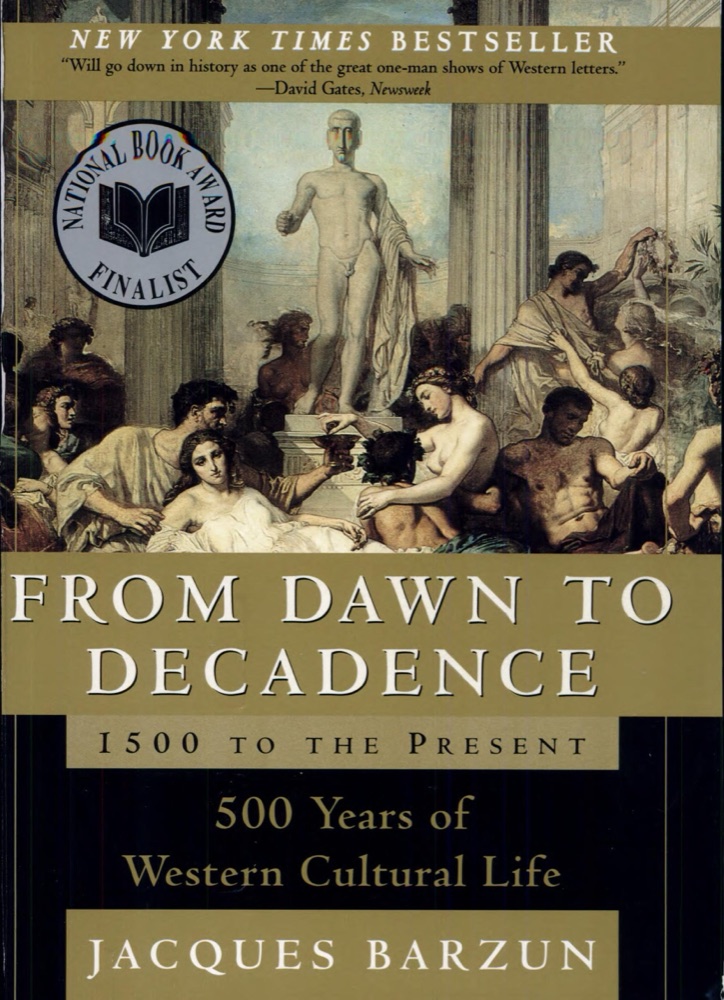 From Dawn to Decadence: 500 Years of Western Cultural Life, 1500 to the Present
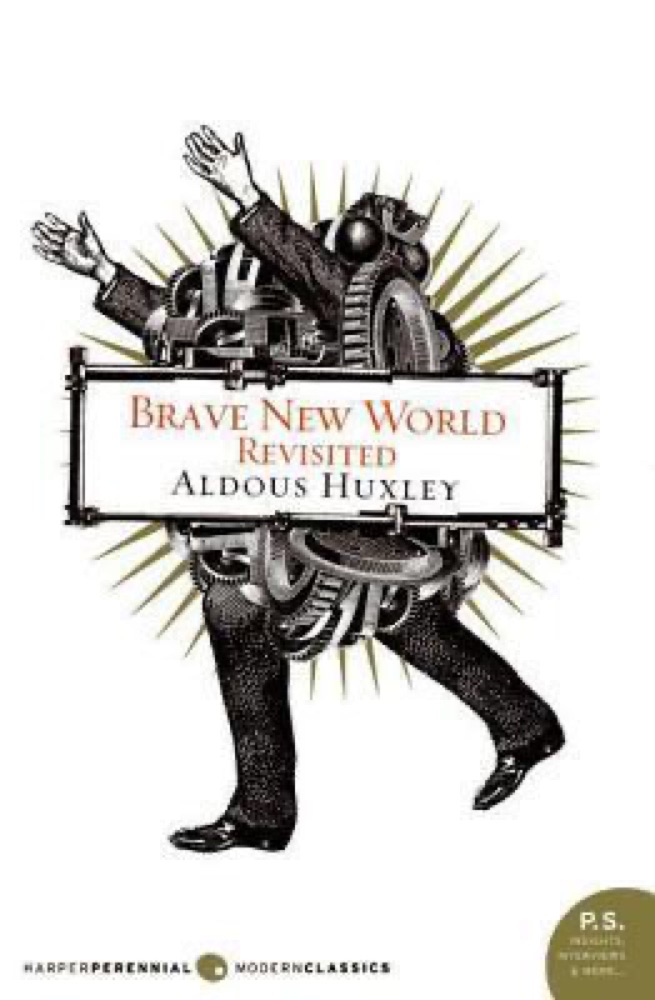 Brave New World Revisited
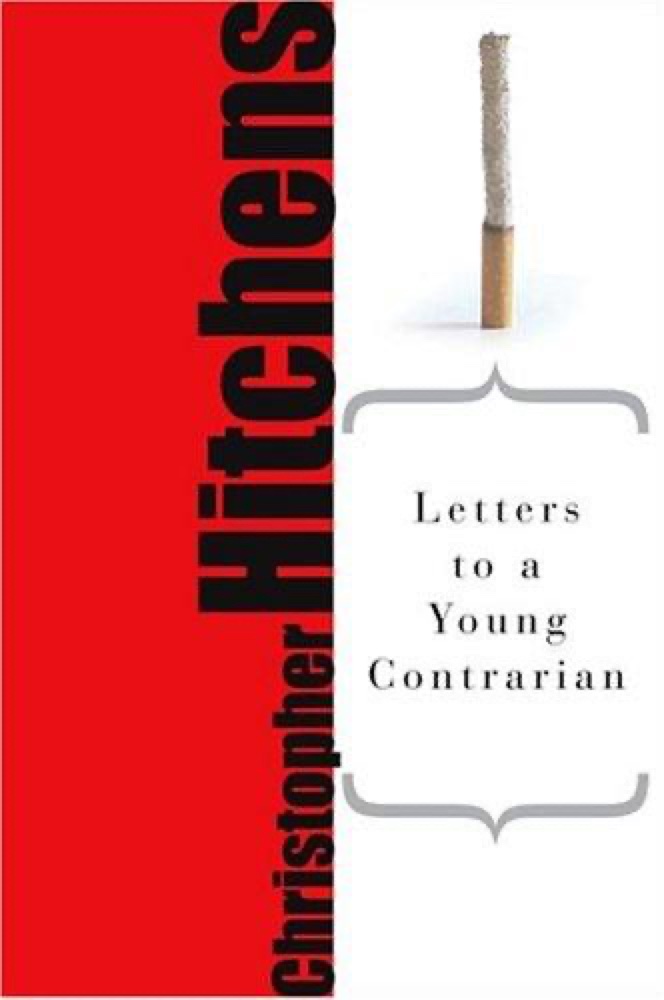 Letters to a Young Contrarian
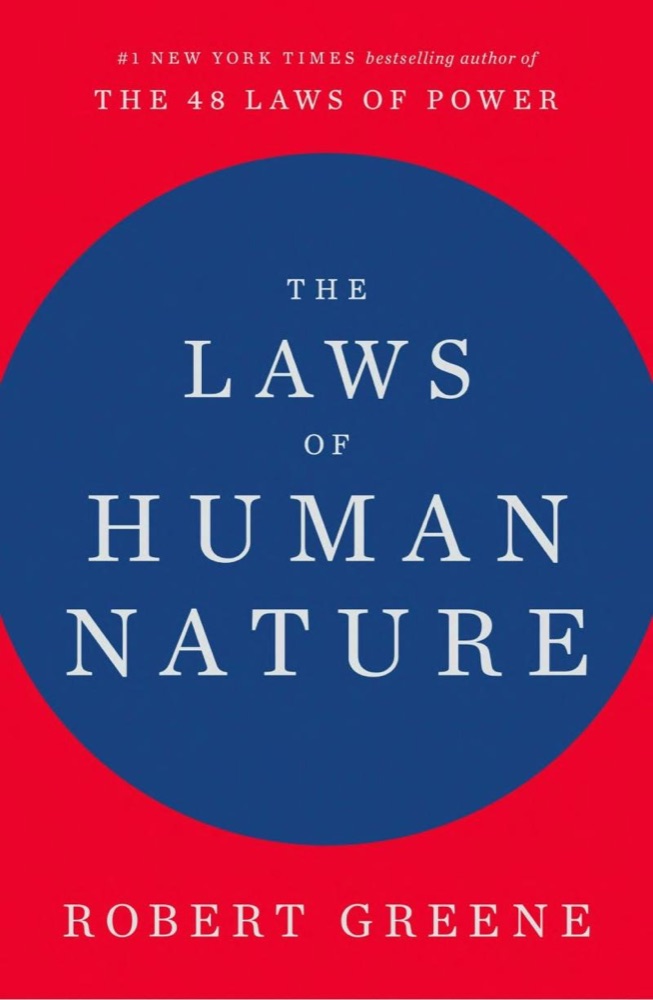 The Laws of Human Nature
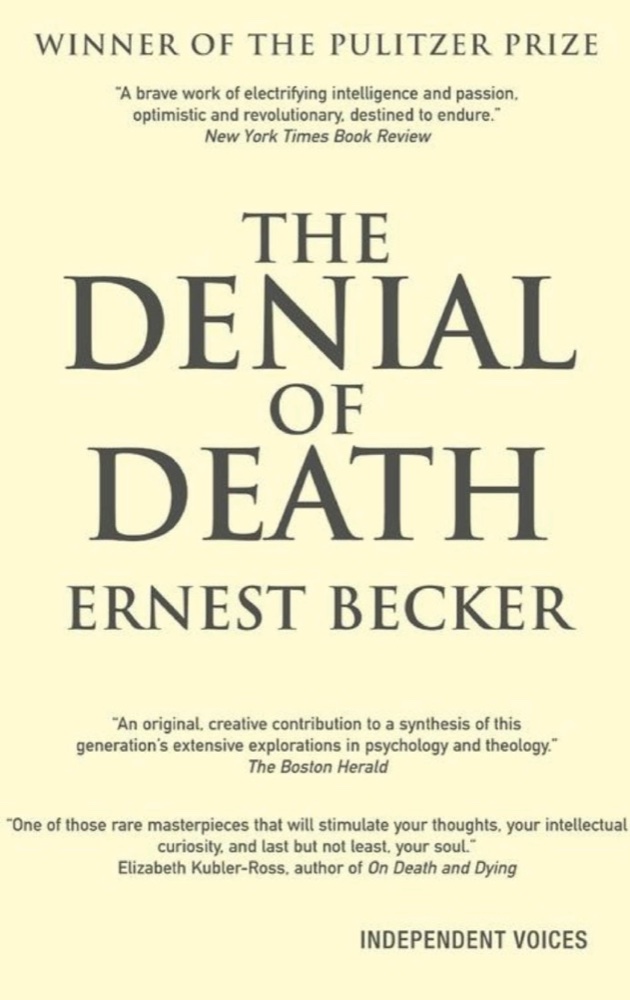 The Denial of Death
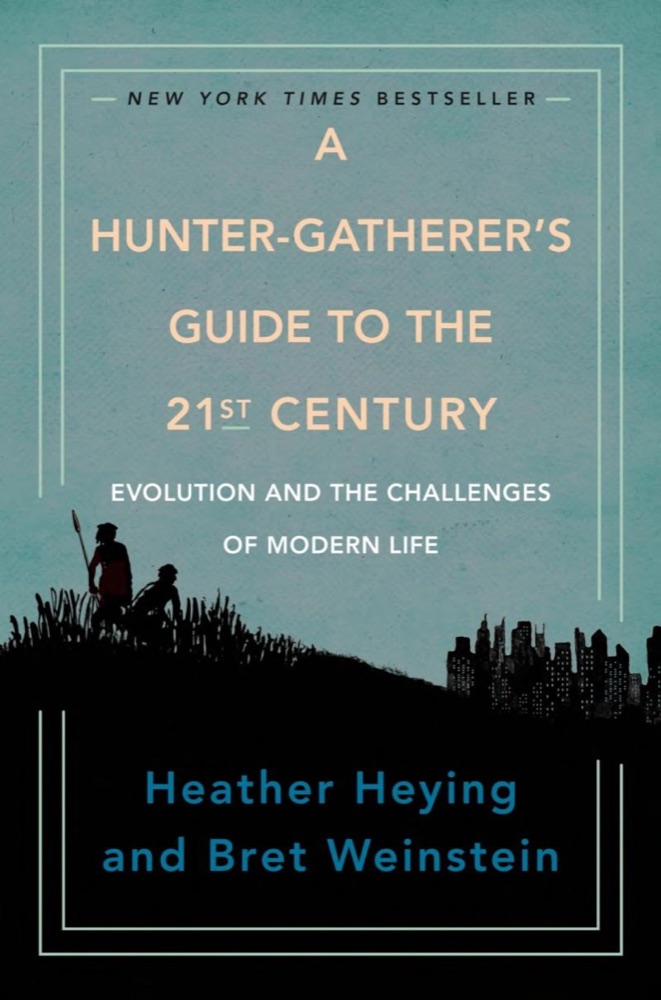 A Hunter-Gatherer's Guide to the 21st Century: Evolution and the Challenges of Modern Life
 The Most Human Human: What Talking with Computers Teaches Us About What It Means to Be Alive
 An Appetite for Wonder: The Making of a Scientist
 Walden Two
 The Lost World
 An Enquiry Concerning Human Understanding
 The Social Animal: The Hidden Sources of Love, Character, and Achievement
 God's Debris: A Thought Experiment
 What the Dog Saw and Other Adventures
 The Future of an Illusion
 Genesis
 What's Wrong with the World
 21 Lessons for the 21st Century
 Critique of Pure Reason
 Blindsight
 A History of Western Philosophy
 Psych: The Story of the Human Mind
 Darwin's Dangerous Idea: Evolution and the Meanings of Life
 Dragons of Eden: Speculations on the Evolution of Human Intelligence
 Beyond Freedom and Dignity
 Ethics
 Erewhon
 Discourse on the Origin of Inequality
 The Shockwave Rider
 The Man Without Qualities
 The Gene: An Intimate History