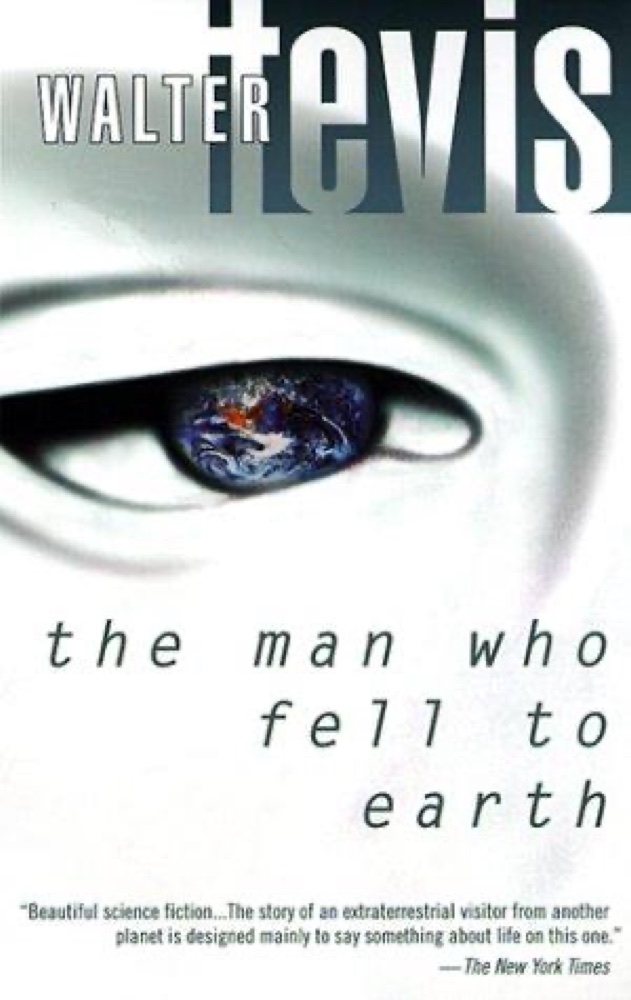

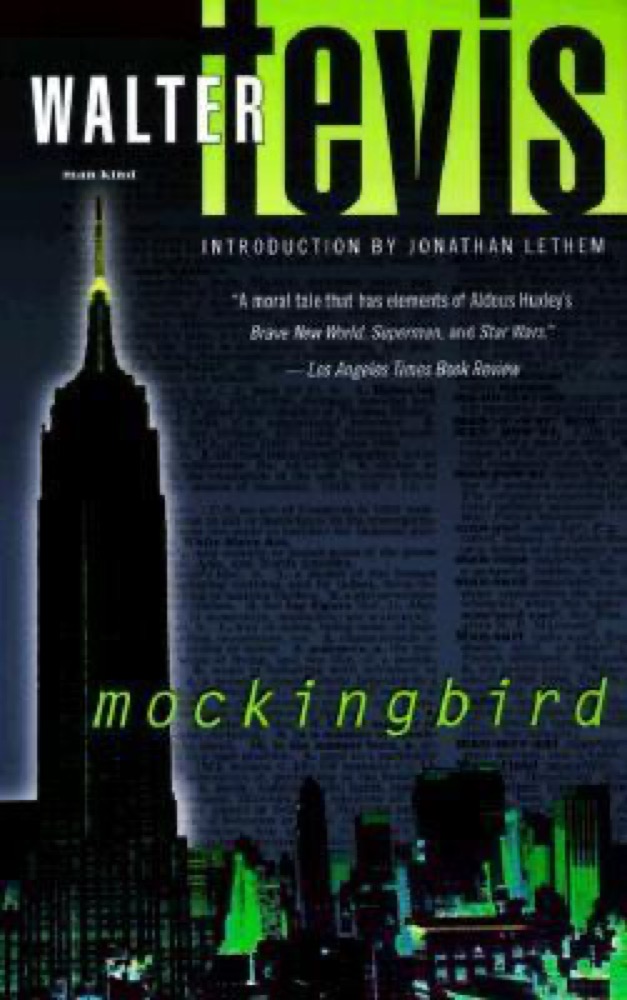
 Mockingbird
Quotes from the Book
The strange thing about television is that it doesn't tell you everything.
In meeting Betty Jo he had learned that there was a large substratum of society that was totally unaffected by this middle-class prototype, that a huge and indifferent mass of persons had virtually no ambitions and no values whatever.
The house was an immense place, isolated in a great wooded area. The building and the trees seemed wet, glistening dimly in the grey morning light that was much like the light of midday of Anthea. It was refreshing to his over-sensitive eyes. He liked the woods, the quiet sense of life in them, and the glistening moisture - the sense of water and of fruitfulness that this earth overflowed with, even down to the continual trilling and chirping sounds of the insects. It would be an endless source of delight compared to his own world, with the dryness, the emptiness, the soundlessness of the broad, empty deserts between the almost deserted cities where the only sound was the whining of the cold and endless wind that voiced the agony of his own, dying people.....
and I live alone everywhere. Altogether
Do you realize that you will not only wreck your civilization, such as it is, and kill most of your people; but that you will also poison the fish in your rivers, the squirrels in your trees, the flocks of birds, the soil, the water? There are times when you seem, to us, like apes loose in a museum, carrying knives, slashing the canvases, breaking the statuary with hammers.
Did they ruin your mind when they ruined your eyes, Mr Newton?’ Newton
little and ran away if a girl tried to touch him. Or maybe he was queer—anybody who sat around reading all the time and looked like he did… But he didn’t talk like a queer.
He was sick, sick from the long dangerous trip he had taken, sick from all the medicine —the pills, the inoculations, the inhaled gases — sick from worry, the anticipation of crisis, and terribly sick from the awful burden of his own weight. He had known for years that when the time came, when he would finally land and begin to effect that complex, long-prepared plan, he would feel something like this. The place, however much he had studied it, however much he had rehearsed his part in it, was so incredibly alien — the feeling, now the he could feel — the feeling was overpowering. He lay down in the grass and became very sick.
He began to see a kind of beauty in the strangeness of the field, too. It was quite different from what he had been taught to expect —as he had already discovered, were many of the things in this world—yet there weas pleasure for him now in its alien colors and textures, its new sights and smells. In sounds, too; for his ears were very acute and he heard many strange and pleasant noises in the grass, the diverse rubbings and clickings of those insects that had survived the cold weather of early November; and even, with his head now against the ground, the very small, subtle murmurings in the earth itself.
Watch on YouTube
About Walter Tevis
We have collected 19 quotes from 2 books by Walter Tevis on BookQuoters.
More about the author →More by Walter Tevis
Mockingbird
Book details
- Author
- Walter Tevis
- Genre
- Classics
- Goodreads rating
- 4.04 (18k ratings) →
Keep reading
 The Chocolate War
 The Collected Stories
 2001: A Space Odyssey
 Do Androids Dream of Electric Sheep?
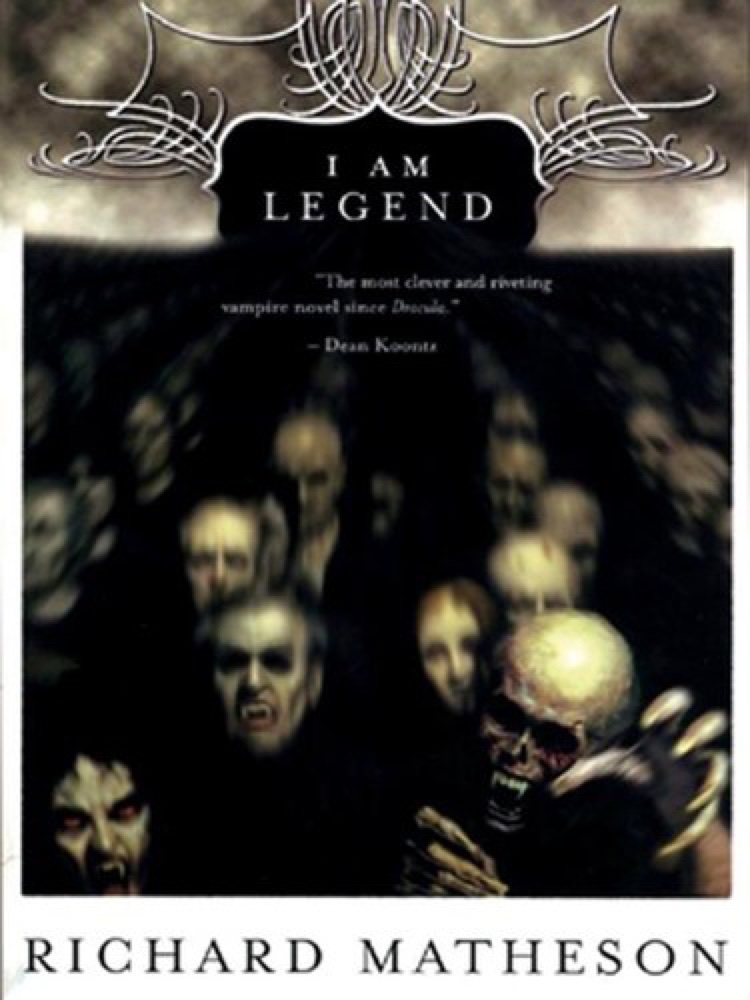 I Am Legend and Other Stories
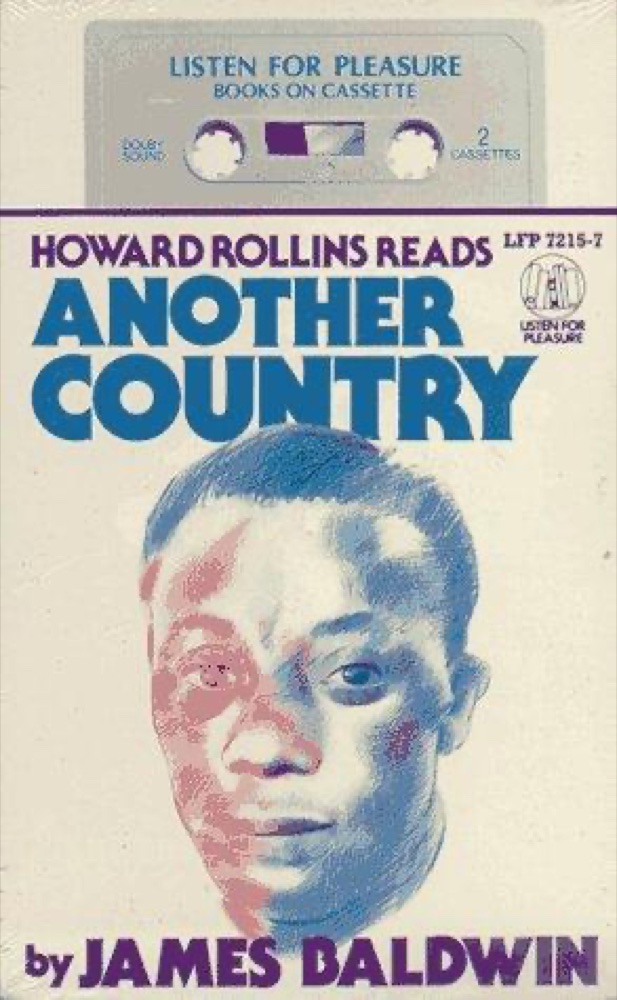 Another Country
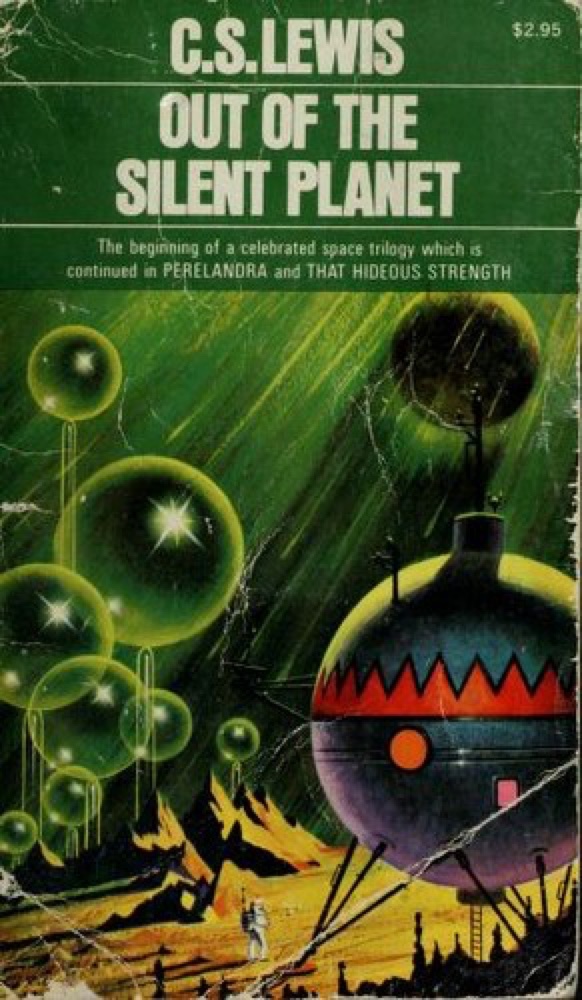 Out of the Silent Planet
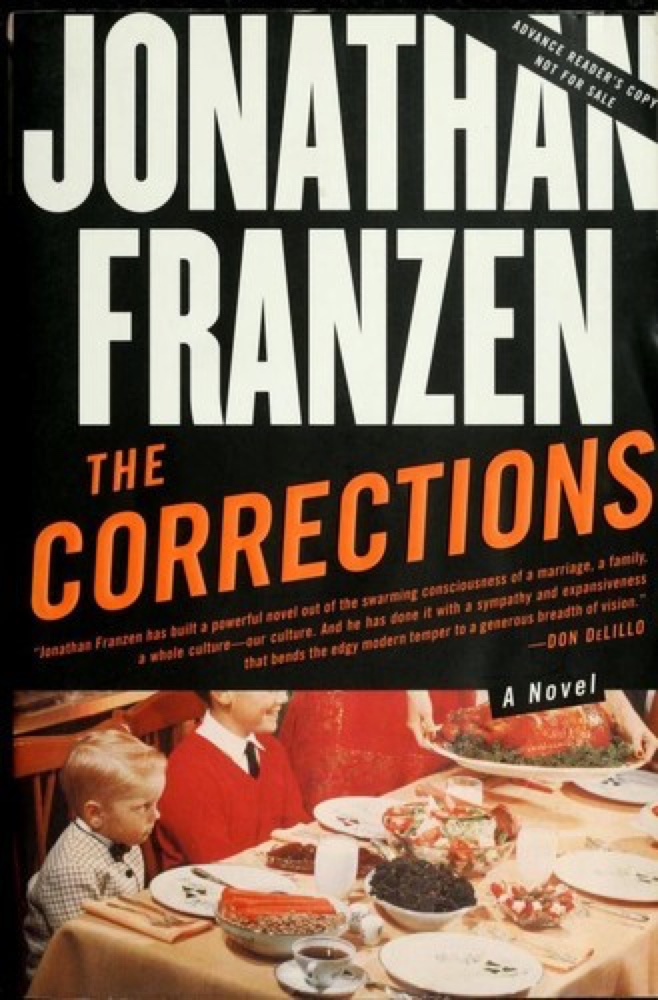 The Corrections
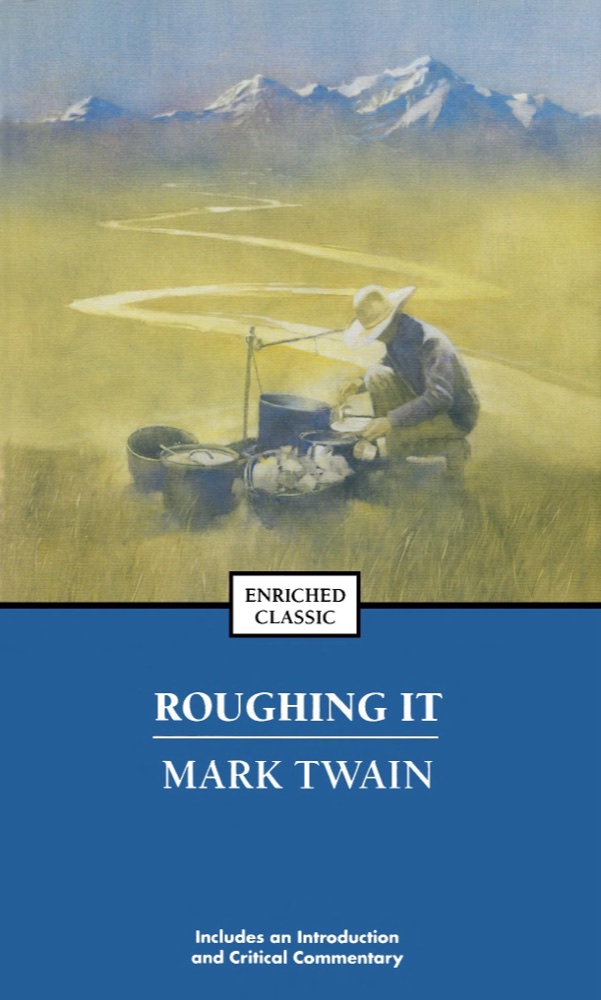 Roughing It
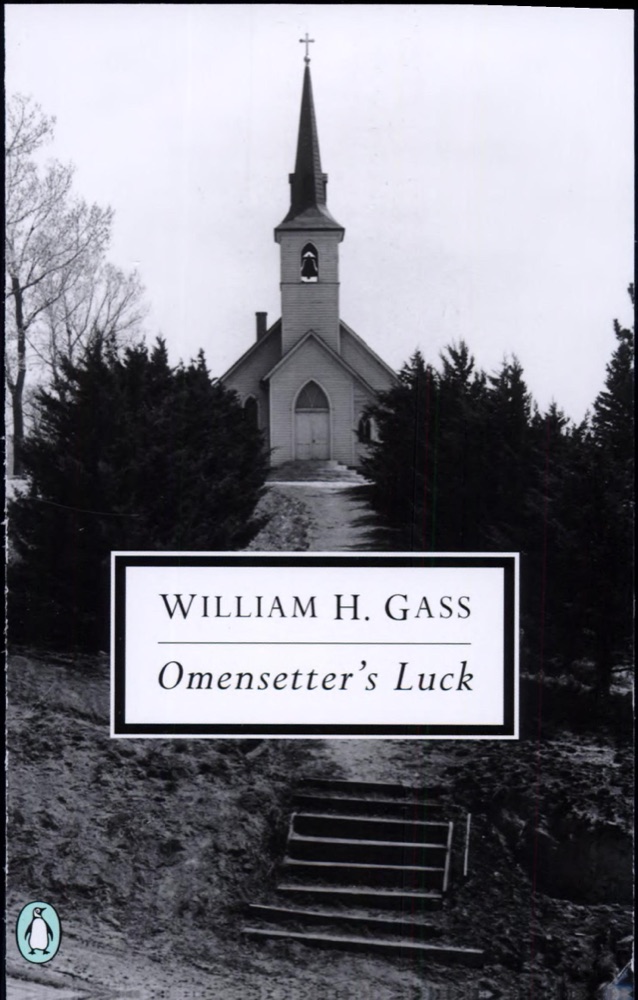 Omensetter's Luck
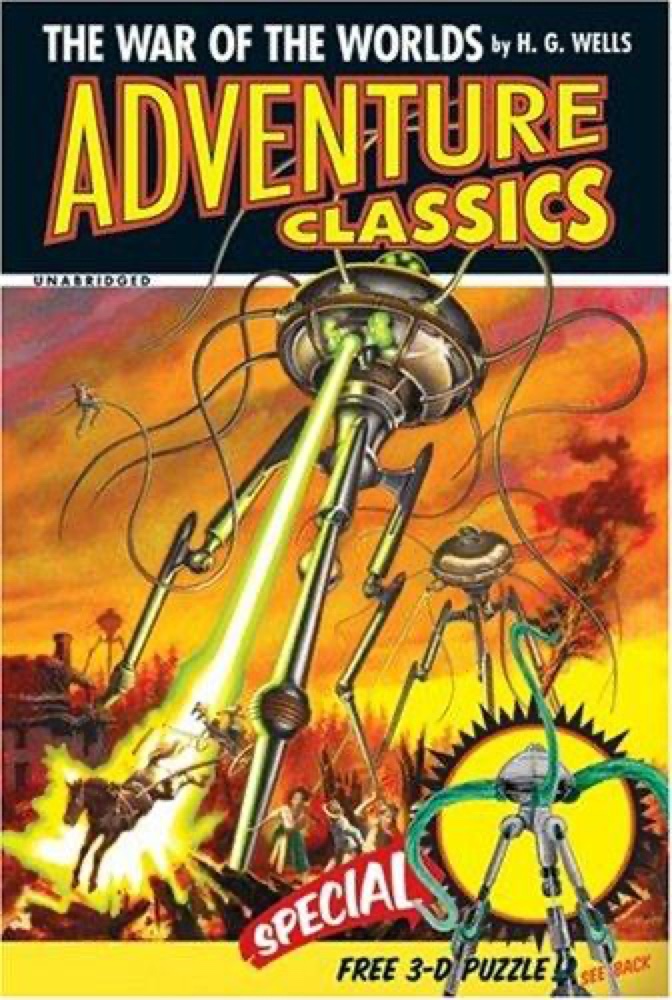 The War of the Worlds
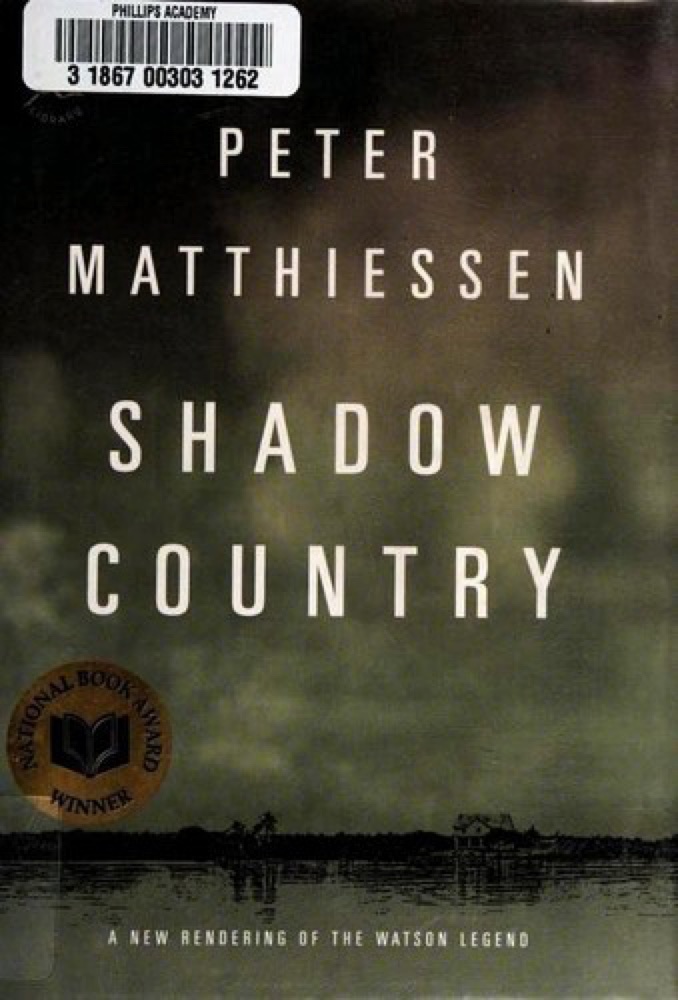 Shadow Country
 The Invisible Man
 The Quick and the Dead
 Snow Falling on Cedars
 Martin Eden
 The Lost World
 The Sailor Who Fell from Grace with the Sea
 Solar
Solar
 Leviathan
 The Empusium
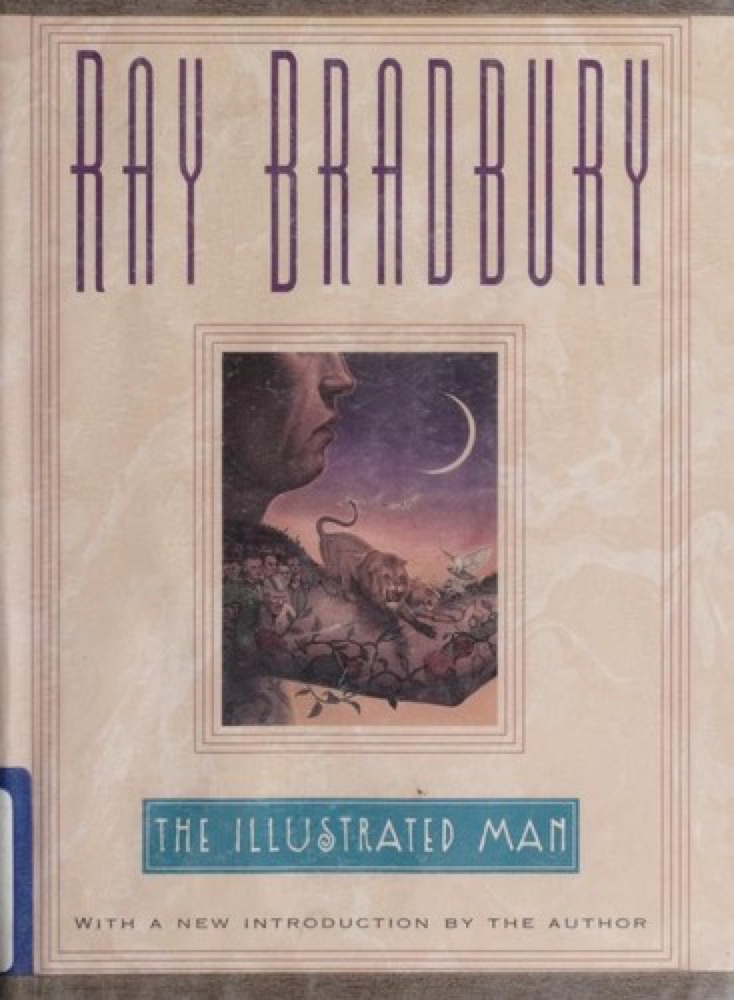 The Illustrated Man
 The Naked and the Dead
 The Professor's House
 Interpreter of Maladies
 The People in the Trees
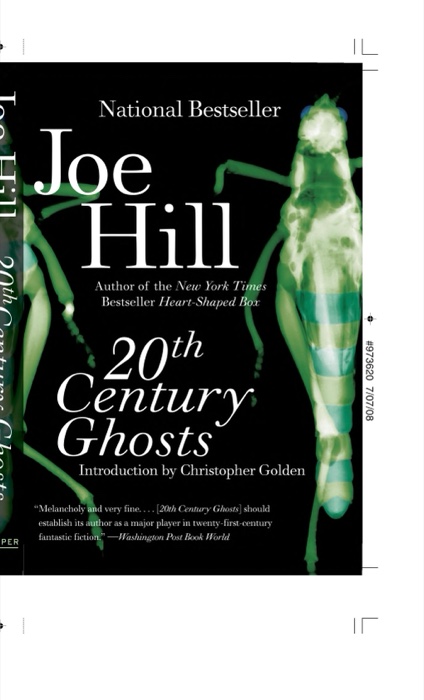 20th Century Ghosts
 The Stories of John Cheever
 Authority
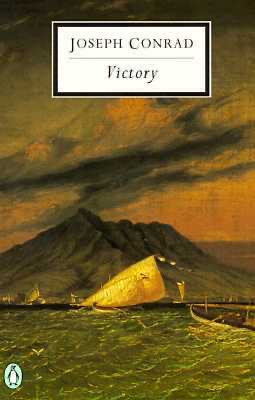 Victory
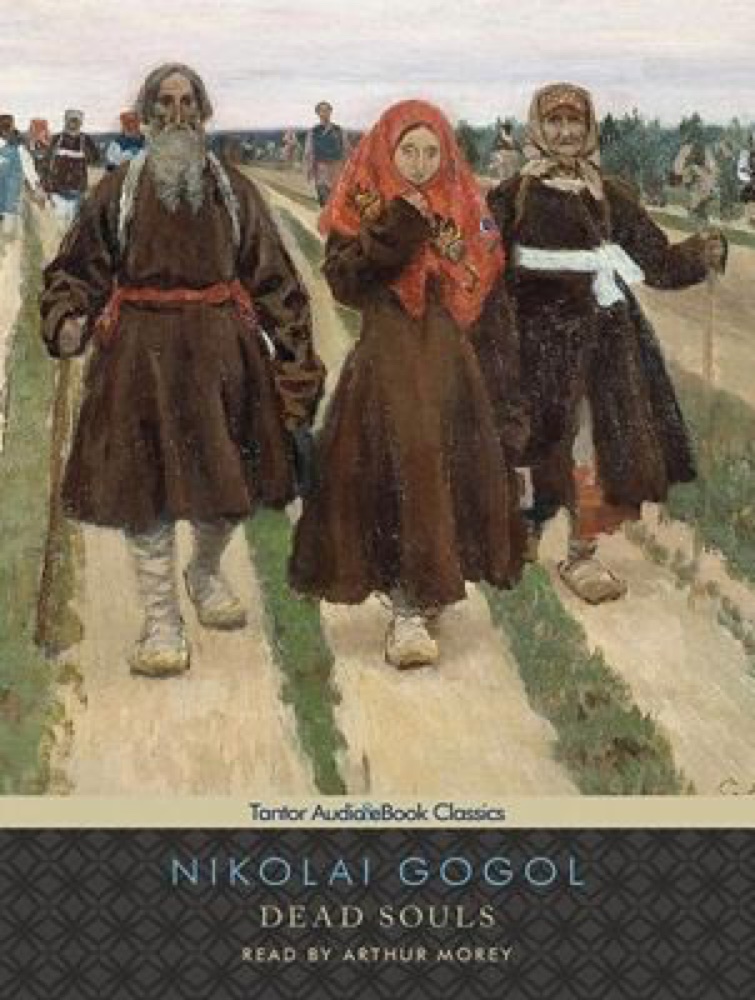 Dead Souls
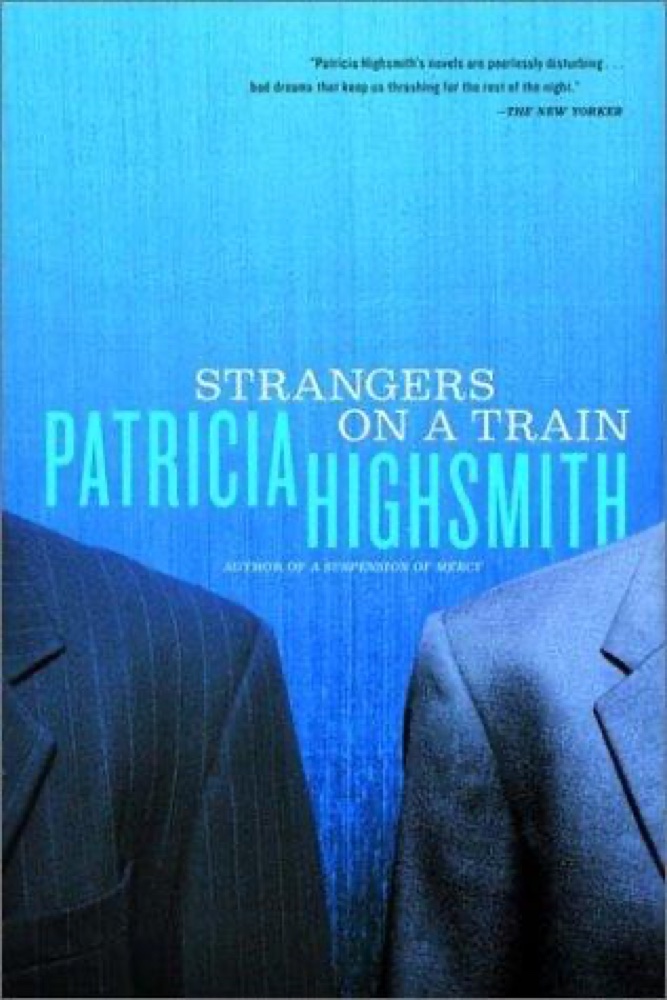 Strangers on a Train
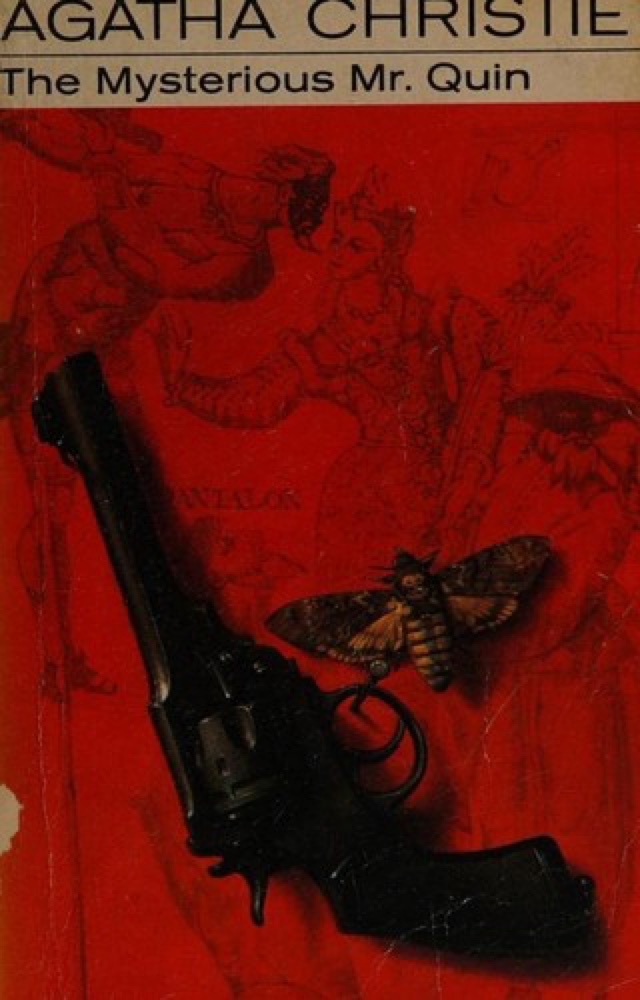 The Mysterious Mr. Quin
 A Spot of Bother
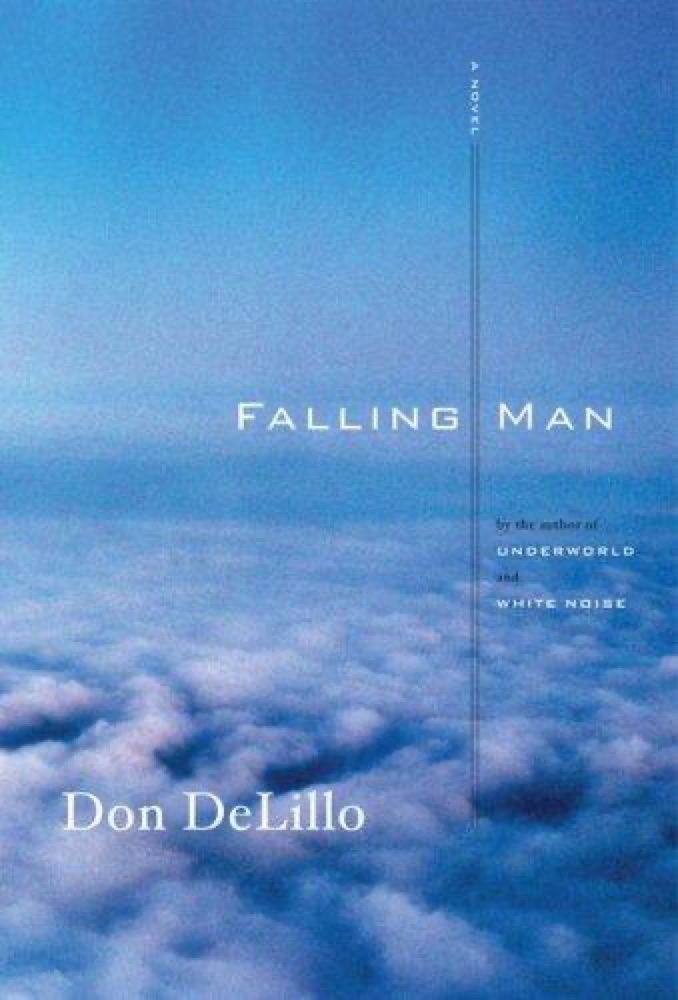 Falling Man
 In the Distance
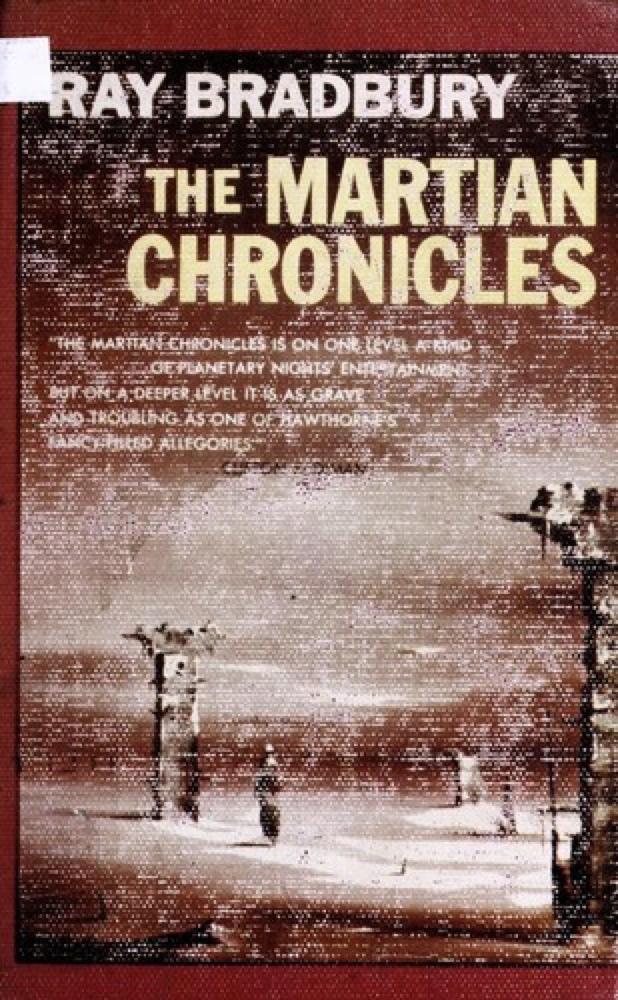 The Martian Chronicles
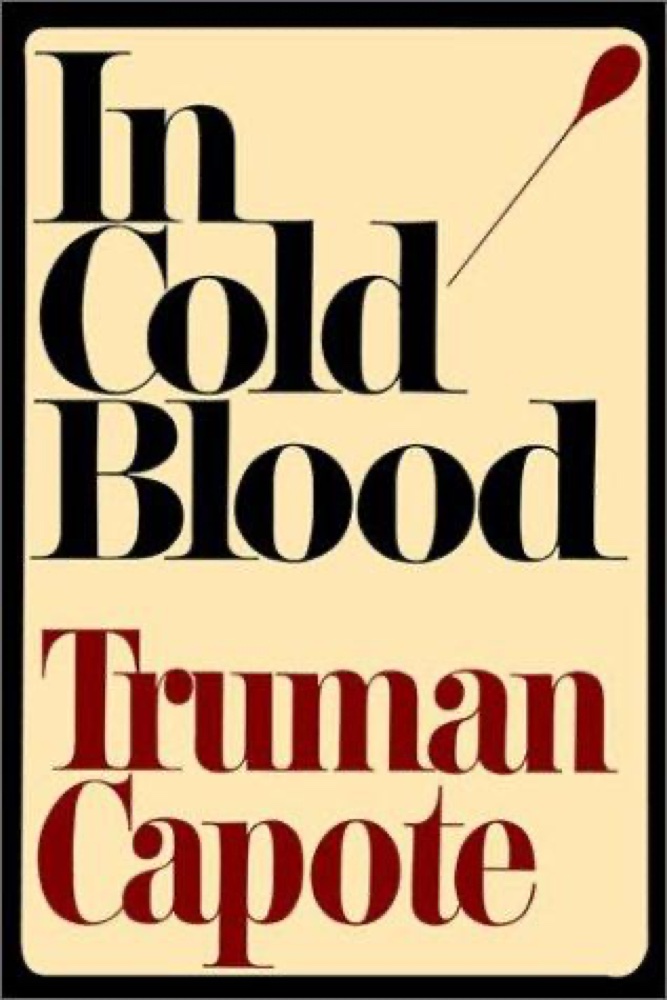 In Cold Blood
 Wonder Boys
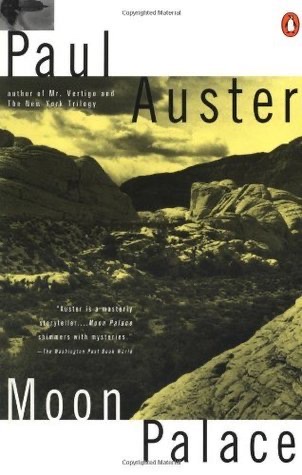 Moon Palace
 Perdido Street Station
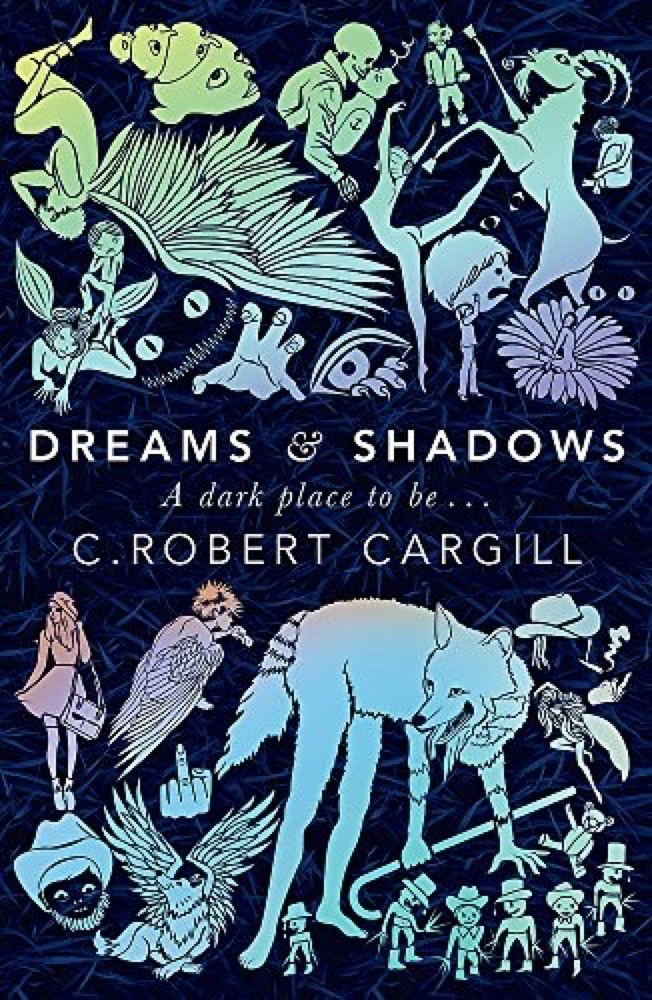 Dreams and Shadows
 The Fortress of Solitude
 The Stories of Vladimir Nabokov
 London Fields
 The Enchantress of Florence
 Call for the Dead
 Stoner
 Roadwork
 Bradbury Stories: 100 of His Most Celebrated Tales
 The Bedlam Stacks
 The Damnation Game
 Fathers and Sons
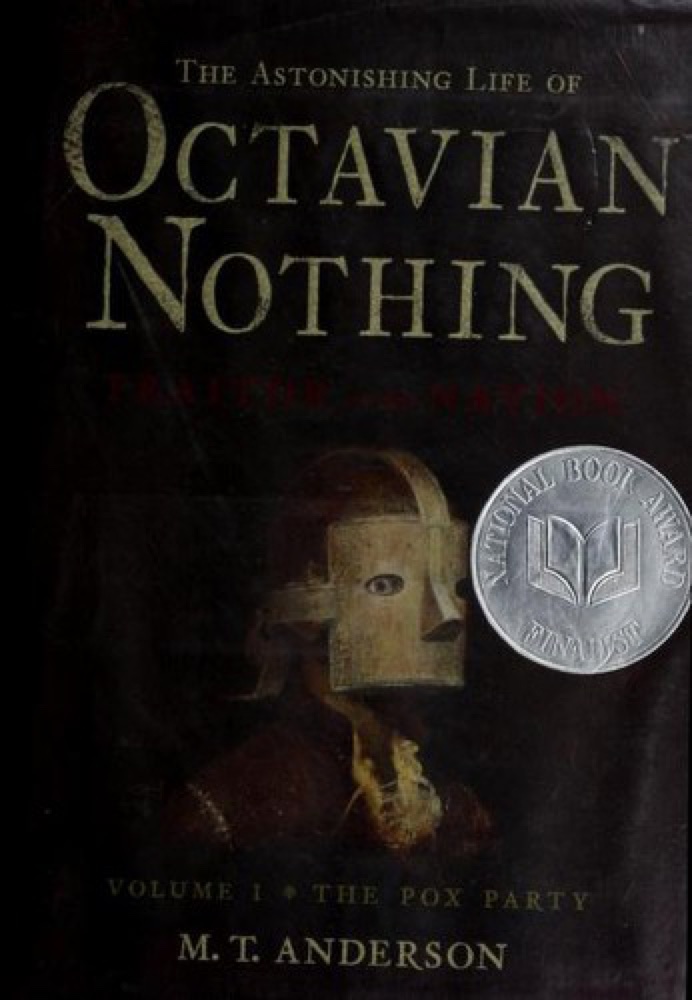 The Pox Party
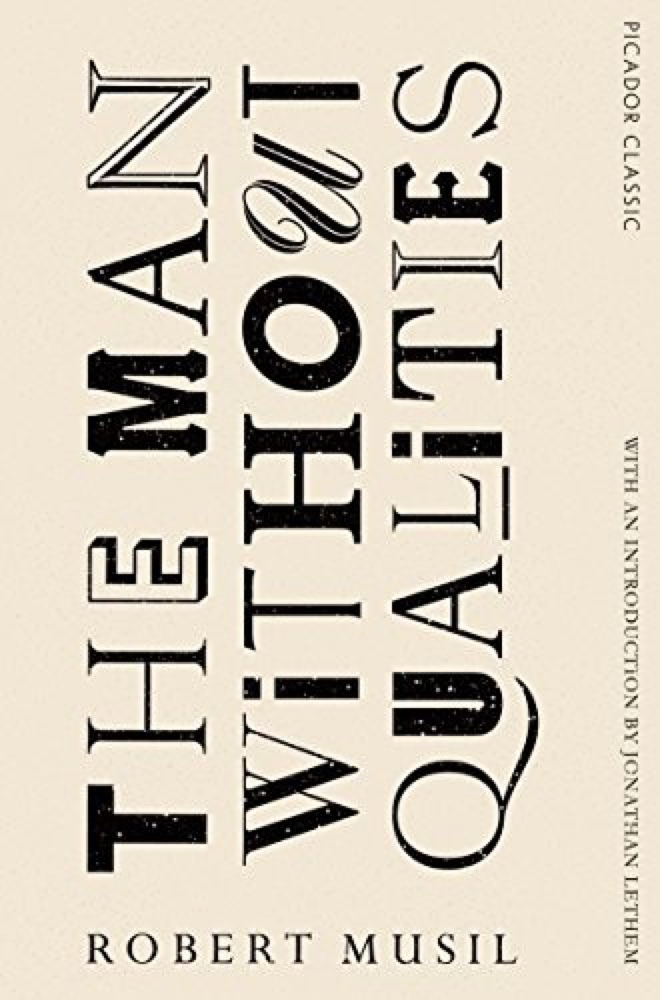 The Man Without Qualities
 A Scanner Darkly
 The Accidental Tourist
 The Staircase in the Woods
 The Invisible Bridge
 Birdsong