
 The Ancestor's Tale: A Pilgrimage to the Dawn of Evolution
Quotes from the Book
The facts are as follows. The total amount of DNA in different organisms is very variable, and the variation does not make obvious sense in terms of phylogeny. This is the so-called ‘C-value paradox’. ‘It seems totally implausible that the number of radically different genes needed in a salamander is 20 times that found in a man’ (Orgel & Crick 1980). It is equally implausible that salamanders on the West side of North America should need many times more DNA than congeneric salamanders on the East side.
The whole purpose of our search for a ‘unit of selection’ is to discover a suitable actor to play the leading role in our metaphors of purpose.
Adoption and contraception, like reading, mathematics, and stress-induced illness, are products of an animal that is living in an environment radically different from the one in which its genes were naturally selected.
To the extent that active germ-line replicators benefit from the survival of the bodies in which they sit, we may expect to see adaptations that can be interpreted as for bodily survival. A large number of adaptations are of this type. To the extent that active germ-line replicators benefit from the survival of bodies other than those in which they sit, we may expect to see ‘altruism’, parental care, etc. To the extent that active germ-line replicators benefit from the survival of the group of individuals in which they sit, over and above the two effects just mentioned, we may expect to see adaptations for the preservation of the group.
Why are genetic determinants thought to be any more ineluctable, or blame-absolving, than ‘environmental’ ones?
Watch on YouTube
About Richard Dawkins
We have collected 220 quotes from 11 books by Richard Dawkins on BookQuoters.
More about the author →More by Richard Dawkins
The Ancestor's Tale: A Pilgrimage to the Dawn of Evolution
 The Blind Watchmaker: Why the Evidence of Evolution Reveals a Universe Without Design
 The Selfish Gene
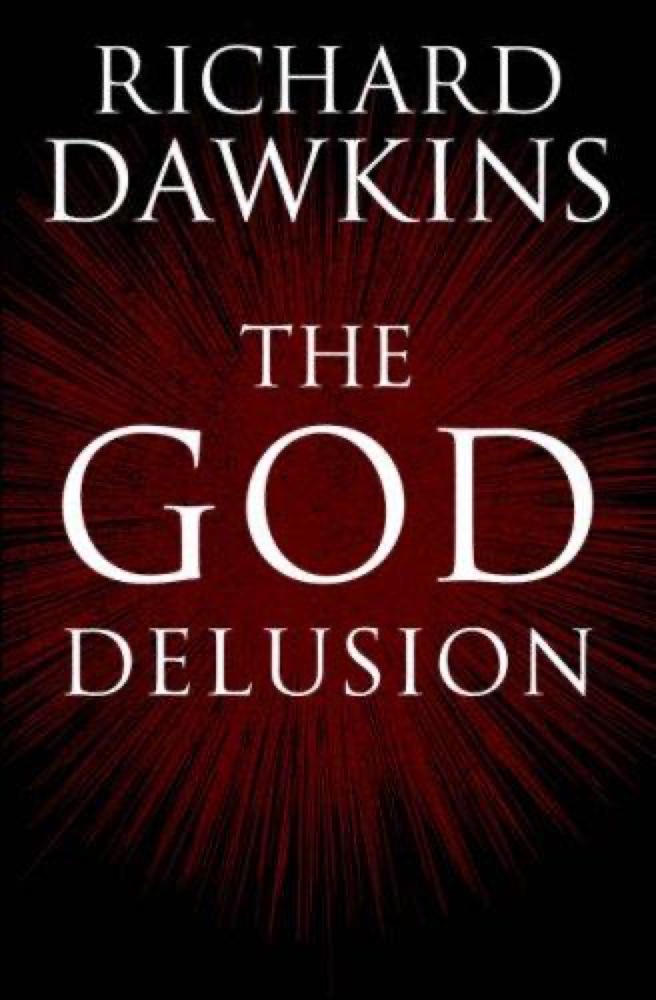 The God Delusion
Book details
- Author
- Richard Dawkins
- Genre
- Nonfiction
- Goodreads rating
- 4.12 (10k ratings) →
Keep reading
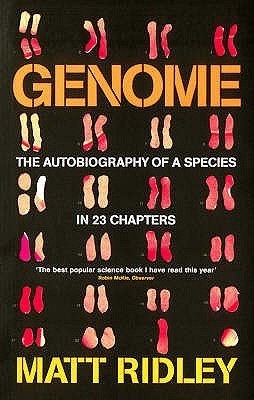 Genome: the Autobiography of a Species in 23 Chapters
The Selfish Gene
Genome: the Autobiography of a Species in 23 Chapters
The Selfish Gene
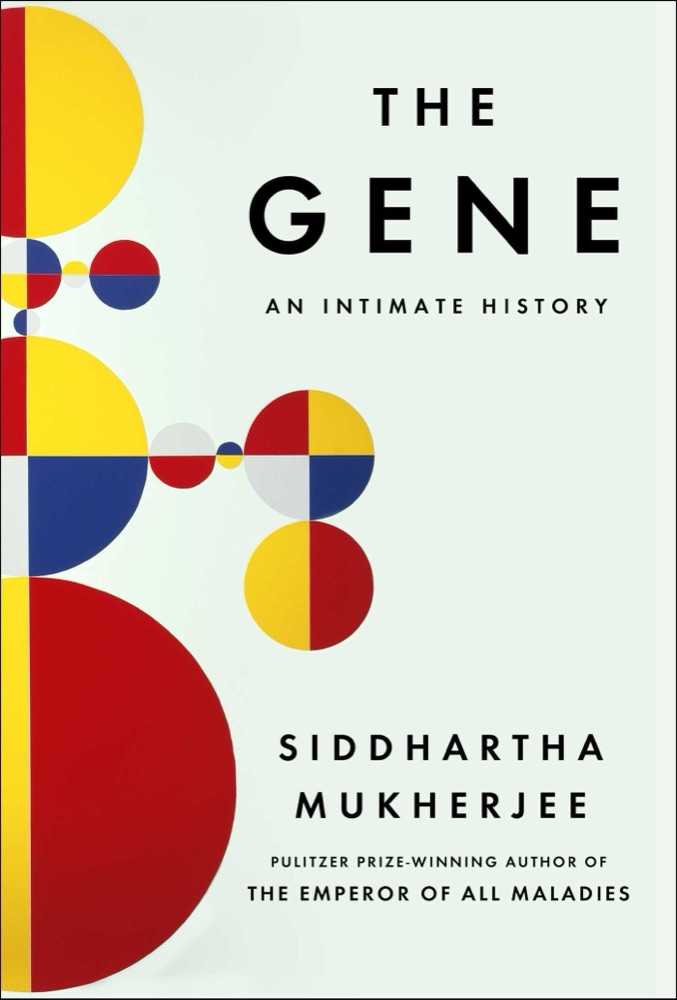 The Gene: An Intimate History
The Ancestor's Tale: A Pilgrimage to the Dawn of Evolution
The Blind Watchmaker: Why the Evidence of Evolution Reveals a Universe Without Design
The Gene: An Intimate History
The Ancestor's Tale: A Pilgrimage to the Dawn of Evolution
The Blind Watchmaker: Why the Evidence of Evolution Reveals a Universe Without Design
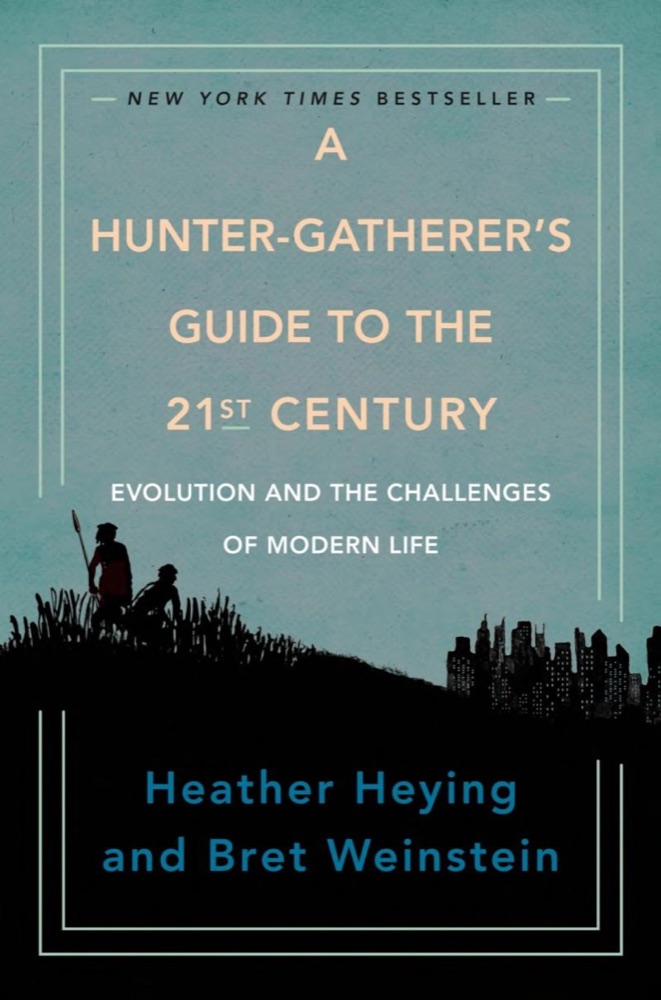 A Hunter-Gatherer's Guide to the 21st Century: Evolution and the Challenges of Modern Life
 The Red Queen: Sex and the Evolution of Human Nature
 The Origin of Species
 The Violinist's Thumb: And Other Lost Tales of Love, War, and Genius, as Written by Our Genetic Code
 Why We Get Sick: The New Science of Darwinian Medicine
 Shadows of Forgotten Ancestors
 On Human Nature
 The Story of the Human Body: Evolution, Health, and Disease
 The Code Breaker: Jennifer Doudna, Gene Editing, and the Future of the Human Race
 Undeniable: Evolution and the Science of Creation
 The Moral Animal: Why We Are the Way We Are - The New Science of Evolutionary Psychology
 How the Mind Works
 The Social Conquest of Earth
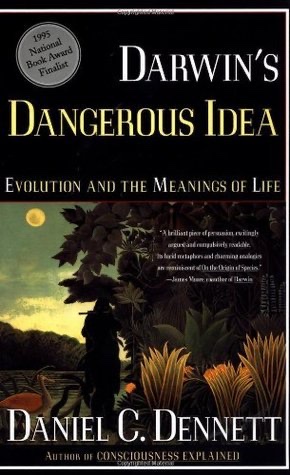 Darwin's Dangerous Idea: Evolution and the Meanings of Life
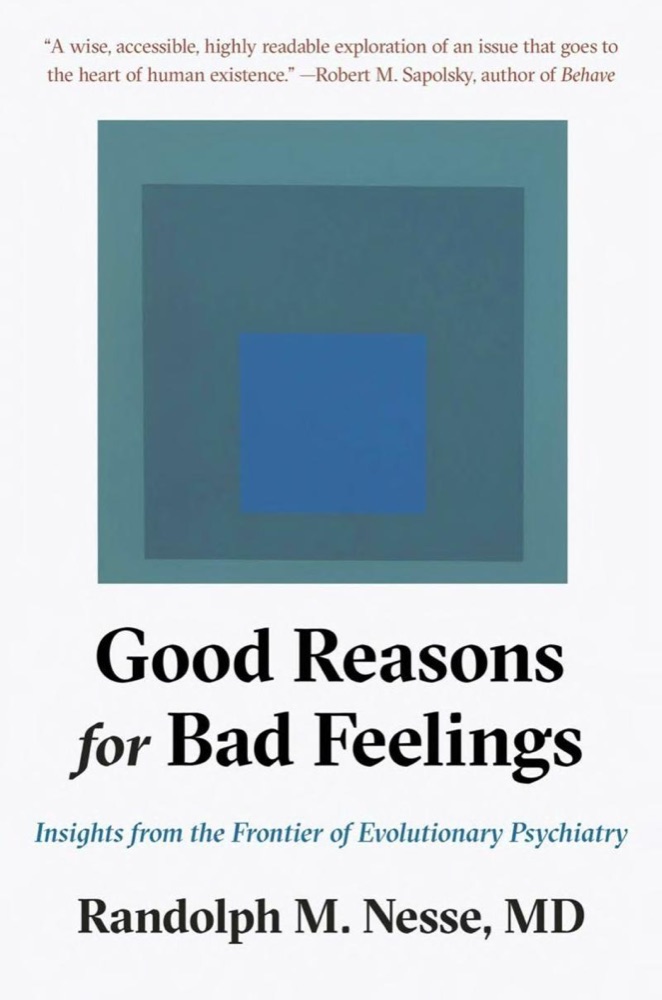 Good Reasons for Bad Feelings: Insights from the Frontier of Evolutionary Psychiatry
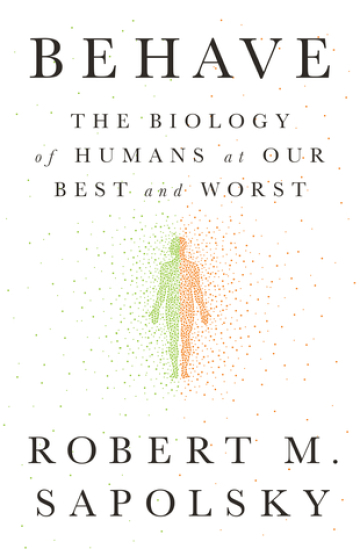 Behave: The Biology of Humans at Our Best and Worst
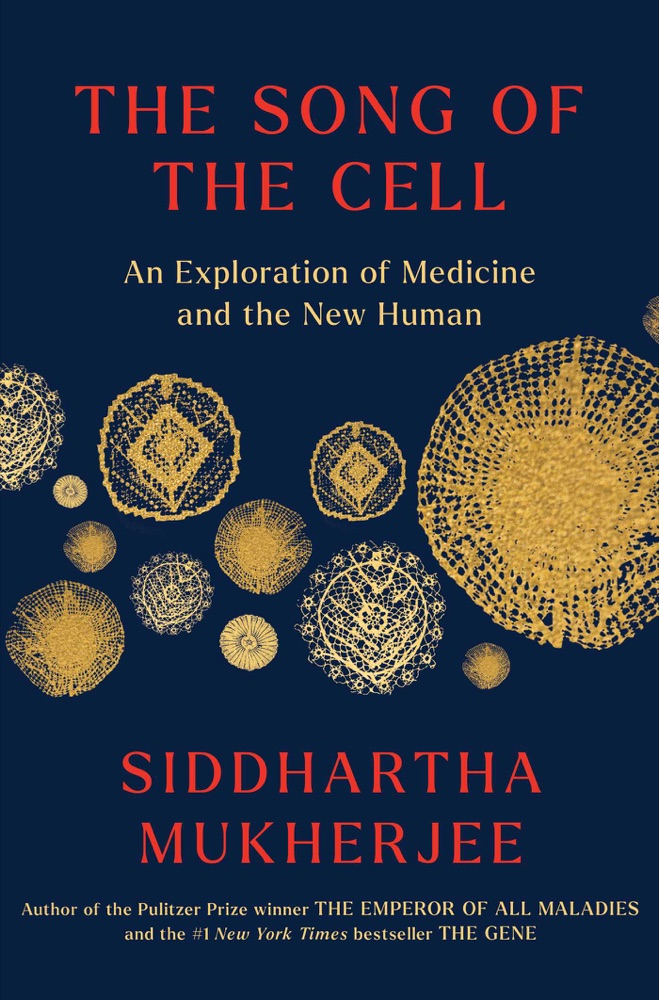 The Song of the Cell: An Exploration of Medicine and the New Human
 The Lives of a Cell: Notes of a Biology Watcher
 The Mating Mind: How Sexual Choice Shaped the Evolution of Human Nature
 Dragons of Eden: Speculations on the Evolution of Human Intelligence
 Endless Forms Most Beautiful: The New Science of Evo Devo
 The Biology of Belief: Unleashing the Power of Consciousness, Matter and Miracles
 Neanderthal Man: In Search of Lost Genomes
 Your Inner Fish: A Journey Into the 3.5-Billion-Year History of the Human Body
 Why Evolution Is True
 From Bacteria to Bach and Back: The Evolution of Minds
 Are We Smart Enough to Know How Smart Animals Are?
 Darwin's Black Box: The Biochemical Challenge to Evolution
 The Light Eaters: How the Unseen World of Plant Intelligence Offers a New Understanding of Life on Earth
 Survival of the Sickest: A Medical Maverick Discovers Why We Need Disease
 Other Minds
 The Lost World
 The Third Chimpanzee: The Evolution and Future of the Human Animal
 The Botany of Desire: A Plant's-Eye View of the World
 The Tell-Tale Brain: A Neuroscientist's Quest for What Makes Us Human
 Natural Causes: An Epidemic of Wellness, the Certainty of Dying, and Killing Ourselves to Live Longer
 Freedom Evolves
 Sapiens: A Brief History of Humankind
 Power, Sex, Suicide: Mitochondria and the Meaning of Life
 Our Inner Ape: A Leading Primatologist Explains Why We are Who We Are
 Echopraxia
 The Descent of Man
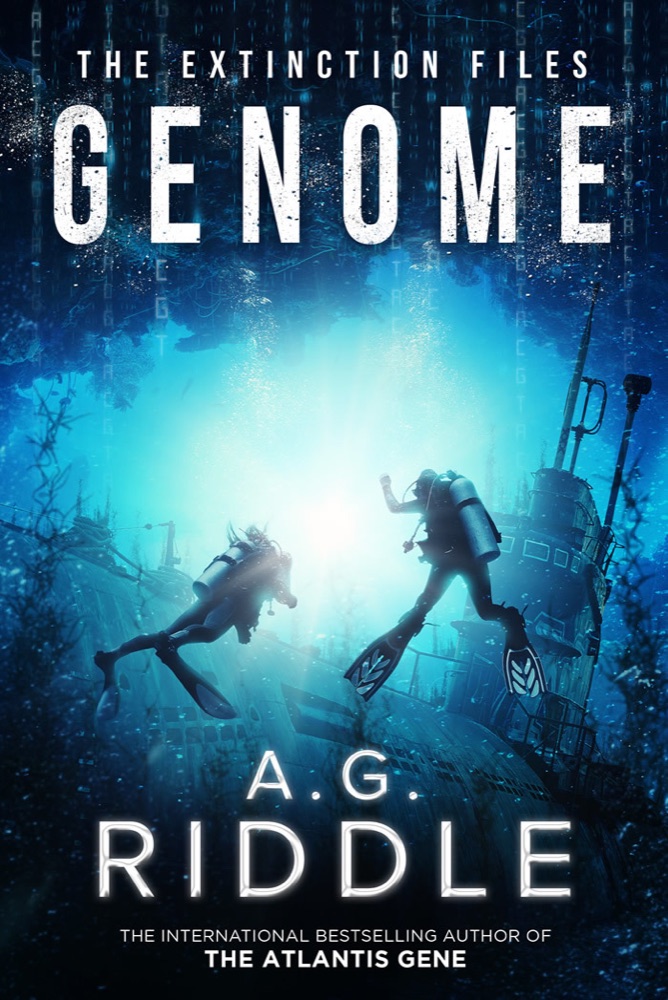 Genome
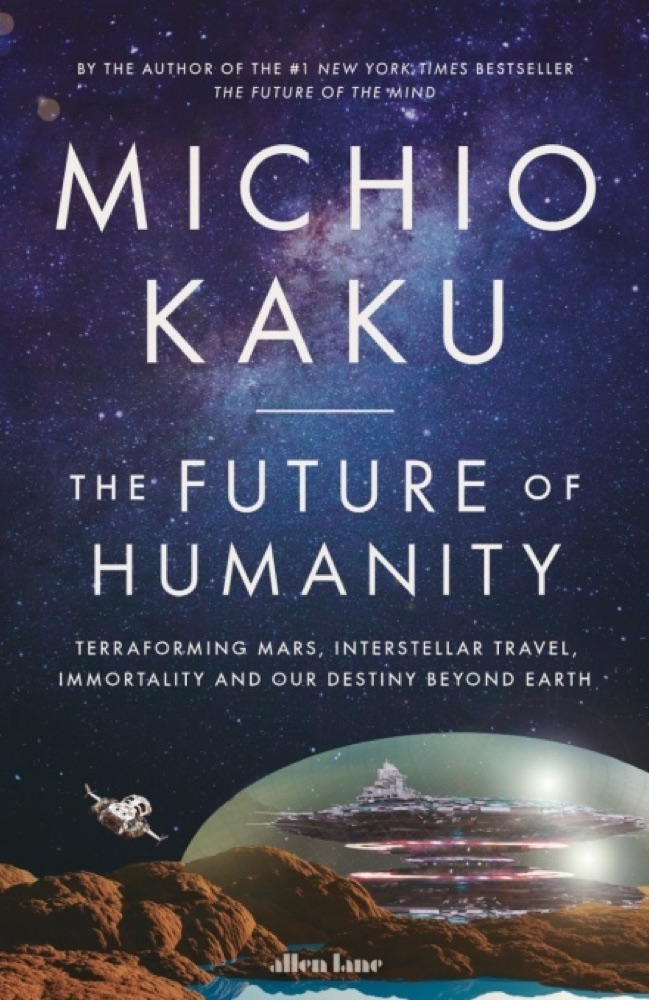 The Future of Humanity: Terraforming Mars, Interstellar Travel, Immortality and Our Destiny Beyond Earth
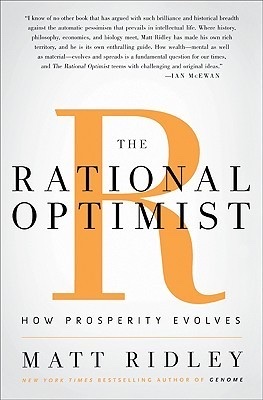 The Rational Optimist: How Prosperity Evolves
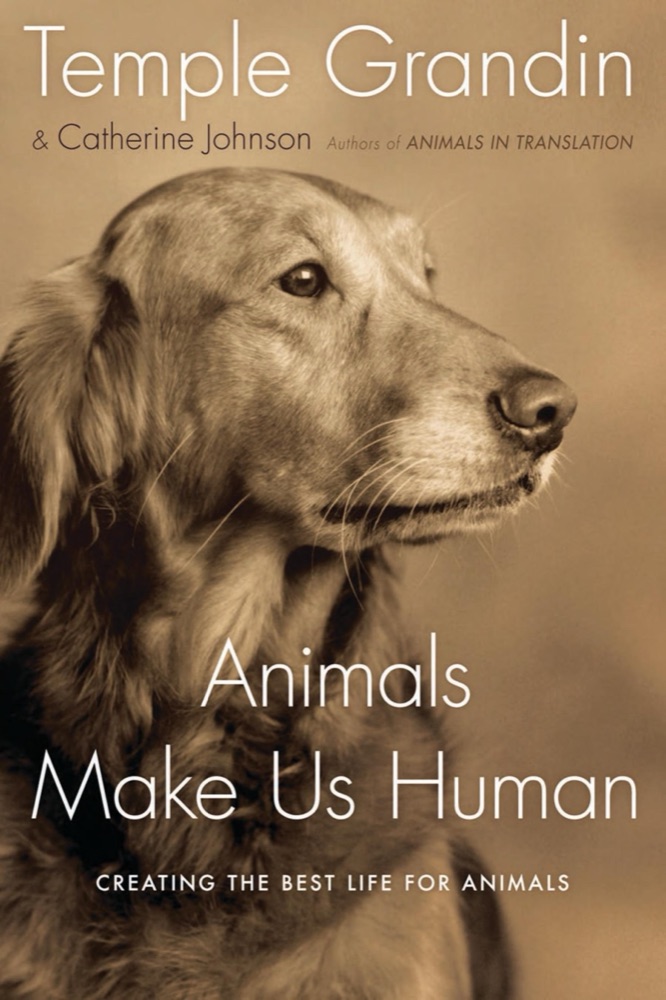 Animals Make Us Human: Creating the Best Life for Animals
 Why We Run: A Natural History
 The Genius of Birds
 The Blank Slate: The Modern Denial of Human Nature
 Some We Love, Some We Hate, Some We Eat: Why It's So Hard to Think Straight About Animals
 The Big Picture: On the Origins of Life, Meaning, and the Universe Itself
 The Log from the Sea of Cortez
 The Future of the Mind: The Scientific Quest to Understand, Enhance, and Empower the Mind
 Superintelligence: Paths, Dangers, Strategies
 Entangled Life: How Fungi Make Our Worlds, Change Our Minds & Shape Our Futures