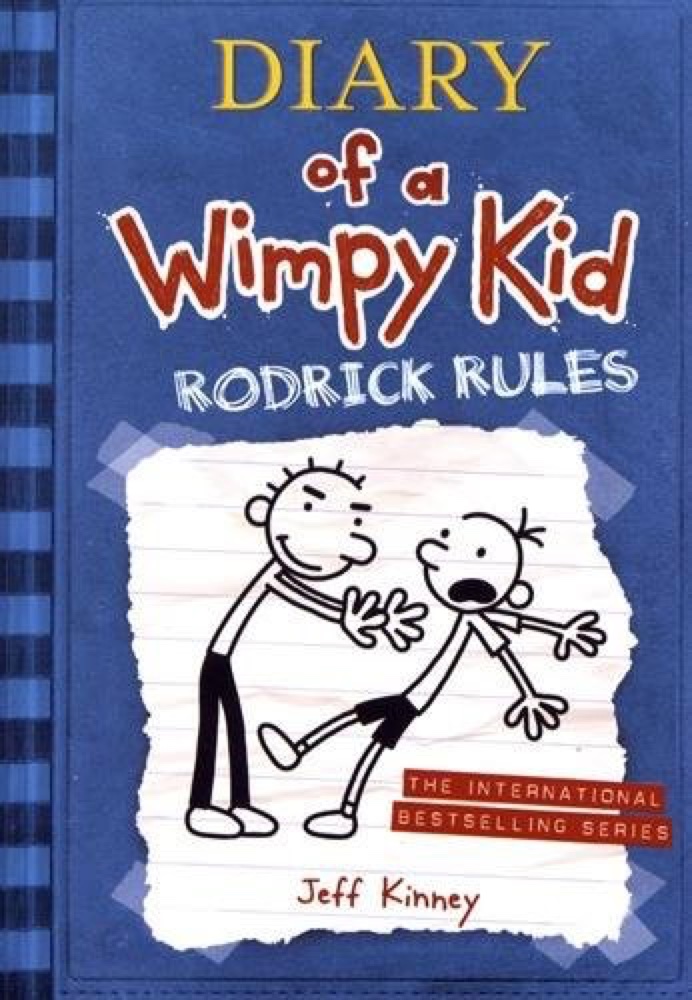

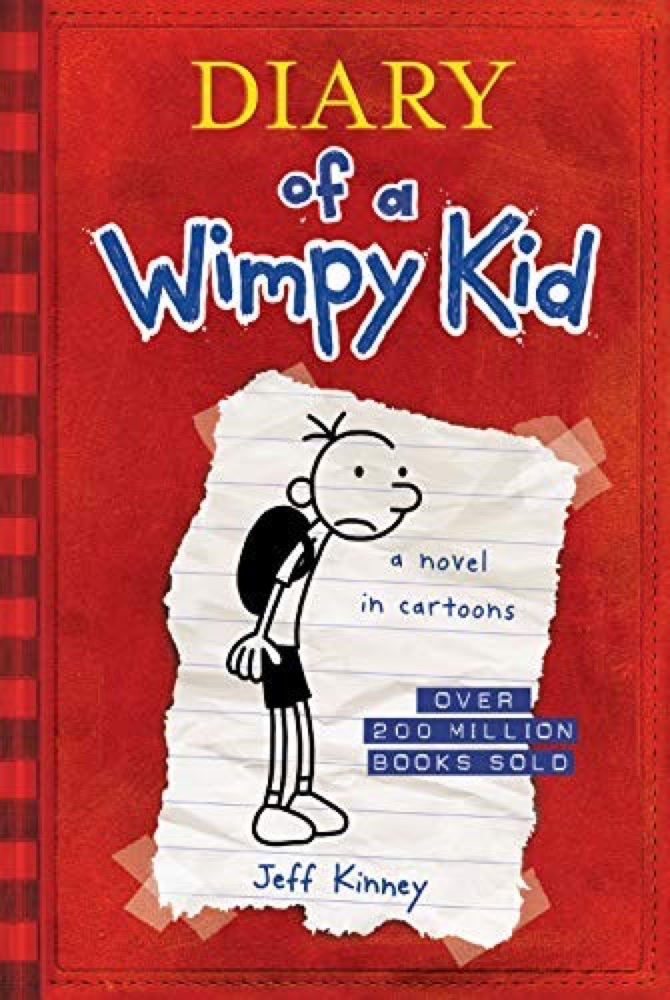
 Diary of a Wimpy Kid
Quotes from the Book
You and your group of nerds fall into a pit and it's full of dynamite and you blow up. The End.
I don't know if this makes me a bad person or whatever, but it's hard for me to get interested in other people's vacations.
Chirag: Rowley, do you think I exist? Rowley: Nope! I can't even hear you or see you!
Most people don't seem to appreciate a person as honest as me. So don't ask me how George Washington ever got to be president.
After the presentations, we had to fill out these questionnaires. The first question was, 'Where do you see yourself in fifteen years?' I know EXACTLY where I will be in fifteen years: in my pool, at my mansion, counting my money. But there weren't any check boxes for THAT option.
Well, for starters, Abraham Lincoln didn't write 'To Kill a Mockingbird.
Watch on YouTube
About Jeff Kinney
We have collected 68 quotes from 10 books by Jeff Kinney on BookQuoters.
More about the author →More by Jeff Kinney
All books by Jeff Kinney →
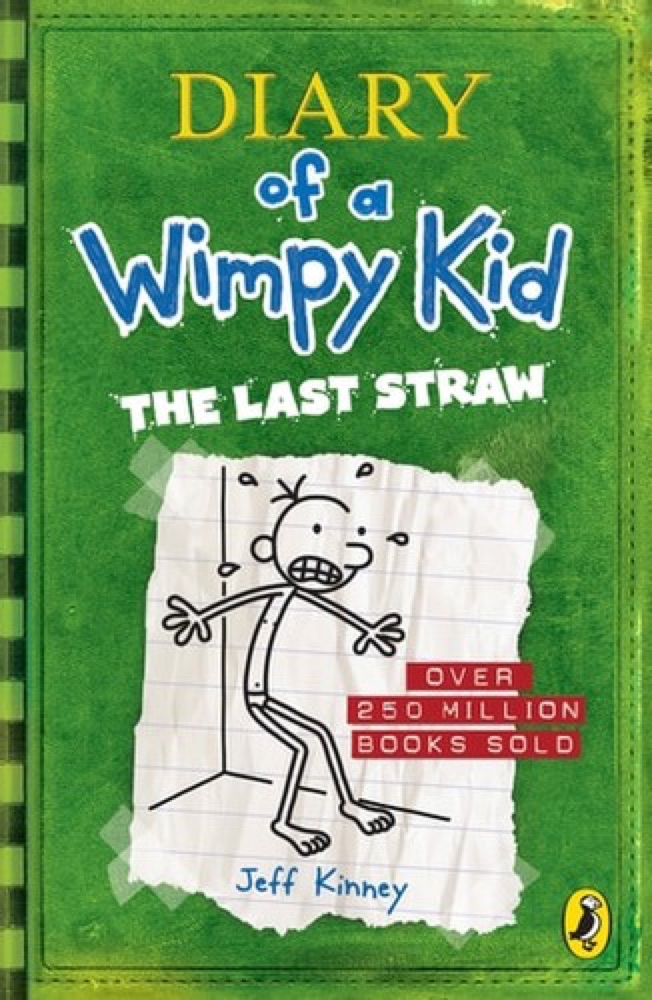
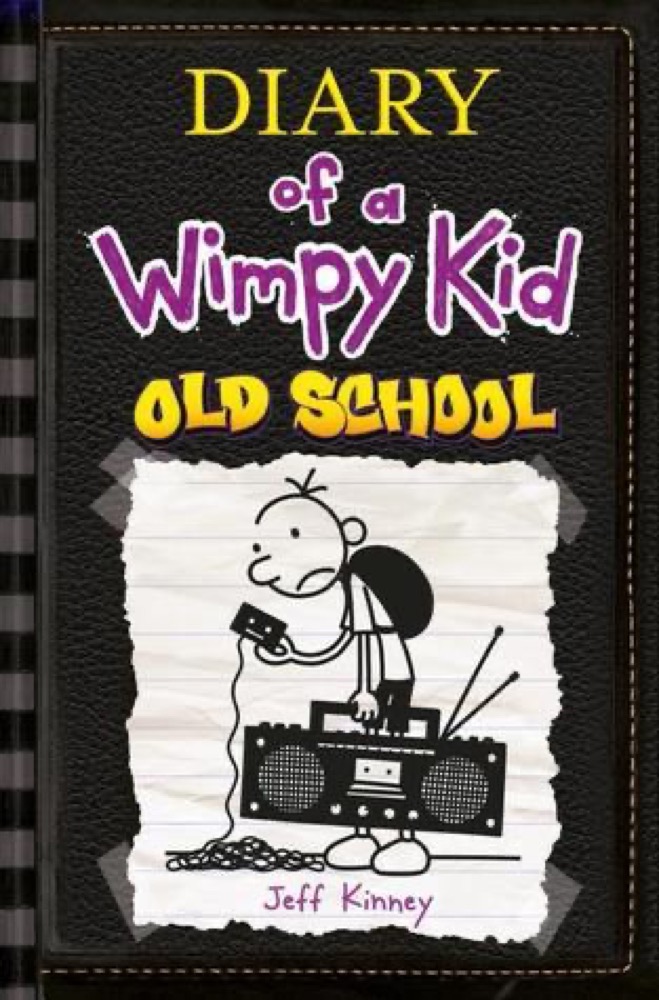
Book details
- Author
- Jeff Kinney
- Genre
- Fiction
- Goodreads rating
- 4.16 (200k ratings) →
Keep reading
 Sleeping Giants
 Bluebeard
 Brain Droppings
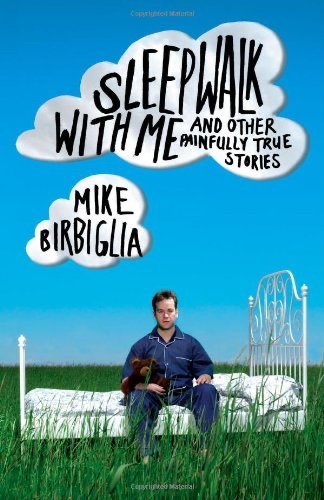 Sleepwalk With Me and Other Painfully True Stories
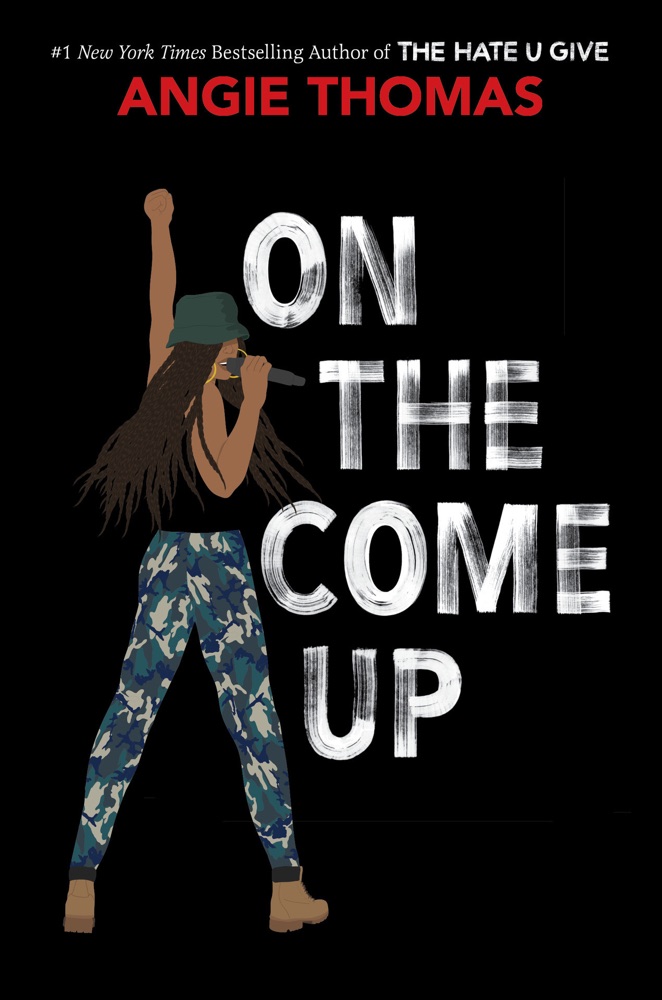 On the Come Up
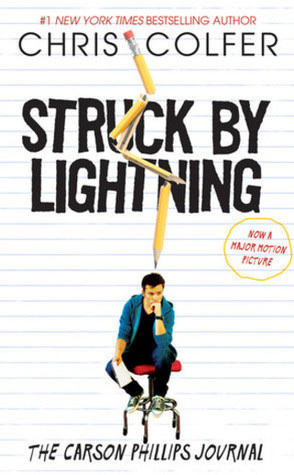 Struck by Lightning: The Carson Philips Journal
 Cracked Up to Be
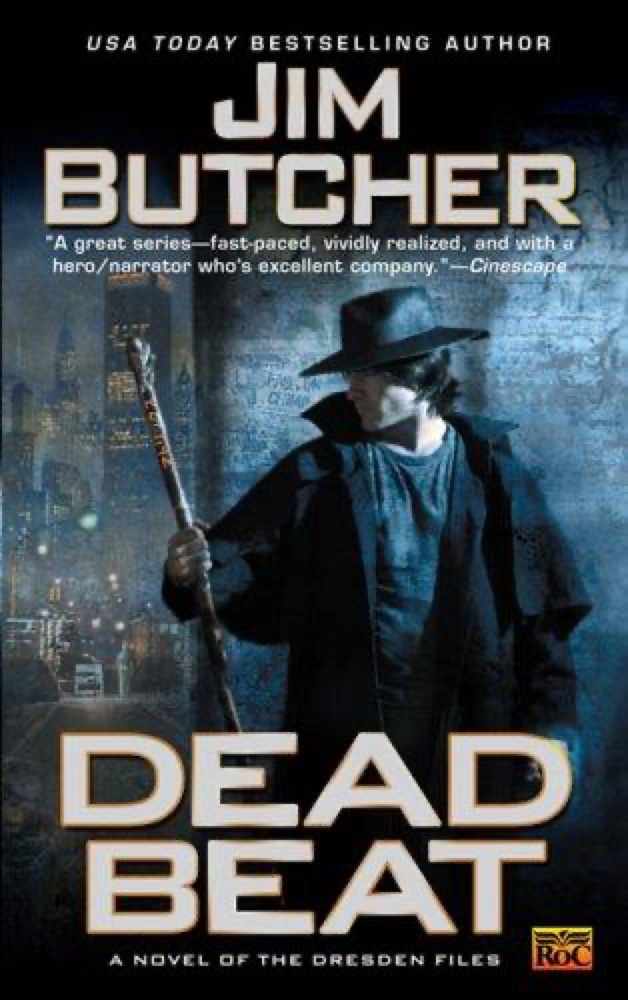 Dead Beat
 King Dork
 The Lightning Thief
 A Man Without a Country
 Epic Fail
 Mickey7
 When Did You See Her Last?
 The Beginning of Everything
 Dig
Dig
 Goodnight Tweetheart
 Flight
 Nemesis Games
 The Eyre Affair
 Jailbird
 One Hundred Names
 Rubyfruit Jungle
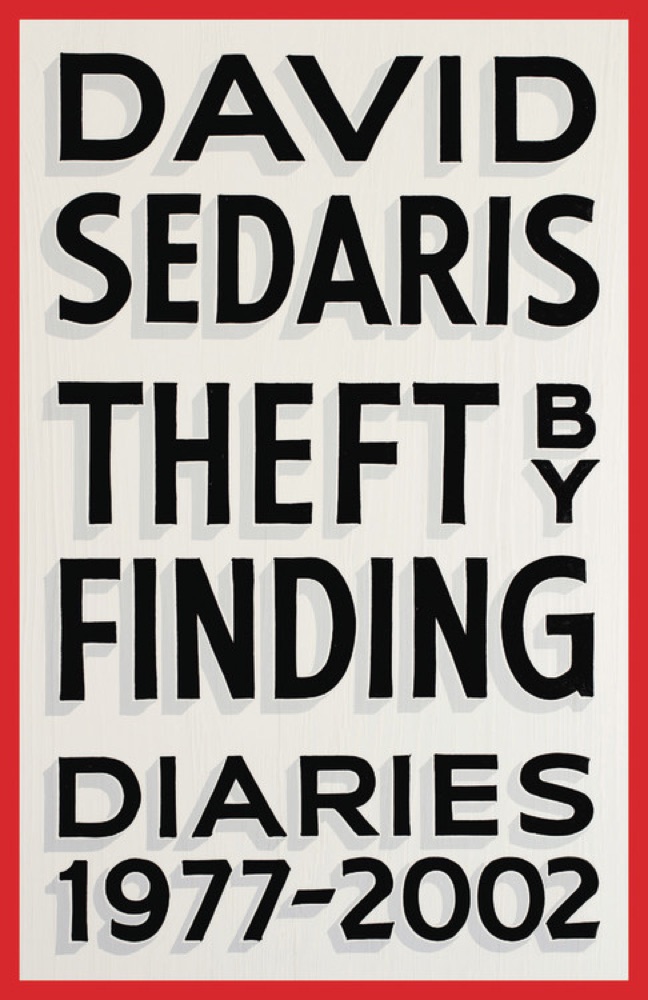 Theft by Finding: Diaries 1977-2002
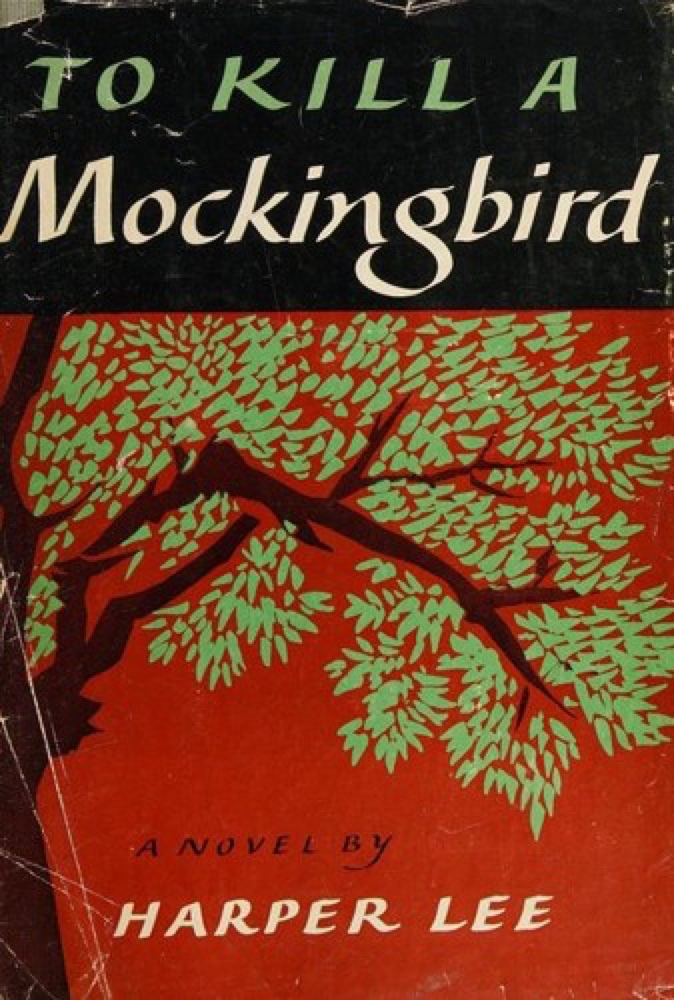 To Kill a Mockingbird
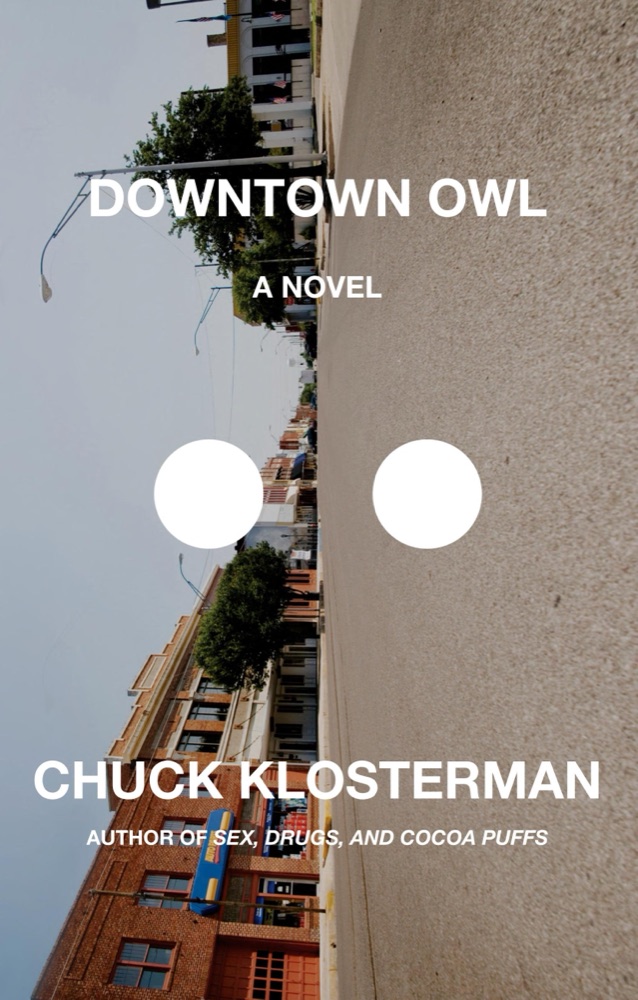 Downtown Owl
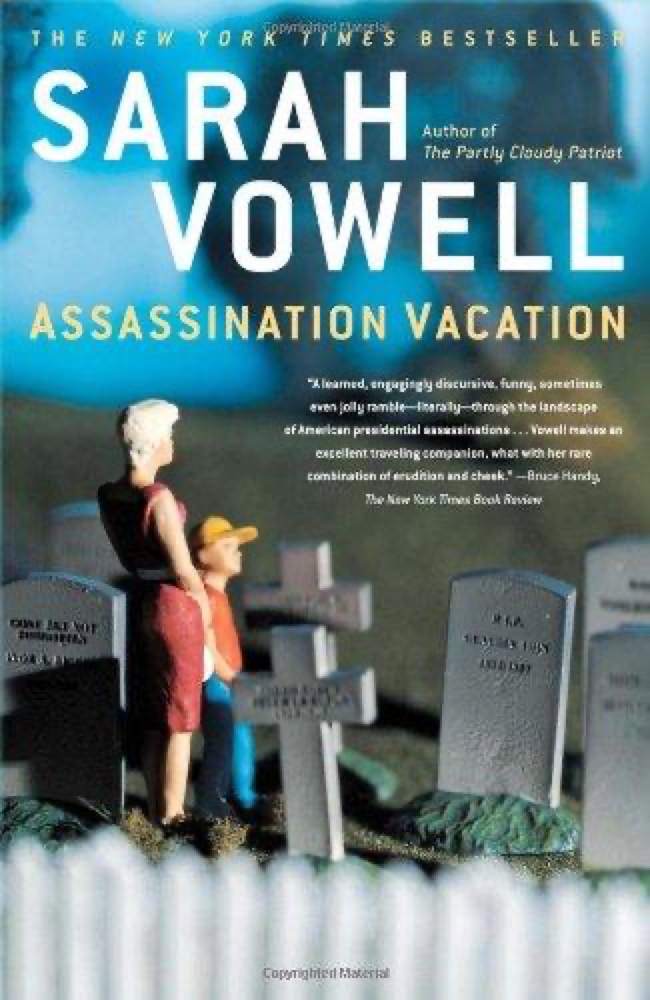 Assassination Vacation
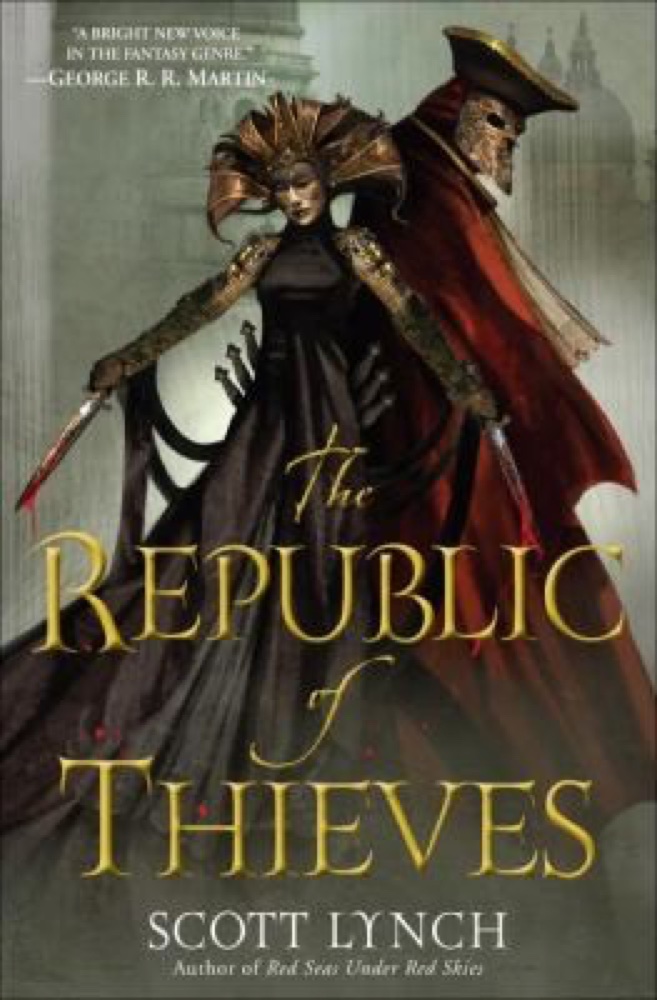 The Republic of Thieves
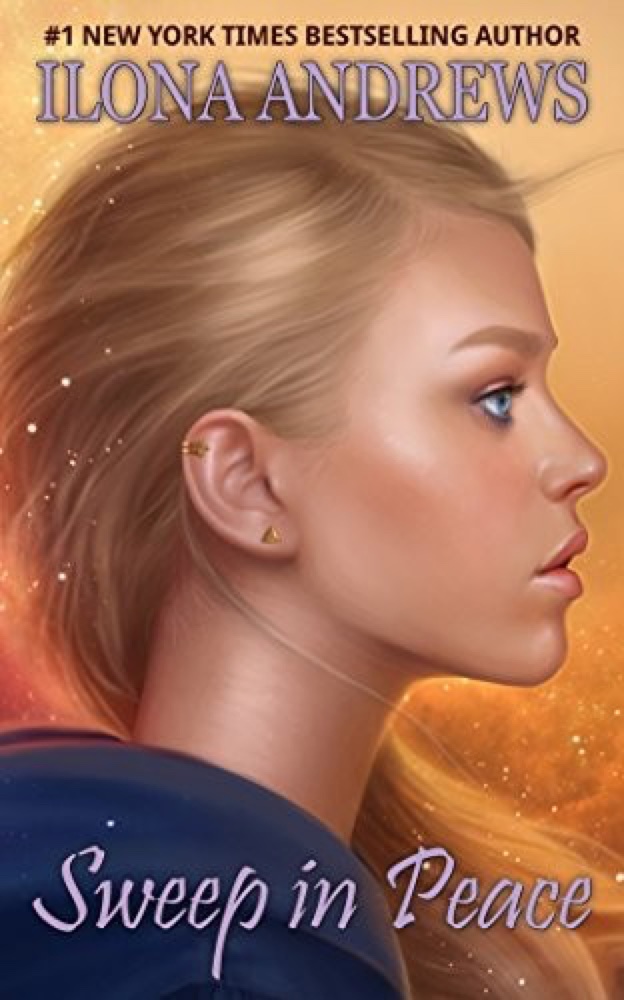 Sweep in Peace
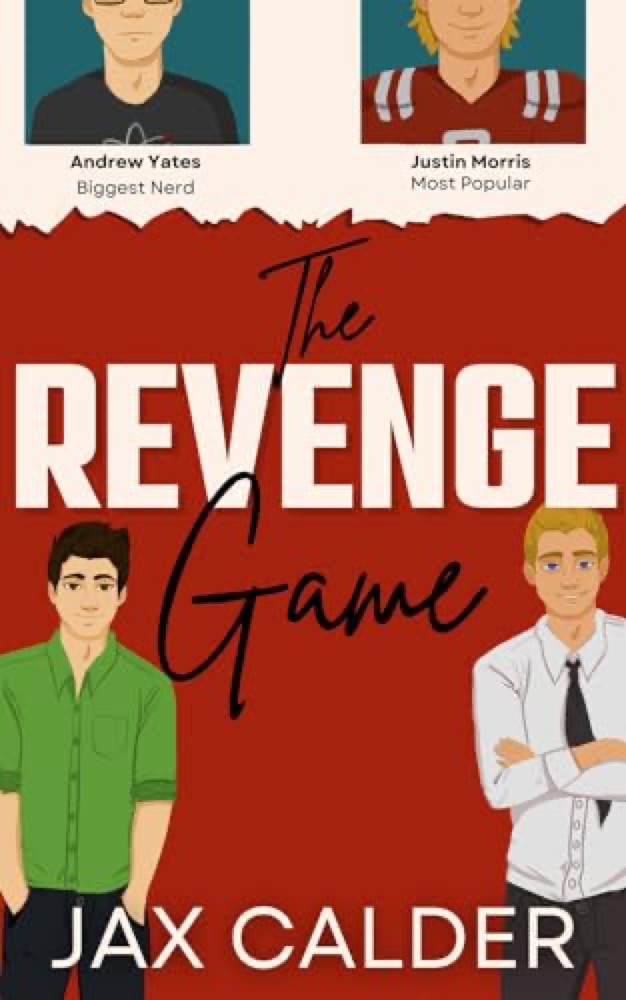 The Revenge Game
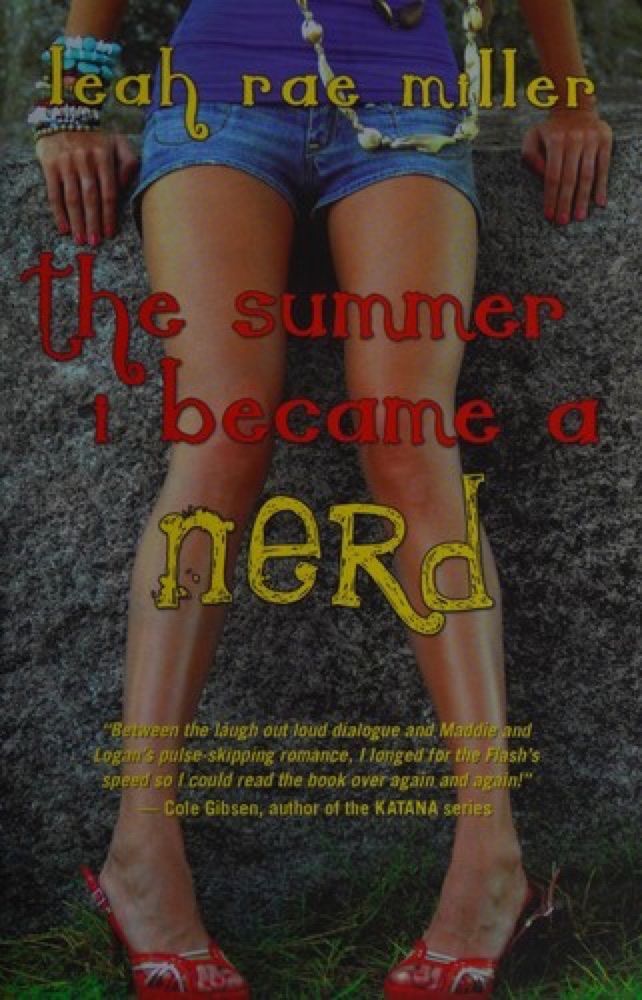 The Summer I Became a Nerd
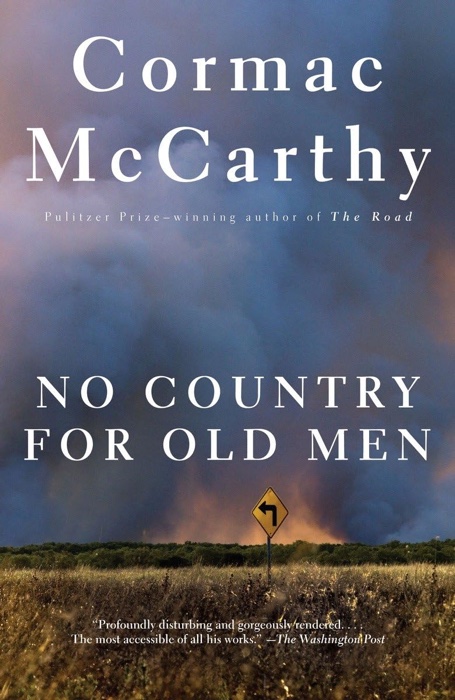 No Country for Old Men
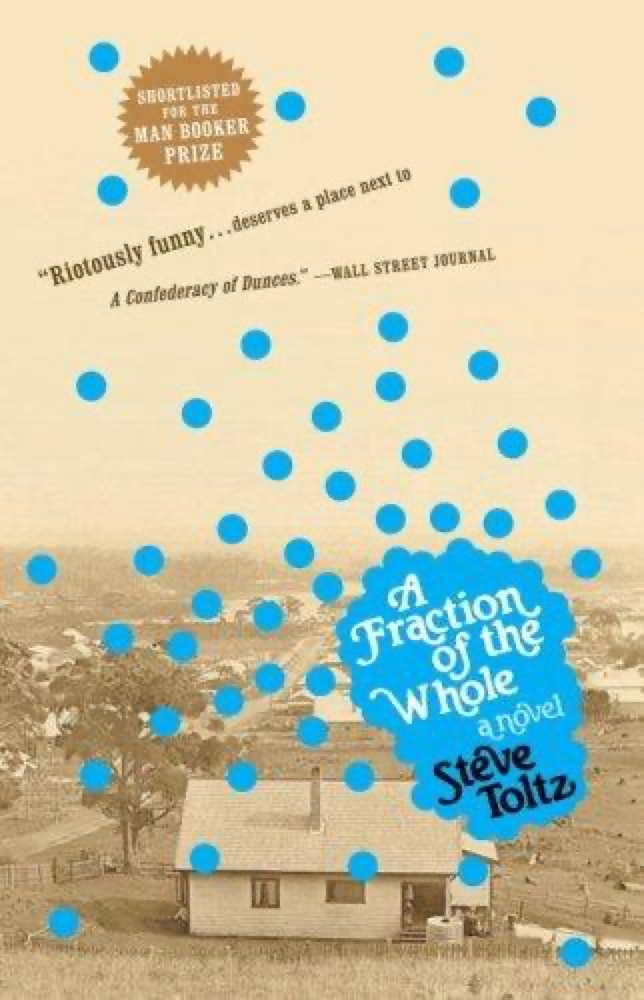 A Fraction of the Whole
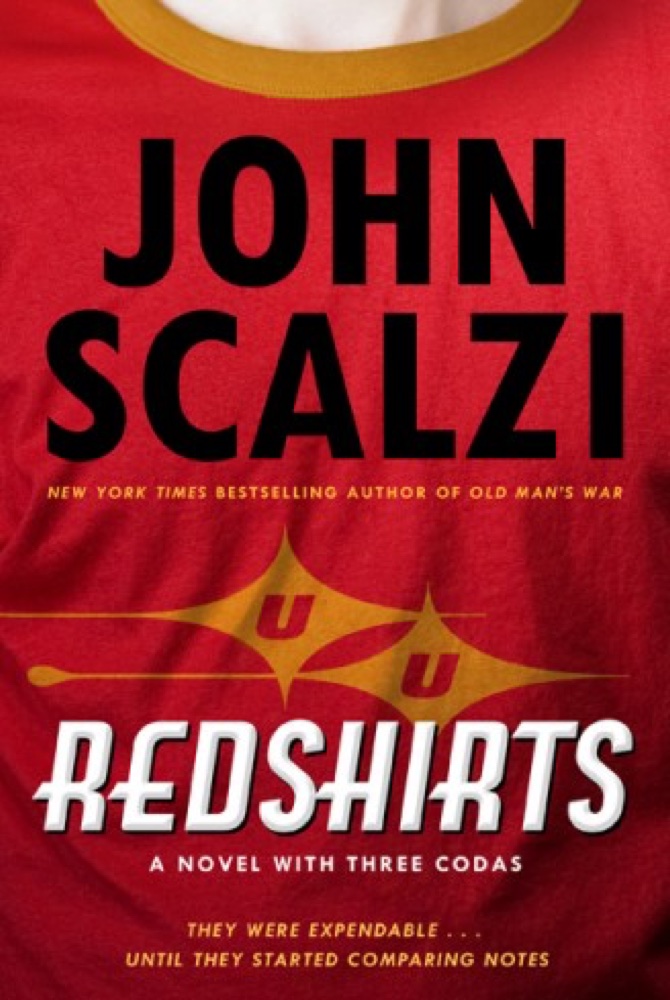 Redshirts
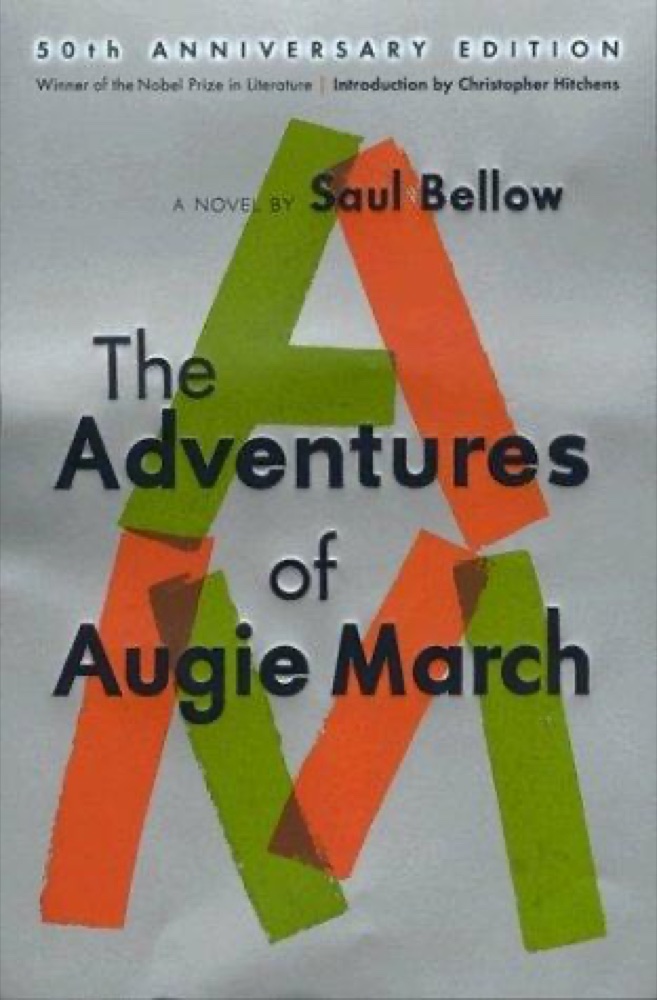 The Adventures of Augie March
 Blackout
 A Visit from the Goon Squad
 UnWholly
 Ender's Shadow
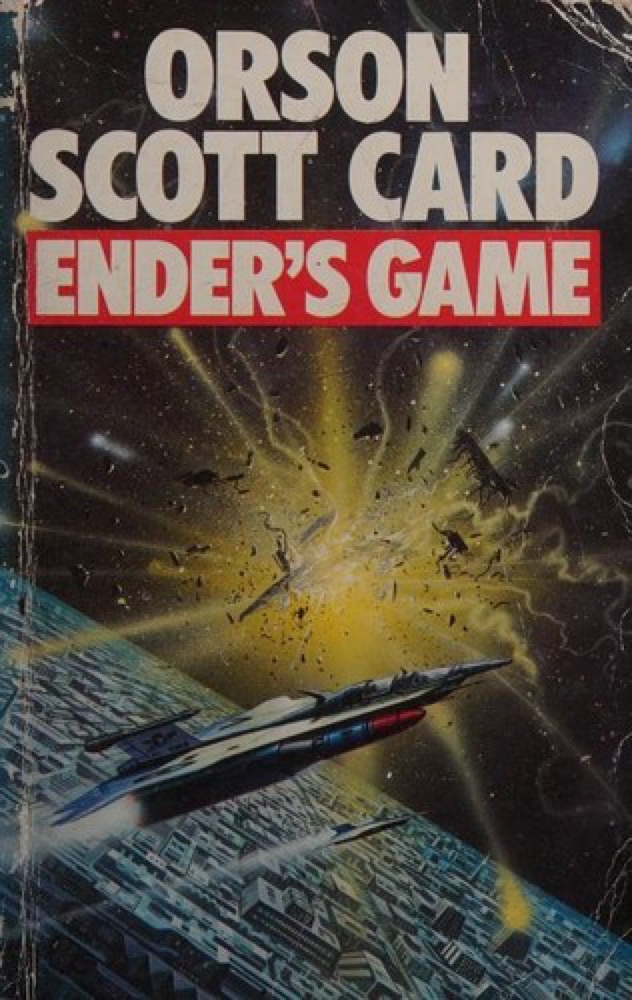 Ender's Game
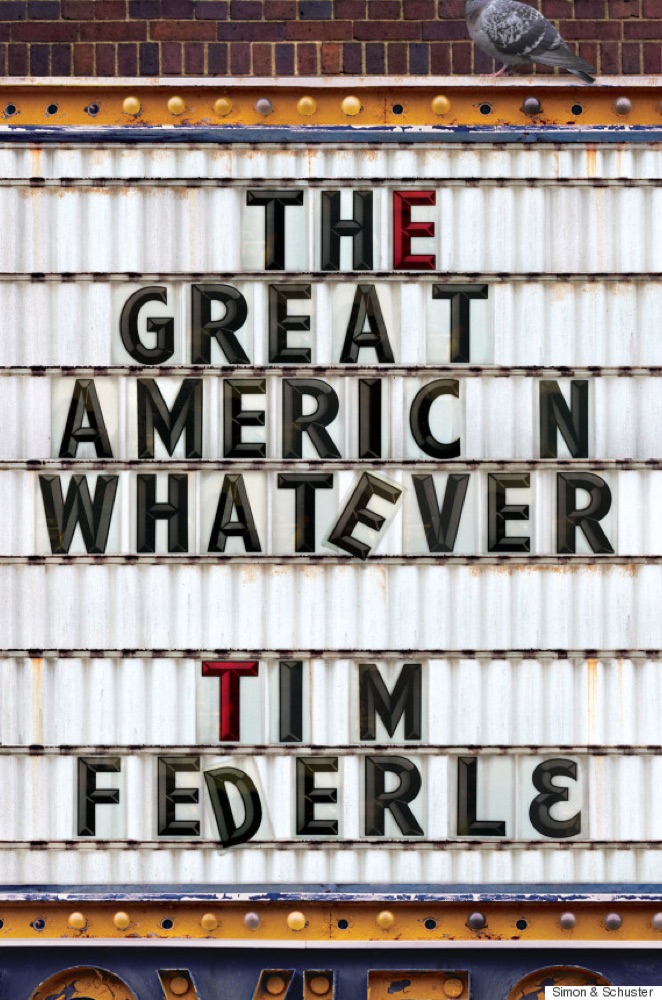 The Great American Whatever
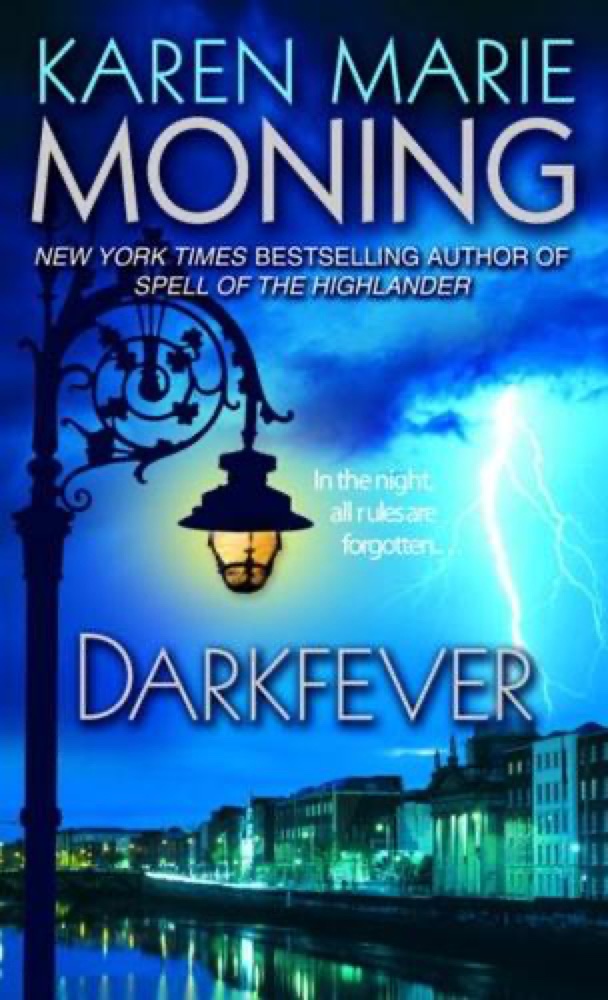 Darkfever
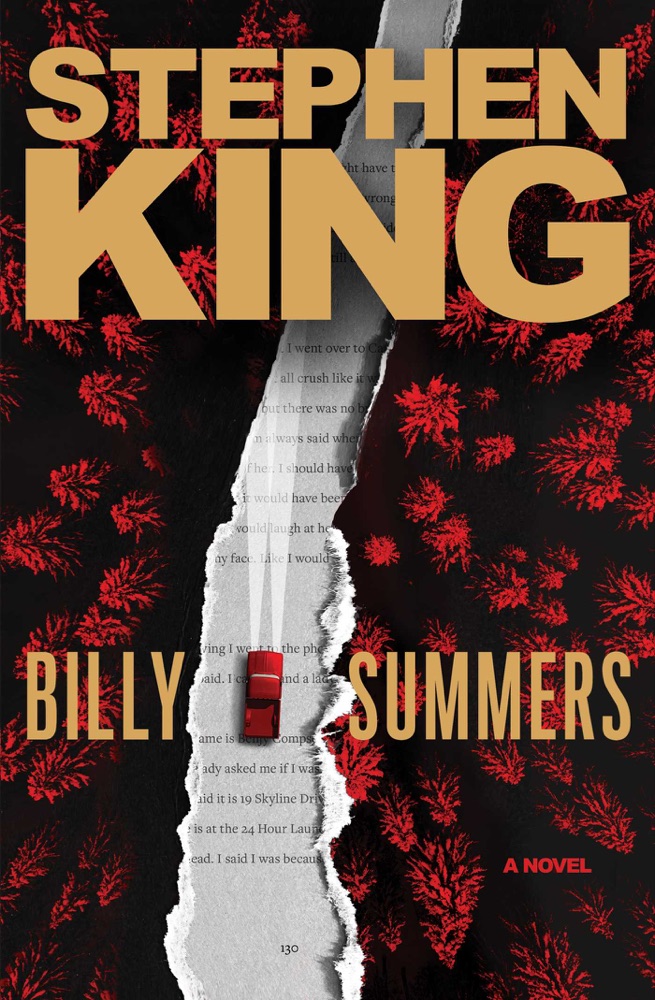 Billy Summers
 The Only Alien on the Planet
 Just One Wish
 Kill the Dead
 Boy Toy
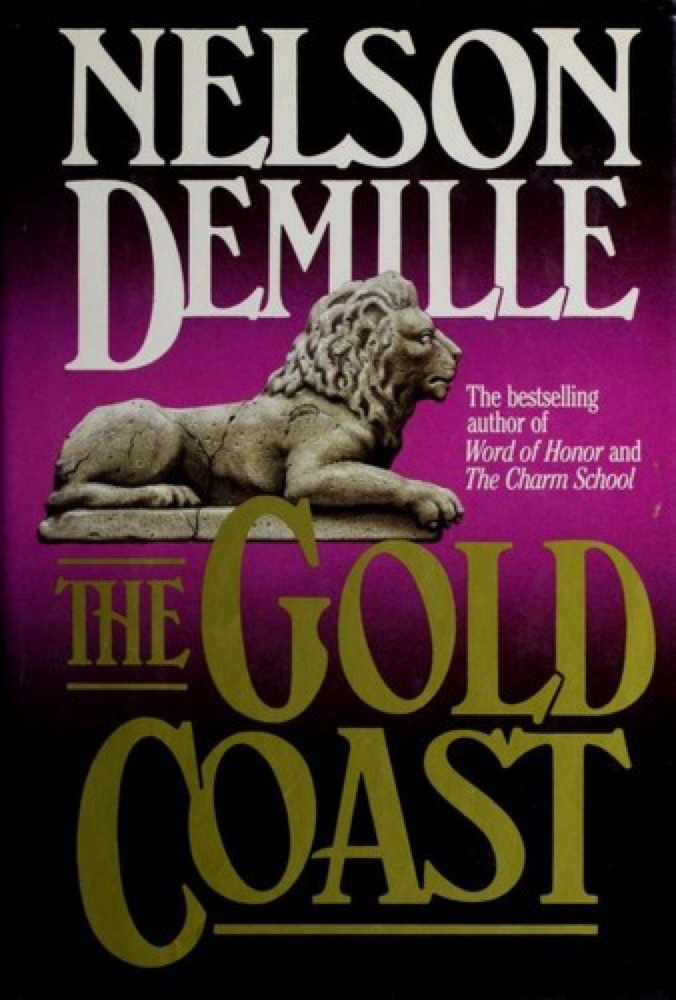 Gold Coast
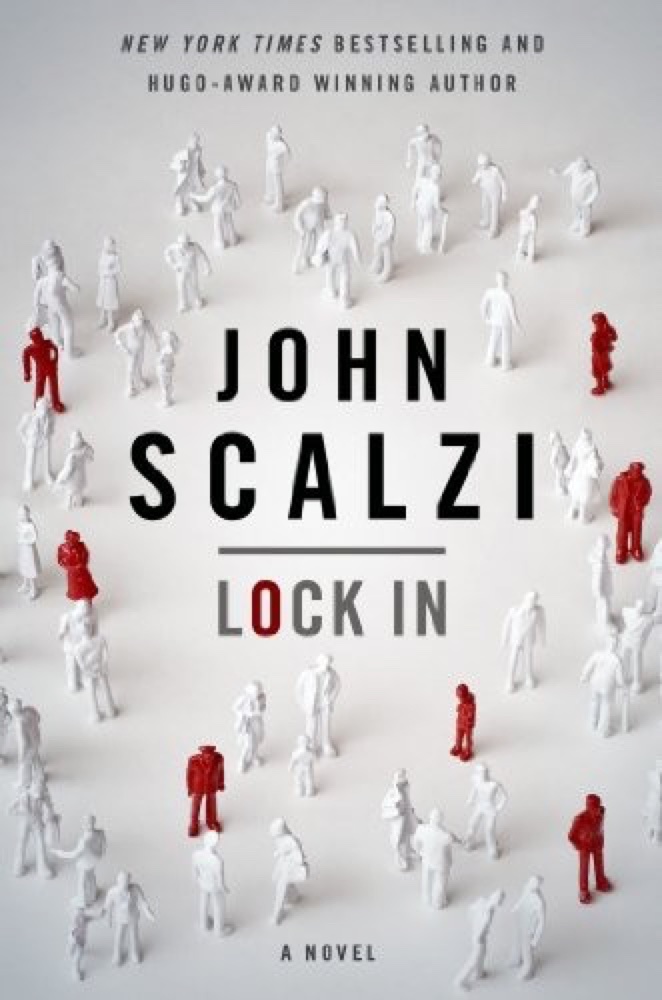 Lock In
 Where'd You Go, Bernadette
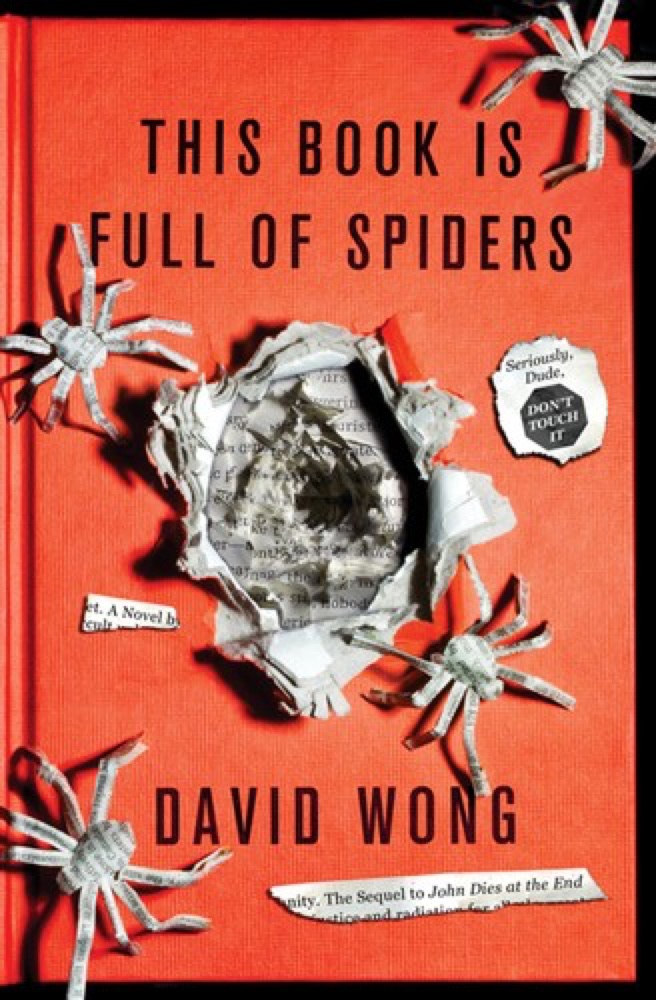 This Book Is Full of Spiders
 Looking for Alibrandi
 The Partly Cloudy Patriot
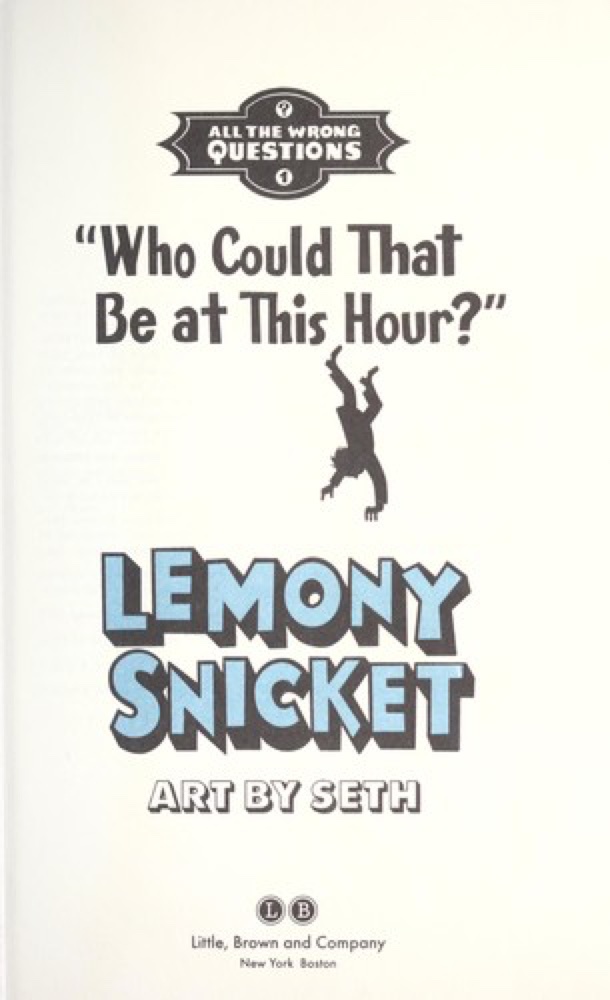 Who Could That Be at This Hour?
 Going Vintage
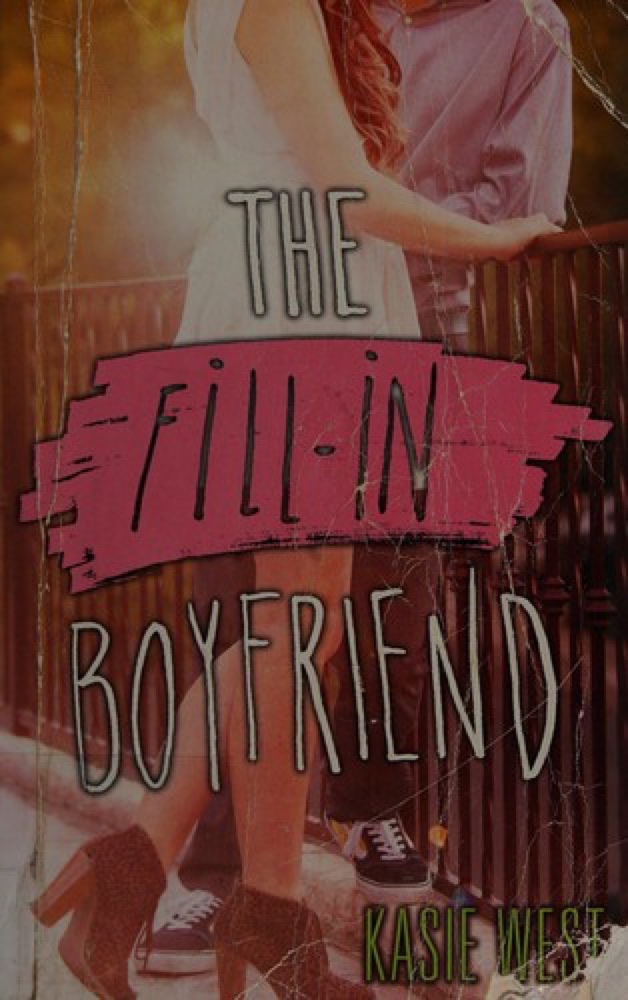 The Fill-In Boyfriend
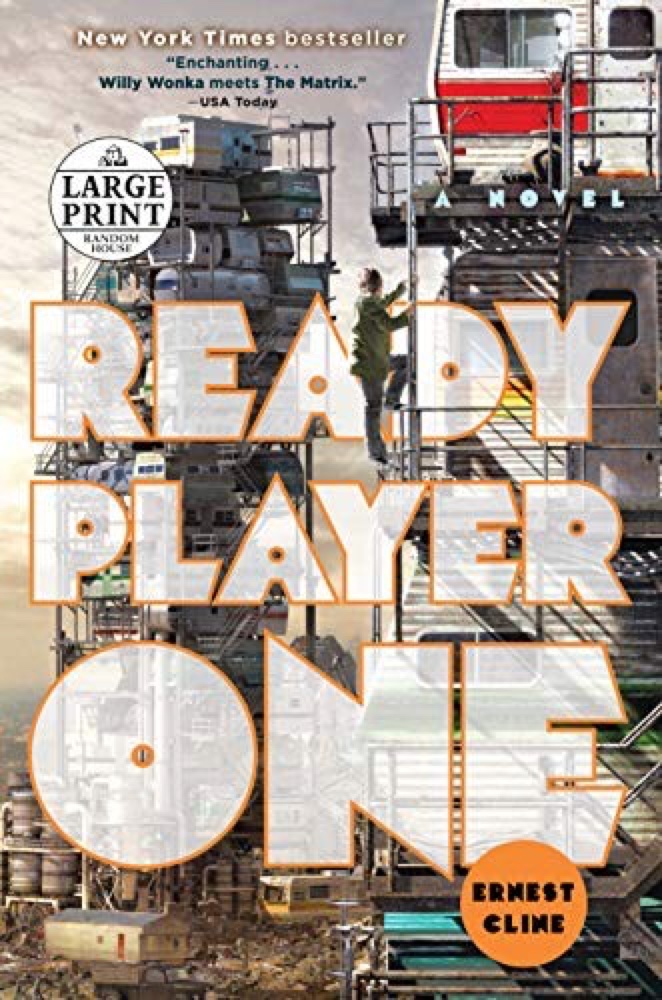 Ready Player One
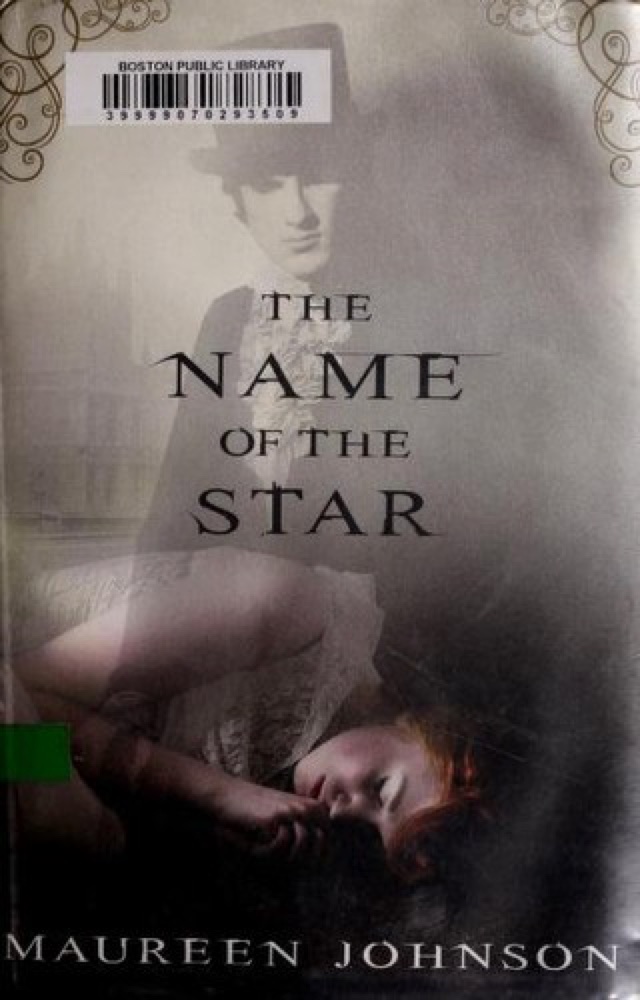 The Name of the Star
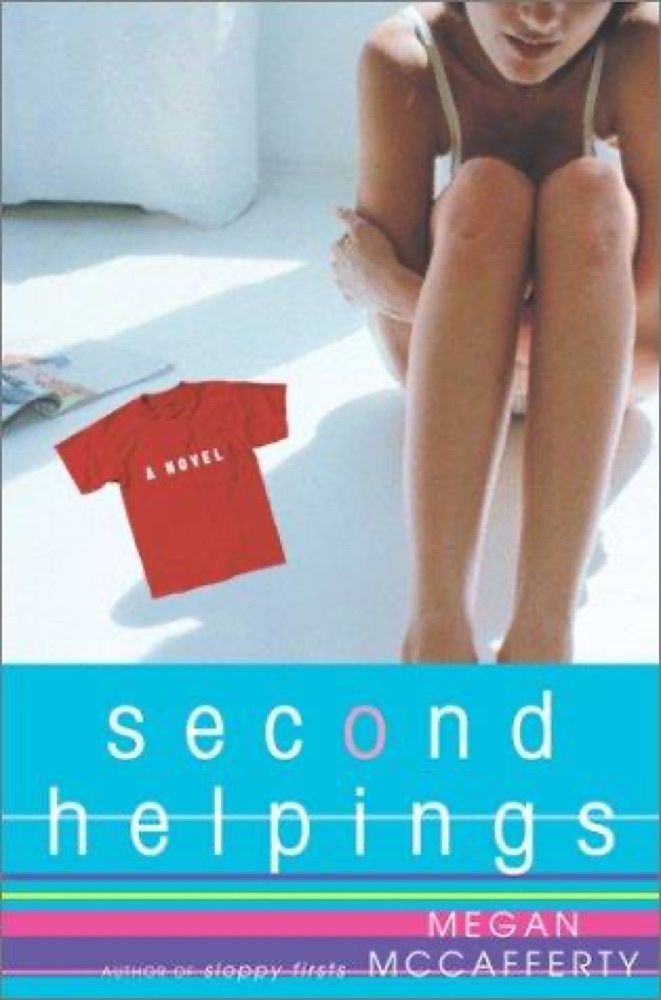 Second Helpings