
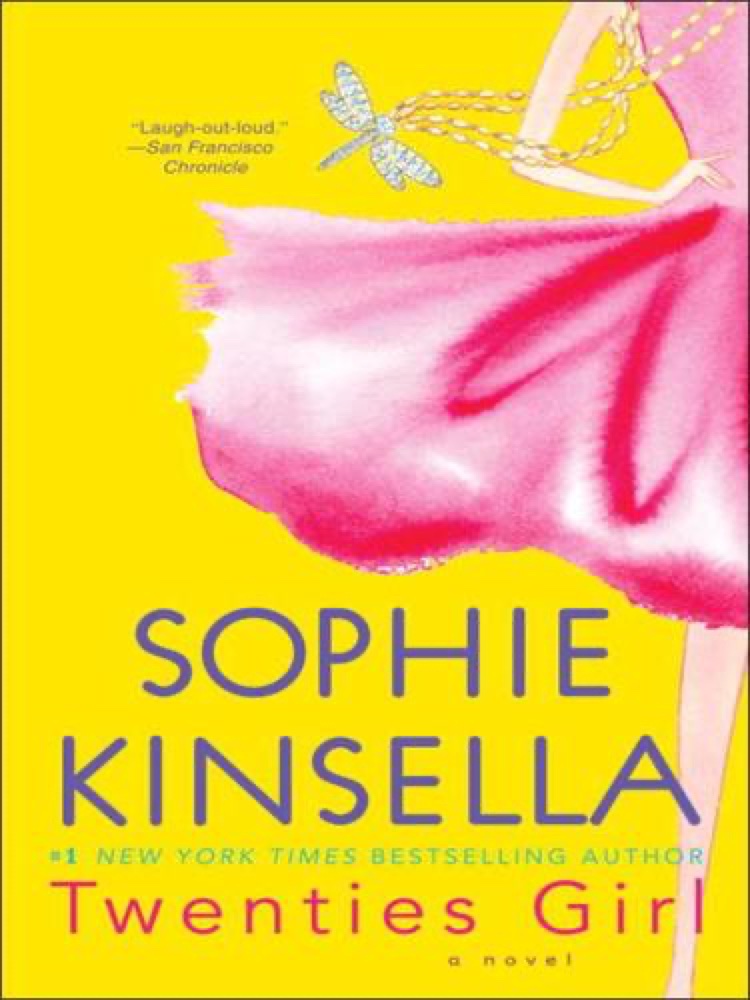
 Twenties Girl
Quotes from the Book
The trouble with giving yourself a pep talk is, that deep down you know it's all bullshit.
It's like I'm thirteen again and he's my crush. All I'm aware of in this entire roomful of people is him. Where he is, what he's doing, who he's talking to.
Okay. Now my skin is really prickling. I've read all the Harry Potter books, all five of them. I don't remember any half-blood prince. "What's this?" Trying to sound casual, I point at the ad, "What's Harry Potter and the Half-Blood Prince?" "That's the latest book," Garth the other trainee, says. "It came out ages ago." I can't help gasping. "There's a sixth Harry Potter?" "There's a seventh out soon!" Diana steps forward eagerly. "And guess what happens at the end of book six-" "Shh!" exclaims Nicole, the other nurse. "Don't tell her!
The thing with giving up is you never know. You never know whether you could have done the job. And I'm sick of not knowing about my life.
Women need chocolate. It's a scientific fact.
All this time, I wasn't hungry for success, I was hungry.
But you can't stay with people because of guilt. Or because they can drive a speedboat.
I'm Cinderella. No, I'm better than Cinderella, because she only got the prince, didn't she? I'm Cinderella with fab teeth and a shit-hot job.
It really is the year 2007. Which means I must be... Oh my God. I'm twenty-eight. I'm old.
Jennifer Aniston and Her New Man'" I read the words aloud uncertainly. "What new man? Why would she need a new man?" "Oh yes." Nicole follows my gaze, unconcerned. "You know she split up from Brad Pitt?" "Jennifer and Brad split?" I stare up at her, aghast. "You can't be serious! They can't have done!" "He went off with Angelina Jolie. They've got a daughter." "No!" I wail. "But Jen and Brad were so perfect together! They looked so good and they had that lovely wedding picture and everything...." "They're divorced now." Nicole shrugs, like it's no big deal. I can't get over this. Jennifer and Brad divorced. The world is a different place.
My voice is clotted with unshed tears.
There's genuine pain in Eric's eyes. And I feel a stab of guilt. But you can't stay with people because of guilt.
Jeez Louise. I know why rich people are so thin: it's from trekking around their humongous houses the whole time.
But... we'll always have Paris." I pause, thinking this through. "At least, you'll have it. And you can tell me about it.
You love the bitch from hell? Well then, you must be nuts.
He’s not a food fascist,” I say, feeling an immediate need to defend Eric. “He just…cares about nutrition.” “He’s Hitler. If he could round up every loaf of bread and put it in a camp, he would.
He leans forward and his mouth brushes briefly against mine, and I feel... nothing. I was hoping our first kiss would trigger all sorts of memories or sensations, maybe a sudden image of Paris or our wedding, or our first snog. But as he draws away I feel totally, one hundred percent blank. I can see the anticipation in Eric's face and quickly search for something encouraging to say. "That was lovely! Very..." I trail off, unable to think of a single word other than quick, which I'm not sure hits the right note. "It didn't bring back any memories?" Eric is studying my face. "Well...no," I say apologetically. "But, I mean, that doesn't mean it wasn't really... I mean it was... I feel quite turned on!" The words come out before I can stop them. What the hell did I say that for? I don't feel turned on. "Really?" Eric lights up and he puts his briefcase down. Oh no. No no no. Nooo.
You´re sure nothing happened when you bumped your head?" she says at last. "Like...personality transplant?
like that time I used false eyelashes with dodgy glue from the market, then tottered into the bathroom the next morning to find one eye glued shut with what looked like a dead spider on top of it. Really attractive, Lexi.
I collapse on my pillows in relief, my heart pounding. Thank fuck. I don’t have a child. And
And just so you know, Lexi... I love you." "Really?" I beam delightedly before I can stop myself. "I mean... fab. Thanks very much!
Did you know?
- The novel is a standalone, separate from Kinsella's famous Shopaholic series.
- Kinsella has said the story grew from the idea of waking up to find everything in your life had become magically perfect.
- The US hardcover was published by The Dial Press on February 26, 2008.
- Sophie Kinsella is the pen name of author Madeleine Wickham.
- Protagonist Lexi Smart loses three years of memory after a car accident in a Mercedes.
About Sophie Kinsella
Sophie Kinsella is the pen name of British author Madeleine Wickham, best known for her bestselling Shopaholic series featuring Becky Bloomwood. Her comic novels have sold tens of millions of copies worldwide and been translated into dozens of languages.
More about the author →More by Sophie Kinsella
All books by Sophie Kinsella →
About the book
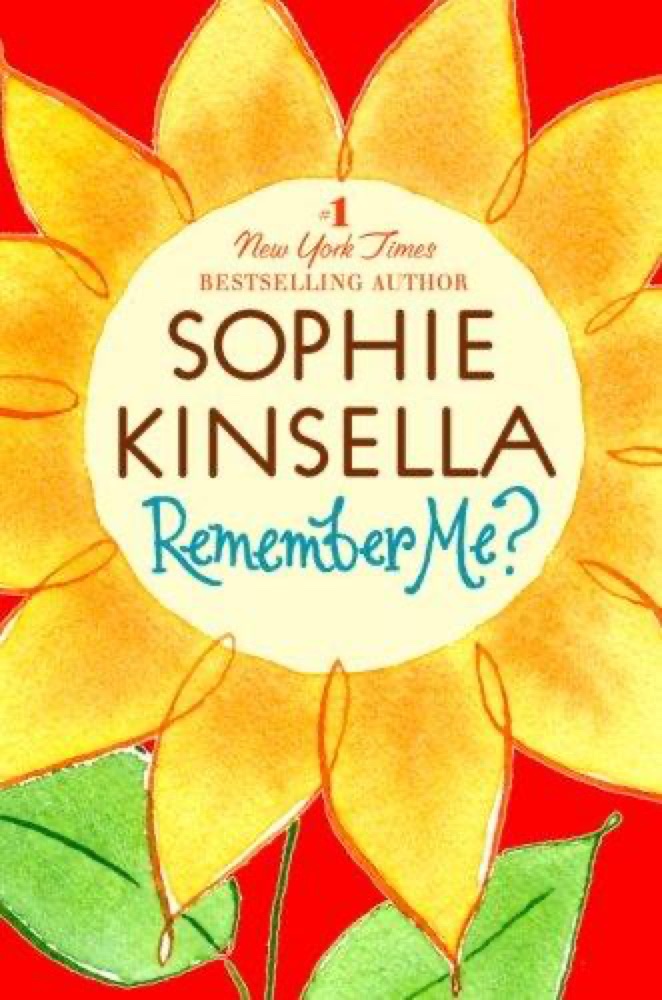
"Remember Me?" is a standalone comic novel by Sophie Kinsella that follows twenty-eight-year-old Lexi Smart, who wakes in a London hospital after a car accident to discover she has lost three years of memory. The last thing she remembers is being a twenty-five-year-old with crooked teeth, a chaotic love life, and an ordinary office job; now she finds her teeth are perfect, her body is toned, she heads her department, and she is married to a good-looking millionaire. Bewildered by a seemingly perfect life she cannot recall building, Lexi sets out to piece together who she has become.
As Lexi navigates her transformed world, she learns that her old colleagues resent her, that a rival is circling her job, and that a dishevelled, attractive man claims to know her far better than her husband does. The novel turns on the gap between the perfect life on paper and the person Lexi actually was and wants to be, building toward the question of whether her memory will return and what it will cost her if it does.
Written in Kinsella's warm, fast-paced first-person comic style, the book explores identity, ambition, and the fantasy of waking up with everything magically fixed. A bestseller on both sides of the Atlantic, it is one of the popular standalone romantic comedies Kinsella wrote alongside her hugely successful Shopaholic series, and it was adapted into film for international markets.
Key characters
- Lexi SmartProtagonist who loses three years of memory after a car accident
- EricLexi's wealthy husband whom she does not remember marrying
- JonA dishevelled, attractive architect who claims to know Lexi well
- AmyLexi's younger sister
Book details
- First published
- 2008
- Length
- 352 pages
- Reading time
- 6 hours
- Author
- Sophie Kinsella
- Genre
- Fiction
- Goodreads rating
- 3.81 (268k ratings) →
If you liked this, read…
- 1Confessions of a ShopaholicSophie Kinsella's signature warm, comic first-person romance
- 2The Undomestic GoddessAnother Kinsella standalone about a woman thrust into a transformed life
- 3What Alice ForgotLiane Moriarty novel also driven by a woman's memory loss and lost years
Keep reading
 Saving Francesca
 My Life Next Door
 All Fall Down
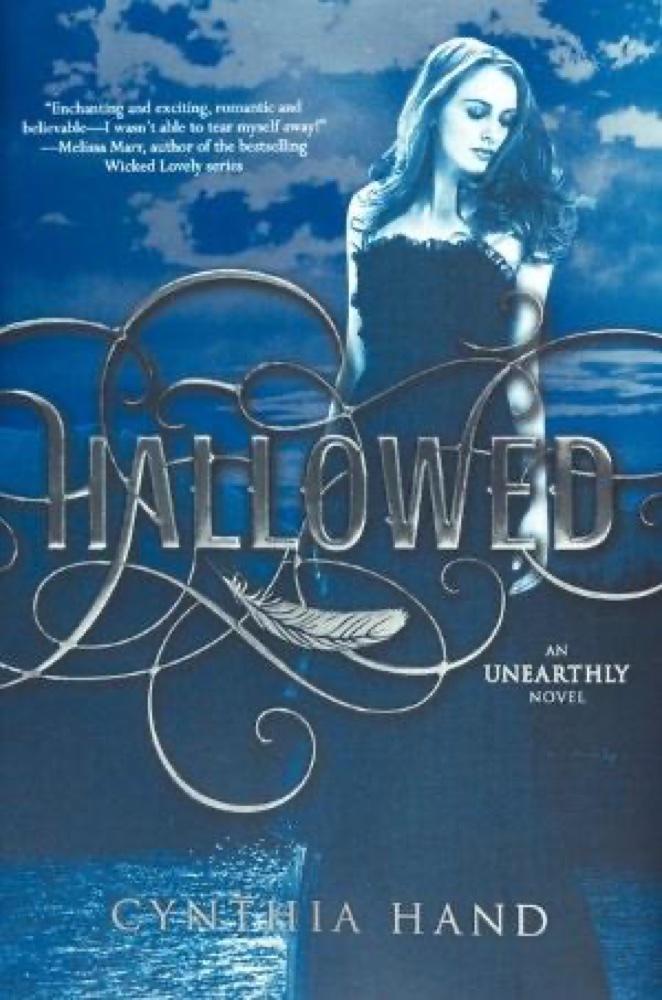 Hallowed
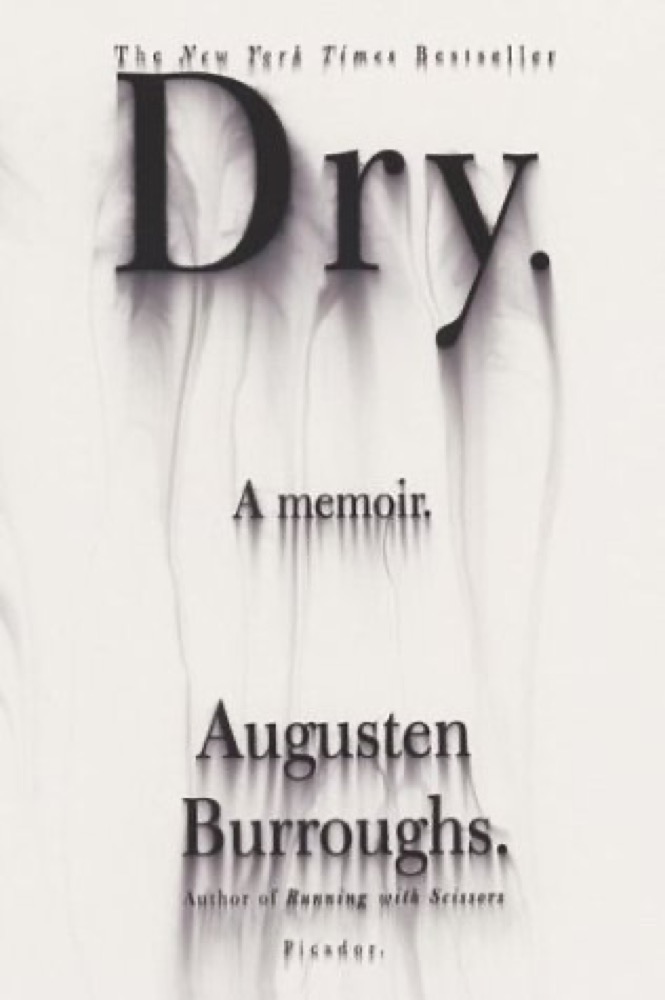 Dry
Dry
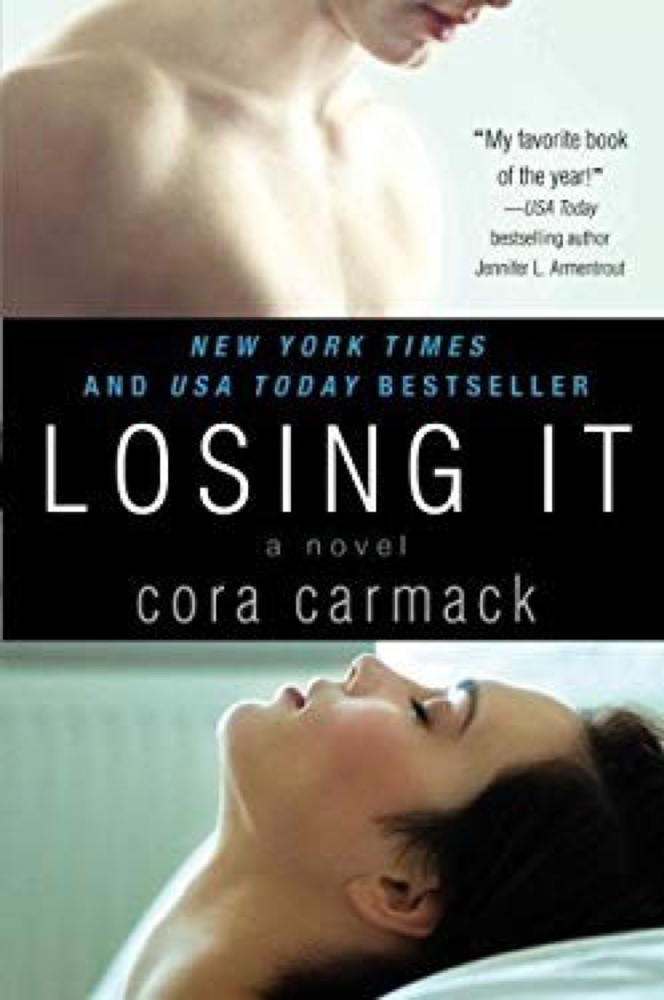 Losing It
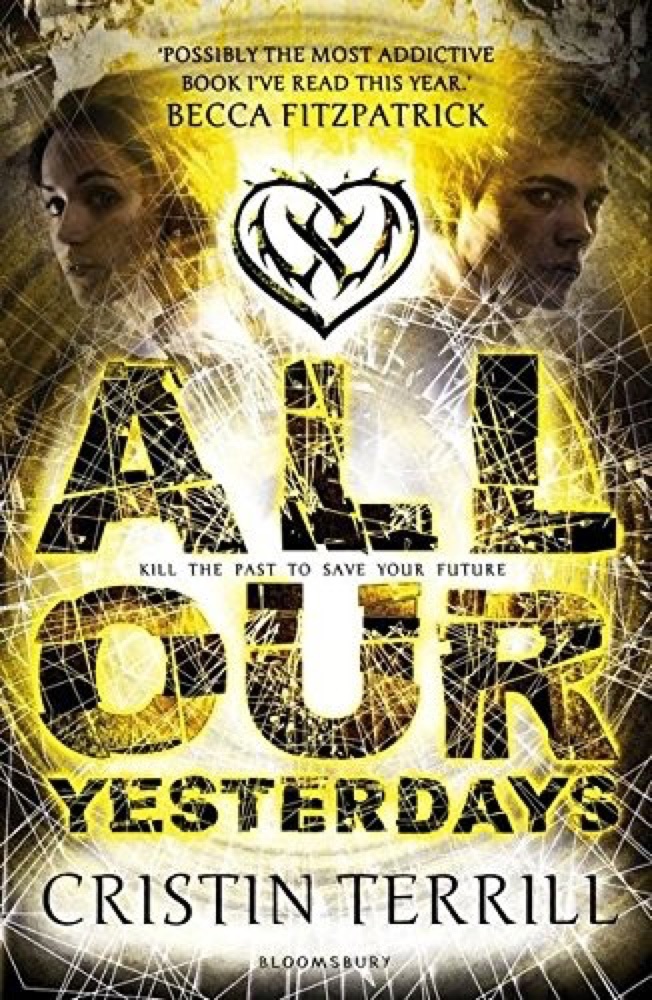 All Our Yesterdays
 Sinner
 I've Got Your Number
 Supernaturally
 Evermore
 Let's Pretend This Never Happened: A Mostly True Memoir
 Cracked Up to Be
 The Rules of Attraction
 Second Helpings
 Fated
Fated
 Lament: The Faerie Queen's Deception
 If I Were You
 Restore Me
 Prodigy
 Royally Screwed
 Vain
Vain
 The Basic Eight
 Anatomy of a Misfit
 Obsession
 Sloppy Firsts
 Ava: My Story
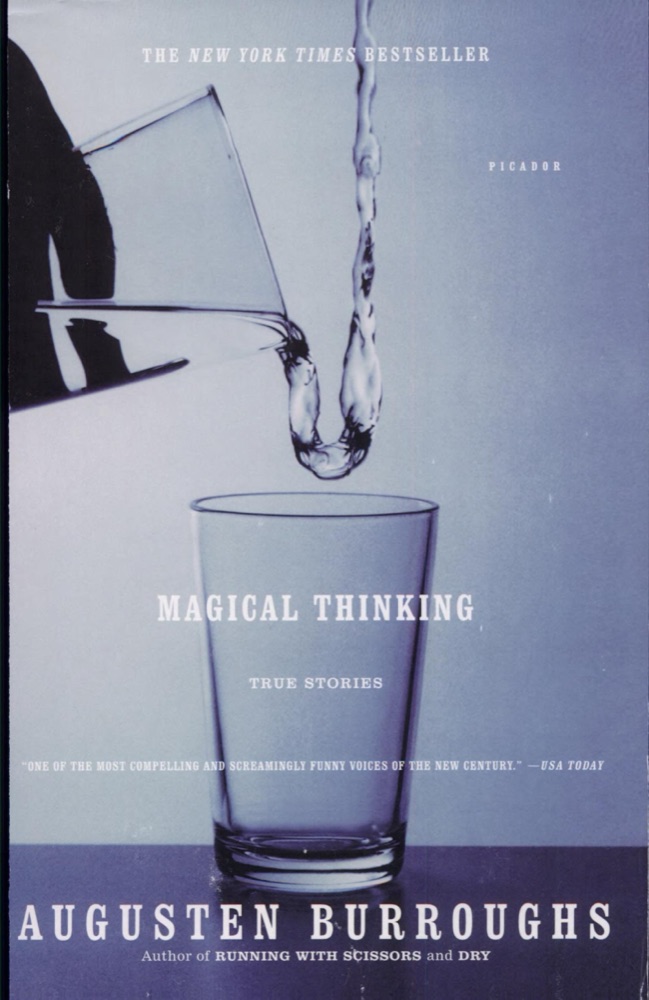 Magical Thinking: True Stories
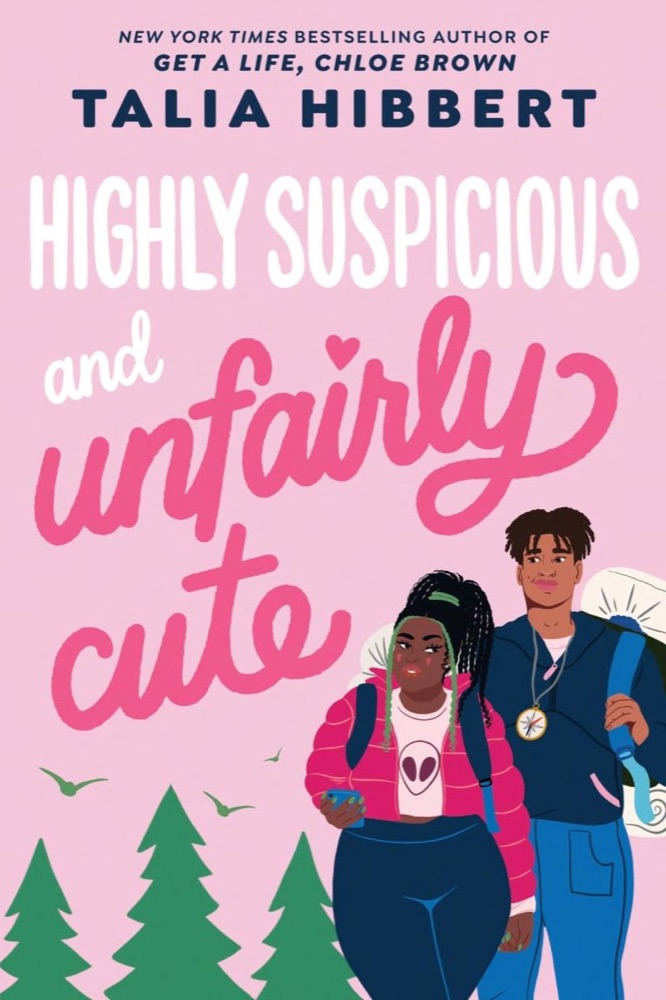 Highly Suspicious and Unfairly Cute
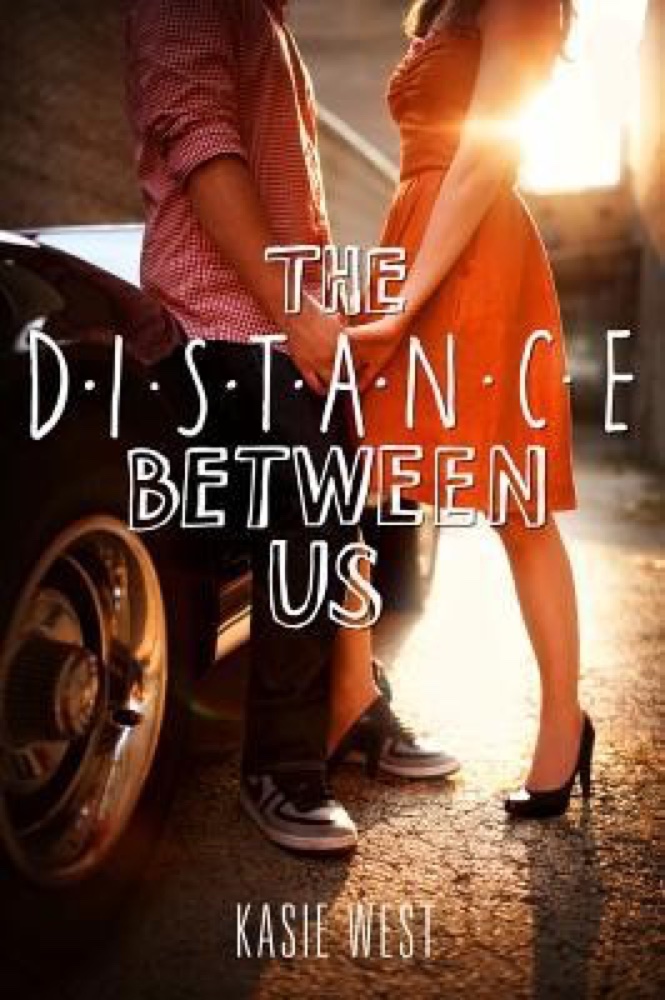 The Distance Between Us
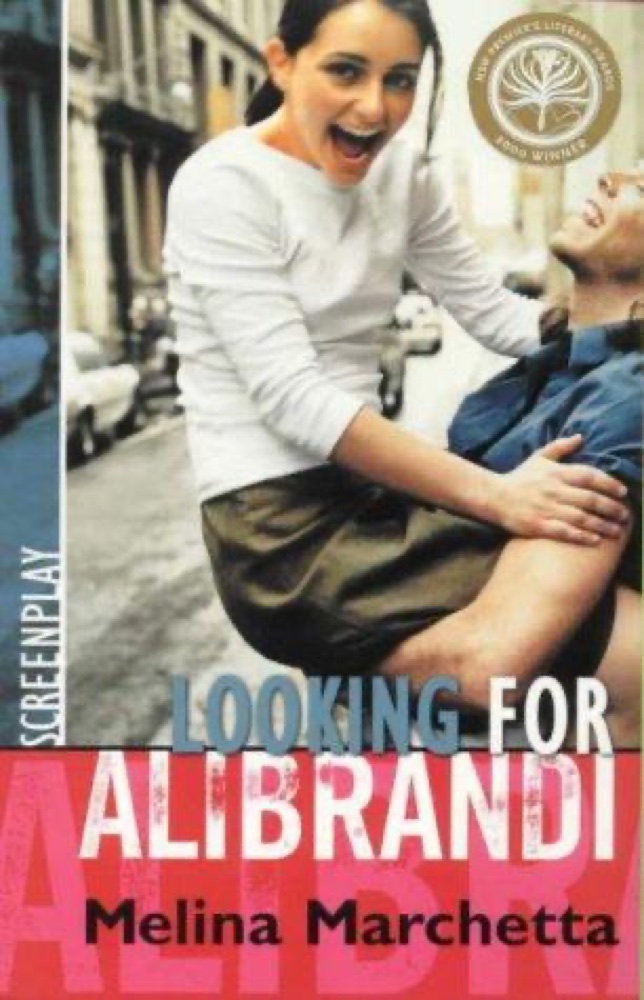 Looking for Alibrandi
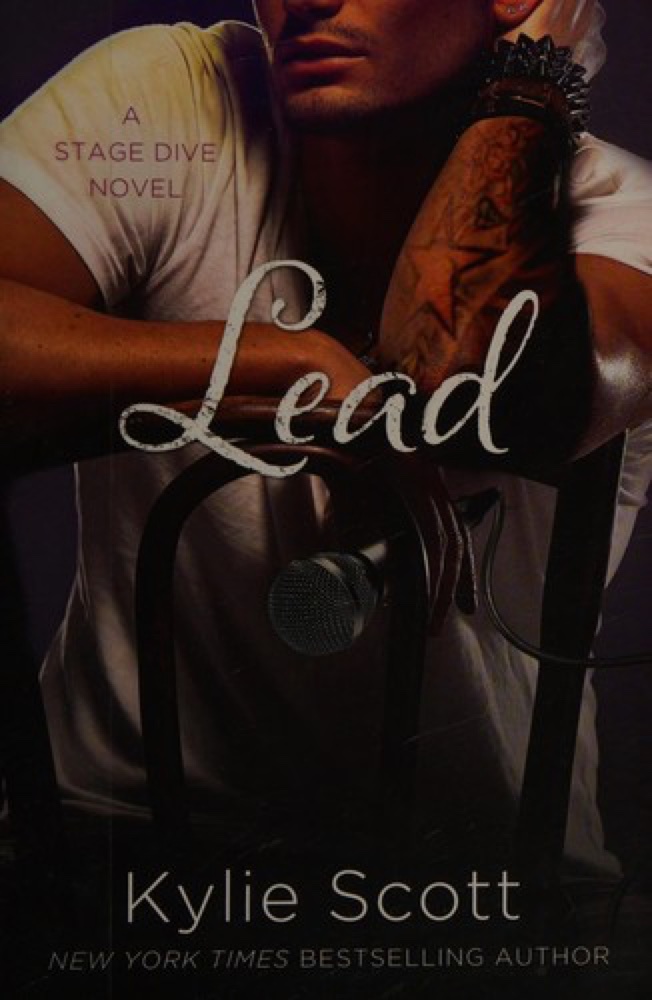 Lead
Lead
 Fall From Grace
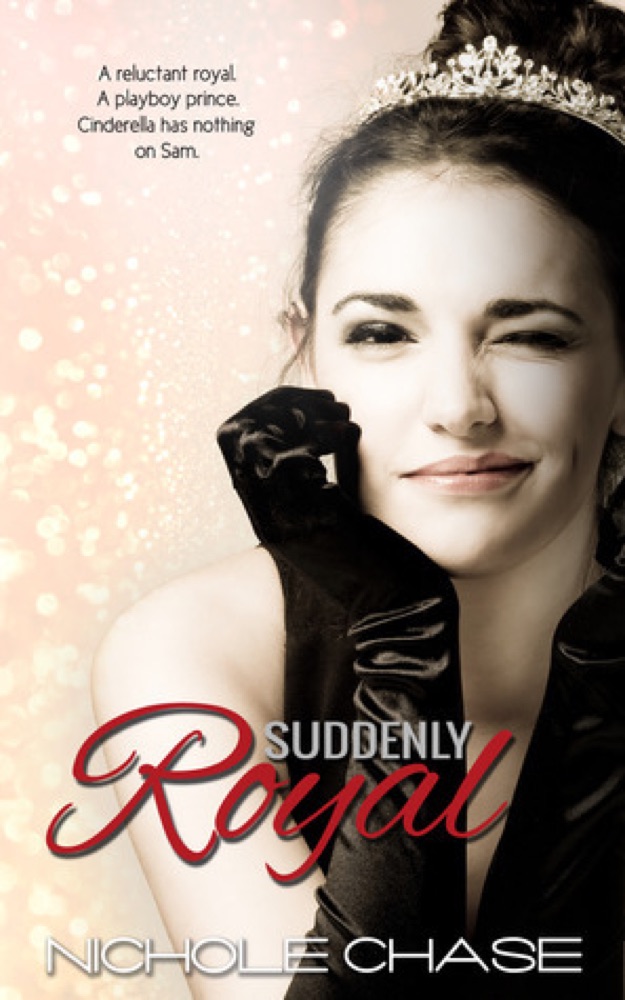 Suddenly Royal
 Speechless
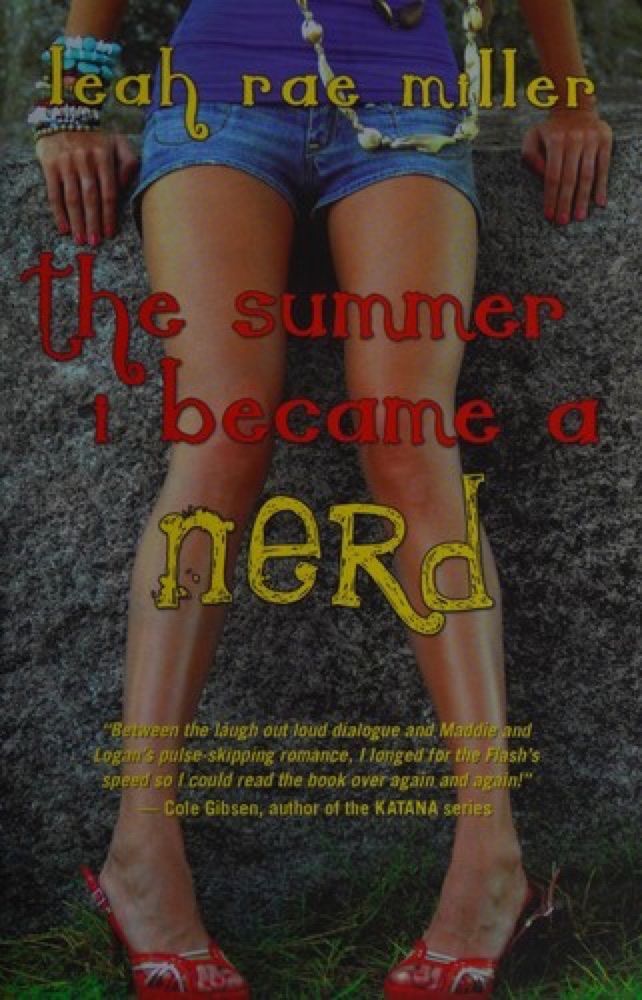 The Summer I Became a Nerd
 The Help
 I Was Here
 Fangirl
 Die for Me
 Unraveling Isobel
 Flat-Out Love
 All My Life
 Fall for Anything
 The Do-Over
 What's Eating Gilbert Grape
 Neanderthal Seeks Human
 Alex, Approximately
 Love Me Never
 The Dirt on Ninth Grave
 A Match Made in High School
 Belong to Me
 Captivate
 Stray
Stray
 Undead and Unwed
 Down London Road
 The Hook Up
 I Am the Messenger