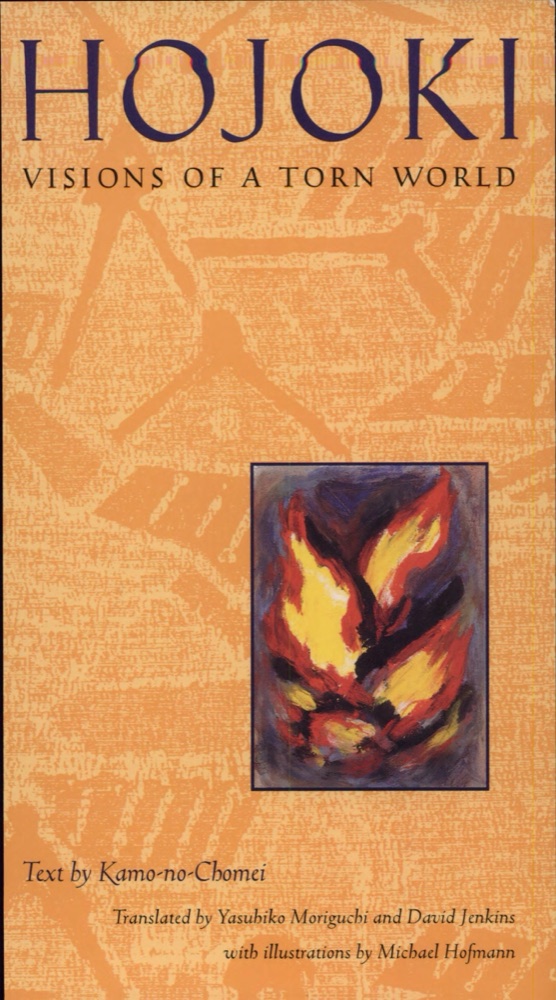
 The Home and the World
Quotes from the Book
The flow of the river is ceaseless; and its water is never the same. The foam that floats in the pools Now gathering, now vanishing Never lasts long. So it is with man and all his dwelling places on this earth.
Reality depends upon your mind alone.[34] If your mind is not at peace what use are riches?
Men of means have much to fear. Those with none know only bitterness. If you entrust yourself to the care of others you will be owned by them. If you care for others you will be enslaved by your own solicitude. If you conform to the world it will bind you hand and foot. If you do not, then it will think you mad. And so the question, where should we live? And how? Where to find a place to rest a while? And how to bring even short-lived peace to our hearts?
The cloud-capp’d towers, the gorgeous palaces, The solemn temples, the great globe itself, Yea, all which it inherit, shall dissolve. And like this insubstantial pageant faded, Leave not a rack behind. We are such stuff As dreams are made on and our little life Is rounded with a sleep.
Then, pilgrim, turn, thy cares forego; All earth-born cares are wrong: Man wants but little here below, Nor wants that little long.
The flowing river never stops and yet the water never stays the same. Foam floats upon the pools, scattering, re-forming, never lingering long. So it is with man and all his dwelling places here on earth
5
Using others is a sin. Why should I wish to use another?
1
Has your discerning mind just served to drive you mad?
In their friends people like to see a certain affluence in their ready smile They seldom care for warmth and truthfulness. So why not find your friends in song and nature?
Aquel que busca ayuda se convierte en esclavo y el que se da a los demás queda prisionero de su propio afecto, El que acata las reglas de este mundo sufre en consecuencia, pero el que no lo hace se nos presenta como un loco. Donde sea que vivamos y hagamos lo que hagamos, ¿es posible acaso que por un solo instante hallemos cómo descansar nuestro cuerpo y cómo apaciguar nuestro corazón?
Watch on YouTube
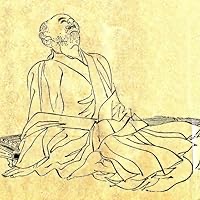
About Kamo no Chōmei
We have collected 10 quotes from 1 book by Kamo no Chōmei on BookQuoters.
More about the author →About the book
The single great work of literary witness in medieval Japan, Hojoki is a short social chronicle prompted by a series of calamities that overtook old Kyoto in the late 12th century. By building a rude home in the forest and eliminating desire, poet and Buddhist priest Chomei believed he would be spared the anguish that had befallen the townspeople. Yet at the end we find the author consumed with self-doubt, questioning his own sanity and the integrity of his purpose. His voice reaches out from the distant past and speaks directly to our hearts, surprisingly modern and intensely human.
Book details
- First published
- 1212
- Author
- Kamo no Chōmei
- Genre
- Classics
- Goodreads rating
- 4.00 (2k ratings)
Keep reading
The Home and the World
 Henderson the Rain King
 Always Coming Home
 Demian
 The Gay Science
 The Island of the Day Before
 The Book of Mirdad: The Strange Story of a Monastery Which Was Once Called the Ark
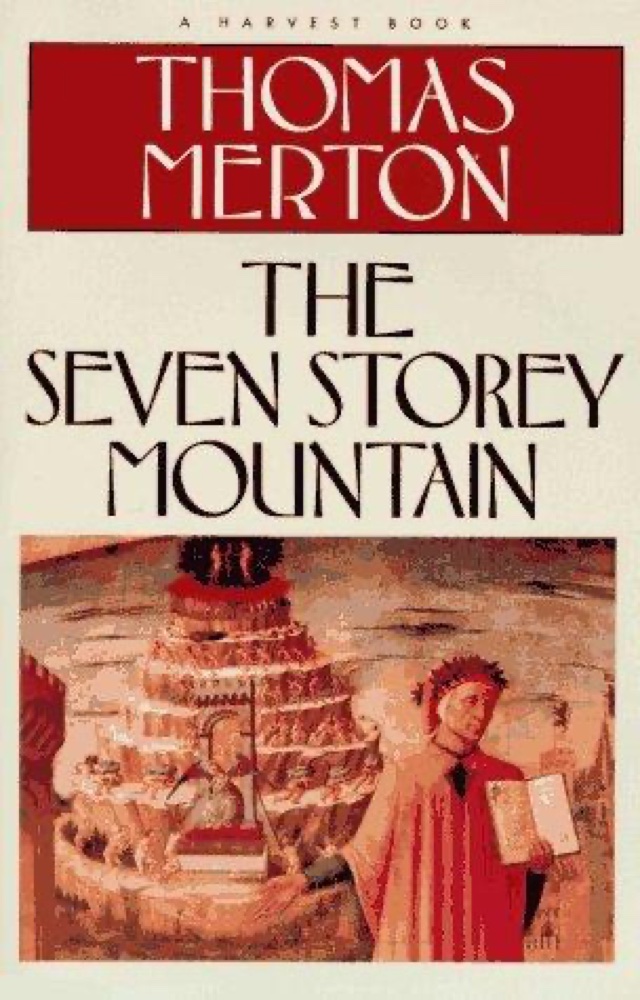 The Seven Storey Mountain
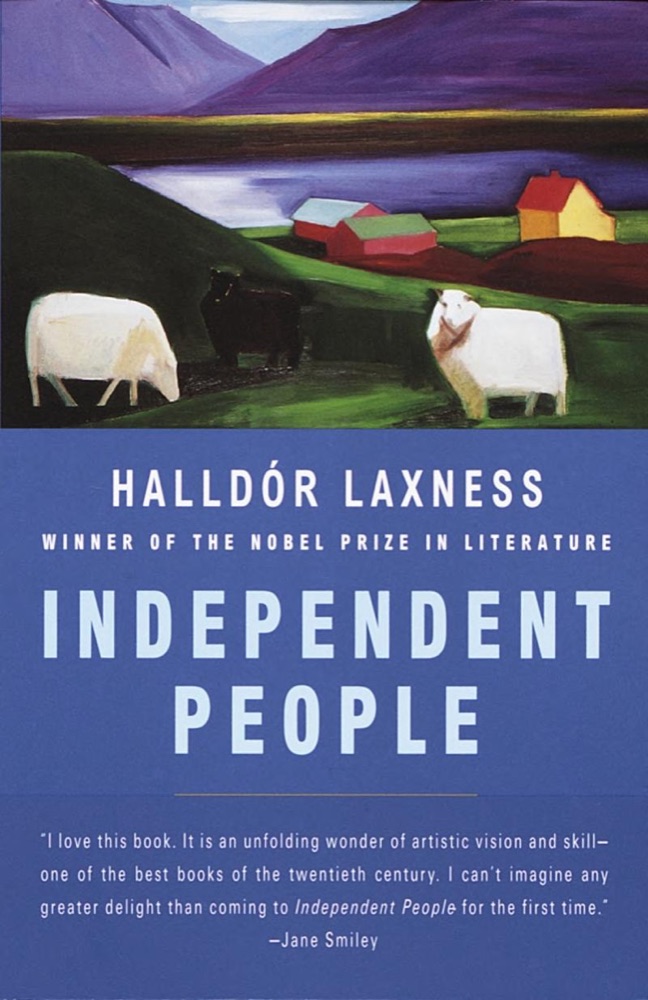 Independent People
 Walden and other writings
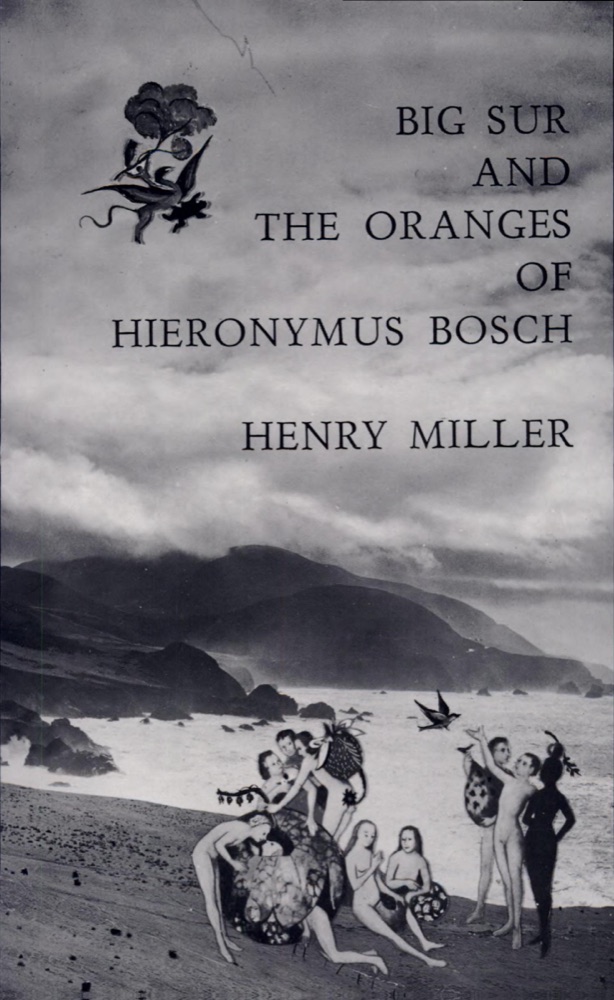 Big Sur and the Oranges of Hieronymus Bosch
 Shōgun
 Narcissus and Goldmund
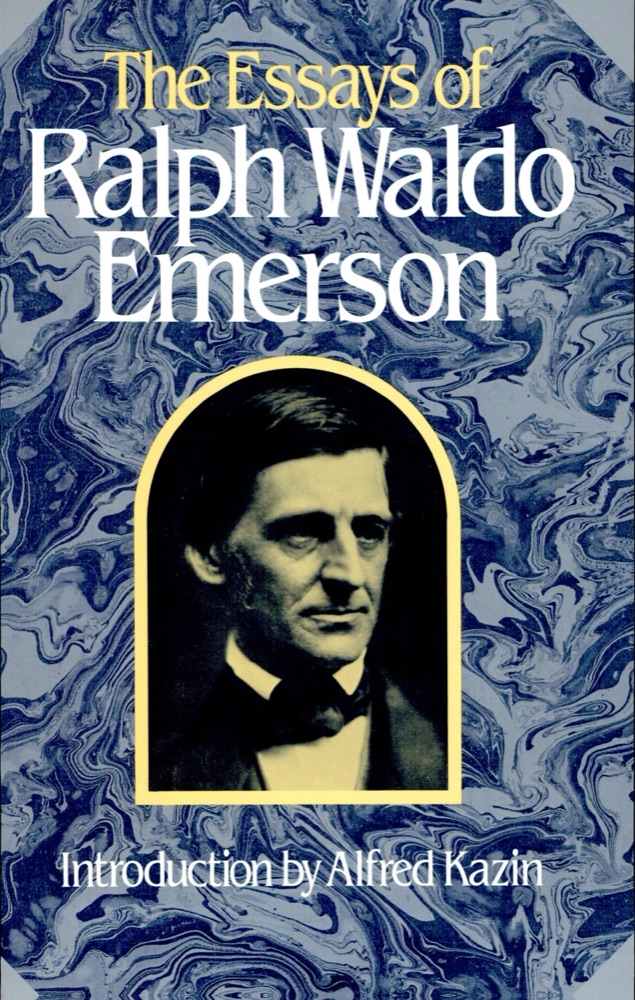 The Essays of Ralph Waldo Emerson
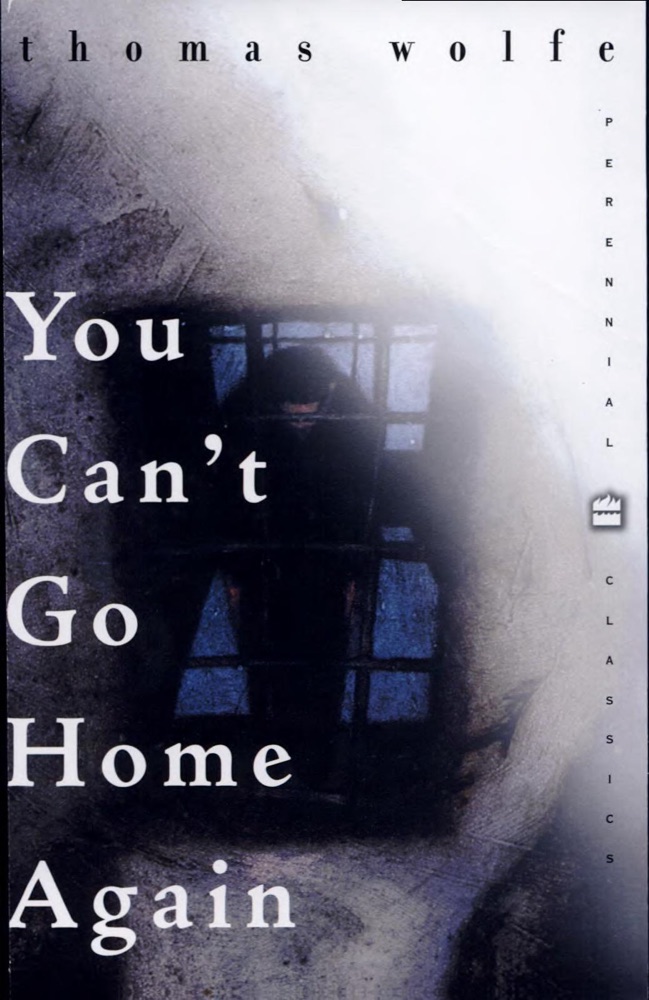 You Can't Go Home Again
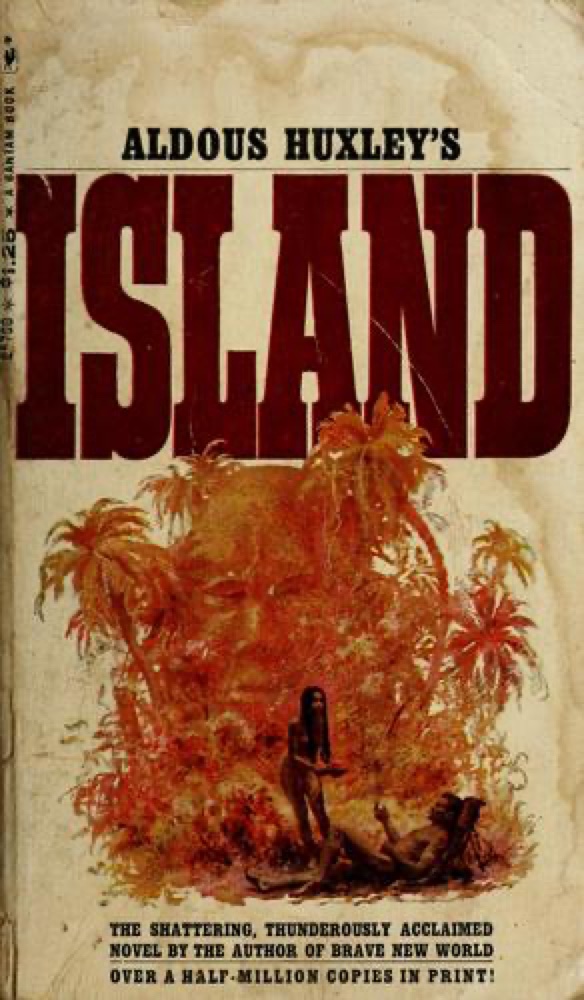 Island
 The Etched City
 Plainwater: Essays and Poetry
 Drive Your Plow Over the Bones of the Dead
 Foe
Foe
 Stand Still Like the Hummingbird
 The Conference of the Birds
 Nature and Selected Essays
 Walden & Civil Disobedience
 Either/Or: A Fragment of Life
 The Abundance
 The Glass Bead Game
 The Man in the High Castle
 The Wisdom of Life
 Twilight of the Idols/The Anti-Christ
 Selected Poems
 A Book of Simple Living
 The Enchantress of Florence
 The Weight of Glory
 The Treasured Writings of Kahlil Gibran
 Untimely Meditations
 Spring Snow
 Man and His Symbols
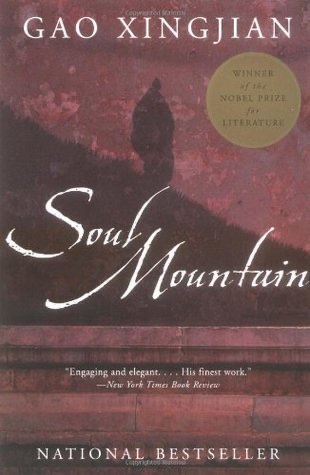 Soul Mountain
 Walking
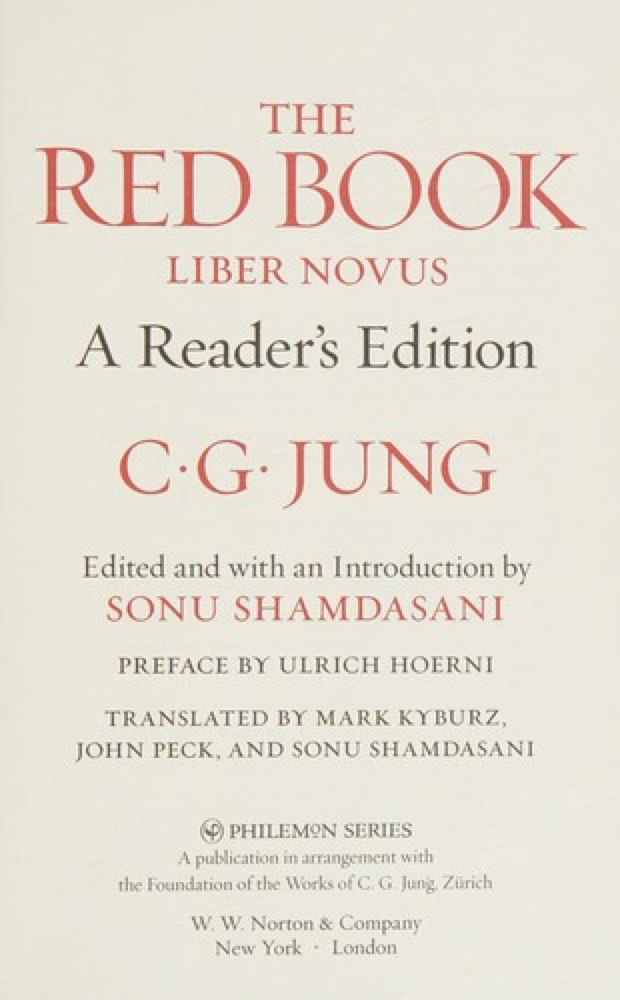 The Red Book: Liber Novus
 Villa Incognito
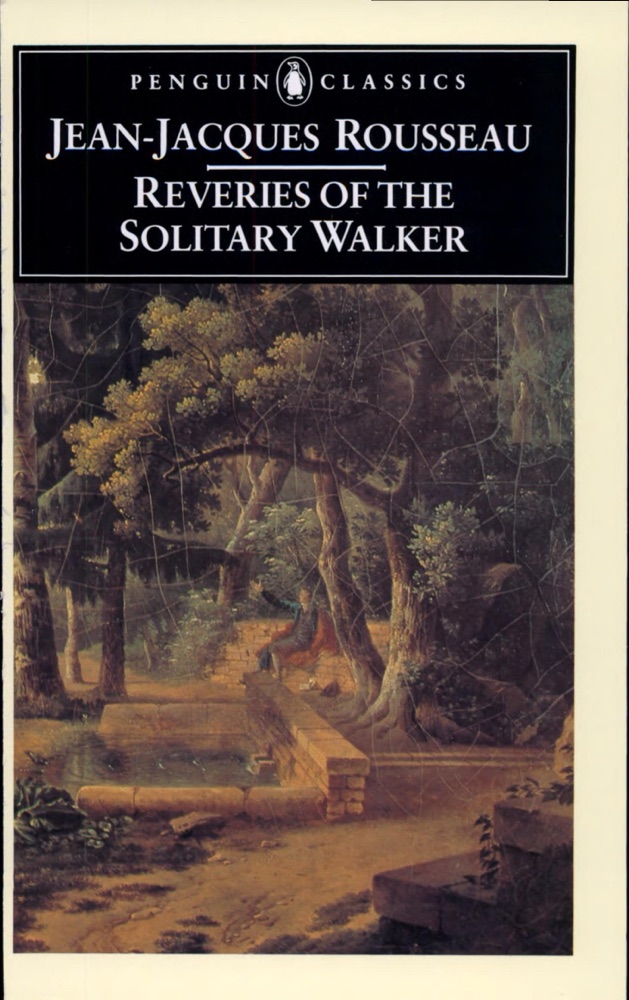 Reveries of the Solitary Walker
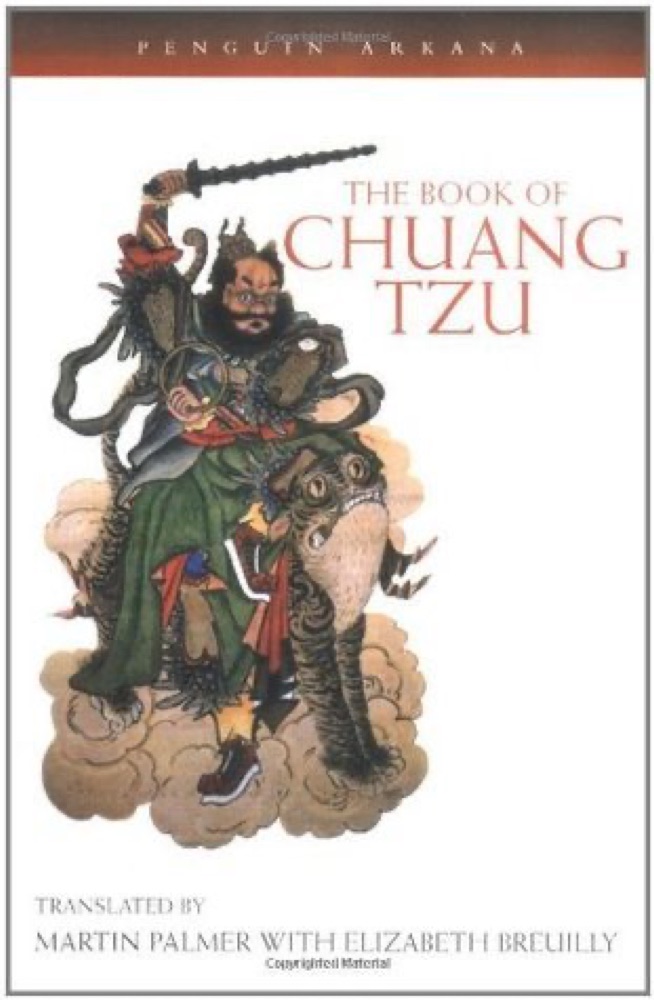 The Book of Chuang Tzu
 The Ego and Its Own
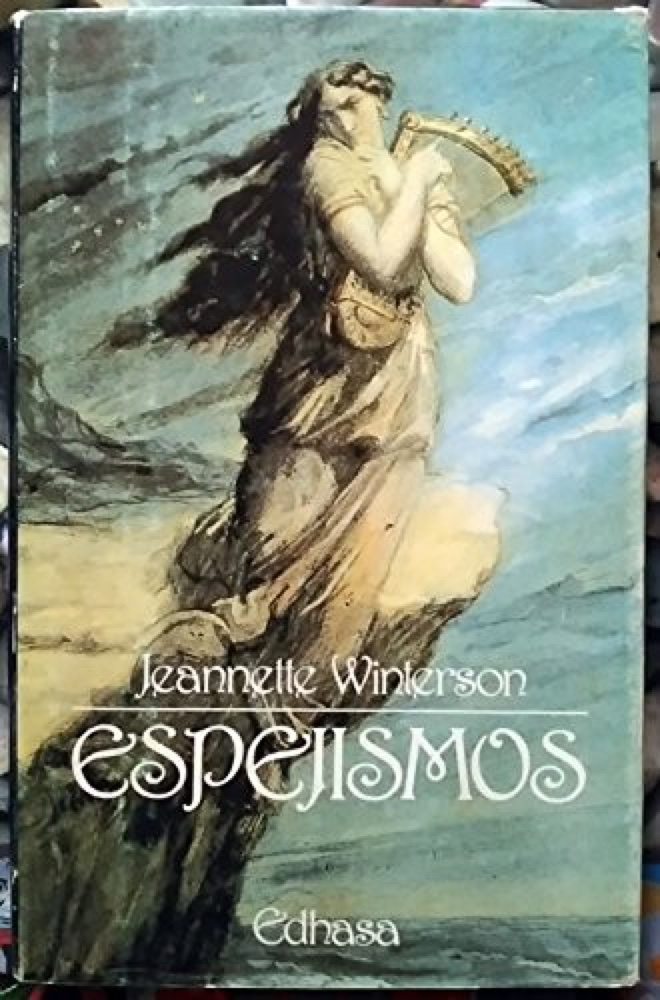 Sexing the Cherry
 Sexus
Sexus
 The Complete Short Stories
 A Room with a View
 Heretics
 Everyone Burns
 The Essential Writings of Ralph Waldo Emerson
 Arctic Dreams
 The Dispossessed
 Mysteries
 Point Counter Point
 Persian Letters
 The Myth of Sisyphus
 Parable of the Sower
 Moravagine