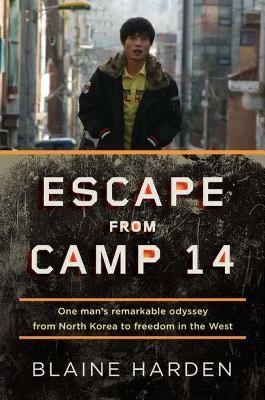
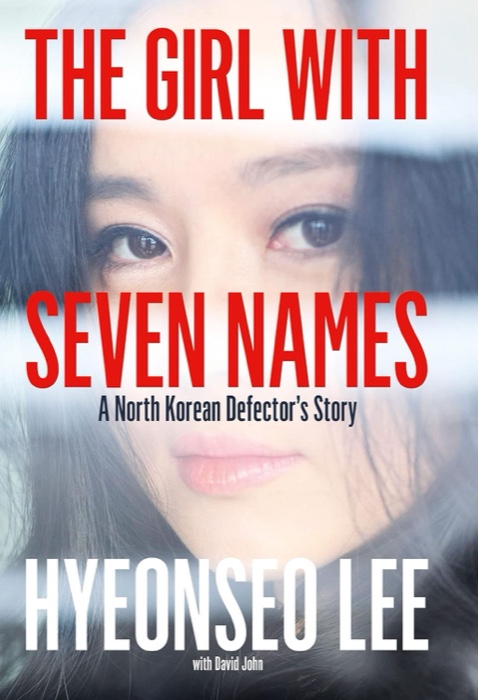
 The Girl with Seven Names: A North Korean Defector’s Story
Quotes from the Book
I am evolving from being an animal,' he said. 'But it is going very, very slowly. Sometime I try to cry and laugh like other people, just to see if it feels like anything. Yet tears don't come. Laughter doesn't come.
High School students in America debate why President Roosevelt didn't bomb the rail lines to Hitler's camps. Their children may ask, a generation from now, why the West stared at far clearer satellite images of Kim Jong Il's camps, and did nothing.
His first memory is an execution.
High school students in America debate why President Franklin D. Roosevelt didn’t bomb the rail lines to Hitler’s camps,” the editorial concluded. “Their children may ask, a generation from now, why the West stared at far clearer satellite images of Kim Jong Il’s camps, and did nothing.
I escaped physically,' he said. 'I haven't escaped psychologically.
Freedom, in Shin's mind, was just another word for grilled meat.
As important, in a media culture that feeds on celebrity, no movie star, no pop idol, no Nobel Prize winner stepped forward to demand that outsiders invest emotionally in a distant issue that lacks good video. “Tibetans have the Dalai Lama and Richard Gere, Burmese have Aung San Suu Kyi, Darfurians have Mia Farrow and George Clooney,” Suzanne Scholte, a long-time activist who brought camp survivors to Washington, told me. “North Koreans have no one like that.
9. Prisoners must genuinely repent of their errors. Anyone who does not acknowledge his sins and instead denies them or carries a deviant opinion of them will be shot immediately.
Shin’s story of survival is different. His mother beat him, and he viewed her as a competitor for food. His father, who was allowed by guards to sleep with his mother just five nights a year, ignored him. His brother was a stranger.
And so Shin’s misery never skidded into complete hopelessness. He had no hope to lose, no past to mourn, no pride to defend. He did not find it degrading to lick soup off the floor. He was not ashamed to beg a guard for forgiveness. It didn’t trouble his conscience to betray a friend for food. These were merely survival skills, not motives for suicide.
About sixty percent of Shin’s class was assigned to the coal mines, where accidental death from cave-ins, explosions, and gas poisonings was common. Many miners developed black lung disease after ten to fifteen years of working underground. Most miners died in their forties, if not before. As Shin understood it, an assignment in the mines was a death sentence.
Most North Koreans are sent to the camps without any judicial process, and many die there without learning the charges against them. They are taken from their homes, usually at night, by the Bowibu, the National Security Agency. Guilt by association is legal in North Korea. A wrongdoer is often imprisoned with his parents and children. Kim II Sung laid down the law in 1972: '[E]nemies of class, whoever they are, their seed must be eliminated through three generations.
Among the elite in Pyongyang, one of the most coveted signifiers of status is an electric rice cooker.
There are six camps, according to South Korea’s intelligence agency and human rights groups. The biggest is thirty-one miles long and twenty-five miles wide, an area larger than the city of Los Angeles. Electrified barbed-wire fences—punctuated by guard towers and patrolled by armed men—encircle most of the camps.
His professional expertise—before defecting to South Korea in 2003—was managing a state-run global insurance fraud. It collected hundreds of millions of dollars from some of the world’s largest insurance companies on falsified claims for industrial accidents and natural disasters inside North Korea. And it funneled most of the money to the Dear Leader.
I am evolving from being an animal,” he said. “But it is going very, very slowly. Sometime I try to cry and laugh like other people, just to see if it feels like anything. Yet tears don’t come. Laughter doesn’t come.
Like Nazi concentration camps, labour camps in North Korea use confinement, hunger and fear to create a kind of Skinner box: a closed, closely regulated chamber in which guards assert absolute control over prisoners. Yet while Auschwitz existed for only three years, Camp 14 is a fifty-year-old Skinner box, an ongoing longitudinal experiment in repression and mind control in which guards breed prisoners whom they control, isolate and pit against each other from birth.
Although pity was forbidden, there were few other guidelines for treatment of prisoners. As a result, An said, guards were free to indulge their appetites and eccentricities, often preying on attractive young female prisoners who would usually consent to sex in exchange for better treatment.
High school students in America debate why President Franklin D. Roosevelt didn’t bomb the rail lines to Hitler’s camps,” the editorial concluded. “Their children may ask, a generation from now, why the West stared at far clearer satellite images of Kim Jong Il’s camps, and did nothing.” Shin’s
To identify and isolate his perceived political enemies, Kim Il Sung created a neofeudal, blood-based pecking order in 1957. The government classified and, to a considerable extent, segregated the entire North Korean population based on the perceived reliability of an individual’s parents and grandparents. North Korea called itself the Worker’s Paradise, but even as it professed allegiance to communist ideals of equality, it invented one of the world’s most rigidly stratified caste systems.
As contemporaries, Shin and Kim Jong Eun personify the antipodes of privilege and privation in North Korea, a nominally classless society where, in fact, breeding and bloodlines decide everything.
an adolescent’s knowledge of death and evil ‘should be limited to what one discovers in literature’.
A perverse benefit of birth in the camp was a complete absence of expectations.
Anyone who steals or conceals any foodstuffs will be shot immediately.
Nel Campo 14, campo di prigionia per i nemici politici della Corea del Nord, era assolutamente vietato radunarsi in più di due persone: l'unica eccezione erano le esecuzioni, a cui tutti avevano l'obbligo di assistere. Le uccisioni pubbliche, e la paura da esse generata, venivano utilizzate come momenti educativi.
His teachers, as a result, could shape the minds and values of their students without contradiction from children who might know something of what existed beyond the fence.
Watch on YouTube
About Blaine Harden
We have collected 26 quotes from 1 book by Blaine Harden on BookQuoters.
More about the author →Book details
- Author
- Blaine Harden
- Genre
- History
- Goodreads rating
- 4.01 (73k ratings) →
Keep reading
The Girl with Seven Names: A North Korean Defector’s Story
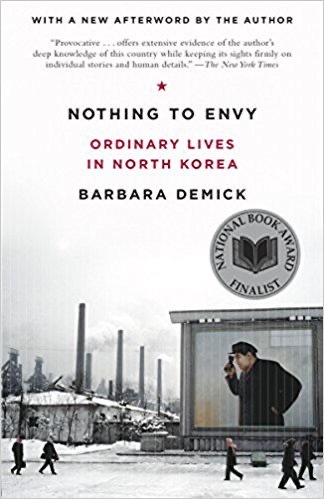 Nothing to Envy: Ordinary Lives in North Korea
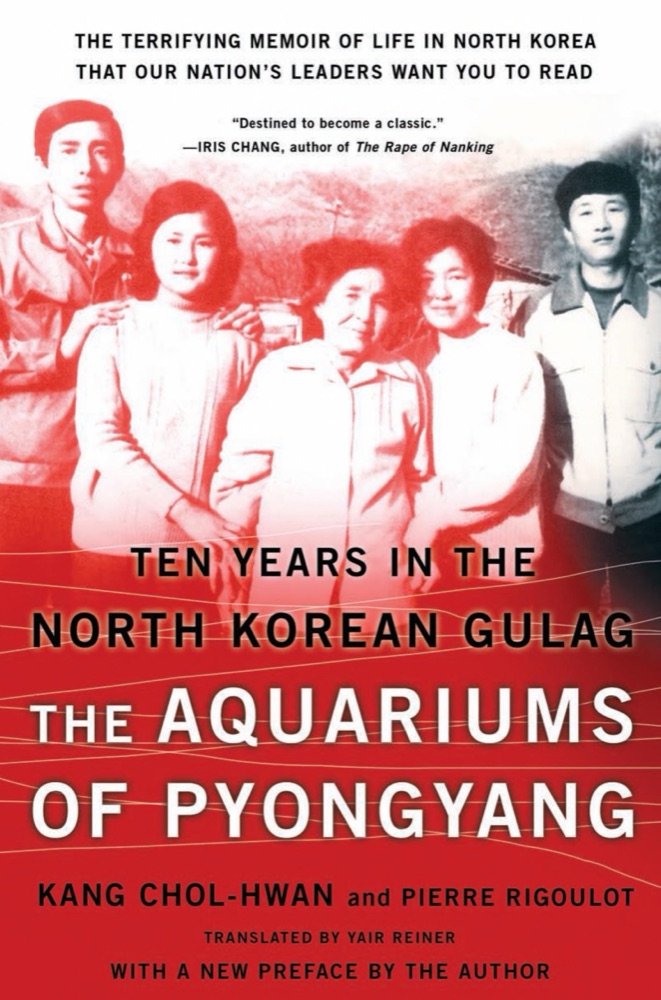 The Aquariums of Pyongyang: Ten Years in the North Korean Gulag
 Without You, There Is No Us: My Time with the Sons of North Korea's Elite
 The Gulag Archipelago 1918-1956
 Everything Flows
 Kolyma Tales
 In Order to Live: A North Korean Girl's Journey to Freedom
 Pachinko
 Stasiland: Stories from Behind the Berlin Wall
 Ghost Soldiers: The Epic Account of World War II's Greatest Rescue Mission
 The Orphan Master's Son
 Border: A Journey to the Edge of Europe
 What Strange Paradise
 Survival in Auschwitz
 Koba the Dread: Laughter and the Twenty Million
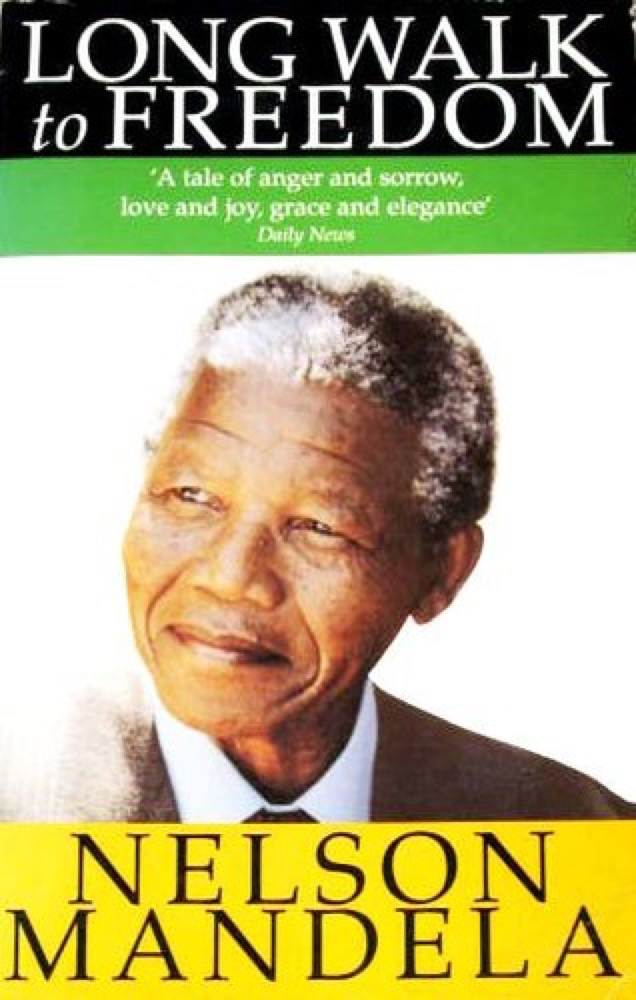 Long Walk to Freedom
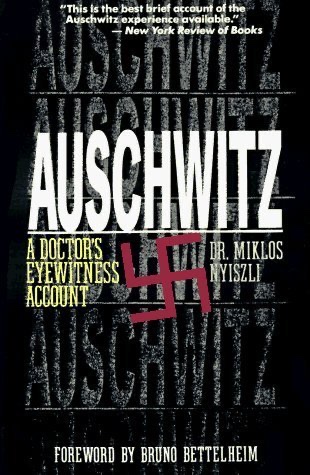 Auschwitz: A Doctor's Eyewitness Account
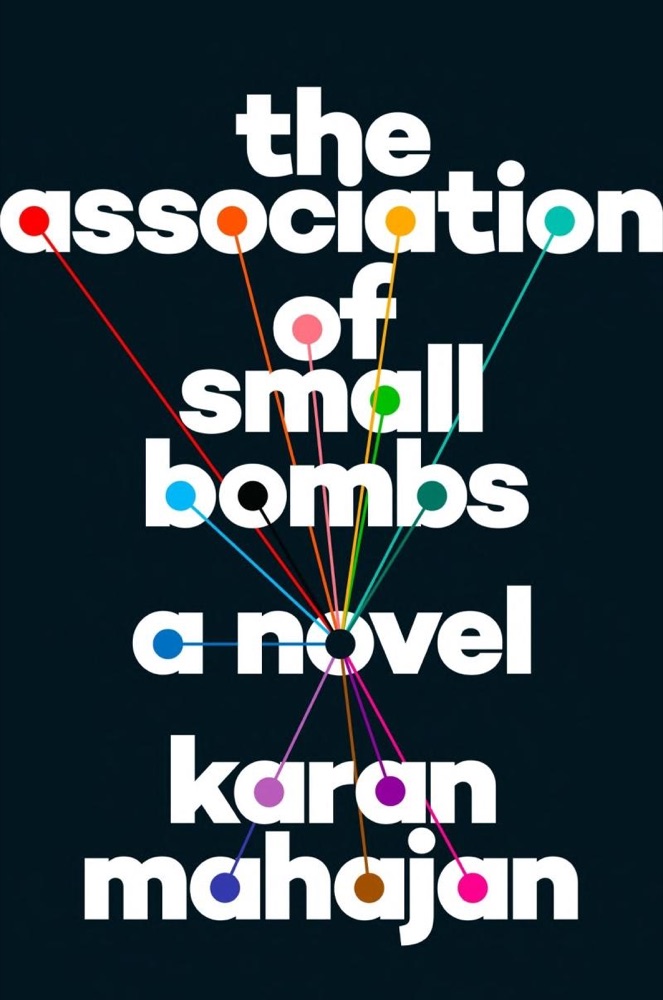 The Association of Small Bombs
 Radio Free Albemuth
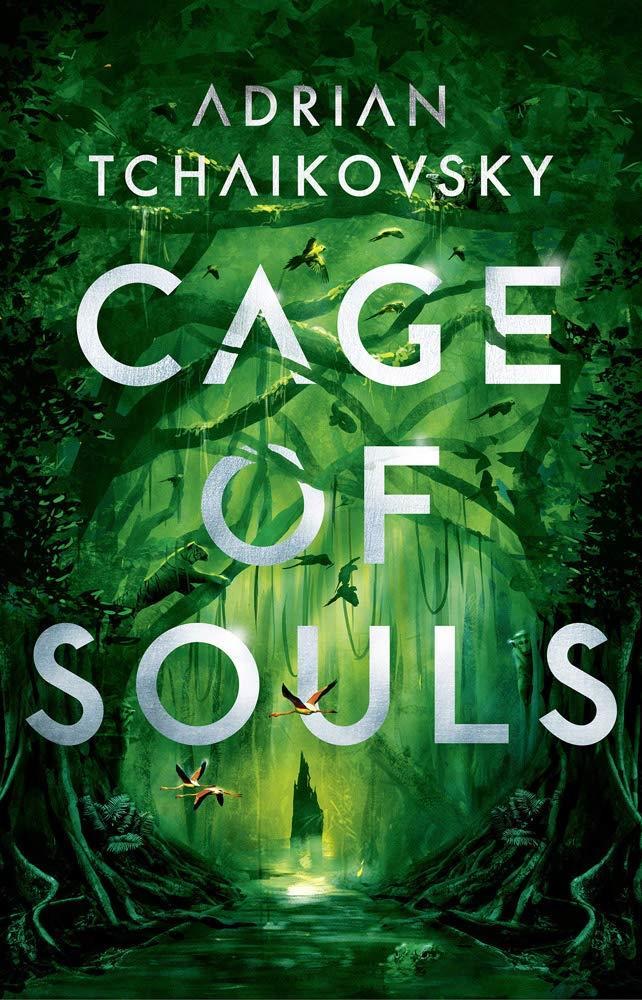 Cage of Souls
 Joseph Anton: A Memoir
 No Name in the Street
 Apt Pupil
 The Nickel Boys
 Free: A Child and a Country at the End of History
 They Called Us Enemy
 The Little Drummer Girl
 Solitary: Unbroken by Four Decades in Solitary Confinement
 American Shaolin: Flying Kicks, Buddhist Monks, and the Legend of Iron Crotch: An Odyssey in the New China
 A Better World
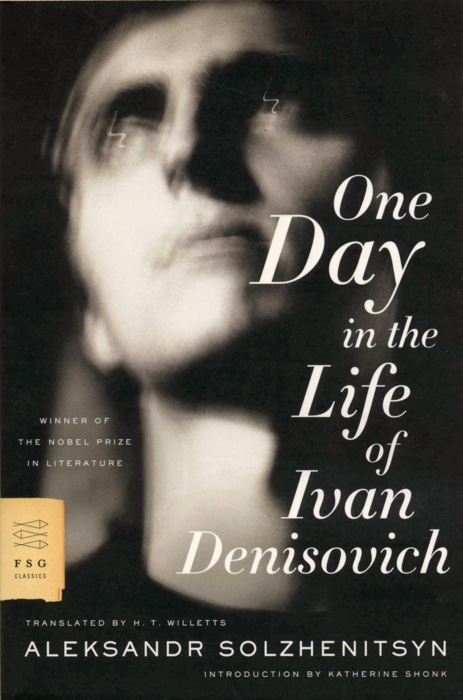 One Day in the Life of Ivan Denisovich
 Dragon Seed
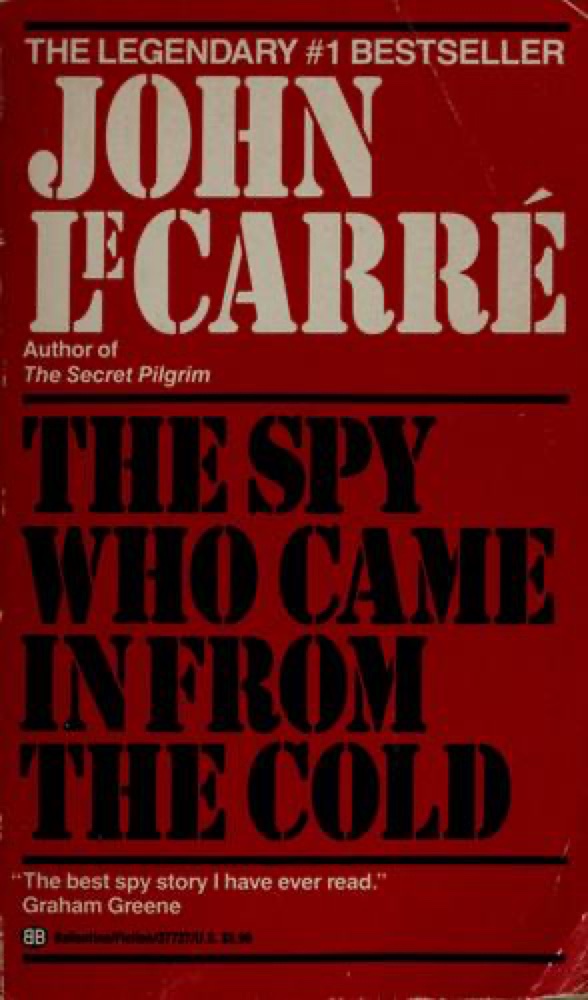 The Spy Who Came In from the Cold
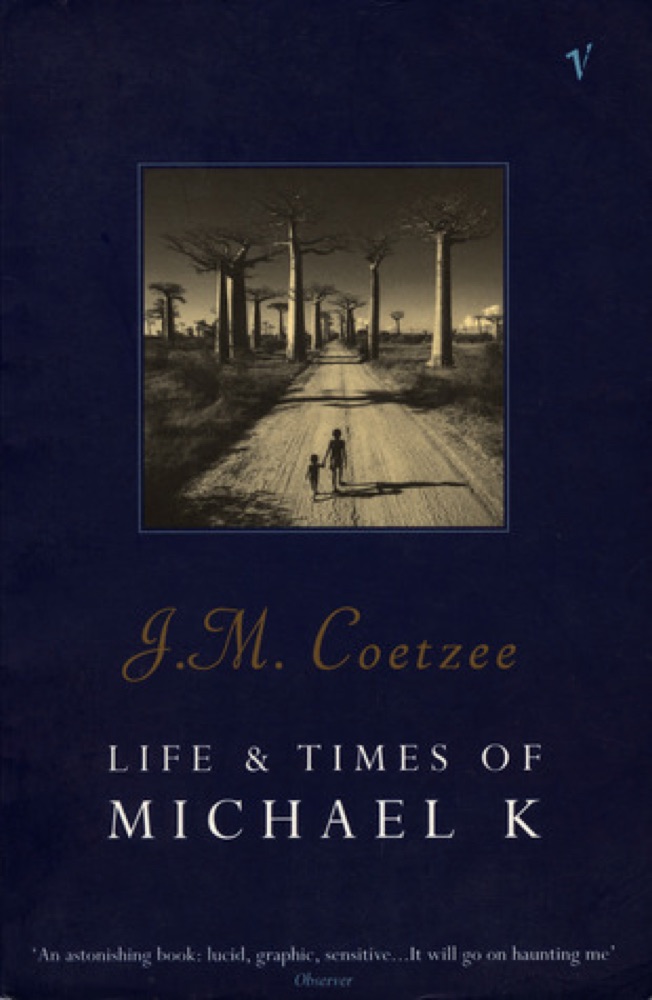 Life & Times of Michael K
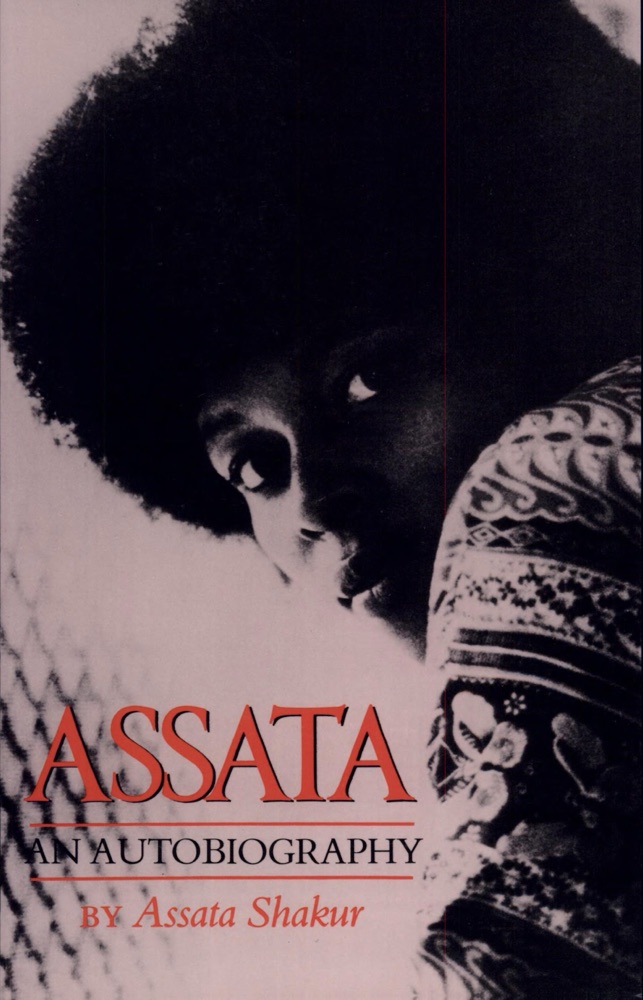 Assata: An Autobiography
 Riding the Iron Rooster: By Train Through China
 The First Circle
 Eichmann in Jerusalem: A Report on the Banality of Evil
 The Honourable Schoolboy
 Resistance, Rebellion and Death: Essays
 If This Is a Man / The Truce
 The Wasted Vigil
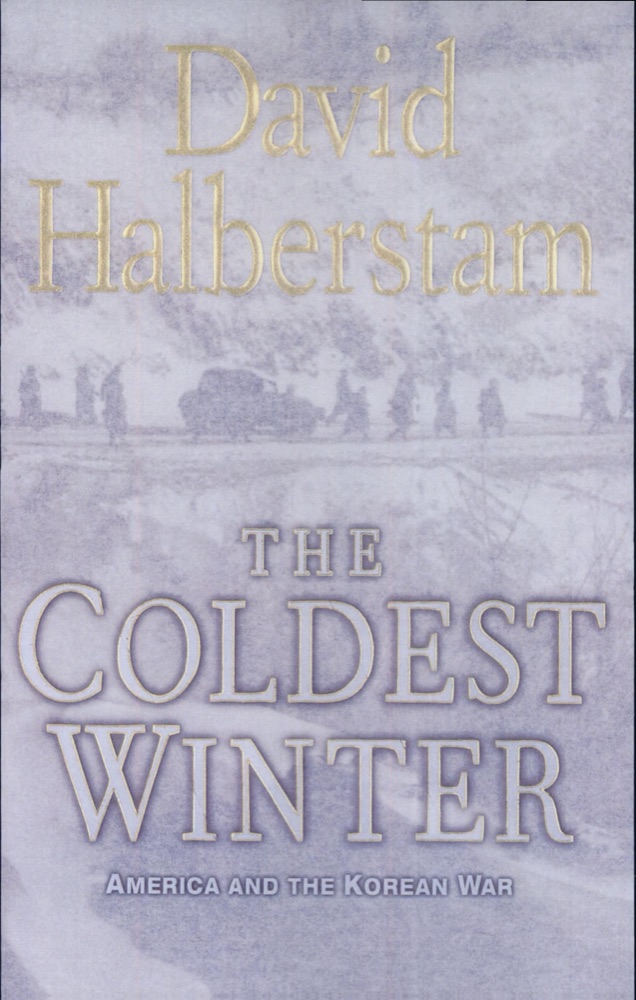 The Coldest Winter: America and the Korean War
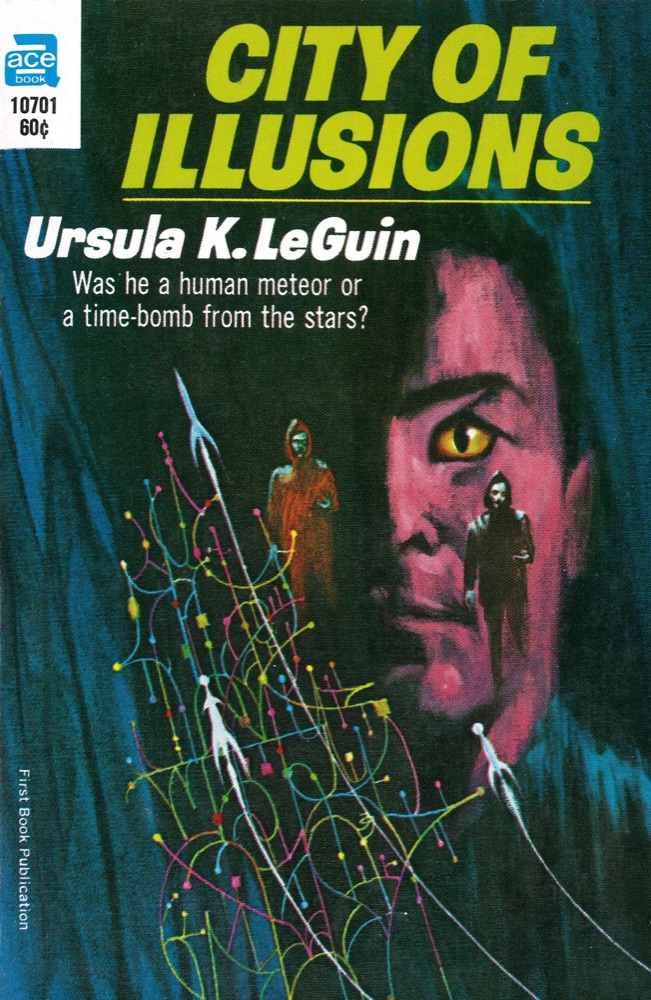 City of Illusions
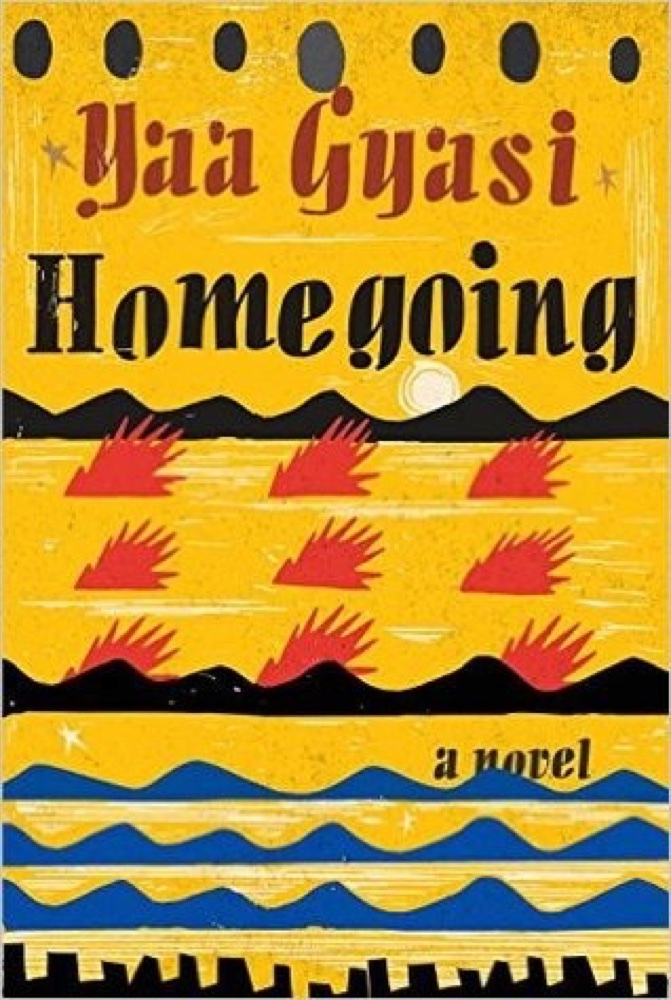 Homegoing
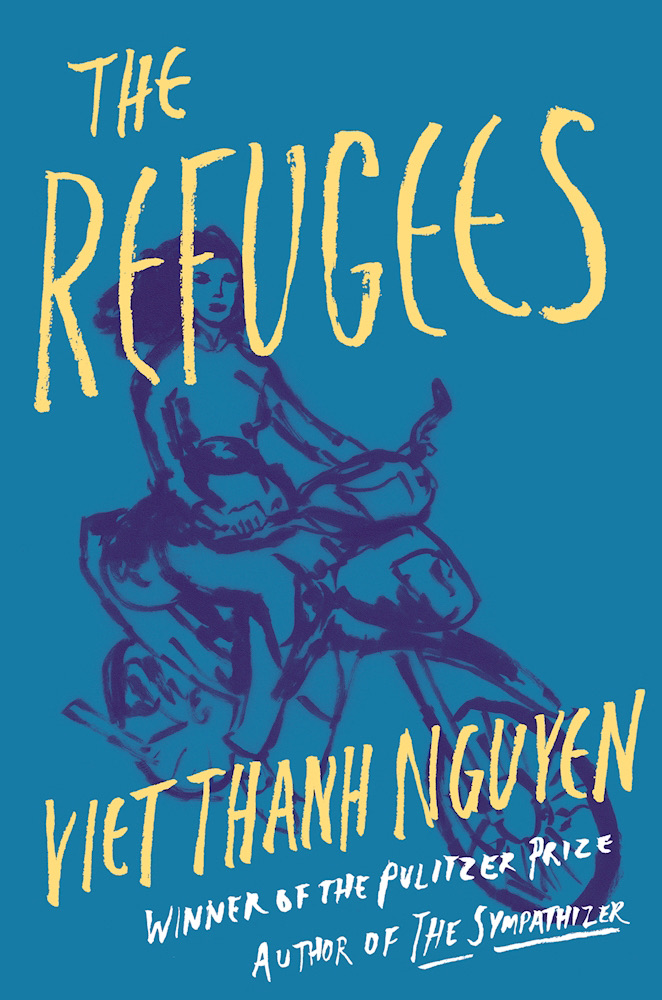 The Refugees
 Darkness at Noon
 The Hangman's Replacement: Sprout of Disruption
 Facing the Mountain: A True Story of Japanese American Heroes in World War II
 Revenant Gun
 Transition
 The Son
 Catch-22
 Red Dust: A Path Through China
 The House of the Dead
 Powers
 Evil Games
 The Blind Man's Garden
 The Wars