
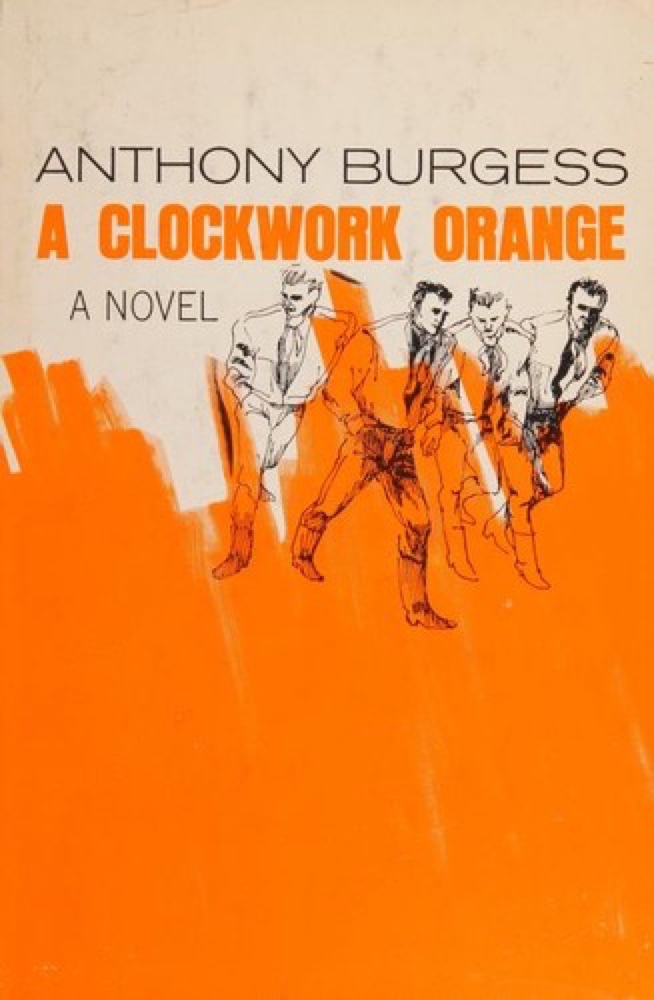
 A Clockwork Orange
Quotes from the Book
In a story you had to find a reason, but real life gets on very well without even Freudian motivations.
Look, I don't see why bad artists - I mean artists who are obviously incompetent... - why they should be presented hypocritically as good artists just because they're supposed to be advancing the frontiers of freedom of expression or... ...demonstrating that there should be no limit on subject matter.
There is only one kind of immorality in fiction, and that is when you write badly.
People don't want to know. They have to be made to know. Whether they act on what they know is up to them. But they have to know.
I was very lighthearted. This often the way when the abandonment of personal responsibility is enforced: neither wronged innocence or just guilt can seriously impair the sensation of freedom one has.
I can't accept that a work of fiction should be either immoral or moral. It should merely show the world as it is and have no moral bias.
I must give up seeing people, I told myself.
Have you by chance brought some real British tea? Twining’s? Or from Jackson’s in Piccadilly?
Put it off for a bit. All life is putting off. Well, not entirely.
But don’t think that it’s a system or a culture or a state or a person that does the letting down. It’s our expectations that let us down. It begins in the warmth of the womb and the discovery that it’s cold outside. But it’s not the cold’s fault that it’s cold.
In other words, I heard life going on, and it was a comfort.
Man does not ask for nightmares, he does not ask to be bad. He does not will his own willfulness.
It is for the reader to see in the book the nature of the motives of human actions and perhaps learn something too of the motives behind the social forces which judge those actions and which, I take it, we call a system of morality.
The danger of memory is that it can turn anyone into a prophet.
...I expected a gift, you know, something nice and useless...
The religious impulse can be very dangerous. It damages, sometimes permanently.
Watch on YouTube
About Anthony Burgess
We have collected 58 quotes from 3 books by Anthony Burgess on BookQuoters.
More about the author →More by Anthony Burgess
A Clockwork Orange
 The Wanting Seed
Book details
- Author
- Anthony Burgess
- Genre
- Classics
- Goodreads rating
- 4.13 (3k ratings) →
Keep reading
 The Adventures of Augie March
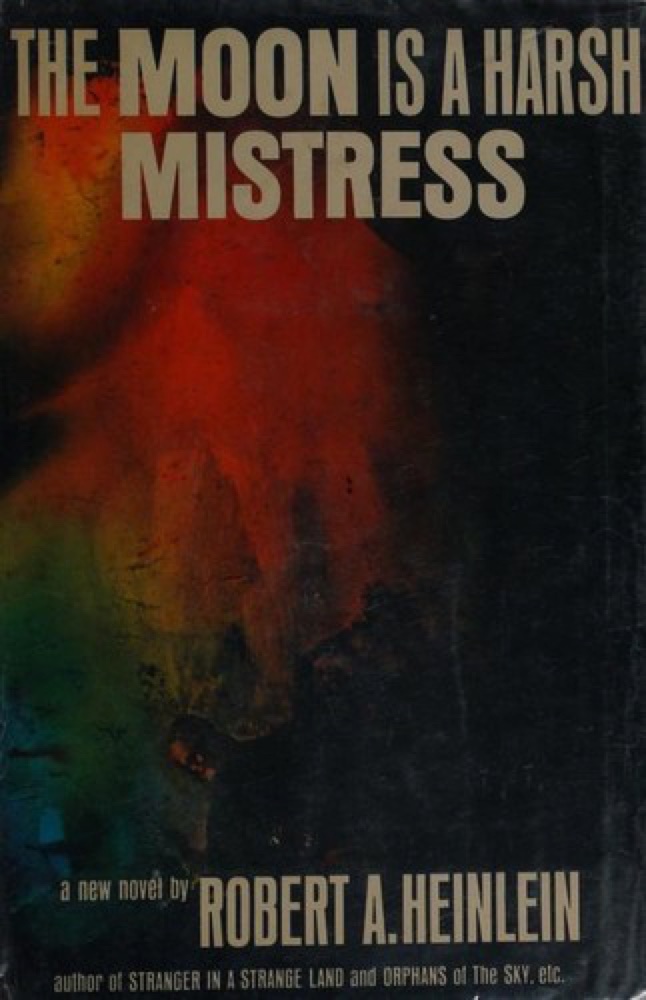 The Moon is a Harsh Mistress
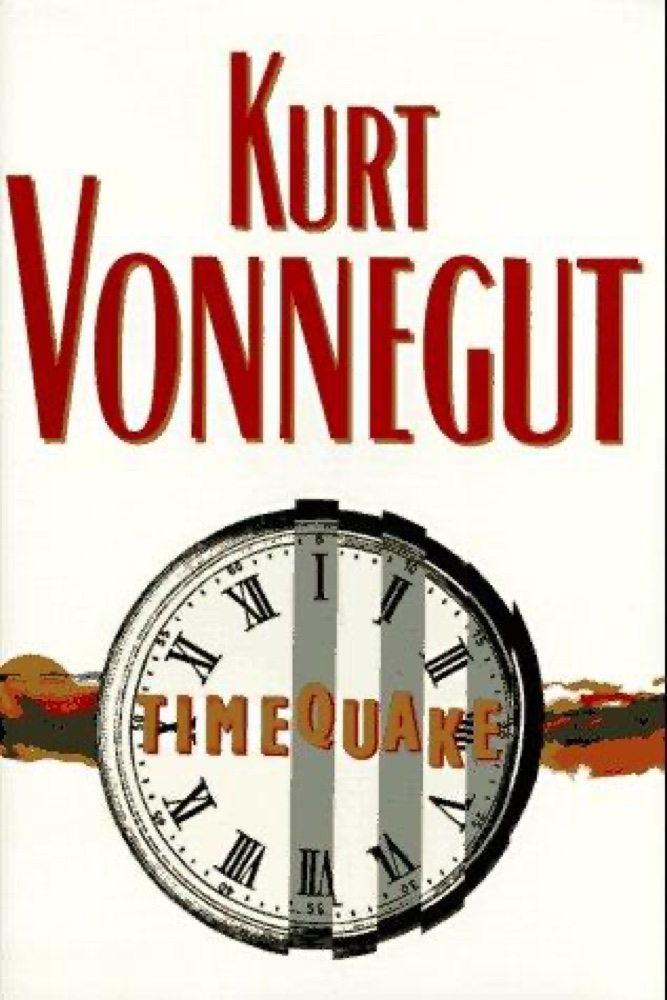 Timequake
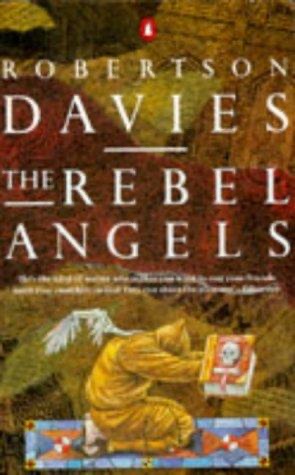 The Rebel Angels
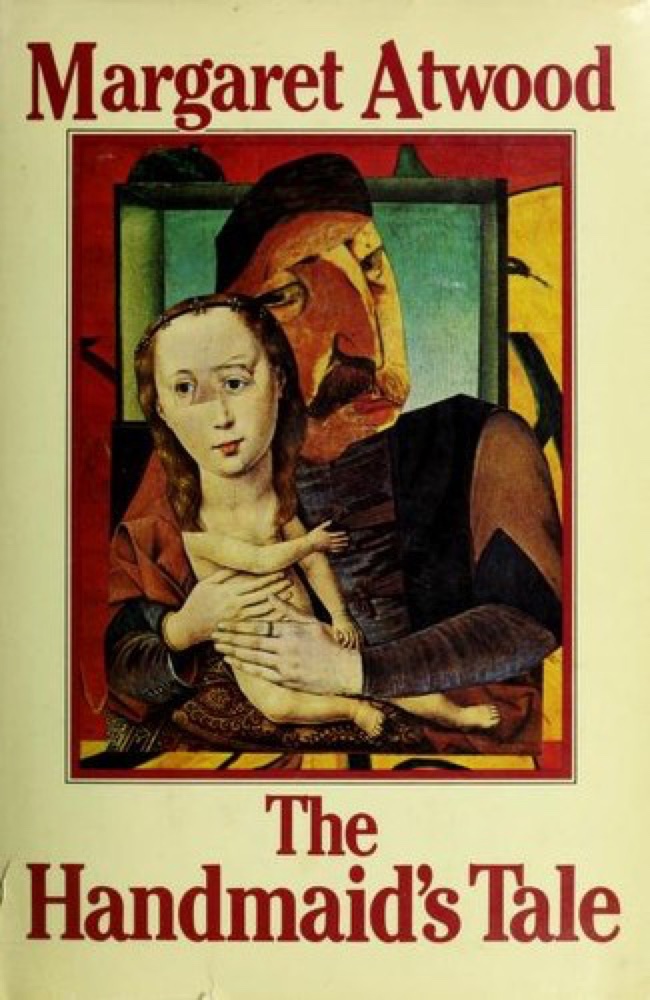 The Handmaid's Tale
 The Magic Mountain
 Stranger in a Strange Land
 Ancillary Justice
 Mostly Harmless
 The Eyre Affair
 A Madness of Angels
 Odd Hours
 Point Counter Point
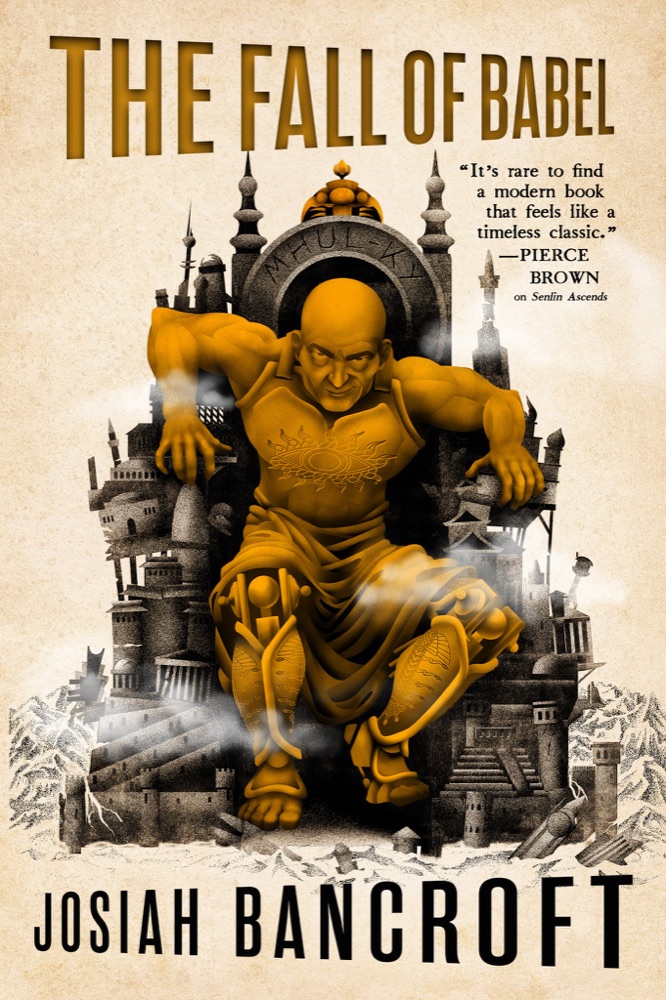 The Fall of Babel
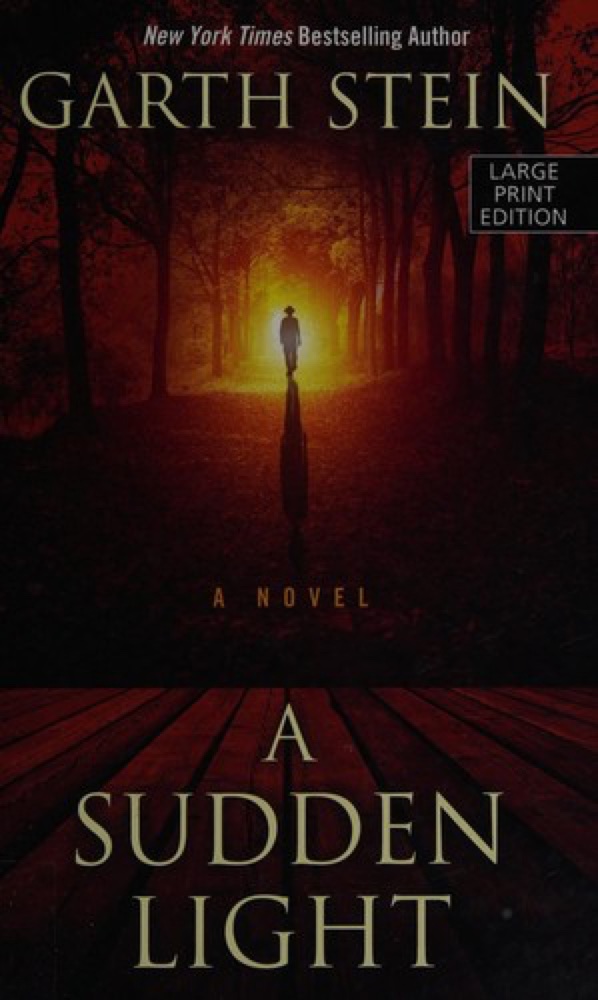 A Sudden Light
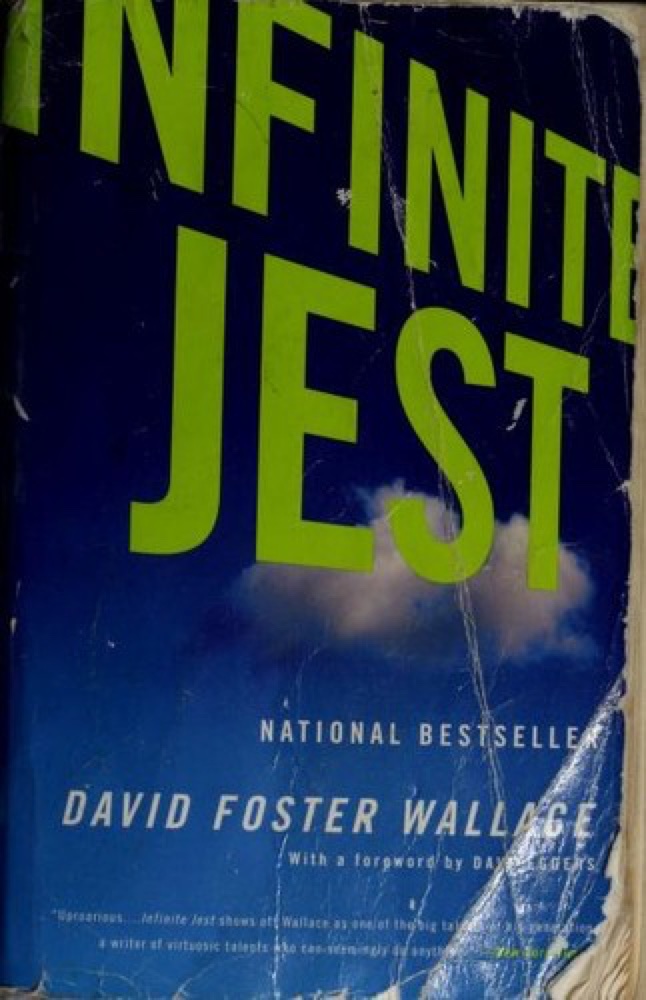 Infinite Jest
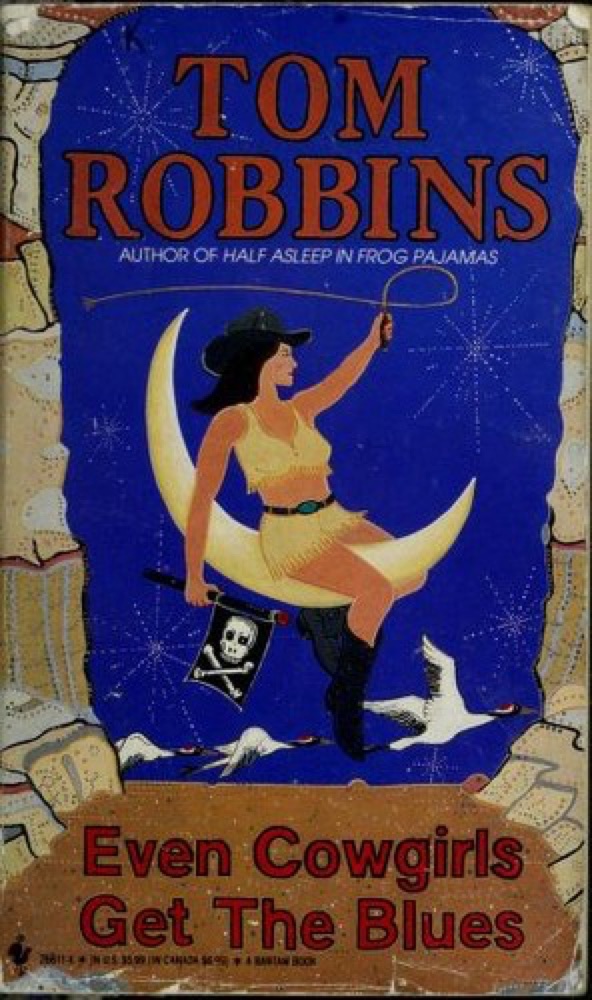 Even Cowgirls Get the Blues
 The Picture of Dorian Gray
 Brave New World
 Open City
 Hard-Boiled Wonderland and the End of the World
 Odd Thomas
 The Winter of Our Discontent
 The Sea, the Sea
 Adventures of Huckleberry Finn
 By Nightfall
 No Time To Spare: Thinking About What Matters
 Gaudy Night
 The Jewel in the Crown
 An Instance of the Fingerpost
 Humboldt's Gift
 Cat's Cradle
 The Razor's Edge
 The Stand
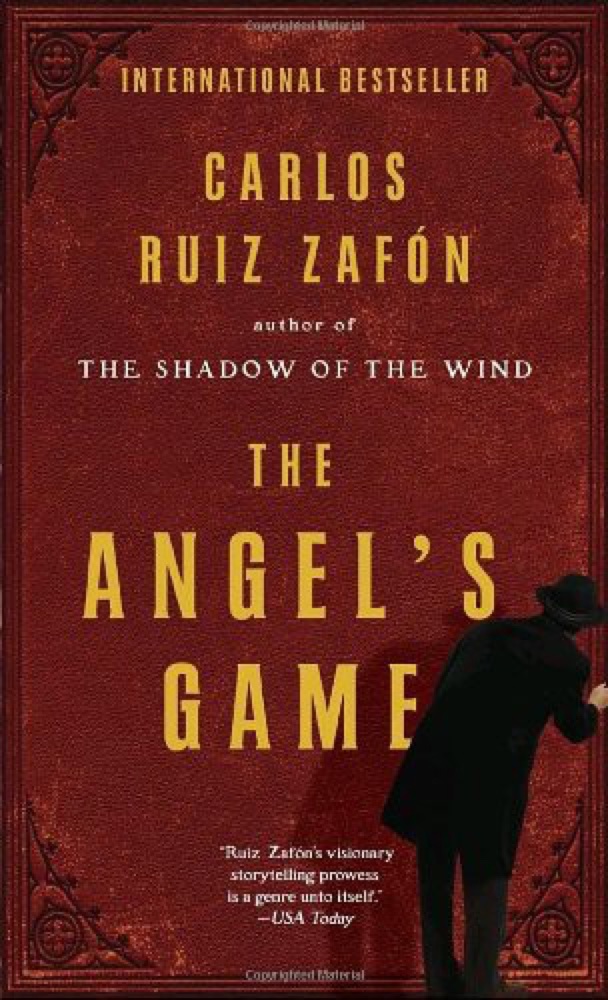 The Angel's Game
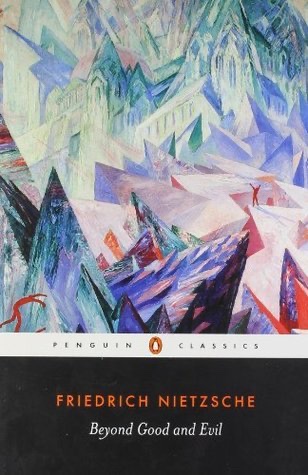 Beyond Good and Evil
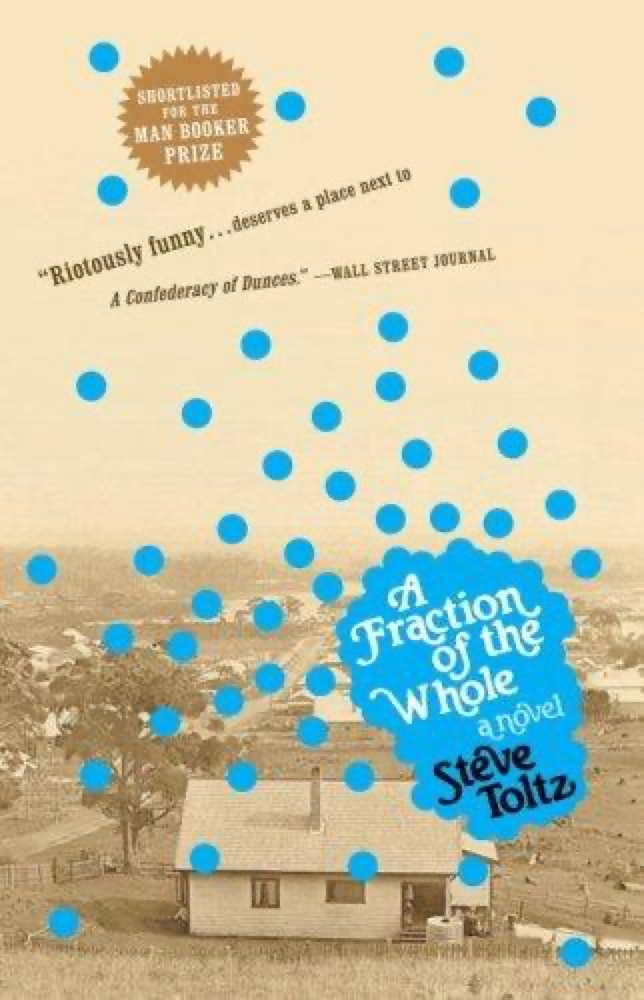 A Fraction of the Whole
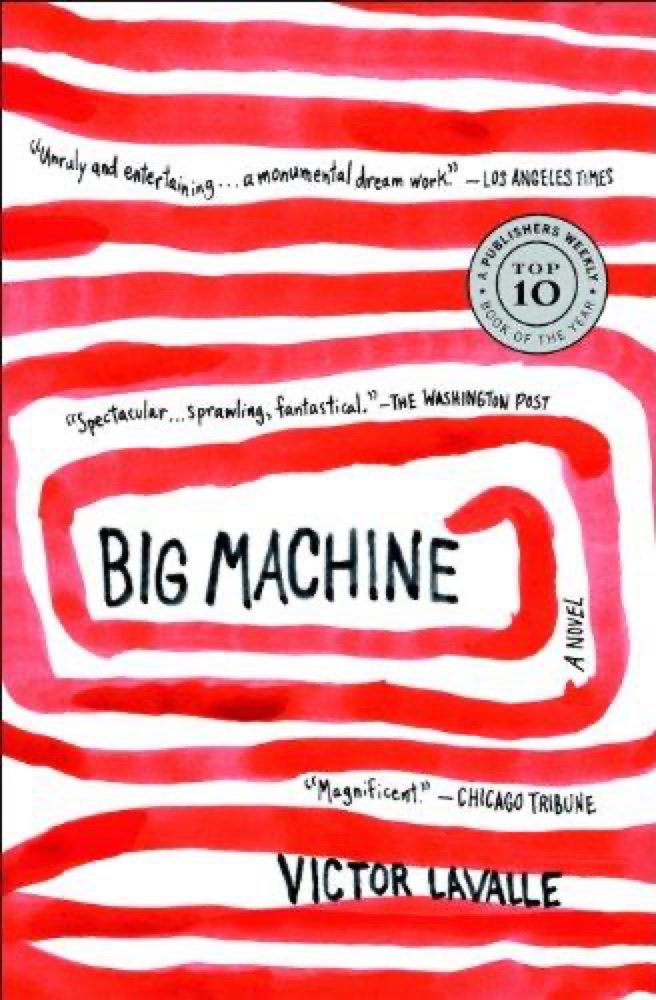 Big Machine
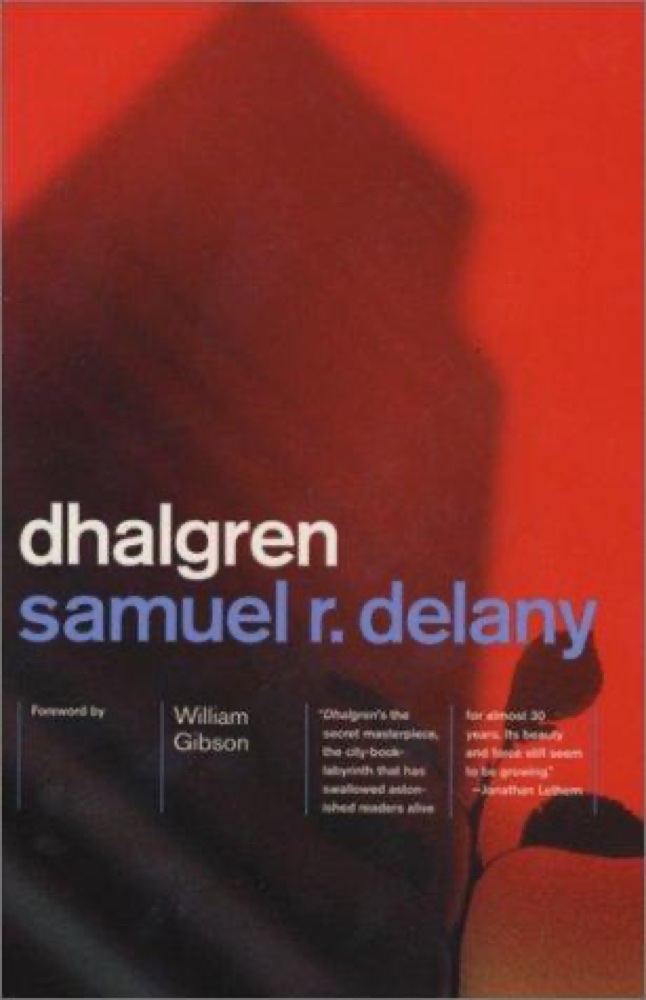 Dhalgren
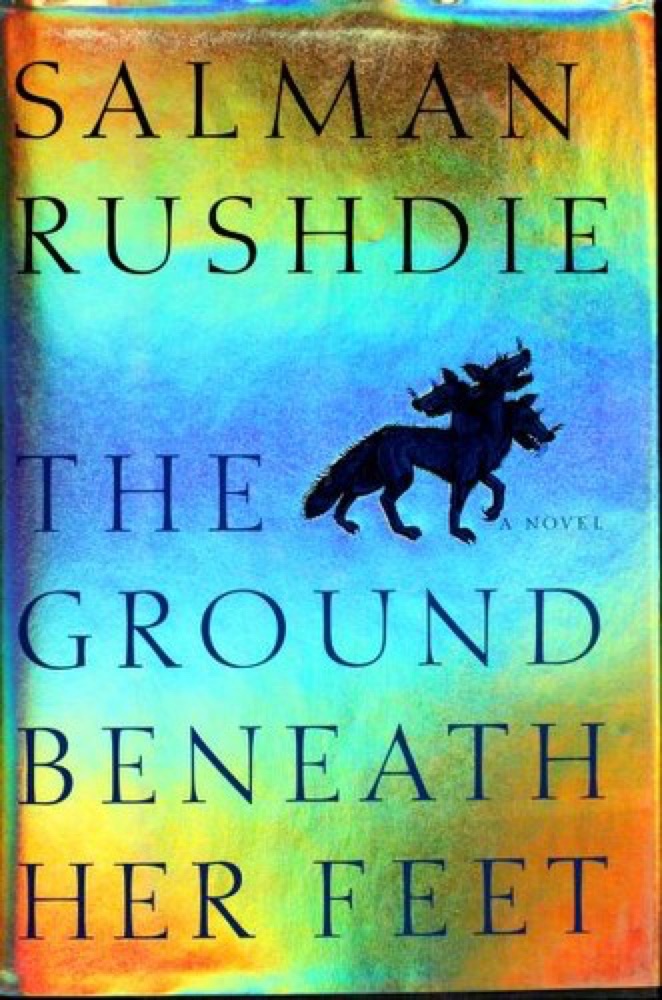 The Ground Beneath Her Feet
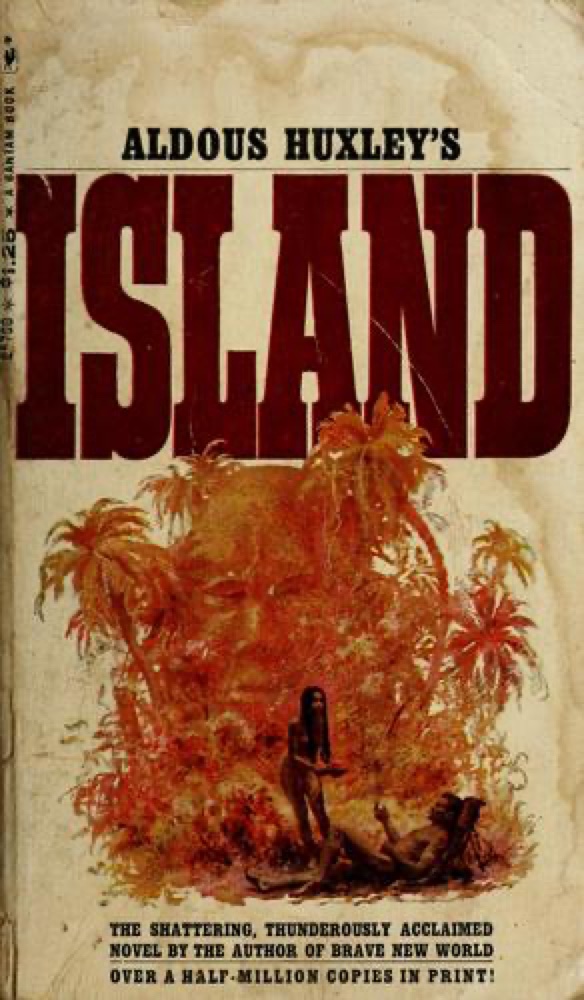 Island
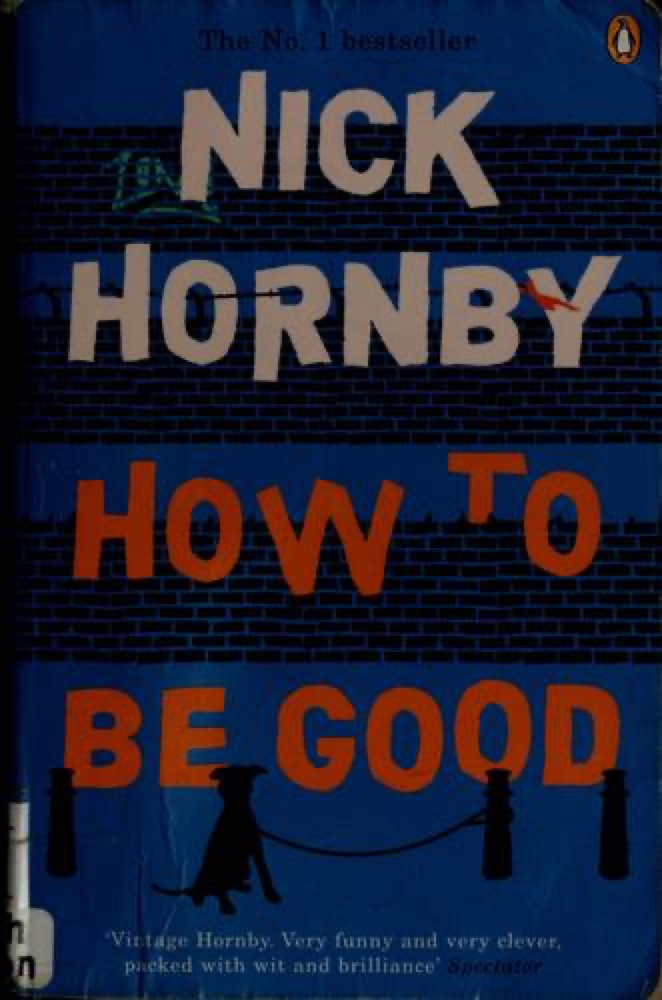 How to Be Good
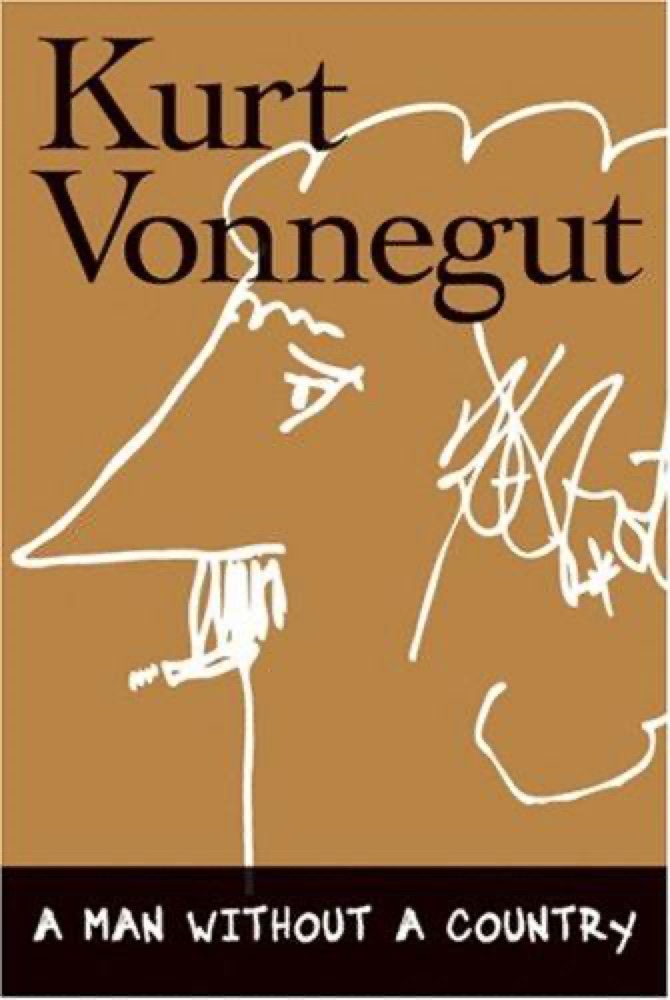 A Man Without a Country
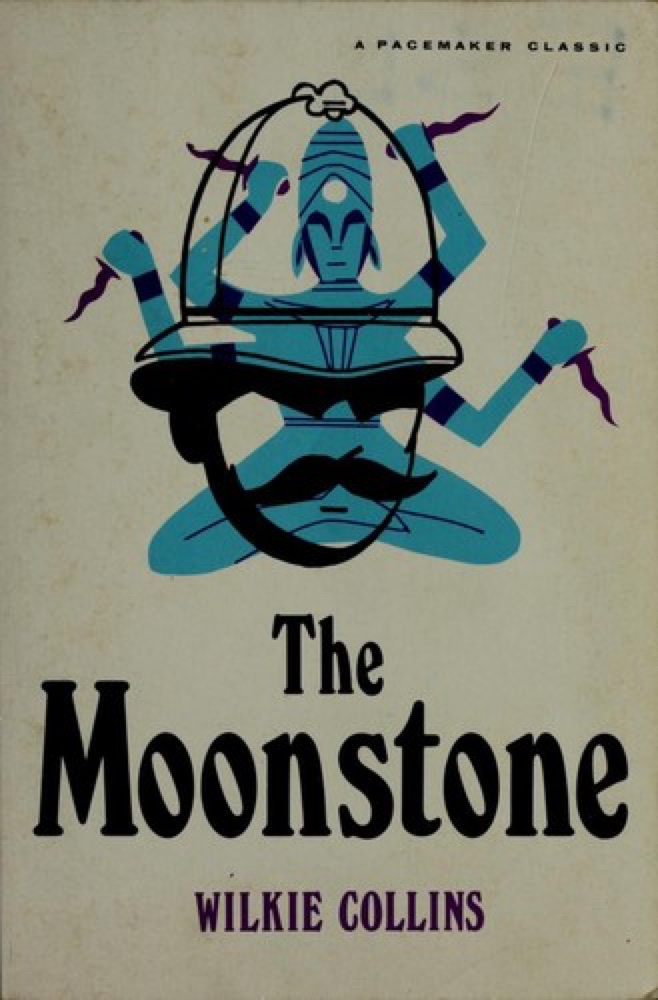 The Moonstone
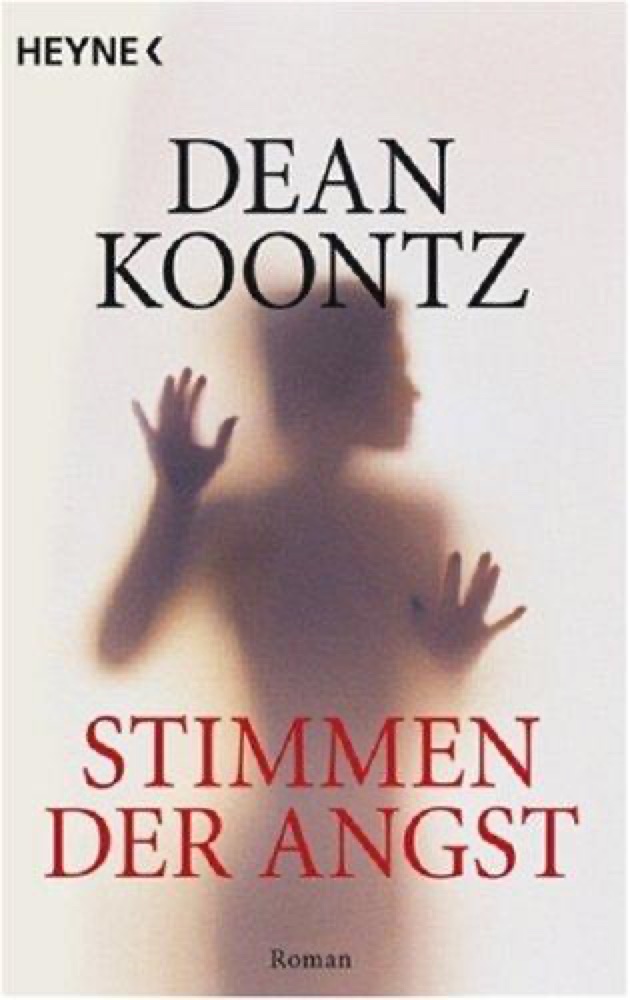 False Memory
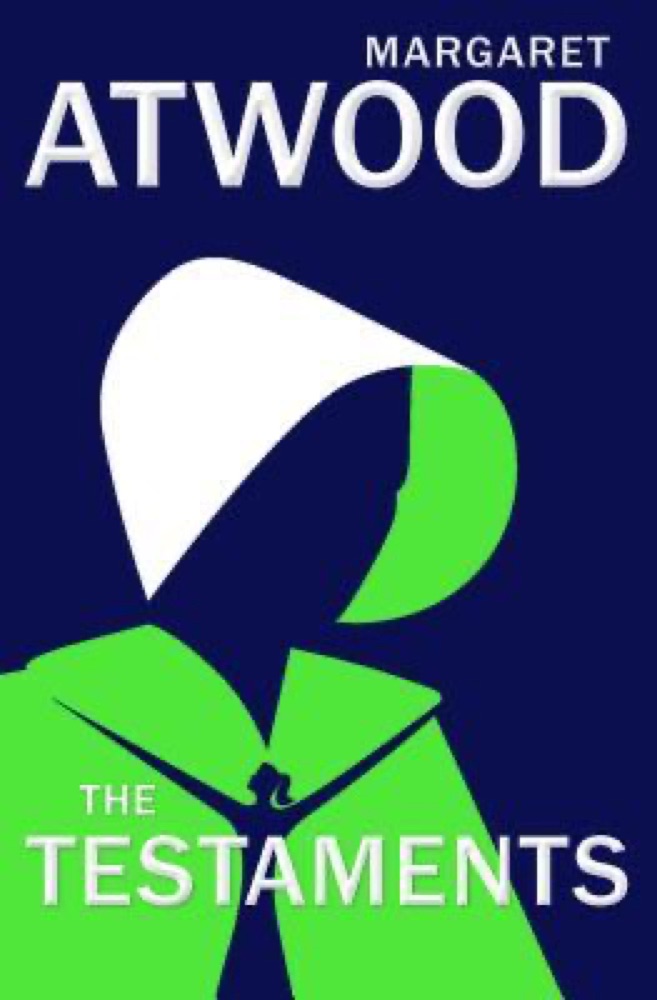 The Testaments
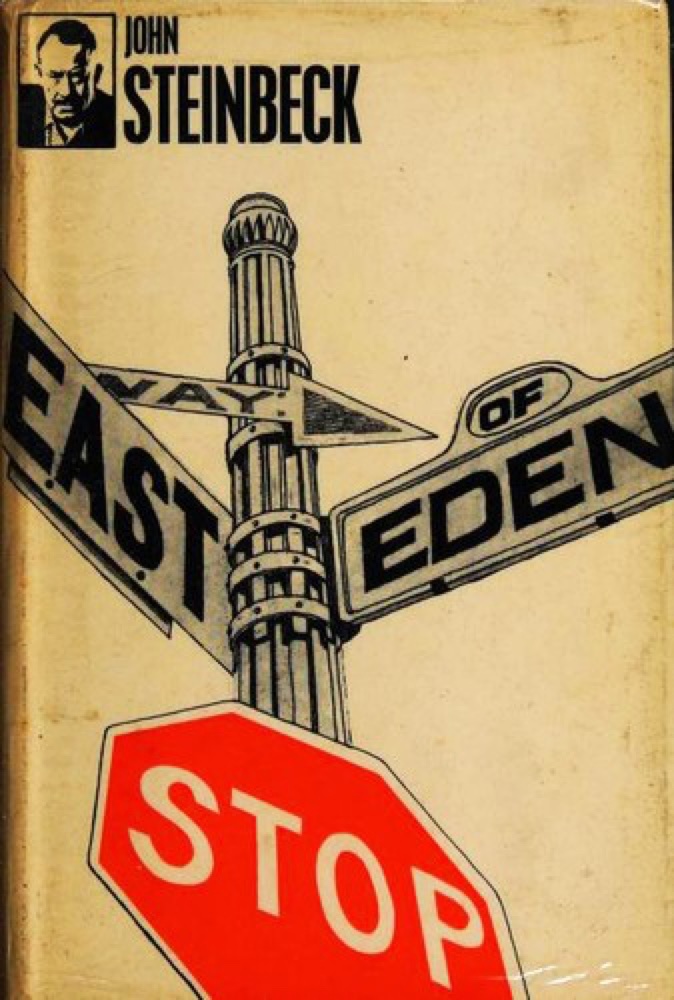 East of Eden
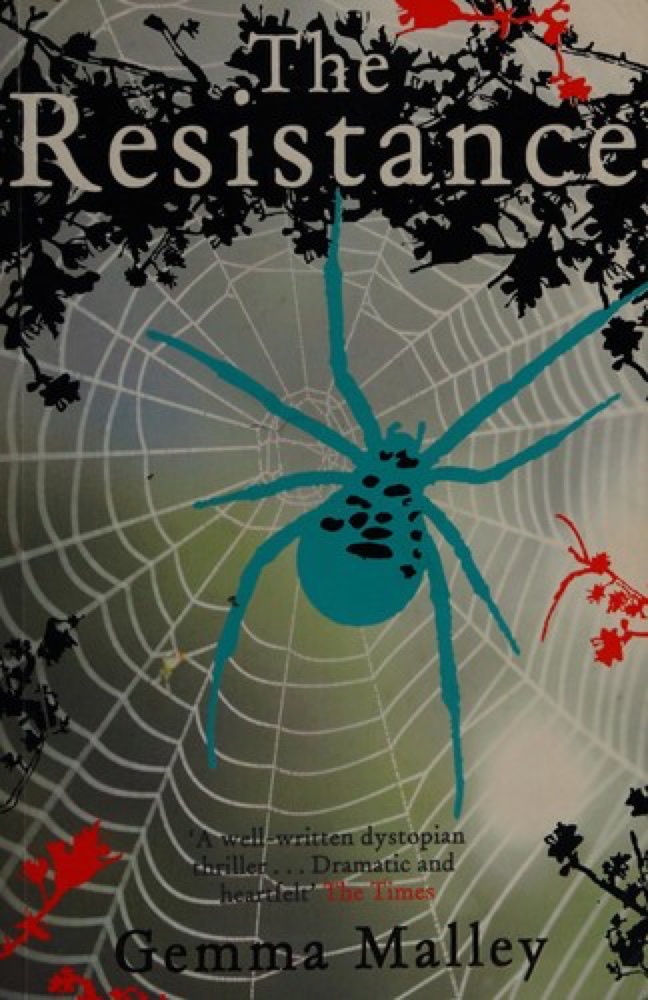 The Resistance
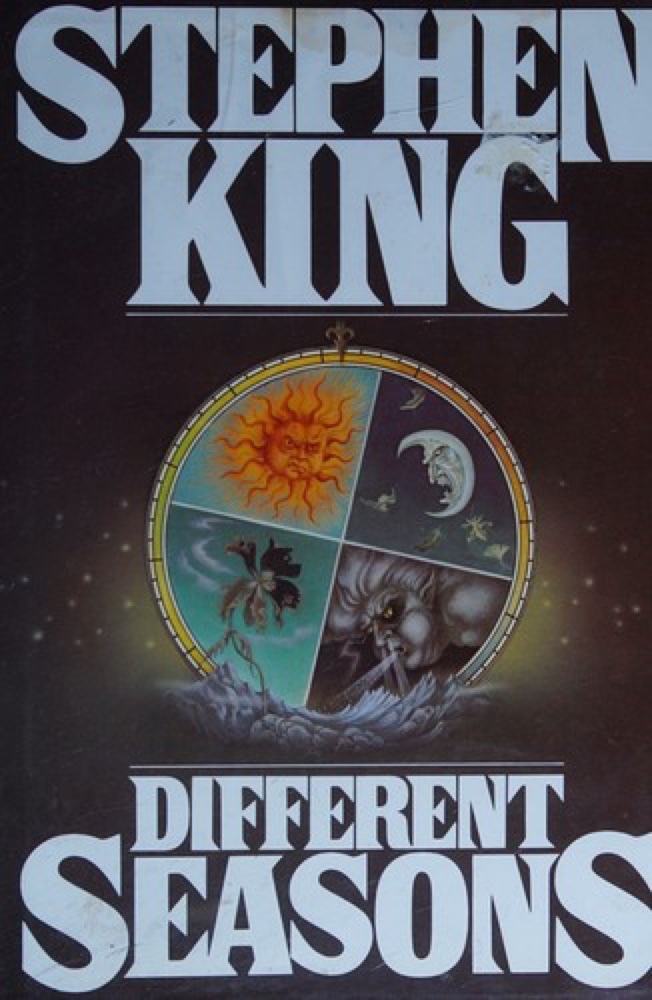 Different Seasons
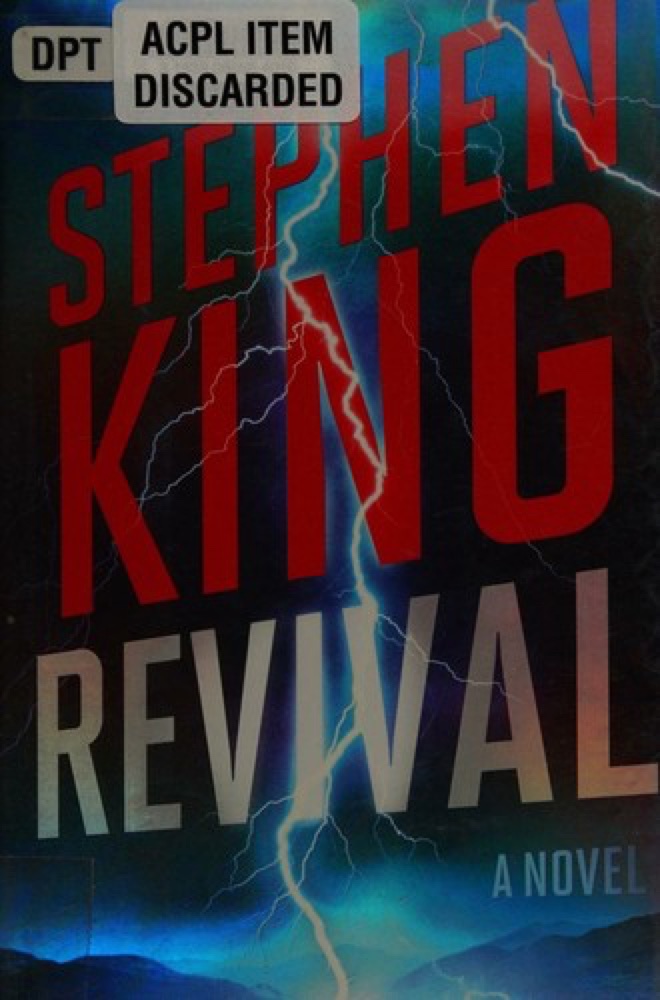 Revival
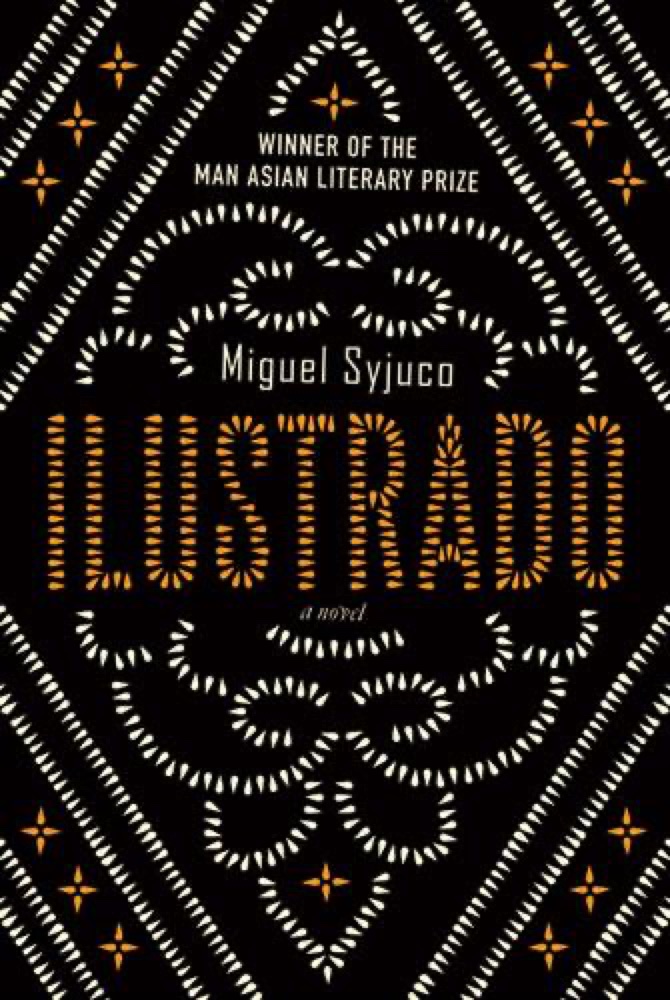 Ilustrado
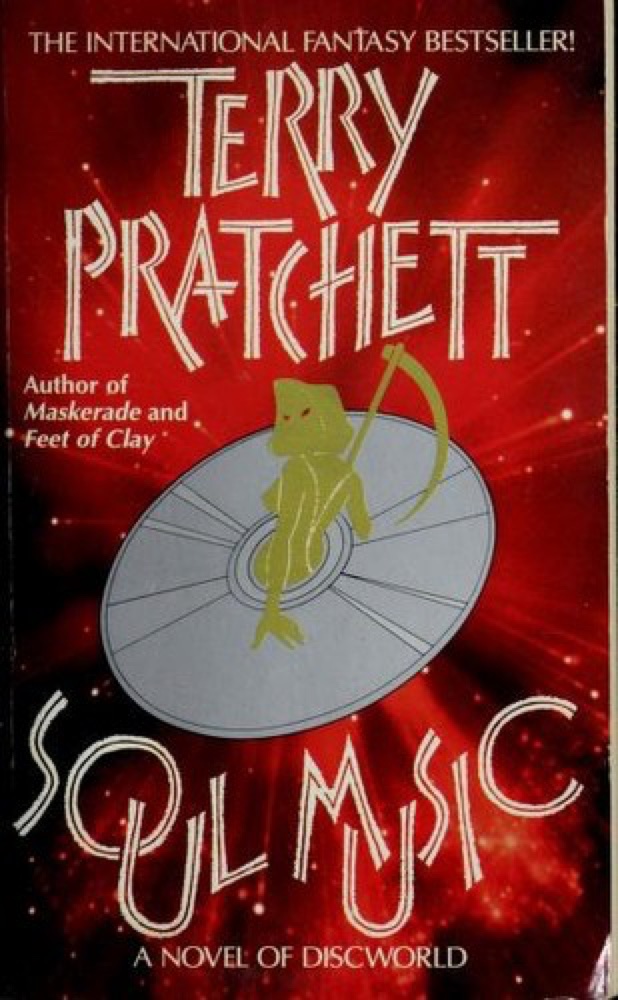 Soul Music
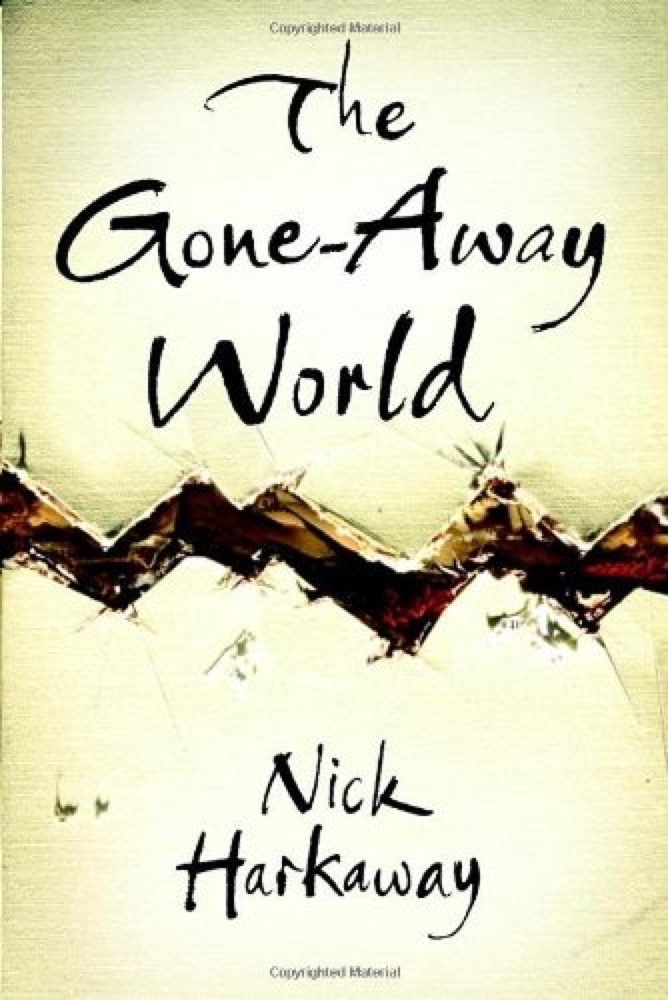 The Gone-Away World
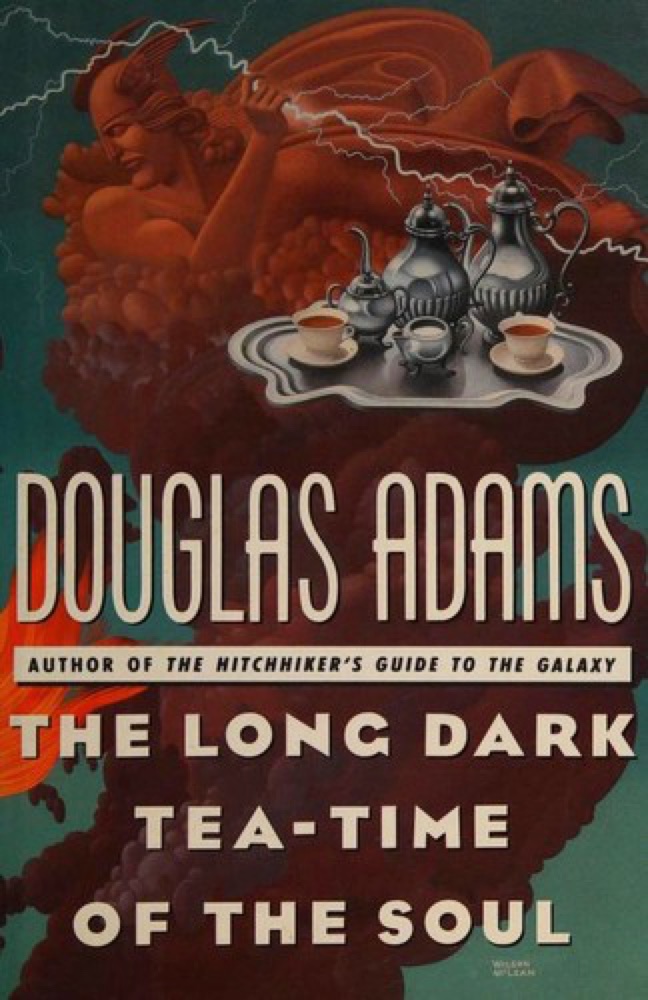 The Long Dark Tea-Time of the Soul
 The State of the Art
 Cuckold
 Everyone Burns
 The Quiet American
 The Man in the High Castle
 My Booky Wook