
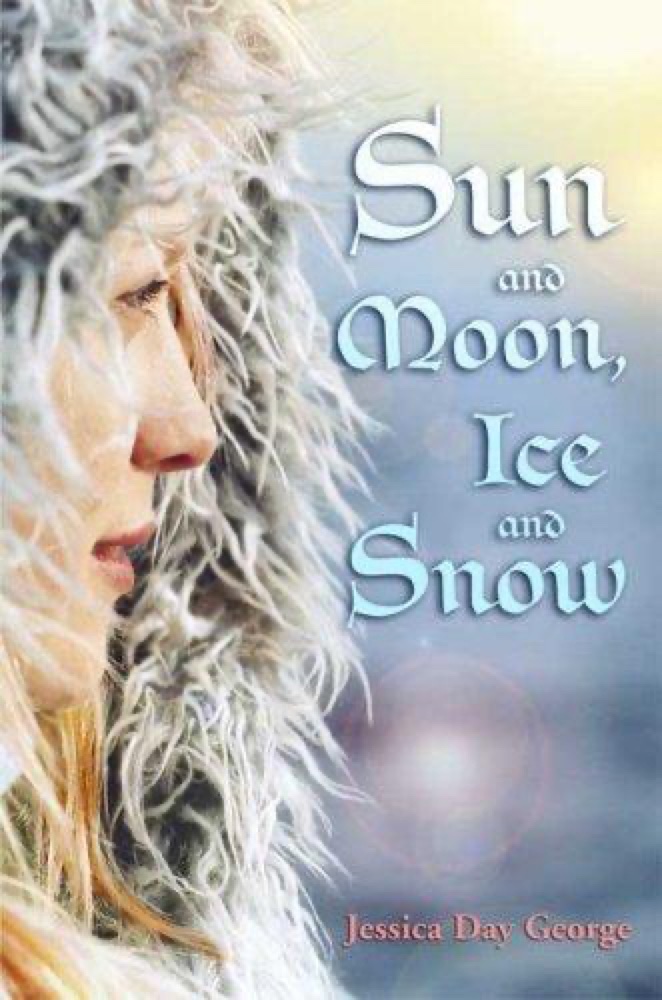
 Sun and Moon, Ice and Snow
Quotes from the Book
But I really would love to give her a very special gift. I was hoping if I did, she might give me a kiss in return, instead of the brotherly hugs I always get instead.
Earnest young knights are my favorite. I love the looks on their faces when they realize that they're being slow-cooked in their own armor.
It looks as though your shop is doing well,” Luka said, gazing around. “Could you help me find a gift for a lady friend of mine?” My heart plunged to my green satin slippers, and I had to stare down at Azarte for a minute, petting him hard. Naturally Luka had a “lady friend.” She was probably nobly born: the daughter of a count or a duke. I imagined her having thick dark hair and clear skin, and was bitterly jealous. “Of c-course,” I stammered after a time. “What would she like? A gown? A sash?” If she came in for a fitting, I decided to “accidentally” poke her with every pin. “Hmm, well, she is wearing a lovely gown today,” he said. “Although no sash.” So. He’d already seen her today, and it was not yet noon. I rubbed Azarte’s ears furiously. “What color is her gown?” “It’s sort of green, with more green, and the design looks like stained glass windows,” he said. “It’s very beautiful, like her.” I stopped petting the dog and looked up at him, not sure what I was hearing. “Oh?” My heart thumped painfully. “Yes, so perhaps she doesn’t need a sash after all. No sense gilding the lily.” He gave a melancholy sigh. “But I really would love to give her a very special gift. I was hoping if I did, she might give me a kiss in return, instead of the brotherly hugs I always get instead.” I raised my eyebrows, trying for casual interest even though I could feel my pulse beating in the blood rushing to my cheeks. “I know!” Luka snapped his fingers. “Forget a sash. I’ll give her this!” And with a flourish, he pulled a roll of parchment from his belt pouch. More confused than ever, I unrolled the paper and read. It was a letter from a priest in the Southern Counties, addressed to King Caxel. In it the priest begged for a grant of money. They had recently built a large chapel, the finest that had ever been dedicated to the Triune Gods in that region, and it had only been completed the year before. “But we do need another grant from the crown,” the priest wrote. “For a most heinous act of vandalism has taken place. Our rose-glass window, which illuminates the Triple Altar in glorious colors pleasing to the gods, has been stolen. It was removed from its frame the night before last, and not a pane of it can be found.” “Shardas?” I looked up at Luka with my eyes brimming. “Shardas!” “I have a pair of horses waiting outside,” Luka said. “We can be at Feniul’s cave by nightfall.” I threw my arms around him again, and this time I gave him the kiss he’d been waiting for.
Why should anyone be rewarded for defeating a dragon by being saddled with a dowryless, freckled wife and well over a dozen daft and impoverished in-laws? No
It was almost exactly like the caves to the east where my girl cousins met their swains to canoodle.
Watch on YouTube
About Jessica Day George
We have collected 56 quotes from 5 books by Jessica Day George on BookQuoters.
More about the author →More by Jessica Day George
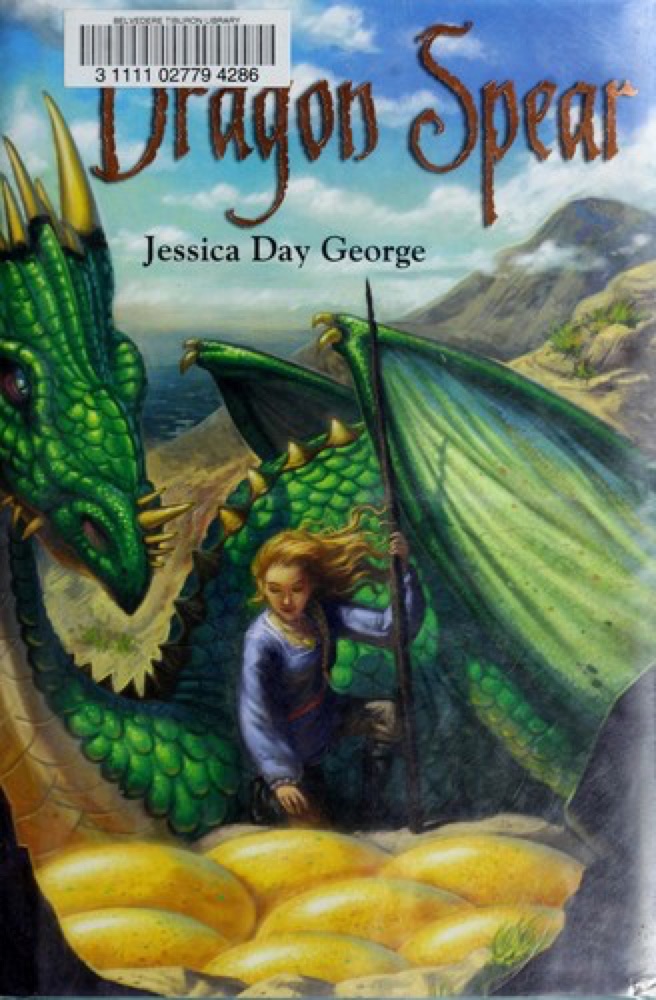
Book details
- Author
- Jessica Day George
- Genre
- Fantasy
- Goodreads rating
- 4.26 (30k ratings) →
Keep reading
 One Good Knight
 Trickster's Choice
 Light My Fire
 Kiss of the Highlander
 Night Play
 Dark Bites
 Searching for Dragons
 Bleeding Hearts
 Shadow Heir
 Seduced by Moonlight
 Eight Cousins
 Pleasure of a Dark Prince
 Graceling
 Dragonswan
 Lady of Light and Shadows
 Spelled
 A Quick Bite
 Dreams Made Flesh
 The Throne of Fire
 The Inventor's Secret
 Romancing the Duke
 My Protector
 Stealing Phoenix
 Royally Matched
 Blood Feud
 Talon
Talon
 Royal Magic
 Winter
 Attraction
 My Guardian
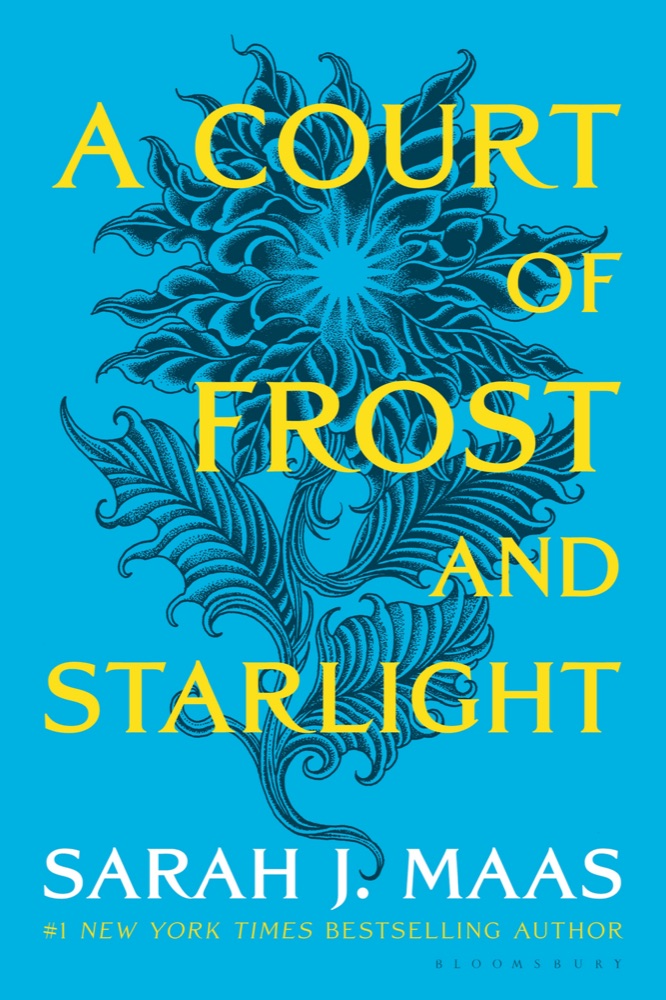 A Court of Frost and Starlight
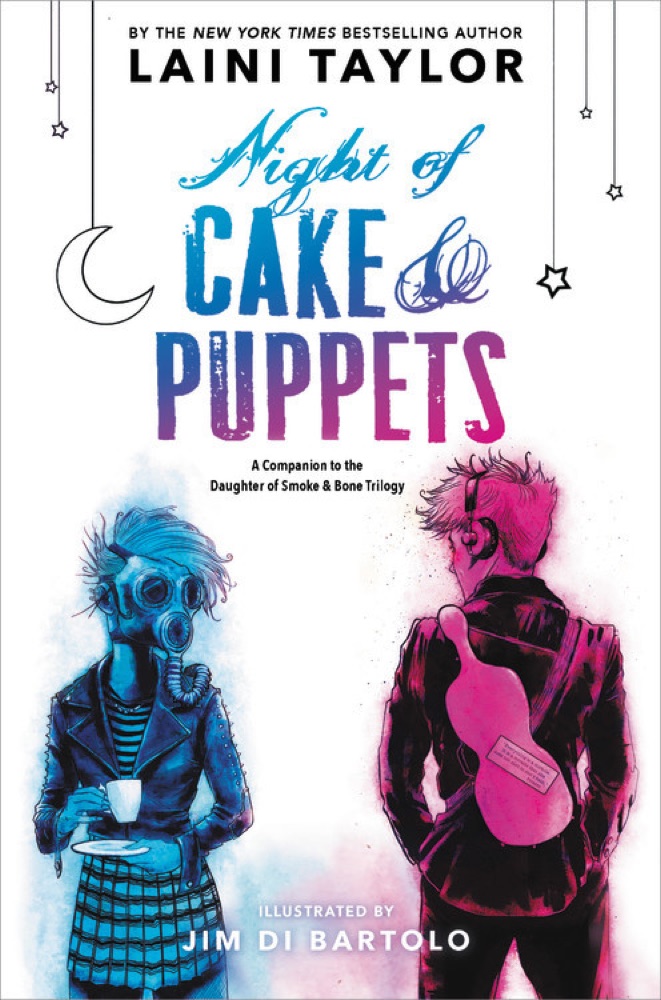 Night of Cake & Puppets
 To Tame a Highland Warrior
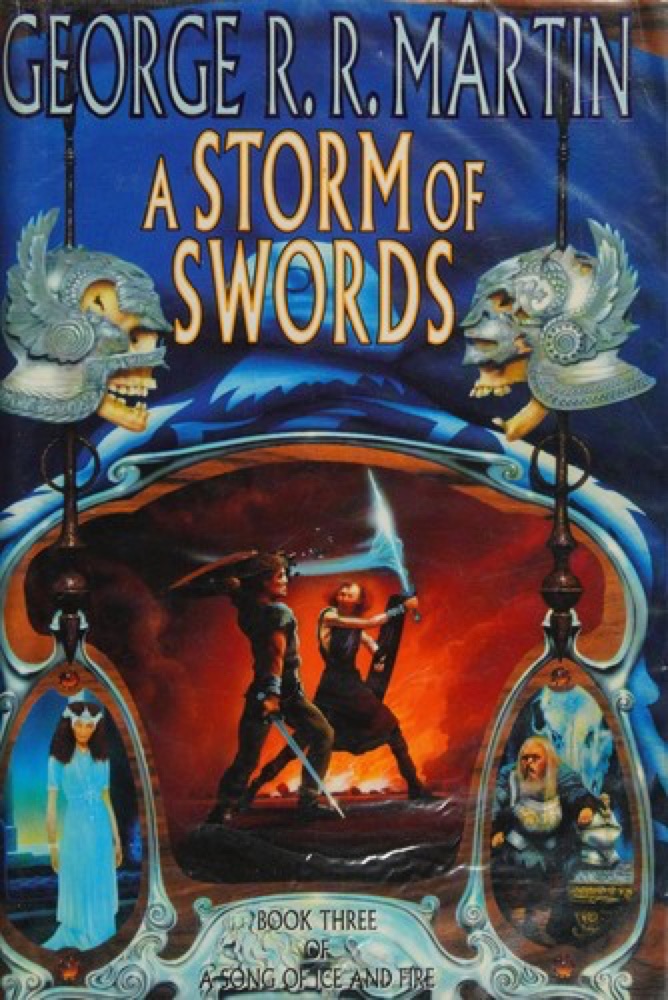 A Storm of Swords
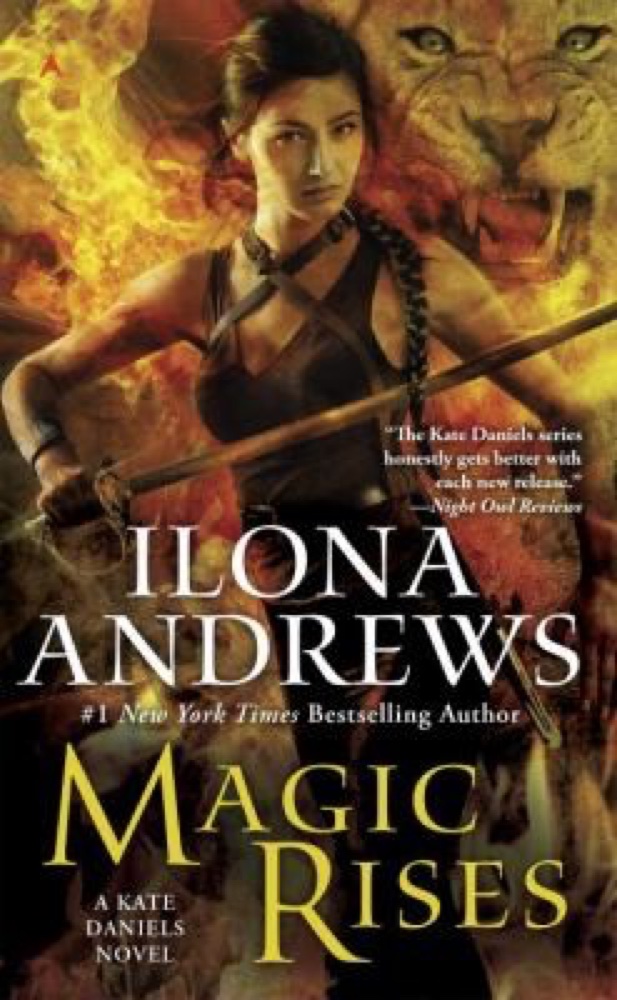 Magic Rises
 The Selection
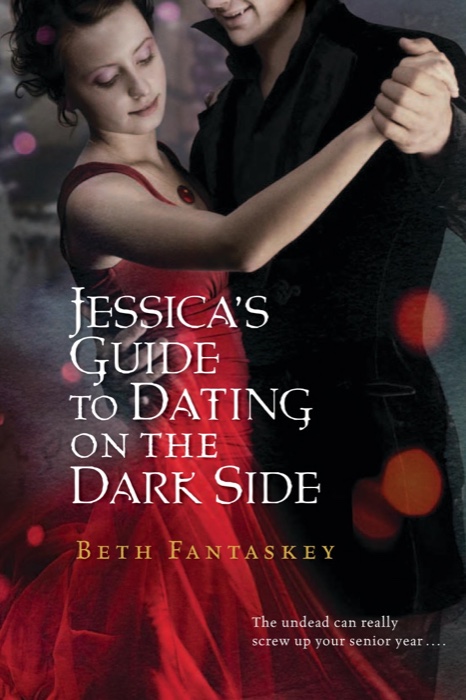 Jessica's Guide to Dating on the Dark Side
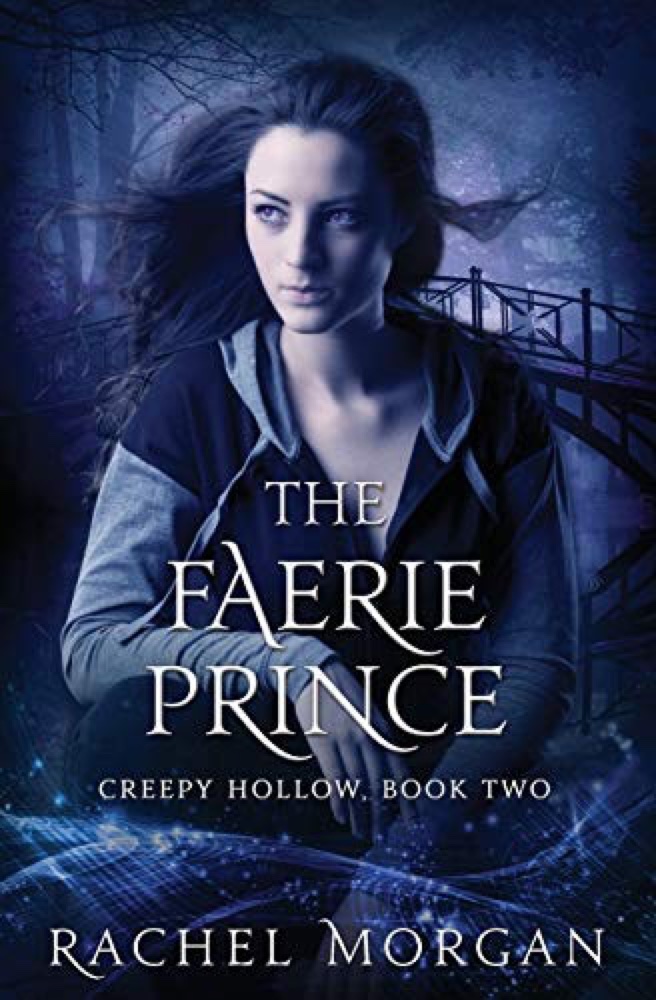 The Faerie Prince
 Dark Desires After Dusk
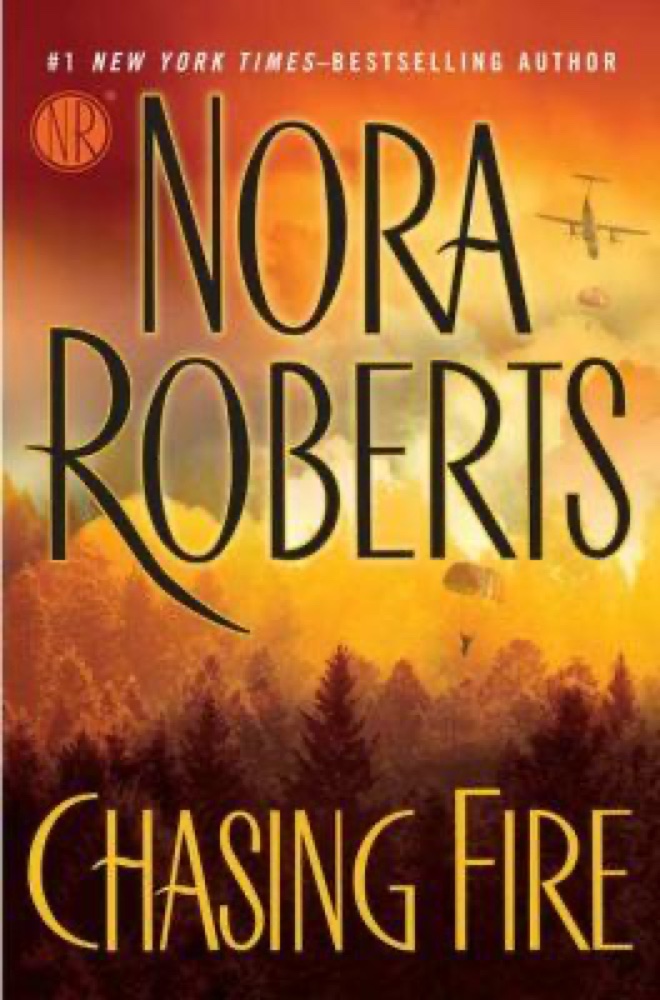 Chasing Fire
 Tempt Me at Twilight
 Rosemary and Rue
 The Vanishing Throne
 Lover Avenged
 Wolf Gone Wild
 Ten Things I Love About You
 Some Girls Bite
 The Red Fox Clan
 Sweep in Peace
 Tithe
Tithe
 The Goose Girl
 A Kiss of Shadows
 On the Edge
 Hunted
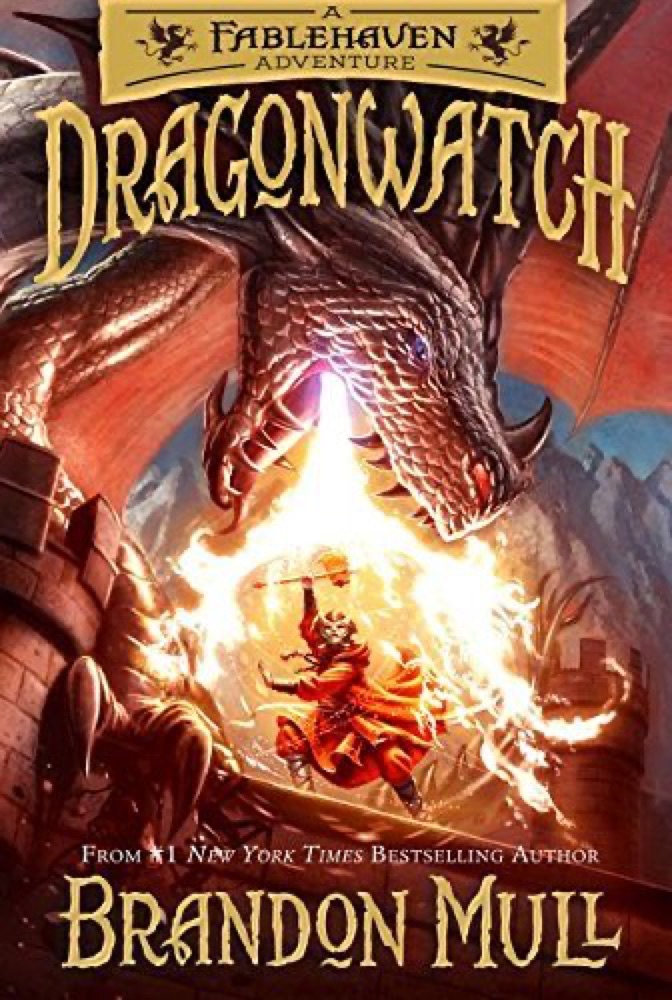 Dragonwatch
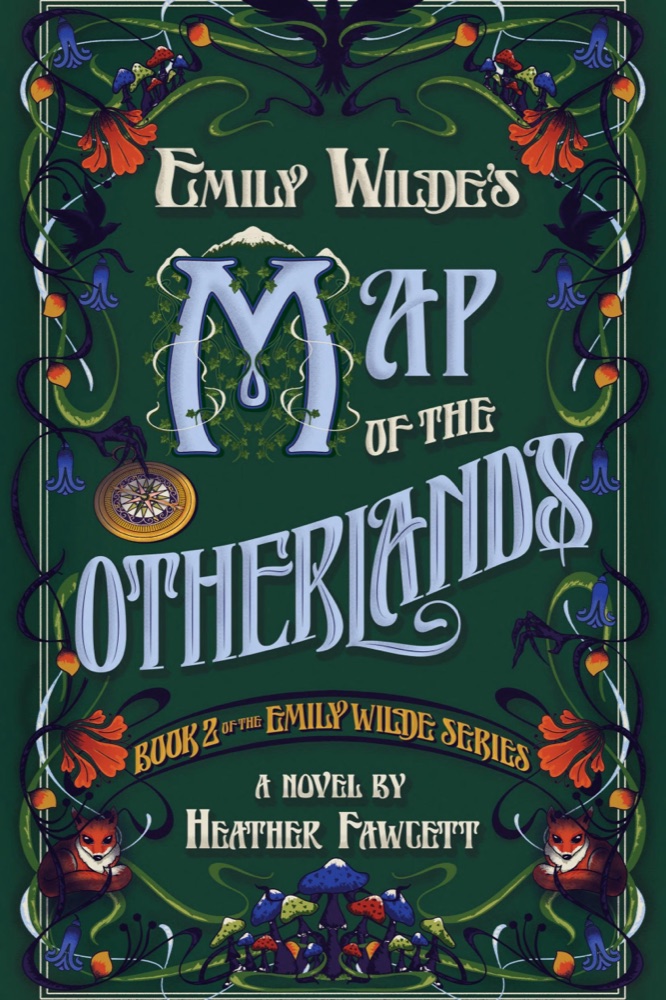 Emily Wilde’s Map of the Otherlands
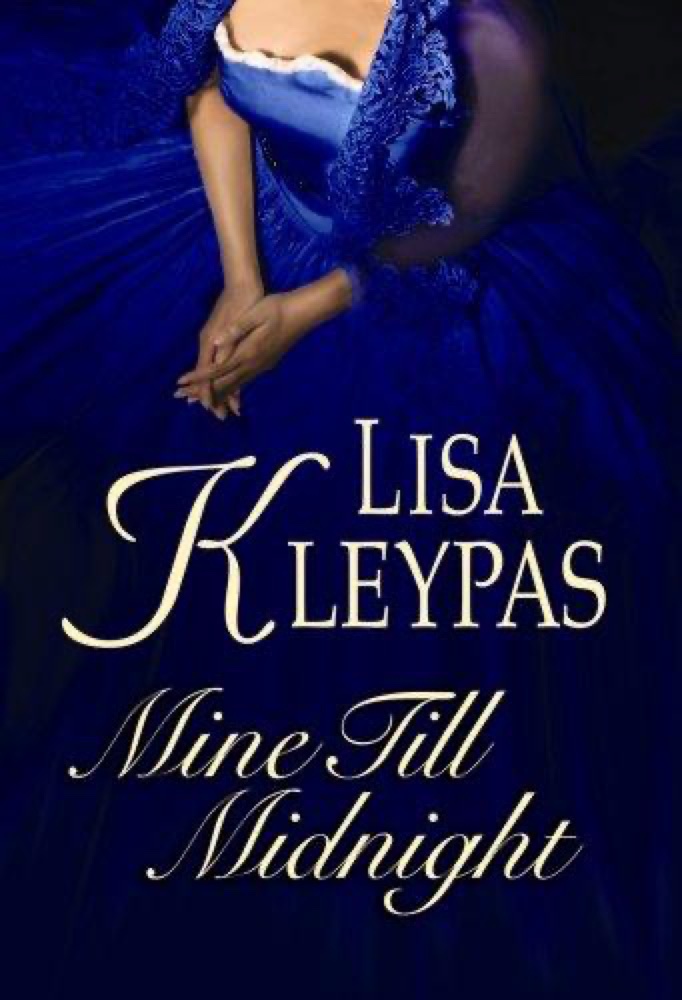 Mine Till Midnight
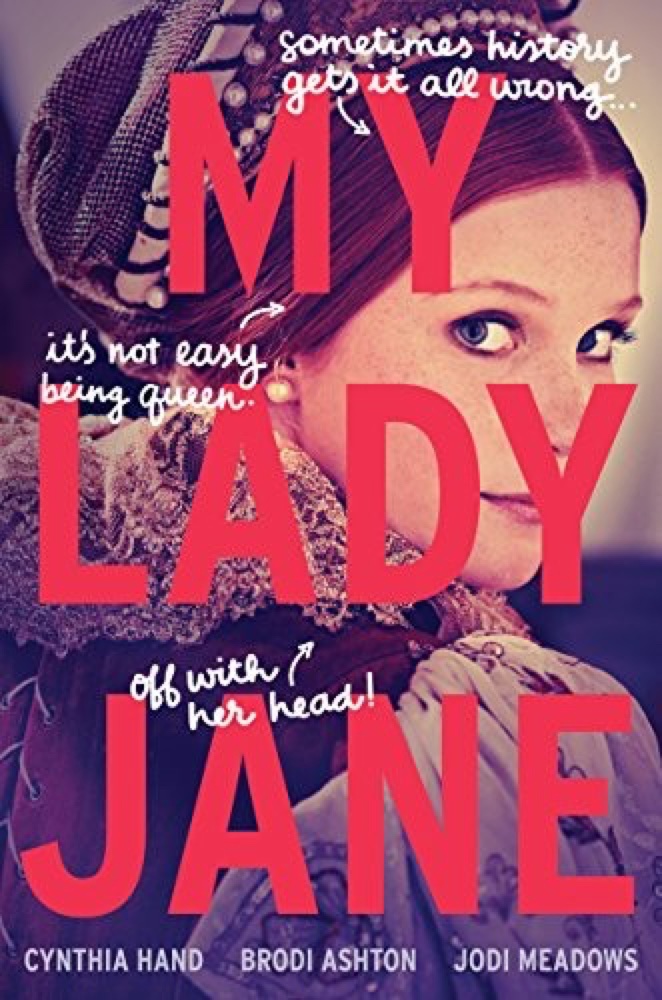 My Lady Jane
 Court Duel
 Dreams of Gods & Monsters