
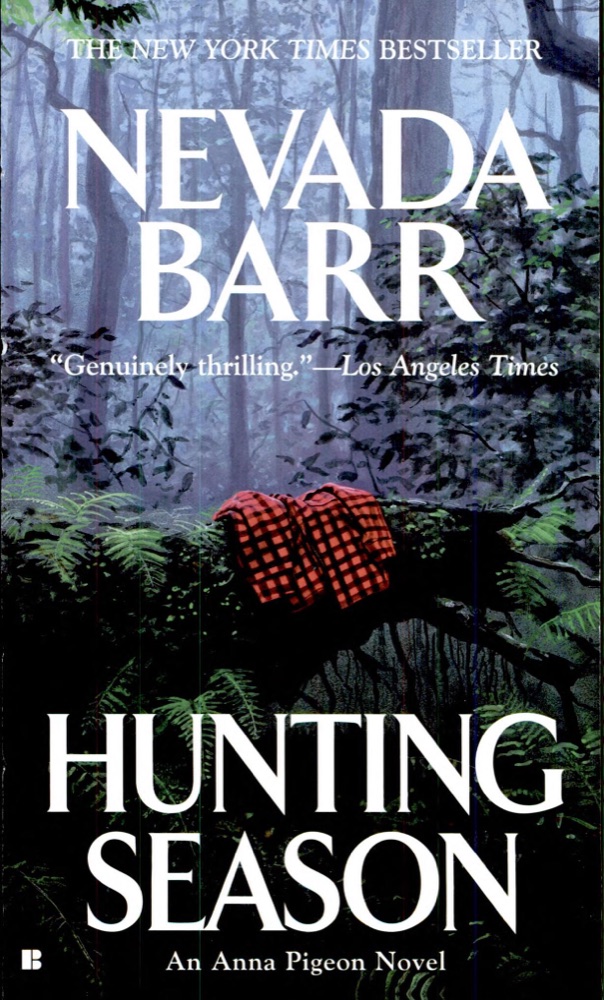
 Hunting Season
Quotes from the Book
As she drove the Trace, each curve revealing a scene rich with life and as picturesque as illustrations from a children's book, Anna was struck again by the beauty of the state. Over her years as a Yankee and a Westerner, she'd heard Mississippi described many ways. Beautiful had never been one of them.
When she finally found her way onto the Trace, the sun was rising and, with it, her spirits. The Natchez Trace Parkway, a two lane road slated, when finished to run from Nashville, Tennessee, to Natchez, Mississippi, had been the brainchild of the Ladies' Garden Clubs in the South. Besides preserving a unique part of the nations past,...the Trace would not be based on spectacular scenery but would conserve the natural and agricultural history of Mississippi.
Whoever had come up with the chant “Sticks and stones may break my bones but words will never hurt me” had been an idiot.
Anna took her solace where she always did. The smell of the earth, the touch of the sky held for her a special alchemy, able to turn loneliness into aloneness, and so make it, if not sacred, at least bearable.
Words could hurt worse than any stone, and the bruises lasted longer. Harboring
To be human was to be melodramatic, to feel things acutely, love and hate and lust, to search for the Holy Grail, outrun the other kids in the fifty-yard dash and care mightily about it.
Thigpen gave her that cringing, sly feeling incompetents in denial always engendered. In government service, she’d felt it enough times to trust her instincts. Randy
Watch on YouTube
About Nevada Barr
We have collected 31 quotes from 2 books by Nevada Barr on BookQuoters.
More about the author →More by Nevada Barr
Hunting Season
Book details
- Author
- Nevada Barr
- Genre
- Fiction
- Goodreads rating
- 3.97 (9k ratings) →
The buzz
- The New York TimesReview in The New York Timesprofessional review (via Book Marks)
- LA Review of BooksReview in LA Review of Booksprofessional review (via Book Marks)
- The Boston GlobeReview in The Boston Globeprofessional review (via Book Marks)
- NewrepublicReview in Newrepublicprofessional review (via Book Marks)
- DallasnewsReview in Dallasnewsprofessional review (via Book Marks)
- OregonliveReview in Oregonliveprofessional review (via Book Marks)
Keep reading
 Winter's Bone
Hunting Season
Winter's Bone
Hunting Season
 There's Someone Inside Your House
 Under the Skin
 Down Cemetery Road
 The Girl Who Chased the Moon
 The Story Sisters
 Tar Baby
 Out of Darkness
 Mohawk
 State of Wonder
 Slammerkin
 Fire Shut Up in My Bones: A Memoir
 The Sweetness of Water
 Velvet Was the Night
 Sula
Sula
 South of Broad
 The Cutting Season
 Brick Lane
 The Good People
 Birds of America
 Litani
 The Probable Future
 The Prince of Tides
 The Long Way Home
 The Little Friend
 A Skinful of Shadows
 The Bone Tree
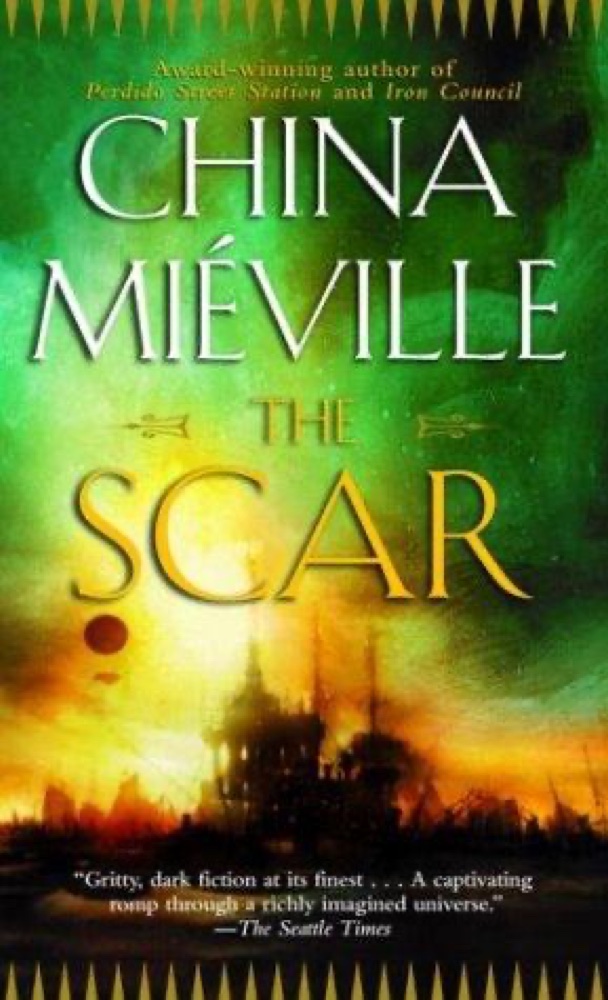 The Scar
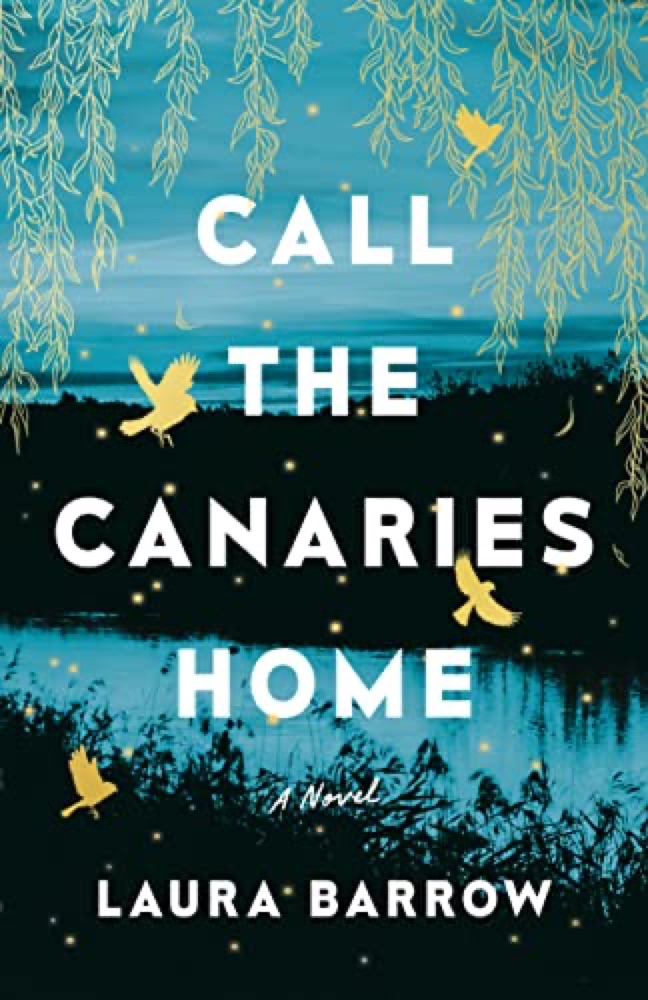 Call the Canaries Home
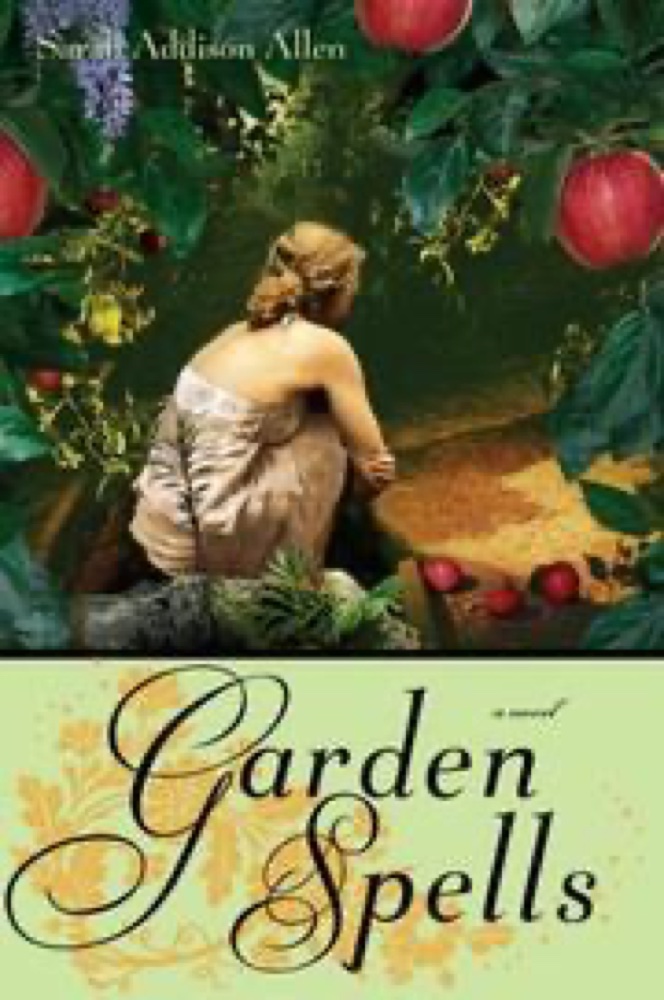 Garden Spells
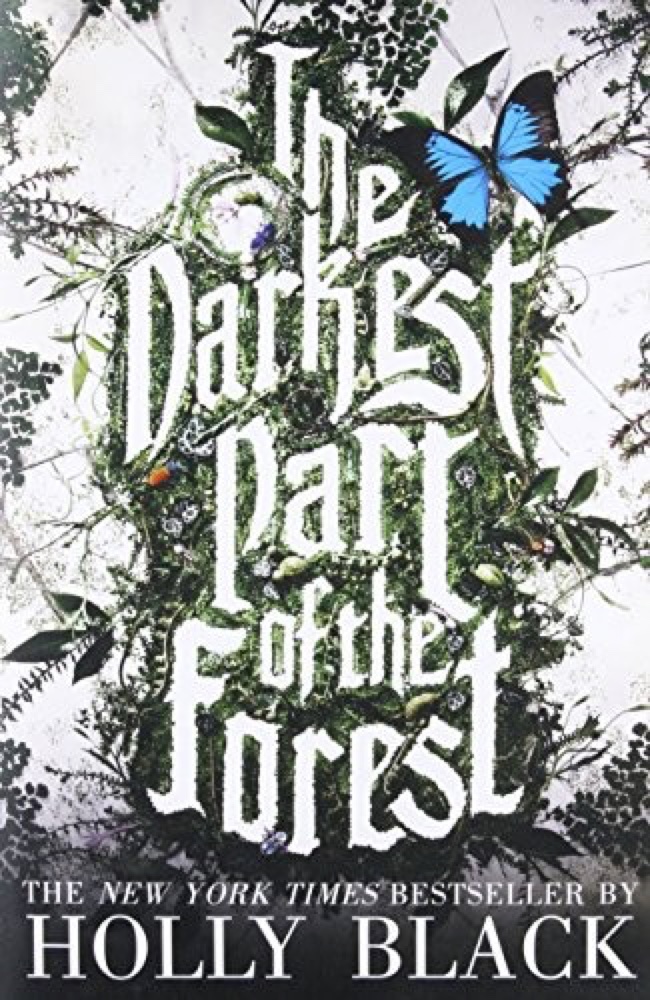 The Darkest Part of the Forest
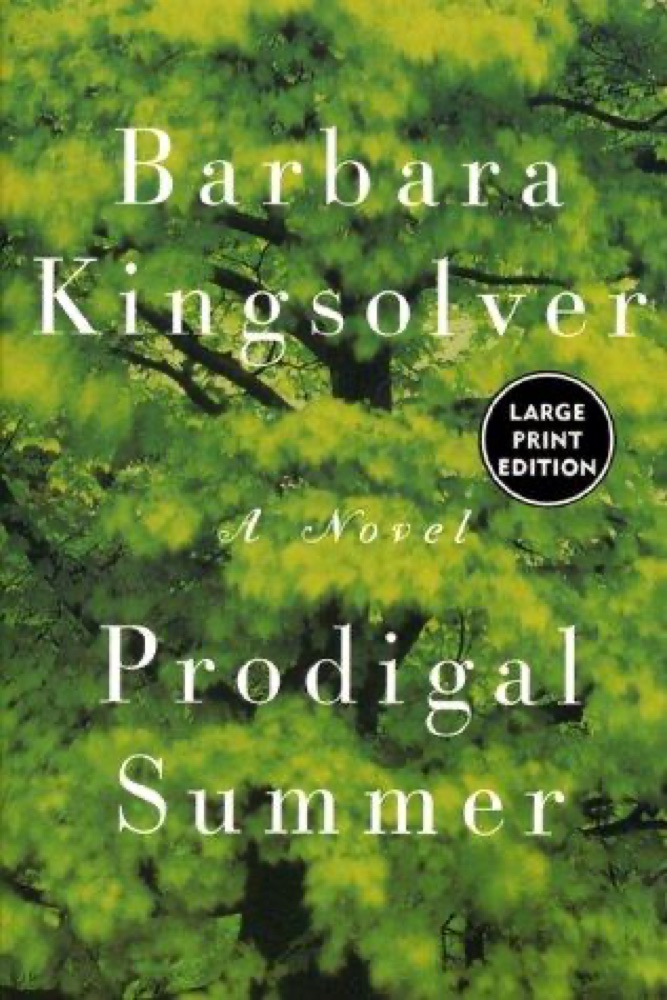 Prodigal Summer
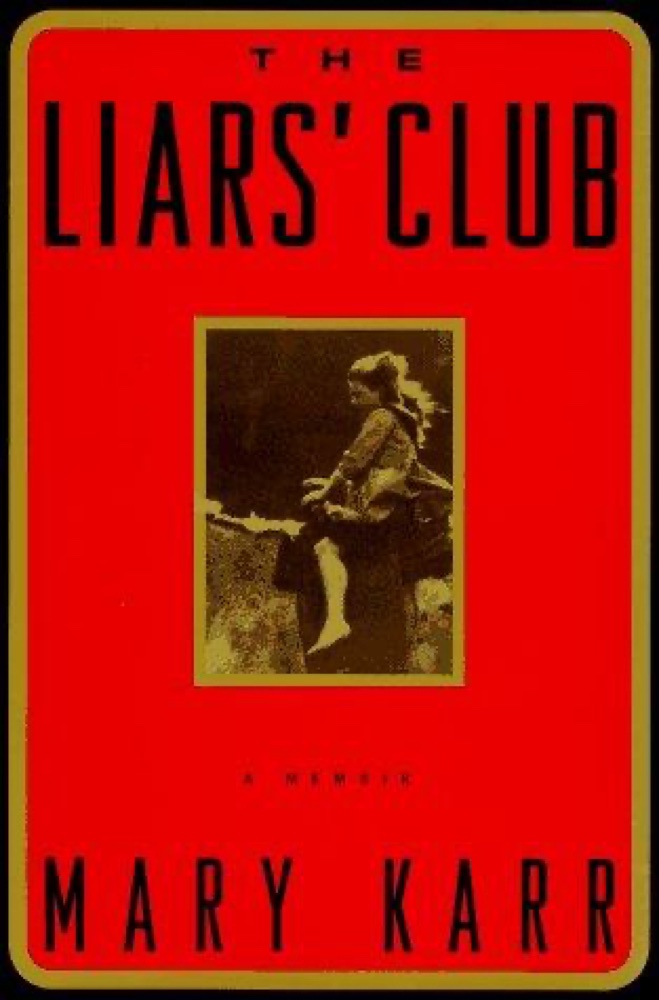 The Liars' Club
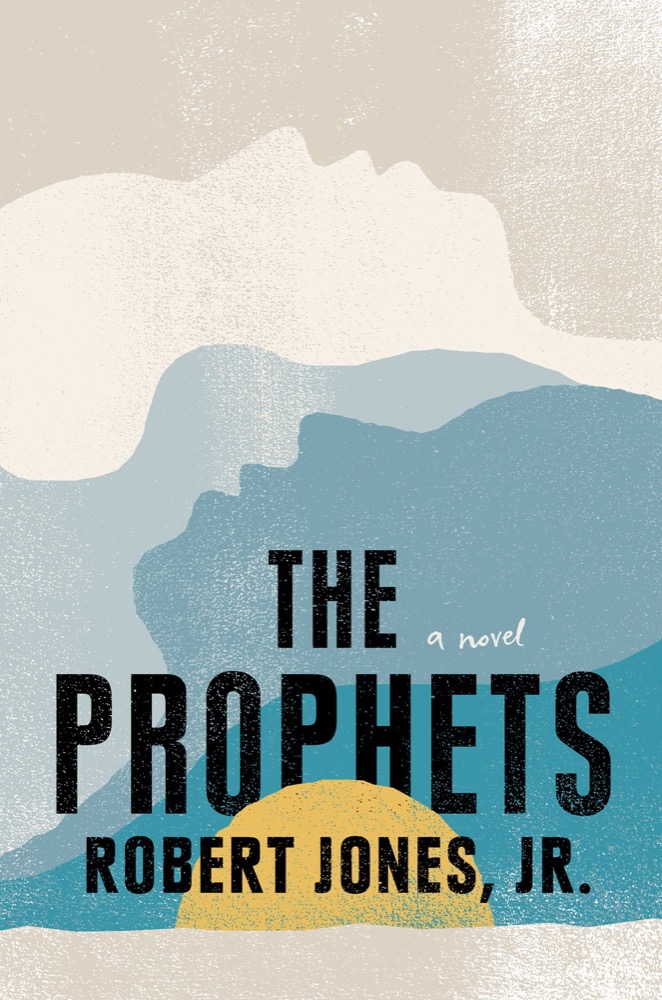 The Prophets
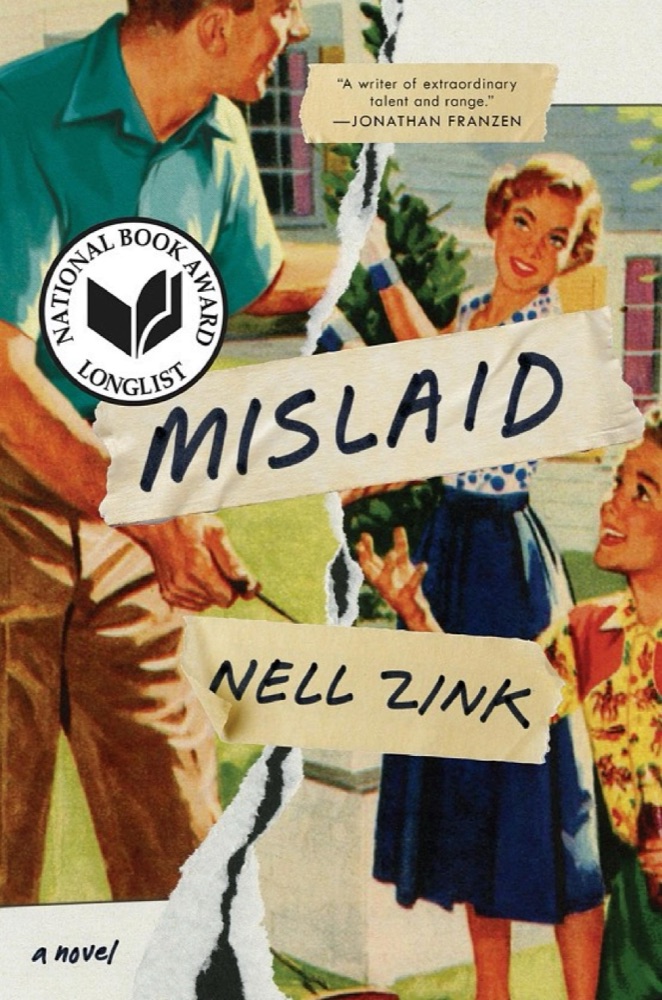 Mislaid
 Shadow Country
 A Thousand Moons
 Sorrowland
 The Last Coyote
 Summer Island
 The Twelve Tribes of Hattie
 The Mayor of Casterbridge
 The Underground Railroad
 Bag of Bones
 The Daughter of Doctor Moreau
 Reckless
 At the Water's Edge
 Stone Mattress: Nine Tales
 Ammonite
 The City in Glass
 Beach Music
 Dubliners
 The Book of the Unnamed Midwife
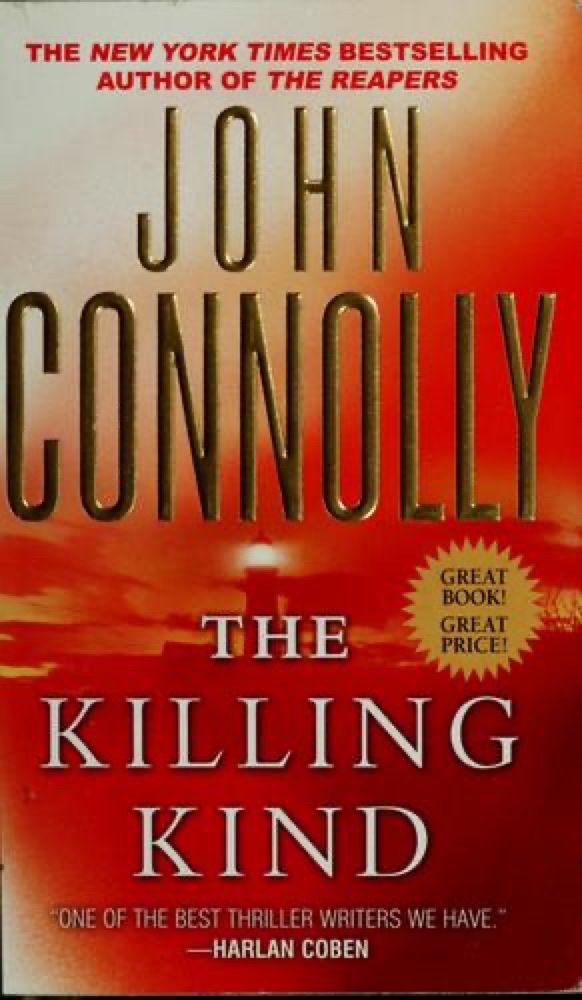 The Killing Kind
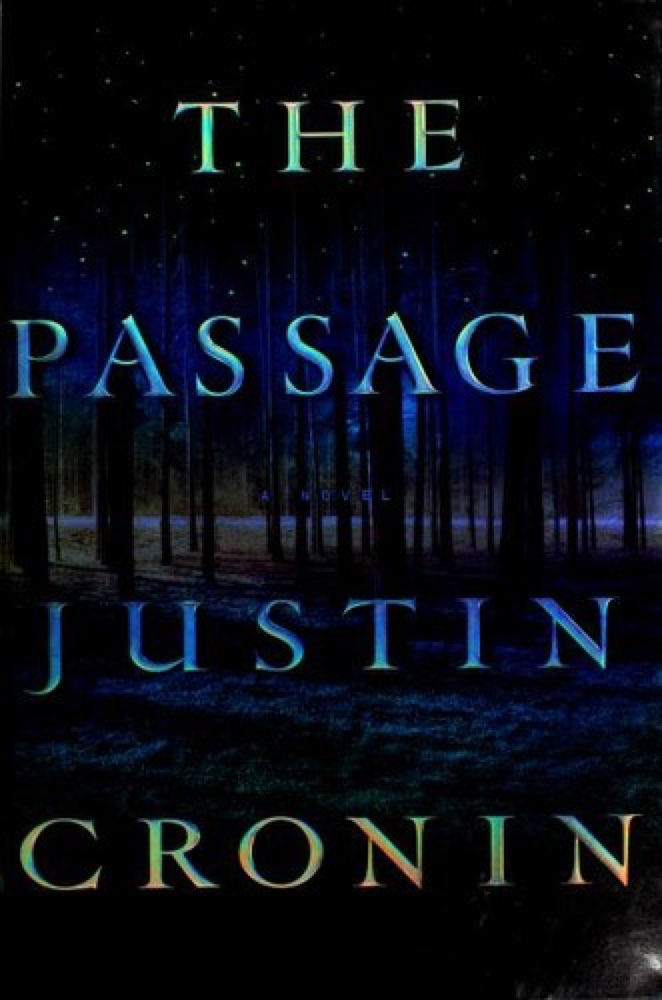 The Passage
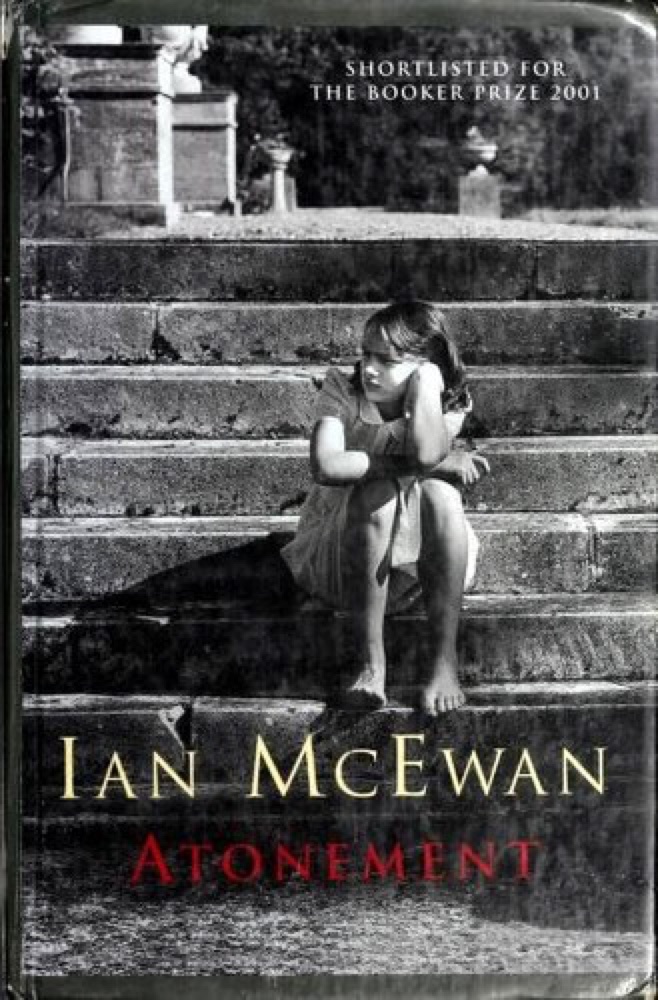 Atonement
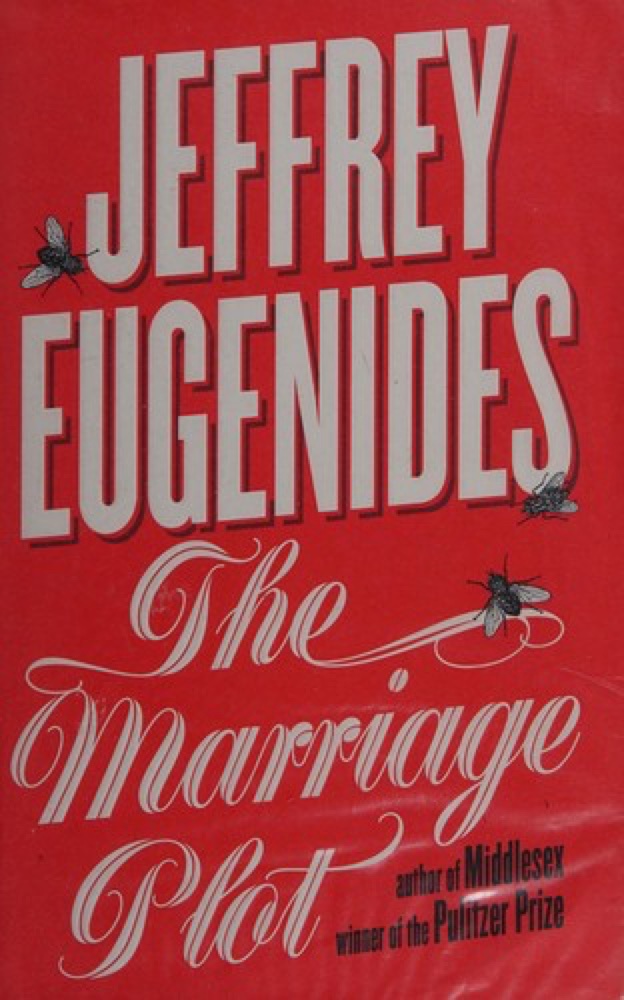 The Marriage Plot
 Bridge to Terabithia
 The Wings of the Dove