
 Mohawk
Quotes from the Book
When Caroline Walker fell in love with Julian English she was a little tired of him. That was in the summer of 1926, one of the most unimportant years in the history of the United States, and the year in which Caroline Walker was sure her life had reached a pinnacle of uselessness.
There were numerous physical combats between husbands and wives, and not always the husbands that matched the wives. Kitty Hofman, for instance, had been given a black eye by Carter Davis when she kicked him in the groin for dunking her head in a punch bowl for calling him a son of a bitch for telling her she looked like something the cat dragged in. And so on.
The liquor, that is, the rye, was all about the same: most people bought drug store rye on prescriptions (the physicians who were club members saved 'scrips' for their patients), and cut it with alcohol and colored water. It was not poisonous, and it got you tight, which was all that was required of it and all that could be said for it.
But William Dilworth English, M.D., was not thinking of the immediate punishment of his son; that was something which could be decided upon. He was not thinking of the glory of having a son who hopped freight trains. The thing that put him in the deep mood and gave him the heavy look that Julian saw on his face was that 'chip off the old block' refrain of Butch Doerflinger’s. William Dilworth English was thinking of his own life, the scrupulous, notebook honesty; the penny-watching, bill-paying, self-sacrificing honesty that had been his religion after his own father’s suicide. And that was his reward: a son who turned out to be like his grandfather, a thief.
and nominally a cigar manufacturer. He never came to the club except on nights like this, when Mr. and Mrs. Ammermann would entertain a few of their—her—friends at a smaller table. Mildred, towering above Losch, the club steward, and pointing, daintily for her, with one finger as she held a small stack of place-cards in her left hand, apparently was one woman who had not heard about the business of the night before. It was axiomatic in Gibbsville that you could tell Mill Ammermann anything and be sure it wouldn’t be repeated; because Mill probably was thinking of the mashie-niblick approach over the trees to the second green. Julian derived some courage from her smile. He always had liked Mill anyway. He was fragmentarily glad over again that Mill did not live in New York, for in New York she would have been marked Lesbian on sight.
He thought of these things. Harry must have changed since then, become obnoxious or something. Julian reasoned that he could not have asked the Harry he now knew to invest so much money in the business. Well, maybe the winter had something to do with it. You went to the Gibbsville Club for lunch; Harry was there. You went to the country club to play squash on Whit Hofman's private court, and Harry was around. You went to the Saturday night drinking parties, and there was Harry; inescapable, everywhere. Carter Davis was there, too, and so was Whit; so was Froggy Ogden. But they were different. The bad new never had worn off Harry Reilly. And the late fall and winter seemed now to have been spoiled by room after room with Harry Reilly. You could walk outside in the summer, but even though you can walk outside in winter, winter isn't that way. You have to go back to the room soon, and there is no life in the winter outside of rooms. Not in Gibbsville, which was a pretty small room itself.
Watch on YouTube
About John O'Hara
We have collected 6 quotes from 1 book by John O'Hara on BookQuoters.
More about the author →Book details
- Author
- John O'Hara
- Genre
- Classics
- Goodreads rating
- 3.81 (17k ratings) →
Keep reading
Mohawk
 From Here to Eternity
 The Bonfire of the Vanities
 The Complete Stories
 Crook Manifesto
 The Lady in the Lake
 Zero History
 Jeremy Poldark
 In a Lonely Place
 Mislaid
 Nobody's Fool
 Post Captain
 West of Sunset
 Table for Two
 The Long Goodbye
 The Naked and the Dead
 A Beautiful Blue Death
 Shrines of Gaiety
 Have His Carcase
 Capital
 Case Histories
 While England Sleeps
 Harlem Shuffle
 The Power of the Dog
 Call for the Dead
 The Complete Works of Charles Dickens
 Gilded Cage
 Live Wire
 Rain and Other South Sea Stories
 Just One Look
 Cannery Row
 Night Soldiers
 Fade Away
 Slough House
 Casino Royale
 Essays of E.B. White
 The Accidental Tourist
 The Professor's House
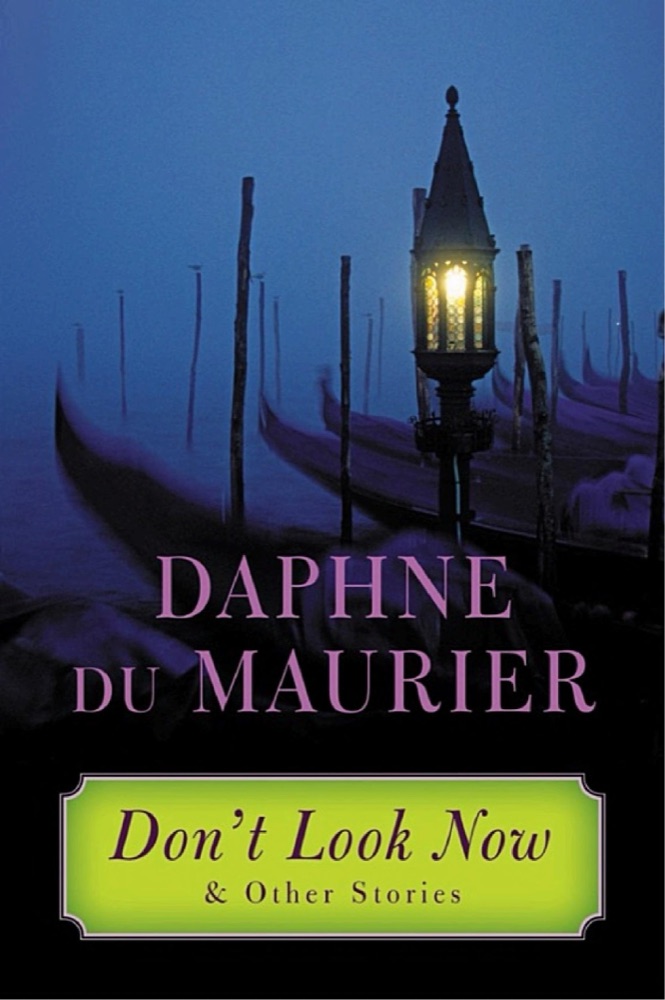 Don't Look Now and Other Stories
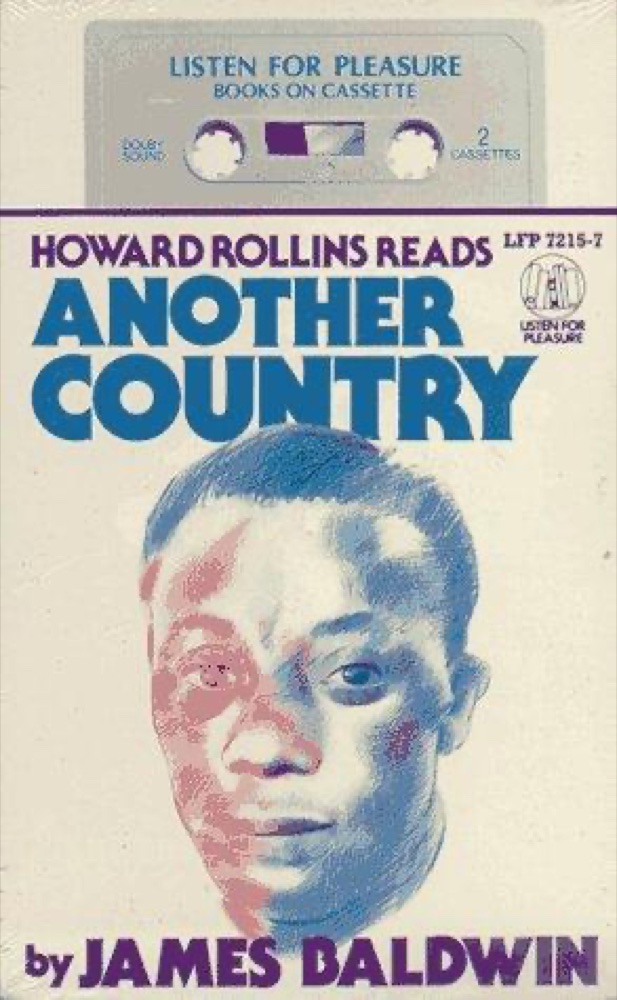 Another Country
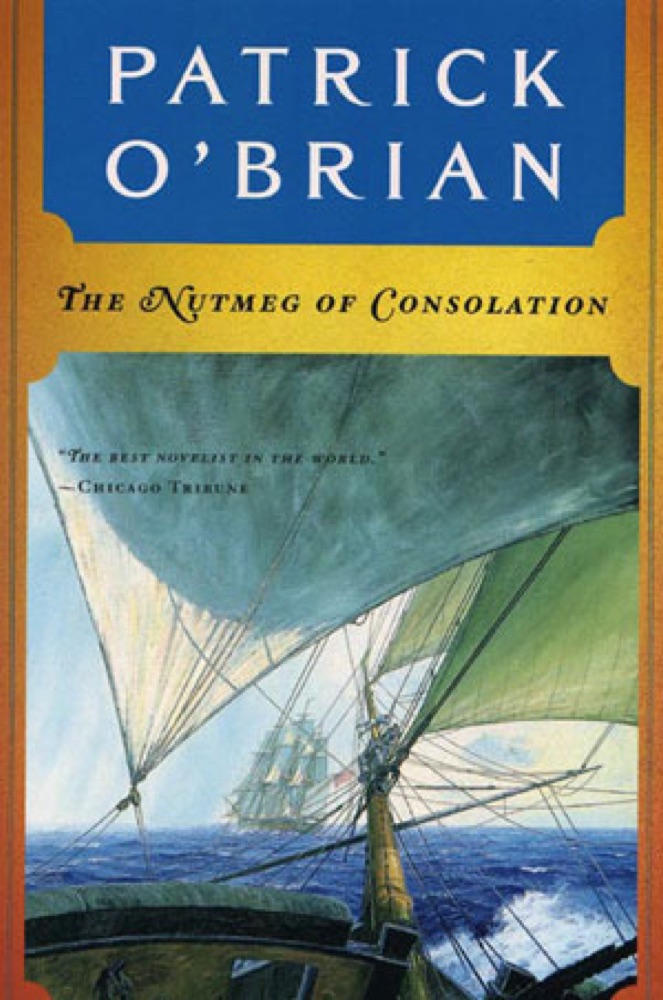 The Nutmeg of Consolation
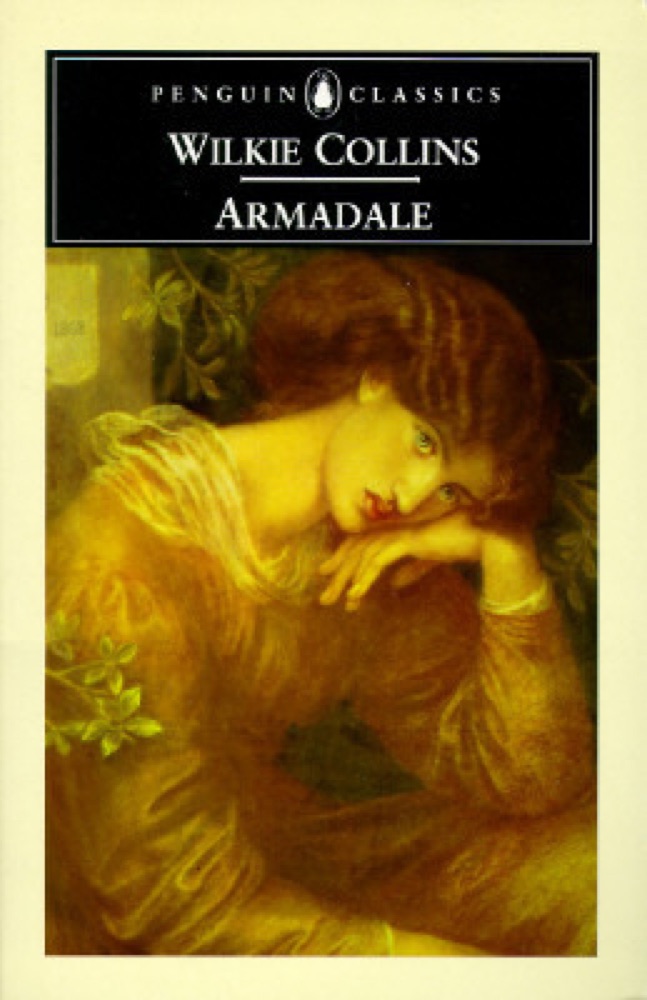 Armadale
 Welcome to Braggsville
 Mr. Peanut
 Third Degree
 The New Life
 The Unreals
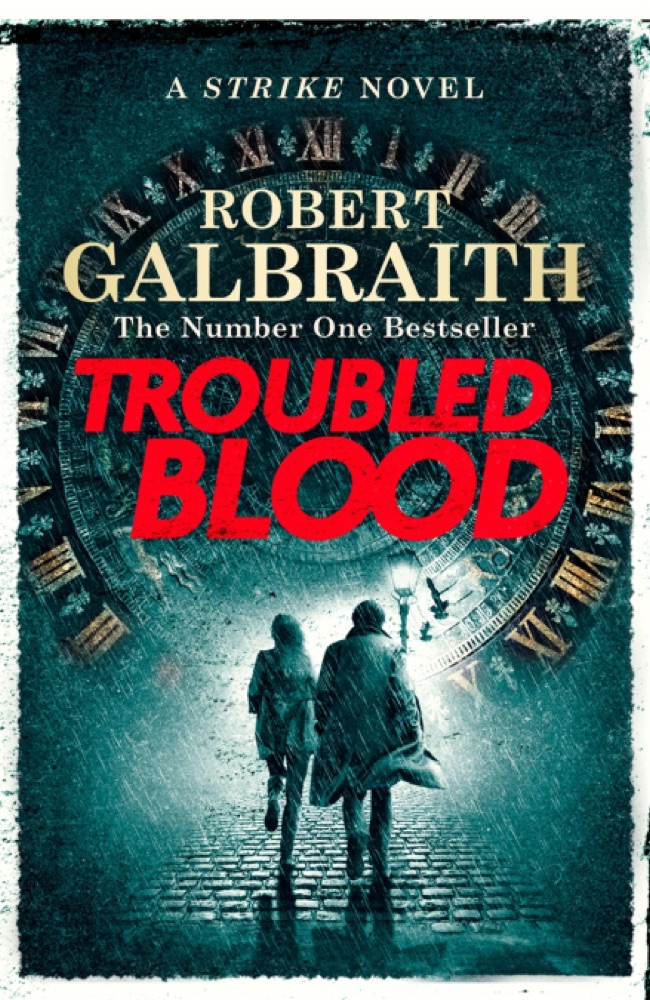 Troubled Blood
 One Fifth Avenue
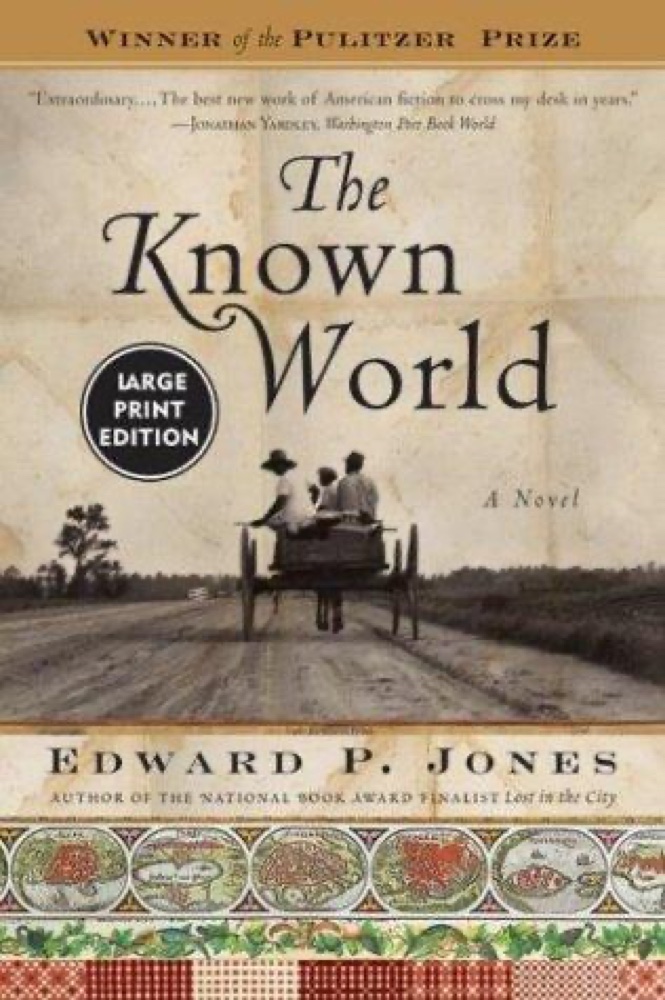 The Known World
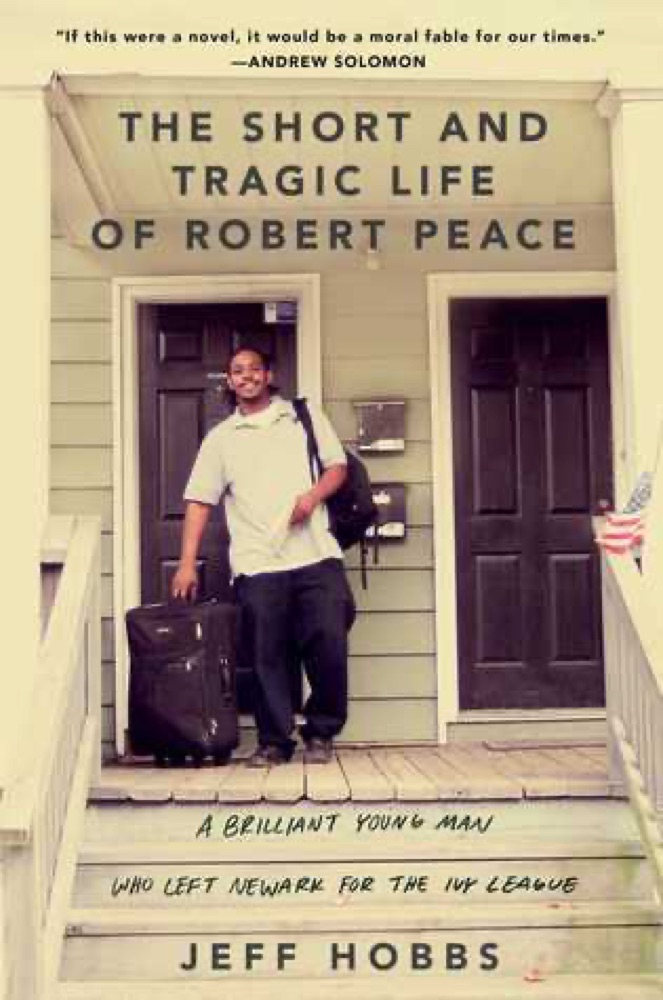 The Short and Tragic Life of Robert Peace: A Brilliant Young Man Who Left Newark for the Ivy League
 The Finkler Question
 The Fleet Street Murders
 Nine Stories
 The Great Santini
 The Surgeon's Mate
 All Passion Spent
 Whose Names Are Unknown
 The Devil's Star
 The Post-Birthday World