
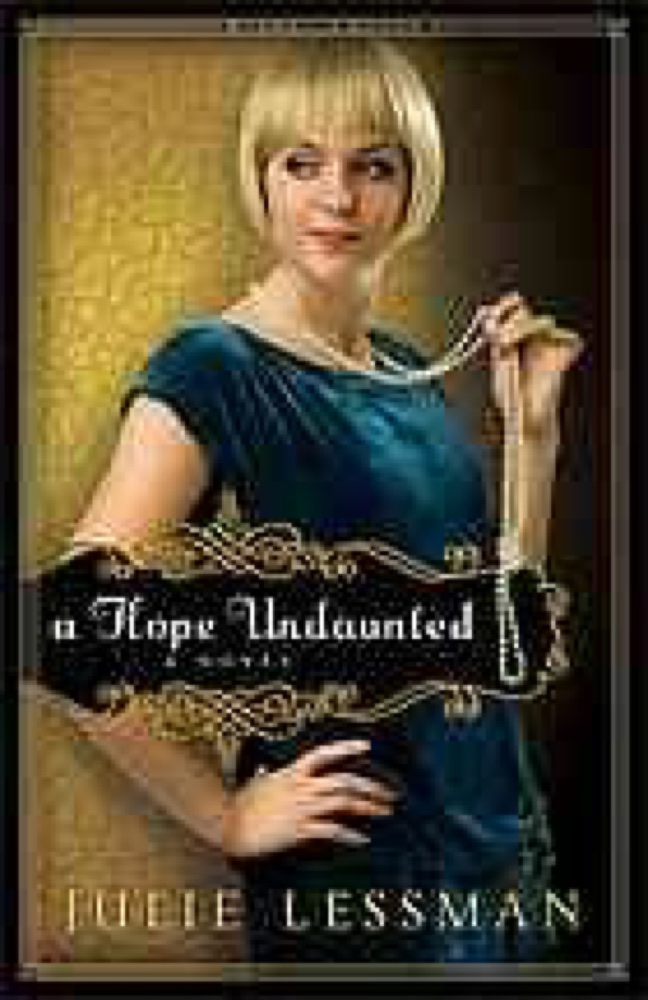
 A Hope Undaunted
Quotes from the Book
I think of life as very much like a game. The one who created it gave us the rules by which it is to be played, rules designed to help us win, rules to help us be happy. The problem is many times we choose to play by our own rules, and then we’re at a loss to understand why we never win.
Because, my dear, God is love. Not just maternal or fraternal love but romantic love as well. Song of Solomon was written to show what the love between a husband and a wife should be, but it was also written to emulate the depth of feeling and love God has for each of us. As intense and wonderful as this young man’s kiss made you feel, more so is the passion and love God has for you. No, your feelings aren’t wrong, but perhaps the timing is.
For years he had possessed her dreams, but she'd been the master of those dreams. Now, he possessed her memory, and there was nothing she could do about it.
It was not a day to remember; it was a day to forget...the memory of it could not pass soon enough.
The warmth was pushed aside, as always, by the cold grip of reality.
After years of pining over something she could never have, she would choose to embrace the cold comfort of reality instead. No more daydreams of his smile, no more journal entries with his name, no more prayers for the impossible. She would not allow it.
Watch on YouTube
About Julie Lessman
We have collected 24 quotes from 4 books by Julie Lessman on BookQuoters.
More about the author →More by Julie Lessman
Book details
- Author
- Julie Lessman
- Genre
- Romance
- Goodreads rating
- 3.99 (7k ratings) →
Keep reading
 A Reliable Wife
 Atonement
 The Memory Keeper's Daughter
 On Mystic Lake
 The God of Small Things
 The Damnation Game
 A Theory of Dreaming
 The Husband's Secret
 Simply Magic
 The Golden Yarn
 The Proposal
 Trust: Betrayed
 Cold Mountain
 So Long, See You Tomorrow
 Sons and Lovers
 A Sport and a Pastime
 Requiem for a Dream
 Idaho
Idaho
 Winter Garden
 The Nice and the Good
 Somebody Else's Daughter
 The Passion
 Women in Love
 Unaccustomed Earth
 Lisey's Story
 Moonshot
 Arch of Triumph
 Spring Snow
 The Van Alen Legacy
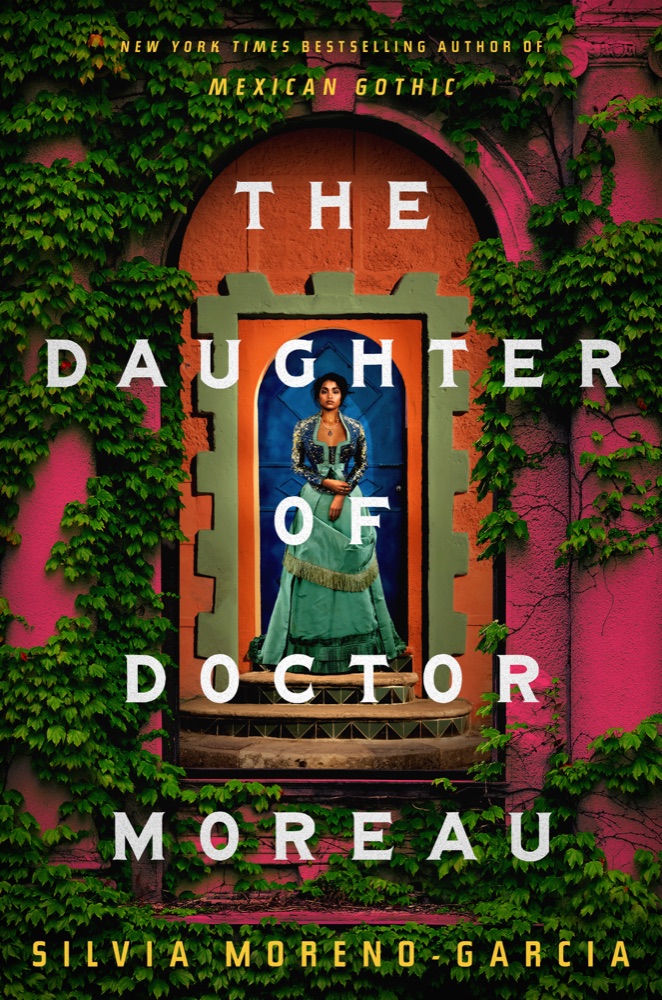 The Daughter of Doctor Moreau
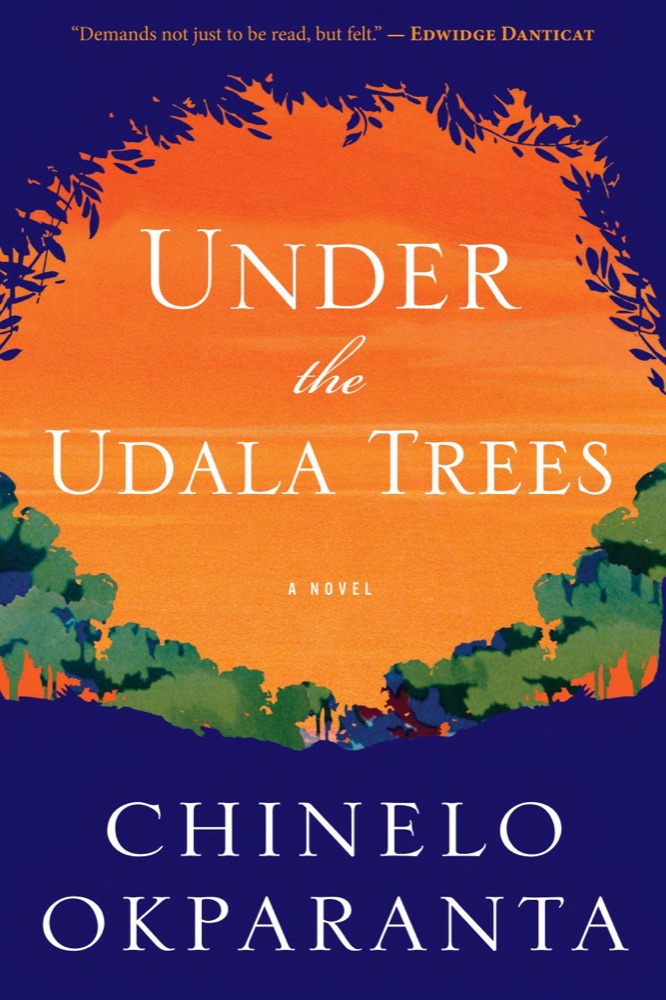 Under the Udala Trees
 The Devil's Web
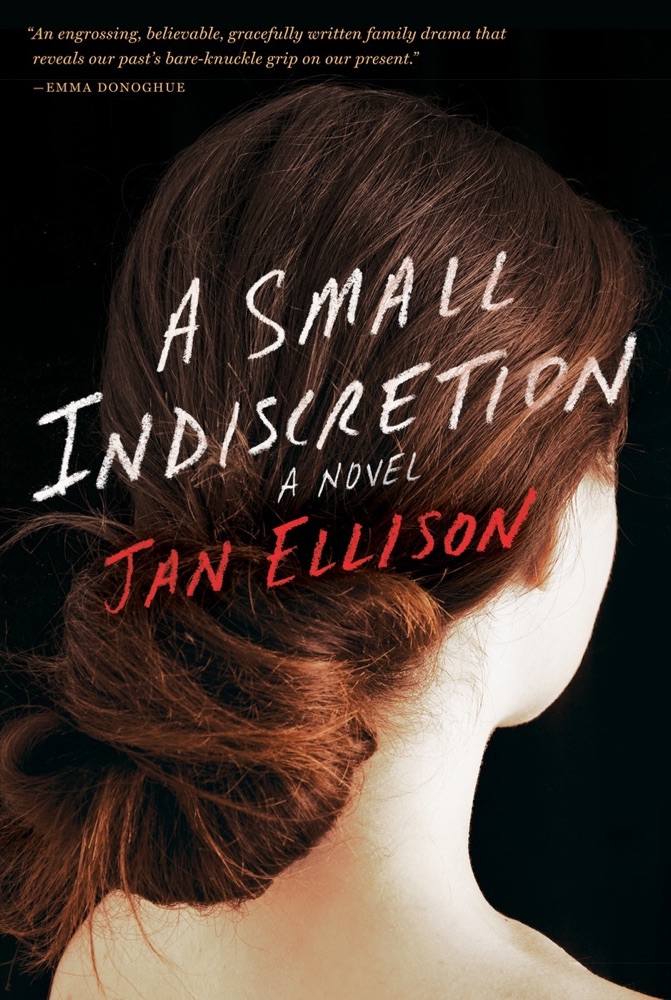 A Small Indiscretion
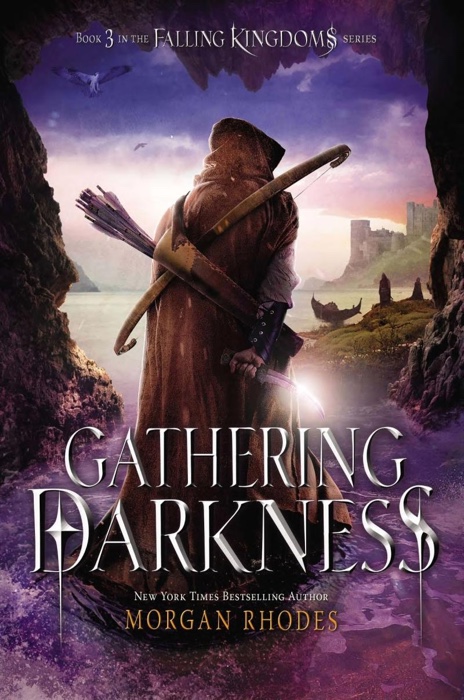 Gathering Darkness
 Biography of X
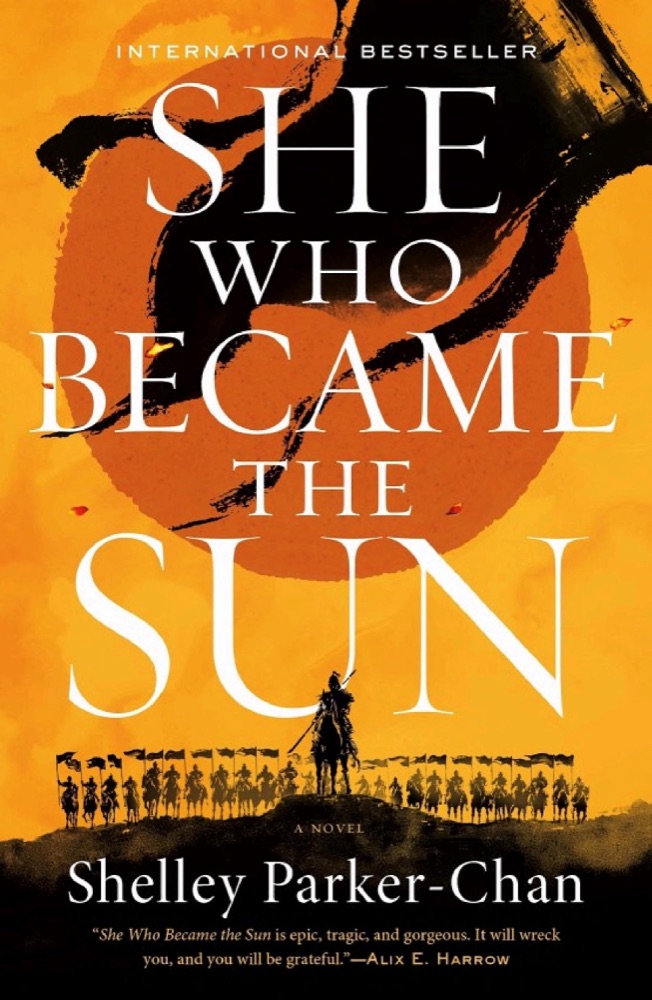 She Who Became the Sun
 Fever
Fever
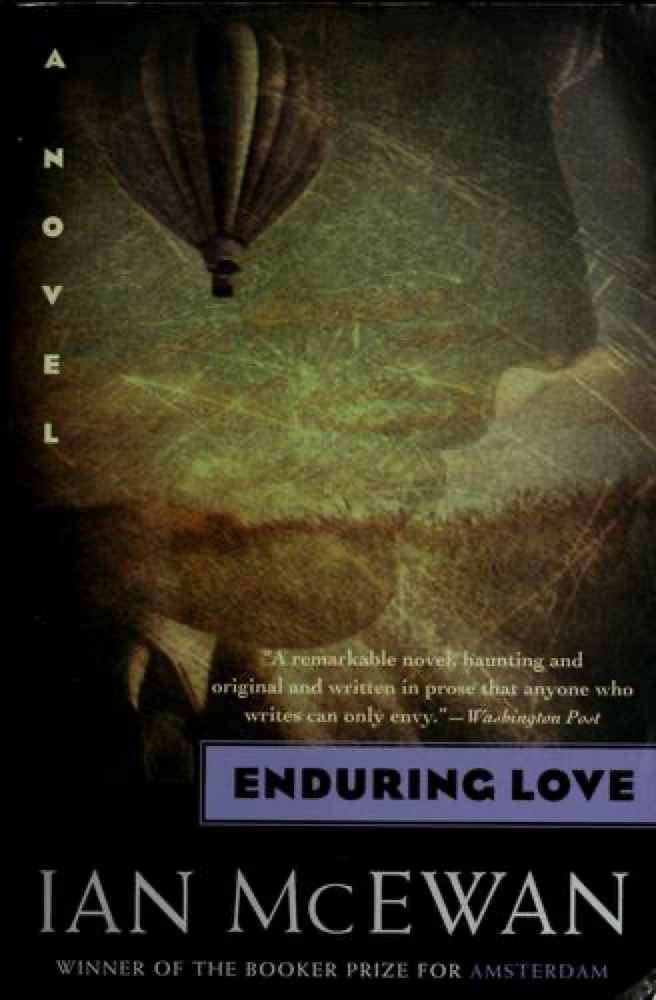 Enduring Love
 The Tea Rose
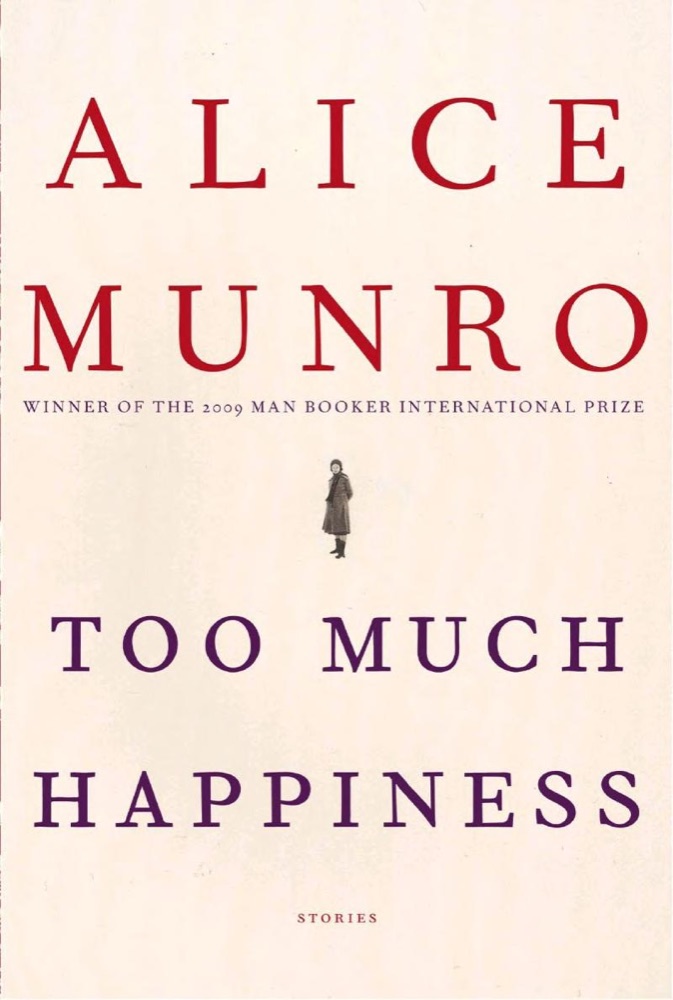 Too Much Happiness: Stories
 Panenka
 The Mermaid, the Witch, and the Sea
 The Last Rose of Shanghai
 Ship of Magic
 The Hellbound Heart
 Home Fire
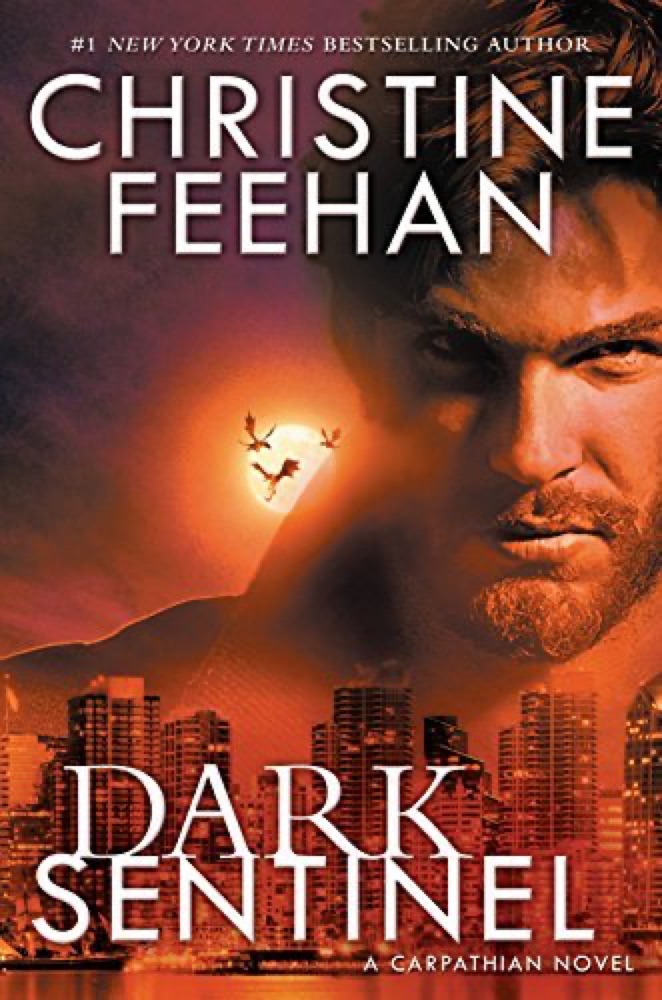 Dark Sentinel
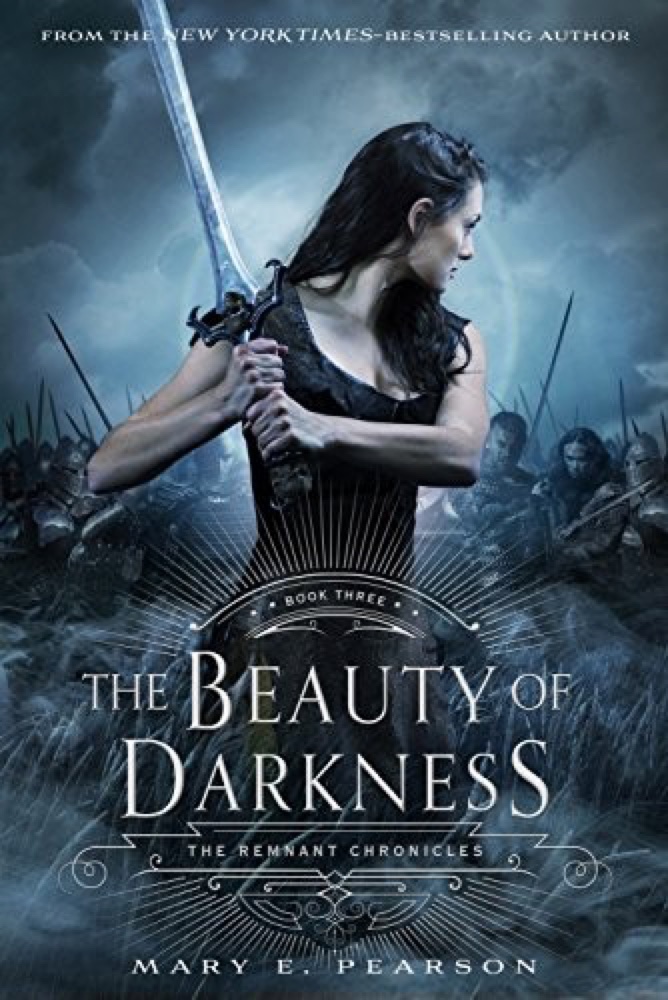 The Beauty of Darkness
 A Fire Sparkling
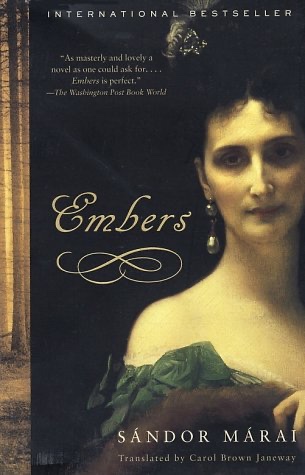 Embers
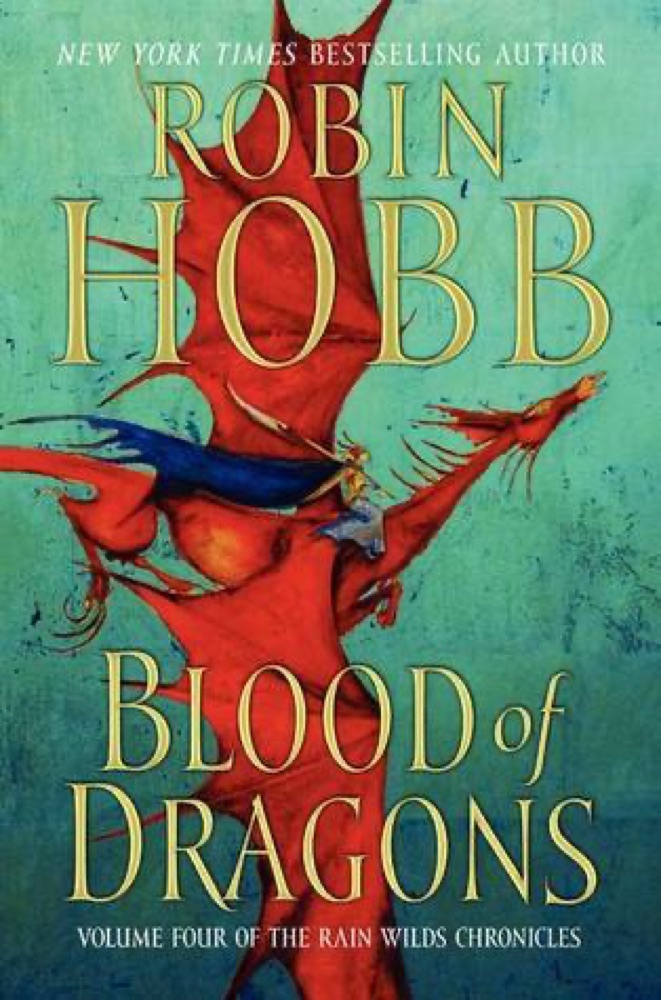 Blood of Dragons
 Daughter of Fortune
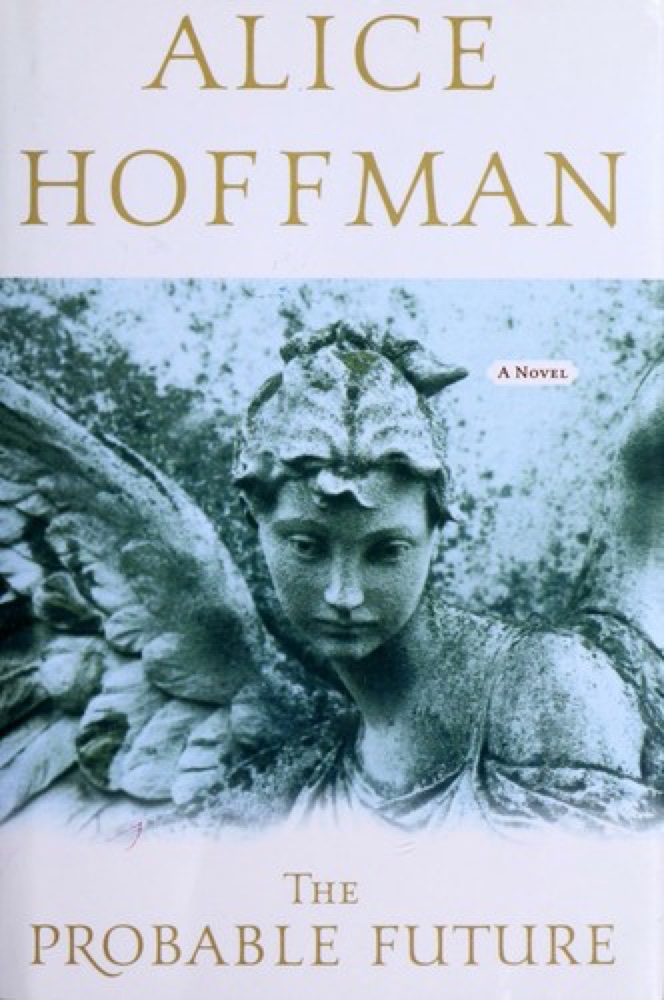 The Probable Future
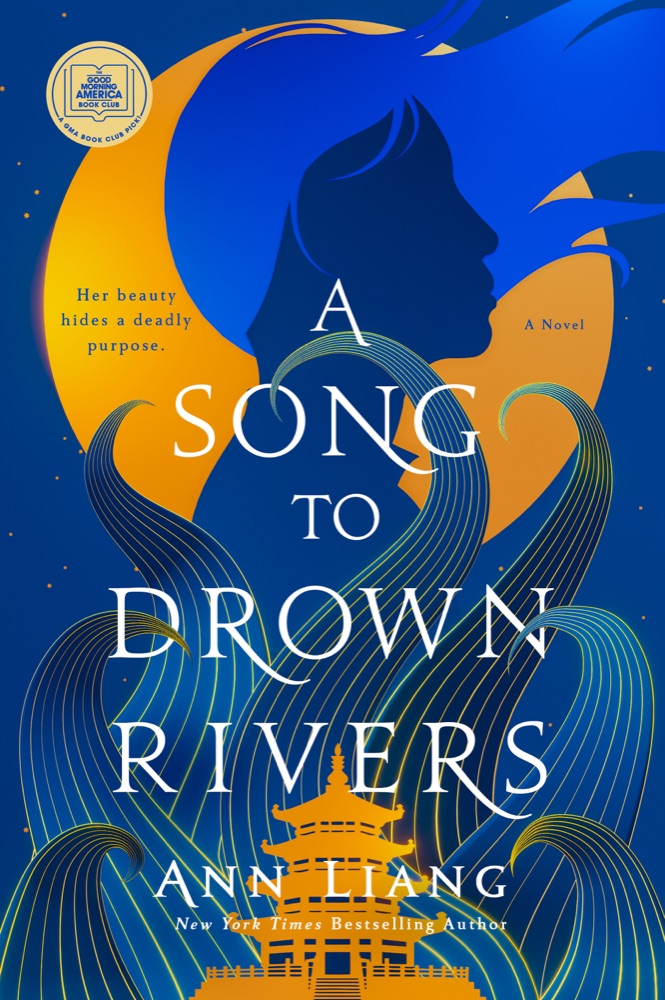 A Song to Drown Rivers
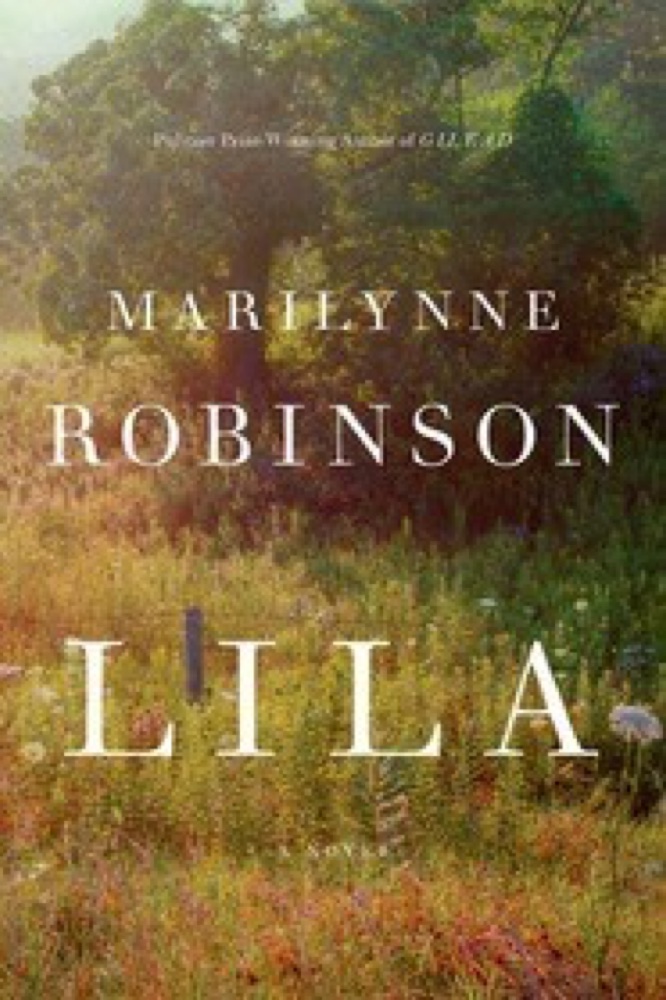 Lila
Lila
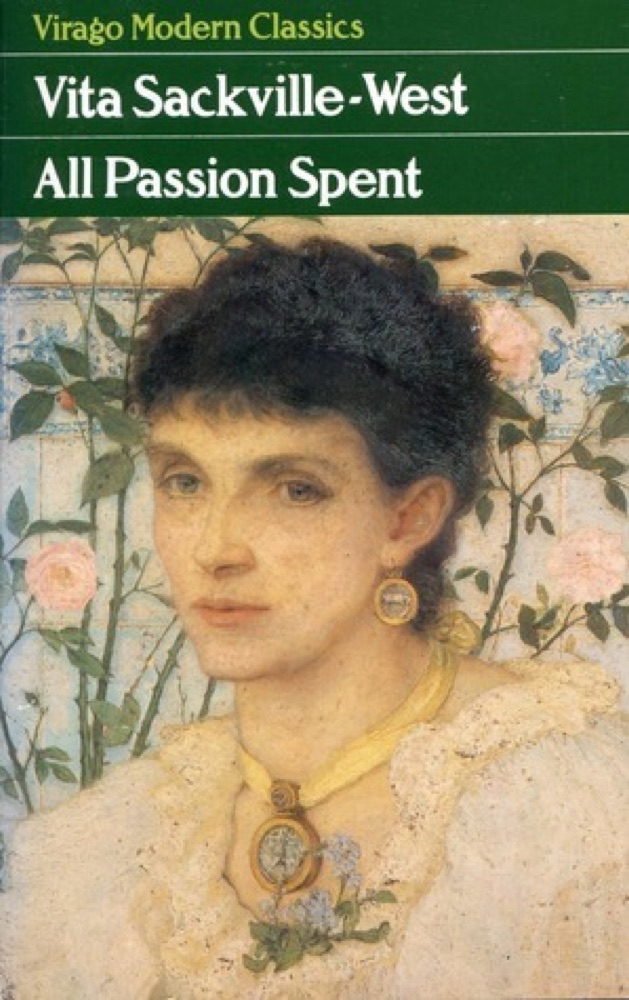 All Passion Spent
 Paint it Black
 Persuasion
 Requiem
 Angel Falls