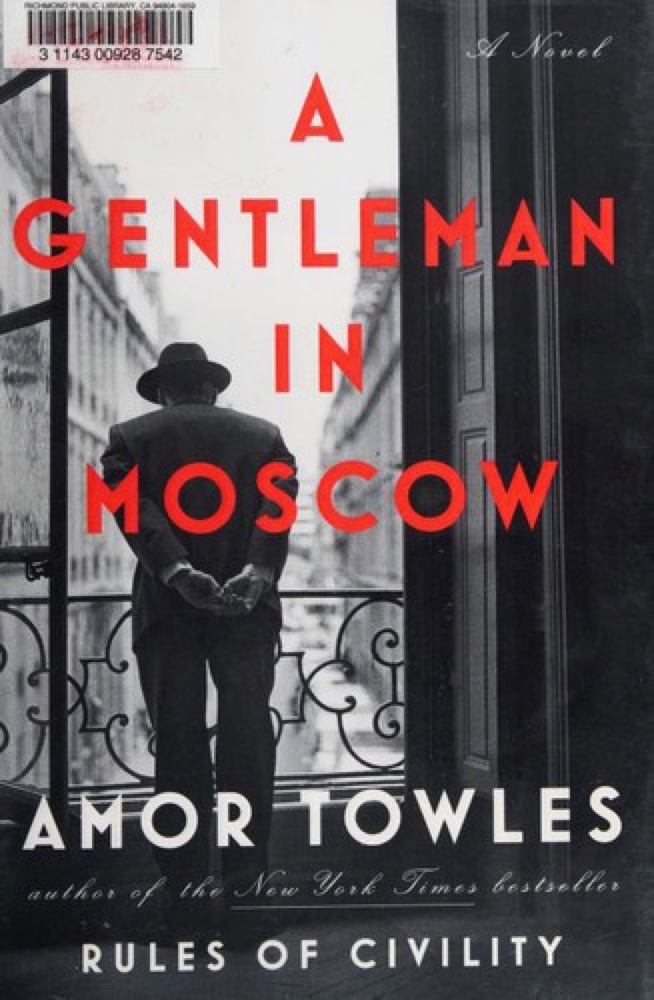

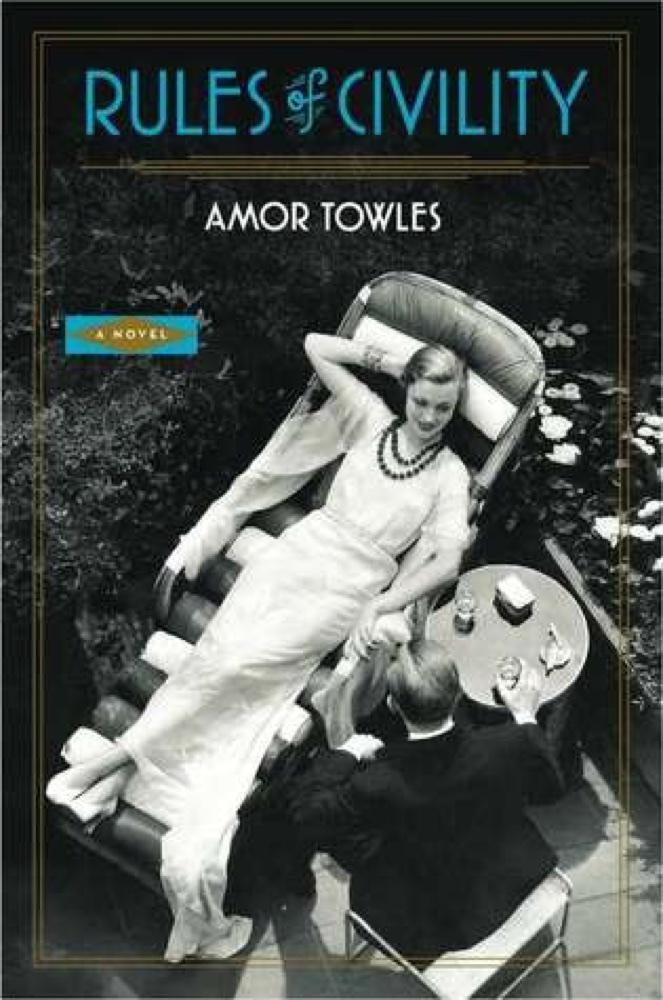
 Rules of Civility
Quotes from the Book
After all, what can a first impression tell us about someone we’ve just met for a minute in the lobby of a hotel? For that matter, what can a first impression tell us about anyone? Why, no more than a chord can tell us about Beethoven, or a brushstroke about Botticelli. By their very nature, human beings are so capricious, so complex, so delightfully contradictory, that they deserve not only our consideration, but our reconsideration—and our unwavering determination to withhold our opinion until we have engaged with them in every possible setting at every possible hour.
if a man does not master his circumstances then he is bound to be mastered by them.
He had said that our lives are steered by uncertainties, many of which are disruptive or even daunting; but that if we persevere and remain generous of heart, we may be granted a moment of lucidity—a moment in which all that has happened to us suddenly comes into focus as a necessary course of events, even as we find ourselves on the threshold of the life we had been meant to lead all along.
Fate would not have the reputation it has, if it simply did what it seemed it would do.
Here, indeed, was a formidable sentence--one that was on intimate terms with a comma, and that held the period in healthy disregard.
For his part, the Count had opted for the life of the purposefully unrushed. Not only was he disinclined to race toward some appointed hour - disdaining even to wear a watch - he took the greatest satisfaction when assuring a friend that a worldly matter could wait in favor of a leisurely lunch or stroll along the embankment. After all, did not wine improve with age? Was it not the passage of years that gave a piece of furniture its delightful patina? When all was said and done, the endeavors that most modern men saw as urgent (such as appointments with bankers and the catching of trains), probably could have waited, while those they deemed frivolous (such as cups of tea and friendly chats) had deserved their immediate attention.
For as it turns out, one can revisit the past quite pleasantly, as long as one does so expecting nearly every aspect of it to have changed.
The principle here is that a new generation owes a measure of thanks to every member of the previous generation. Our elders planted fields and fought in wars; they advanced the arts and sciences, and generally made sacrifices on our behalf. So by their efforts, however humble, they have earned a measure of our gratitude and respect.
what matters in life is not whether we receive a round of applause; what matters is whether we have the courage to venture forth despite the uncertainty of acclaim.” “If
If patience wasn’t so easily tested, then it would hardly be a virtue. . . . “Yes,
It is a sad but unavoidable fact of life," he began, "that as we age our social circles grow smaller. Whether from increased habit or diminished vigor, we suddenly find ourselves in the company of just a few familiar faces.
For what matters in life is not whether we receive a round of applause; what matters is whether we have the courage to venture forth despite the uncertainty of acclaim.
Manners are not like bonbons, Nina. You may not choose the ones that suit you best; and you certainly cannot put the half-bitten ones back in the box. . . .” Nina
I’ll tell you what is convenient,” he said after a moment. “To sleep until noon and have someone bring you your breakfast on a tray. To cancel an appointment at the very last minute. To keep a carriage waiting at the door of one party, so that on a moment’s notice it can whisk you away to another. To sidestep marriage in your youth and put off having children altogether. These are the greatest of conveniences, Anushka—and at one time, I had them all. But in the end, it has been the inconveniences that have mattered to me most.” Anna
It is a well-known fact that of all the species on earth Homo sapiens is among the most adaptable. Settle a tribe of them in a desert and they will wrap themselves in cotton, sleep in tents, and travel on the backs of camels; settle them in the Arctic and they will wrap themselves in sealskin, sleep in igloos, and travel by dog-drawn sled. And if you settle them in a Soviet climate? They will learn to make friendly conversation with strangers while waiting in line; they will learn to neatly stack their clothing in their half of the bureau drawer; and they will learn to draw imaginary buildings in their sketchbooks. That is, they will adapt.
It is of interest of times to change, Mr. Helecki. And it is the business of gentlemen to change with them.
Alexander Rostov was neither scientist nor sage; but at the age of sixty-four he was wise enough to know that life does not proceed by leaps and bounds. It unfolds. At any given moment, it is the manifestation of a thousand transitions. Our faculties wax and wane, our experiences accumulate and our opinions evolve--if not glacially, then at least gradually. Such that the events of an average day are as likely to transform who we are as a pinch of pepper is to transform a stew.
the Confederacy of the Humbled is a close-knit brotherhood whose members travel with no outward markings, but who know each other at a glance. For having fallen suddenly from grace, those in the Confederacy share a certain perspective. Knowing beauty, influence, fame, and privilege to be borrowed rather than bestowed, they are not easily impressed. They are not quick to envy or take offense. They certainly do not scour the papers in search of their own names. They remain committed to living among their peers, but they greet adulation with caution, ambition with sympathy, and condescension with an inward smile. As
A king fortifies himself with a castle,” observed the Count, “a gentleman with a desk.” As
On those we love: "Every year that passed, it seemed a little more of her had slipped away; and I began to fear that one day I would come to foget her altogether. But the truth is: No matter how much time passes, those we have loved never slip away from us entirely.
coffee can energize the industrious at dawn, calm the reflective at noon, or raise the spirits of the beleagured in the middle of the night. “It’s
...but the tenure of friendships has never been governed by the passage of time.
Yes, thought the Count, the world does spin. In fact, it spins on its axis even as it revolves around the sun. And the galaxy turns as well, a wheel within a greater wheel, producing a chime of an entirely different nature than that of a tiny hammer in a clock. And when that celestial chime sounds, perhaps a mirror will suddenly serve its truer purpose - revealing to a man not who he imagines himself to be, but who he has become.
No matter how much time passes, those we have loved never slip away from us entirely.
Invariably dressed in black, the Countess was one of those dowagers whose natural natural independence of mind, authority of age, and impatience with the petty made her the ally of all irreverent youth.
The times do, in fact change. They change relentlessly. Inevitably. Inventively. And as they change, they set into bright relief not only outmoded honorifics and hunting jorns, but silver summoners and mother-of-pearl opera glasses and all manner of carefully crafted things that have outlived their usefulness. Carefully crafted things that have outlived their usefulness, thought the Count. I wonder...
History is the business of identifying momentous events from the comfort of a high-back chair. With the benefit of time, the historian looks back and points to a date in the manner of a gray-haired field marshal pointing to a bend in a river on a map: There it was, he says. The turning point. The decisive factor. The fateful day that fundamentally altered all that was to follow. There
But, alas, sleep did not come so easily to our weary friend. Like in a reel in which the dancers form two rows, so that one of their number can come skipping brightly down the aisle, a concern of the Count’s would present itself for his consideration, bow with a flourish, and then take its place at the end of the line so that the next concern could come dancing to the fore.
For what matters in life is not whether we receive a round of applause; what matters is whether we have the courage to venture forth despite the uncertainty of acclaim.” “If
Fate does not take sides. It is fair-minded and generally prefers to maintain some balance between the likelihood of success and failure in all our endeavors.
Did you know?
- The novel is set almost entirely within Moscow's Metropol Hotel, where the Count is sentenced to house arrest.
- The story spans roughly three decades of Soviet history as seen from inside the hotel.
- It was Amor Towles's second novel, following his 2011 debut "Rules of Civility."
- The book spent many weeks on the New York Times hardcover bestseller list.
- A television adaptation starring Ewan McGregor as Count Rostov premiered in 2024.
About Amor Towles
Amor Towles was born in 1964 in Boston, Massachusetts, and holds a BA from Yale College and an MA in English from Stanford University. He worked as an investment professional at Select Equity Group in New York from 1991 to 2012 before becoming a full-time novelist, known for "Rules of Civility," "A Gentleman in Moscow," and "The Lincoln Highway."
More about the author →More by Amor Towles

About the book
"A Gentleman in Moscow" is Amor Towles's 2016 novel about Count Alexander Ilyich Rostov, a Russian aristocrat who, in 1922, is deemed an unrepentant nobleman by a Bolshevik tribunal and sentenced to house arrest in the Metropol, a grand hotel across the street from the Kremlin. Confined for decades within the hotel's walls while the world outside is transformed by Soviet history, the Count builds a rich inner life among the staff and guests, and his existence gains new purpose when he becomes the guardian of a young girl named Sofia.
At its heart the book explores how a life can remain expansive even when its physical boundaries shrink to a single building. Towles weaves together themes of friendship, parental duty, dignity, and the endurance of grace and manners against a backdrop of political upheaval, following the Count as peripheral acquaintances become confidants and finally family. The confined setting becomes a lens through which decades of Russian change are observed from the inside.
The novel became a major commercial and critical success, spending many weeks on bestseller lists and cementing Towles's reputation after his debut "Rules of Civility." It was a finalist for the 2016 Kirkus Prize and was longlisted for the International Dublin Literary Award, and its enduring popularity led to a television adaptation, extending the story's reach to new audiences.
Key characters
- Count Alexander Ilyich RostovAristocrat sentenced to lifelong house arrest in the Metropol Hotel
- SofiaYoung girl who becomes the Count's ward and a gifted pianist
- Nina KulikovaCount's childhood acquaintance and Sofia's mother
- Anna UrbanovaActress and the Count's love interest
- MishkaThe Count's old friend, a poet
Book details
- First published
- 2016
- Length
- 462 pages
- Reading time
- 8 hours
- Author
- Amor Towles
- Genre
- Fiction
- Goodreads rating
- 4.31 (693k ratings) →
Movie & TV adaptations
- IMDb
If you liked this, read…
- 1Rules of CivilityAmor Towles's elegant debut novel with a similarly refined narrative voice
- 2The Lincoln HighwayAnother sweeping, character-driven historical novel by Towles
Keep reading
 A Room with a View
 Crossing to Safety
 West with the Night
Rules of Civility
West with the Night
Rules of Civility
 The Post-Birthday World
 The Jewel in the Crown
 Angle of Repose
 Nicholas Nickleby
 The Great Mistake
 A Lion Among Men
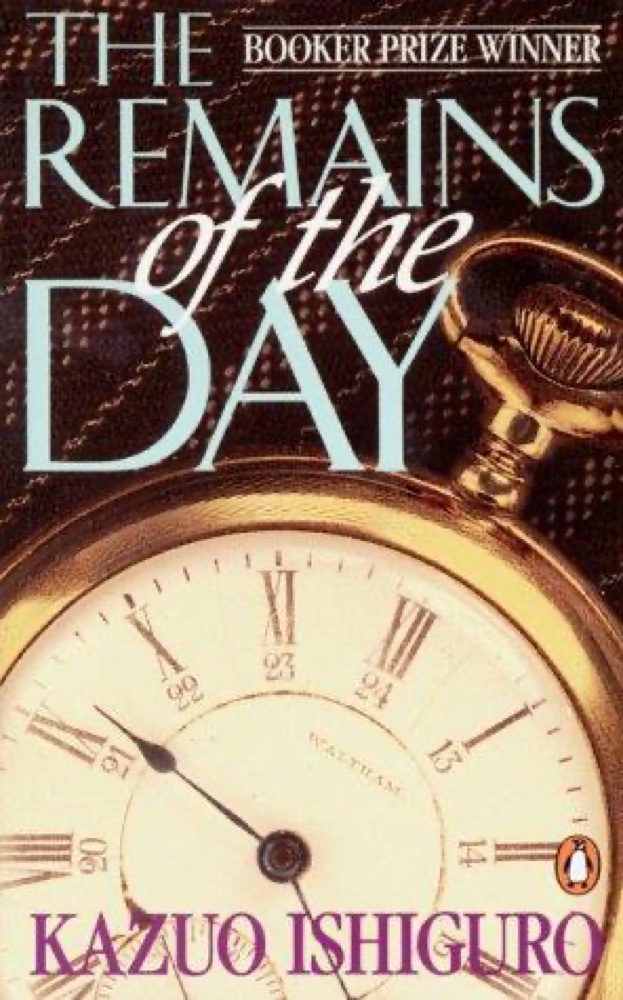 The Remains of the Day
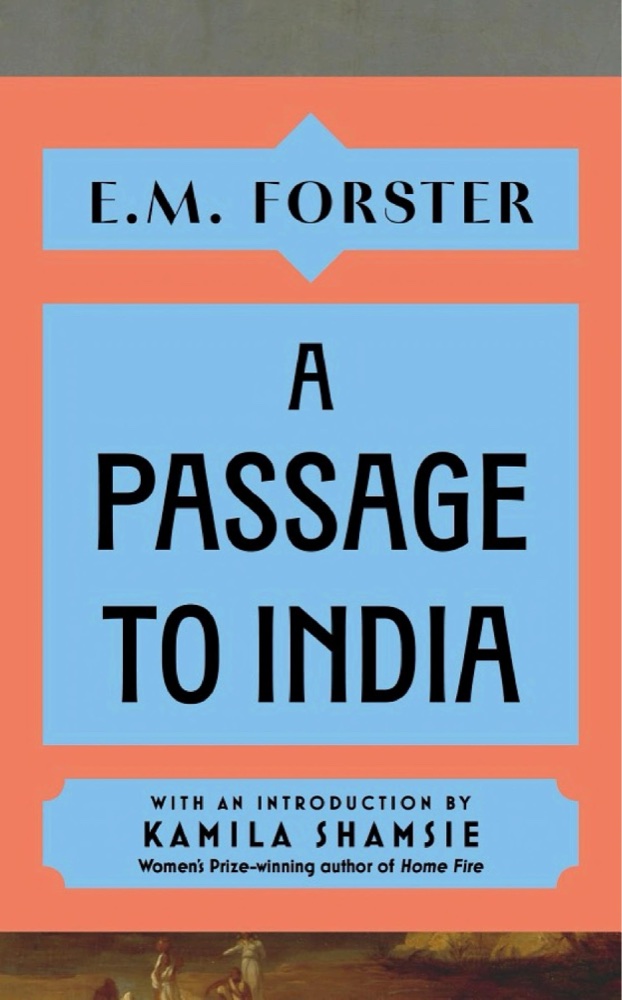 A Passage to India
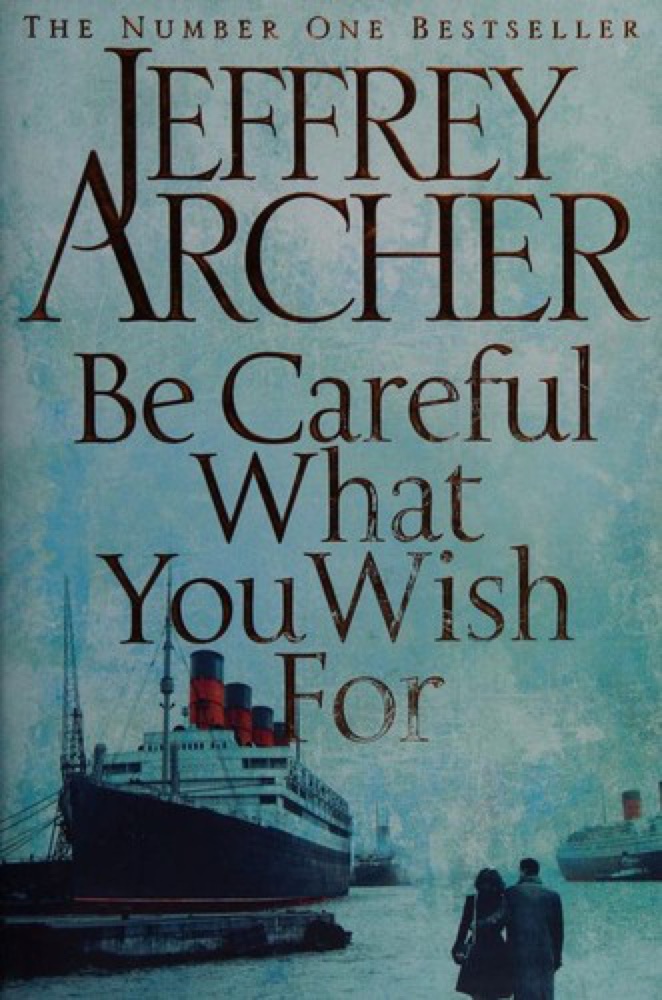 Be Careful What You Wish For
 The Clockmaker's Daughter
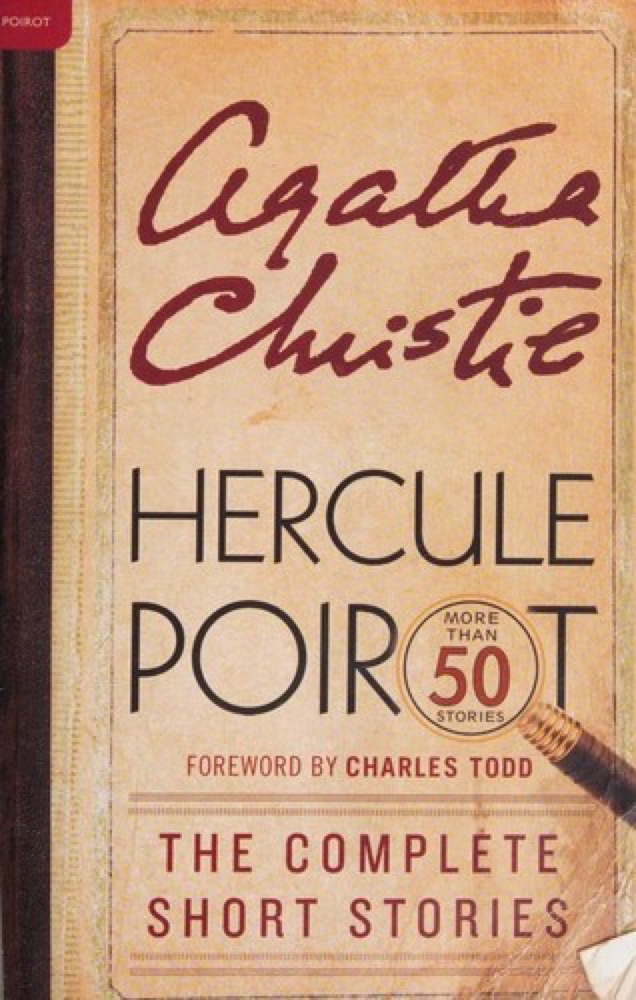 Hercule Poirot: The Complete Short Stories
 The Luminaries
 Journey by Moonlight
 Our Man in Havana
 The Screwtape Letters
 Lost December
 A Dance to the Music of Time: 1st Movement
 Lost Horizon
 Leonard and Hungry Paul
 Essays of E.B. White
 The Bourne Identity
 A Brightness Long Ago
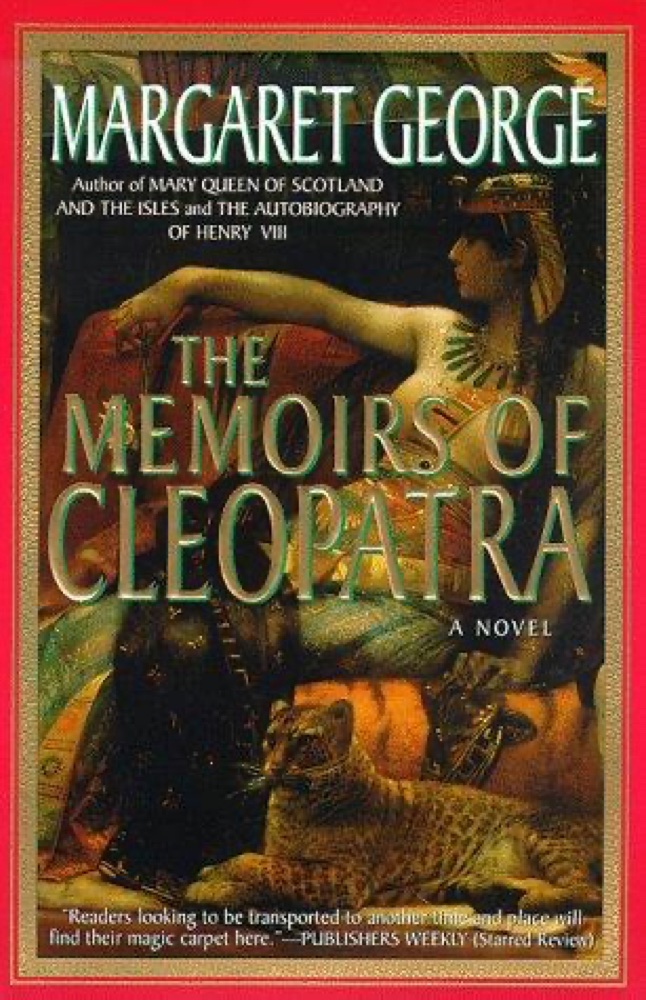 The Memoirs of Cleopatra
 A Great Reckoning
 Foundation and Empire
 The Rebel Angels
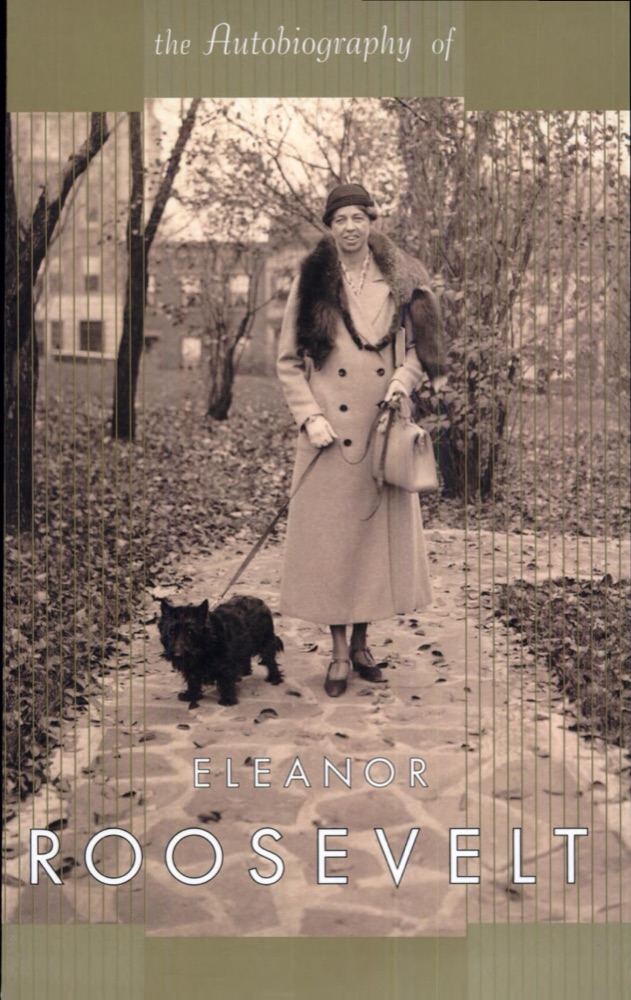 The Autobiography of Eleanor Roosevelt
 Royal Assassin
 The Cat's Table
 The Black Moon
 Canada
 A Fine Balance
 Out of Oz
 Table for Two
 The Grace of Kings
 The Quiet Game
 The Razor's Edge
 Fool's Fate
 Cancer Ward
 Earth Abides
 Arm of the Sphinx
 Silas Marner
 The Golden Tresses of the Dead
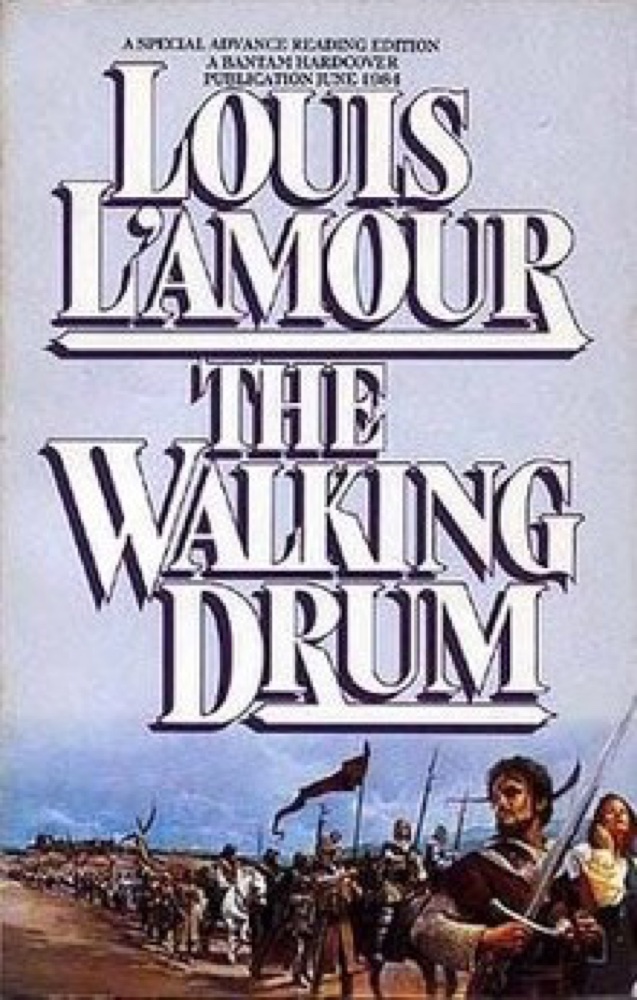 The Walking Drum
 By Nightfall
 The Journeys of Socrates
 Senlin Ascends
 Selected Stories
 The Professor
 Persuasion
 Odd Hours
 Howards End
 The Firebird
 The Magic Mountain
 The Long Dark Tea-Time of the Soul
 The Stone Diaries