

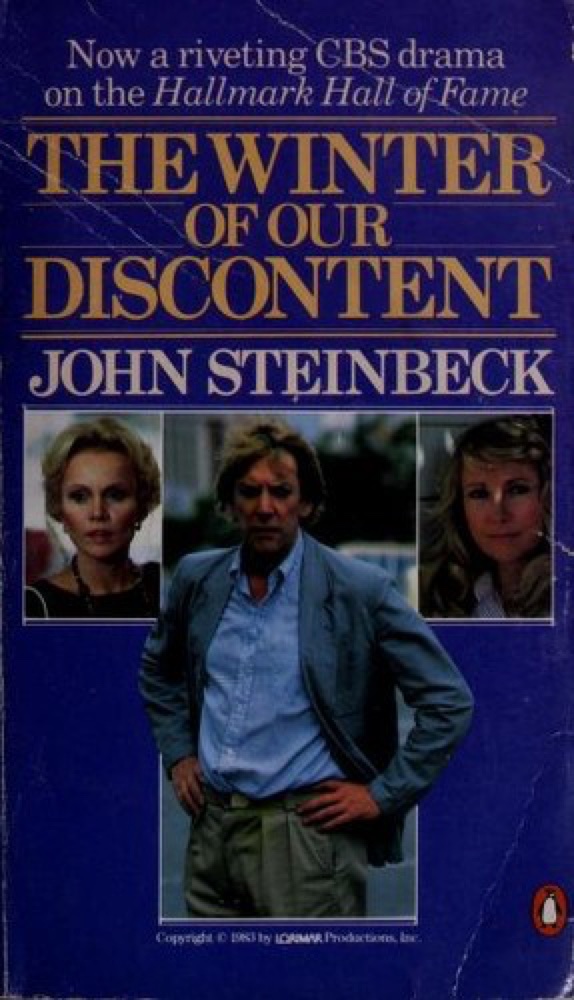
 The Winter of Our Discontent
Quotes from the Book
This is our condition . We do not solve problems. We replace them with other problems.
…wondering, not for the first time, if there was a kind of dark bliss built into dementia: an immunity from death and abandonment, a way of fixing a point in time so that nothing can change, nothing can be rewritten, no one can leave.
But now . . . he was not yet at the age, like his father, when life shifts to past tense, when what is becomes what was and all the other verbs defining your existence go slumping into the preterite, crusted with apophonic alternations (I sing calcifying into I sang), and you can do nothing but marvel or wince at the irredeemable, irreversible arc of it—not yet. On this November night he was fifty-four years old. By no means, he told himself, was he beyond the future tense. But he could feel the past tense gaining on him, like the cold seeping into his back and dusting his face. He licked it off his lips and stood up. He had work to do.
But then he decided it wasn’t an irony, it was merely the broken gears of time, or the way life can feed you when you’re full (youth) and starve you when you’re hungry (midlife).
Alexis was at that age, seventeen, when mothers come into view as tyrants or imbeciles or both.
This is our condition. We do not solve problems. We replace them with other problems.
Watch on YouTube
About Jonathan Miles
We have collected 6 quotes from 1 book by Jonathan Miles on BookQuoters.
More about the author →Book details
- Author
- Jonathan Miles
- Genre
- Fiction
- Goodreads rating
- 3.68 (3k ratings) →
Keep reading
The Winter of Our Discontent
 A Fatal Inversion
 Point Counter Point
 City of Miracles
 The Children of Men
 Ship of Magic
 Perfect
 So Long, See You Tomorrow
 Canada
 Angle of Repose
 Disappoint Me
 Rabbit Redux
 Cold Mountain
 Fathers and Sons
 A Spot of Bother
 Ordinary People
 The Gap of Time
 The Quiet Game
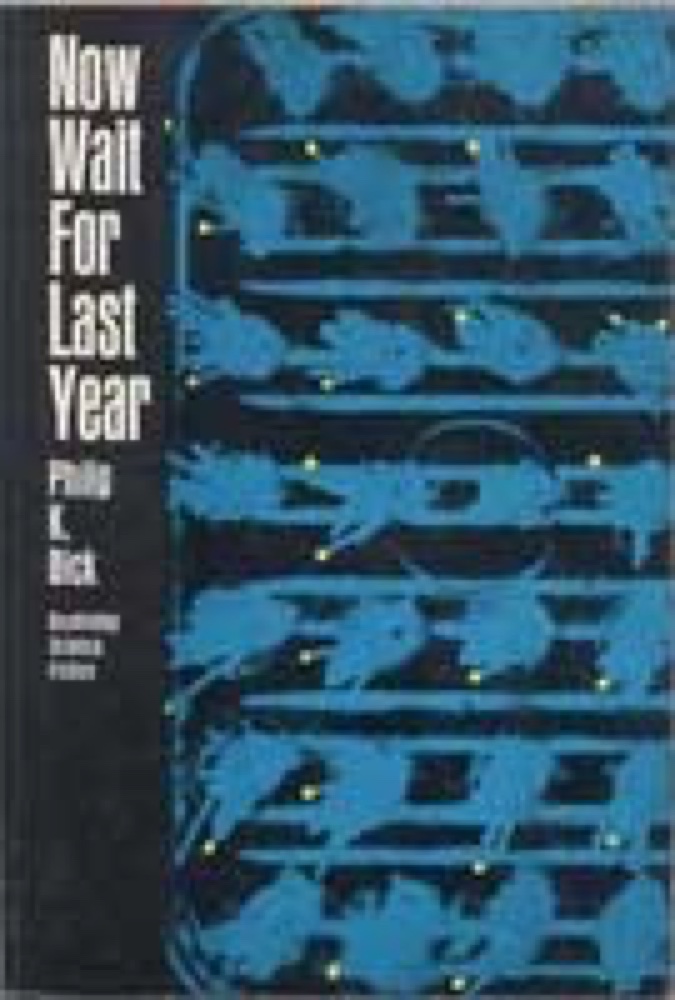 Now Wait for Last Year
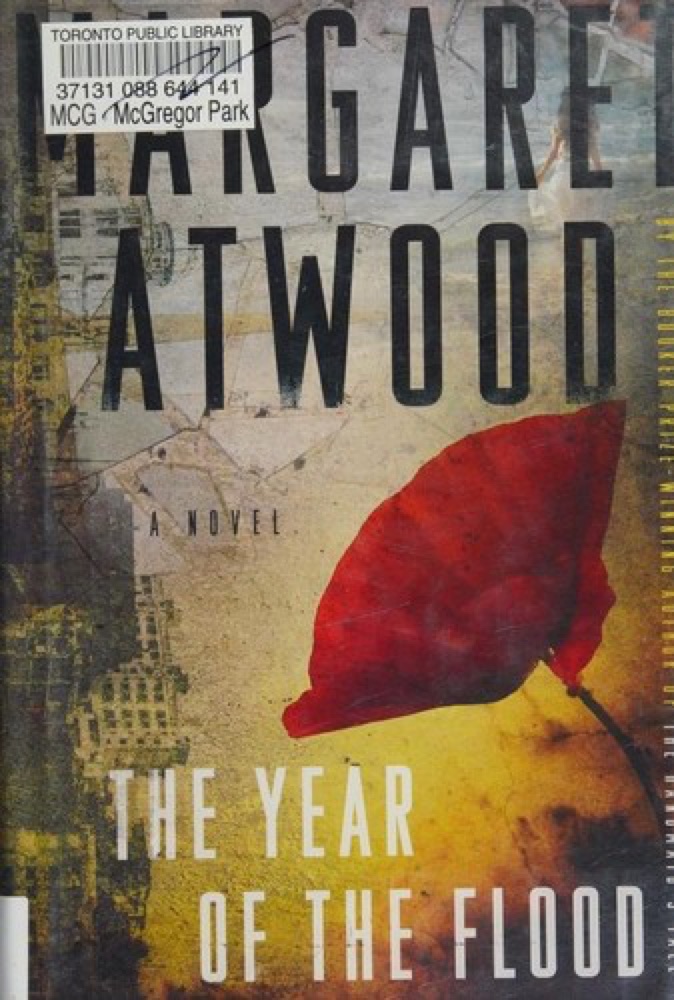 The Year of the Flood
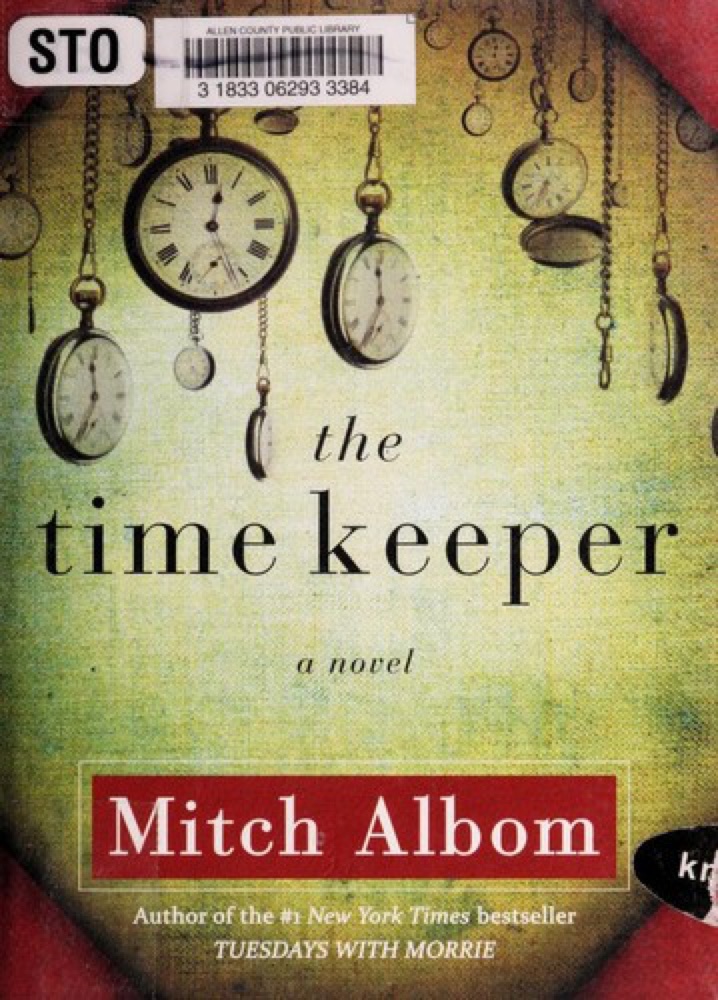 The Time Keeper
 Life After Life
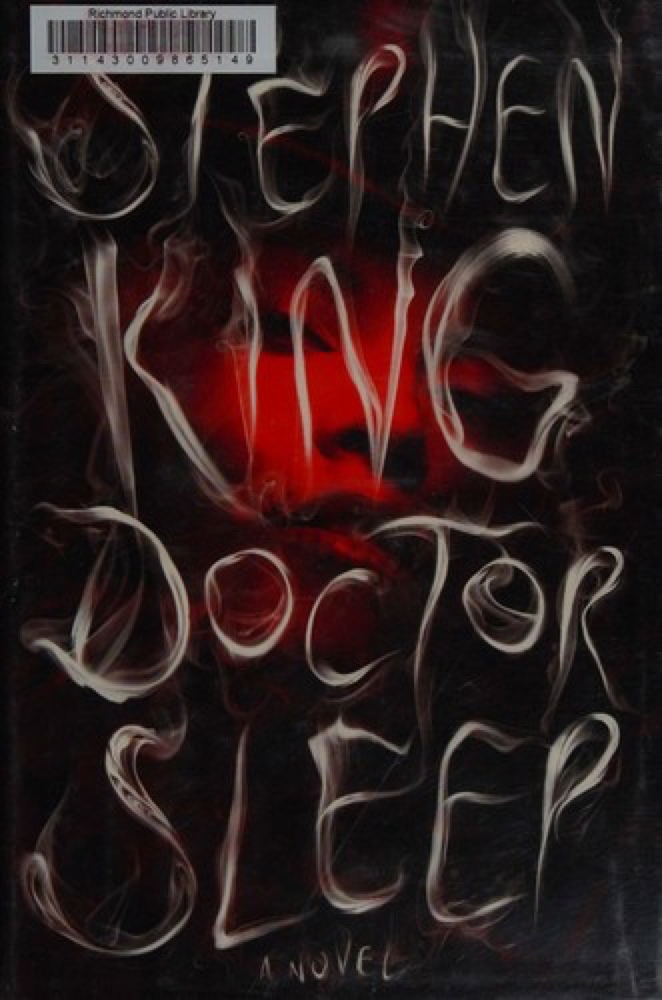 Doctor Sleep
 How Beautiful We Were
 Disgrace
 Light in August
 Fragments
 The Death of the Heart
 Oryx and Crake
 A Fine Balance
 The Blight of Muirwood
 Dept. of Speculation
 The Bee Sting
 The Testaments
 V.
V.
 The Invasion of the Tearling
 You Like It Darker
 The Secrets She Keeps
 Brother Odd
 UnSouled
 The Once and Future King
 Earth Abides
 Where Reasons End
 Flight Behavior
 Adam Bede
 The Hour I First Believed
 Blue Nights
 Welcome to Night Vale
 Giovanni's Room
 Pink Slime
 Cutting for Stone
 Freshwater
 The Corrections
 We Are Not Ourselves
 Anthills of the Savannah
 Odd Hours
 The Taking
 The Trouble with Peace
 That Hideous Strength
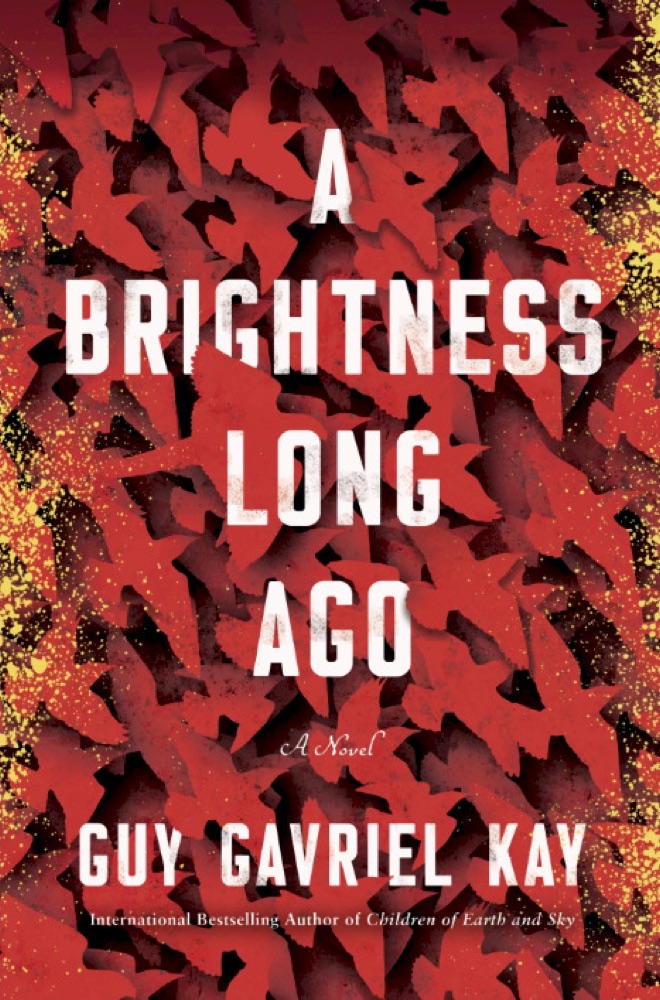 A Brightness Long Ago