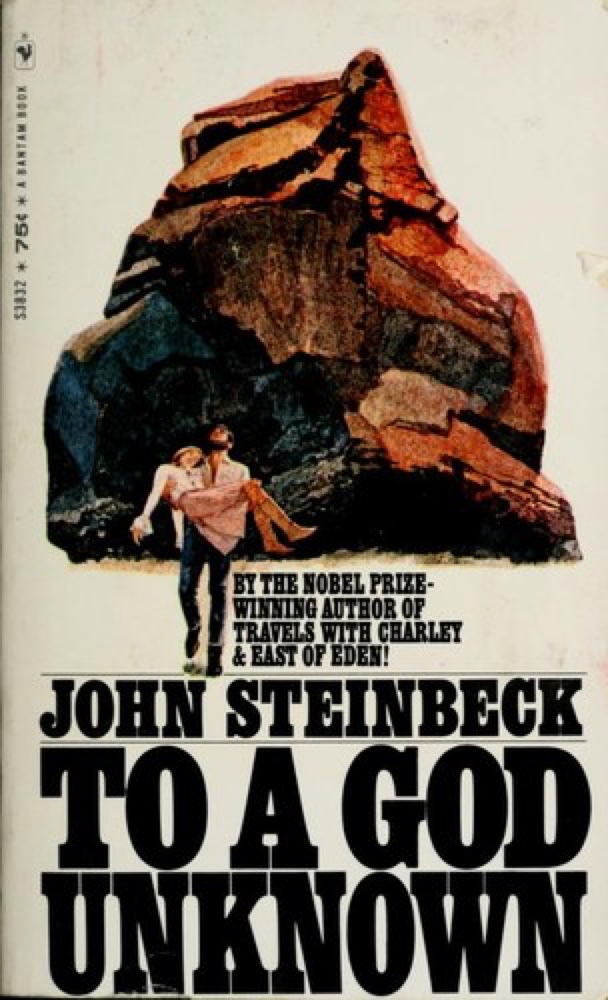
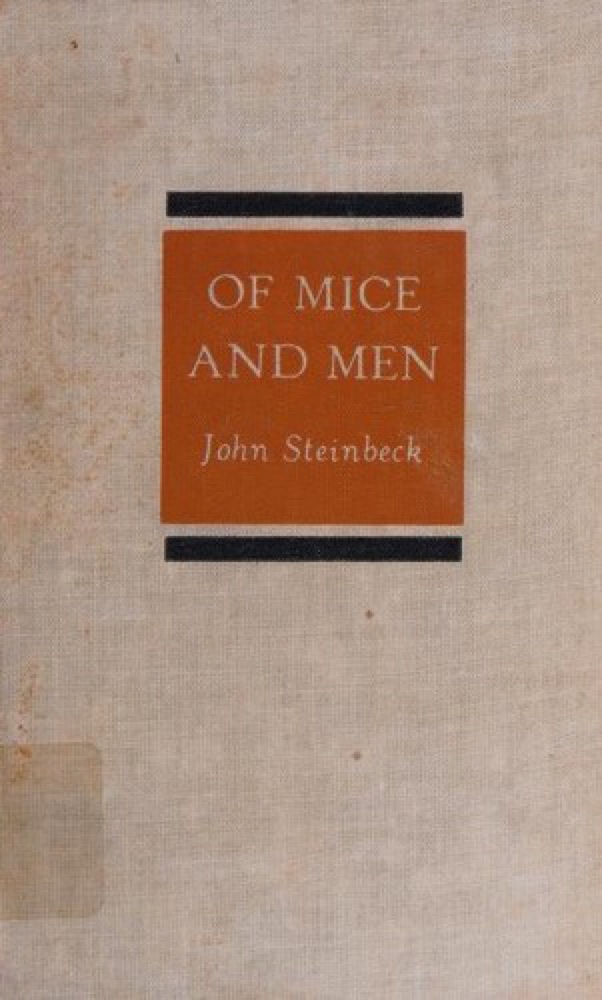
 Of Mice and Men
Quotes from the Book
There are some times...when the love for people is strong and warm like a sorrow.
Life cannot be cut off quickly. One cannot be dead until the things he changed are dead. His effect is the only evidence of his life. While there remains even a plaintive memory, a person cannot be cut off, dead. And he thought, “It’s a long slow process for a human to die. We kill a cow, and it is dead as soon as the meat is eaten, but a man’s life dies as a commotion in a still pool dies, in little waves, spreading and growing back toward stillness.
I should have known […] I am the rain. […] I am the land […] and I am the rain. The grass will grow out of me in a little while.
The first grave. Now we're getting someplace. Houses and children and graves, that's home, Tom. Those are the things that hold a man down.
Rama continued: “I do not know whether there are men born outside humanity, or whether some men are so human as to make others seem unreal. Perhaps a godling lives on earth now and then. Joseph has strength beyond vision of shattering, he has the calm of mountains, and his emotion is as wild and fierce and sharp as the lightning and just as reasonless as far as I can see or know. When you are away from him, try thinking of him and you’ll see what I mean. His figure will grow huge, until it tops the mountains, and his force will be like the irresistible plunging of the wind. Benjy is dead. You cannot think of Joseph dying. He is eternal. His father died, and it was not a death.” Her mouth moved helplessly, searching for words. She cried as though in pain, “I tell you this man is not a man, unless he is all men. The strength, the resistance, the long and stumbling thinking of all men, and all the joy and suffering, too, cancelling each other out and yet remaining in the contents. He is all these, a repository for a little piece of each man’s soul, and more than that, a symbol of the earth’s soul.” Her eyes dropped and her hand withdrew. “I said a door was open.
Yes, I’ll be glad.” And she said suddenly, “There are some times, Joseph, when the love for people is strong and warm like a sorrow.” He looked quickly at her in astonishment at her statement of his own thought. “How did you think that, dear?” “I don’t know. Why?” “Because I was thinking it at that moment — and there are times when the people and the hills and the earth, all, everything except the stars, are one, and the love of them all is strong like a sadness.” “Not the stars, then?” “No, never the stars. The stars are always strangers — sometimes evil, but always strangers. Smell the sage, Elizabeth. It’s good to be getting home.
I should have known,” he whispered. “I am the rain.” And yet he looked dully down the mountains of his body where the hills fell to an abyss. He felt the driving rain, and heard it whipping down, pattering on the ground. He saw his hills grow dark with moisture. Then a lancing pain shot through the heart of the world. “I am the land,” he said, “and I am the rain. The grass will grow out of me in a little while.” And the storm thickened, and covered the world with darkness, and with the rush of waters.
The wedding was in Monterey, a sombre boding ceremony in a little Protestant chapel. The church had so often seen two ripe bodies die by the process of marriage that it seemed to celebrate a mystic double death with its ritual.
1 When the crops were under cover on the Wayne farm near Pittsford in Vermont, when the winter wood was cut and the first light snow lay on the ground, Joseph Wayne went to the wing-back chair by the fireplace late one afternoon and stood before his father.
Joseph saw how he could make a gesture with his arms and hands, that would sweep in and indicate and symbolize the ripe stars and the whole cup of the sky, the land, eddied with black trees, and the crested waves that were the mountains, an earth storm, frozen in the peak of its rushing, or stone breakers moving eastward with infinite slowness. Joseph wondered whether there were any words to say these things." He said, "I like the night. It's more strong than the day.
The mountains sat with their feet in the sea, and the old man's house was on the knees.
Watch on YouTube
About John Steinbeck
We have collected 423 quotes from 18 books by John Steinbeck on BookQuoters.
More about the author →More by John Steinbeck
All books by John Steinbeck →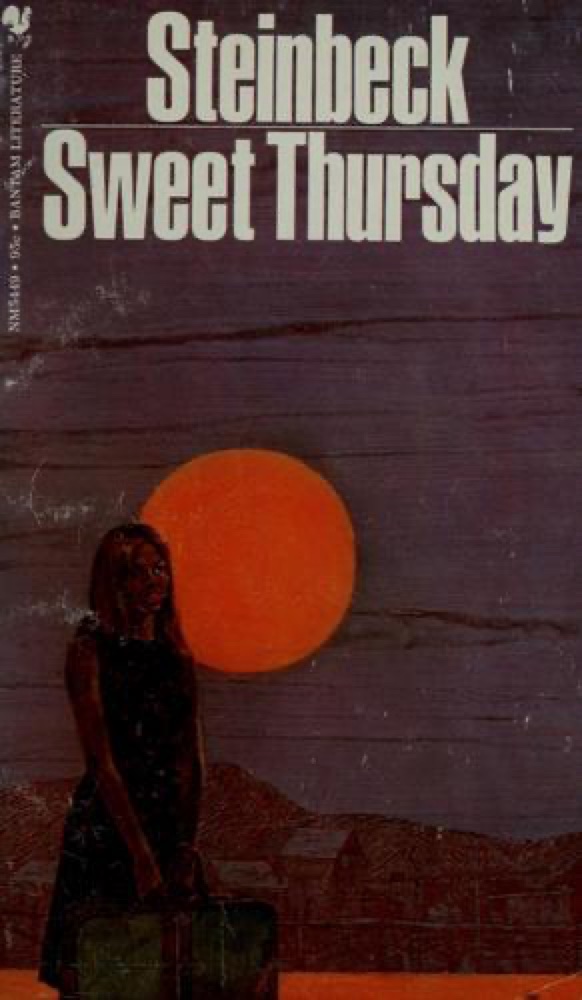
Book details
- Author
- John Steinbeck
- Genre
- Classics
- Goodreads rating
- 3.95 (16k ratings) →
Keep reading
 The Hollow Hills
 House Made of Dawn
 Keturah and Lord Death
 Caleb's Crossing
 Independent People
 Death Comes for the Archbishop
 Look Homeward, Angel
 Suttree
 At Swim, Two Boys
 Phantastes
 Jayber Crow
 Cold Mountain
 The Sparrow
 Birdsong
 Spring Snow
 Sword & Citadel
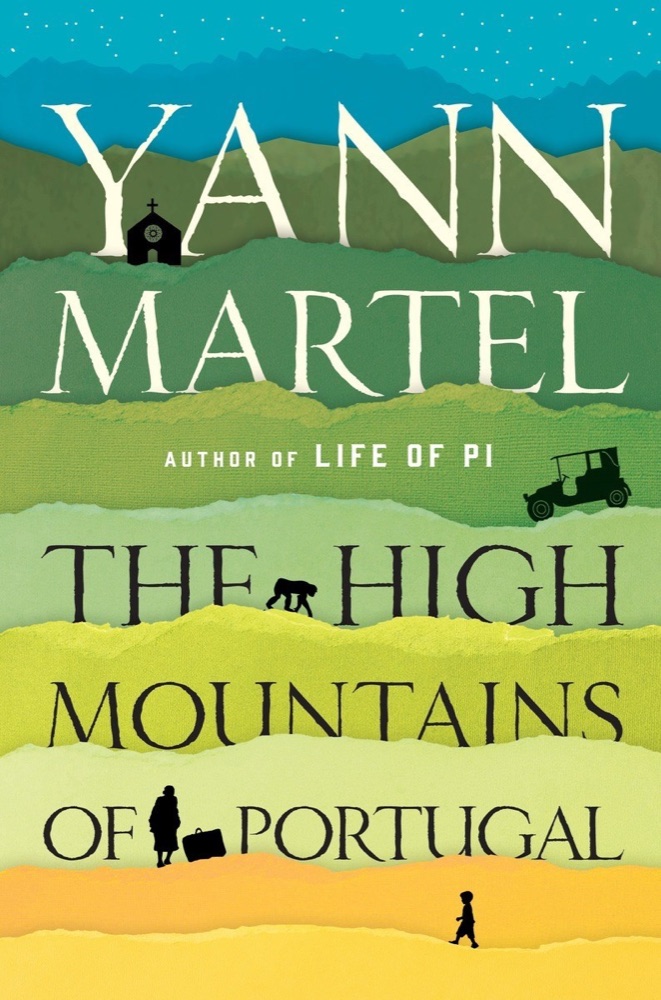 The High Mountains of Portugal
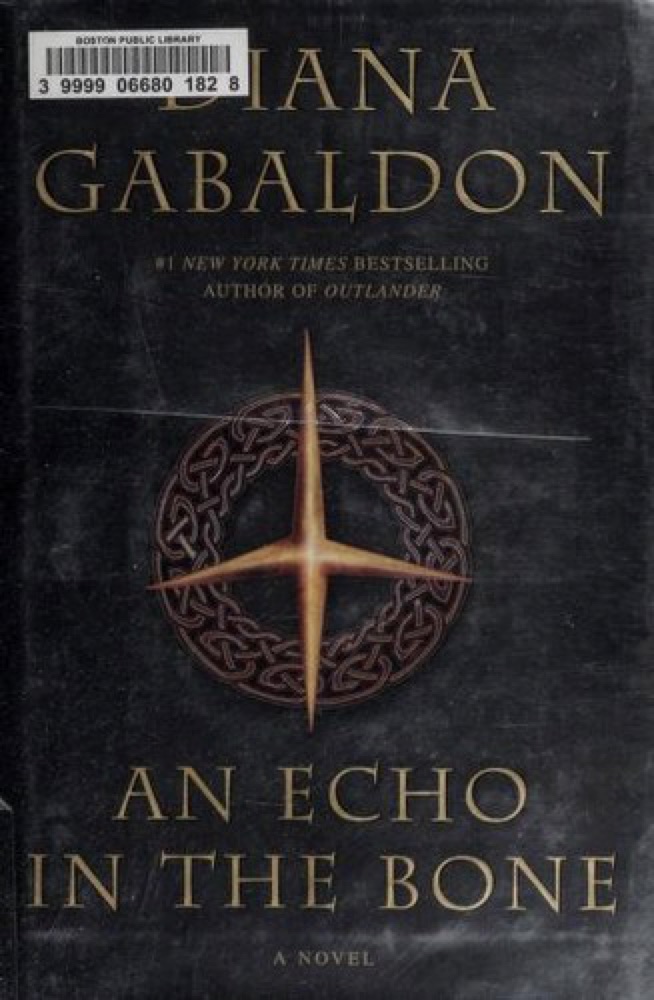 An Echo in the Bone
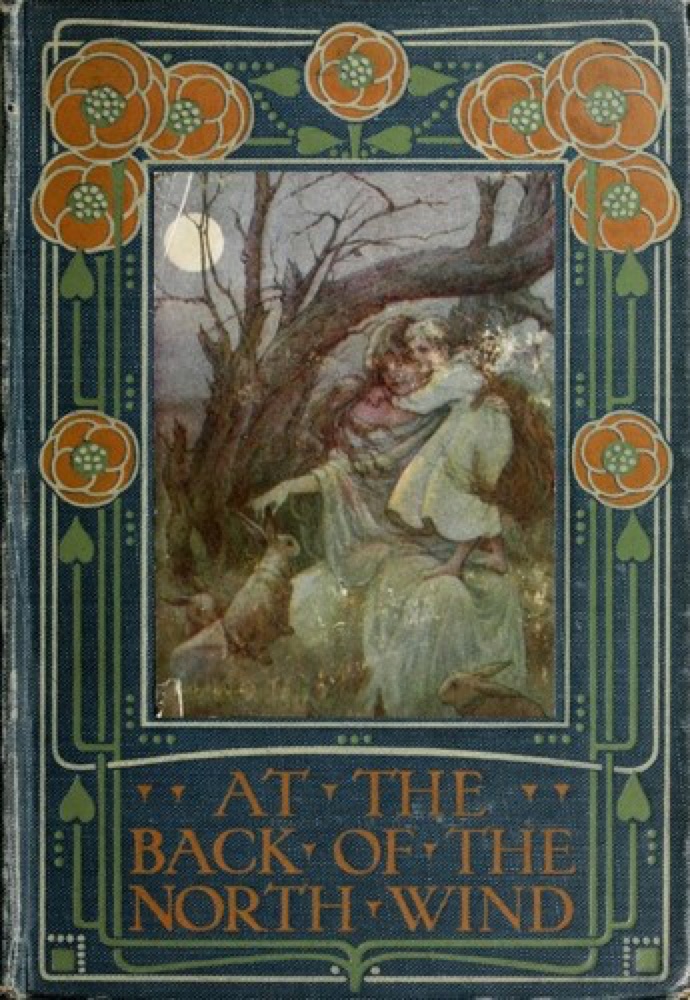 At the Back of the North Wind
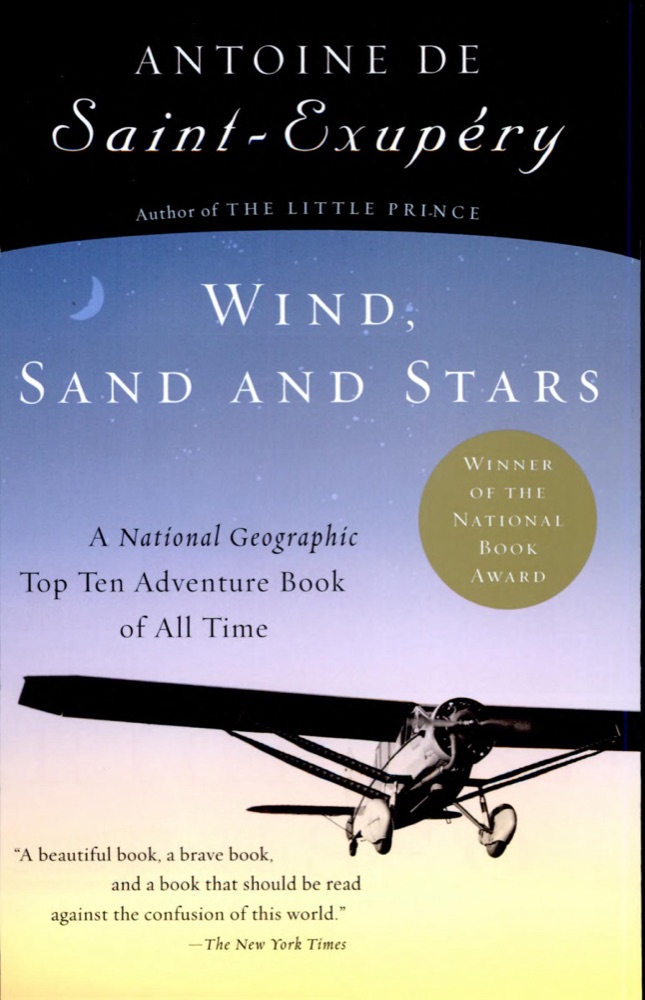 Wind, Sand and Stars
 A Soldier of the Great War
 The Night Watchman
 The Known World
 Lincoln in the Bardo
 The Crossing
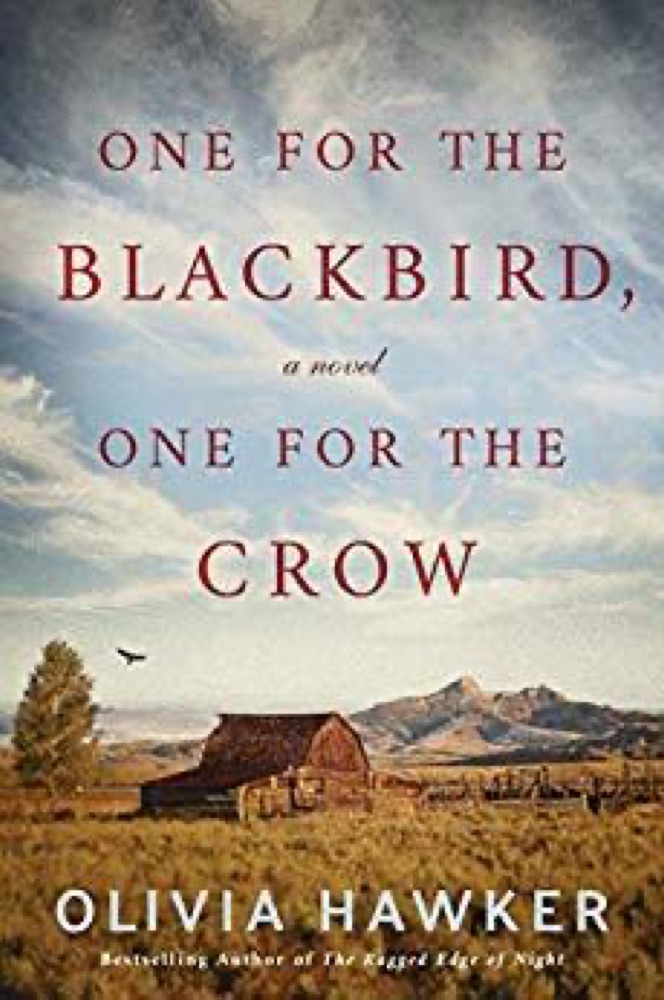 One for the Blackbird, One for the Crow
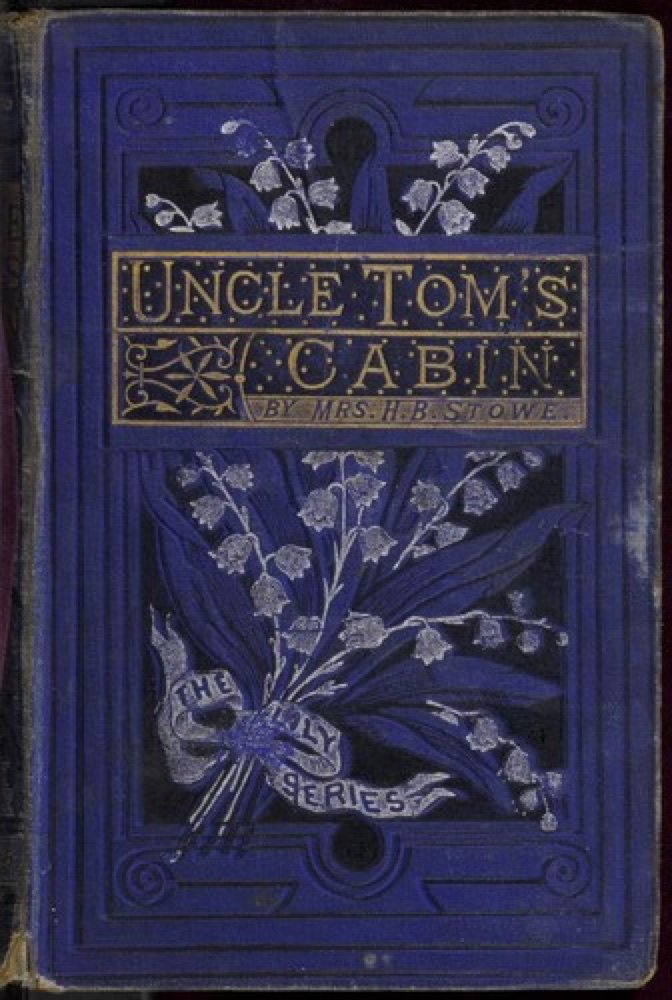 Uncle Tom's Cabin
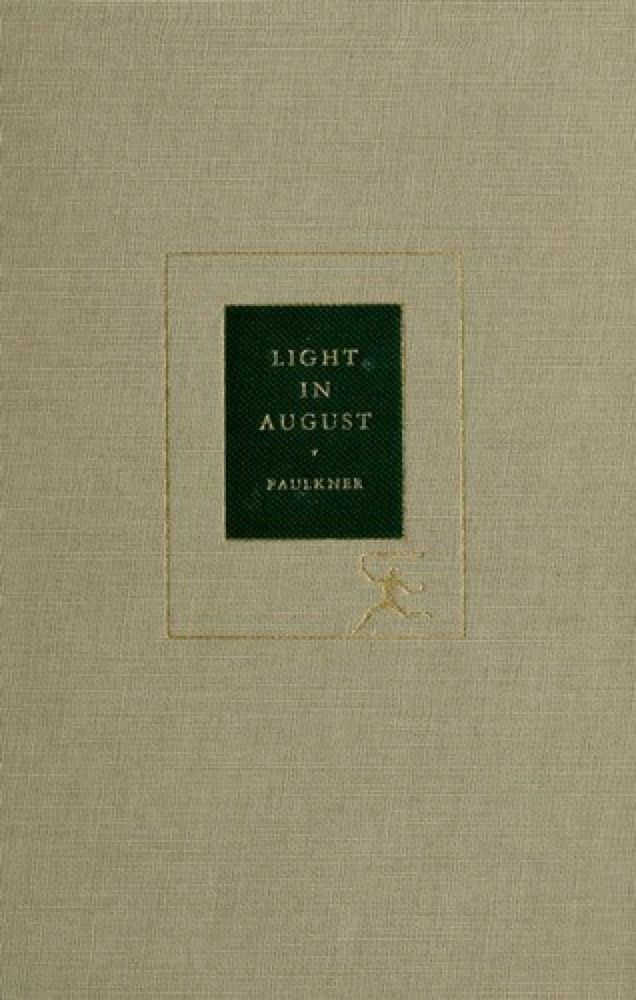 Light in August
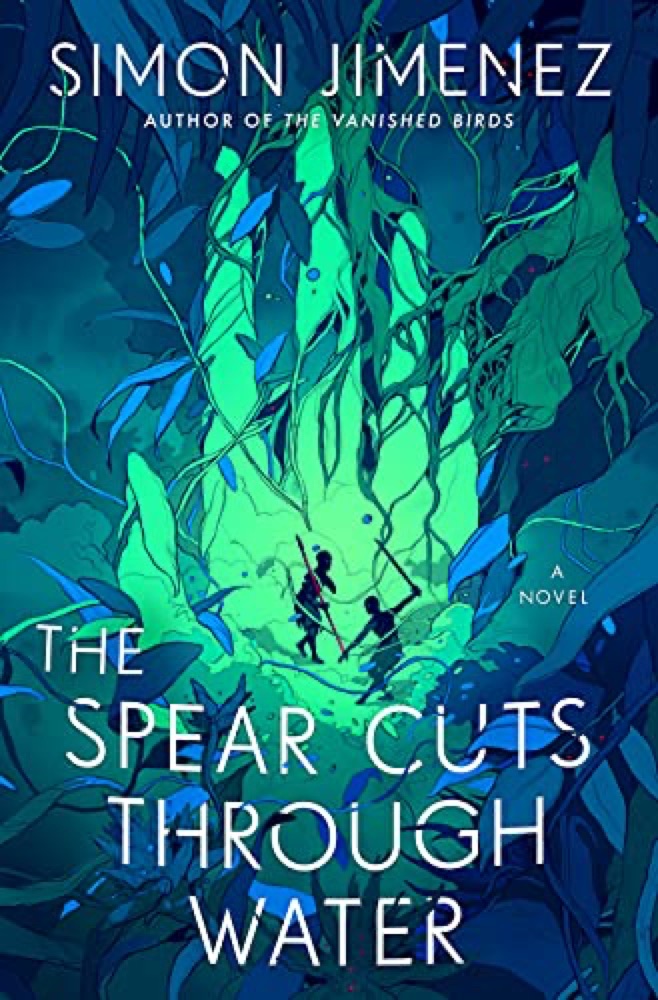 The Spear Cuts Through Water
 One of Ours
 A Place on Earth
 March
March
 The Etched City
 Winesburg, Ohio
 A River Enchanted
 Son of the Shadows
 The Isle of Blood
 The Collected Poems
 Absalom, Absalom!
 The Blind Man's Garden
 Something Wicked This Way Comes
 Selected Poems
 The Dean's Watch
 Go Tell It on the Mountain
 Light Years
 Plainwater: Essays and Poetry
 Henderson the Rain King
 Tinkers
 Children of God
 The Stranger in the Lifeboat
 The Soulkeepers
 Peace Like a River
 Whiskey When We're Dry
 Snow Falling on Cedars
 You Can't Go Home Again
 The Last Report on the Miracles at Little No Horse
 Sacred Journey of the Peaceful Warrior
 A Death in the Family
 Corrag
 As I Lay Dying