

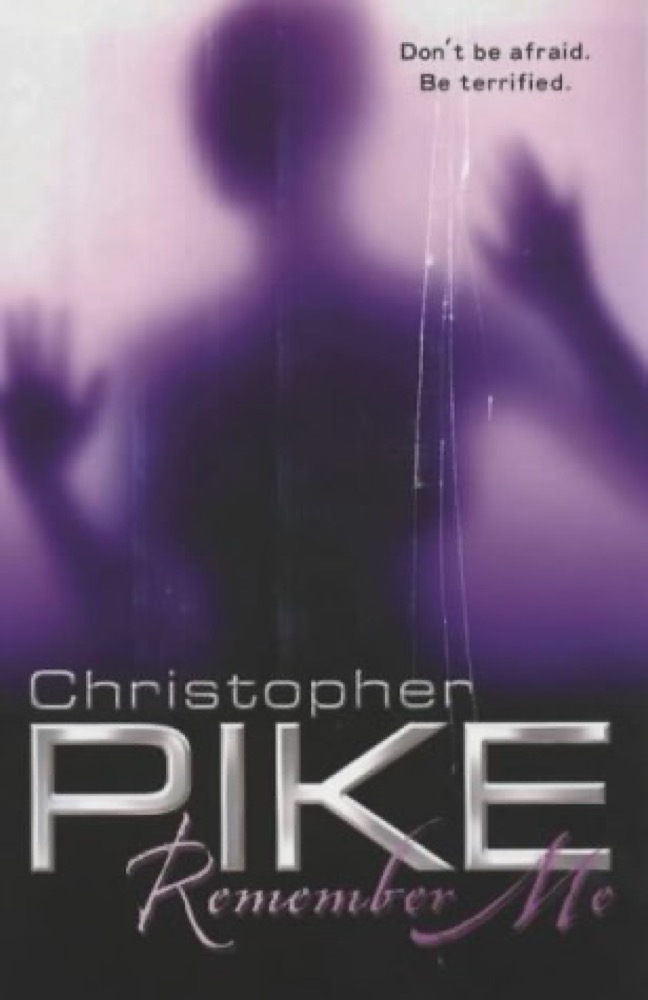
 Remember Me
Quotes from the Book
No one awakens in the morning thinking they will die that day. Not a saint or a sinner. Not even a condemned killer. We all know were mortal, and yet we all believe we'll live forever.
I think of Krishna and his deep blue eyes. It is said, in the hidden scriptures in India, that to focus on the eyes of the Lord is the highest spiritual practice a human being can proform. It's suppose to be equal to the greatest act of charity, which Jesus describes in the Bible as sacrificing one's life to save the life of another. The Vedas, the Bible, it's true, they overlap a lot. Maybe gazing into Krishna's eyes... Pain...Pain...Pain... Is equal to Christ's sacrifice. I'm only suffering this pain to protect John. It doesn't matter that he won't see me. I still love him, I will always love him. And in this exquisitely agonizing moment, I realize he refused to see me because he wanted to force me to see him inside. Ah, that's the key! This practice of visualizing that I'm staring into Krishna's blue eyes, I've done it before. But this is the first time I see him staring back at me! The Agony comes, and it does not get transformed into bliss. If anything it is worse than before. Except for one thing. The pain does not obliterate my sense of "I." I'm still Sita, the last vampire.
For me, Satan and a literal hell are fables born of Christianity’s desire to control humanity by increasing its fear of death.
The devil does not exist. I do not believe he exists. Nor do I believe the old saying that the devil's greatest accomplishment was to convince the majority of mankind that he does not exist. For me Satan and a literal hell are fables born of Christianity's desire to control humanity by increasing its fear of death. After all, I'm five thousands years old and I've never met Satan.
Having lived so long, I can’t tell the difference between the two political parties. They both sound like broken records that started skipping after the founding fathers died. Now there were some real men!
Watch on YouTube
About Christopher Pike
We have collected 51 quotes from 5 books by Christopher Pike on BookQuoters.
More about the author →More by Christopher Pike



Book details
- Author
- Christopher Pike
- Genre
- Fantasy
- Goodreads rating
- 4.15 (20k ratings) →
Keep reading
 Heaven and Hell: A History of the Afterlife
 The Last Temptation of Christ
 Father Joe: The Man Who Saved My Soul
 The Everlasting Man
 Demons
 Waking the Dead: The Glory of a Heart Fully Alive
 Henderson the Rain King
 I, Lucifer
 Letters from the Earth: Uncensored Writings
 The Scarlet Gospels
 The Seven Moons of Maali Almeida
 The Exorcist
 The Irresistible Revolution: Living as an Ordinary Radical
 Saint Francis
 The Sandman: Endless Nights
 The Devil's Advocate
 A Severe Mercy: A Story of Faith, Tragedy and Triumph
 Orthodoxy
 The Case for Faith: A Journalist Investigates the Toughest Objections to Christianity
 The Seven Storey Mountain
 The Good Man Jesus and the Scoundrel Christ
 Demian
 Demonspawn
 My Bright Abyss: Meditation of a Modern Believer
 The Brothers Karamazov
 A Canticle for Leibowitz
 Day
Day
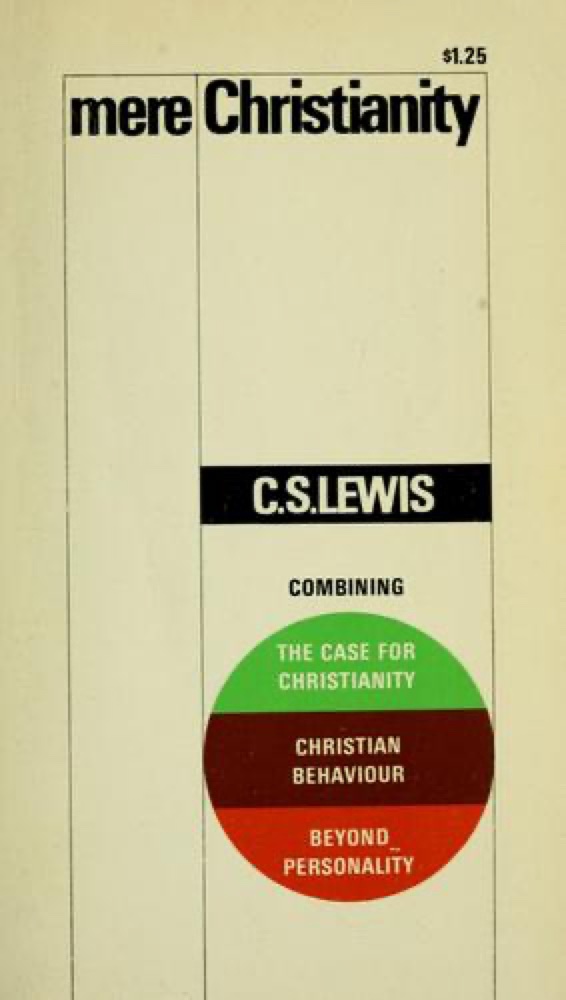 Mere Christianity
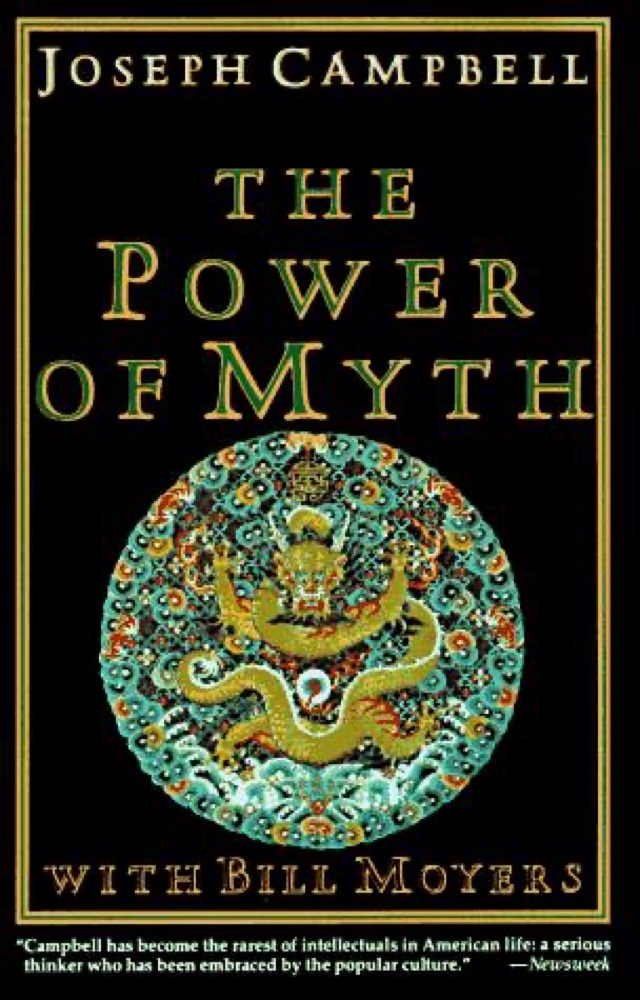 The Power of Myth
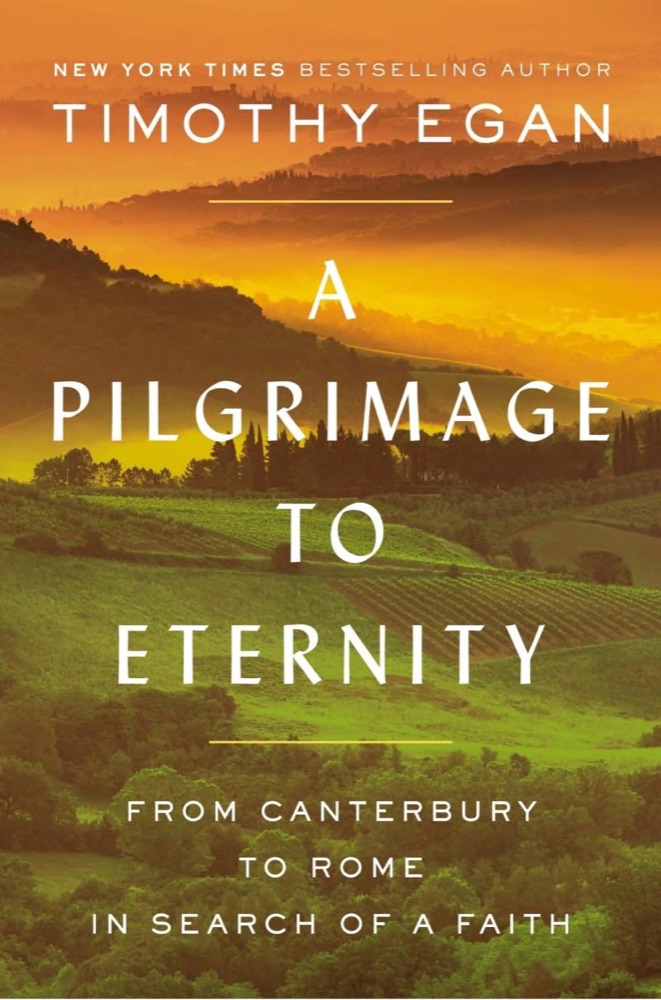 A Pilgrimage to Eternity: From Canterbury to Rome in Search of a Faith
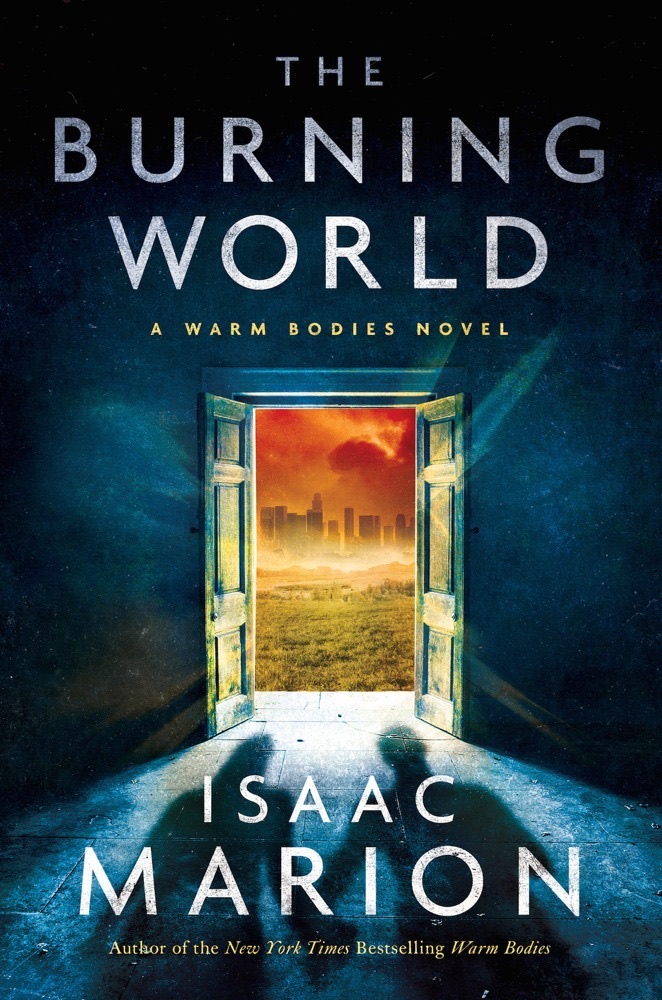 The Burning World
 Damned
 Love Wins Low Price CD: Love Wins Low Price CD
 Shadow of the Almighty: The Life and Testament of Jim Elliot
 The Divine Invasion
 Tortured for Christ
 The Age of Reason
 The Reason for God: Belief in an Age of Skepticism
 From Sand and Ash
 Jayber Crow
 The Weight of Glory
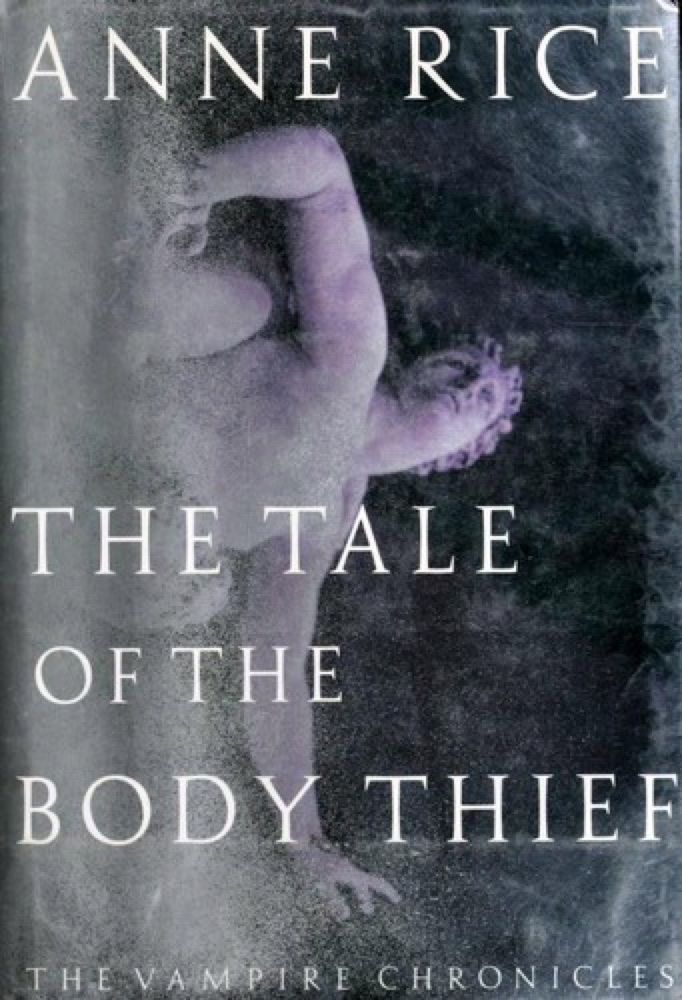 The Tale of the Body Thief
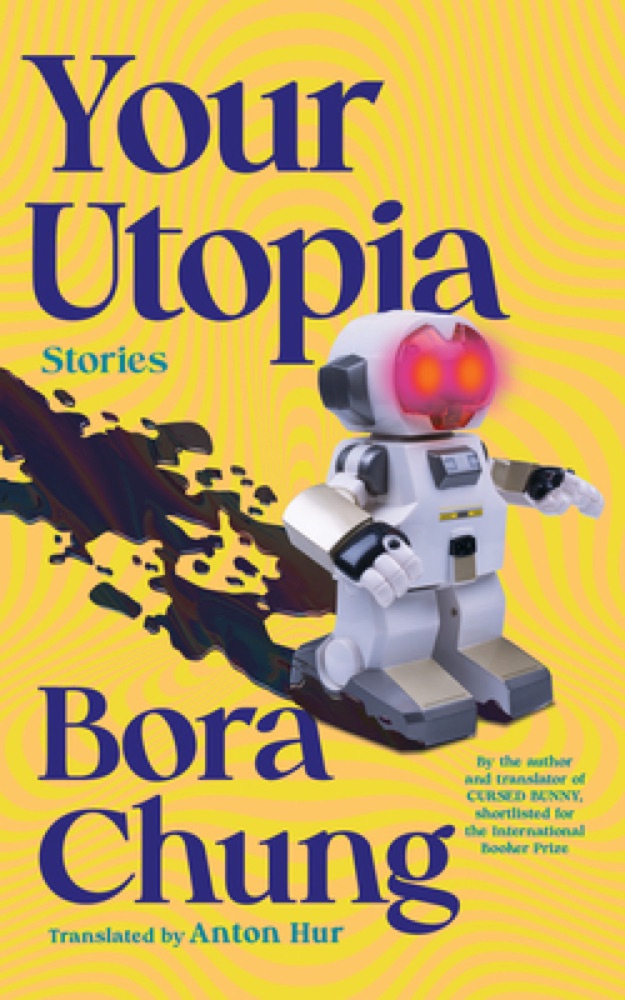 Your Utopia
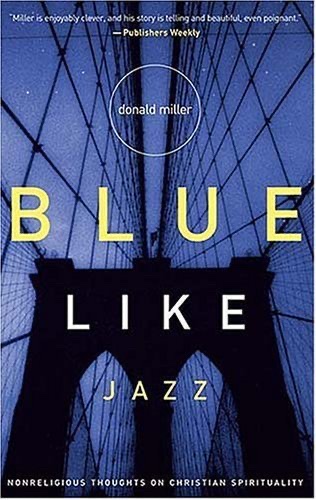 Blue Like Jazz: Nonreligious Thoughts on Christian Spirituality
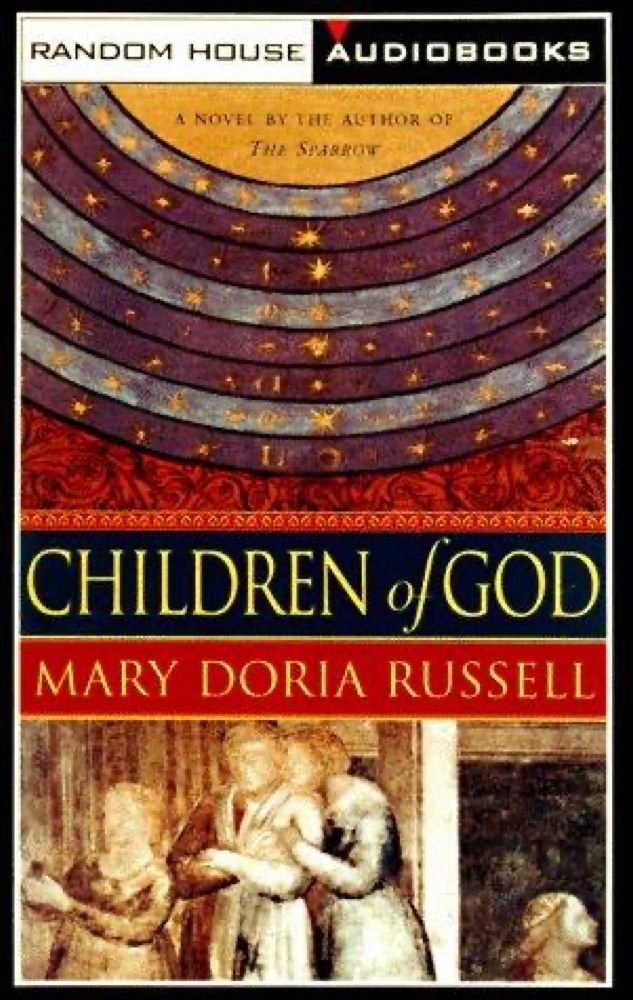 Children of God
 The Satanic Bible
 17776: What football will look like in the future
 The Anti-Christ
 Stella Maris
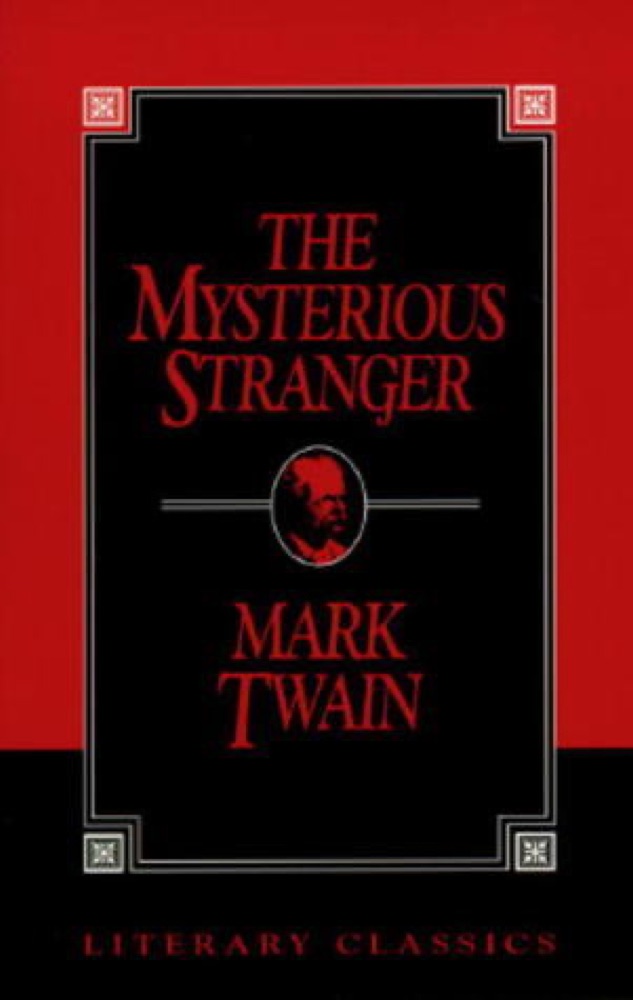 The Mysterious Stranger
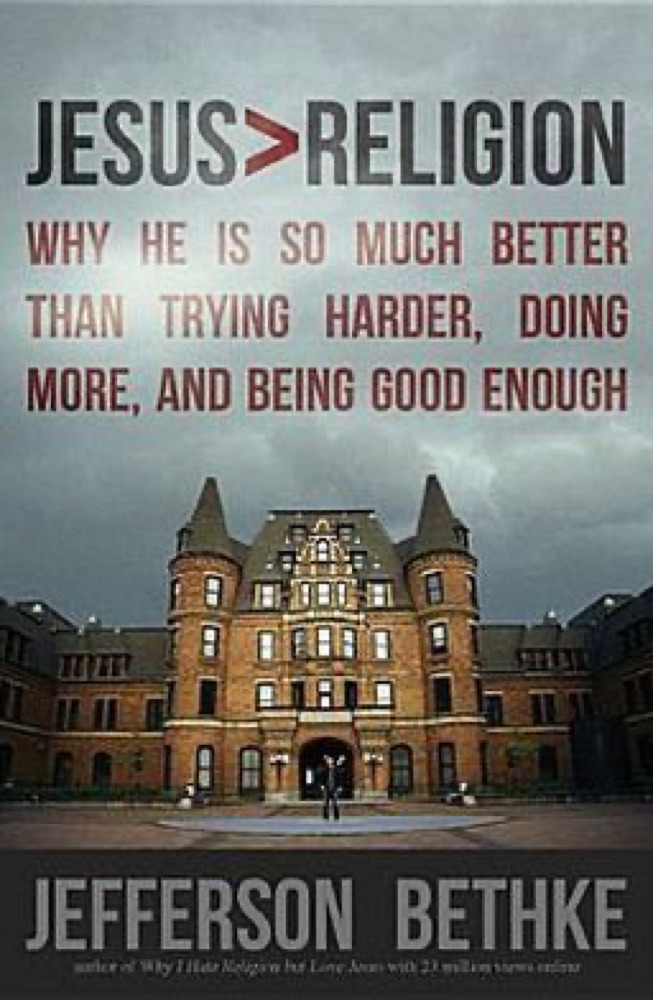 Jesus > Religion: Why He Is So Much Better Than Trying Harder, Doing More, and Being Good Enough
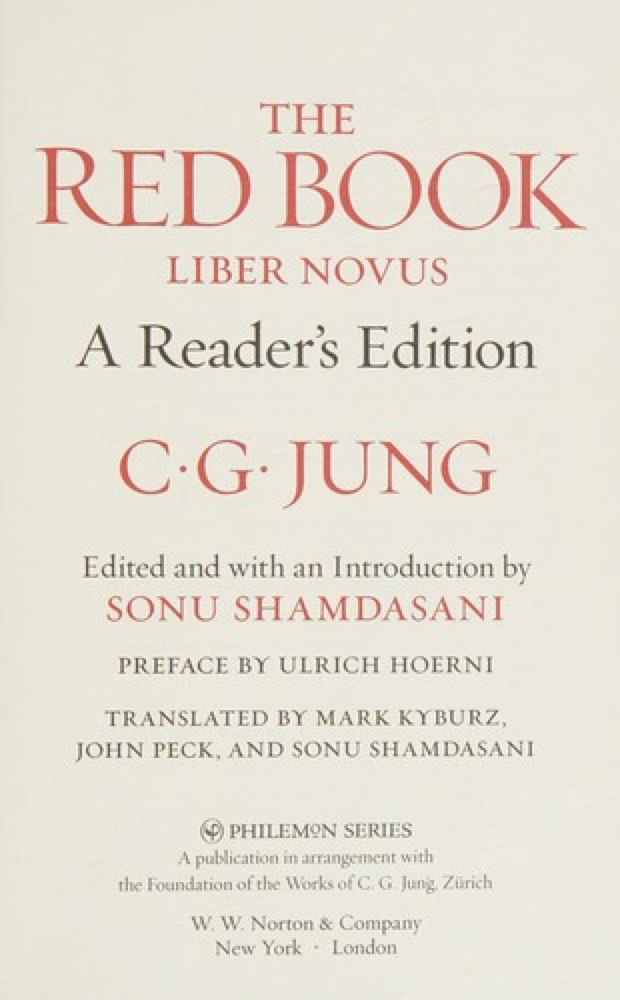 The Red Book: Liber Novus
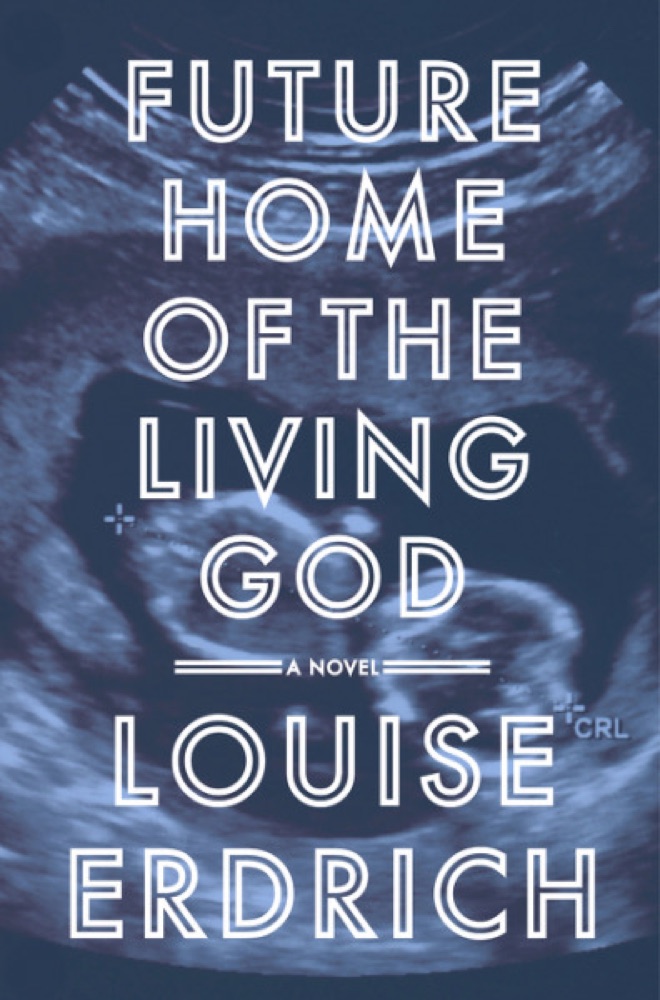 Future Home of the Living God
 The Queen of the Damned
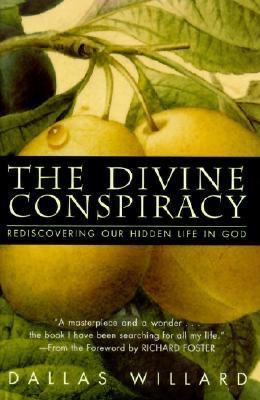 The Divine Conspiracy: Rediscovering Our Hidden Life in God
 Tears and Saints
 Laurus
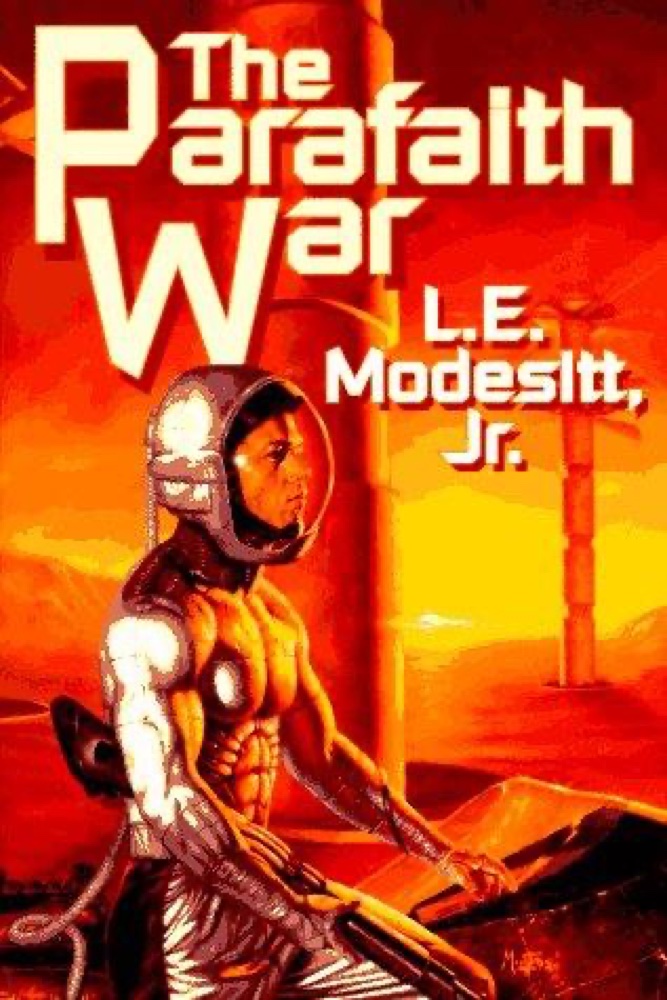 The Parafaith War
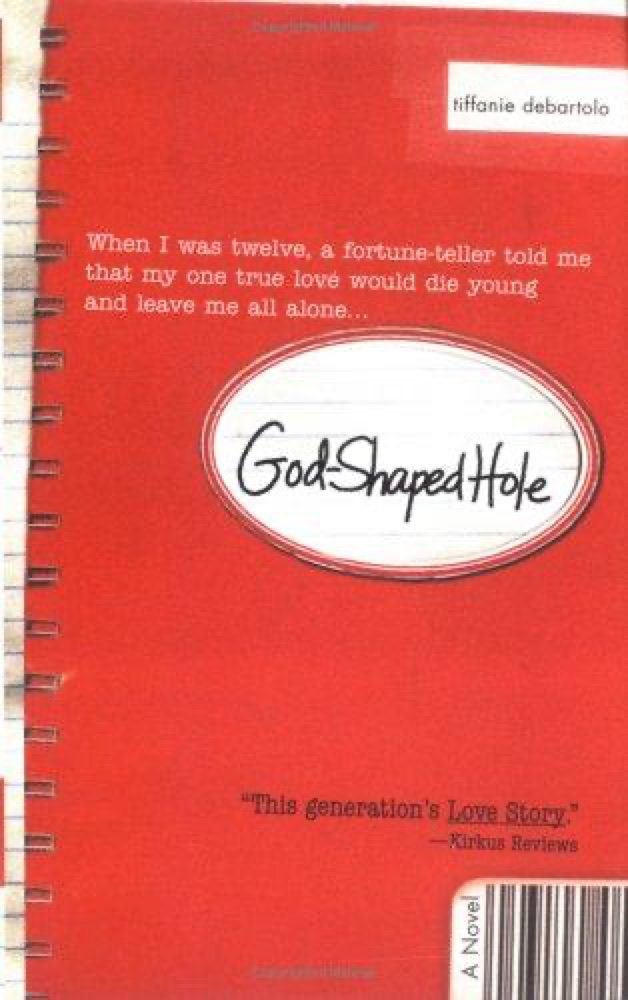 God-Shaped Hole
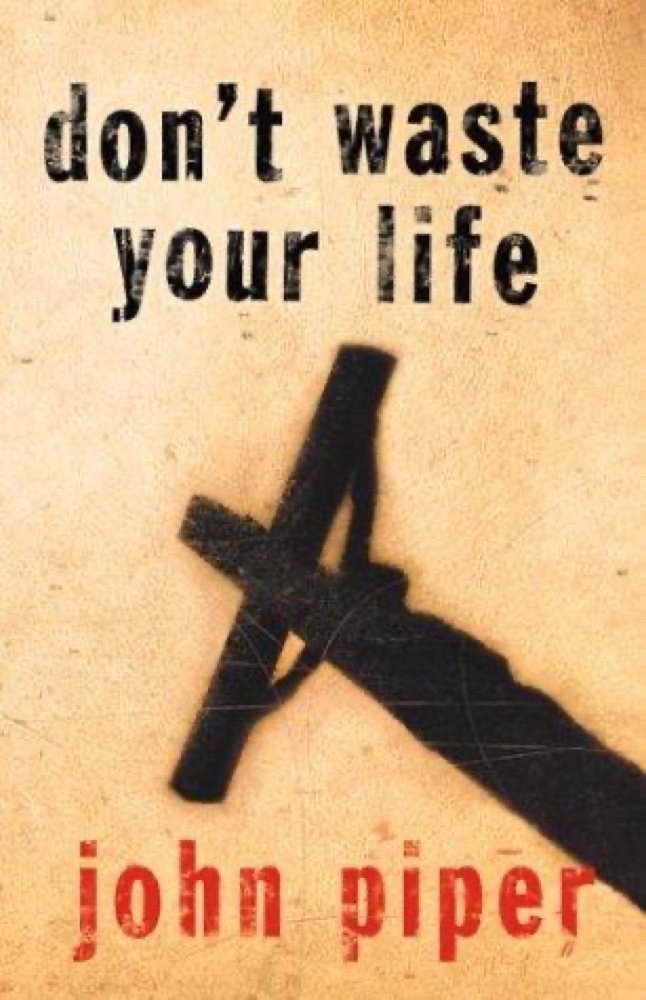 Don't Waste Your Life