

 An Introduction to Zen Buddhism
Quotes from the Book
If you fall into poverty, live that way without grumbling - then your poverty will not burden you. Likewise, if you are rich, live with your riches. All this is the functioning of Buddha-nature. In short, Buddha-nature has the quality of infinite adaptability.
You must realize that no matter how intently you count your breaths you will still perceive what is in your line of vision, since your eyes are open, and you will hear the normal sounds about you, as your ears are not plugged. And since your brain likewise is not asleep, various thought forms will dart about your mind. Now, they will not hamper or diminish the effectiveness of zazen unless, evaluating them as "good", you cling to them or, deciding they are "bad", you try to check or eliminate them.
One day a man of the people said to Zen Master Ikkyu: “Master, will you please write for me some maxims of the highest wisdom?” Ikkyu immediately took his brush and wrote the word “Attention.” “Is that all?” asked the man. “Will you not add something more?” Ikkyu then wrote twice running: “Attention. Attention.” “Well,” remarked the man rather irritably, “I really don’t see much depth or subtlety in what you have just written.” Then Ikkyu wrote the same word three times running: “Attention. Attention. Attention.” Half angered, the man demanded: “What does that word ‘Attention’ mean anyway?” And Ikkyu answered gently: “Attention means attention.”11
our mastery of worldly phenomena will simply change the particular ways we suffer and not our understanding of the nature of suffering.
skipped my meditation because of a headache and Fuji looked somber and lifeless … Today after a couple of hours of good meditation in a chair it’s grand and soaring again. A remarkable discovery: I have the power of life and death over Fuji!…
You must cease concerning yourself with the dialects of Buddhism and instead learn how to look into your own mind in seclusion.
The patriarchal line is, then, a reminder of how deep cultural biases can run, in this case undercutting the core Buddhist teaching that all beings without exception are equally endowed with the true nature of enlightenment.
Watch on YouTube
About Philip Kapleau
We have collected 7 quotes from 1 book by Philip Kapleau on BookQuoters.
More about the author →Book details
- Author
- Philip Kapleau
- Genre
- Philosophy
- Goodreads rating
- 4.08 (7k ratings) →
Keep reading
An Introduction to Zen Buddhism
 The Joy of Living: Unlocking the Secret and Science of Happiness
 Mindfulness in Plain English
 How to Meditate: A Practical Guide to Making Friends with Your Mind
 Everyday Zen: Love & Work
 Awakening the Buddha Within
 The Way of Zen
 The Wise Heart: A Guide to the Universal Teachings of Buddhist Psychology
 The Book of Secrets
 The Tibetan Book of Living and Dying
 Why Buddhism Is True: The Science and Philosophy of Meditation and Enlightenment
 The Yoga Sutras of Pantanjali
 Meditation
 The Mind Illuminated: A Complete Meditation Guide Integrating Buddhist Wisdom and Brain Science
 Zen Flesh, Zen Bones: A Collection of Zen and Pre-Zen Writings
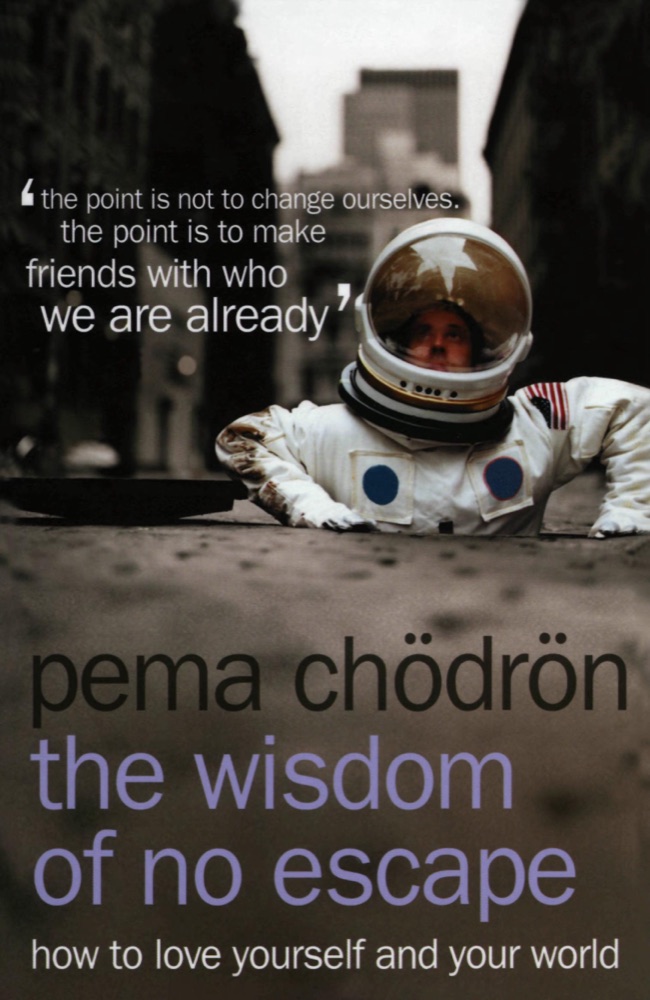 The Wisdom of No Escape: How to Love Yourself and Your World
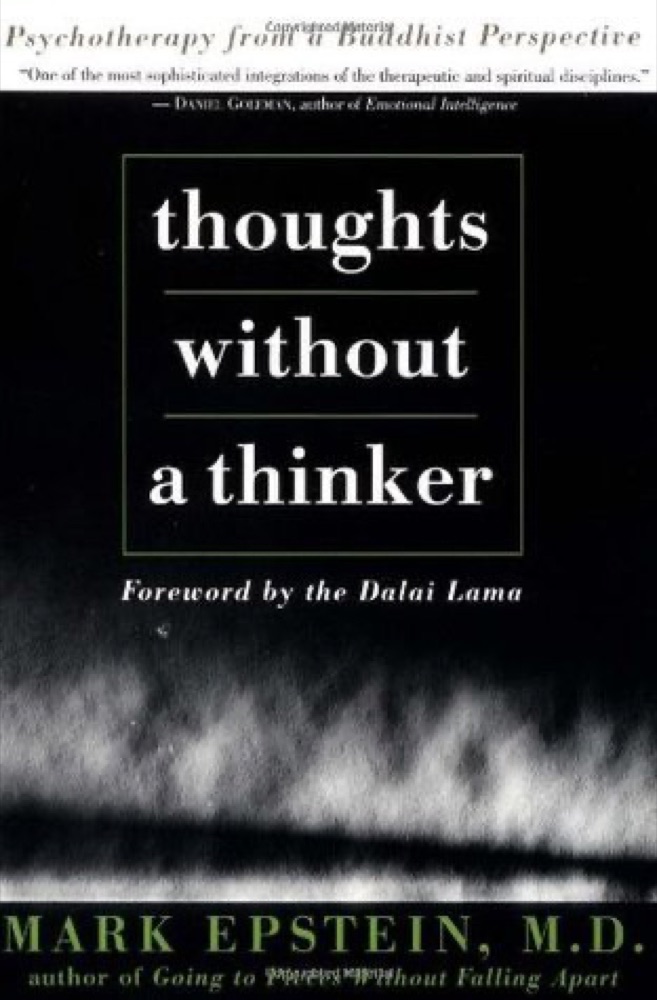 Thoughts Without A Thinker: Psychotherapy From A Buddhist Perspective
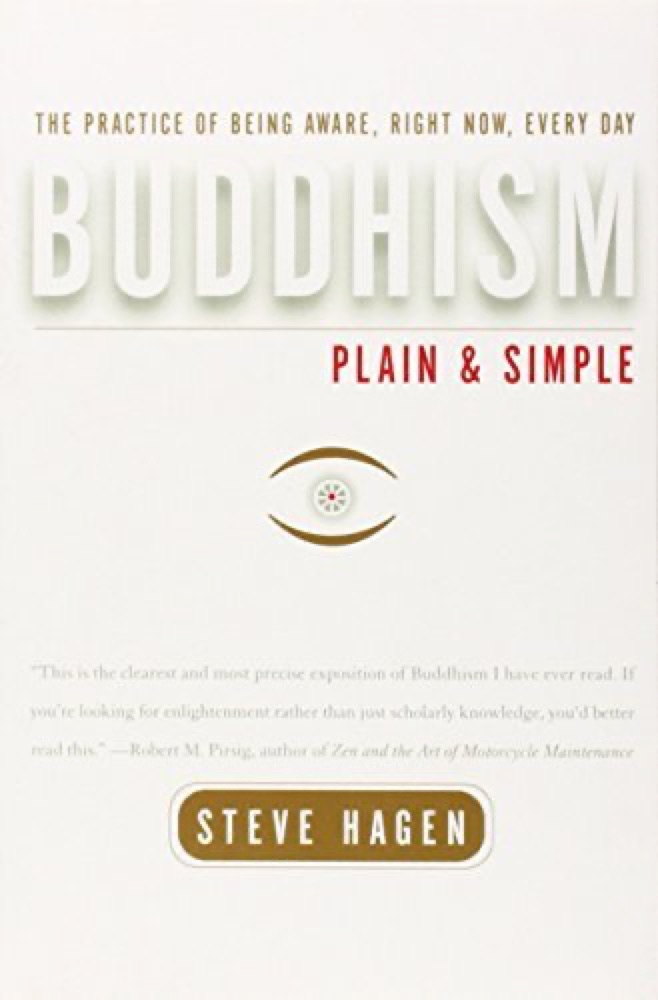 Buddhism Plain & Simple: The Practice of Being Aware, Right Now, Every Day
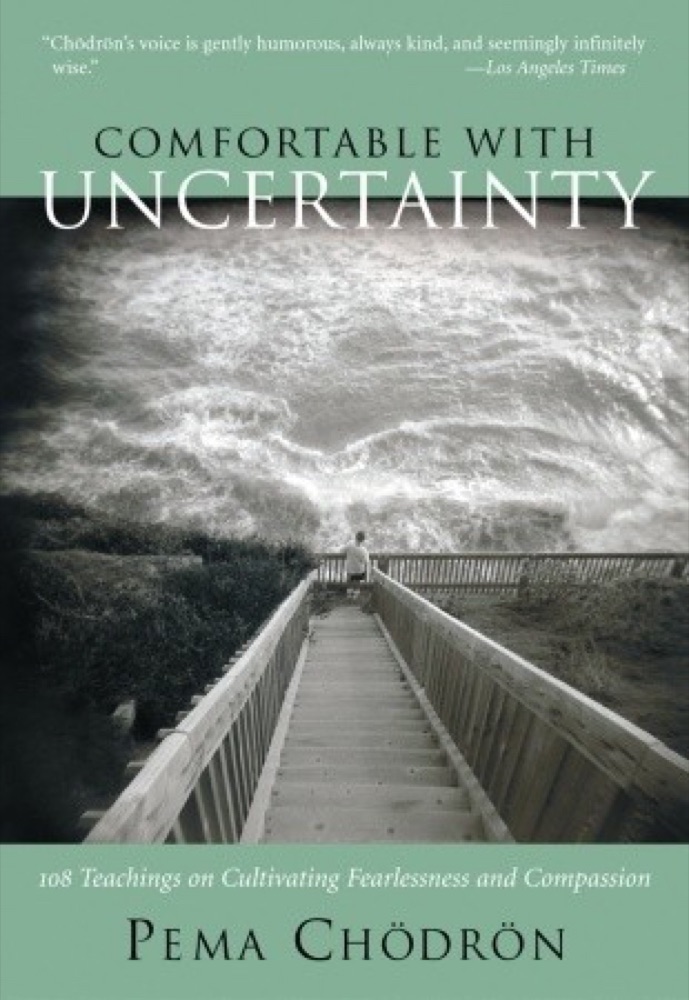 Comfortable with Uncertainty: 108 Teachings on Cultivating Fearlessness and Compassion
 Tibetan Book of the Dead
 The Yoga Sutras of Patanjali
 Cutting Through Spiritual Materialism
 In Love with the World: A Monk's Journey Through the Bardos of Living and Dying
 Hardcore Zen: Punk Rock, Monster Movies and the Truth about Reality
 Meditation for Fidgety Skeptics: A 10% Happier How-To Book
 Advice Not Given: A Guide to Getting Over Yourself
 Going to Pieces without Falling Apart: A Buddhist Perspective on Wholeness
 The Book of Wisdom
 Zen and the Art of Saving the Planet
 Living Buddha, Living Christ
 Nothing Special: A Zen Buddhist Guide to Awakening Through Daily Life's Feelings, Relationships, and Work
 Raja-Yoga
 How to See Yourself As You Really Are
 The Middle Length Discourses of the Buddha: A Translation of the Majjhima Nikaya
 Eastern Body, Western Mind: Psychology and the Chakra System as a Path to the Self
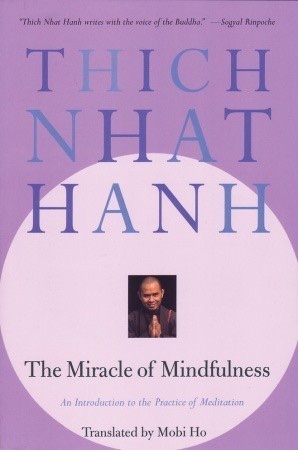 The Miracle of Mindfulness: An Introduction to the Practice of Meditation
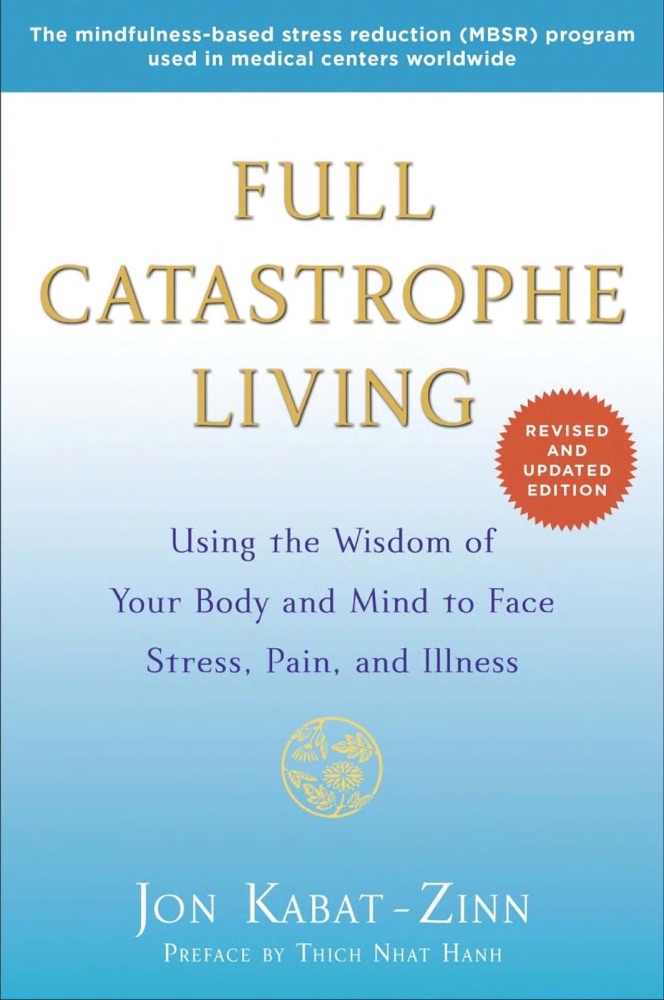 Full Catastrophe Living: Using the Wisdom of Your Body and Mind to Face Stress, Pain, and Illness
 The Buddha Walks into a Bar . . .: A Guide to Life for a New Generation
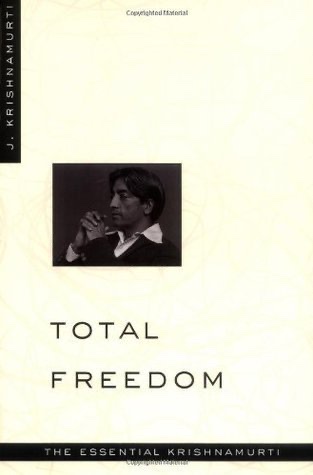 Total Freedom: The Essential Krishnamurti
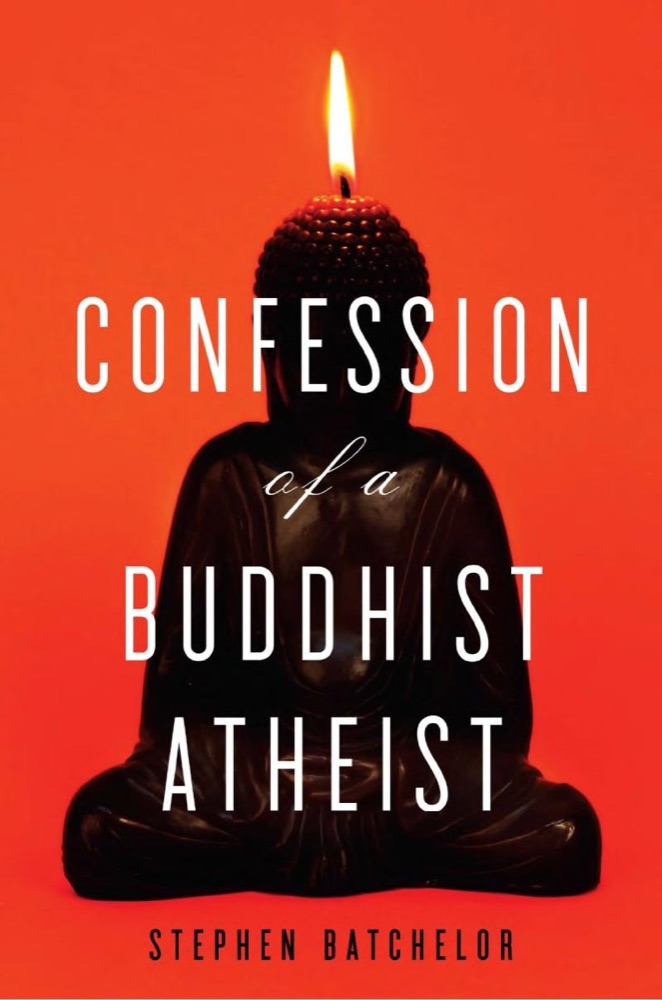 Confession of a Buddhist Atheist
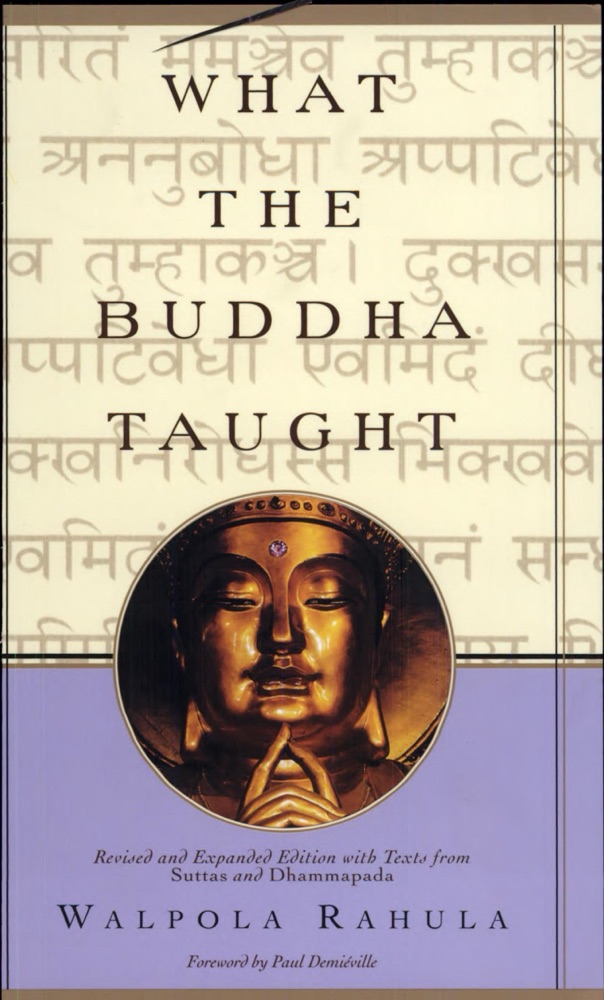 What the Buddha Taught
 The Way of the Bodhisattva
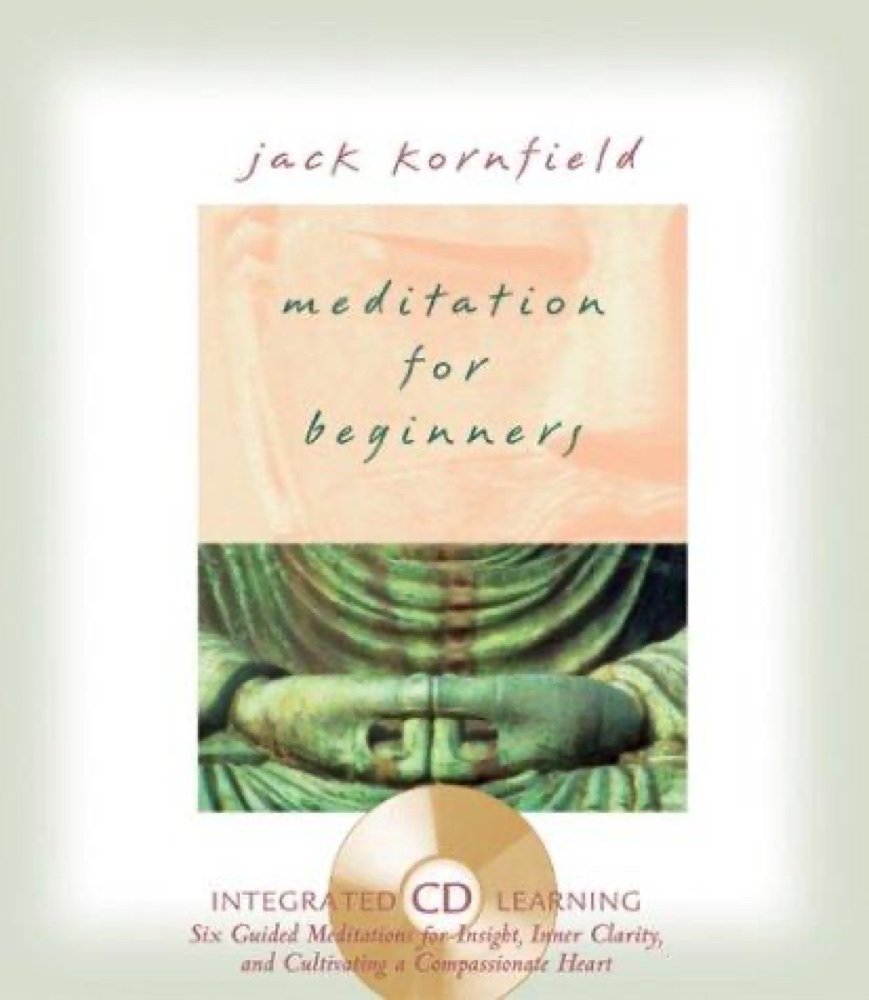 Meditation for Beginners
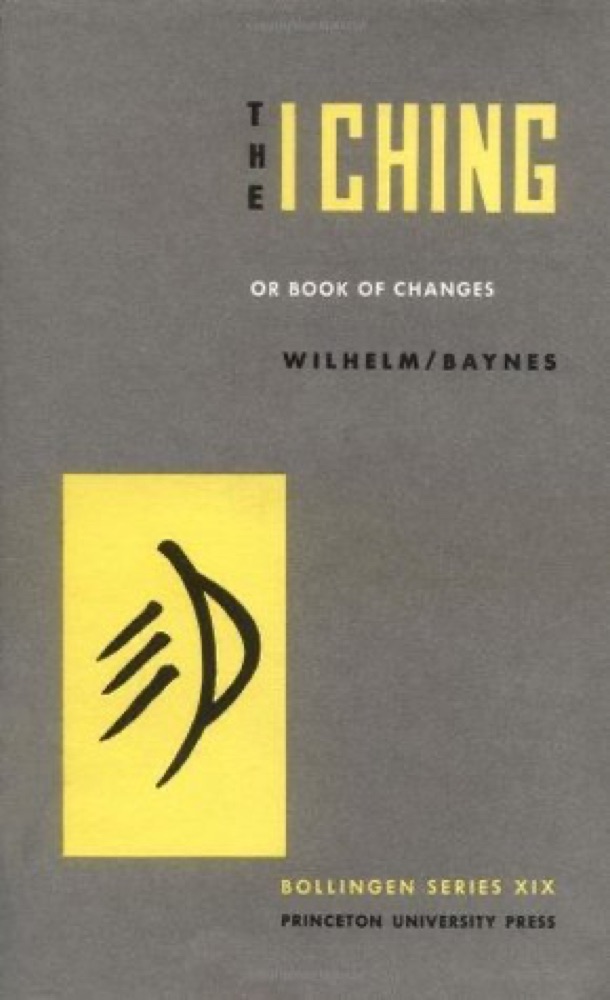 The I Ching or Book of Changes
 Against the Stream: A Buddhist Manual for Spiritual Revolutionaries
 Tao: The Watercourse Way
 Change Your Thoughts - Change Your Life: Living the Wisdom of the Tao
 The Dalai Lama's Cat and the Power of Meow
 Buddhism: A Very Short Introduction
 Waking Up: A Guide to Spirituality Without Religion
 The World's Religions
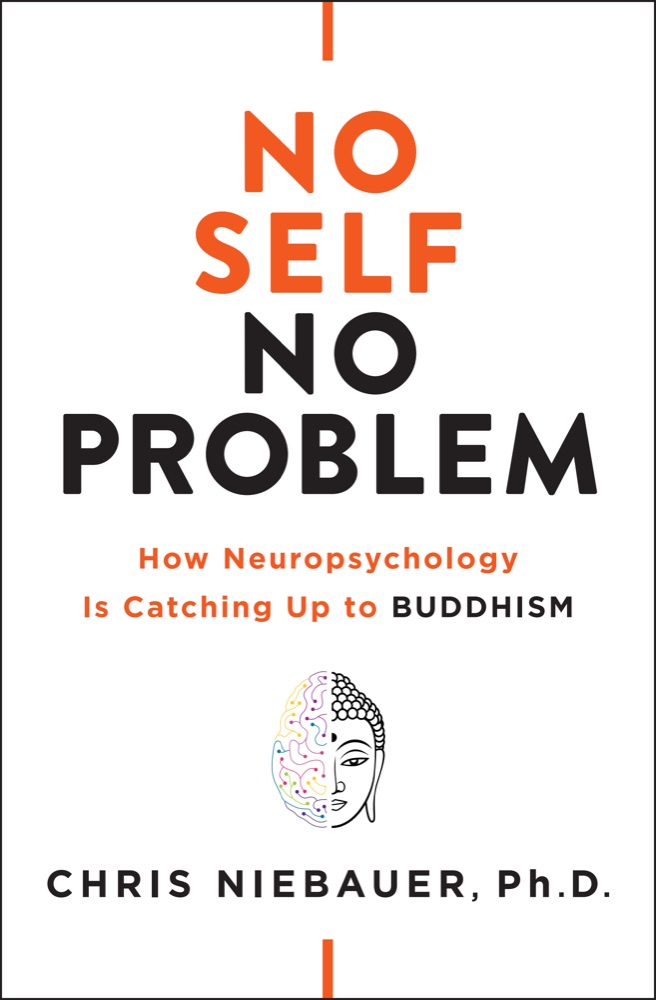 No Self, No Problem: How Neuropsychology Is Catching Up to Buddhism
 Myths to Live By
 The Lady and the Monk: Four Seasons in Kyoto
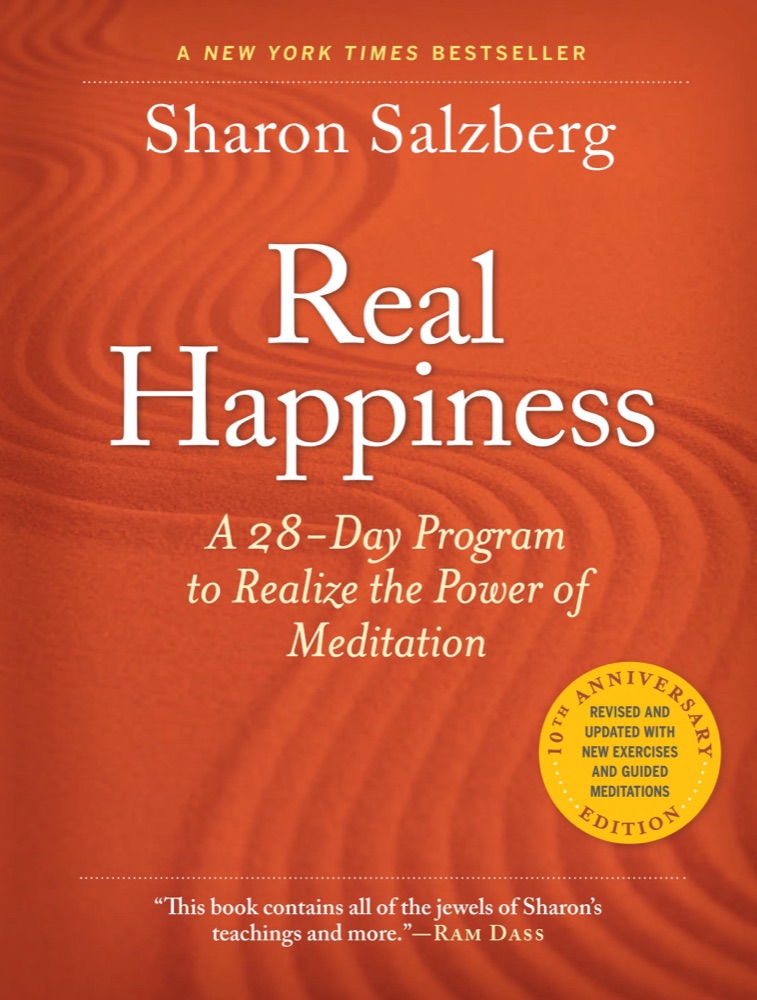 Real Happiness: A 28-Day Program to Realize the Power of Meditation
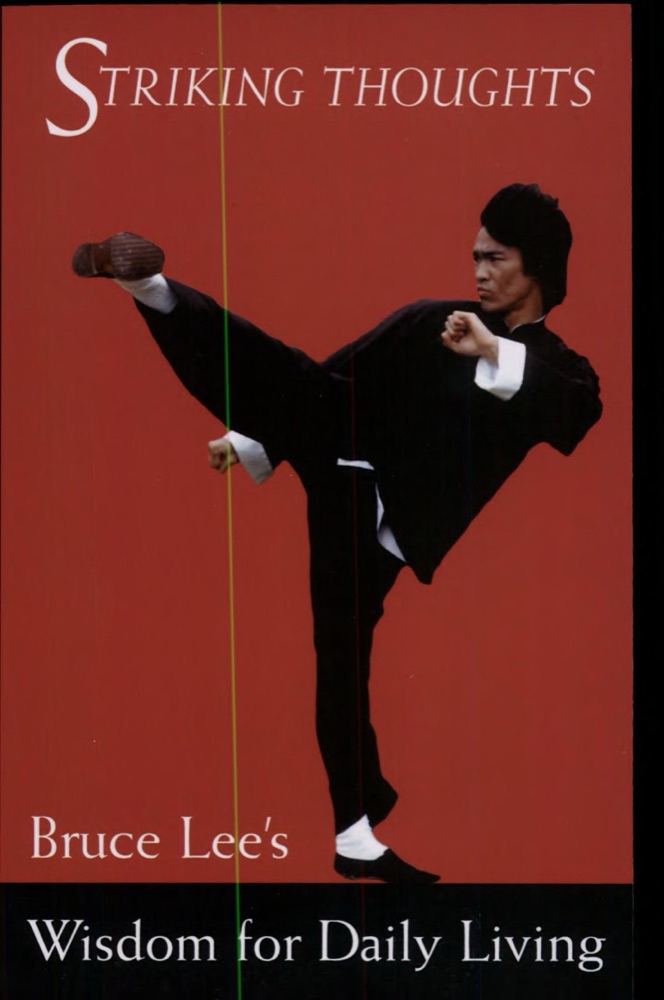 Striking Thoughts: Bruce Lee's Wisdom for Daily Living