
 The Character of Physical Law
Quotes from the Book
This most beautiful system [The Universe] could only proceed from the dominion of an intelligent and powerful Being.
Kepler's laws, although not rigidly true, are sufficiently near to the truth to have led to the discovery of the law of attraction of the bodies of the solar system. The deviation from complete accuracy is due to the facts, that the planets are not of inappreciable mass, that, in consequence, they disturb each other's orbits about the Sun, and, by their action on the Sun itself, cause the periodic time of each to be shorter than if the Sun were a fixed body, in the subduplicate ratio of the mass of the Sun to the sum of the masses of the Sun and Planet; these errors are appreciable although very small, since the mass of the largest of the planets, Jupiter, is less than 1/1000th of the Sun's mass.
Resistance is usually ascribed to bodies at rest, and impulse to those in motion; but motion and rest, as commonly conceived, are only relatively distinguished; nor are those bodies always truly at rest, which commonly are taken to be so.
This most beautiful system of the sun, planets, and comets, could only proceed from the counsel and dominion of an intelligent and powerful Being. And if the fixed stars are the centers of other like systems, these, being formed by the like wise counsel, must be all subject to the dominion of One.
the one as much as it advances that of the other. If a body impinge upon another, and by its force change the motion of the other, that body also (because of the equality of the mutual pressure) will undergo an equal change, in its own motion, towards the contrary part.
Hypotheses non fingo (Latin for "I feign no hypotheses", "I frame no hypotheses", or "I contrive no hypotheses")
Watch on YouTube
About Isaac Newton
We have collected 6 quotes from 1 book by Isaac Newton on BookQuoters.
More about the author →Book details
- Author
- Isaac Newton
- Genre
- Classics
- Goodreads rating
- 4.25 (5k ratings) →
Keep reading
The Character of Physical Law
 The Feynman Lectures on Physics
 The Grand Design
 Metaphysics
 A Briefer History of Time
 Power vs. Force
 Astrophysics for People in a Hurry
 The Three-Body Problem
 Dialogues Concerning Natural Religion
 From Eternity to Here: The Quest for the Ultimate Theory of Time
 Chaos: Making a New Science
 Fiasco
 An Enquiry Concerning Human Understanding
 Galileo
 Helgoland: Making Sense of the Quantum Revolution
 The Big Picture: On the Origins of Life, Meaning, and the Universe Itself
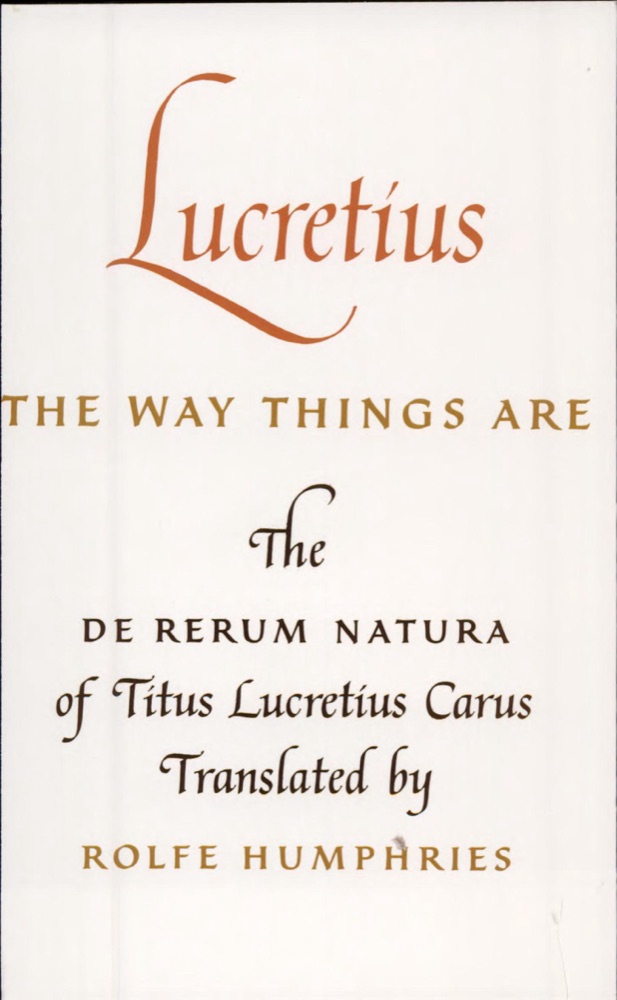 The Way Things Are
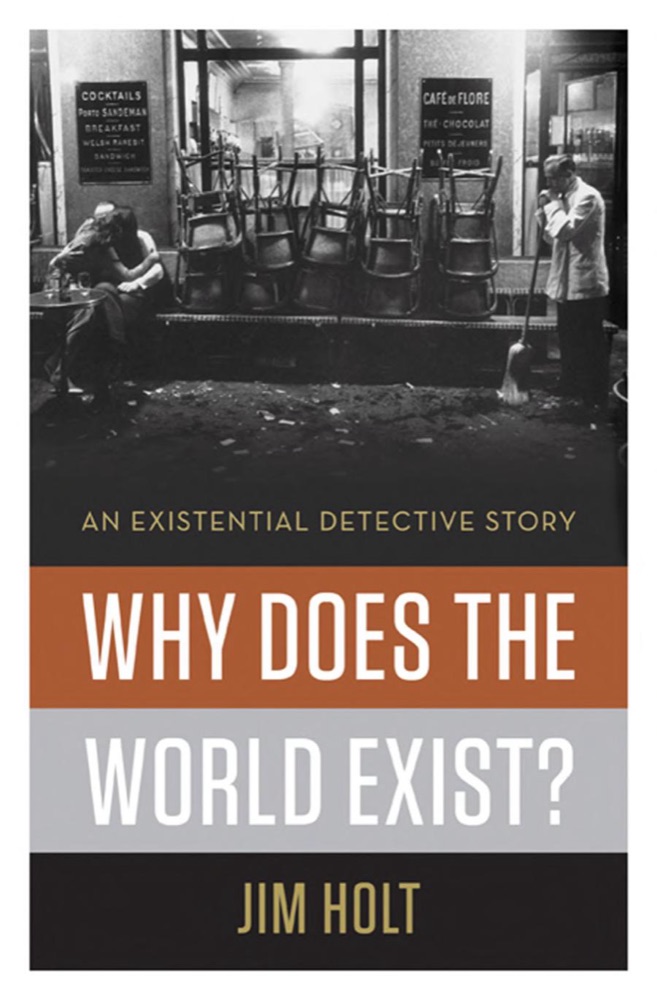 Why Does the World Exist?: An Existential Detective Story
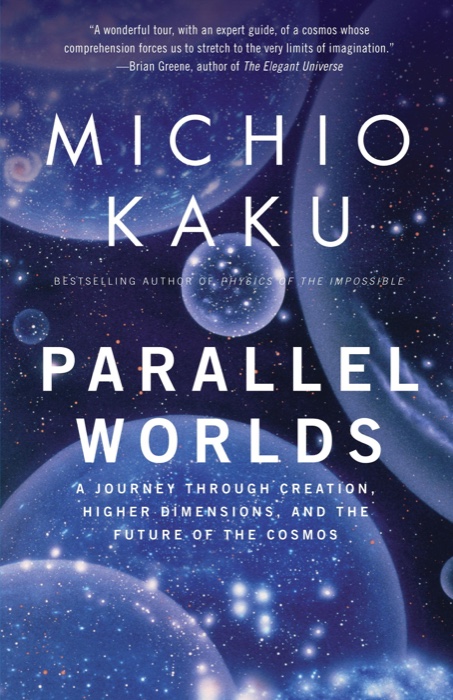 Parallel Worlds: A Journey Through Creation, Higher Dimensions, and the Future of the Cosmos
 The Blind Watchmaker: Why the Evidence of Evolution Reveals a Universe Without Design
 Death by Black Hole: And Other Cosmic Quandaries
 Origins: Fourteen Billion Years of Cosmic Evolution
 A Brief History of Time
 The Enneads
 The Ascent of Man
 A Treatise of Human Nature
 A Universe from Nothing: Why There Is Something Rather Than Nothing
 The Origin of Species
 I, Robot
 The Science of Mind
 Robots and Empire
 Critique of Judgment
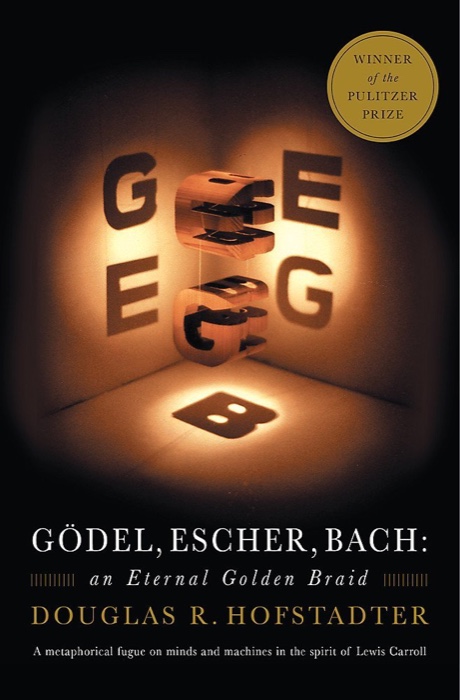 Gödel, Escher, Bach: An Eternal Golden Braid
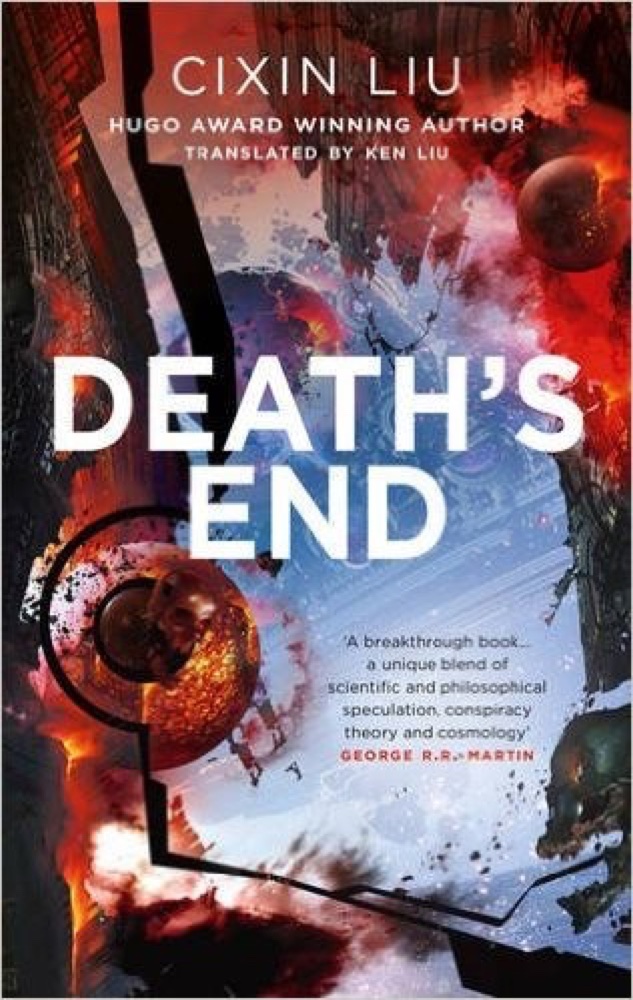 Death's End
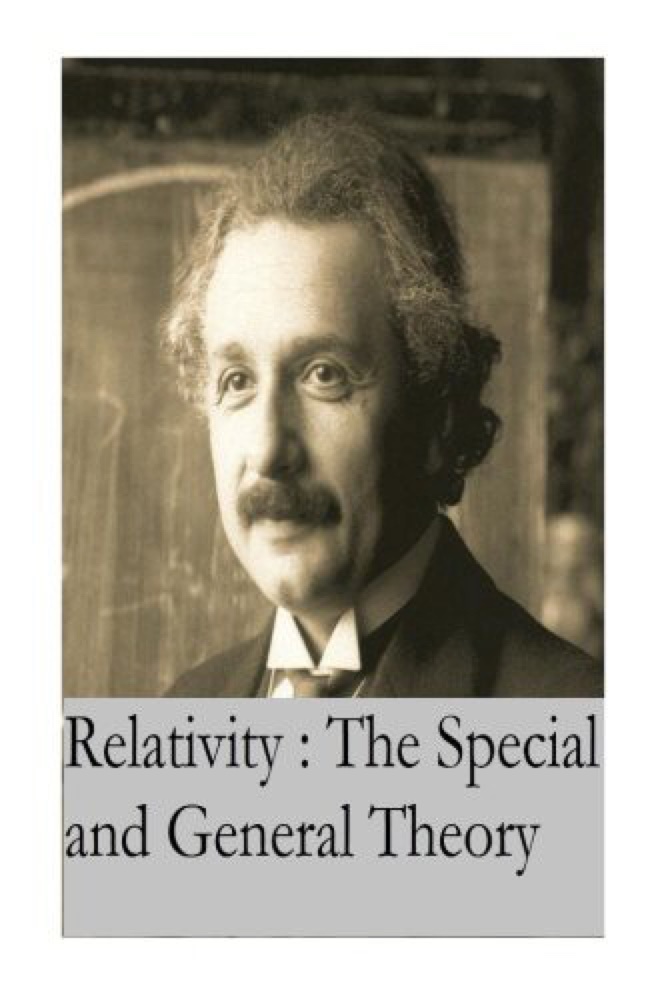 Relativity: The Special and the General Theory
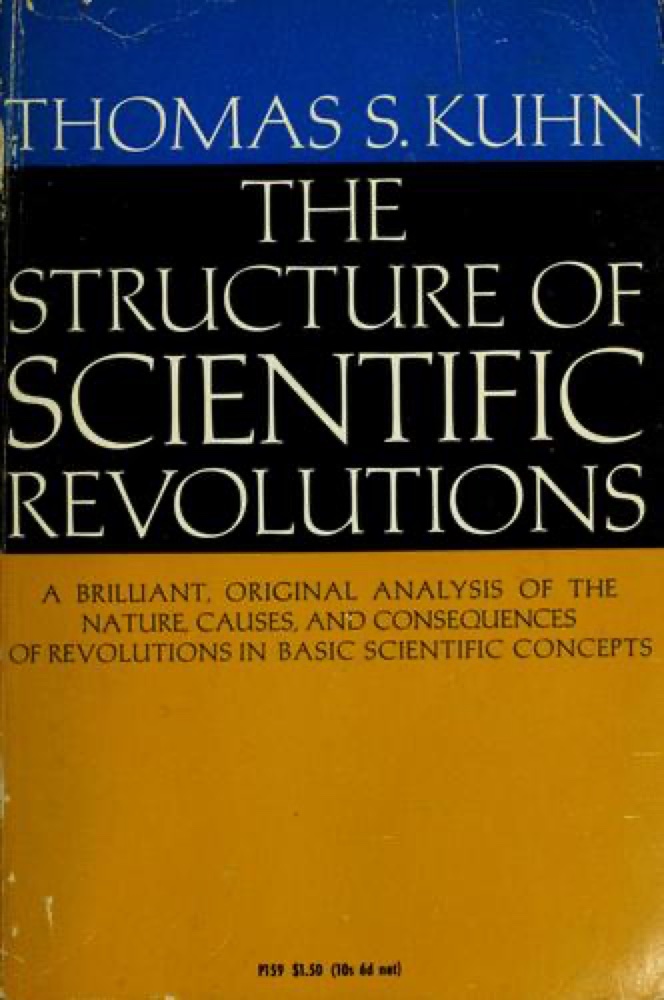 The Structure of Scientific Revolutions
 An Essay Concerning Human Understanding
 On Truth and Lies in a Nonmoral Sense
 2312
2312
 The Accidental Universe: The World You Thought You Knew
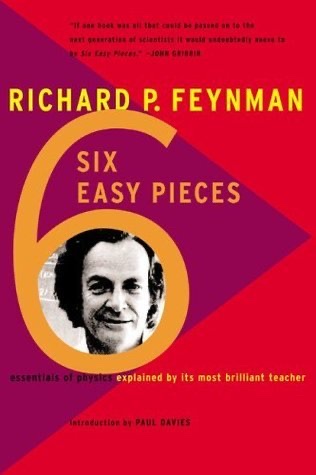 Six Easy Pieces: Essentials of Physics By Its Most Brilliant Teacher
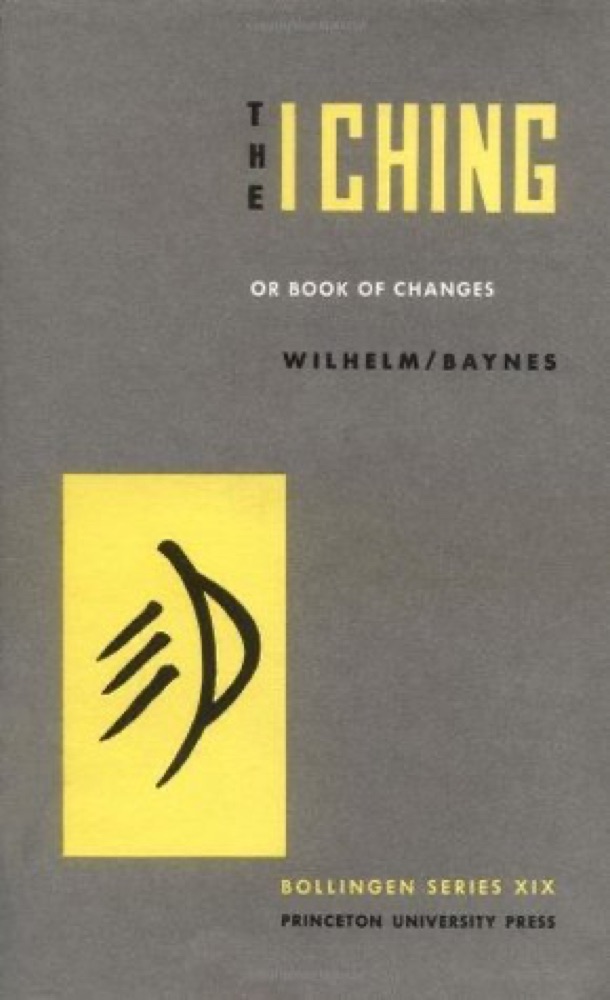 The I Ching or Book of Changes
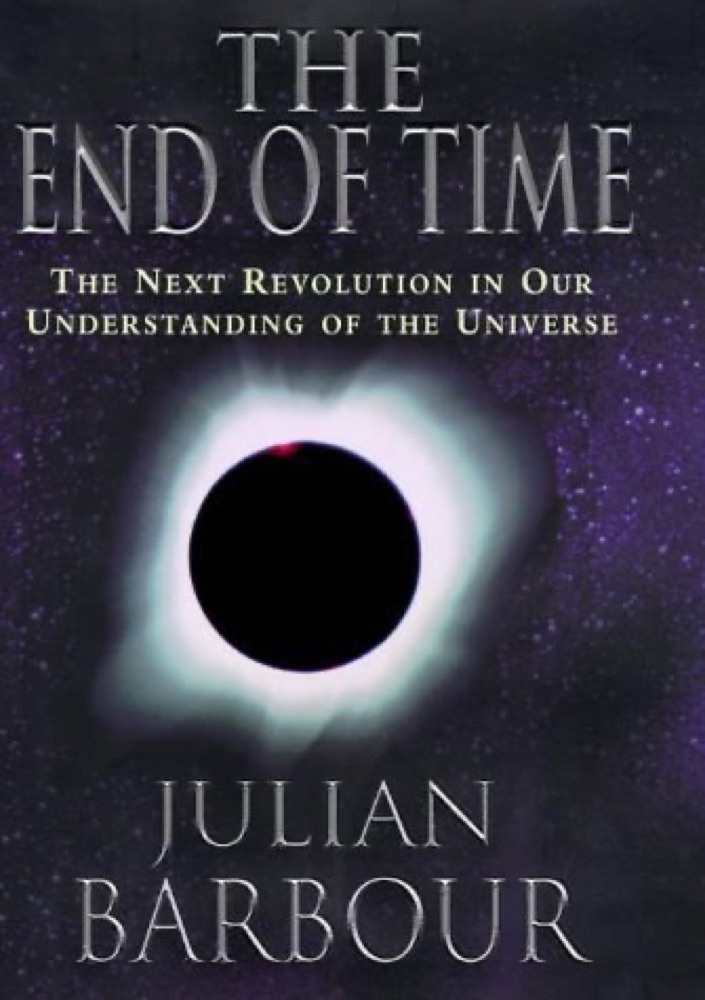 The End of Time: The Next Revolution in Our Understanding of the Universe
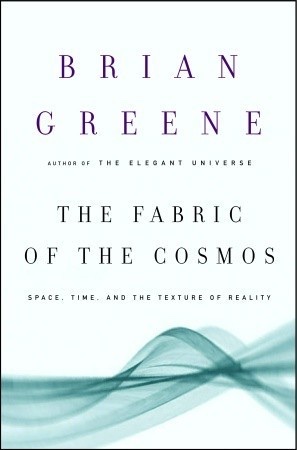 The Fabric of the Cosmos: Space, Time, and the Texture of Reality
 The Mind of the Maker: Dorothy L. Sayers' Witty Classic on the Trinity, Christianity, and Human Creativity
 The Naked Sun
 Last and First Men
 The Star Diaries
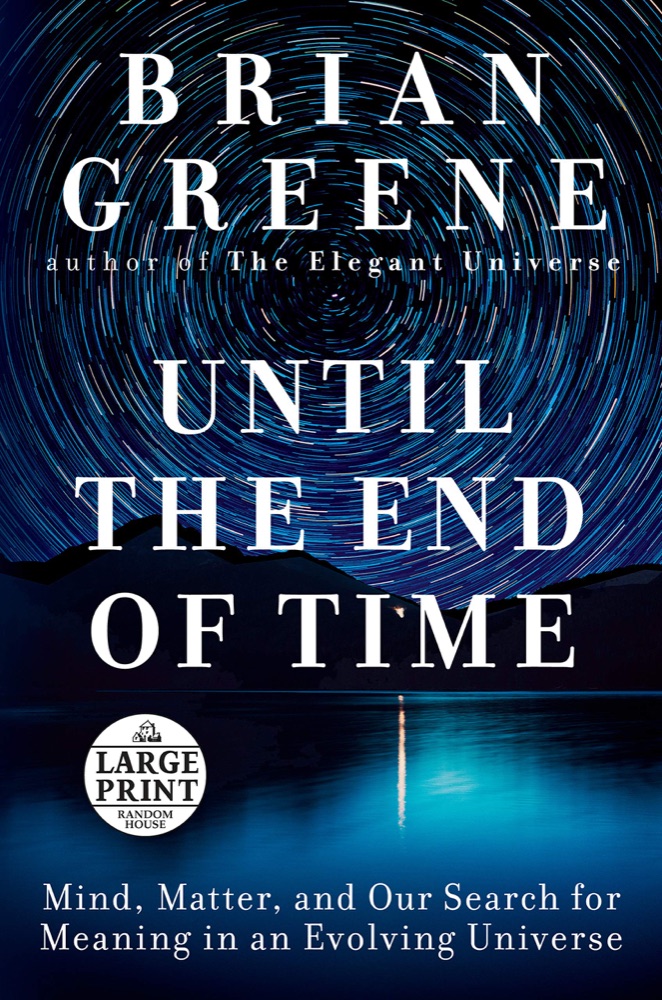 Until the End of Time: Mind, Matter, and Our Search for Meaning in an Evolving Universe
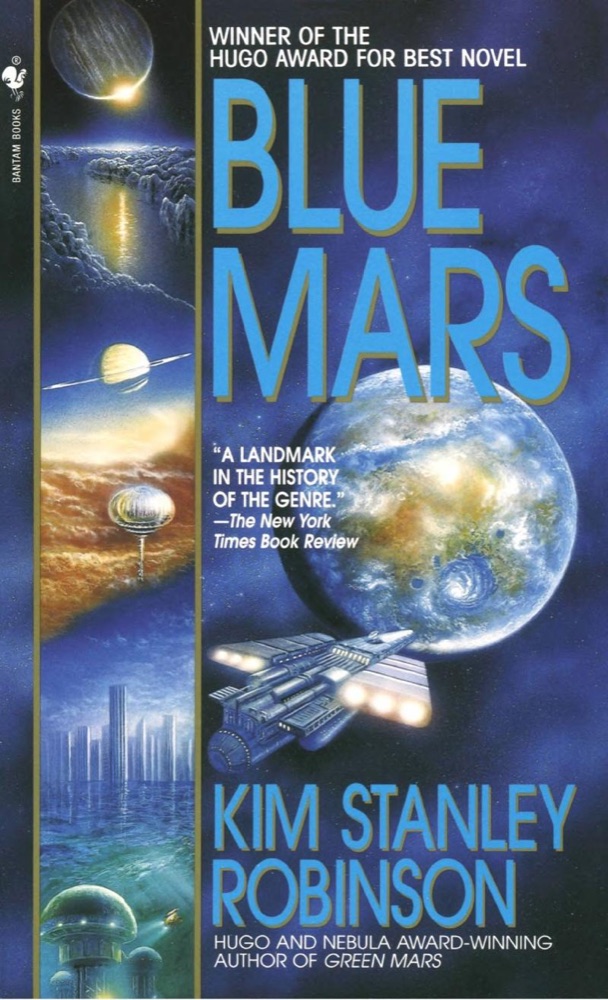 Blue Mars
 The Varieties of Scientific Experience: A Personal View of the Search for God
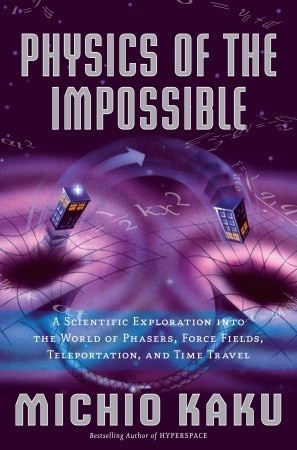 Physics of the Impossible: A Scientific Exploration Into the World of Phasers, Force Fields, Teleportation, and Time Travel
 The Black Hole War: My Battle with Stephen Hawking to Make the World Safe for Quantum Mechanics
 Critique of Pure Reason
 Science and Sanity: An Introduction to Non-Aristotelian Systems and General Semantics
 Consilience: The Unity of Knowledge
 The City and the Stars
 Tao: The Watercourse Way
 The Cyberiad