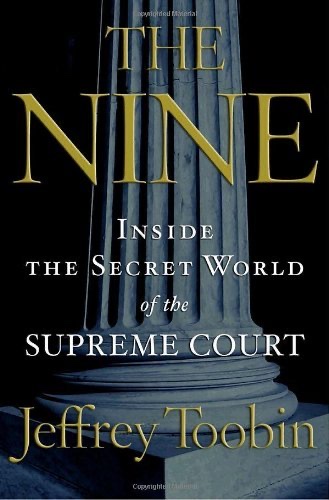

 Master of the Senate
Quotes from the Book
The result always mattered more than the rhetoric.
He did what good lawyers always do. He shifted his argument in the direction his audience was already going.
Toughened or coarsened by their worldly lives, the other dissenters could shrug and move on, but Souter couldn't. His whole life was being a judge.
He denounced self-pity and pitied himself.
Rehnquist was just reflecting his shifting role, from outsider to the institutional embodiment of the Court.
There were two kinds of cases before the Supreme Court. There were abortion cases—and there were all the others. Abortion was (and is) the central legal issue before the Court. It defined the judicial philosophies of the justices. It dominated the nomination and confirmation process. It nearly delineated the difference between the national Democratic and Republican parties.
He saw the Constitution as the vehicle to keep ecumenical passions in check.
The dilemma facing Bush and the Republicans was clear. If Marshall left, they could not leave the Supreme Court an all-white institution; at the same time, they had to choose a nominee who would stay true to the conservative cause. The list of plausible candidates who fit both qualifications pretty much began and ended with Clarence Thomas. … There was awkwardness about the selection from the start. "The fact that he is black and a minority has nothing to do with this," Bush said. "He is the best qualified at this time." The statement was self-evidently preposterous; Thomas had served as a judge for only a year and, before that, displayed few of the customary signs of professional distinction that are the rule for future justices. For example, he had never argued a single case in any federal appeals court, much less in the Supreme Court; he had never written a book, an article, or even a legal brief of any consequence. Worse, Bush's endorsement raised themes that would haunt not only Thomas's confirmation hearings but also his tenure as a justice. Like the contemporary Republican Party as a whole, Bush and Thomas opposed preferential treatment on account of race—and Bush had chosen Thomas in large part because of his race. The contradiction rankled.
Watch on YouTube
About Jeffrey Toobin
We have collected 8 quotes from 1 book by Jeffrey Toobin on BookQuoters.
More about the author →Book details
- Author
- Jeffrey Toobin
- Genre
- History
- Goodreads rating
- 4.09 (19k ratings) →
Keep reading
Master of the Senate
 My Own Words
 Executive Orders
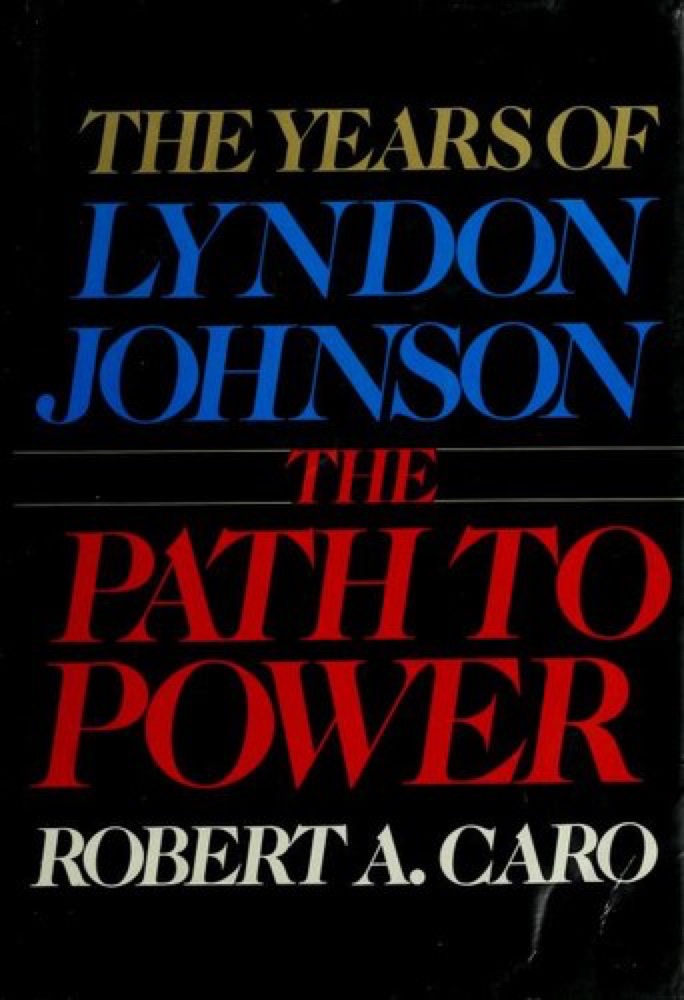 The Path to Power
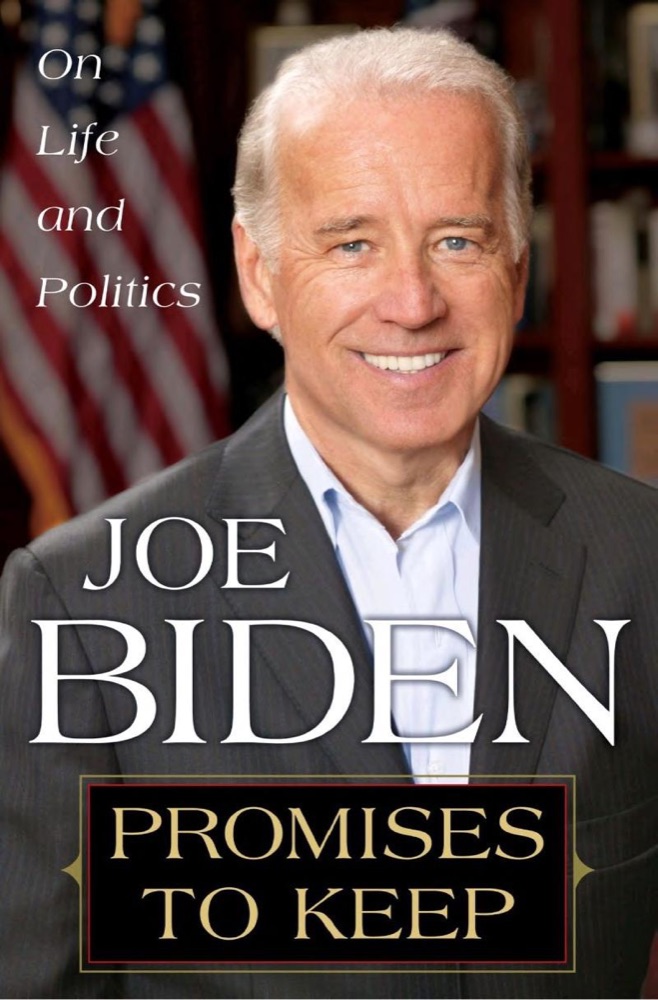 Promises to Keep: On Life and Politics
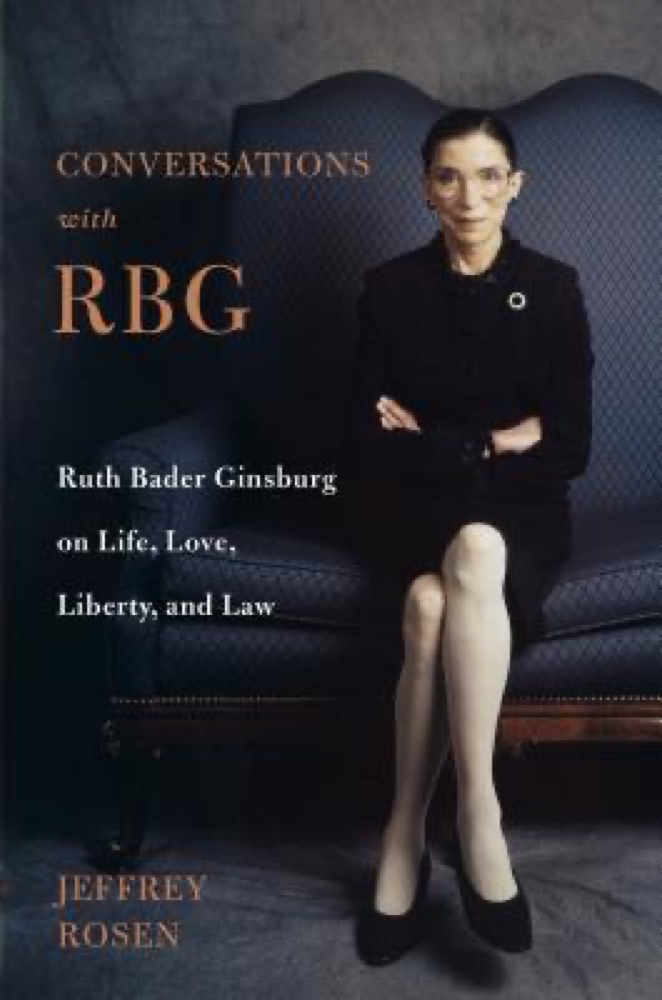 Conversations with RBG: Ruth Bader Ginsburg on Life, Love, Liberty, and Law
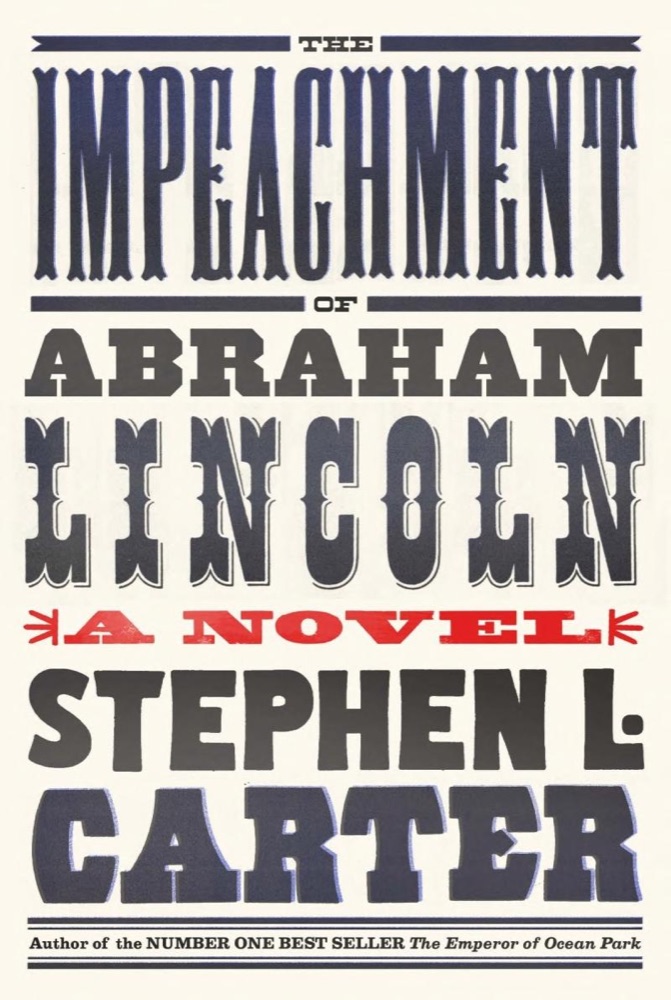 The Impeachment of Abraham Lincoln
 The Best and the Brightest
 American Colossus: The Triumph of Capitalism, 1865-1900
 The Proud Tower: A Portrait of the World Before the War, 1890-1914
 The Innocent Man: Murder and Injustice in a Small Town
 Burr
Burr
 The Simple Truth
 Clear and Present Danger
 The Rise of Theodore Roosevelt
 Truman
 The Man Who Saved the Union: Ulysses Grant in War and Peace
 Founding Brothers: The Revolutionary Generation
 Profiles in Courage
 Destiny of the Republic: A Tale of Madness, Medicine and the Murder of a President
 Hawaii
 American Lion: Andrew Jackson in the White House
 Imperium: A Novel of Ancient Rome
 Civil Disobedience
 The Invisible Bridge: The Fall of Nixon and the Rise of Reagan
 Doing Justice: A Prosecutor's Thoughts on Crime, Punishment, and the Rule of Law
 These Truths: A History of the United States
 The Education of Henry Adams
 Shortest Way Home: One Mayor's Challenge and a Model for America's Future
 Predatory Kill
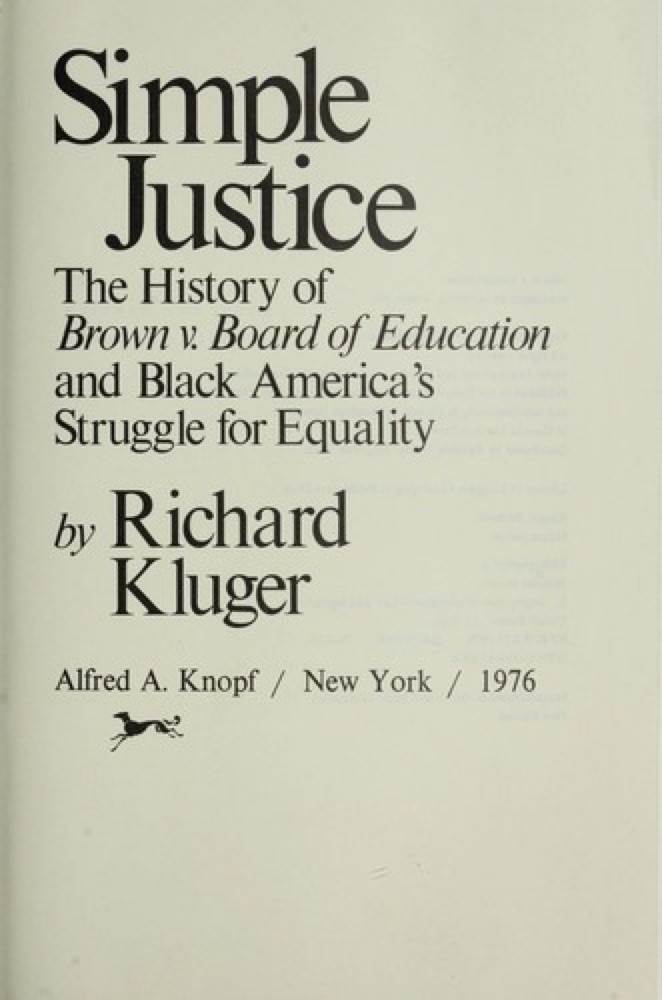 Simple Justice: The History of Brown v. Board of Education and Black America's Struggle for Equality
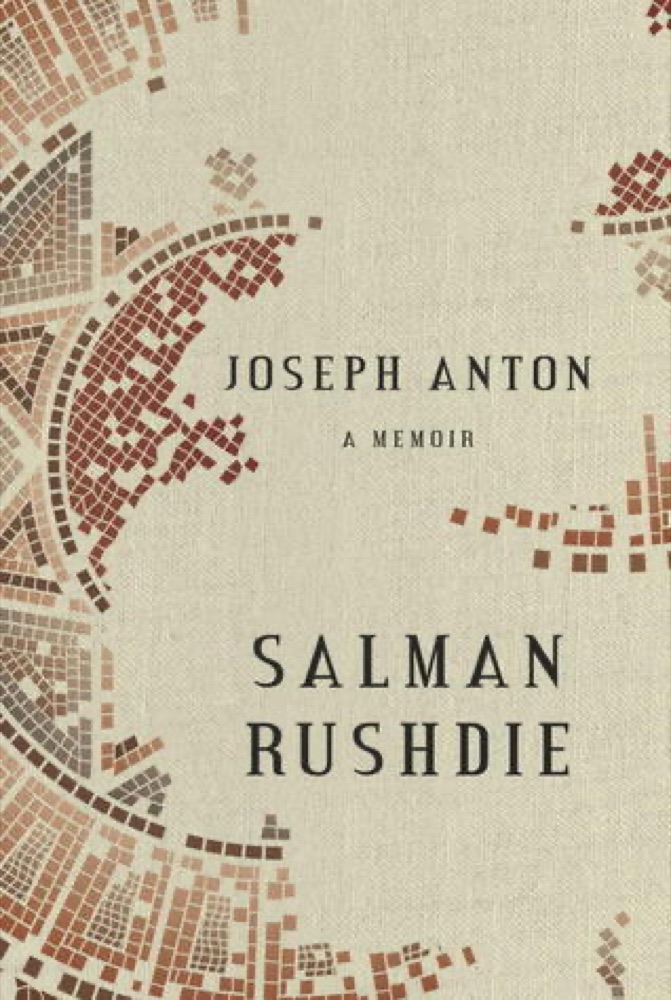 Joseph Anton: A Memoir
 Before the Storm: Barry Goldwater and the Unmaking of the American Consensus
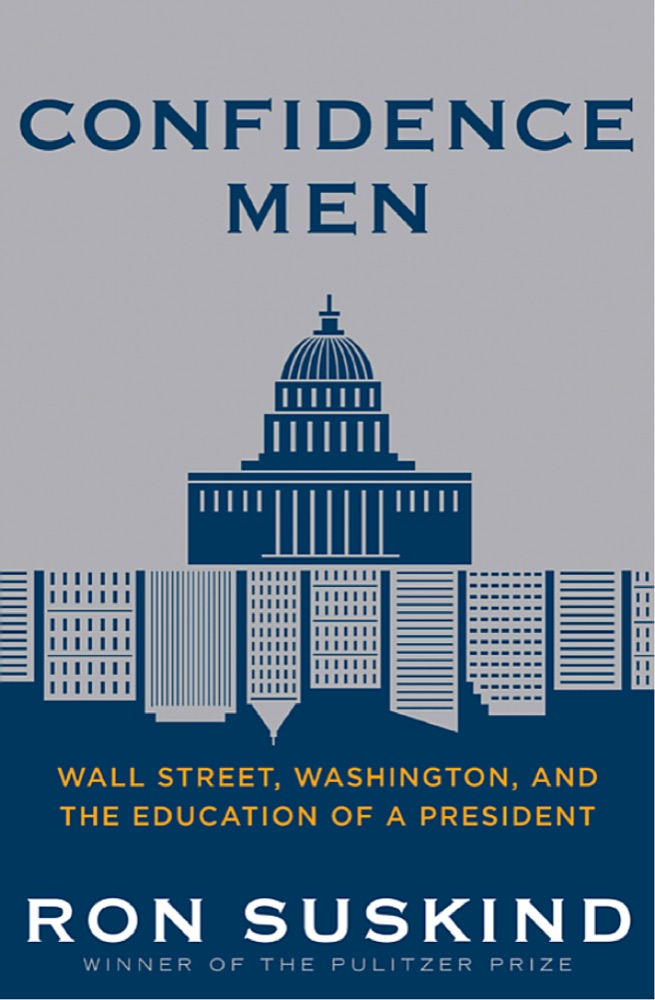 Confidence Men: Wall Street, Washington, and the Education of a President
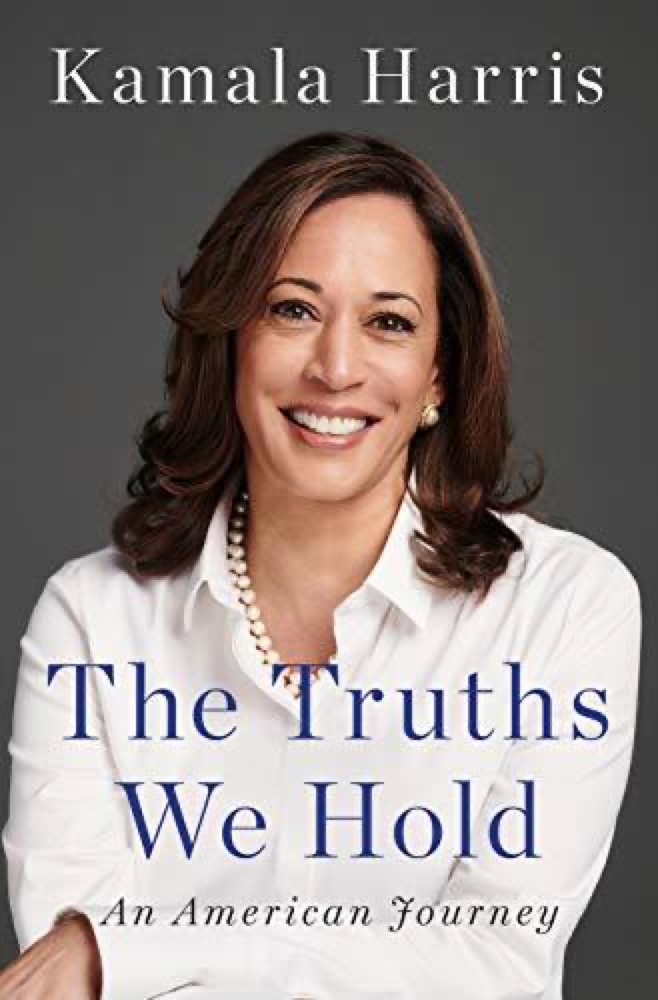 The Truths We Hold: An American Journey
 Absolute Power
 A Connecticut Yankee in King Arthur's Court
 The Warden
 The Audacity of Hope: Thoughts on Reclaiming the American Dream
 Babbitt
 A Time of Torment
 The Honor of the Queen
 The Bully Pulpit: Theodore Roosevelt, William Howard Taft, and the Golden Age of Journalism
 The Sympathizer
 You Can't Be Neutral on a Moving Train: A Personal History of Our Times
 Felix Holt: The Radical
 Shaman
 An Involuntary Spy
 Decision Points
 The Passage of Power
 The First Tycoon: The Epic Life of Cornelius Vanderbilt
 Political Theology: Four Chapters on the Concept of Sovereignty
 The Brass Verdict
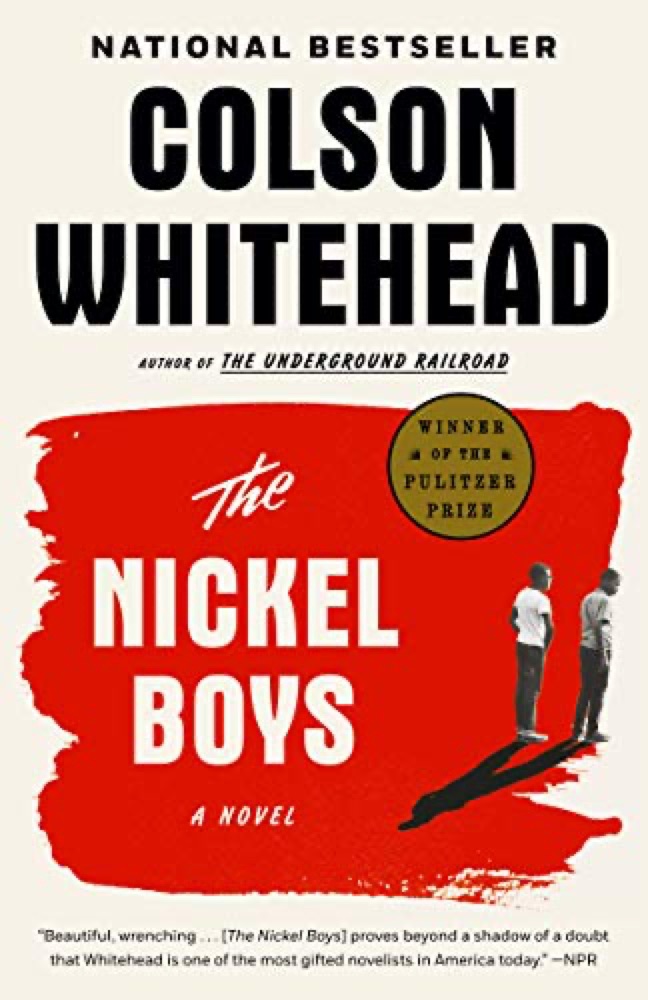 The Nickel Boys
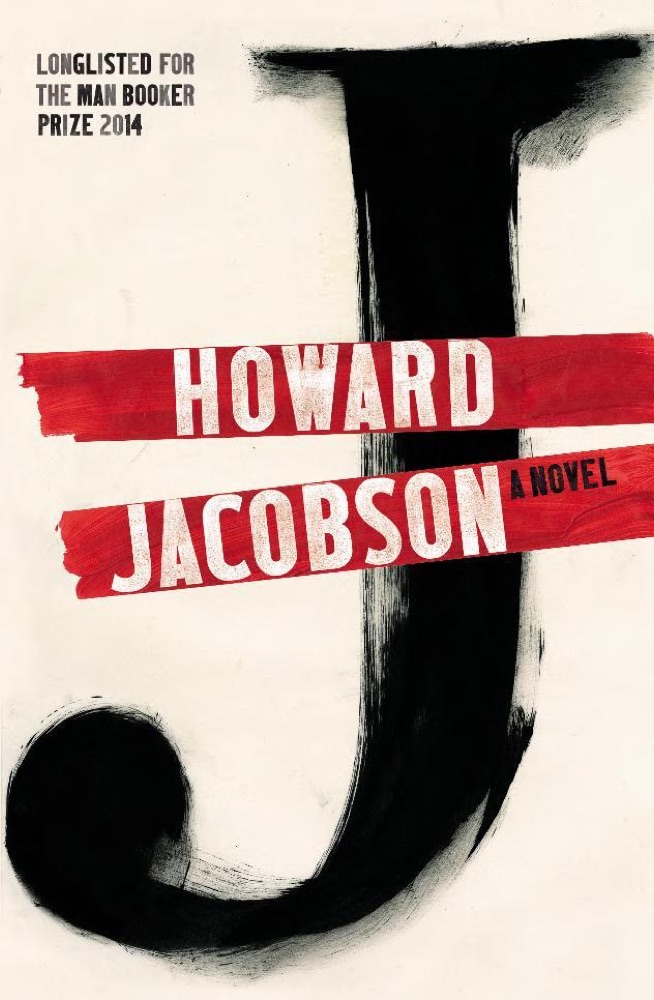 J
J
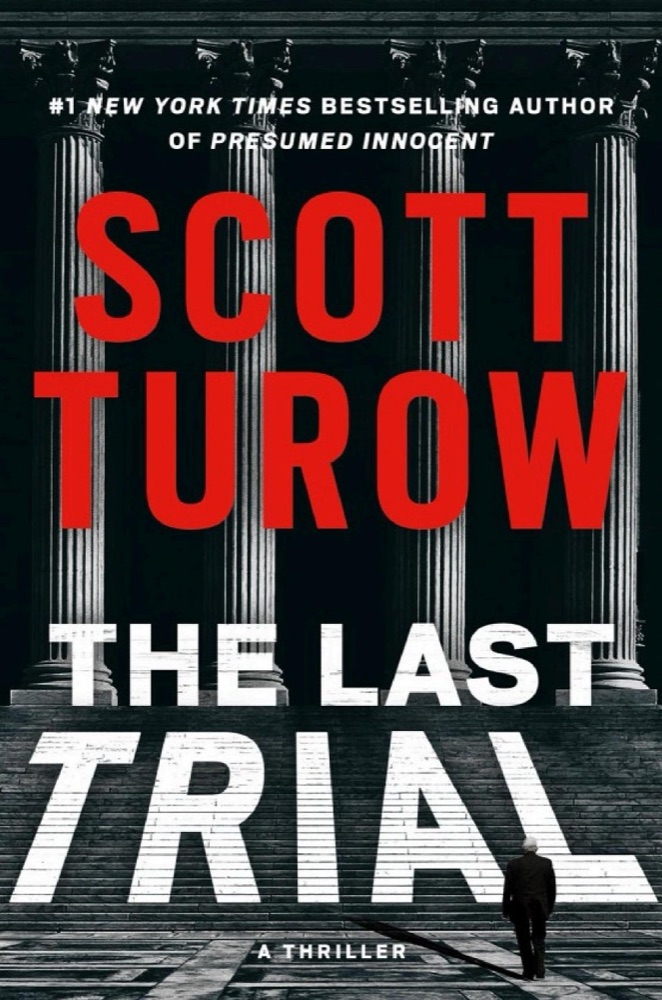 The Last Trial
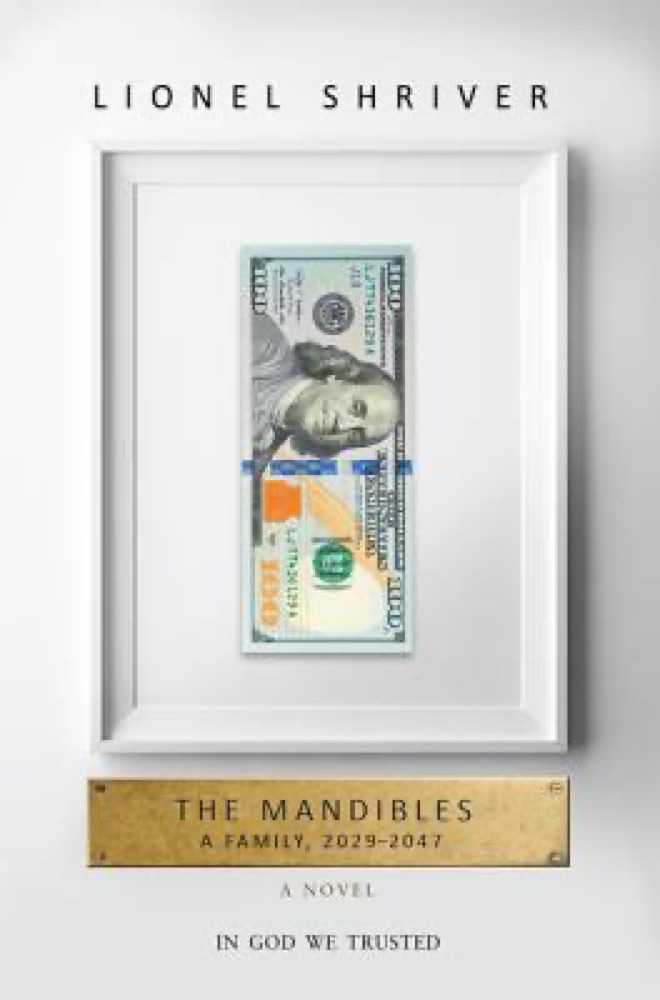 The Mandibles: A Family, 2029–2047
 Edge of Eternity
 The Autobiography of Eleanor Roosevelt
 Unthinkable: Trauma, Truth, and the Trials of American Democracy