
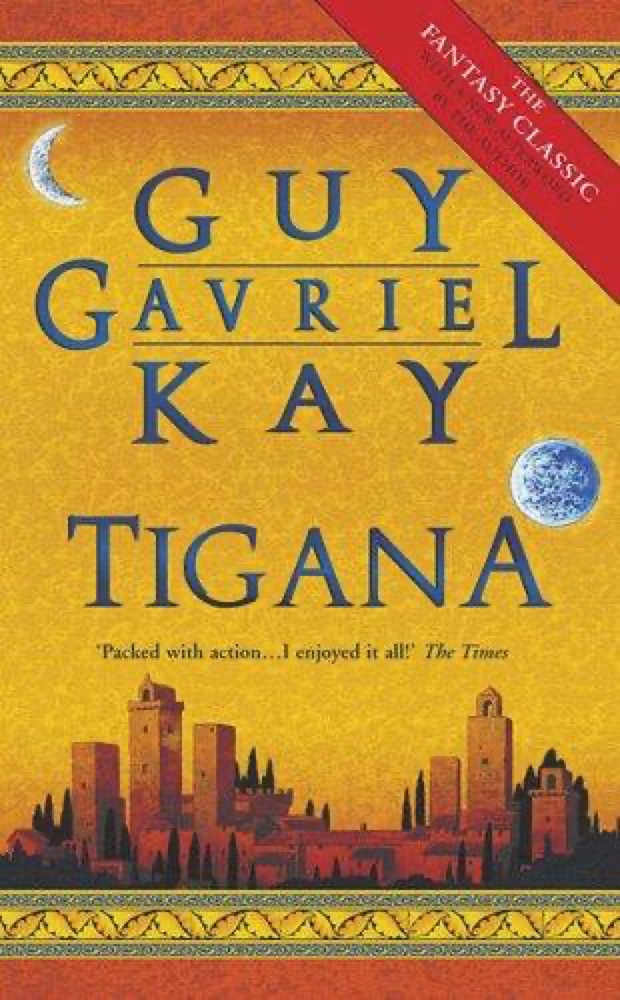
 Tigana
Quotes from the Book
We worship…the powers that speak to our souls, if it seems they do. We do so knowing there is more to the world, and the half-world, and perhaps worlds beyond, than we can grasp. We always knew that. We can’t even stop children from dying, how would we presume to understand the truth of things? Behind things? Does the presence of one power deny another? [p. 176]
He wanted to achieve something of surpassing beauty that would last. A creation that would mean that he--the mosaic worker Caius Crispus of Varena--had been born, and lived a life, and had come to understand a portion of the nature of the world, of what ran through and beneath the deeds of women and men in their souls and in the beauty and the pain of their short living beneath the sun.
Thunderstorms were common in Sarantium on midsummer nights, sufficiently so to make plausible the oft-repeated tale that the Emperor Apius passed to the god in the midst of a towering storm, with lightning flashing and rolls of thunder besieging the Holy City. Even Pertennius of Eubulus, writing only twenty years after, told the story this way, adding a statue of the Emperor toppling before the bronze gates to the Imperial Precinct and an oak tree split asunder just outside the landward walls. Writers of history often seek the dramatic over the truth. It is a failing of the profession.
He had a sense—honed by experience—that what he’d contrived might achieve something of the effect he wanted. That, Martinius had always said, was the best any man in this fallible world could expect. [p. 67]
If this was the world as the god-or gods-had made it, then mortal man, this mortal man, could acknowledge that and honour the power and infinite majesty that lay within it, but he would not say it was right, or bow down as if he were only dust or a brittle leaf blown from and autumn tree, helpless in the wind.
Amazing, when you thought about it: how quickly-made decisions became the life you lived.
But what did one own if life, if love, could be taken away to darkness? Was it all not just ... a loan, a leasehold, transitory as candles?
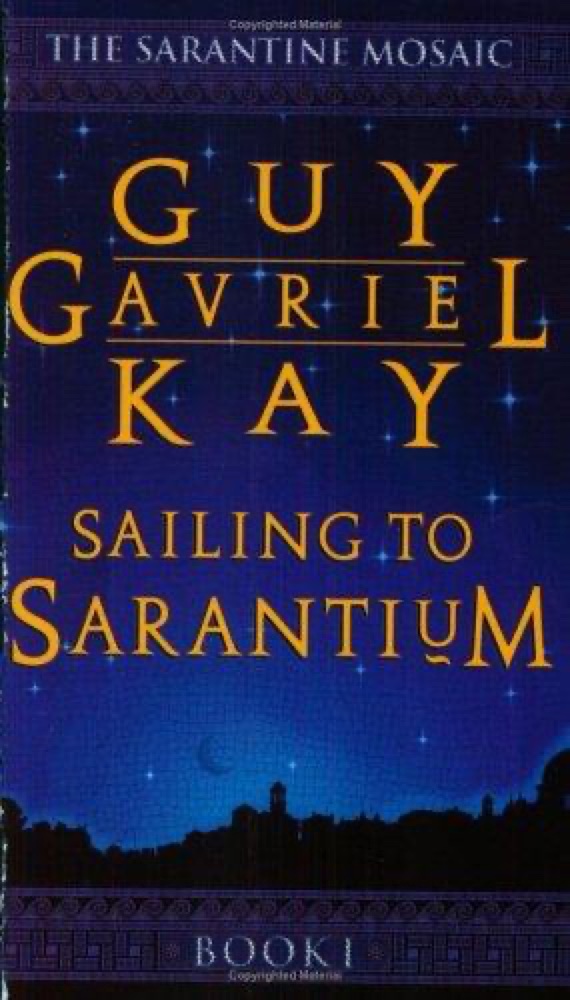
In all the lands ruled by that City, with its domes and its bronze and golden doors, its palaces and gardens and statues, forums and theatres and colonnades, bathhouses and shops and guildhalls, taverns and whorehouses and sanctuaries and the great Hippodrome, its triple landward walls that had never yet been breached, and its deep, sheltered harbour and the guarded and guarding seas, there was a timeworn phrase that had the same meaning in every tongue and every dialect. To say of a man that he was sailing to Sarantium was to say that his life was on the cusp of change: poised for emergent greatness, brilliance, fortune – or else at the very precipice of a final and absolute fall as he met something to vast for his capacity. Valerius the Trakesian had become an Emperor.
heresies are not like clothing styles or beards, my lord, to go in and out of fashion by the season or the year.” Alixana
Watch on YouTube
About Guy Gavriel Kay
We have collected 143 quotes from 11 books by Guy Gavriel Kay on BookQuoters.
More about the author →More by Guy Gavriel Kay
All books by Guy Gavriel Kay →
Book details
- Author
- Guy Gavriel Kay
- Genre
- Fiction
- Goodreads rating
- 4.20 (17k ratings) →
Keep reading
 Weaveworld
 The Enchantress of Florence
 The Bronzed Beasts
 The Etched City
 Ben-Hur: A Tale of the Christ
 Julian Comstock: A Story of 22nd-Century America
 Death Comes for the Archbishop
 Quicksilver
 The First Confessor
 The King Must Die
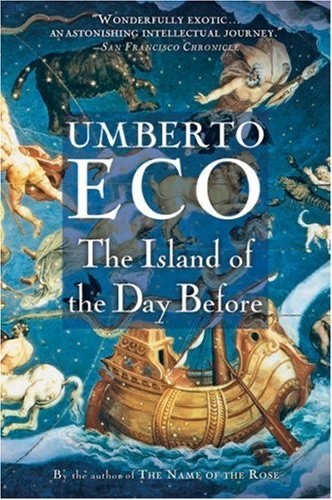 The Island of the Day Before
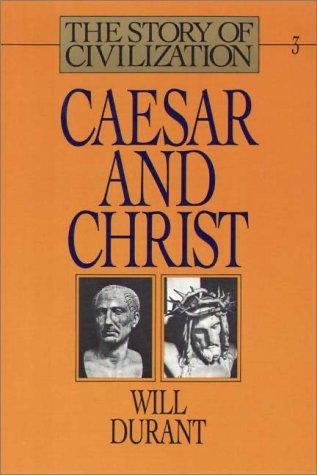 Caesar and Christ
 Light Years
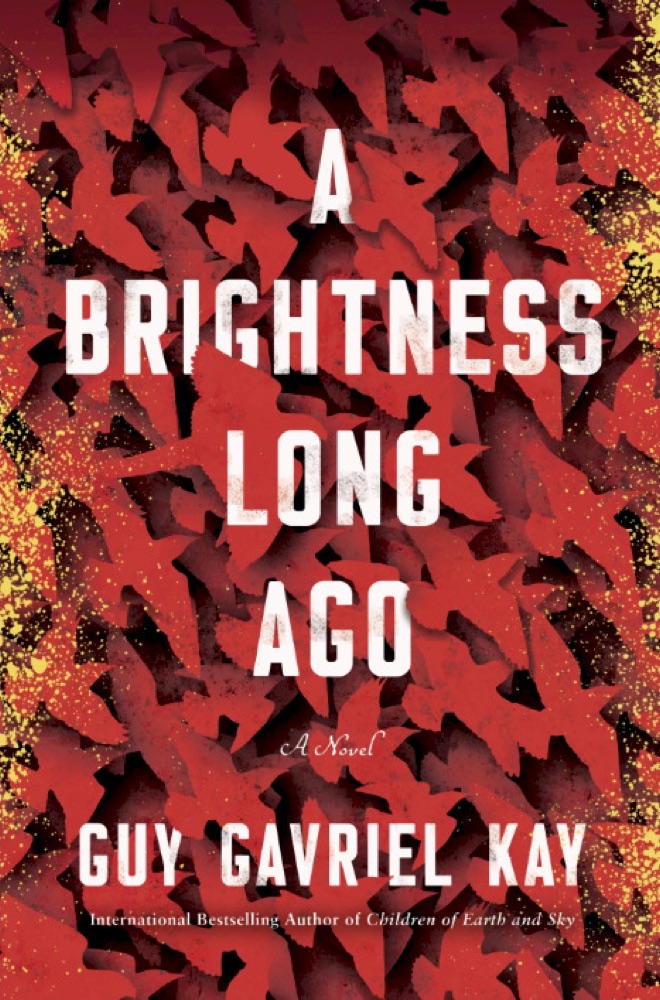 A Brightness Long Ago
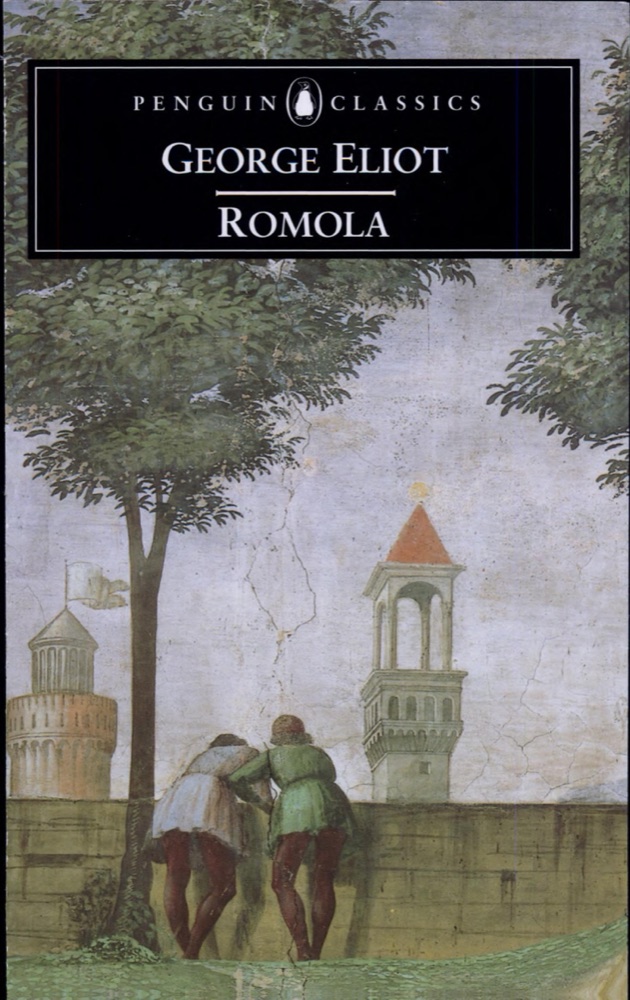 Romola
 Mythology
 Under Heaven
 Lost Horizon
 A Soldier of the Great War
 Gardens of the Moon
 The Dream of Scipio
 The Everlasting Man
 The Wall of Storms
 The Fall of Hyperion
 The Grace of Kings
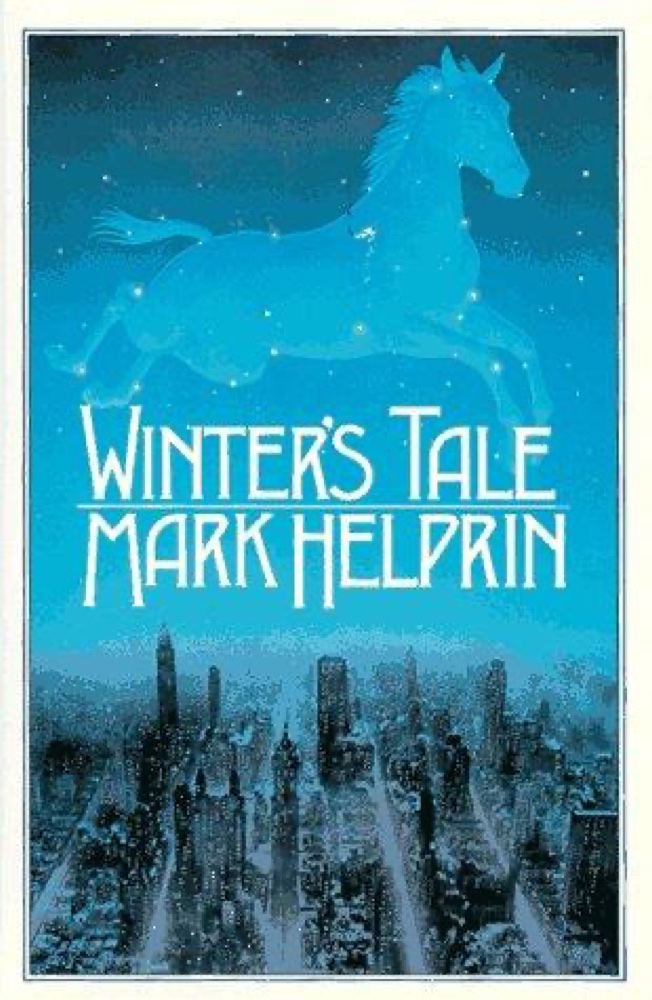 Winter's Tale
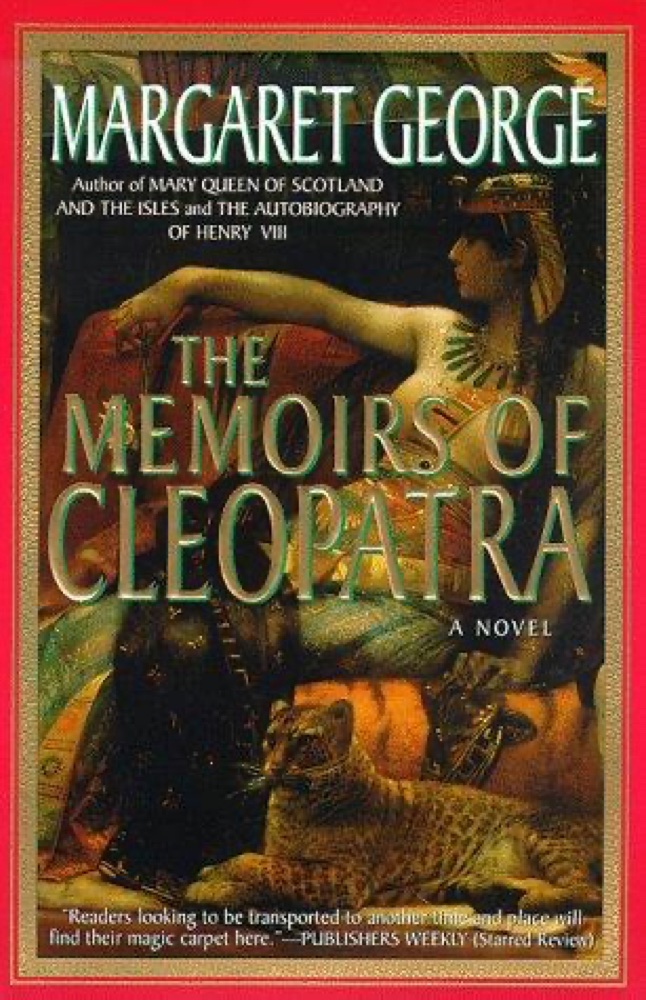 The Memoirs of Cleopatra
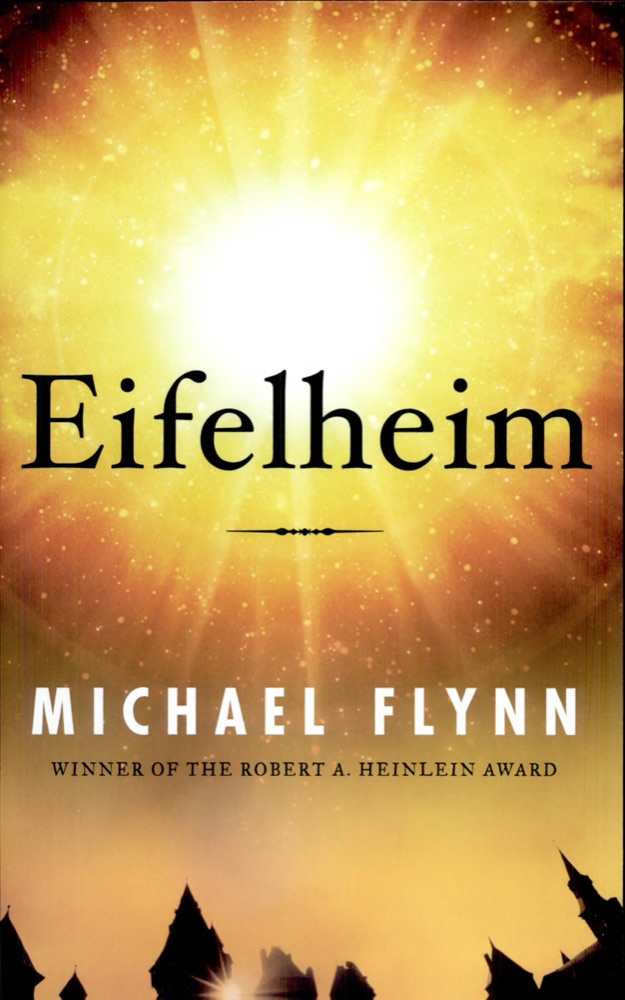 Eifelheim
 Victory
 The Power and the Glory
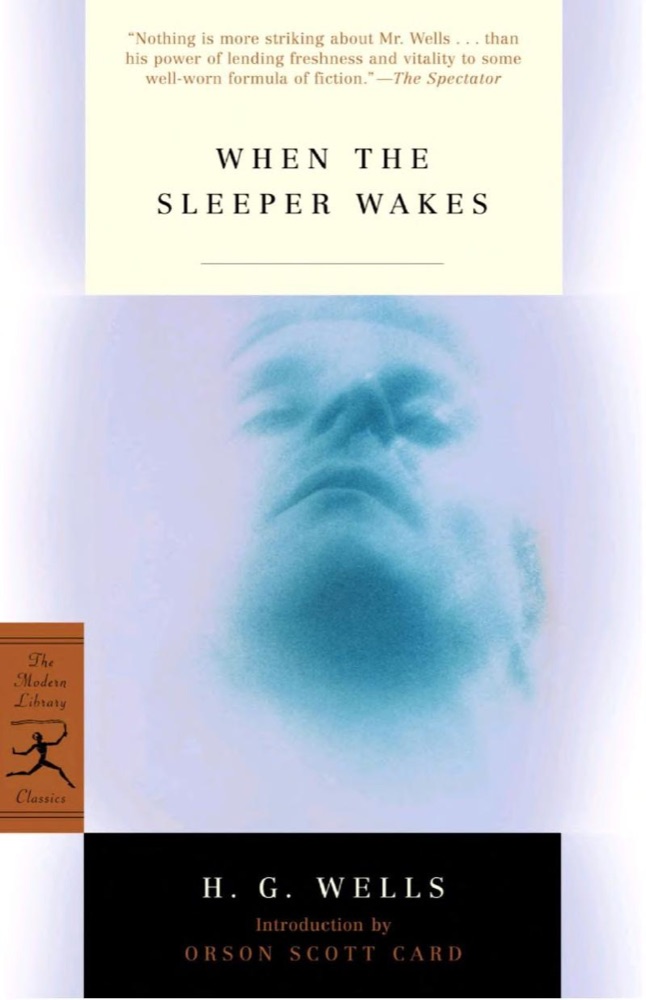 When the Sleeper Wakes
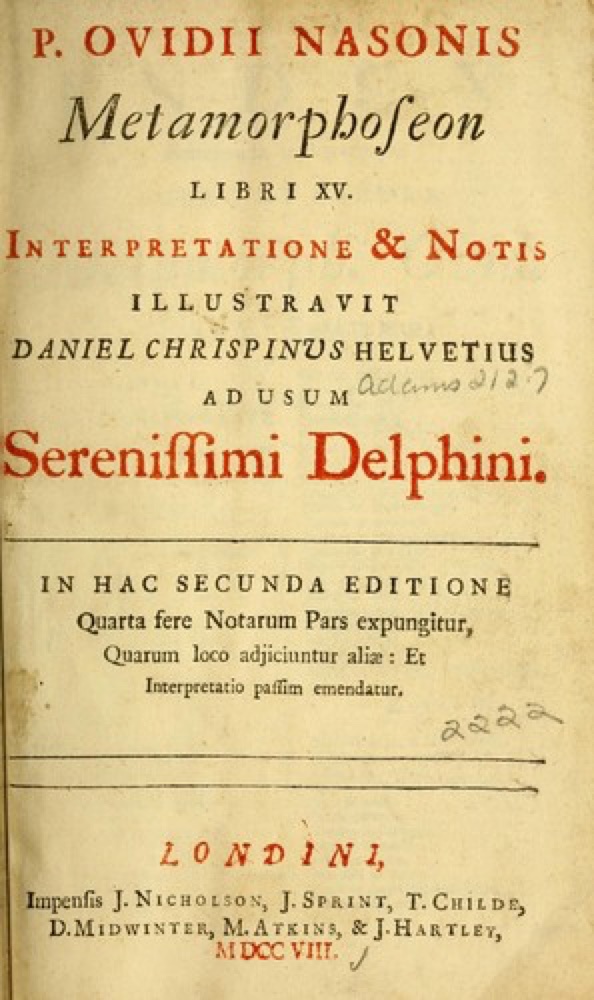 Metamorphoses
 Perelandra
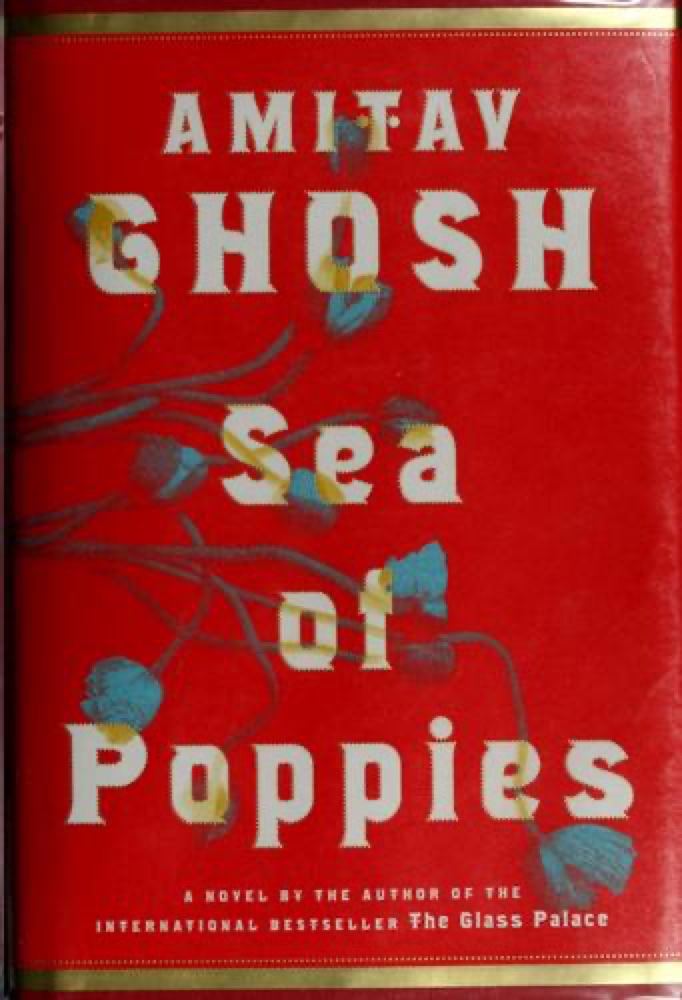 Sea of Poppies
 Songs of Distant Earth
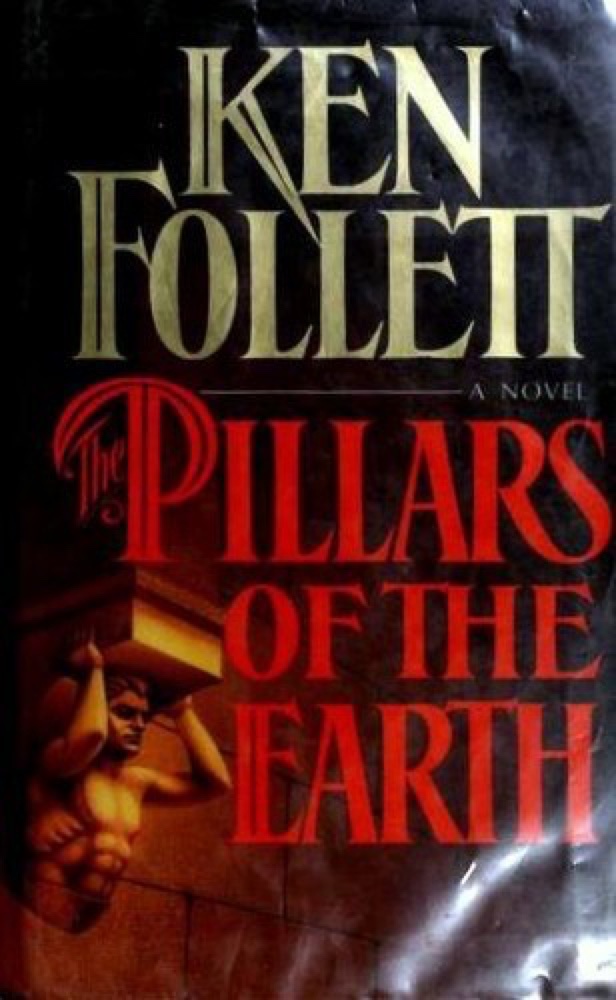 The Pillars of the Earth
 King Solomon's Mines
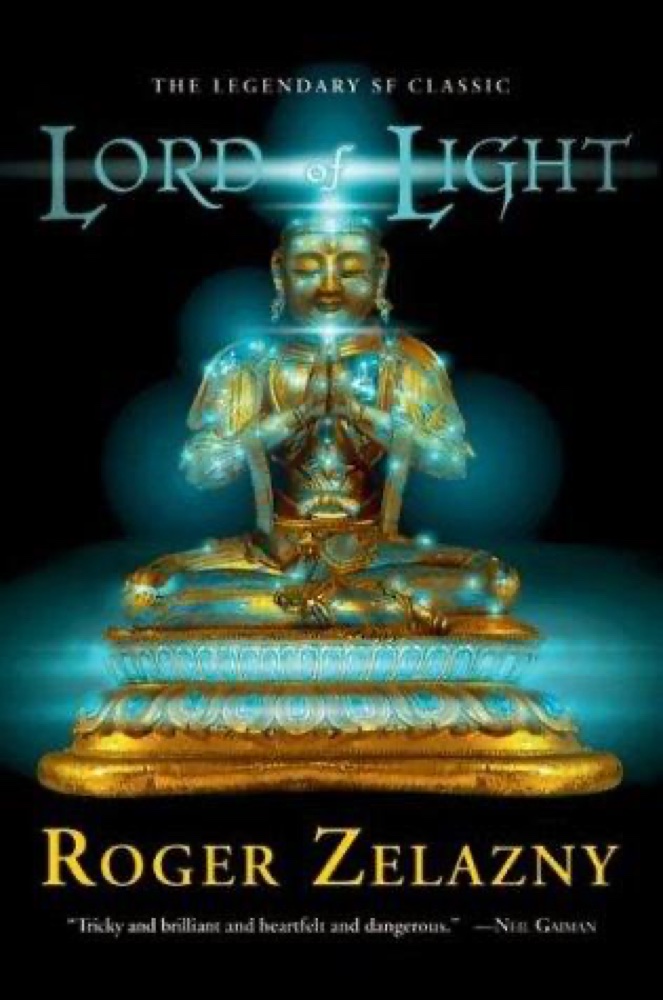 Lord of Light
 The Narrow Road to the Deep North
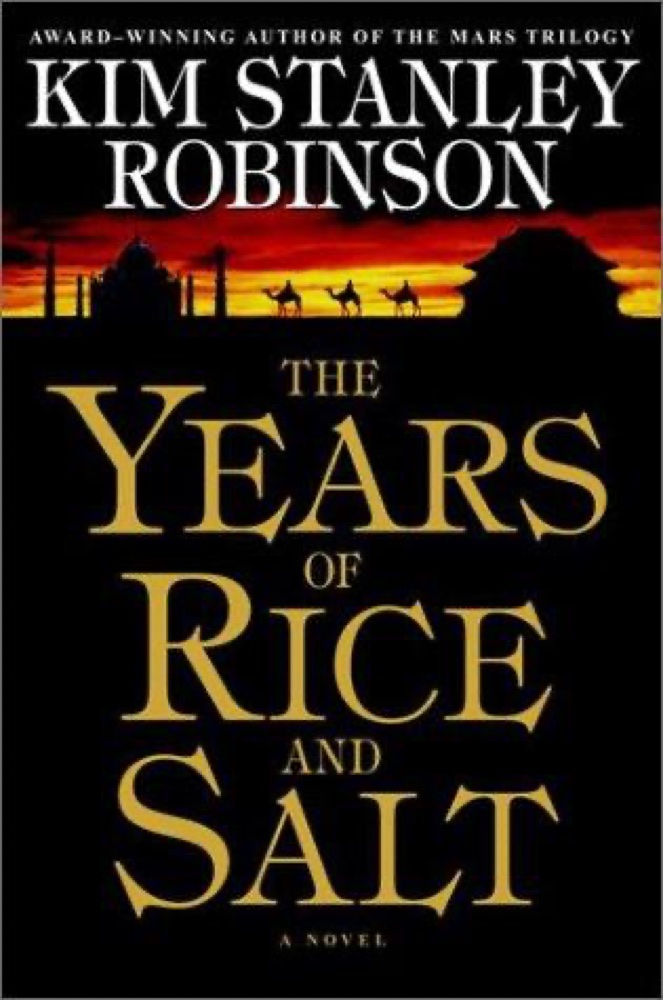 The Years of Rice and Salt
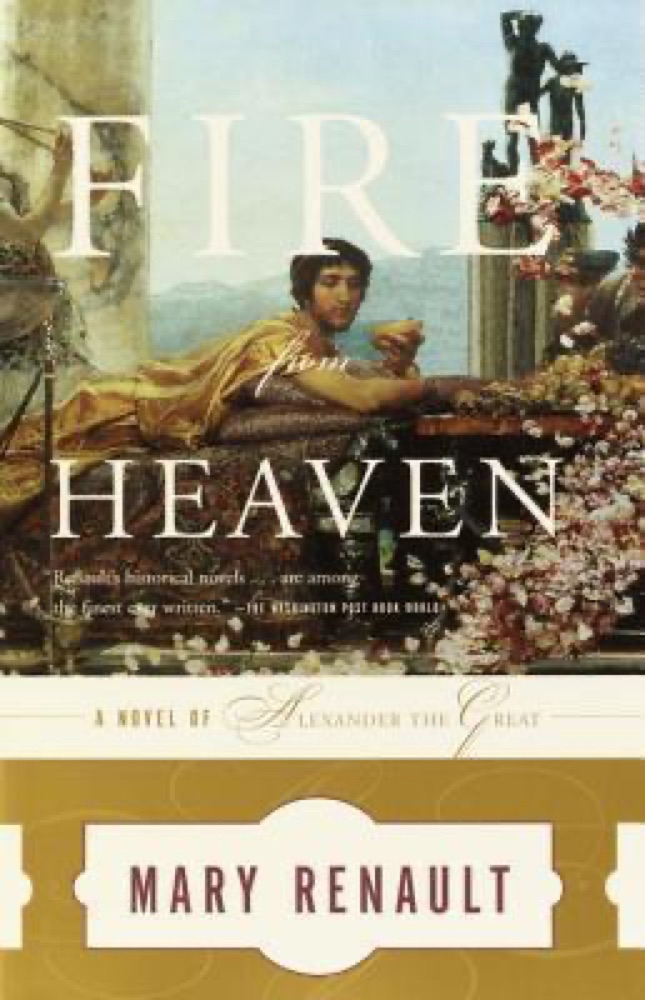 Fire from Heaven
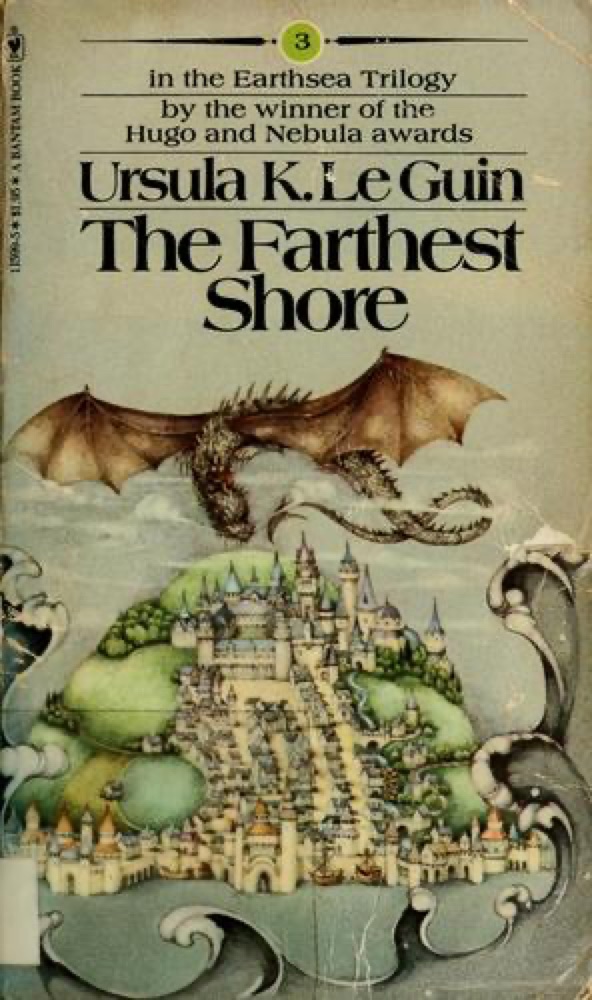 The Farthest Shore
 Earth Abides
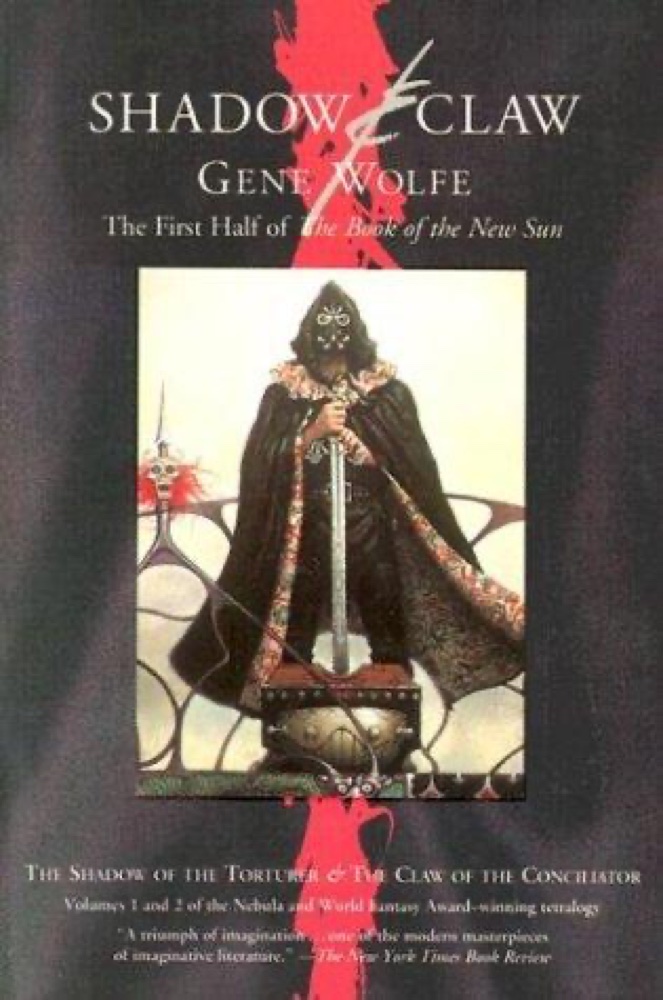 Shadow & Claw
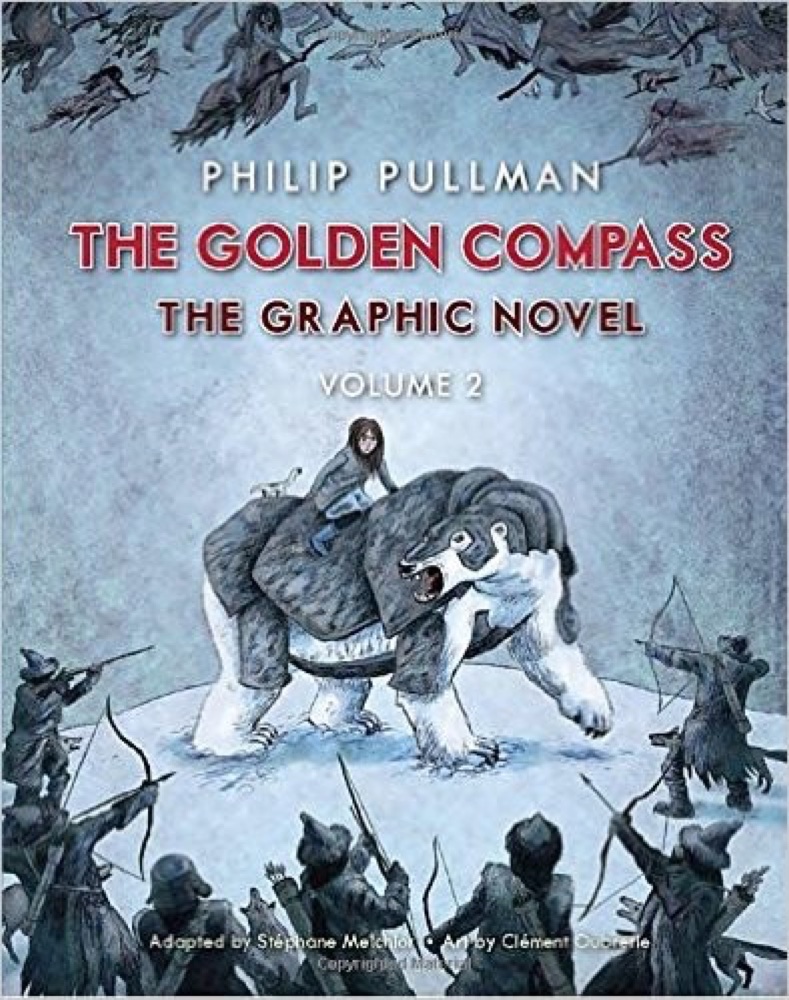 The Golden Compass
 She
She
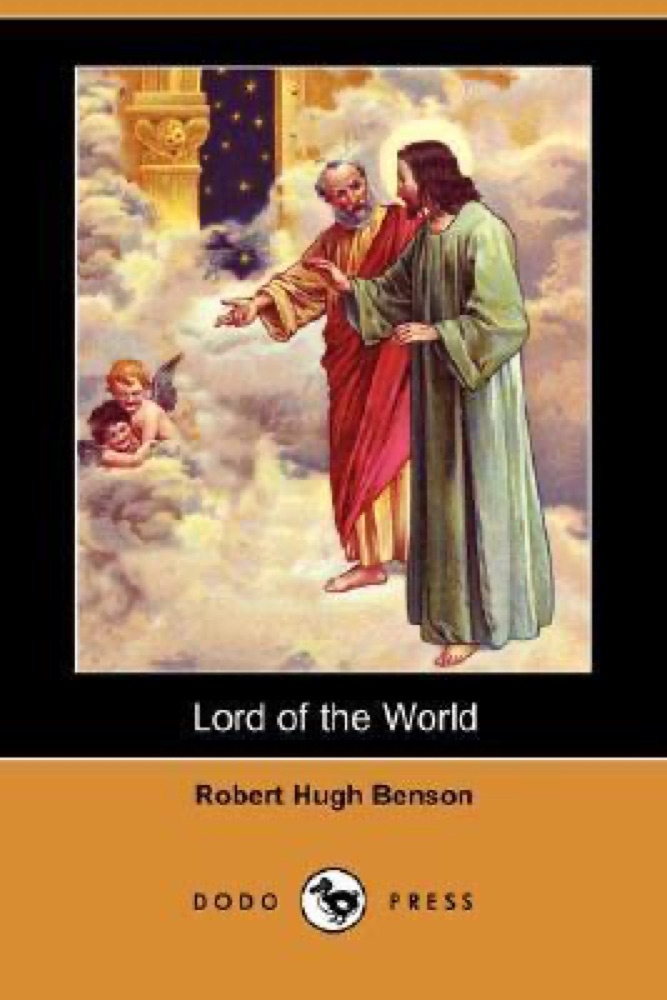 Lord of the World
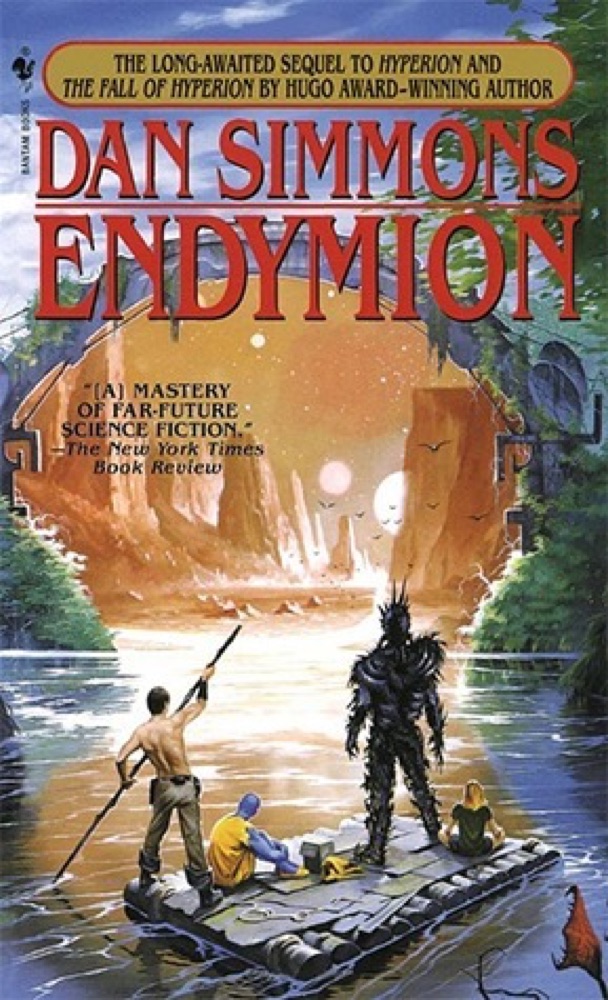 Endymion
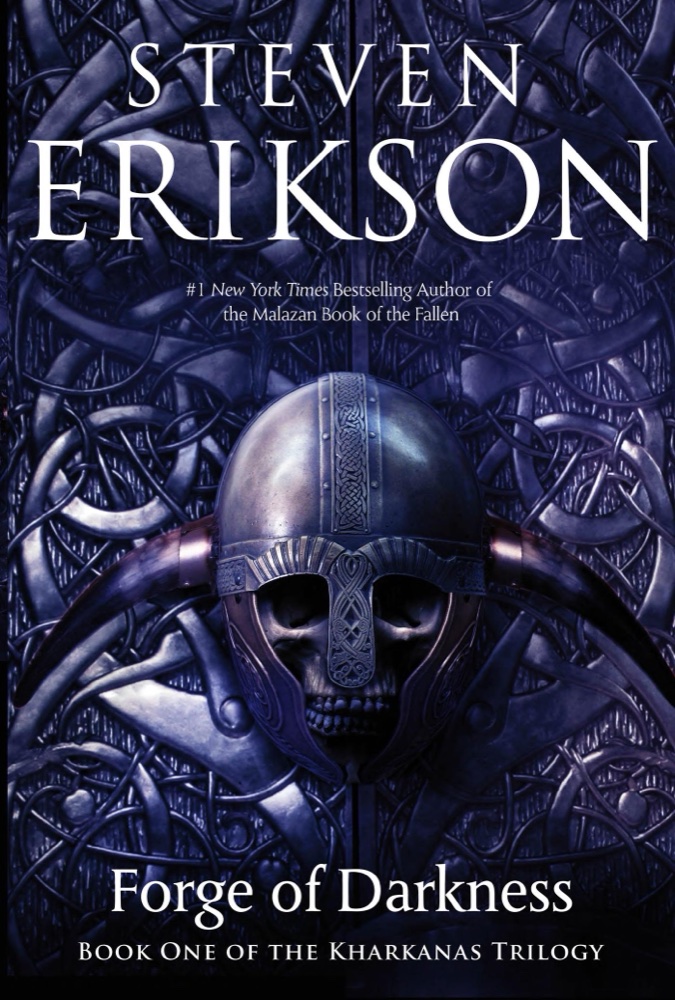 Forge of Darkness
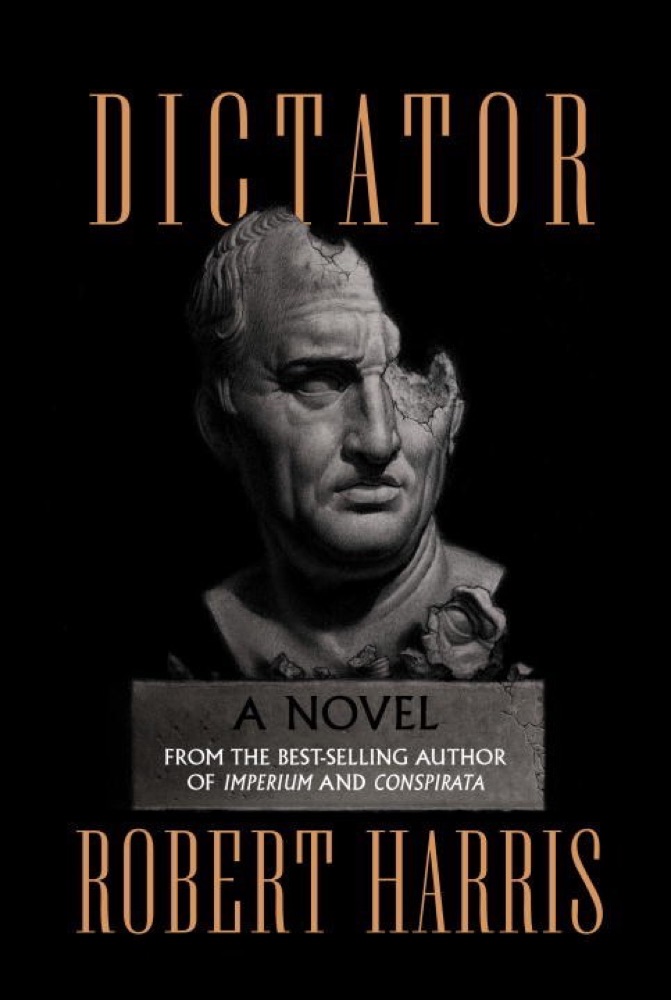 Dictator
 The Swerve: How the World Became Modern
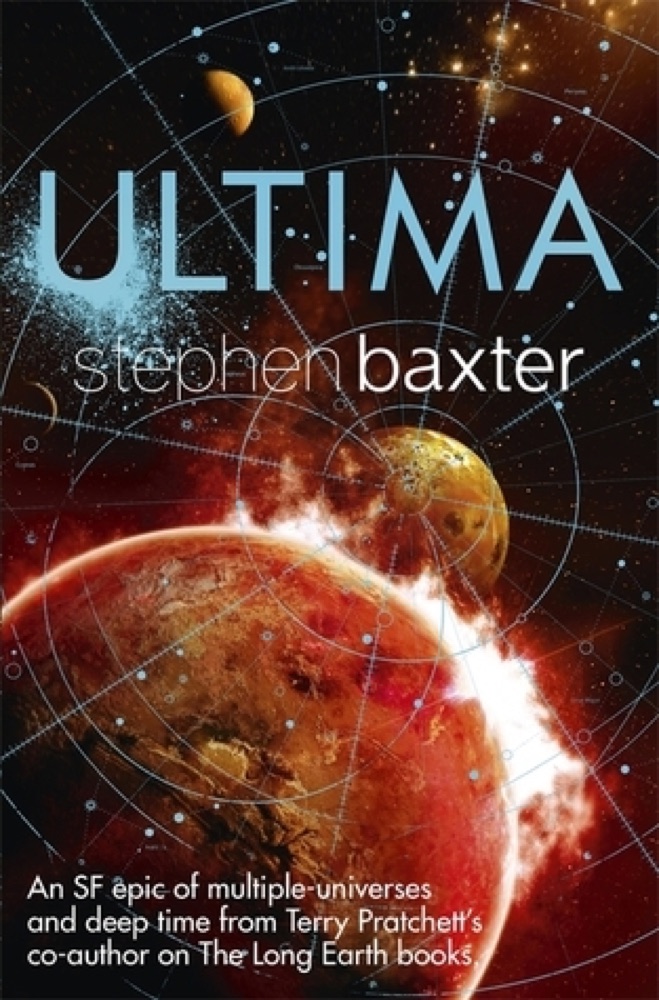 Ultima
 The Histories
 The Lathe of Heaven
 House Atreides
 The Sailor Who Fell from Grace with the Sea
 A Canticle for Leibowitz
 The Rise of Endymion
 The Emperor's Soul
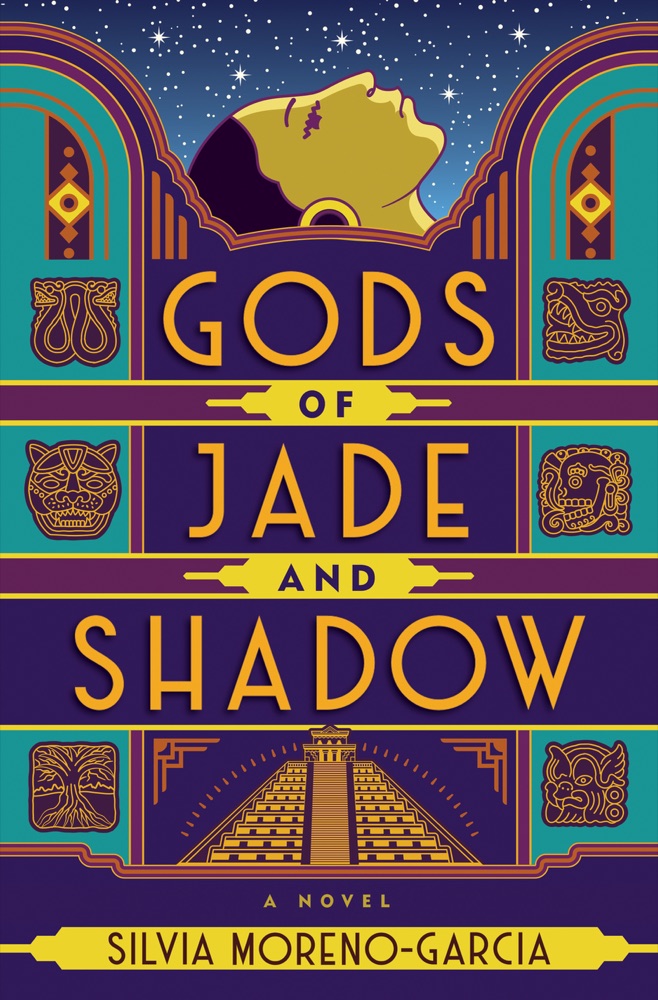 Gods of Jade and Shadow