

 Lola Rose
Quotes from the Book
I sniffed and dabbed at my eyes fiercely. I told myself I was only tearful because I was tired.
Could he be my Bertie, the cheeky butcher’s boy? I had walked out with him when I was a reluctant servant in Mr Buchanan’s household. Dear funny Bertie, who had been so self-conscious about reeking of meat. Bertie, the boy who had taken me to the fair and won me the little black-and-white china dog that was in my suitcase now, carefully wrapped in my nightgown to prevent any chips.
Bertie’s my name and flirting’s my game, I’ve an eye for every girl. Don’t give a fig! I have a little chat, then give ’em a pat,
I WOKE WITH a start, my head hurting, aching all over. For a moment I didn’t know where I was. Indeed, I felt so fuddled I didn’t even know who I was. Hetty Feather, Sapphire Battersea, Emerald Star? I had three names now.
Yes indeed,’ said Miss Gibson. ‘I’m starting to be very glad my last girl flounced off!’ I
She was trying to whisper, but she might as well have yelled under an echoing bridge.
You’ve got more courage in your little finger than most folks have in their entire bodies, my own child. I
Watch on YouTube
About Jacqueline Wilson
We have collected 11 quotes from 2 books by Jacqueline Wilson on BookQuoters.
More about the author →More by Jacqueline Wilson
Lola Rose
Book details
- Author
- Jacqueline Wilson
- Genre
- Historical
- Goodreads rating
- 4.34 (2k ratings) →
Keep reading
 Tipping the Velvet
 Withering Tights
 Eyes Like Stars
 The Name of the Star
 Seraphina
 Dearly, Departed
 Drowning in Stars
 The Basic Eight
 The Sweetness at the Bottom of the Pie
 All the Ugly and Wonderful Things
 Up a Road Slowly
 The Prince
 Away Laughing on a Fast Camel
 Rebel Belle
 The Help
 The Little Sister
 This Heart of Mine
 Stargirl
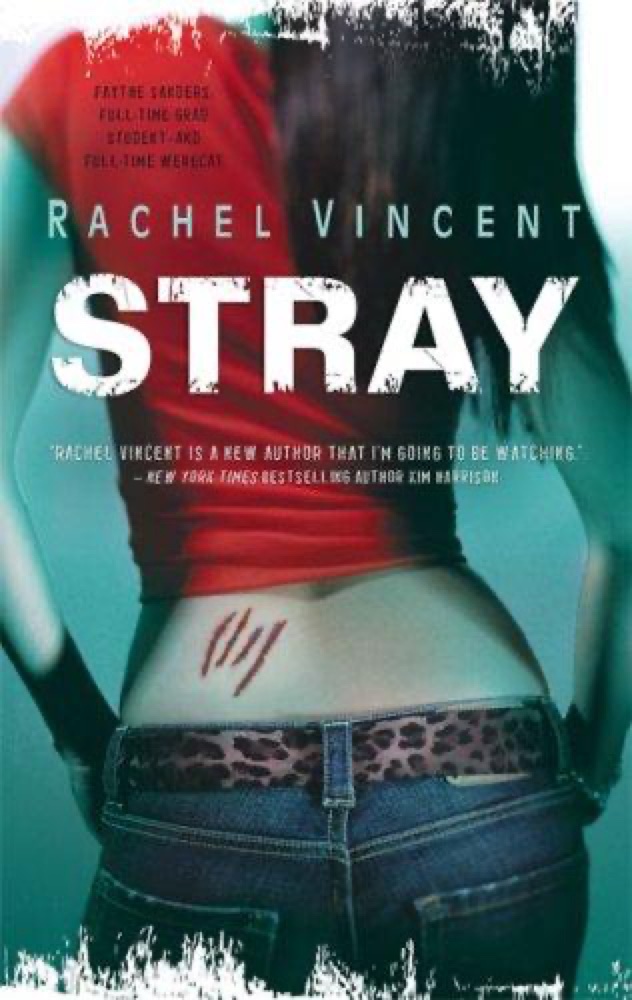 Stray
Stray
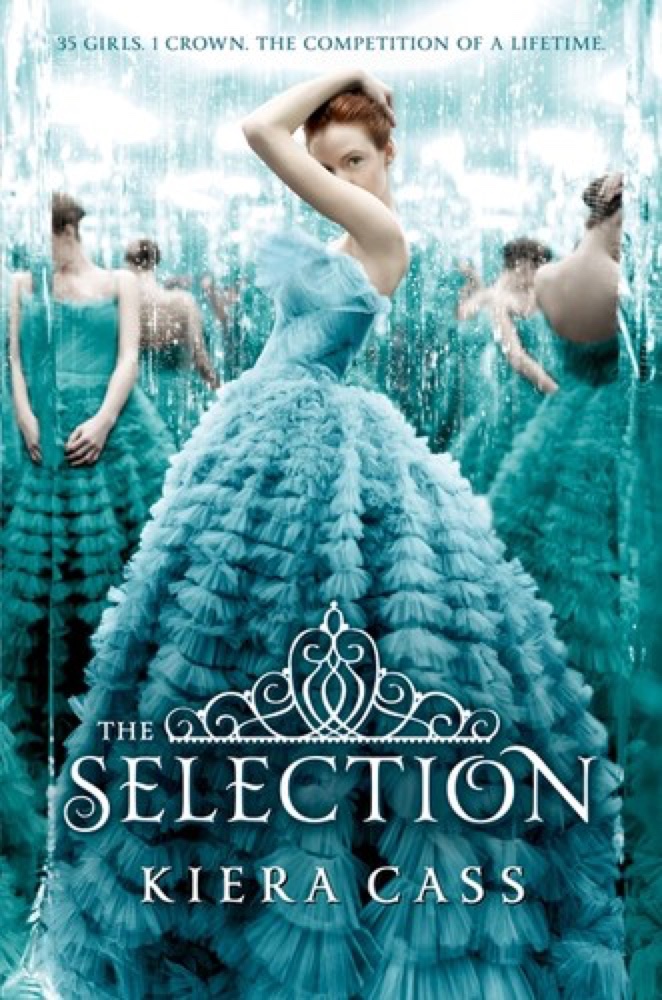 The Selection
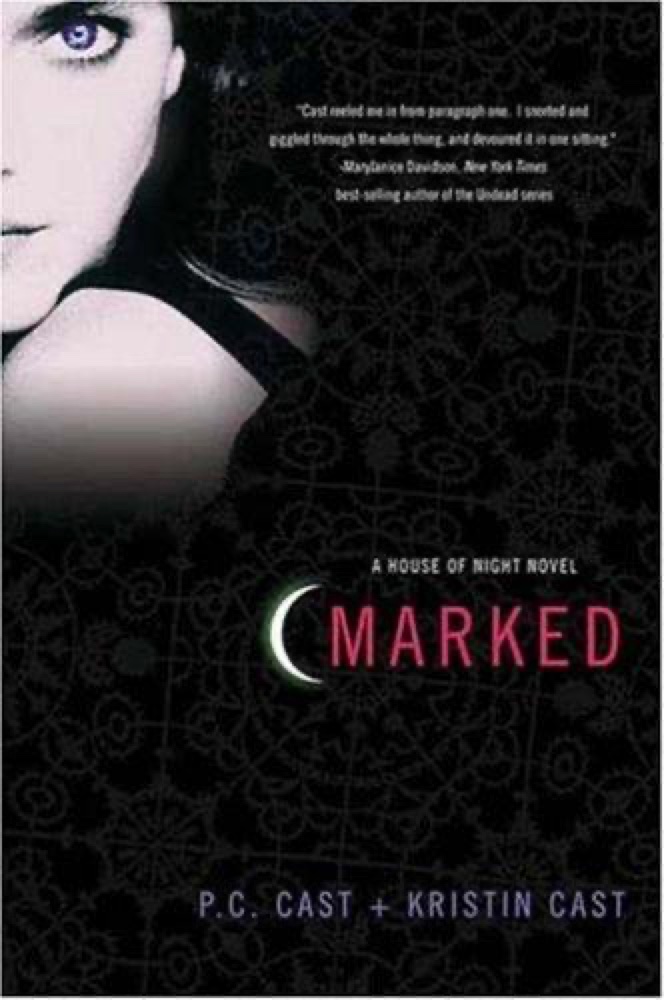 Marked
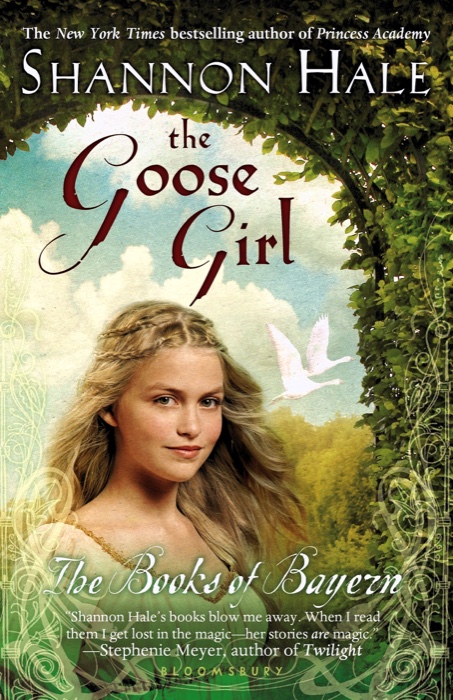 The Goose Girl
 Vain
Vain
 Submarine
 The Pearl Thief
 Prodigy
 Imaginary Girls
 The Secret Diary of Adrian Mole, Aged 13 3/4
 Finding Sky
 A Red Herring Without Mustard
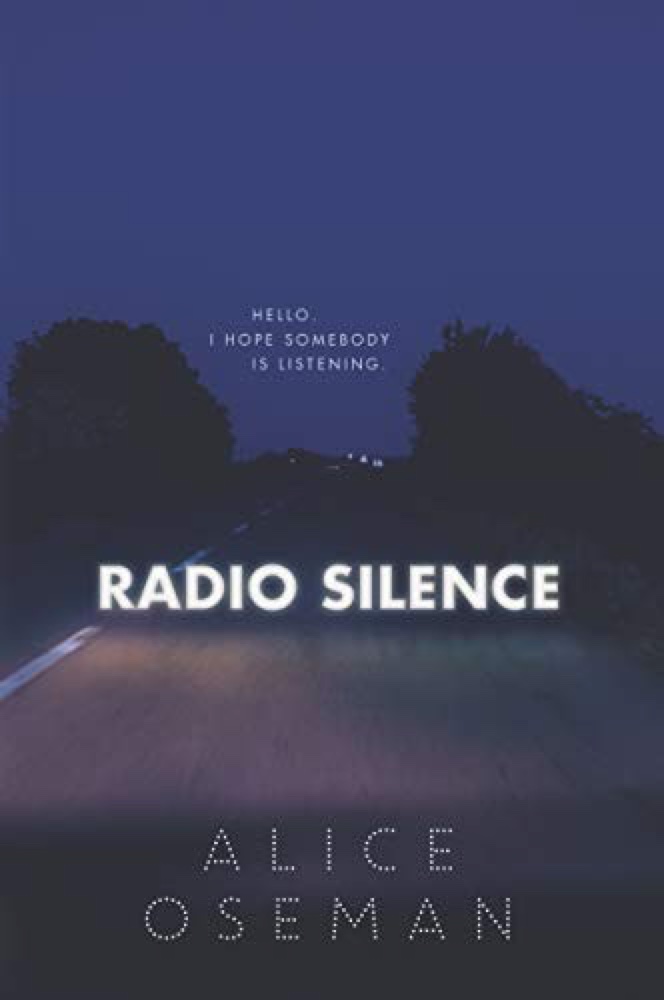 Radio Silence
 Haunting Violet
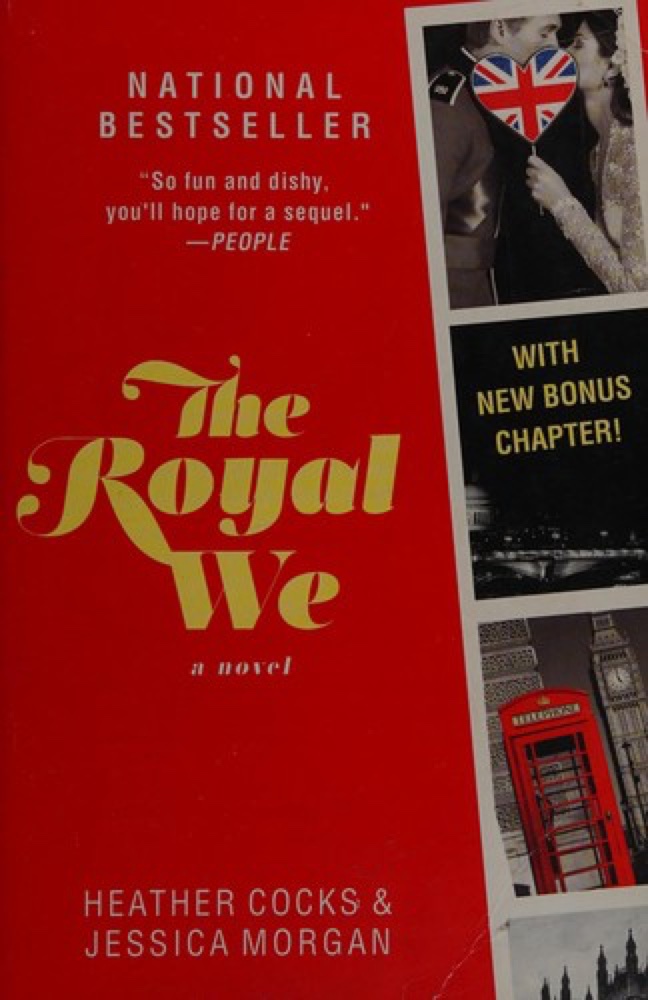 The Royal We
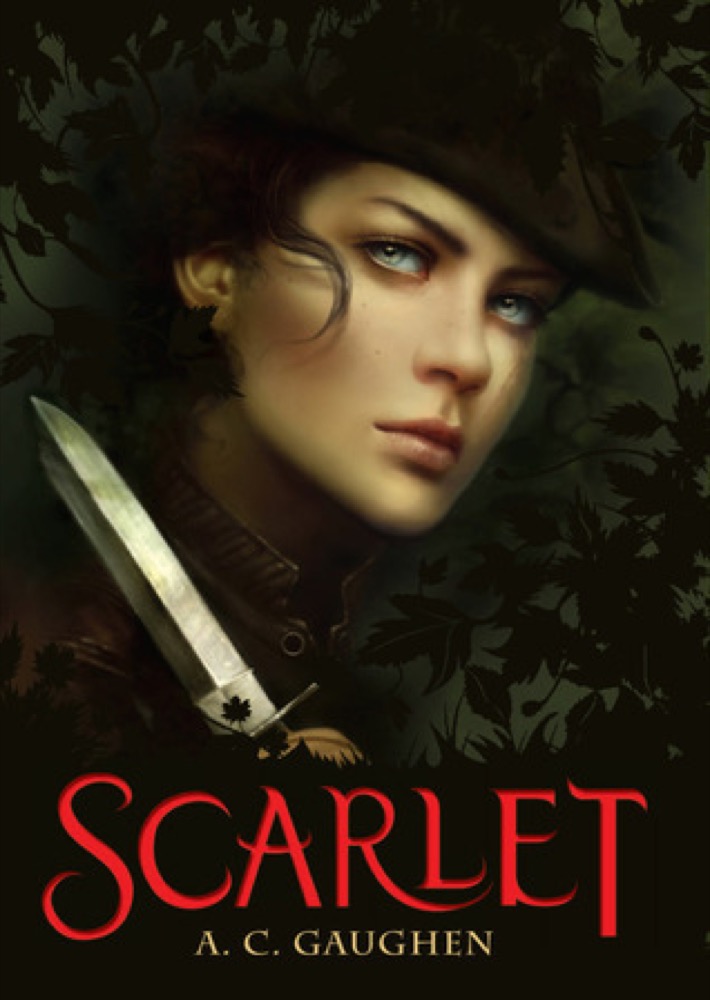 Scarlet
 From Dead to Worse
 Farewell, My Lovely
 Flappers and Philosophers
 The Vanishing Girl
 The Garden Party and Other Stories
 The Wonder Spot
 Underdog
 Chime
Chime
 Supernaturally
 Wives and Daughters
 Defiance
 I'd Tell You I Love You, But Then I'd Have to Kill You
 Ella Enchanted
 Little Altars Everywhere
 Little Women
 Eversea
 The Particular Sadness of Lemon Cake
 Untamed
 Annie John
 Linger
 Hourglass
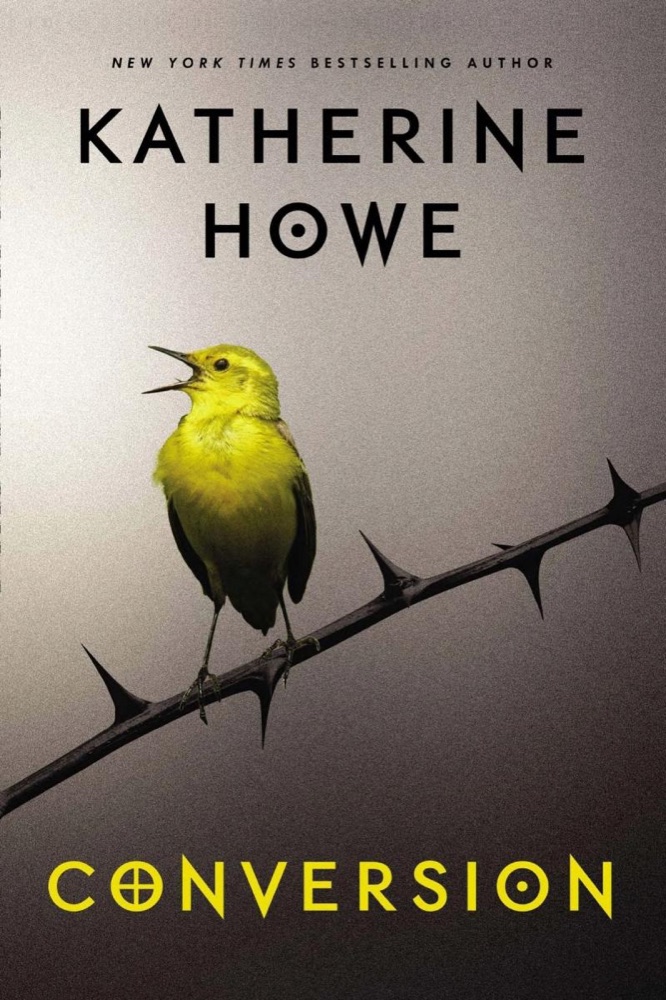 Conversion
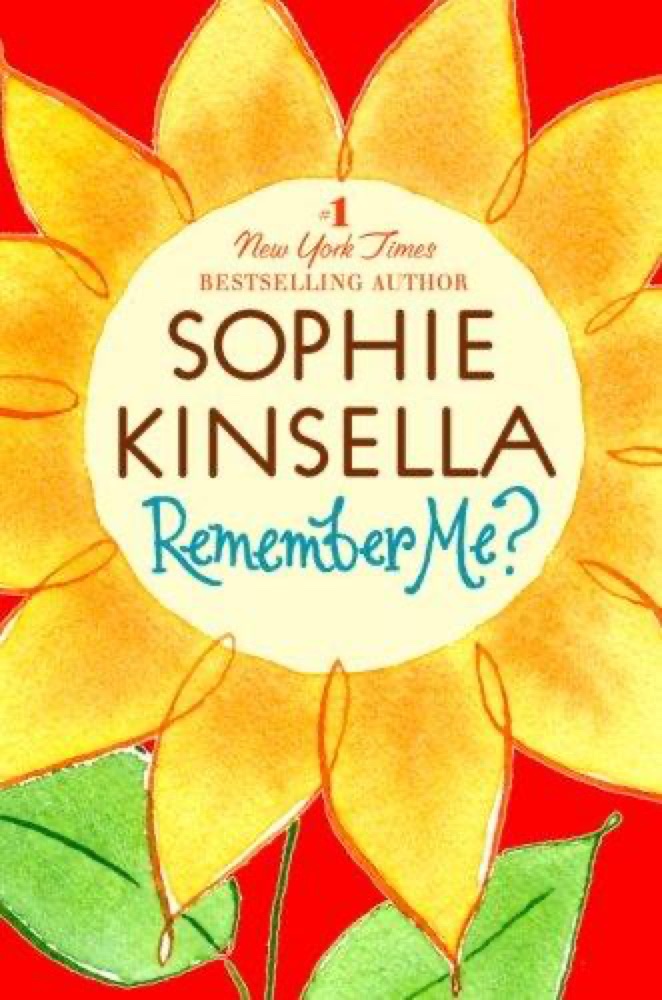 Remember Me?
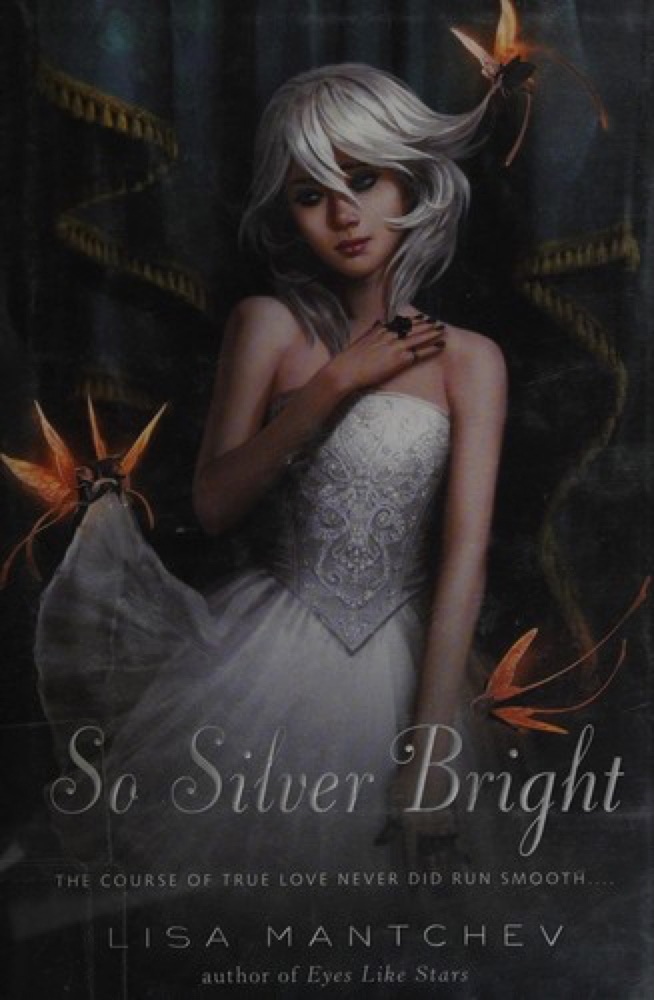 So Silver Bright
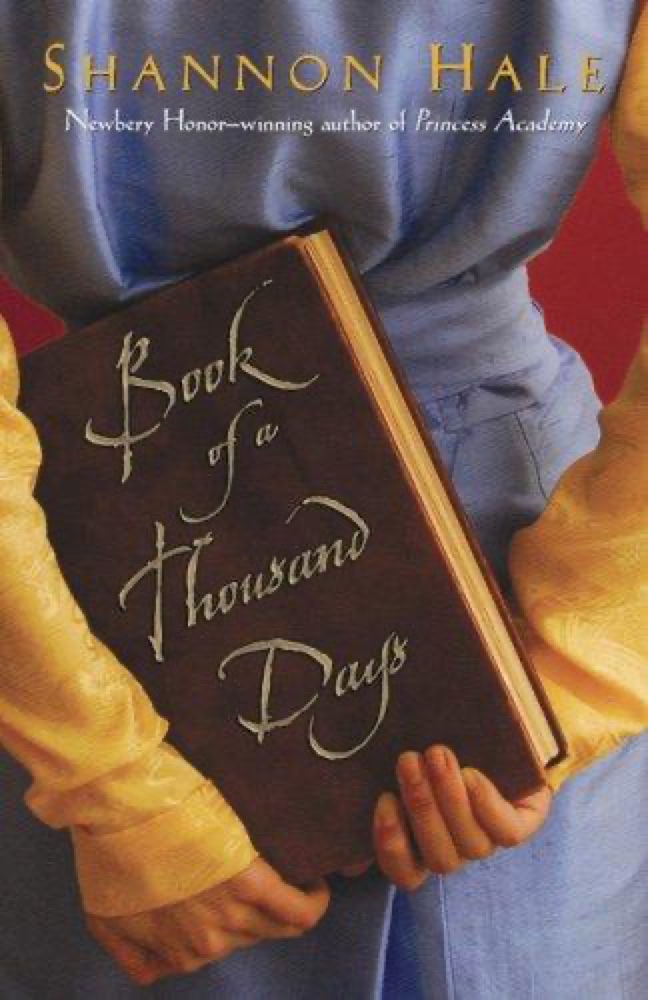 Book of a Thousand Days
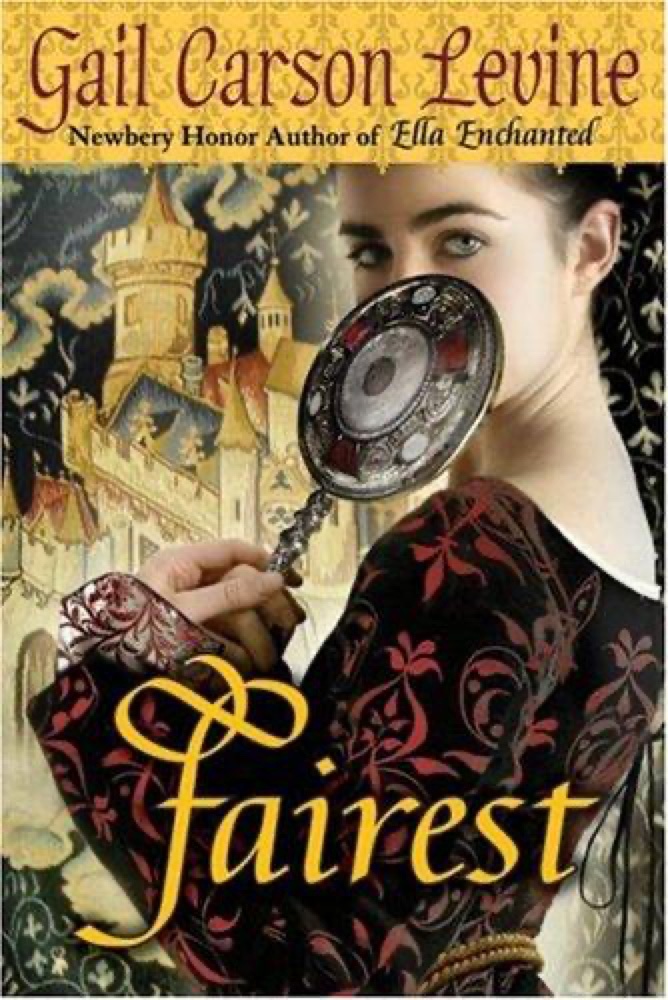 Fairest