
 Defiance
Quotes from the Book
Burdens are for shoulders strong enough to carry them.
After all, tomorrow is another day!
Well, my dear, take heart. Some day, I will kiss you and you will like it. But not now, so I beg you not to be too impatient.
My dear, I don't give a damn.
I'll think of it tomorrow, at Tara. I can stand it then. Tomorrow, I'll think of some way to get him back. After all, tomorrow is another day.
I can't think about that right now. If I do, I'll go crazy. I'll think about that tomorrow.
Sir,"she said,"you are no gentleman!" An apt observation,"he answered airily."And, you, Miss, are no lady.
It was better to know the worst than to wonder.
Perhaps - I want the old days back again and they'll never come back, and I am haunted by the memory of them and of the world falling about my ears.
Until you've lost your reputation, you never realize what a burden it was or what freedom really is.
Dear Scarlett! You aren't helpless. Anyone as selfish and determined as you are is never helpless. God help the Yankees if they should get you." -Rhett Butler
I'd cut up my heart for you to wear if you wanted it.
You're so brutal to those who love you, Scarlett. You take their love and hold it over their heads like a whip.
Life's under no obligation to give us what we expect. We take what we get and are thankful it's no worse than it is.
If I said I was madly in love with you you'd know I was lying.
I loved something I made up, something that's just as dead as Melly is. I made a pretty suit of clothes and fell in love with it. And when Ashley came riding along, so handsome, so different, I put that suit on him and made him wear it whether it fitted him or not. And I wouldn't see what he really was. I kept on loving the pretty clothes—and not him at all.
And apologies, once postponed, become harder and harder to make, and finally impossible.
Never pass up new experiences [Scarlett], They enrich the mind." - Rhett Butler
Child, it's a very bad thing for a woman to face the worst that can happen to her, because after she's faced the worst she can't ever really fear anything again. ...Scarlett, always save something to fear— even as you save something to love...
That is the one unforgivable sin in any society. Be different and be damned!
No, my dear, I'm not in love with you, no more than you are with me, and if I were, you would be the last person I'd ever tell. God help the man who ever really loves you. You'd break his heart, my darling, cruel, destructive little cat who is so careless and confident she doesn't even trouble to sheathe her claws.
Vanity was stronger than love at sixteen and there was no room in her hot heart now for anything but hate.
I've always had a weakness for lost causes once they're really lost.
Say you’ll marry me when I come back or, before God, I won’t go. I’ll stay around here and play a guitar under your window every night and sing at the top of my voice and compromise you, so you’ll have to marry me to save your reputation.
I wish I could care what you do or where you go but I can't... My dear, I don't give a damn.
Forgive me for startling you with the impetuosity of my sentiments, my dear Scarlett—I mean, my dear Mrs. Kennedy. It cannot have escaped your notice that for some time past the friendship I have had in my heart for you has ripened into a deeper feeling, a feeling more beautiful, more pure, more sacred. Dare I name it you? Ah! It is love which makes me so bold!
I wish to Heaven I was married," she said resentfully as she attacked the yams with loathing. "I'm tired of everlastingly being unnatural and never doing anything I want to do. I'm tired of acting like I don't eat more than a bird, and walking when I want to run and saying I feel faint after a waltz, when I could dance for two days and never get tired. I'm tired of saying, 'How wonderful you are!' to fool men who haven't got one-half the sense I've got, and I'm tired of pretending I don't know anything, so men can tell me things and feel important while they're doing it... I can't eat another bite.
I bare my soul and you are suspicious! No, Scarlett, this is a bona fide honorable declaration. I admit that it's not in the best of taste, coming at this time, but I have a very good excuse for my lack of breeding. I'm going away tomorrow for a long time and I fear that if I wait till I return you'll have married some one else with a little money. So I thought, why not me and my money? Really, Scarlett, I can't go all my life waiting to catch you between husbands.
Did you know?
- The novel was published by Macmillan on June 30, 1936.
- It won the Pulitzer Prize for Fiction in 1937.
- Gone with the Wind was the only novel Margaret Mitchell published during her lifetime.
- The 1936 first edition ran to 1,037 pages.
- The story spans the years 1861 to 1873, covering the Civil War and Reconstruction.
- It was adapted into the acclaimed 1939 film of the same name.
About Margaret Mitchell
Margaret Munnerlyn Mitchell (1900-1949) was an American journalist and author born in Atlanta, Georgia, who wrote feature articles for The Atlanta Journal. Gone with the Wind was the only novel published during her lifetime, and it won the Pulitzer Prize for Fiction in 1937.
More about the author →About the book
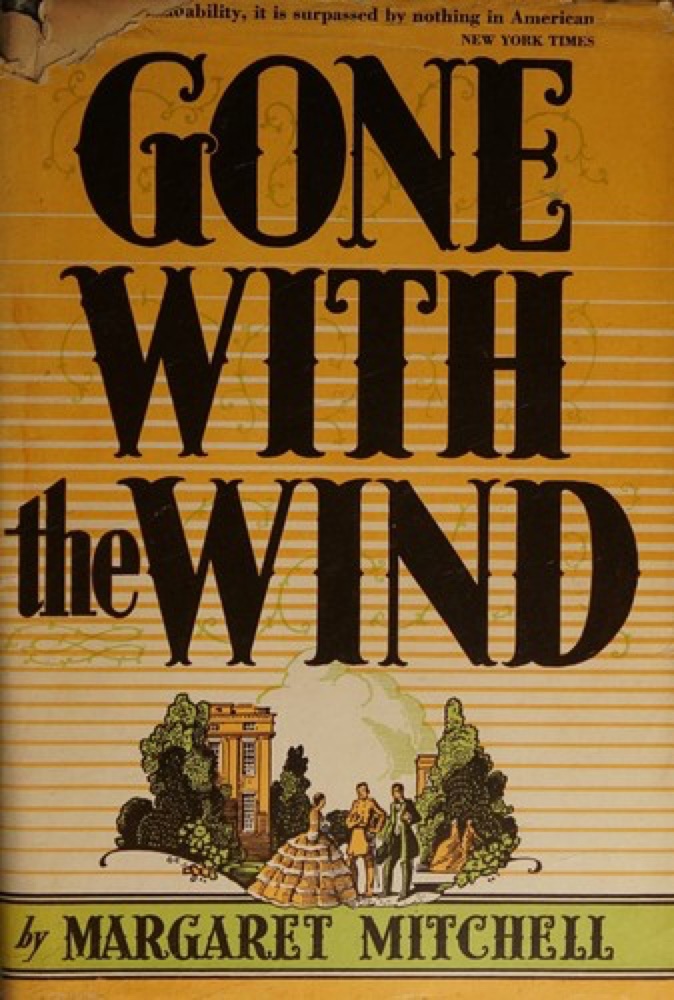
"Gone with the Wind" is Margaret Mitchell's sweeping novel of the American South during the Civil War and Reconstruction, spanning the years from 1861 to 1873. At its center is Scarlett O'Hara, the willful daughter of a Georgia plantation owner, whose life is upended when war shatters the world she knew. As she fights to hold on to her family's plantation, Tara, and to survive the collapse of the antebellum society around her, she moves through three marriages and an enduring, thwarted fixation on the married Ashley Wilkes, all while the roguish Rhett Butler pursues her.
Survival is the novel's dominant theme, embodied in Scarlett's ruthless determination to endure hardship, hunger, and loss at any cost. The book also dwells on the vanished world of the Old South, the upheavals of Reconstruction, and shifting ideas of femininity as its heroine defies the passive Southern-belle ideal. Set against these are contrasting figures such as the gentle, self-sacrificing Melanie Hamilton, whose steadiness counterpoints Scarlett's hard-edged pragmatism.
Published by Macmillan in 1936, the novel was an immediate sensation and won the Pulitzer Prize for Fiction in 1937. It was adapted into the celebrated 1939 film widely regarded as one of the greatest ever made, and it remains one of the best-selling American novels of all time. Its enduring popularity has been accompanied by lasting critical debate over its romanticized, and often criticized, portrayal of slavery and the antebellum South.
Key characters
- Scarlett O'HaraHeadstrong daughter of a Georgia plantation owner and the novel's protagonist
- Rhett ButlerCharming, cynical blockade runner who becomes Scarlett's third husband
- Ashley WilkesPlantation owner whom Scarlett loves but who marries his cousin Melanie
- Melanie Hamilton WilkesAshley's gentle, gracious wife and cousin
- Gerald O'HaraScarlett's Irish-born father and owner of the Tara plantation
Book details
- First published
- 1936
- Length
- 1037 pages
- Reading time
- 63 hours
- Author
- Margaret Mitchell
- Genre
- Classics
- Goodreads rating
- 4.31 (1.3M ratings) →
- First line
- “Scarlett O'Hara was not beautiful, but men seldom realized it when caught by her charm as the Tarleton twins were.”
Series & reading order
- 1 Gone with the Wind
- 2 Scarlett
- 3 Rhett Butler's People
Movie & TV adaptations
- IMDb
Keep reading
Defiance
 Scarlett
 The Women of Chateau Lafayette
 New Moon
 The Wrath and the Dawn
 Great Expectations
 The Princess Bride
 The Portable Dorothy Parker
 The Bitter Kingdom
 Lament: The Faerie Queen's Deception
 Fall From Grace
 A Farewell to Arms
 Flappers and Philosophers
 Heartless
 Pride and Prejudice
 A Spear of Summer Grass
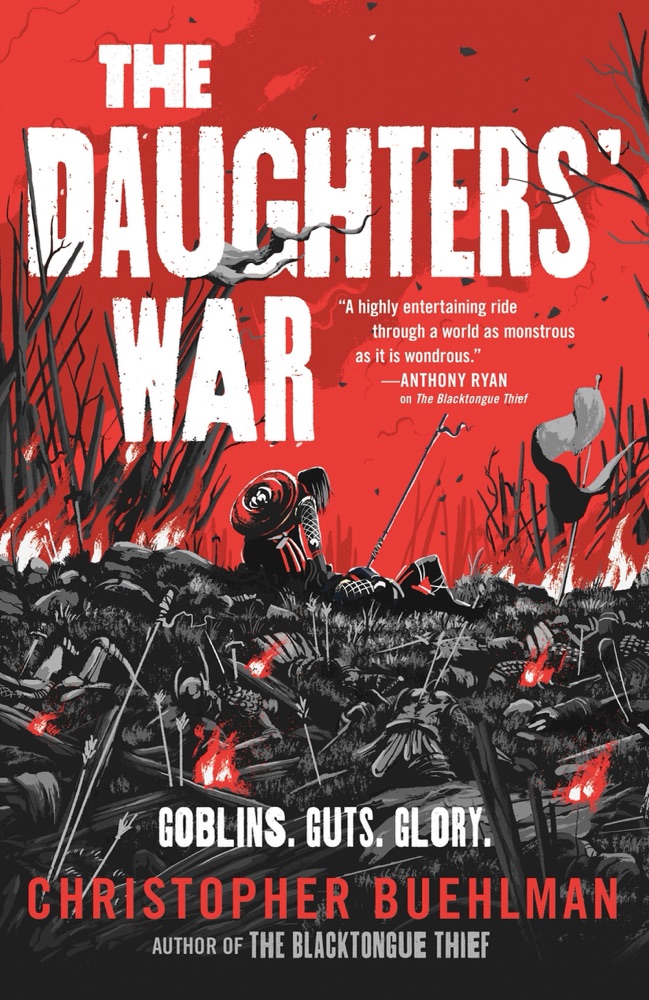 The Daughters' War
 Breakfast at Tiffany's
 Wuthering Heights
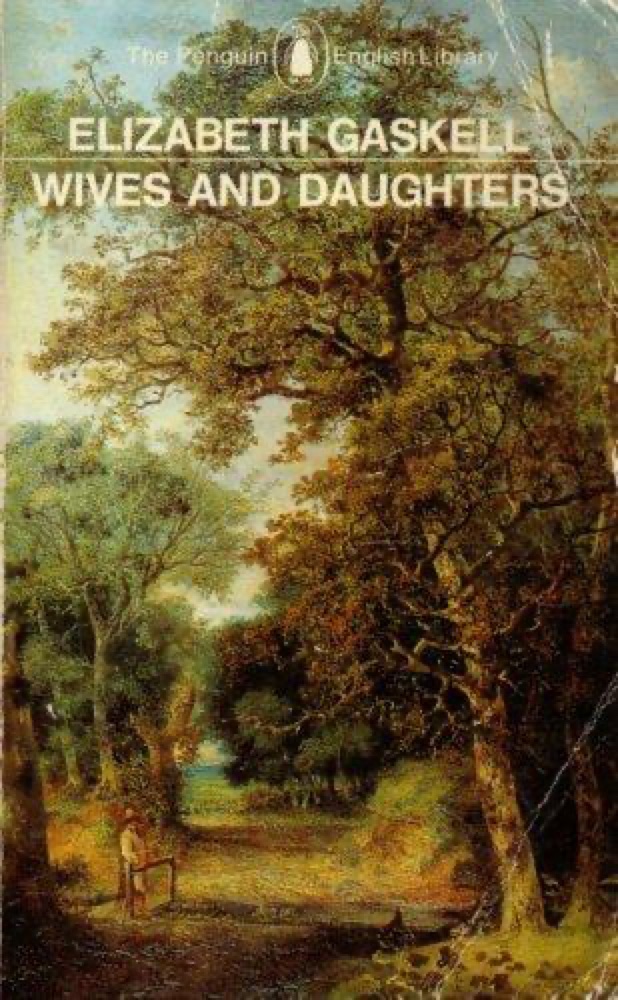 Wives and Daughters
 Twenties Girl
 Emma
Emma
 Impulse
 Emily Climbs
 Unmade
 November 9
 The Exiled Queen
 Faking It
 North and South
 Gods & Monsters
 I'll Be Seeing You
 Indebted
 Rebecca
 A Kiss in Time
 Until You
 Book of a Thousand Days
 The Darkest Minds
 Only for You
 You Know Me Well
 This Side of Paradise
 An Artificial Night
 Much Ado About Nothing
 Juliet
 Trust: Betrayed
 Jude the Obscure
 Ironside
 The Help
 Maybe Someday
 Horde
Horde
 The Cruel Prince
 Fever
Fever
 Take Me With You
 Stolen Songbird
 A Walk to Remember
 Looking for Alibrandi
 The Blue Castle
 She's Come Undone
 The Royal We
 Defiance
 Violet Made of Thorns