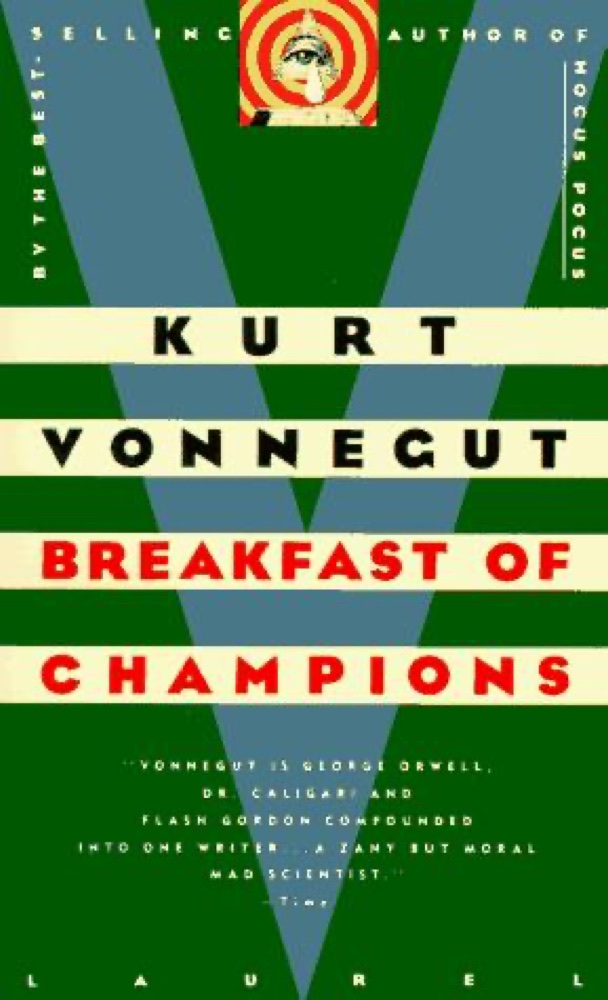

 Welcome to the Monkey House
Quotes from the Book
We are healthy only to the extent that our ideas are humane.
Kilgore Trout once wrote a short story which was a dialogue between two pieces of yeast. They were discussing the possible purposes of life as they ate sugar and suffocated in their own excrement. Because of their limited intelligence, they never came close to guessing that they were making champagne.
The waitress brought me another drink. She wanted to light my hurricane lamp again. I wouldn't let her. "Can you see anything in the dark, with your sunglasses on?" she asked me. "The big show is inside my head," I said.
I can have oodles of charm when I want to.
I couldn't help wondering if that was what God put me on Earth for--to find out how much a man could take without breaking.
Charm was a scheme for making strangers like and trust a person immediately, no matter what the charmer had in mind.
So, in the interests of survival, they trained themselves to be agreeing machines instead of thinking machines. All their minds had to do was to discover what other people were thinking, and then they thought that, too.
As I approached my fiftieth birthday, I had become more and more enraged and mystified by the idiot decisions made by my countrymen. And then I had come suddenly to pity them, for I understood how innocent and natural it was for them to behave so abominably, and with such abominable results: They were doing their best to live like people invented in story books. This was the reason Americans shot each other so often: It was a convenient literary device for ending short stories and books. Why were so many Americans treated by their government as though their lives were as disposable as paper facial tis-sues? Because that was the way authors customarily treated bit-part players in their made-up tales. And so on.Once I understood what was making America such a dangerous, unhappy nation of people who had nothing to do with real life, I resolved to shun storytelling. I would write about life. Every person would be exactly as important as any other. All facts would also be given equal weightiness. Nothing would be left out. Let others bring order to chaos. I would bring chaos to order, instead, which I think I have done. If all writers would do that, then perhaps citizens not in the literary trades will understand that there is no order in the world around us, that we must adapt ourselves to the requirements of chaos instead. It is hard to adapt to chaos, but it can be done. I am living proof of that: It can be done.
New knowledge is the most valuable commodity on earth. The more truth we have to work with, the richer we become.
There is no order in the world around us, we must adapt ourselves to the requirements of chaos instead.
The things other people have put into my head, at any rate, do not fit together nicely, are often useless and ugly, are out of proportion with one another, are out of proportion with life as it really is outside my head.
Of course it is exhausting, having to reason all the time in a universe which wasn't meant to be reasonable.
People took such awful chances with chemicals and their bodies because they wanted the quality of their lives to improve. They lived in ugly places where there were only ugly things to do. They didn't own doodley-squat, so they couldn't improve their surroundings. so they did their best to make their insides beautiful instead.
I can't tell if you're serious or not,' said the driver. I won't know myself until I find out if life is serious or not,' said Trout. 'It's dangerous, I know, and it can hurt a lot. That doesn't necessarily mean it's serious, too.
Seems like the only kind of job an American can get these days is committing suicide in some way.
You know what truth is? [...] It's some crazy thing my neighbor believes. If I want to make friends with him, I ask him what he believes. He tells me, and I say, "Yeah, yeah - ain't it the truth?
Dear Sir, poor sir, brave sir." he read, "You are an experiment by the Creator of the Universe. You are the only creature in the entire Universe who has free will. You are the only one who has to figure out what to do next - and why. Everybody else is a robot, a machine. Some persons seem to like you, and others seem to hate you, and you must wonder why. They are simply liking machines and hating machines. You are pooped and demoralized, " read Dwayne. "Why wouldn't you be? Of course it is exhausting, having to reason all the time in a universe which wasn't meant to be reasonable.
What is the purpose of life?...To be the eyes and ears and conscience of the Creator of the Universe, you fool!
Roses are red, And ready for plucking, You're sixteen, And ready for high school.
Earthlings went on being friendly, when they should have been thinking instead.
Trout was petrified there on Forty-second Street. It had given him a life not worth living, but I had also given him an iron will to live. This was a common combination on the planet Earth.
Much of the conversation in the country consisted of lines from television shows, both past and present.
Dwayne's bad chemicals made him take a loaded thirty-eight caliber revolver from under his pillow and stick it in his mouth. This was a tool whose only purpose was to make holes in human beings.
The women all had big minds because they were big animals, but they didn't use them for this reason: unusual ideas could make enemies and the women, if they were going to achieve any sort of comfort and safety, needed all the friends they could get. So, in the interest of survival they trained themselves to be agreeing machines. All their minds had to do was to discover what other people were thinking and then they thought it too.
Symbols can be so beautiful, sometimes.
Sometimes I wonder about the Creator of the Universe.
Did you know?
- The book was published in 1973 and was Vonnegut's seventh novel.
- Vonnegut illustrated the book himself with felt-tip pen drawings.
- Vonnegut appears as a character within his own novel, meeting his creation Kilgore Trout.
- The title is a registered trademark of General Mills, used for the Wheaties cereal, which Vonnegut acknowledges in a preface.
- Vonnegut reportedly gave the novel a grade of 'C' in his own later self-assessment of his books.
- The novel spent about 56 weeks on bestseller lists despite mixed reviews.
About Kurt Vonnegut
Kurt Vonnegut (1922-2007) was an American writer known for satirical, darkly comic novels that blended science fiction with social criticism. A survivor of the World War II firebombing of Dresden, he drew on that experience for his most famous novel, Slaughterhouse-Five.
More about the author →More by Kurt Vonnegut
All books by Kurt Vonnegut →
About the book
"Breakfast of Champions" is Kurt Vonnegut's seventh novel, published in 1973. It follows two lonely middle-aged men in the American Midwest: Kilgore Trout, an obscure and prolific science-fiction writer who is traveling to an arts festival in Midland City, Ohio, and Dwayne Hoover, a wealthy Pontiac dealer sliding into mental illness. When the two finally meet at a Holiday Inn cocktail lounge, Hoover reads one of Trout's stories and takes its message literally, believing he is the only creature in the universe with free will and that everyone else is a machine, which triggers a violent breakdown.
Beneath its shaggy plot, the book is a satirical portrait of American life, taking aim at consumerism, racism, war, environmental destruction, sexuality, and the emptiness Vonnegut saw in the culture around him. Illustrated with the author's own felt-tip drawings and written in short, deadpan sentences, it repeatedly breaks the fourth wall, culminating in Vonnegut inserting himself into the narrative as the creator of his characters. The result reads as much like a meditation on free will and authorship as a story.
Though Vonnegut famously graded the book a C and The New York Times reviewed it harshly, "Breakfast of Champions" spent roughly a year on bestseller lists and became one of his best-known and most influential works. Its blend of dark comedy, social criticism, and metafictional playfulness has kept it a fixture of Vonnegut's reputation, and it was later adapted into a 1999 film.
Key characters
- Kilgore TroutObscure, prolific science-fiction writer traveling to Midland City
- Dwayne HooverWealthy Pontiac dealer descending into mental illness
- Kurt VonnegutThe author, who appears within the story as its creator
- Wayne HooblerA recently released ex-convict who idolizes Dwayne Hoover's dealership
- Francine PefkoDwayne Hoover's secretary and mistress
Book details
- First published
- 1973
- Length
- 295 pages
- Reading time
- 4 hours
- Author
- Kurt Vonnegut
- Genre
- Classics
- Goodreads rating
- 4.06 (284k ratings) →
- First line
- “This is a tale of a meeting of two lonesome, skinny, fairly old white men on a planet which was dying fast.”
Movie & TV adaptations
- IMDb
If you liked this, read…
- 1Slaughterhouse-FiveVonnegut's signature blend of satire, science fiction, and metafiction
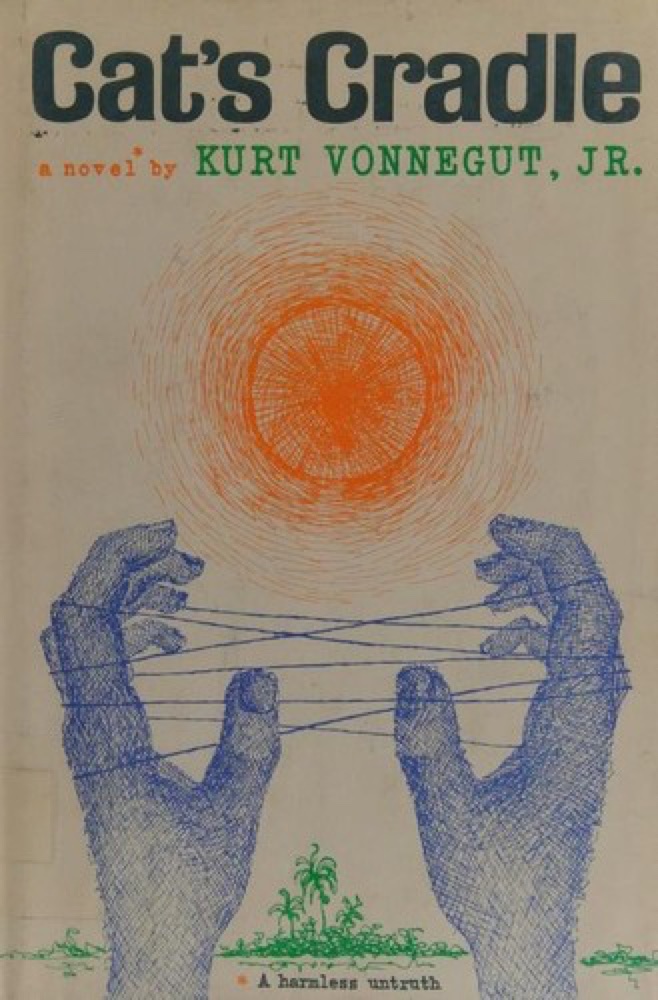
- 2Cat's CradleAnother darkly comic Vonnegut novel skewering modern society
- 3Catch-22Absurdist satire of American institutions in a similar comic register
Keep reading
 The Adventures of Augie March
 Cat's Cradle
 Timequake
 Jailbird
 All the Birds in the Sky
 False Memory
 The Sirens of Titan
 That Hideous Strength
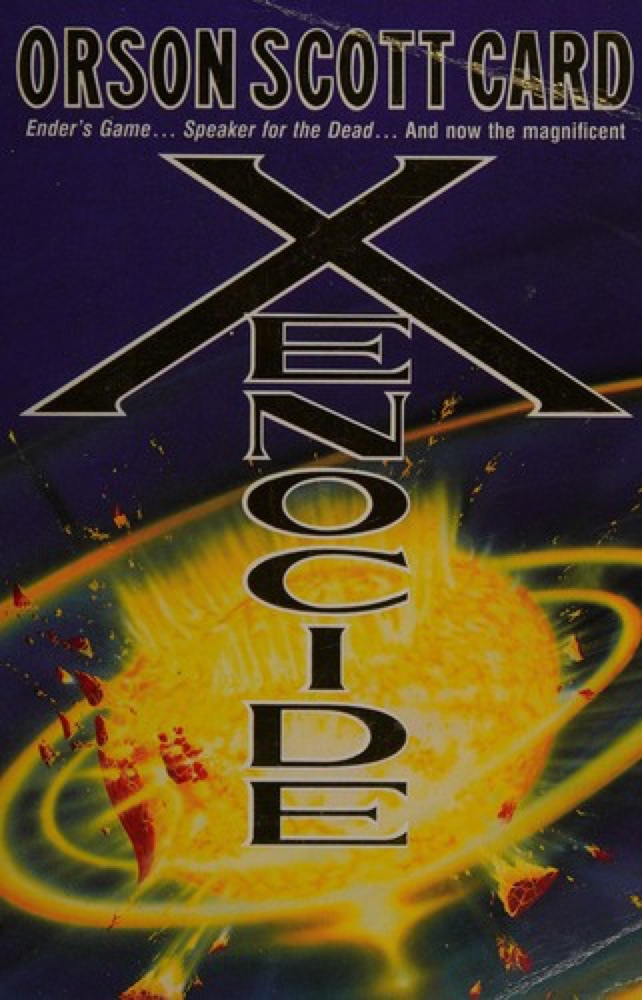 Xenocide
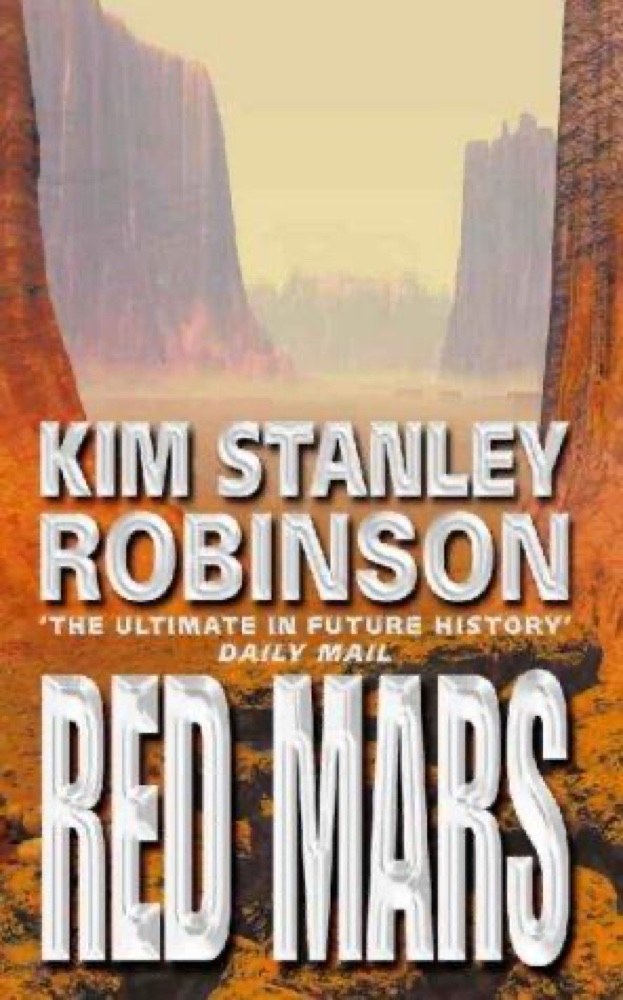 Red Mars
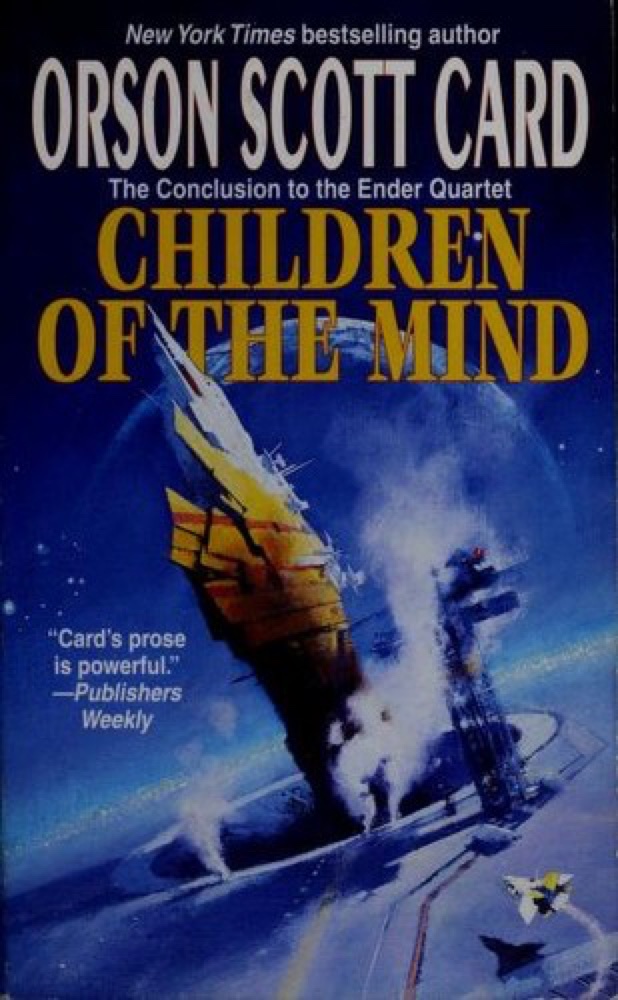 Children of the Mind
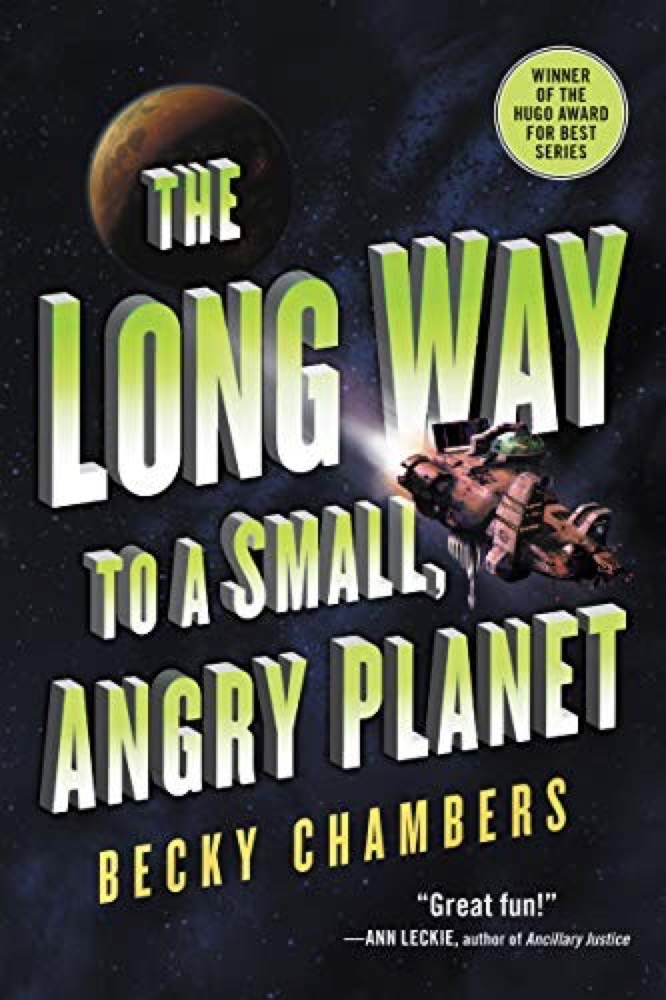 The Long Way to a Small, Angry Planet
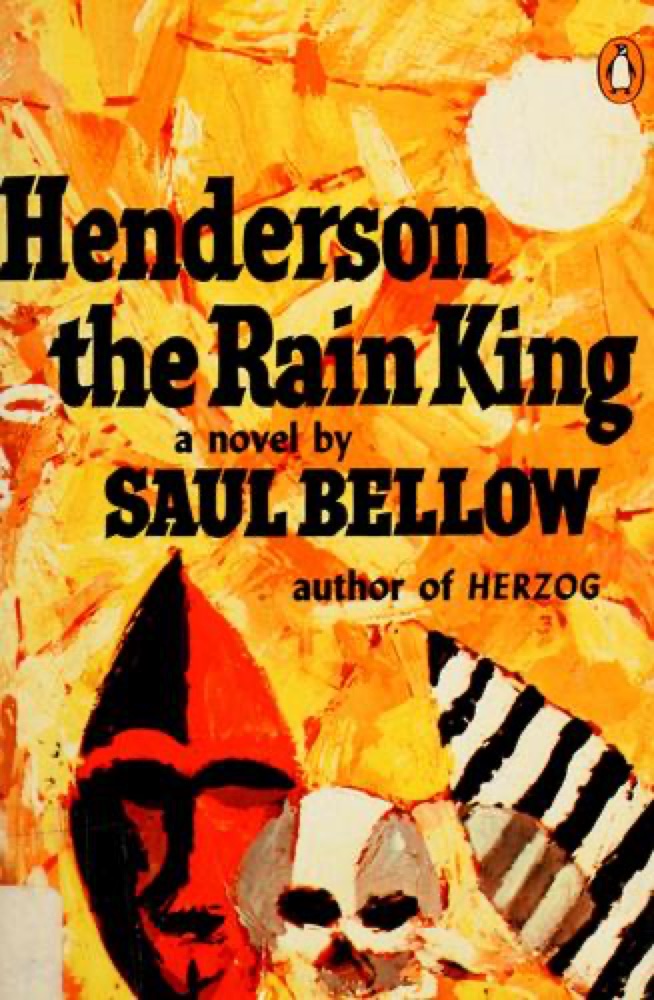 Henderson the Rain King
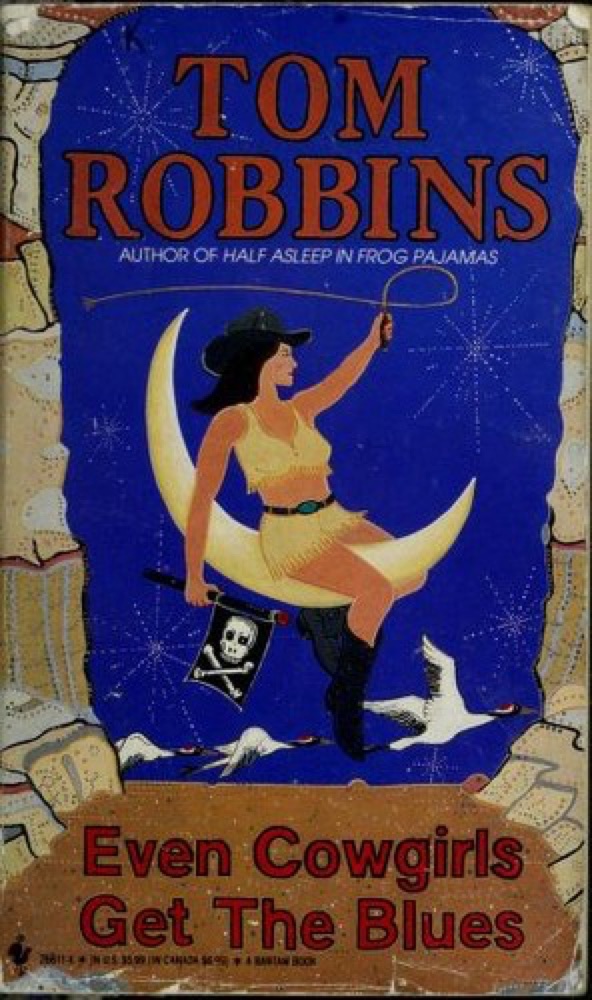 Even Cowgirls Get the Blues
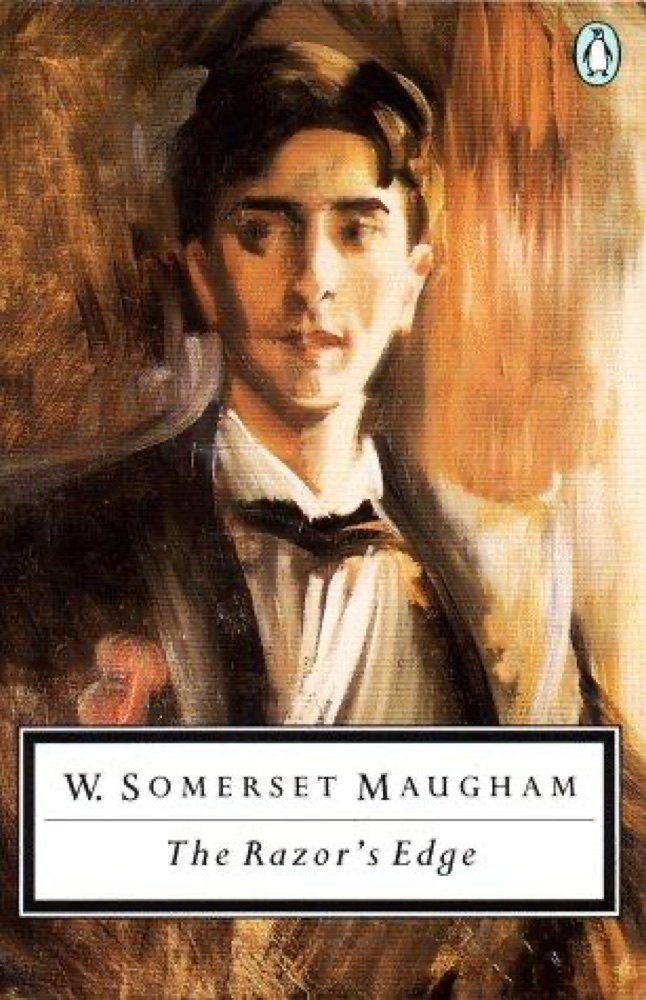 The Razor's Edge
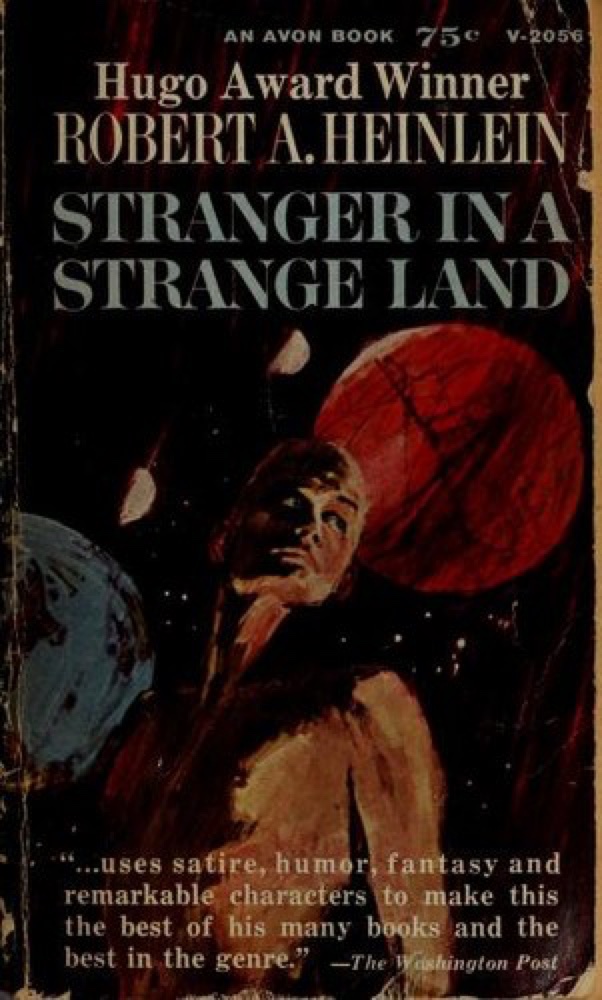 Stranger in a Strange Land
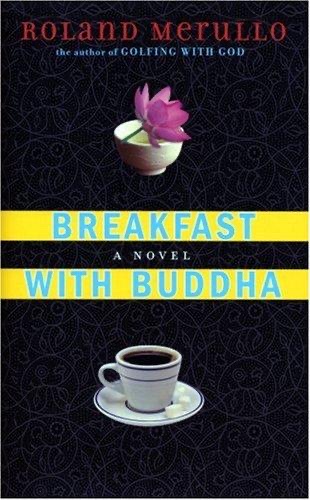 Breakfast with Buddha
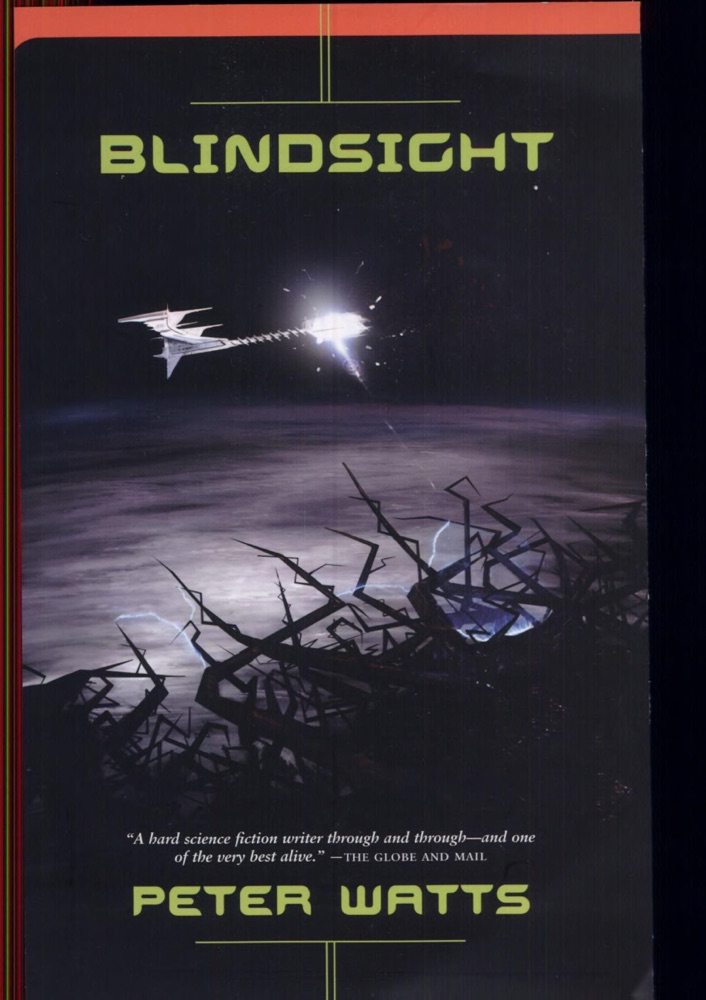 Blindsight
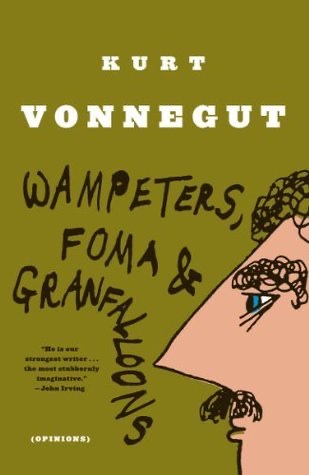 Wampeters, Foma and Granfalloons
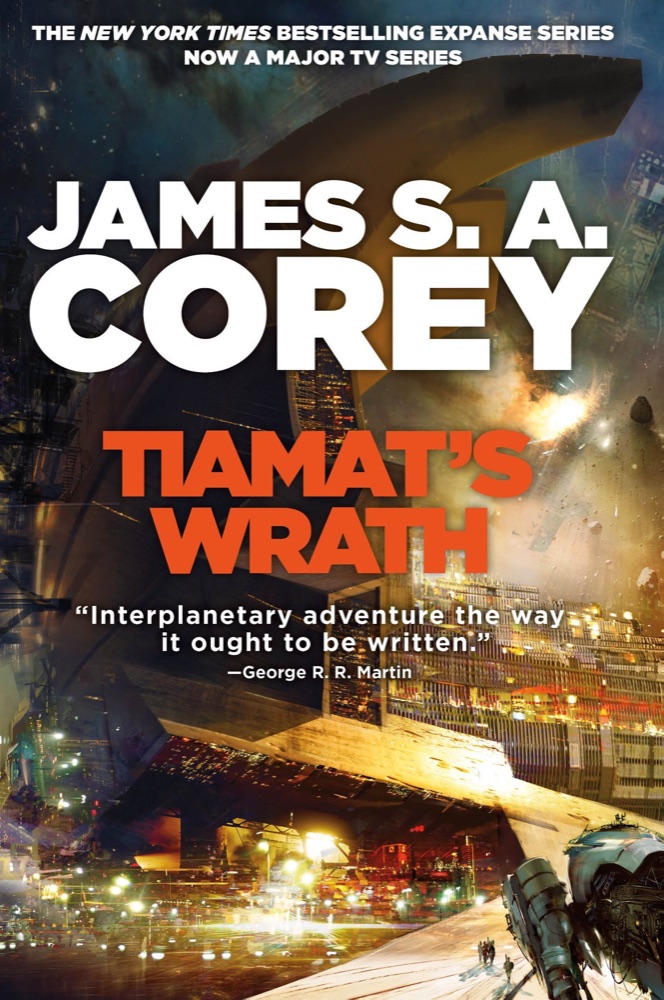 Tiamat's Wrath
 The Rebel Angels
 Hocus Pocus
 Odd Apocalypse
 A Madness of Angels
 The Man in the High Castle
 The Brothers K
 We All Looked Up
 Consider Phlebas
 Infinite Jest
 Parasite
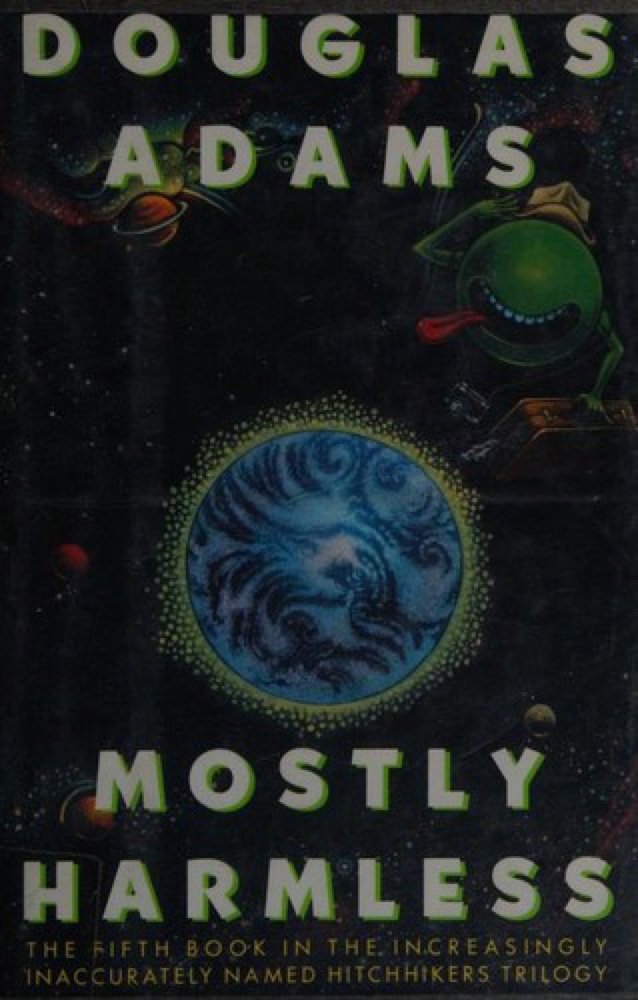 Mostly Harmless
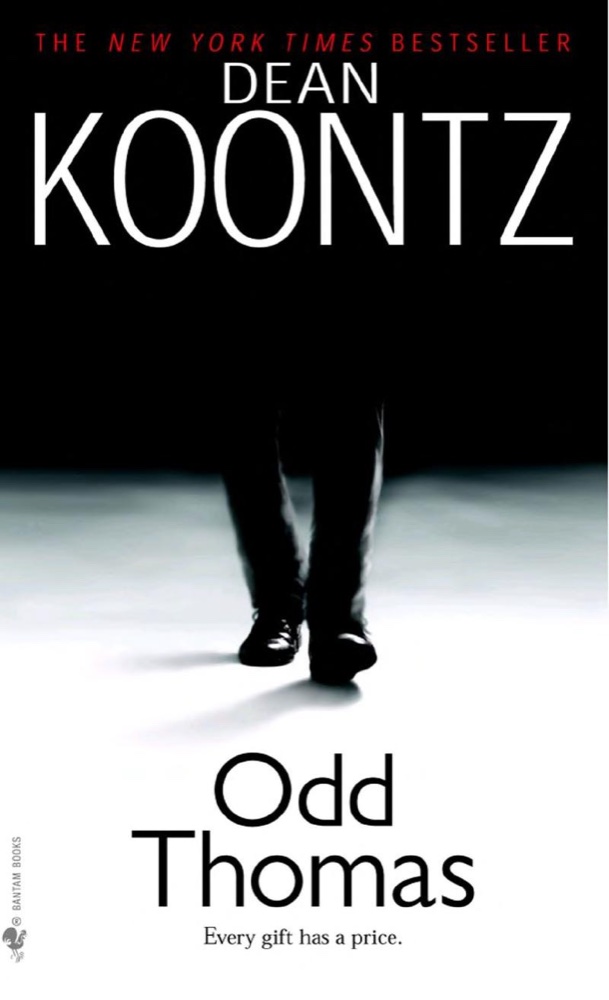 Odd Thomas
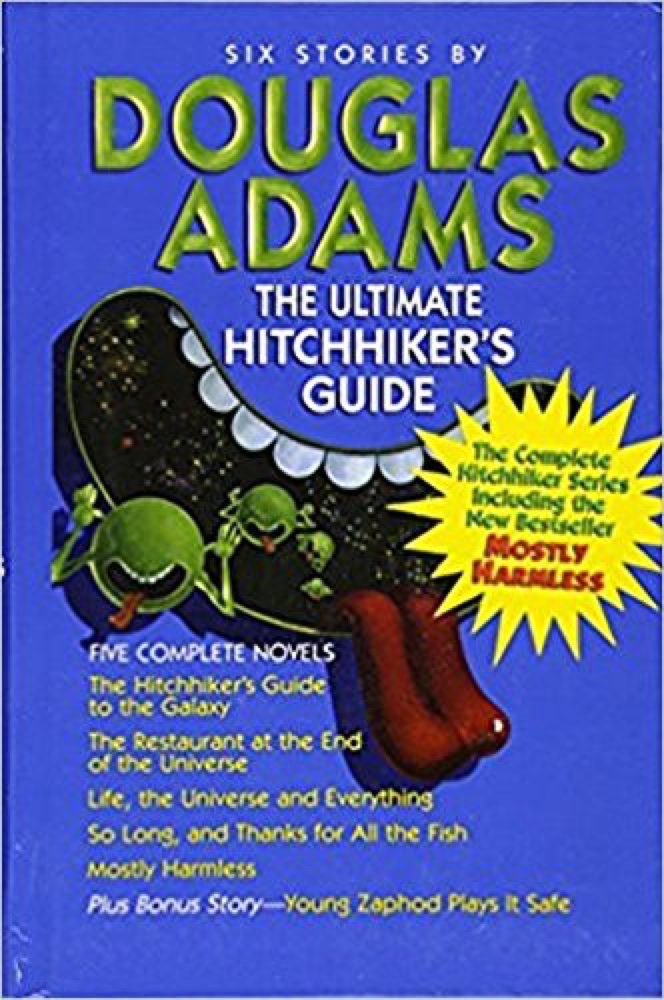 The Ultimate Hitchhiker's Guide
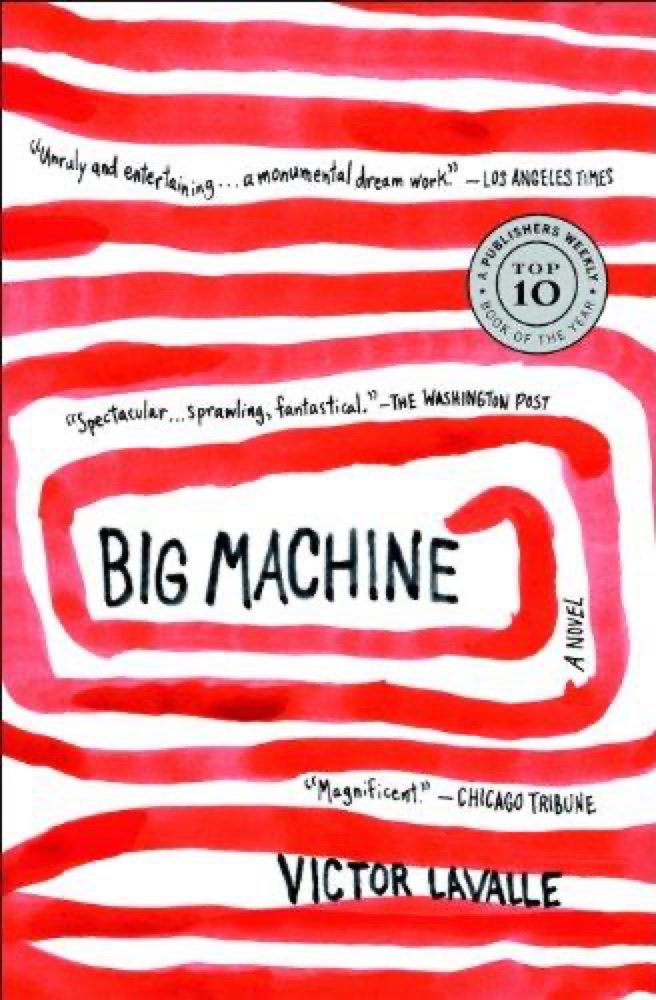 Big Machine
 The Shockwave Rider
 The Gone-Away World
 Point Counter Point
 A Fraction of the Whole
 The Hour I First Believed
 Ragtime
 Hogfather
 Skinny Legs and All
 The Jewel in the Crown
 Humboldt's Gift
 Rosewater
 Speaking from Among the Bones
 The Magic Mountain
 Ham on Rye
 Hard-Boiled Wonderland and the End of the World
 Life, the Universe and Everything
 The Nix
 We the Living
 The Golden Notebook
 The Long Earth
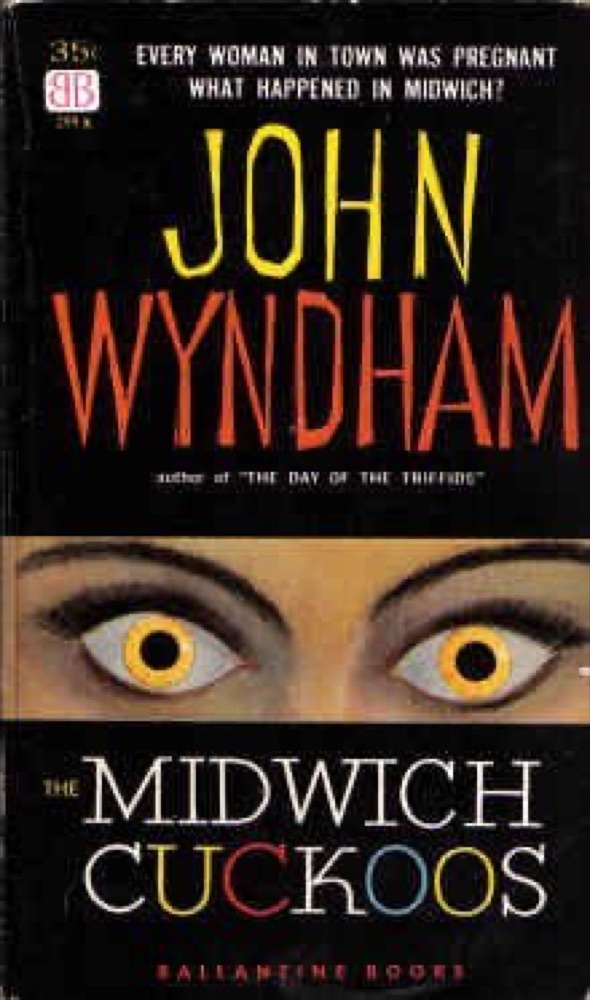 The Midwich Cuckoos
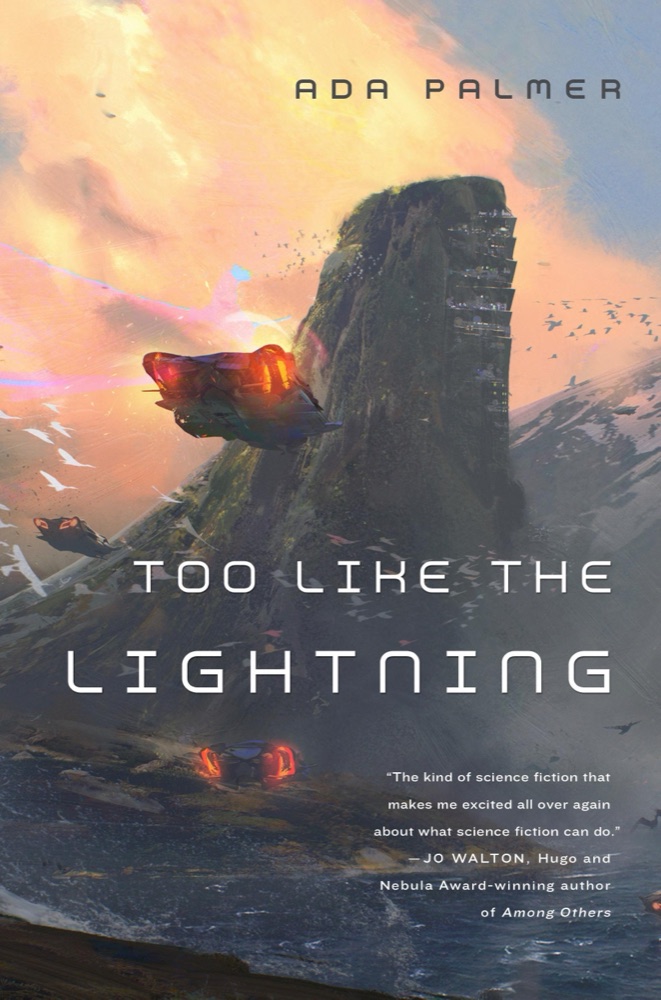 Too Like the Lightning
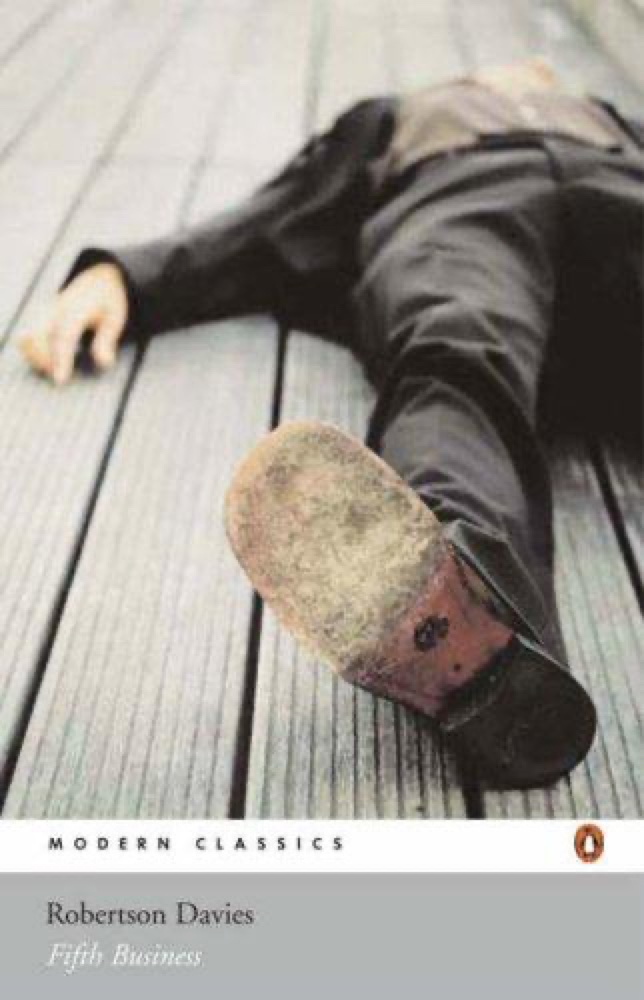 Fifth Business
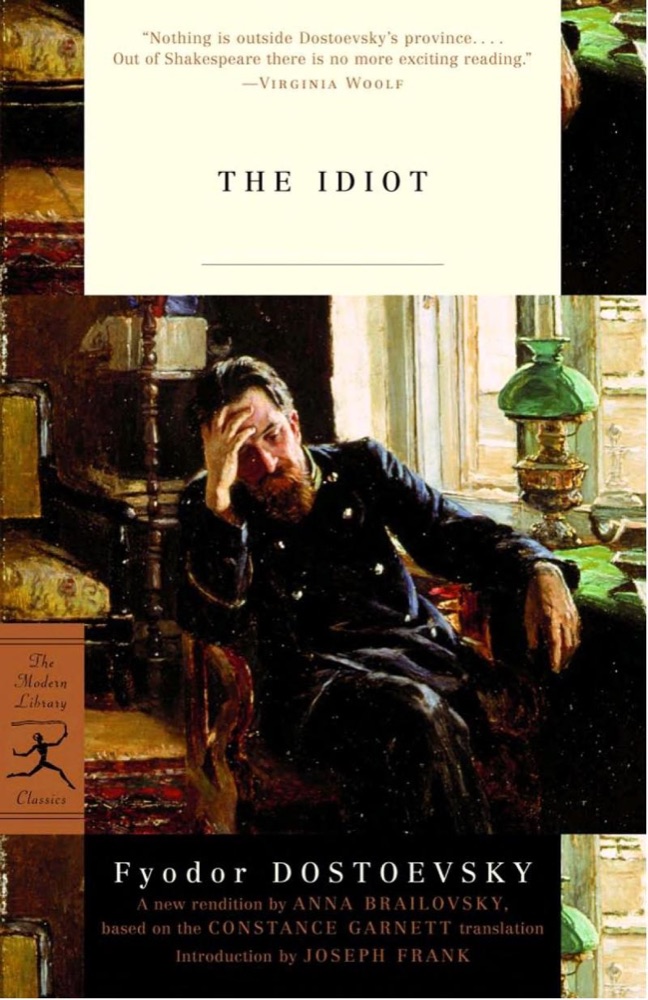 The Idiot
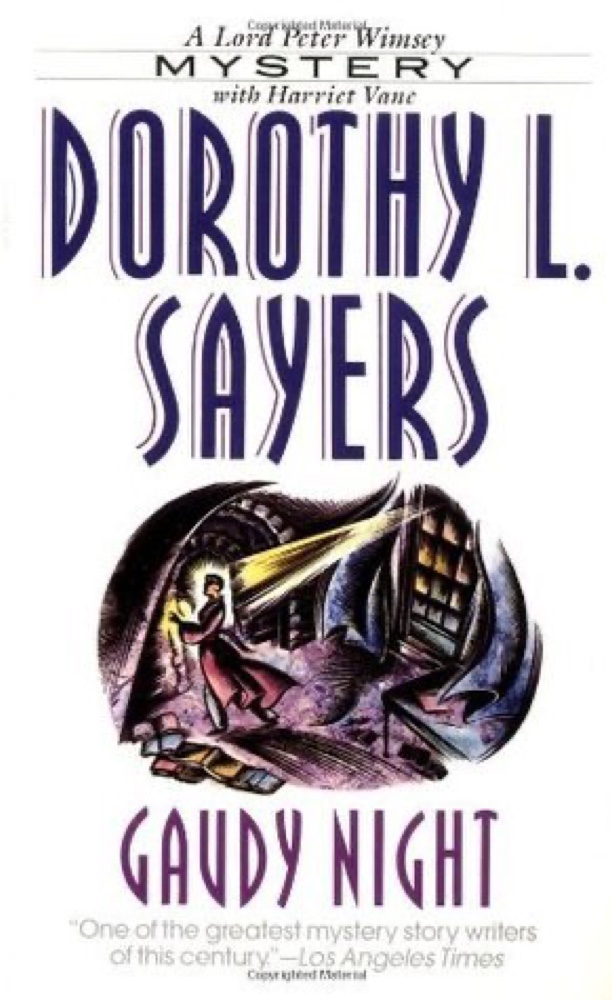 Gaudy Night
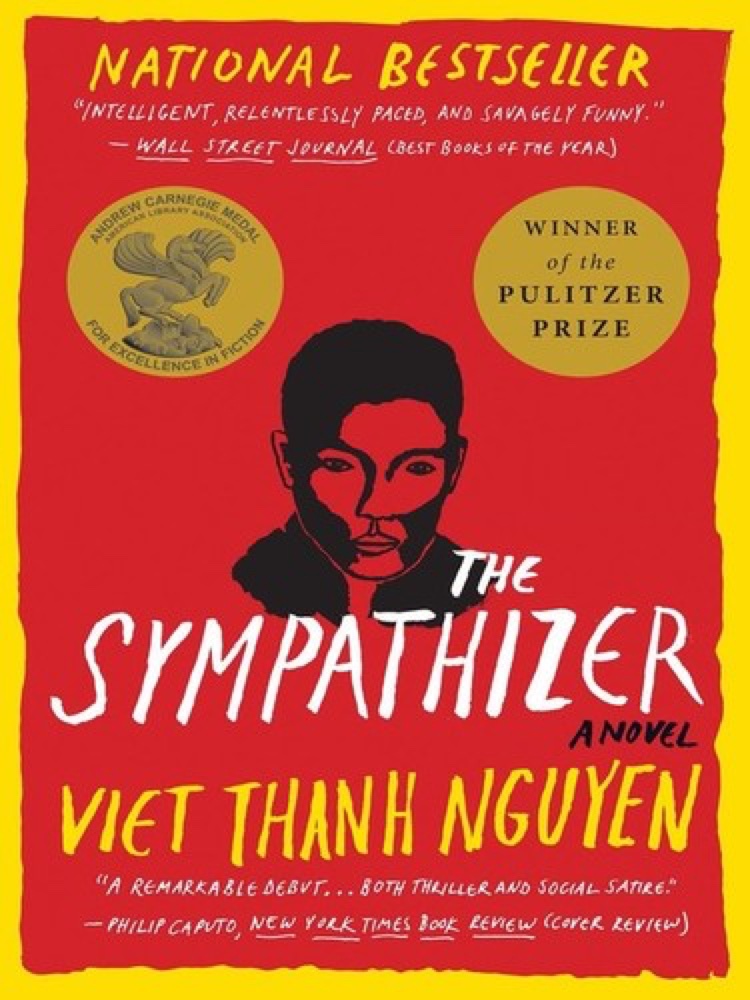 The Sympathizer