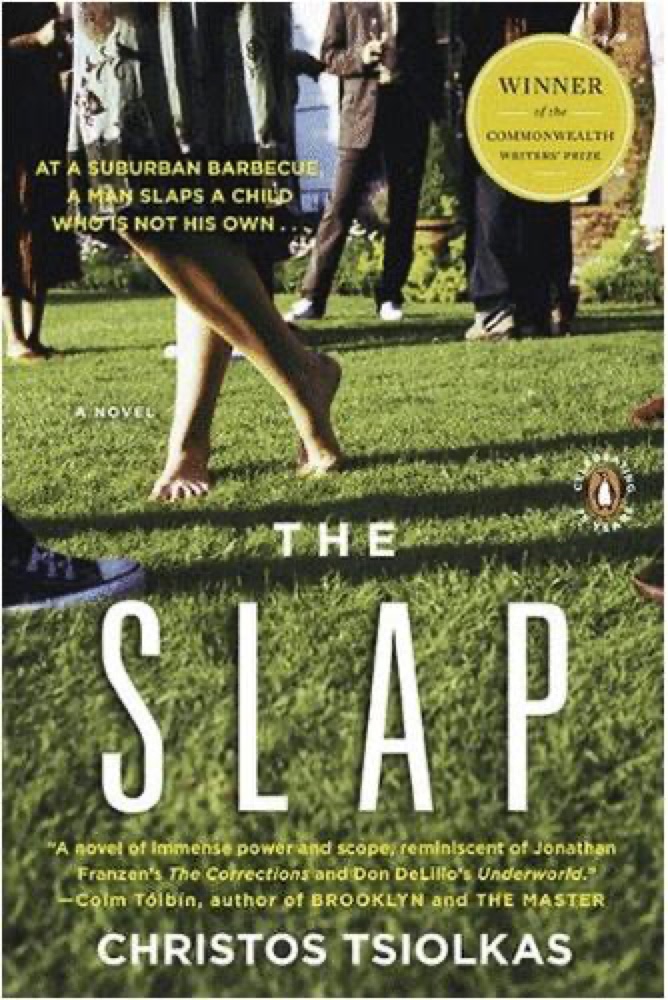

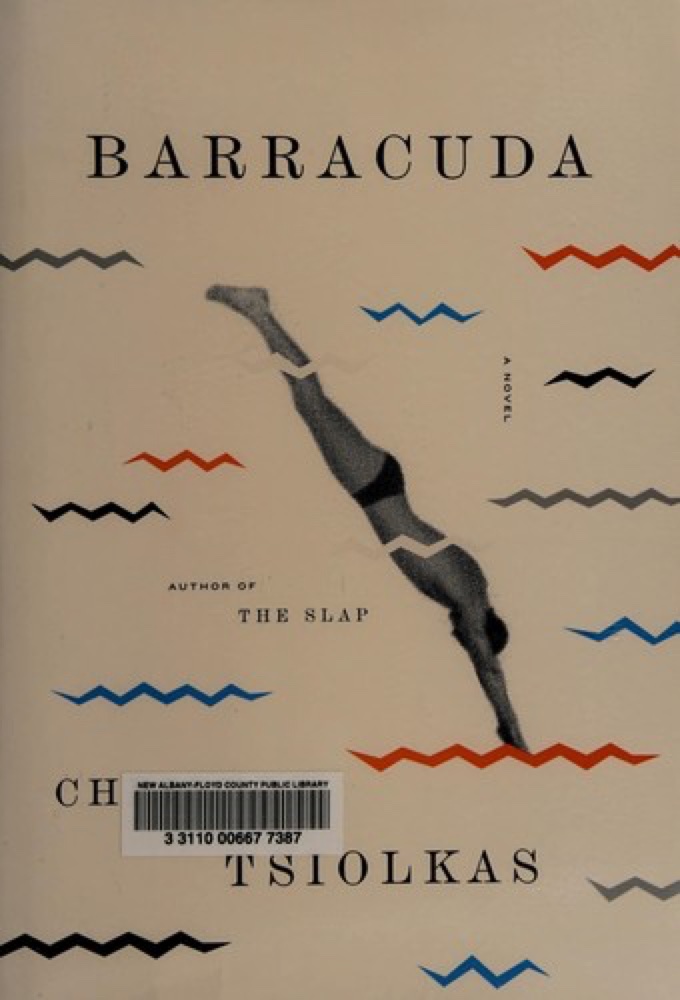
 Barracuda
Quotes from the Book
It is possible the world is divided into three genders - there are men, there are women and then there are women who choose to have nothing to do with children. How about men without children, he answered quickly, aren't they also different from fathers? She shook her head firmly, daring him to contradict her: no, all men are the same.
Hugo pulled away from Rosie’s teat. ‘No one is allowed to touch my body without my permission.’ His voice was shrill and confident. Hector wondered where he learnt those words. From Rosie? At child care? Were they community announcements on the frigging television?
She did not want the pleasurable and comfortable mediocrity in which she now wallowed to be the sum of her life.
Regrets, of course; only an imbecile did not have regrets. Regrets, some shame, a little guilt. But they had all done the best they could, they had raised their children well, educated them, housed them, made them safe and secure. They had all been good people. Death was never welcome but He always came. It was only to be truly lamented when He took the young, those neither prepared nor deserving of it. Then Death was cruel. Manolis watched the foam rise in the briki and he turned off the flame.
Queria passar mais uns minutos no mundo que não fosse dominado pela hierarquia e o snobismo e a vingança.
E quem é que os americanos não destruíram? Olha o que eles estão a fazer no Médio Oriente. É a mesma coisa. …Mas os Vietnamitas derrotaram-nos, porque eram um povo unido. Ao contrário dos idiotas dos Árabes… os Ingleses puseram-nos uns contra os outros há cem anos e eles são demasiado ignorantes para o perceberem. Se fossem unidos, podiam conquistar o mundo. …A América não vai deixar ninguém conquistar o mundo, a não ser eles próprios. Rebentam com todos nós antes de deixarem seja quem for levar vantagem.
As a young man he had not dared risk God’s wrath by questioning His purpose. Now he did not give a damn. Fuck it. There was no Paradise and there was no Hell and if there was a God, He was worse than inscrutable. What did exist was the cold, cruel truth of a young man, dead—from cancer or a car accident or suicide or God knows what—at the obscene age of thirty-two.
Watch on YouTube
About Christos Tsiolkas
We have collected 21 quotes from 2 books by Christos Tsiolkas on BookQuoters.
More about the author →More by Christos Tsiolkas
Barracuda
Book details
- Author
- Christos Tsiolkas
- Genre
- Fiction
- Goodreads rating
- 3.26 (34k ratings) →
Keep reading
 South of No North
 The Charioteer
 The Last Don
 Point Counter Point
 Emma in the Night
 Disgrace
 The Fencing Master
 Farewell Waltz
 The Chrysalids
 The Joys of Motherhood
 Auto-da-Fé
 The Broken Eye
 Letter to a Child Never Born
 The Mystery of Edwin Drood
 The Liar
 Ship of Fools
 Ghana Must Go
 Buddenbrooks: The Decline of a Family
 From Here to Eternity
 The Winter King
 Another Country
 The Kindly Ones
 Cujo
Cujo
 Platform
 Nemesis
 The Women's Room
 Violeta
 The Female Man
 Sword Song
 Pebble in the Sky
 The Elementary Particles
 Those Who Leave and Those Who Stay
 The Human Stain
 The Hundred Thousand Kingdoms
 The Little Virtues
 The Wall
 Academ's Fury
 Brodeck
 The Midnight Palace
 If This Is a Man / The Truce
 Of Human Bondage
 The Transmigration of Bodies
 The Memoirs of Cleopatra
 Pure
Pure
 My Sister Lives on the Mantelpiece
 No Exit and Three Other Plays
 While England Sleeps
 At Last Comes Love
 Selected Stories
 The Brotherhood of the Grape
 So Much for That
 The Enchantress of Florence
 Death on the Installment Plan
 The Once and Future King
 The Notebook, The Proof, The Third Lie: Three Novels
 The Professor
 Doctor Glas
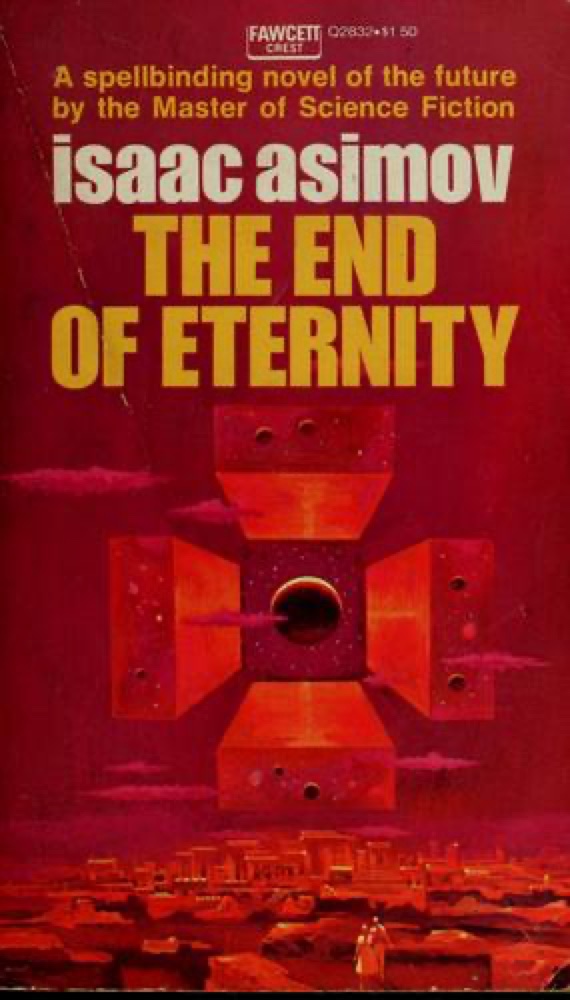 The End of Eternity
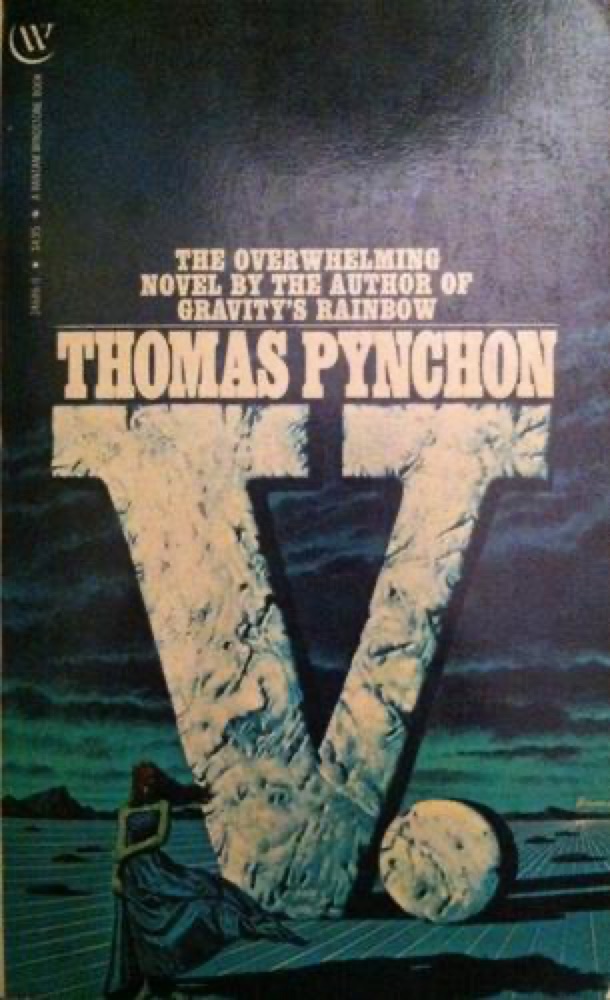 V.
V.