
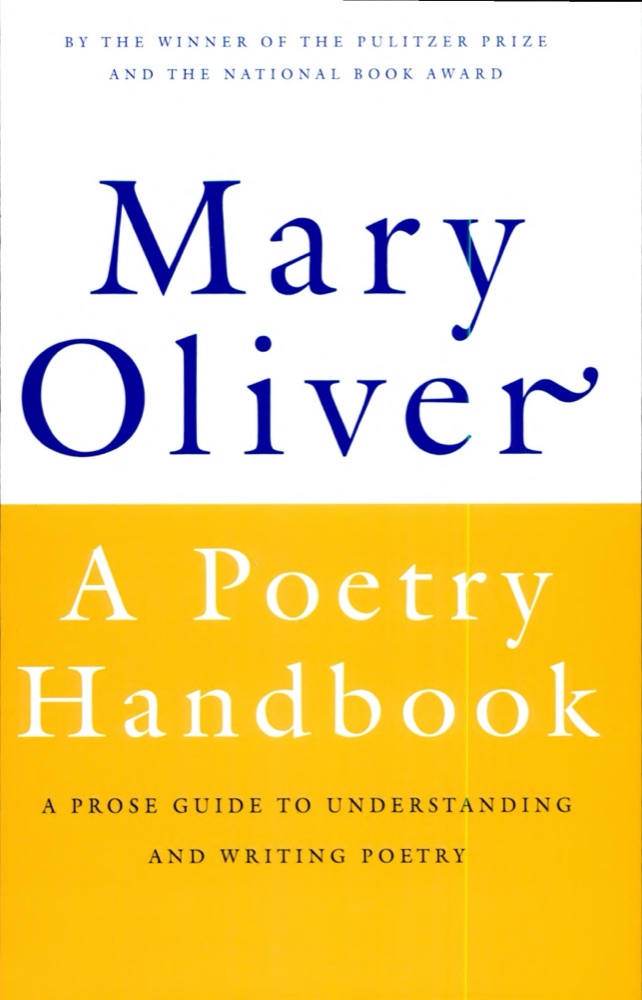
 A Poetry Handbook
Quotes from the Book
Scientists can talk about human nature,but only poets can free those feelings we keep in the pent heart
At the top of the heap is poetry,at least as it used to be written.Nothing else goes far,nothing goes as deep n the blood and soul.Shakespeare surpasses Beethoven because he had sound and meaning.Always remember that as you get older.Poetry is in the emprean,TV is in the pit
So why was the goddess of Memory linked with artistic creation,you may well ask" "Because for the Greeks creativity wasn't associated with the idea of producing something new-as it is today.The artist built upon, or reworked, the great intellectual and cultural achievements of the past. So a great memory,you see, was considered a key part of creative activity- it gave the artist more material to draw upon, as well as a richer, more complex intellect. When James Joyce said ' I invented nothing, but I forgot nothing either," I think he was referring to exactly this sort of thing.
Watch on YouTube
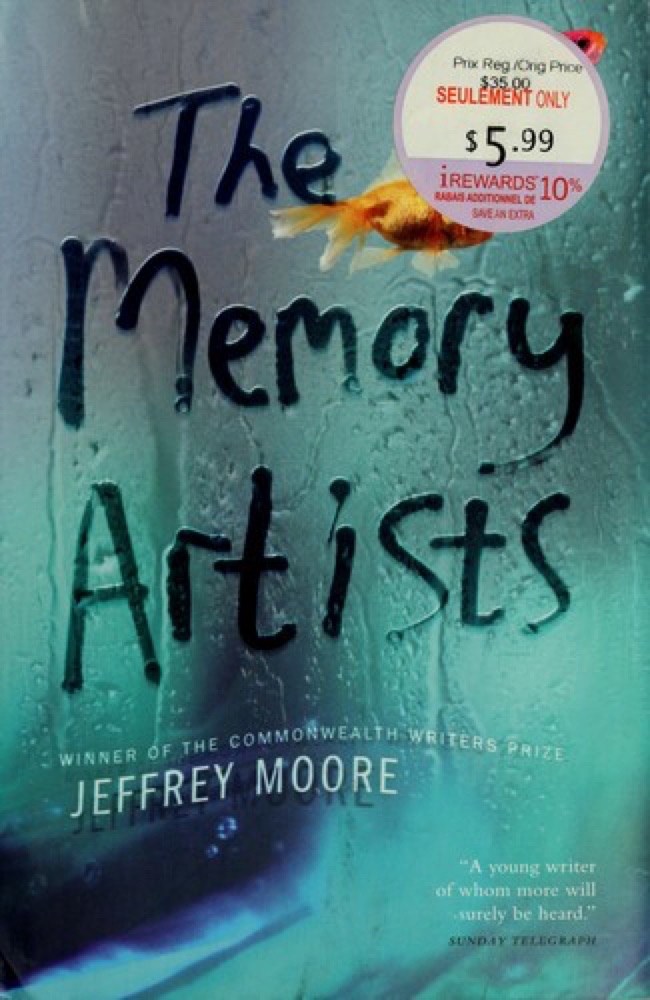
About Jeffrey Moore
We have collected 3 quotes from 1 book by Jeffrey Moore on BookQuoters.
More about the author →Book details
- Author
- Jeffrey Moore
- Genre
- Fiction
- Goodreads rating
- 3.69 (1k ratings) →
Keep reading
A Poetry Handbook
 Toward Eternity
 Madness, Rack, and Honey: Collected Lectures
 The Triggering Town: Lectures and Essays on Poetry and Writing
 The Wave in the Mind: Talks and Essays on the Writer, the Reader and the Imagination
 Phaedrus
 Selected Non-Fictions
 Creativity: Flow and the Psychology of Discovery and Invention
 The Ode Less Travelled: Unlocking the Poet Within
 Dæmon Voices
 If You Want to Write: A Book about Art, Independence and Spirit
 The Courage to Create
 The Elements of Eloquence: How to Turn the Perfect English Phrase
 Silence: Lectures and Writings
 Dead Poets Society
 Monday or Tuesday
 The Anthologist
 The Paper Menagerie and Other Stories
 Speak, Memory
 A Defence of Poetry
 Negotiating with the Dead: A Writer on Writing
 Sculpting in Time
 Drive Your Plow Over the Bones of the Dead
 Basic Writings of Nietzsche
 Nutshell
 Monsters: A Fan's Dilemma
 The Abundance
 The Geography of Genius: A Search for the World's Most Creative Places from Ancient Athens to Silicon Valley
 Writing Down the Bones: Freeing the Writer Within
 Figuring
 The Book of Form and Emptiness
 The Book of Laughter and Forgetting
 When Women Were Dragons
 The Faraway Nearby
 Both Flesh and Not: Essays
 Winter Hours: Prose, Prose Poems, and Poems
 How to Fly a Horse: The Secret History of Creation, Invention, and Discovery
 Time Regained
 On Writing
 Flaubert's Parrot
 The Three-Cornered World
 Art and Lies
 The Summer Without Men
 How to Read Literature
 Either/Or: A Fragment of Life
 A Philosophical Enquiry into the Origin of Our Ideas of the Sublime and Beautiful
 The Poetics of Space
 On Writing
 Seven Nights
 The Chimes
 The Very Best of Charles de Lint
 The Essays of Ralph Waldo Emerson
 The Book That Broke the World
 Reality Hunger: A Manifesto
 Burning Questions: Essays and Occasional Pieces, 2004 to 2021
 The Hero's Journey: Joseph Campbell on His Life & Work
 The Invention of Love
 The Common Reader
 Upstream: Selected Essays
 Nothing to Be Frightened Of