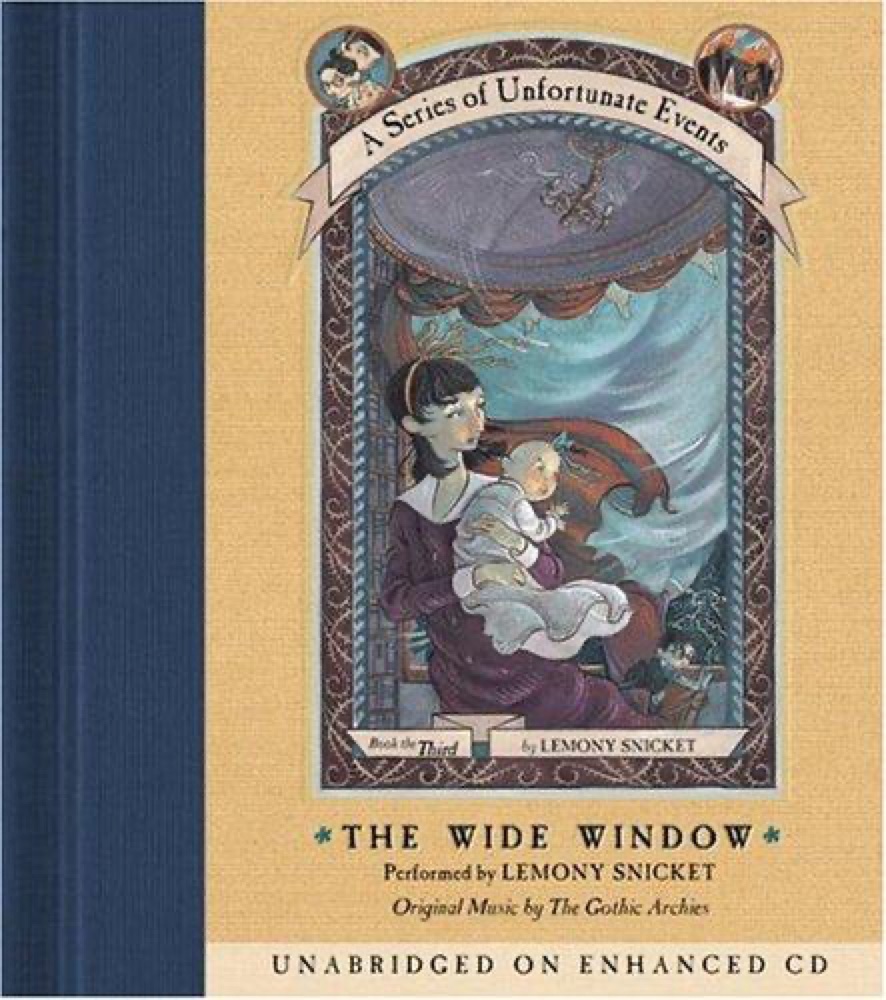
 The Wide Window
Quotes from the Book
...you know that a good, long session of weeping can often make you feel better, even if your circumstances have not changed one bit.
I don't know if you've ever noticed this, but first impressions are often entirely wrong.
They didn't understand it, but like so many unfortunate events in life, just because you don't understand it doesn't mean it isn't so.
Sometimes, just saying that you hate something, and having someone agree with you, can make you feel better about a terrible situation.
The way sadness works is one of the strange riddles of the world. If you are stricken with a great sadness, you may feel as if you have been set aflame, not only because of the enormous pain, but also because your sadness may spread over your life, like smoke from an enormous fire. You might find it difficult to see anything but your own sadness, the way smoke can cover a landscape so that all anyone can see is black. You may find that if someone pours water all over you, you are damp and distracted, but not cured of your sadness, the way a fire department can douse a fire but never recover what has been burnt down.
If you have ever lost a loved one, then you know exactly how it feels. And if you have not, then you cannot possibly imagine it.
There are many, many types of books in the world, which makes good sense, because there are many, many types of people, and everybody wants to read something different.
The book was long, and difficult to read, and Klaus became more and more tired as the night wore on. Occasionally his eyes would close. He found himself reading the same sentence over and over. He found himself reading the same sentence over and over. He found himself reading the same sentence over and over.
it is a sad truth in life that when someone has lost a loved one, friends sometimes avoid the person, just when the presence of friends is most needed.
It is very useful, when one is young, to learn the difference between "literally" and "figuratively." If something happens literally, it actually happens; if something happens figuratively, it feels like it is happening. If you are literally jumping for joy, for instance, it means you are leaping in the air because you are very happy. If you are figuratively jumping for joy, it means you are so happy that you could jump for joy, but are saving your energy for other matters.
But one type of book that practically no one likes to read is a book about the law. Books about the law are notorious for being very long, very dull, and very difficult to read. This is one reason many lawyers make heaps of money. The money is an incentive - the word "incentive" here means "an offered reward to persuade you to do something you don't want to do - to read long, dull, and difficult books.
Your initial opinion on just about anything may change over time.
Anyone who knew Violet well could tell she was thinking hard, because her long hair was tied up in a ribbon to keep it out of her eyes. Violet had a real knack for inventing and building strange devices, so her brain was often filled with images of pulleys, levers, and gears, and she never wanted to be distracted by something as trivial as her hair.
The worst surroundings in the world can be tolerated if the people in them are interesting and kind.
In this book, not only is there no happy ending, there is no happy beginning and very few happy things in the middle.
The smell of cooking food is often a calming one.
I don't know if you've ever noticed this, but first impressions are often entirely wrong. You can look at a painting for the first time, for example, and not like it at all, but after looking at it a little longer you may find it very pleasing. The first time you try Gorgonzola cheese you may find it too strong, but when you are older you may want to eat nothing but Gorgonzola cheese. Klaus, when Sunny was born, did not like her at all, but by the time she was six weeks old the two of them were thick as thieves. Your initial opinion on just about anything may change over time.
You can invent things like automatic popcorn poppers. You can invent things like steam-powered window washers. But you can’t invent more time.
But the law is an odd thing. For instance, one country in Europe has a law that requires all its bakers to sell bread at the exact same price. A certain island has a law that forbids anyone from removing its fruit. And a town not too far from where you live has a law that bars me from coming within five miles of its borders.
All his life, Klaus had believed that if you read enough books, you could solve any problem, but now he wasn't so sure.
One of the most troublesome things in life is that what you do or do not want has very little to do with what does or does not happen.
In the time since the Baudelaire parents' death, most of the Baudelaire orphans' friends had fallen by the wayside, an expression wich here means "they stopped calling, writing, and stopping by to see any of the Baudelaires, making them lonely". You and I, of course, would never do this to any of our grieving acquaintances, but it is a sad truth that when someone has lost a loved one, friends sometimes avoid the person, just when the presence of friends is most needed.
This story is about the Baudelaires. And they are the sort of people who know that there’s always something. Something to invent, something to read, something to bite, and something to do, to make a sanctuary, no matter how small. And for this reason, I am happy to say, the Baudelaires were very fortunate indeed.
Así pues, a menos que hayáis sido muy, muy afortunados, sabréis que una buena y larga sesión de llanto a menudo puede haceros sentir mejor, aunque vuestras circunstancias no hayan cambiado lo más mínimo.
I am certain that over the course of your own life, you have noticed that people's rooms reflect their personalities. In my room, for instance, I have gathered a collection of objects that are important to me, including a dusty accordion on which I can play a few sad songs, a large bundle of notes on the activities of the Baudelaire orphans, and a blurry photograph, taken a very long time ago, of a woman whose name is Beatrice. These are items that are very precious and dear to me.
Did you know?
- The Bad Beginning is the first of thirteen books in A Series of Unfortunate Events.
- Lemony Snicket is a pen name of the author Daniel Handler.
- The book's dedication reads, 'To Beatrice — darling, dearest, dead.'
- The narrator repeatedly interrupts the story to warn readers to stop reading and to define difficult vocabulary words.
- Violet foils Count Olaf's marriage scheme by signing the document with her left, non-dominant hand.
- The series was adapted into a 2004 feature film and a Netflix television series.
About Lemony Snicket
Lemony Snicket is the pen name of American author Daniel Handler, best known for the children's series A Series of Unfortunate Events. Handler writes the books under the Snicket persona, who also appears as a narrator within the stories.
More about the author →More by Lemony Snicket
All books by Lemony Snicket →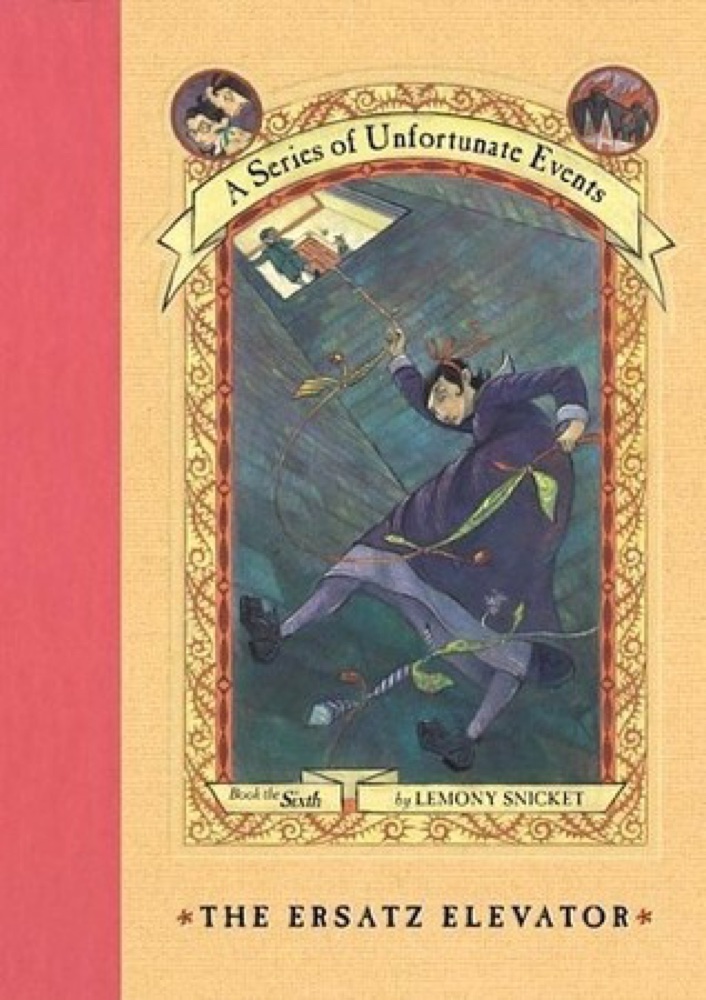
About the book
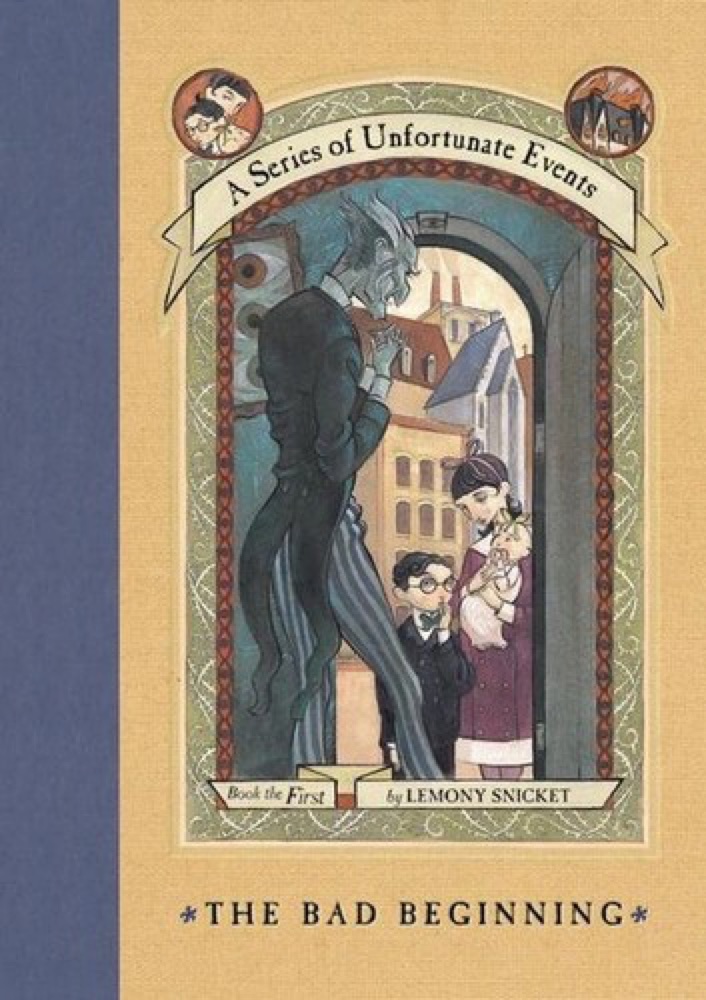
The Bad Beginning is the first book in Lemony Snicket's A Series of Unfortunate Events, published by HarperCollins in 1999. It introduces the three Baudelaire siblings—Violet, an inventor; Klaus, an avid reader; and Sunny, a sharp-toothed baby—who are orphaned when their parents die in a house fire. The children are placed under the guardianship of the sinister Count Olaf, a distant relative who is far more interested in stealing their inheritance than caring for them.
Olaf hatches a scheme to seize the Baudelaire fortune by forcing Violet to marry him during a stage play called The Marvelous Marriage, in which a real marriage document would be signed before a live audience. The siblings must use their own talents and cleverness to see through his plot and protect themselves, as the adults around them repeatedly fail to grasp the danger. Violet ultimately foils the scheme by signing the document with her non-dominant hand, rendering it invalid, though Olaf escapes to menace them another day.
The novel is written in a distinctive, darkly comic voice, with the narrator Lemony Snicket repeatedly warning readers away from the unhappy story and pausing to define vocabulary. Its blend of gothic atmosphere, absurdist humor, and recurring themes—the loss of family, the failure of adults to listen to children, and resourcefulness in the face of misfortune—helped make the series a bestselling and widely adapted phenomenon in children's literature.
Key characters
- Violet BaudelaireThe eldest sibling, age 14, a talented inventor
- Klaus BaudelaireThe middle sibling, age 12, a voracious reader and researcher
- Sunny BaudelaireThe infant sibling, known for her four sharp teeth
- Count OlafThe villainous relative scheming to steal the Baudelaire fortune
- Mr. PoeThe banker responsible for the orphans' affairs and guardianship
- Justice StraussA kind neighbor and judge who befriends the children
Book details
- First published
- 1999
- Length
- 162 pages
- Reading time
- 1 hour
- Author
- Lemony Snicket
- Genre
- Fiction
- Goodreads rating
- 4.03 (580k ratings) →
- First line
- “If you are interested in stories with happy endings, you would be better off reading some other book.”
Series & reading order
- 1 The Bad Beginning
- 2 The Reptile Room
- 3 The Wide Window
- 4 The Miserable Mill
- 5 The Austere Academy
- 6 The Ersatz Elevator
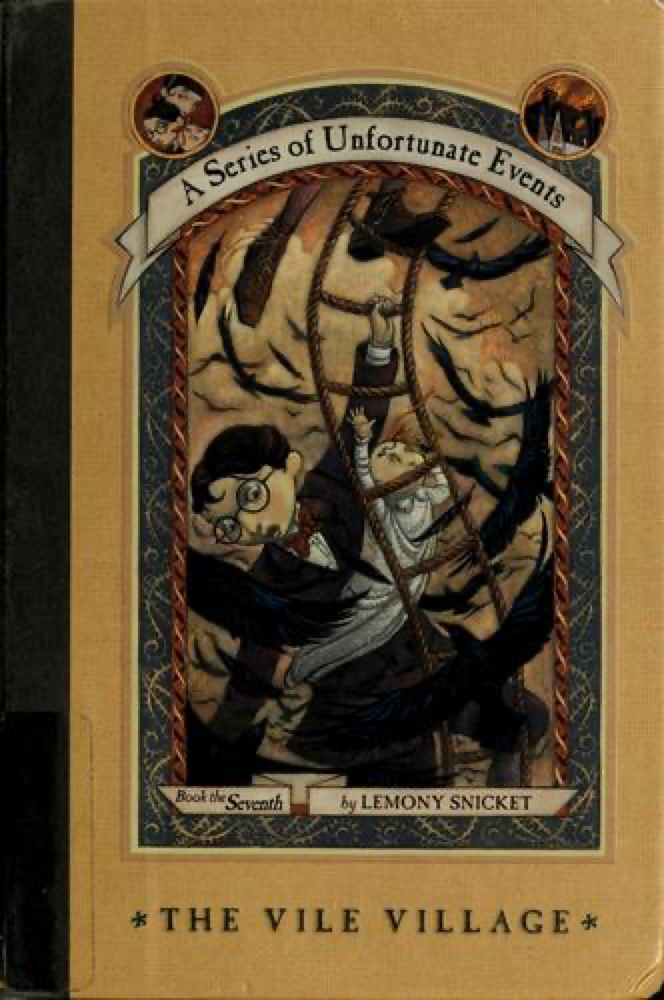
- 7 The Vile Village
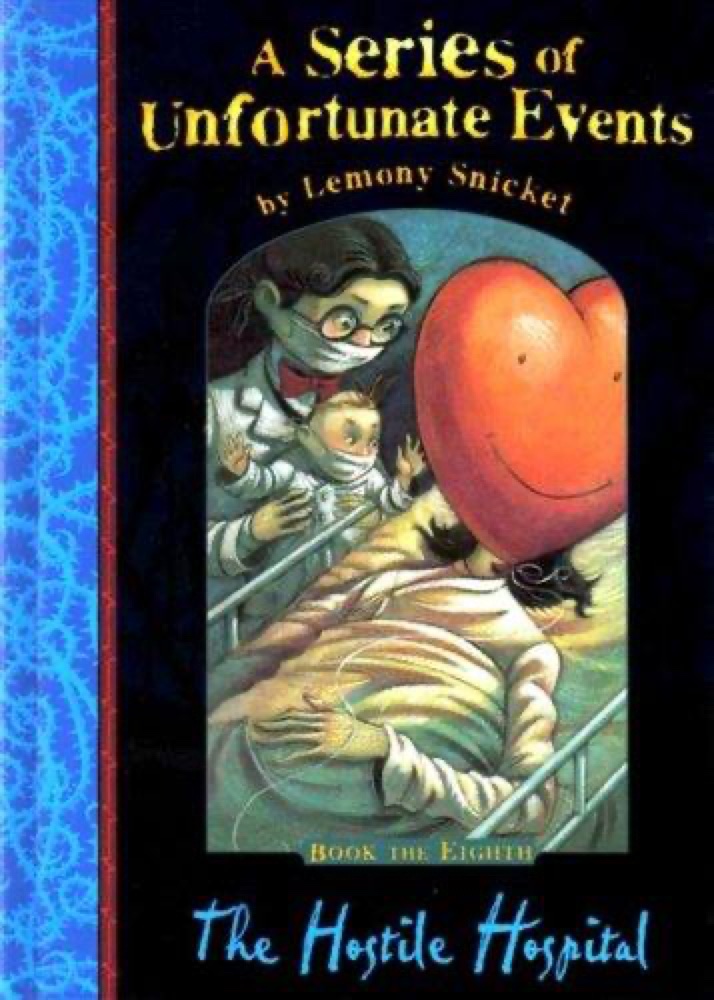
- 8 The Hostile Hospital
- 9 The Carnivorous Carnival
- 10 The Slippery Slope
- 11 The Grim Grotto
- 12 The Penultimate Peril
- 13 The End
Movie & TV adaptations
- IMDb
- IMDb
If you liked this, read…
- 1CoralineAnother darkly whimsical children's tale with a resourceful young protagonist facing sinister forces
- 2The Mysterious Benedict SocietyClever orphaned children team up to outwit an adult villain
- 3MatildaA gifted child triumphs over cruel and neglectful adults through wit
Keep reading
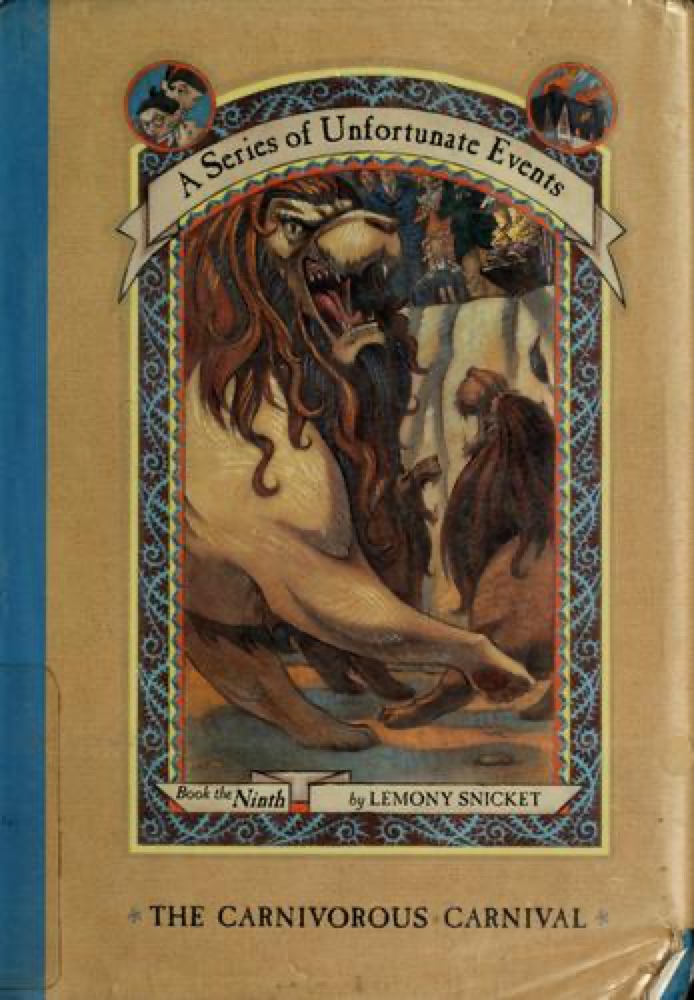 The Carnivorous Carnival
The Wide Window
The Carnivorous Carnival
The Wide Window
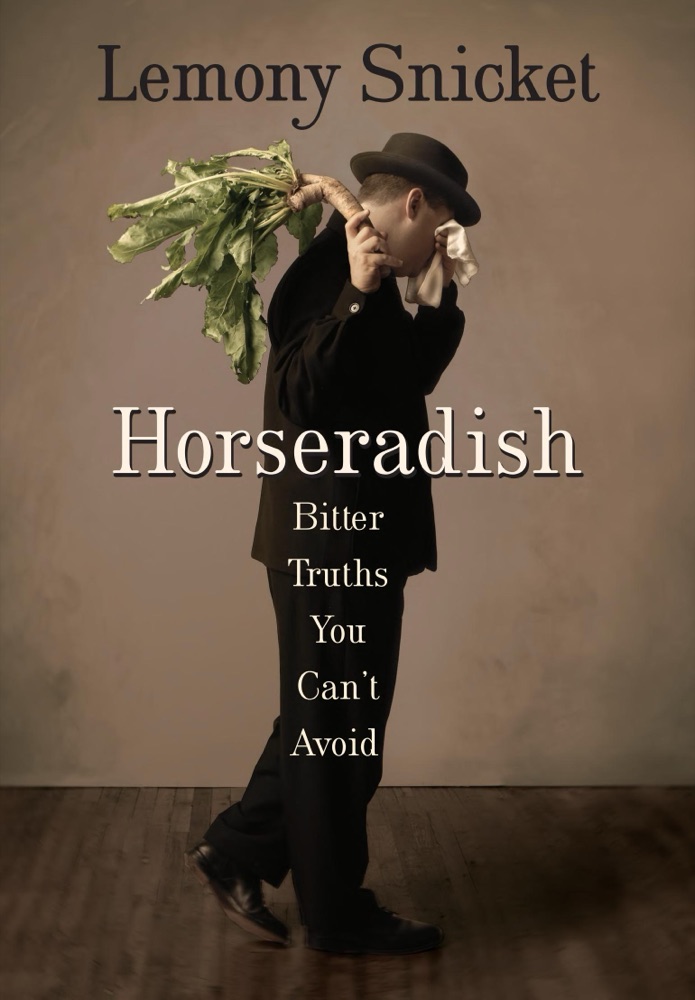 Horseradish
 Special Topics in Calamity Physics
 No One Writes Back
 The Winter of Our Discontent
 300 Arguments: Essays
 A Long Way Down
 Sometimes a Great Notion
 The Rent Collector
 Different Seasons
 Oranges Are Not the Only Fruit
 The Story of the Lost Child
 The Book of Love
 The Cat Who Saved the Library
 Say Goodbye for Now
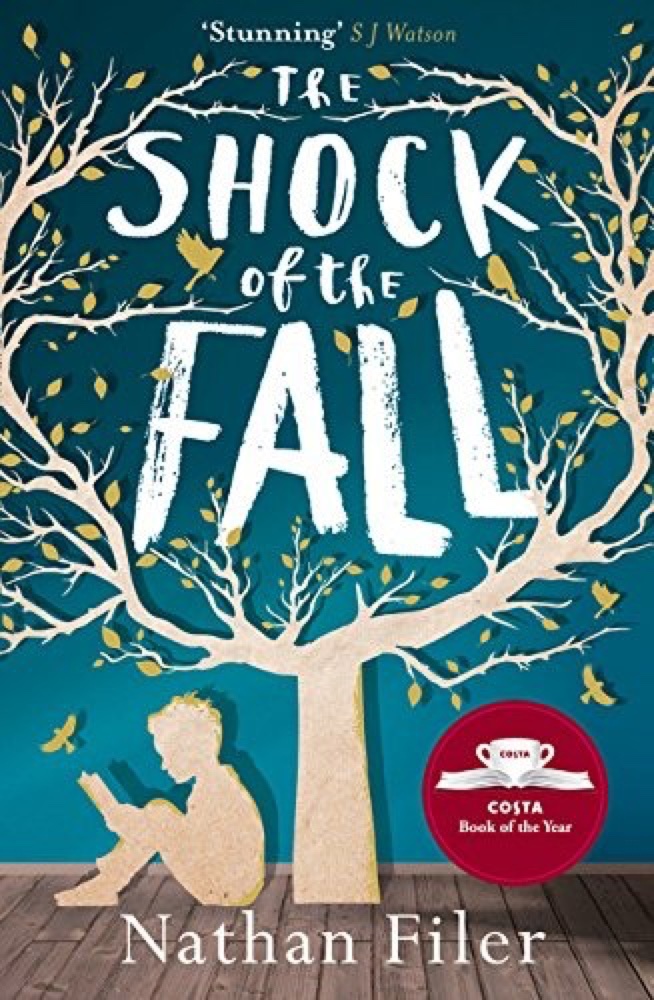 The Shock of the Fall
 Too Much Happiness: Stories
 One Hundred Names
 Flaubert's Parrot
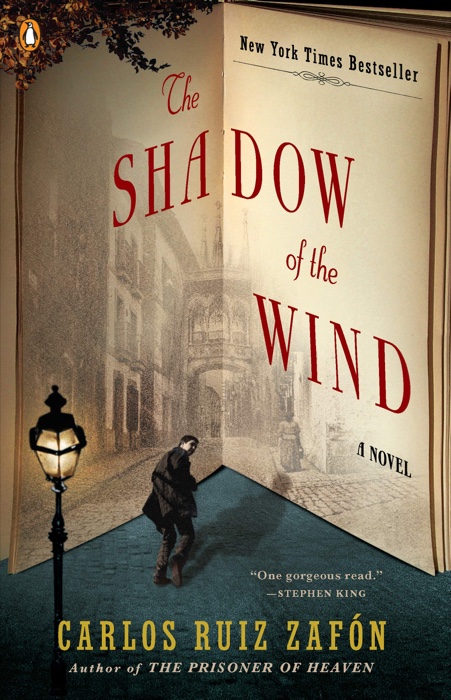 The Shadow of the Wind
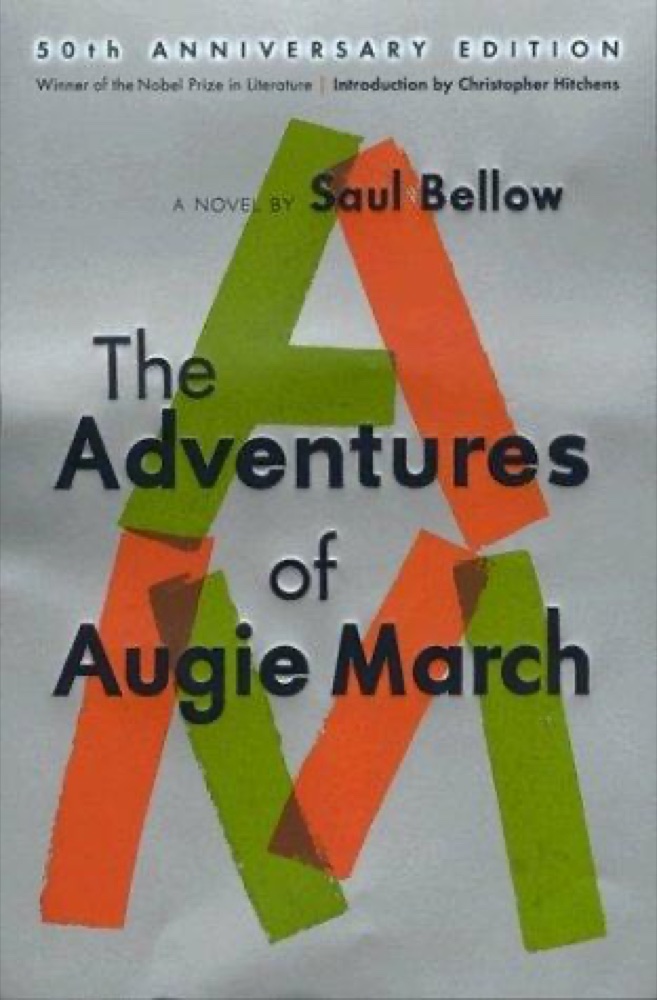 The Adventures of Augie March
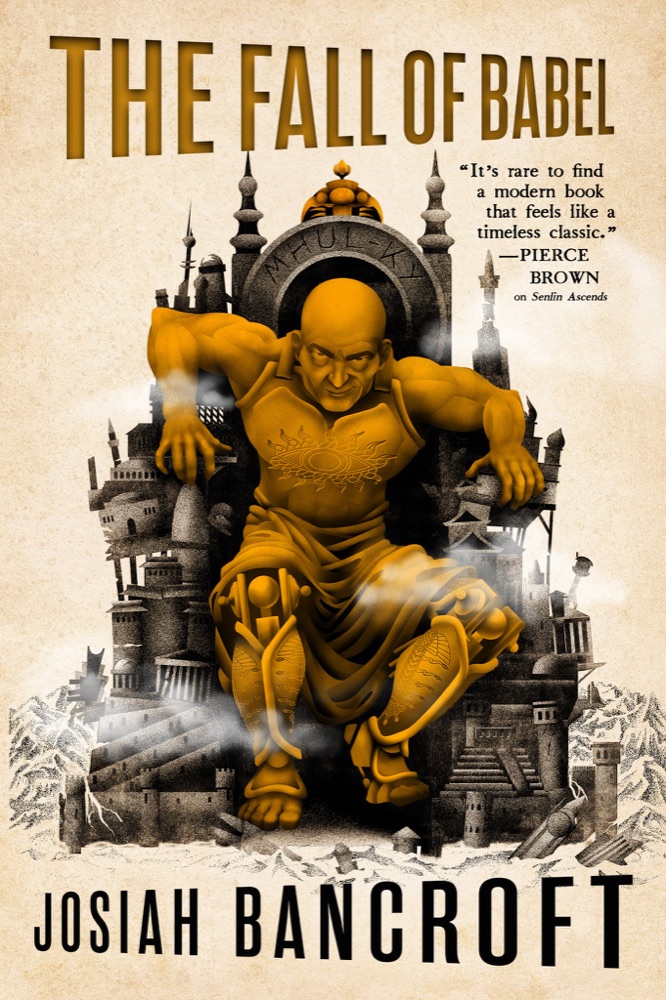 The Fall of Babel
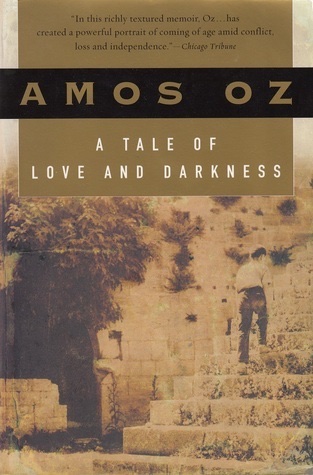 A Tale of Love and Darkness
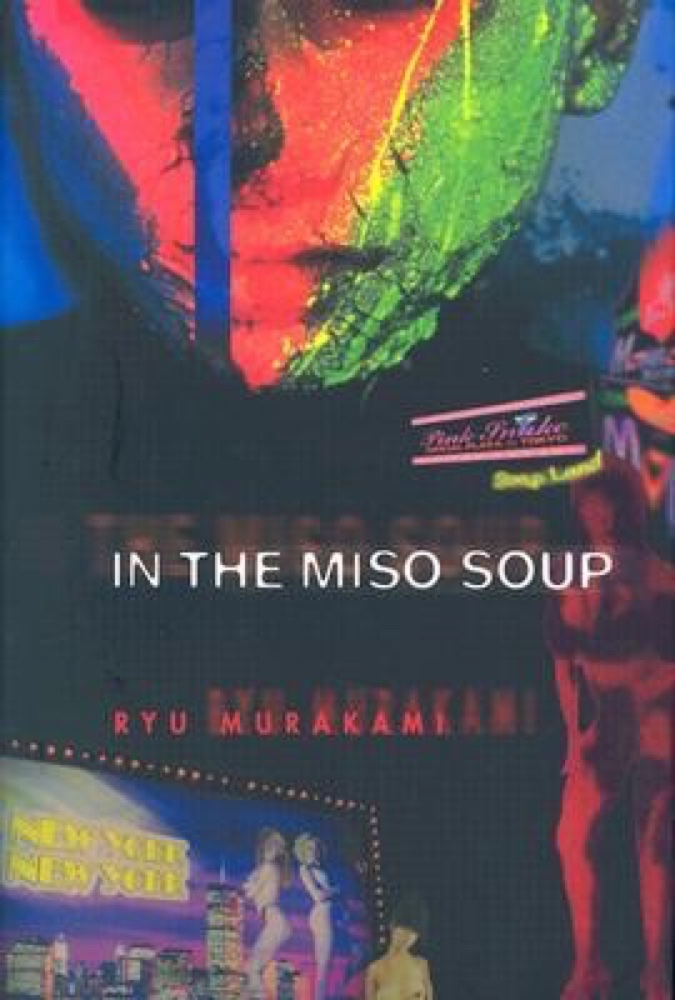 In the Miso Soup
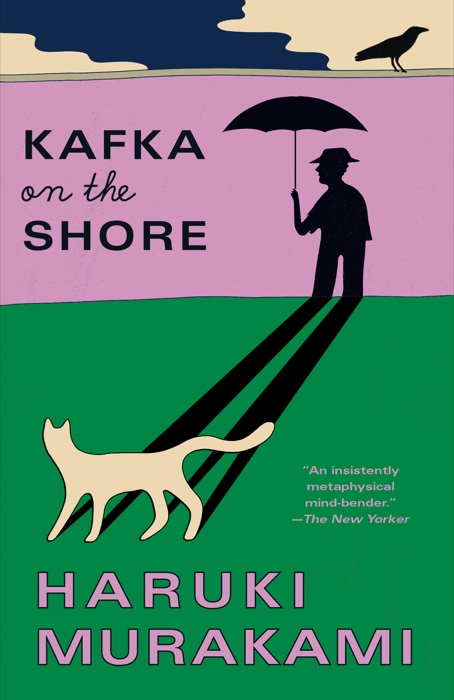 Kafka on the Shore
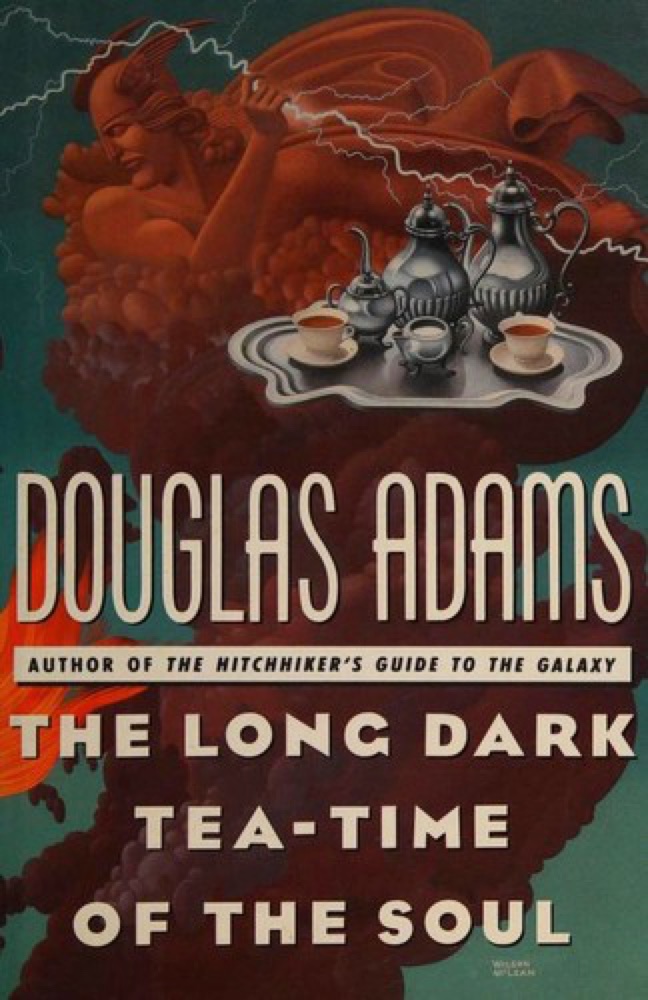 The Long Dark Tea-Time of the Soul
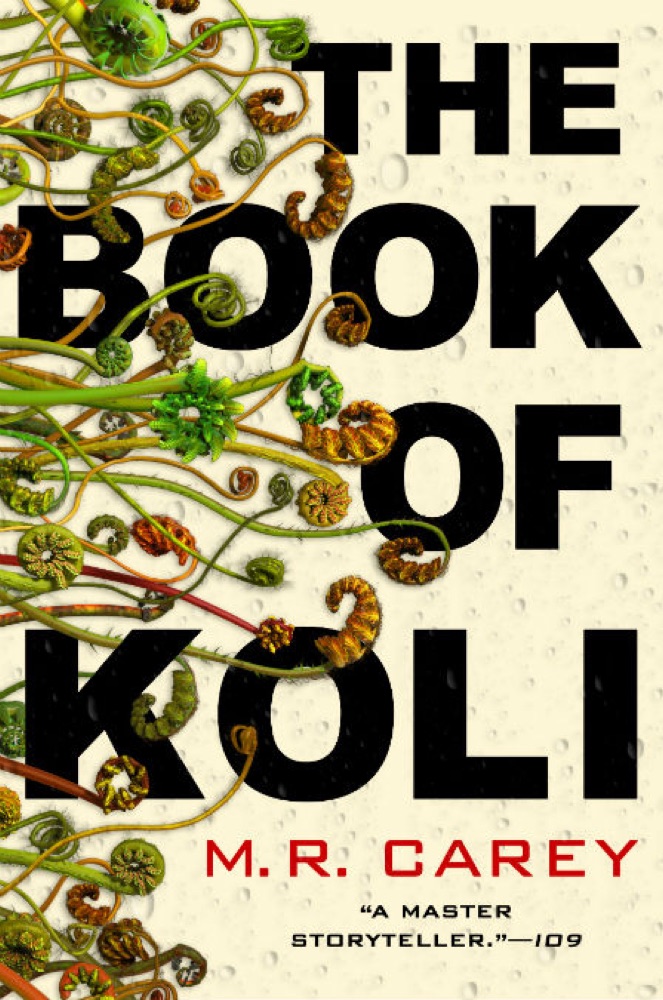 The Book of Koli
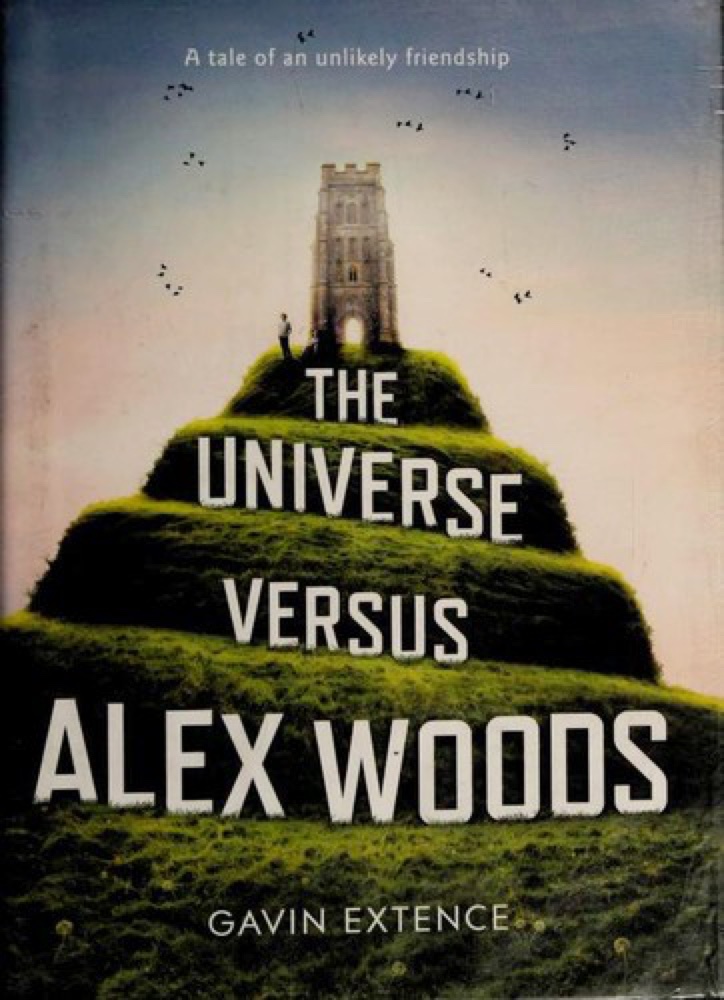 The Universe Versus Alex Woods
 Thanks for the Trouble
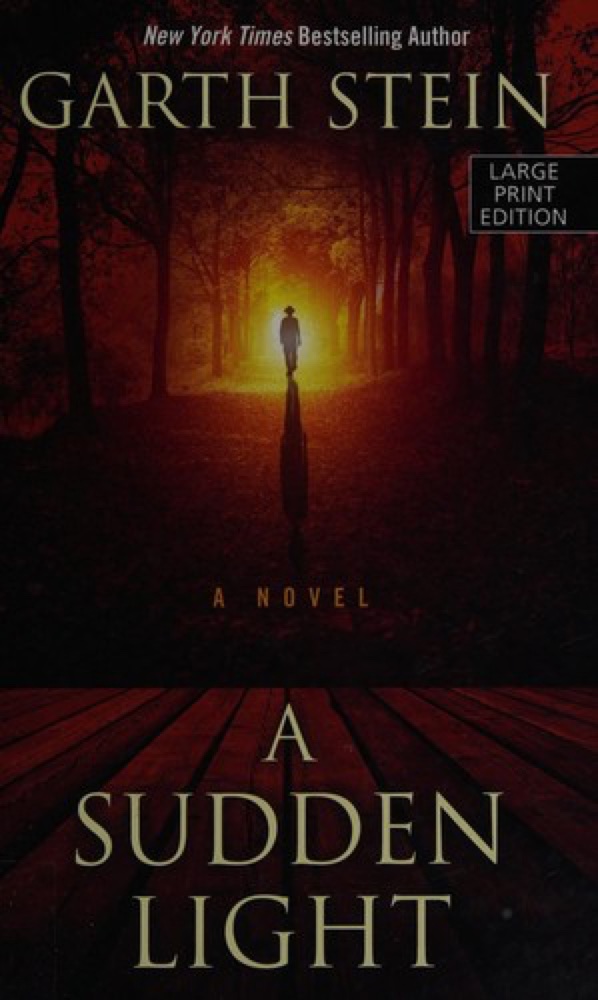 A Sudden Light
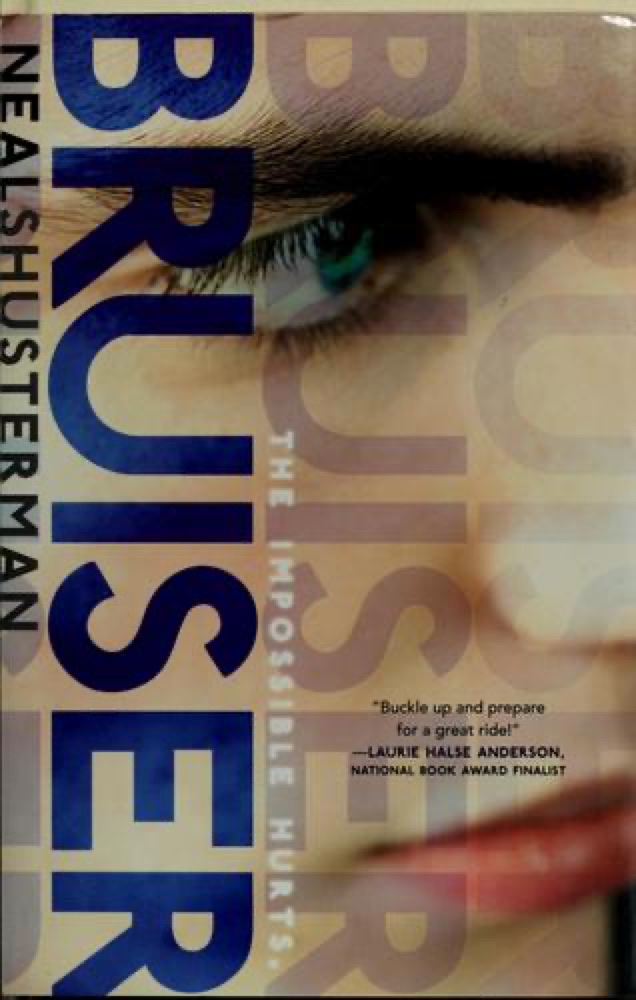 Bruiser
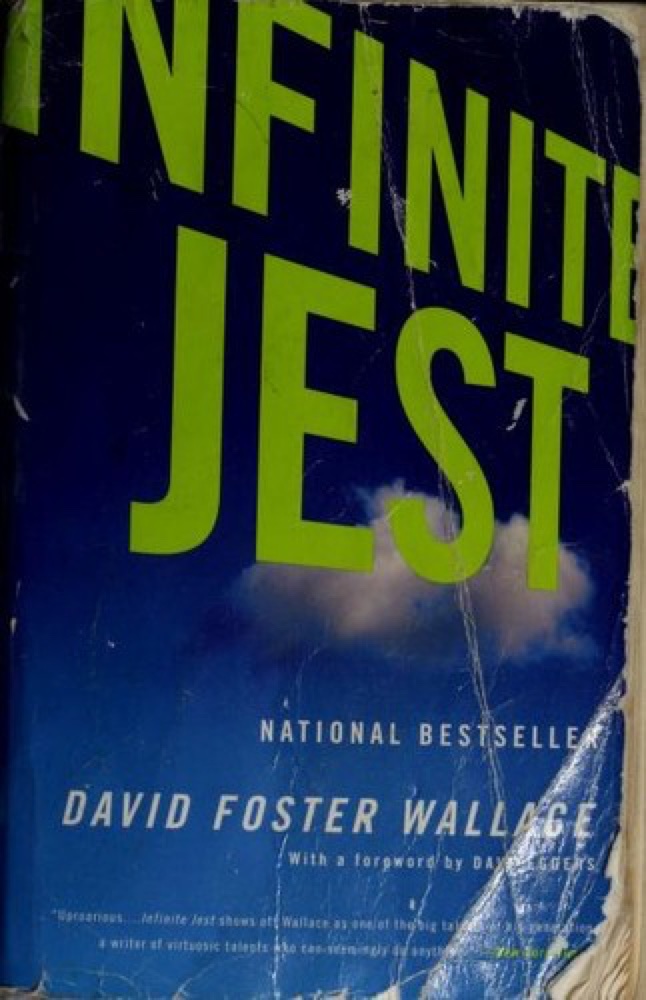 Infinite Jest
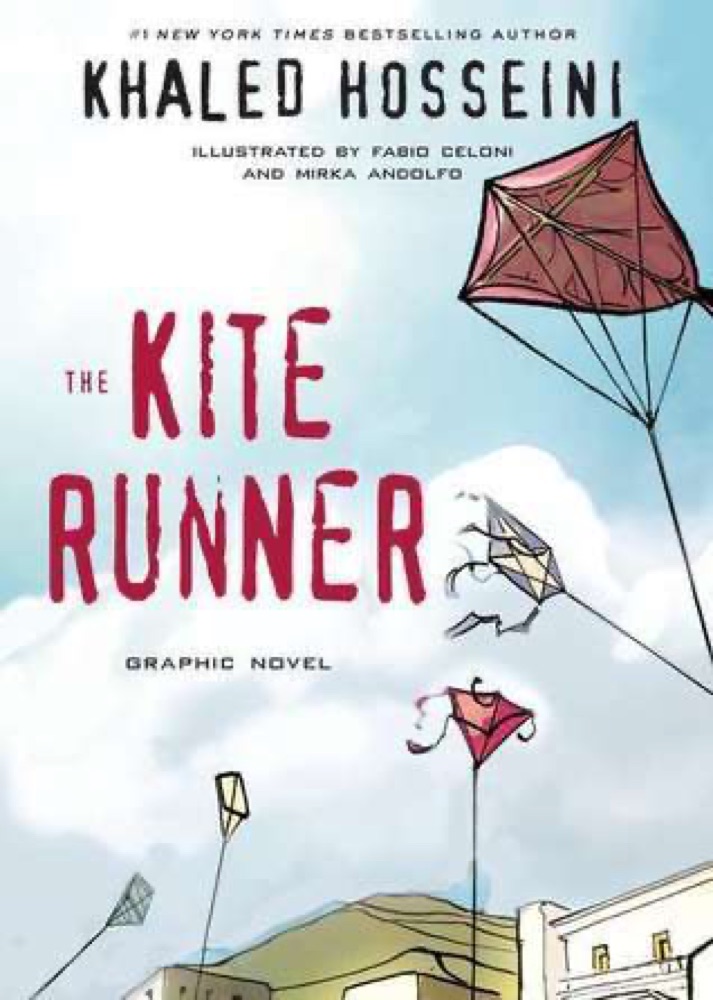 The Kite Runner
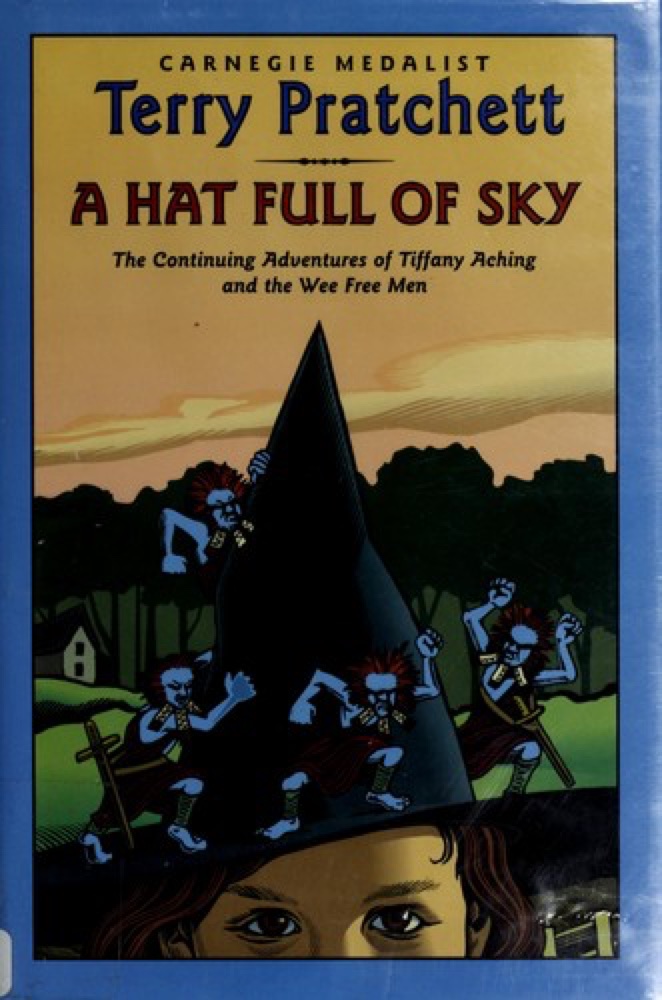 A Hat Full of Sky
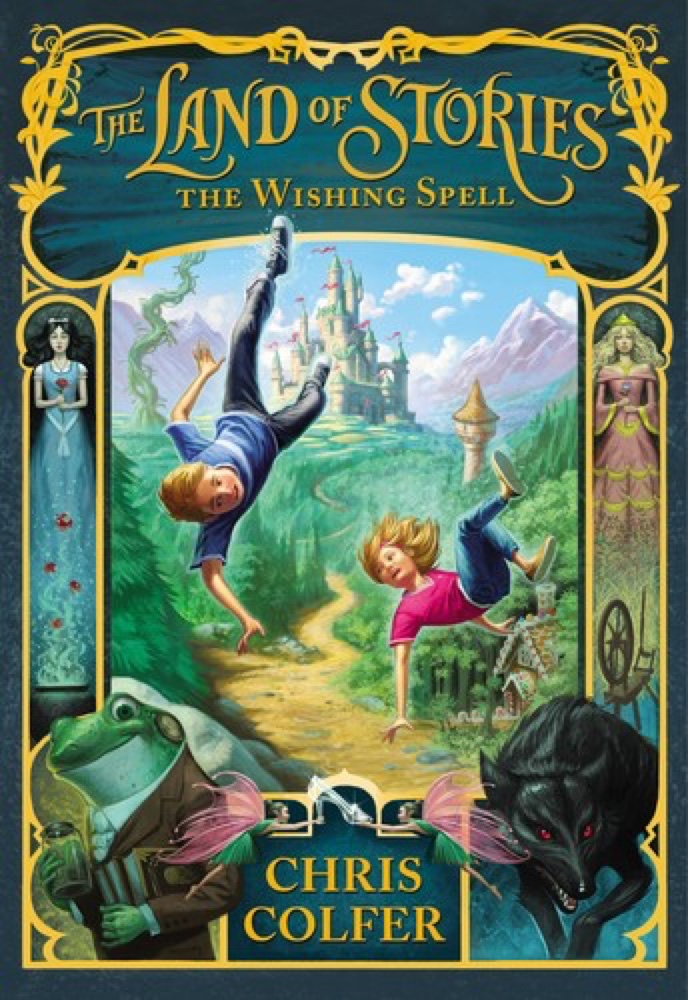 The Wishing Spell
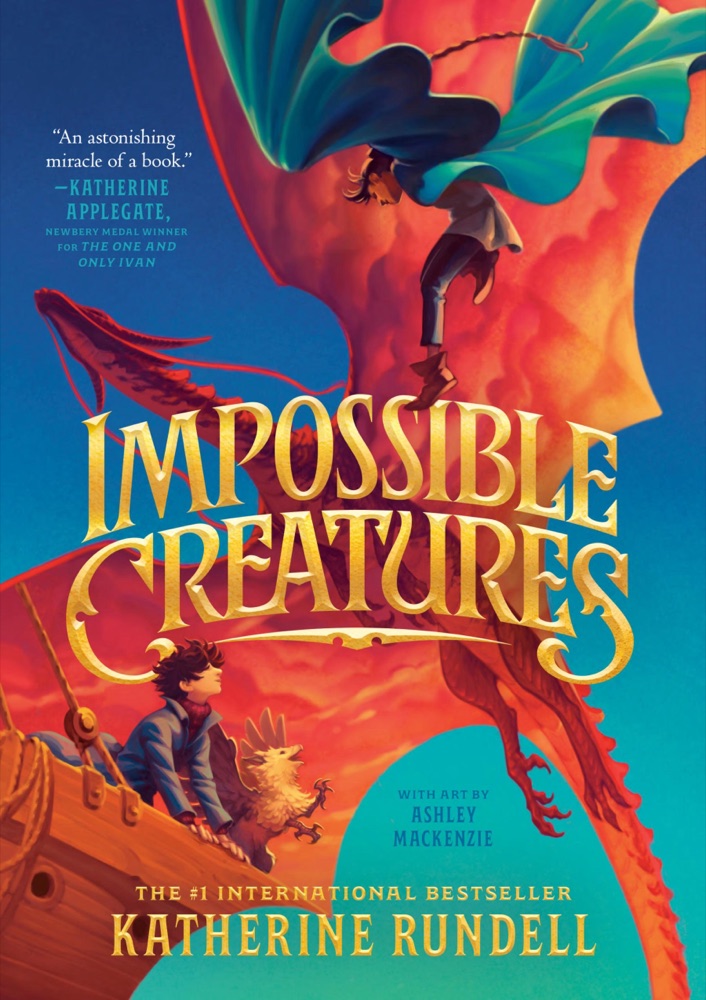 Impossible Creatures
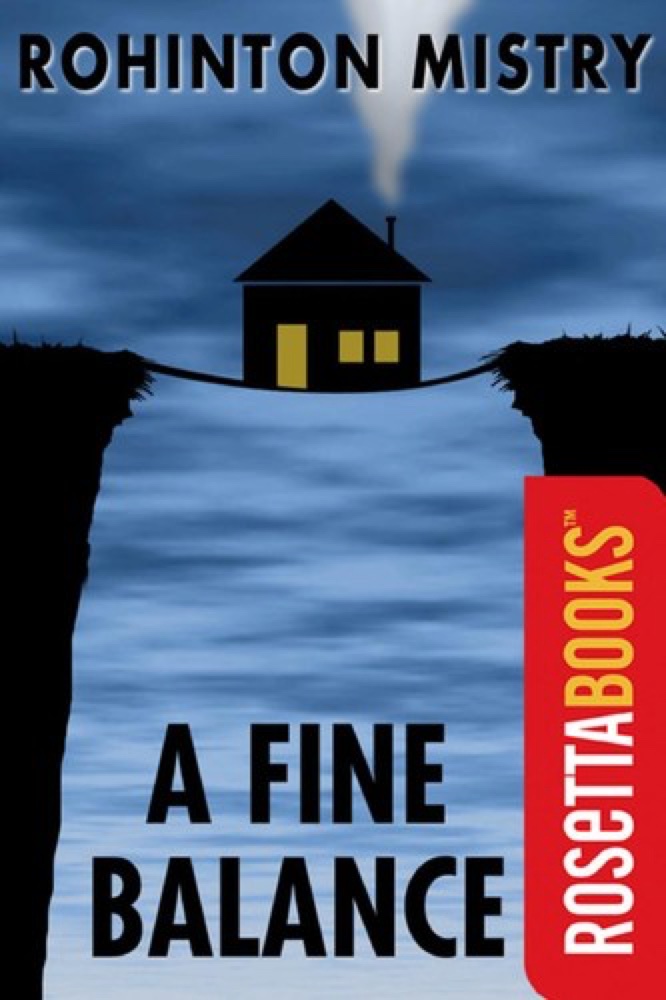 A Fine Balance
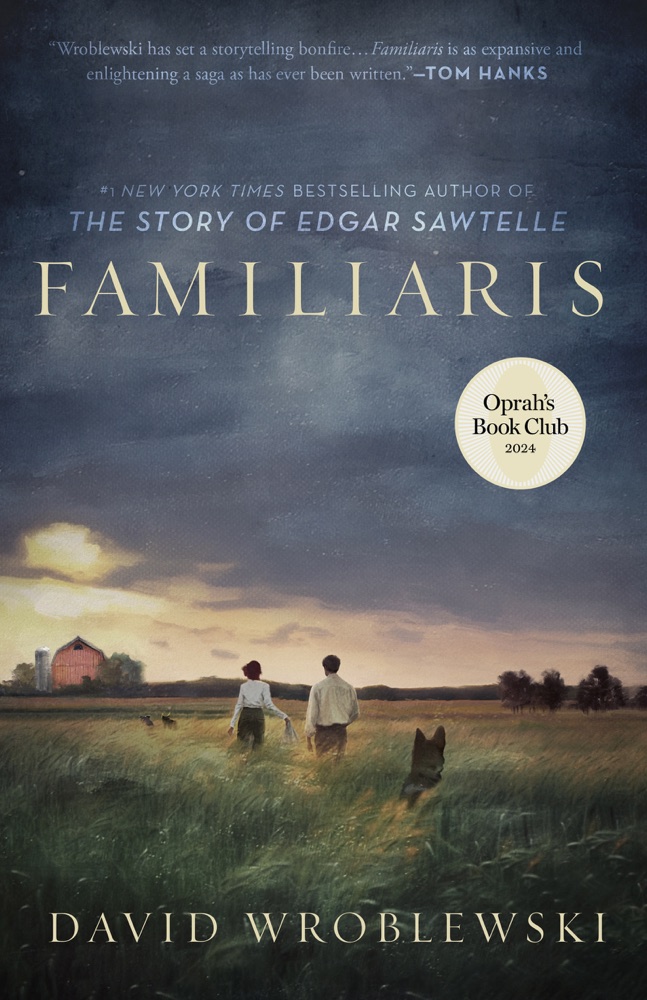 Familiaris
 The Bee Sting
 It Happens for a Reason
 Everything Sad Is Untrue
 Conviction
 The Nix
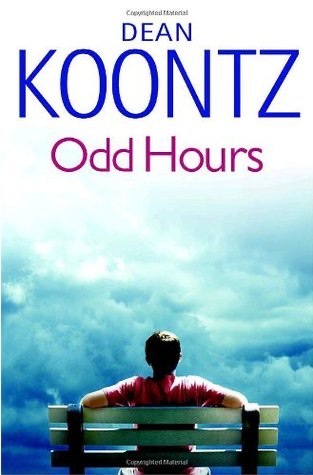 Odd Hours
 Hard-Boiled Wonderland and the End of the World
 1Q84
1Q84
 They Call Her Dirty Sally
 The Long Way to a Small, Angry Planet
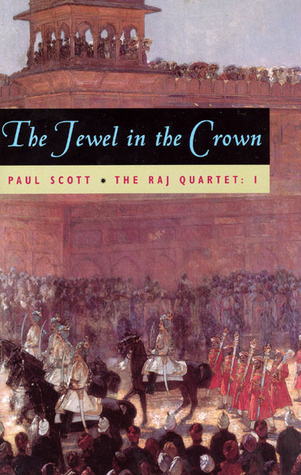 The Jewel in the Crown
 The Sea, the Sea
 The Angel's Game
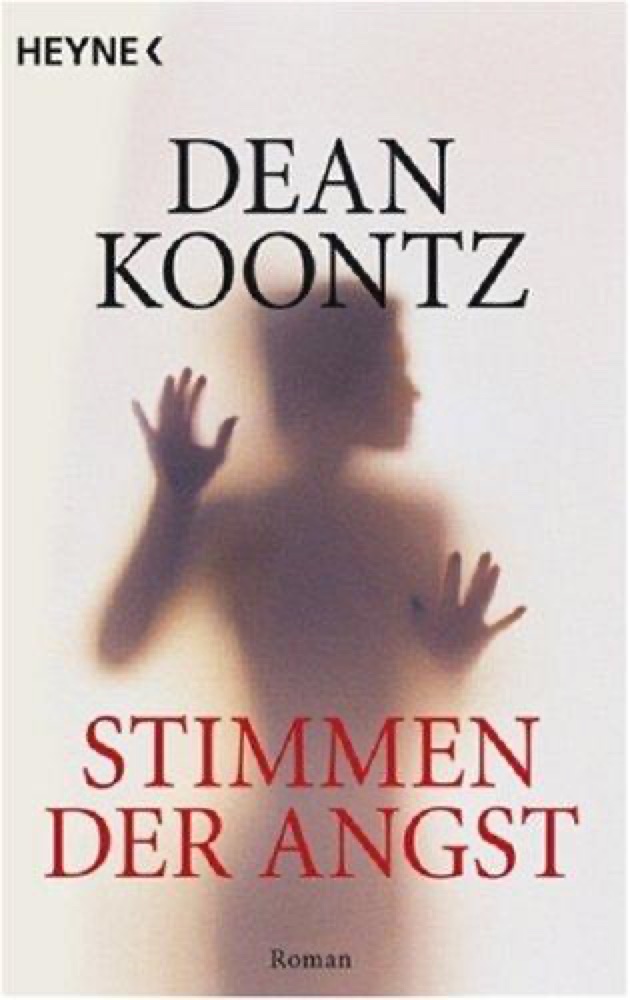 False Memory
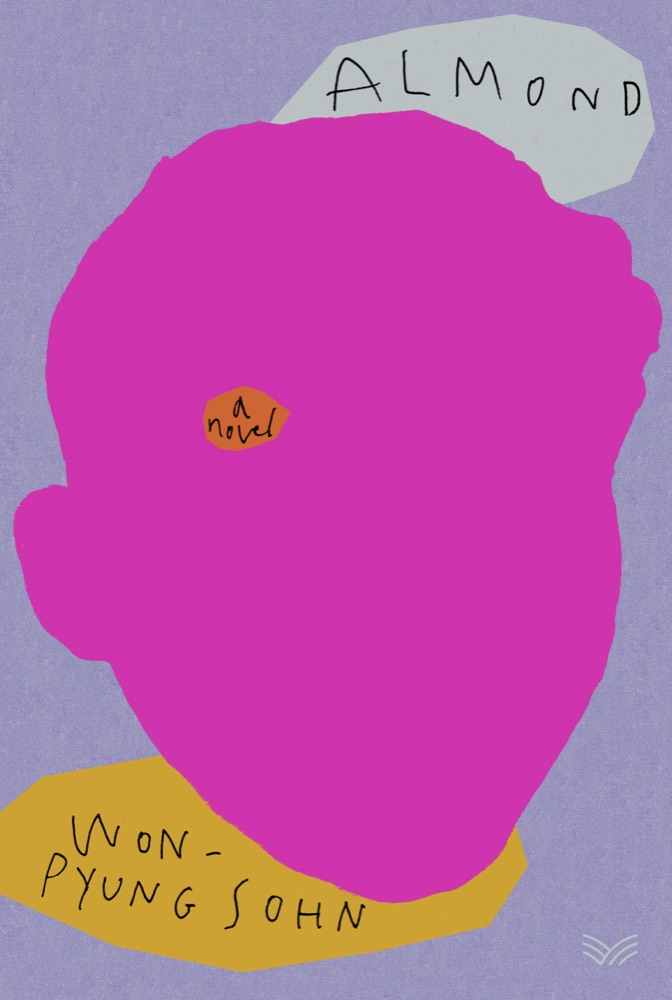 Almond
 A Fraction of the Whole
 The Lay of the Land
 The Dinner
 Suspect
 The Hour I First Believed
 Worm
Worm