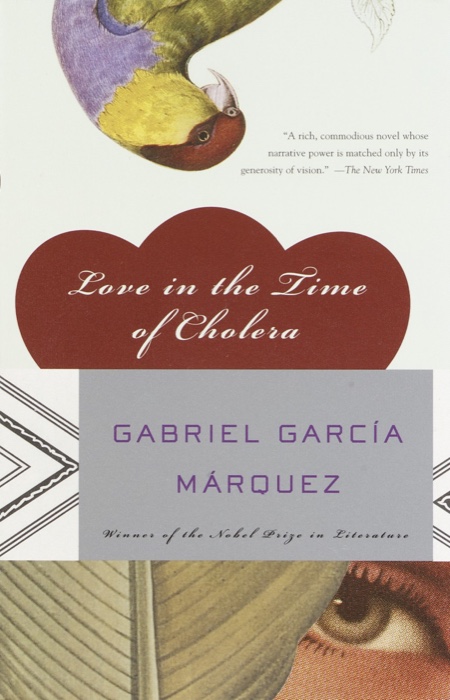

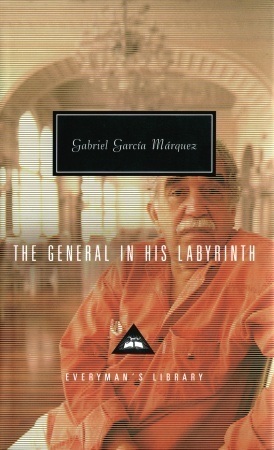
 The General in His Labyrinth
Quotes from the Book
He allowed himself to be swayed by his conviction that human beings are not born once and for all on the day their mothers give birth to them, but that life obliges them over and over again to give birth to themselves.
To him she seemed so beautiful, so seductive, so different from ordinary people, that he could not understand why no one was as disturbed as he by the clicking of her heels on the paving stones, why no one else's heart was wild with the breeze stirred by the sighs of her veils, why everyone did not go mad with the movements of her braid, the flight of her hands, the gold of her laughter. He had not missed a single one of her gestures, not one of the indications of her character, but he did not dare approach her for fear of destroying the spell.
He was still too young to know that the heart's memory eliminates the bad and magnifies the good, and that thanks to this artifice we manage to endure the burden of the past.
She would defend herself, saying that love, no matter what else it might be, was a natural talent. She would say: You are either born knowing how, or you never know.
Tell him yes. Even if you are dying of fear, even if you are sorry later, because whatever you do, you will be sorry all the rest of your life if you say no.
But when a woman decides to sleep with a man, there is no wall she will not scale, no fortress she will not destroy, no moral consideration she will not ignore at its very root: there is no God worth worrying about.
The only regret I will have in dying is if it is not for love.
wisdom comes to us when it can no longer do any good.
He is ugly and sad... but he is all love.
Age has no reality except in the physical world. The essence of a human being is resistant to the passage of time. Our inner lives are eternal, which is to say that our spirits remain as youthful and vigorous as when we were in full bloom. Think of love as a state of grace, not the means to anything, but the alpha and omega. An end in itself.
She felt the abyss of disenchantment.
Amputees suffer pains, cramps, itches in the leg that is no longer there. That is how she felt without him, feeling his presence where he no longer was.
With her Florentino Ariza learned what he had already experienced many times without realizing it: that one can be in love with several people at the same time, feel the same sorrow with each, and not betray any of them. Alone in the midst of the crowd on the pier, he said to himself in a flash of anger: 'My heart has more rooms than a whorehouse.
She had never imagined that curiosty was one of the many masks of love .
She knew that he loved her above all else, more than anything in the world, but only for his own sake.
Only God knows how much I love you.
She discovered with great delight that one does not love one's children just because they are one's children but because of the friendship formed while raising them.
Together they had overcome the daily incomprehension, the instantaneous hatred, the reciprocal nastiness, and fabulous flashes of glory in the conjugal conspiracy. It was time when they both loved each other best, without hurry or excess, when both were most conscious of and grateful for their incredible victories over adversity. Life would still present them with other moral trials, of course, but that no longer mattered: they were on the other shore.
But that afternoon he asked himself, with his infinite capacity for illusion, if such pitiless indifference might not be a subterfuge for hiding the torments of love.
Always remember that the most important thing in a good marriage is not happiness, but stability.
There is no greater glory than to die for love.
It was as if they had leapt over the arduous cavalry of conjugal life and gone straight to the heart of love. They were together in silence like an old married couple wary of life, beyond the pitfalls of passion, beyond the brutal mockery of hope and the phantoms of disillusion: beyond love. For they had lived together long enough to know that love was always love, anytime and anyplace, but it was more solid the closer it came to death.
and the two of them loved each other for a long time in silence without making love again.
He recognized her despite the uproar, through his tears of unrepeatable sorrow at dying without her, and he looked at her for the last and final time with eyes more luminous, more grief-stricken, more grateful than she had ever seen them in half a century of a shared life, and he managed to say to her with his last breath: “Only God knows how much I loved you
Very well, I will marry you if you promise not to make me eat eggplant.
Nothing resembles a person as much as the way he dies.
Humanity, like armies in the field, advances at the speed of the slowest.
The world is divided into those who screw and those who do not. He distrusted those who did not—when they strayed from the straight and narrow it was something so unusual for them that they bragged about love as if they had just invented it.
Did you know?
- The novel was first published in Spanish in 1985 as El amor en los tiempos del cólera.
- Its author, Gabriel García Márquez, had won the Nobel Prize in Literature in 1982, three years before the book appeared.
- The English translation was made by Edith Grossman and published in 1988.
- A film adaptation directed by Mike Newell was released in 2007 and filmed in Cartagena, Colombia.
- The story centers on a love that spans more than half a century between Florentino Ariza and Fermina Daza.
About Gabriel García Márquez
Gabriel García Márquez (1927-2014) was a Colombian novelist and journalist, widely regarded as one of the most significant authors of the twentieth century. He won the Nobel Prize in Literature in 1982 and is best known for One Hundred Years of Solitude, Love in the Time of Cholera, and Chronicle of a Death Foretold.
More about the author →More by Gabriel García Márquez
The General in His Labyrinth
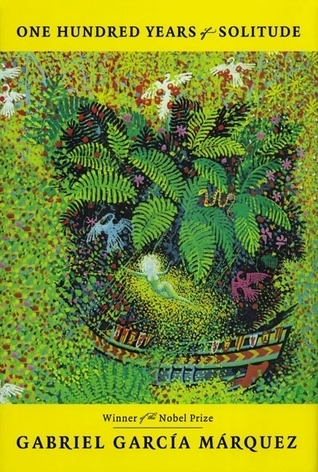 One Hundred Years of Solitude
 Of Love and Other Demons
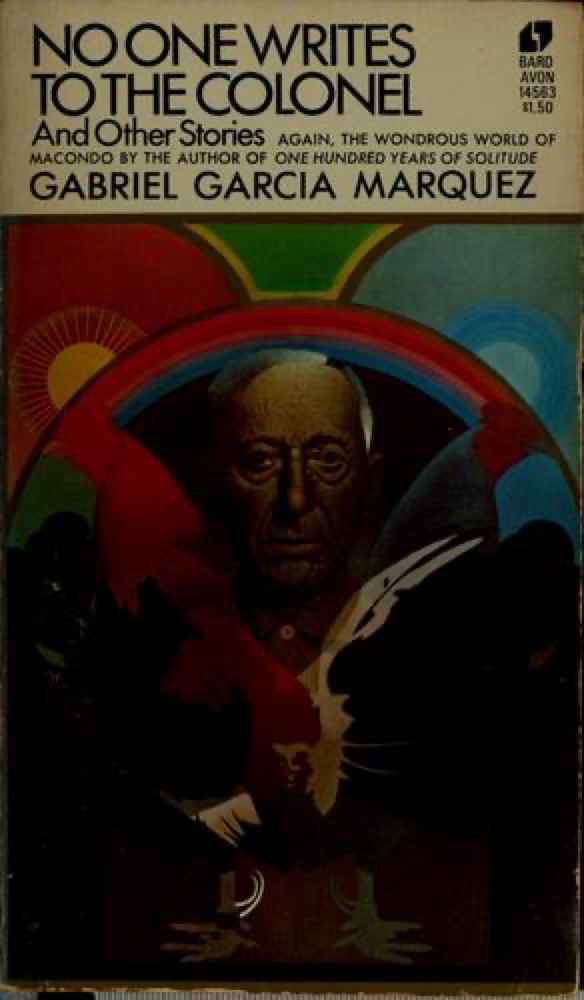 No One Writes to the Colonel and Other Stories
About the book
Love in the Time of Cholera, first published in Spanish in 1985 as El amor en los tiempos del cólera, is a novel by the Colombian writer Gabriel García Márquez. It follows Florentino Ariza and Fermina Daza, who fall in love as young people and exchange secret letters until Fermina's father separates them. Fermina goes on to marry Dr. Juvenal Urbino, a respected physician devoted to eradicating cholera, while Florentino pursues numerous affairs yet claims to remain spiritually faithful. Only after Urbino's death, decades later, does Florentino renew his declaration of love to the widowed Fermina.
The book meditates on love across a lifetime, asking whether passion helps or hinders devotion and challenging the assumption that romance belongs only to the young. Its aging protagonists transcend emotional obstacles and social judgment to reach for late-life devotion, and the recurring imagery of cholera links the fevers of love and disease. Critics have often noted how it finds the extraordinary within the ordinary rhythms of long lives.
Written after García Márquez had won the 1982 Nobel Prize in Literature, the novel became one of his most beloved works alongside One Hundred Years of Solitude. Translated into English by Edith Grossman in 1988, it reached a wide international readership and was adapted into a feature film in 2007. It endures as a landmark of Latin American literature and one of the most celebrated love stories of the twentieth century.
Key characters
- Florentino ArizaDevoted suitor who waits decades for Fermina
- Fermina DazaBeautiful, intelligent woman loved by Florentino
- Dr. Juvenal UrbinoWealthy, rational physician who marries Fermina
- Lorenzo DazaFermina's father, who separates the young lovers
Book details
- First published
- 1985
- Length
- 348 pages
- Reading time
- 8 hours
- Author
- Gabriel García Márquez
- Genre
- Classics
- Goodreads rating
- 3.94 (557k ratings) →
- First line
- “It was inevitable: the scent of bitter almonds always reminded him of the fate of unrequited love.”
Movie & TV adaptations
- IMDb
If you liked this, read…
- 1One Hundred Years of SolitudeGarcía Márquez's masterwork of Latin American magical realism.
- 2The House of the SpiritsIsabel Allende's multigenerational saga of love and family.
- 3Like Water for ChocolateLaura Esquivel's tale of thwarted love told with sensory magic.
Keep reading
 Truly, Madly, Deeply
 Lovely War
 The Proposal
 The Painted Veil
 Anna Karenina
 The Golden Yarn
 Sons and Lovers
 The Confessions of Max Tivoli
 A Long Fatal Love Chase
 Les Misérables
 Teardrop
 Arch of Triumph
 The Bridge of San Luis Rey
 Atonement
 Chain of Iron
 The Intimacy Experiment
 Bel Canto
 A Reliable Wife
 The Book of Love: Poems of Ecstasy and Longing
 The Gravity of Us
 The Paris Wife
 Shantaram
 The Moon and Sixpence
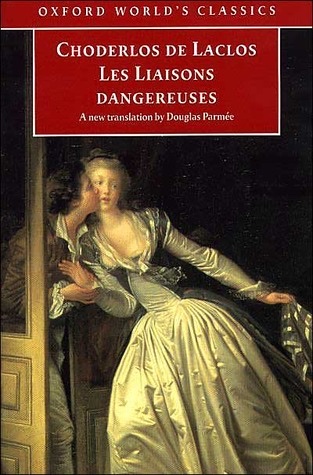 Les Liaisons dangereuses
 Fallen in Love
 Grayson's Vow
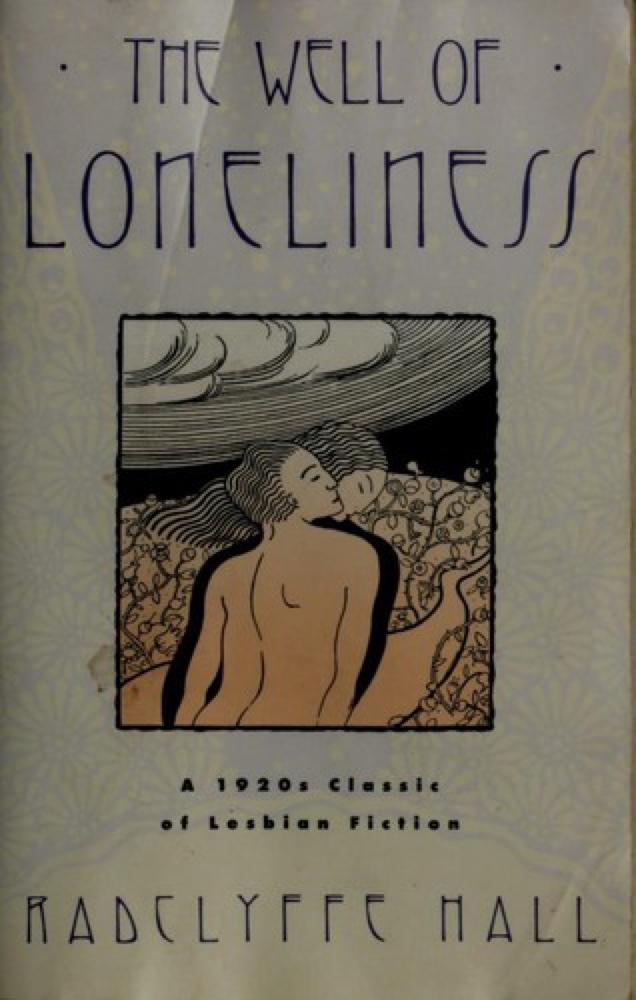 The Well of Loneliness
 Love Walked in
 The Beautiful
 Simply Magic
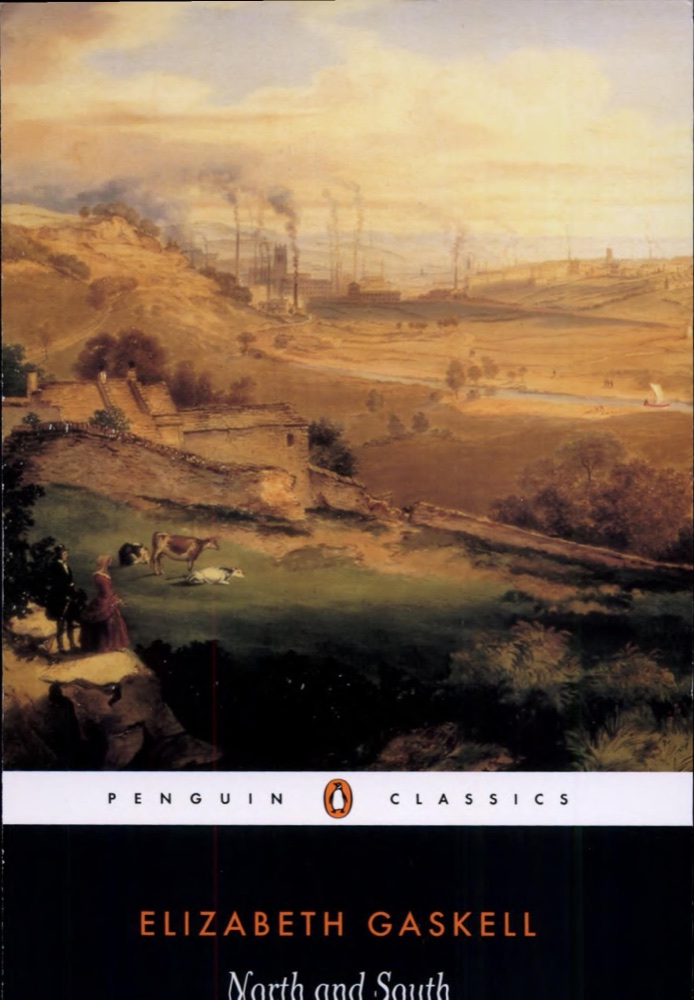 North and South
 The Nightingale
 In Sunlight and in Shadow
 The Last Rose of Shanghai
 Mercy
Mercy
 A Theory of Dreaming
 The Strange and Beautiful Sorrows of Ava Lavender
 La dame aux camélias
 Howards End
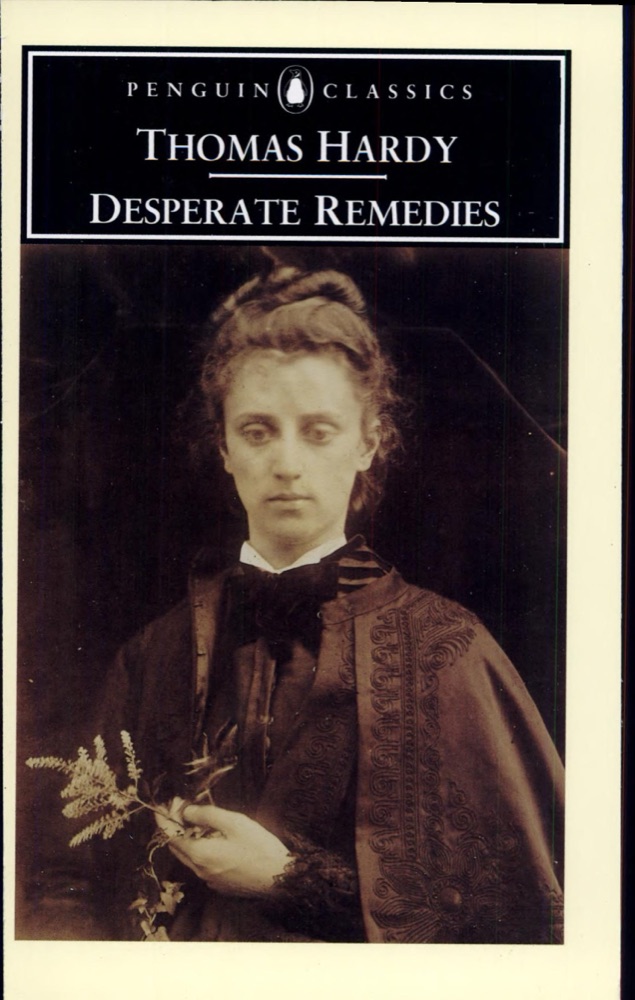 Desperate Remedies
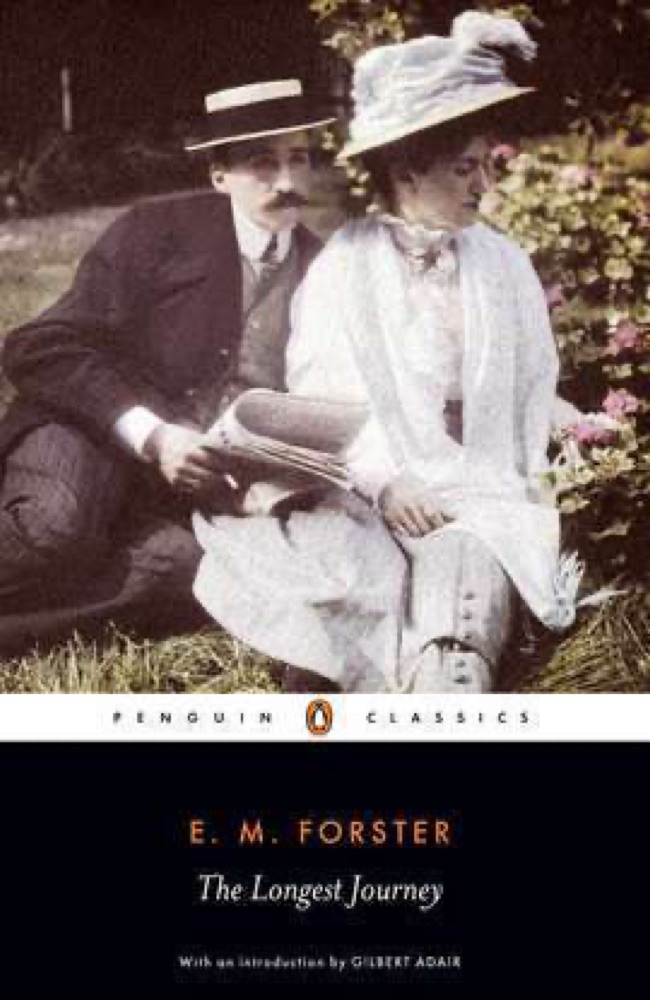 The Longest Journey
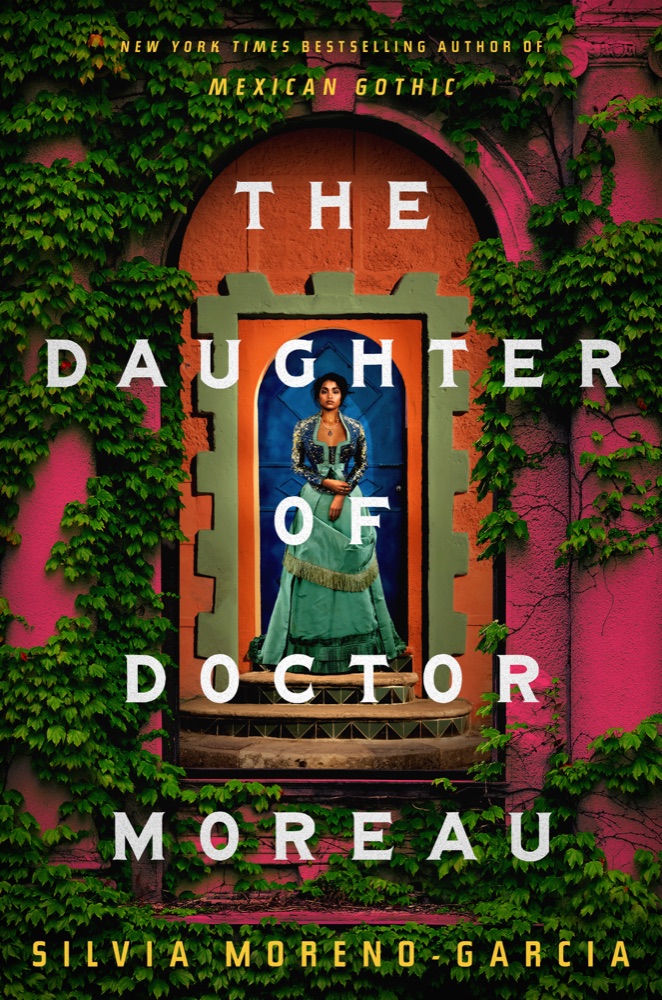 The Daughter of Doctor Moreau
 Père Goriot
 The Beautiful Ones
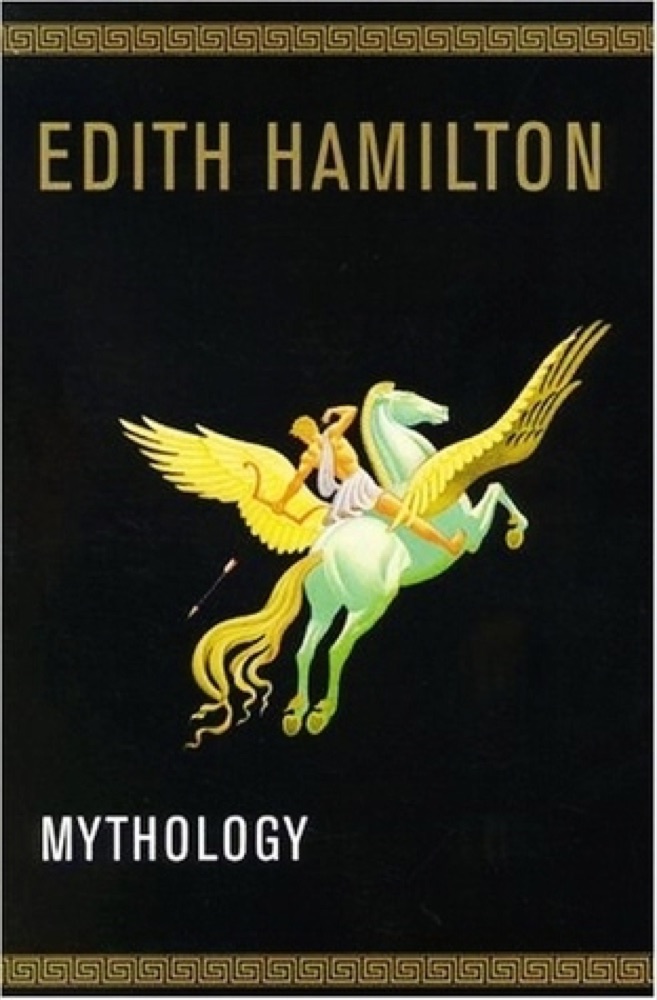 Mythology
 The Last Letter from Your Lover
 On Mystic Lake
 Persuasion
 The Secret Lives of People in Love
 The End of the Affair
 The Ballad of the Sad Café and Other Stories
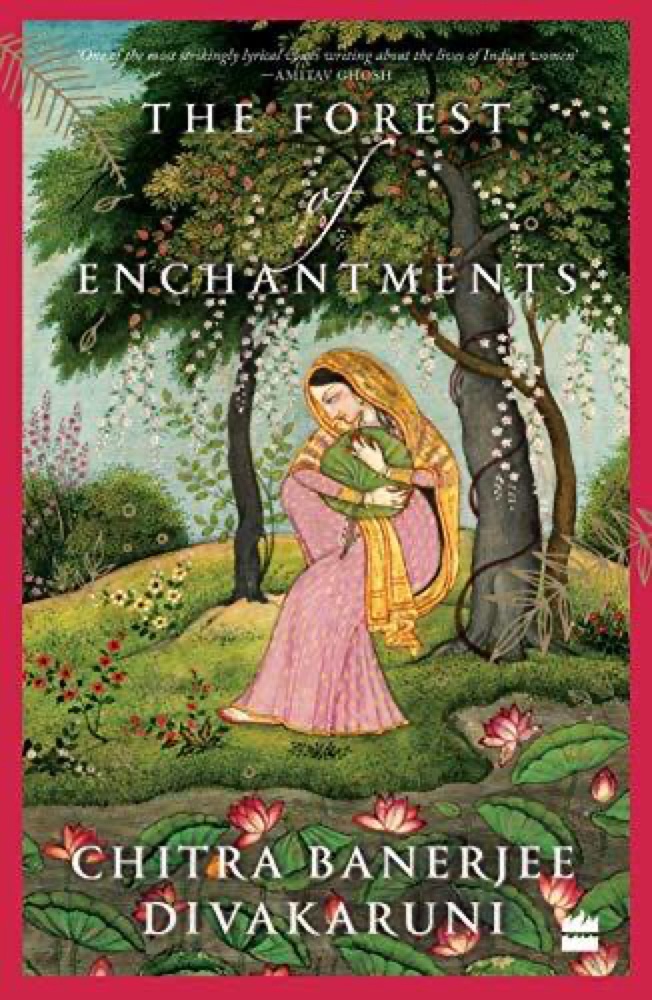 The Forest of Enchantments
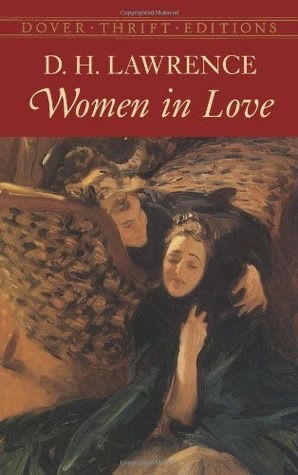 Women in Love
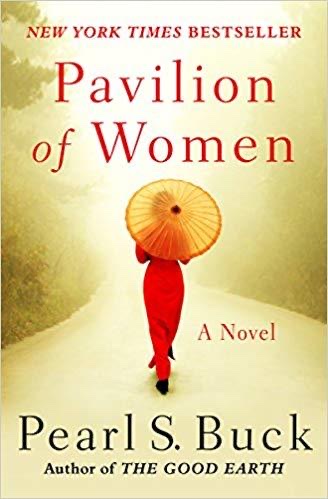 Pavilion of Women: A Novel of Life in the Women's Quarters
 Girl in Hyacinth Blue
 By the River Piedra I Sat Down and Wept
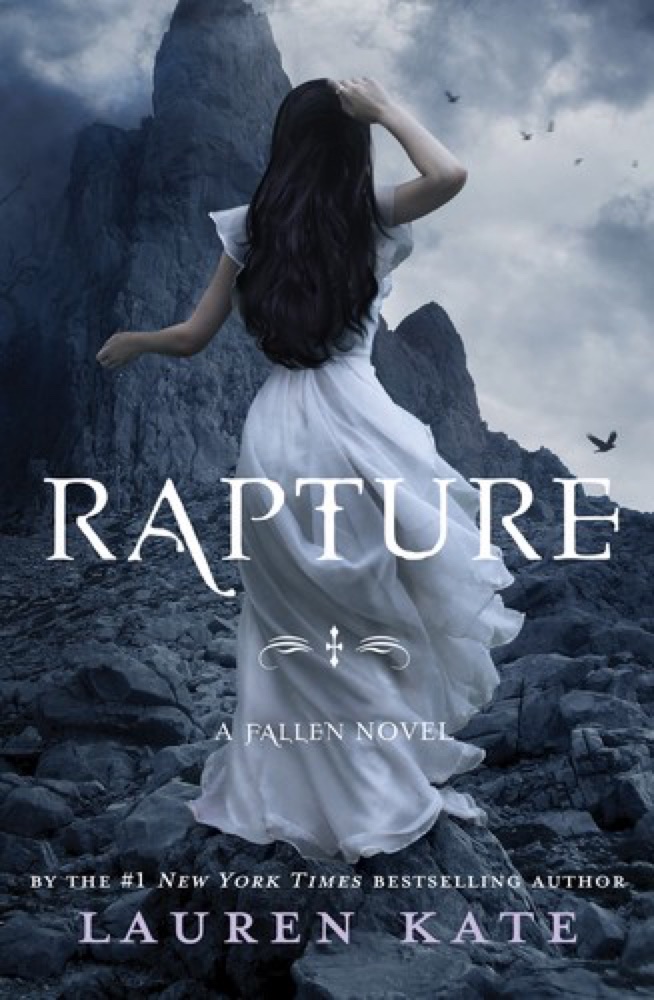 Rapture
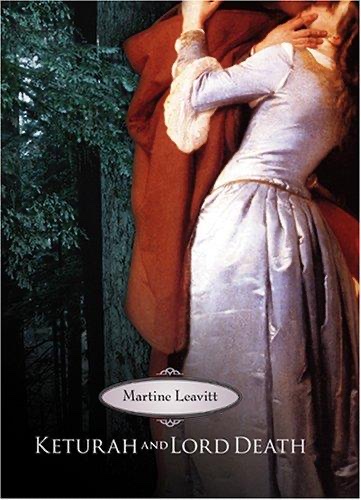 Keturah and Lord Death
 The God of Small Things
 The Valley of Amazement